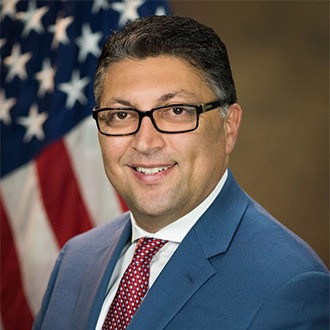
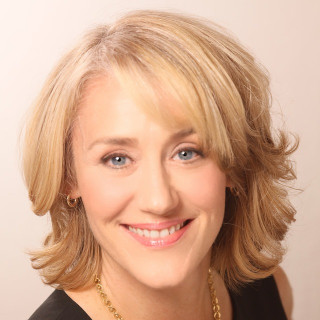
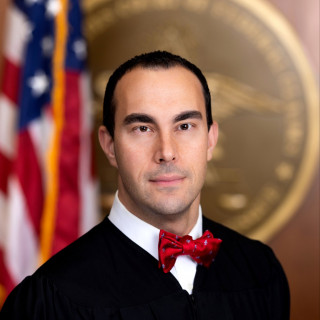
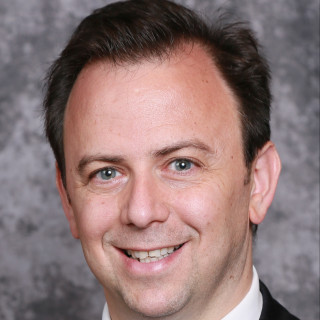
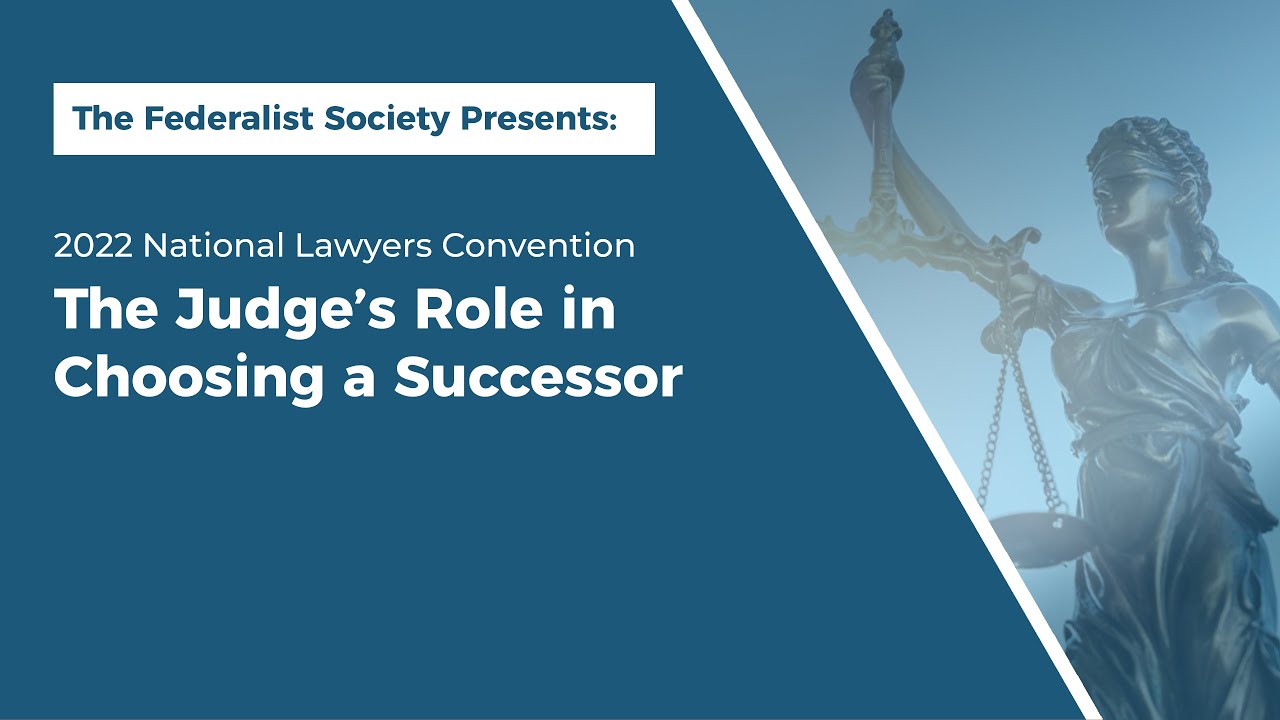
This panel discussion will examine public and private education, with a focus on the relationship—and occasional conflicts—between religious liberty and secular values in that setting. Panel members will discuss the likely impact on religious liberty and parental rights of two landmark Supreme Court rulings from the past Term: Kennedy v. Bremerton (the “praying coach” case) and Carson v. Makin (the Maine tuition assistance case). Other Supreme Court decisions could also be addressed, including Pierce v. Society of Sisters and Troxel v. Granville. Panelists could also discuss the impact on parental rights of recent federal education regulations.
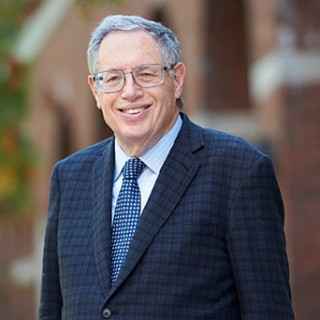
William L. Saunders: --everyone to this session for -- sponsored by the Religious Liberties Practice Group. I’m Bill Saunders. I’m a professor at Catholic University with the Institute for Human Ecology and the Center for Religious Liberty. I’m also Chairman of The Federalist Society’s Religious Liberties Group. And as I say, I welcome you. If you like this kind of programming, I invited you to join the Practice Group and get involved.
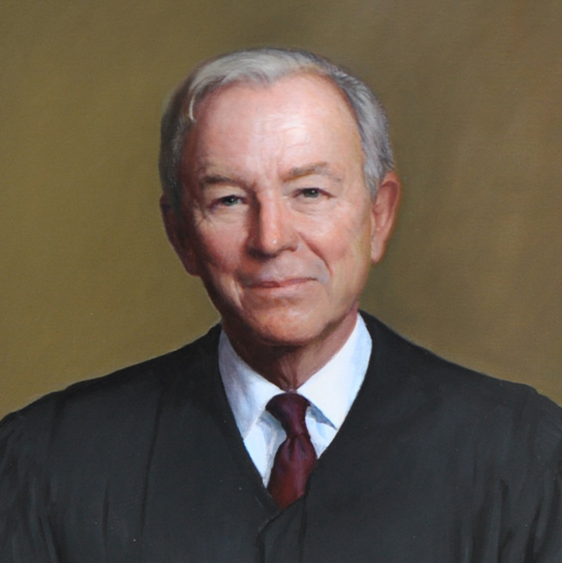
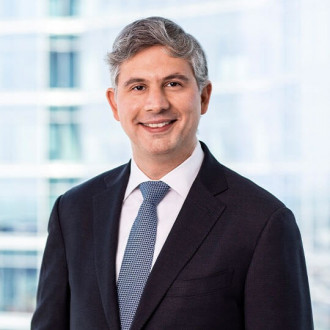
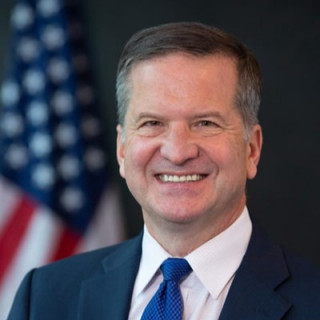
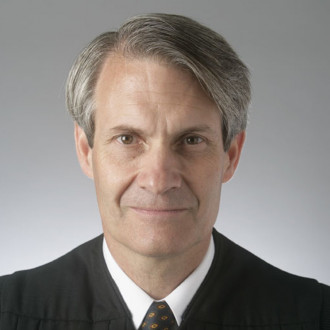
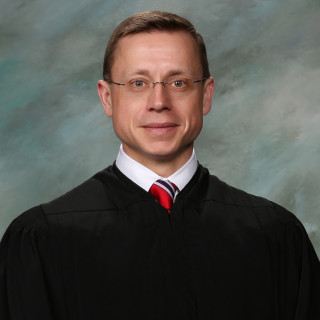
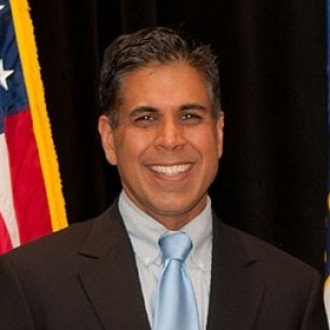
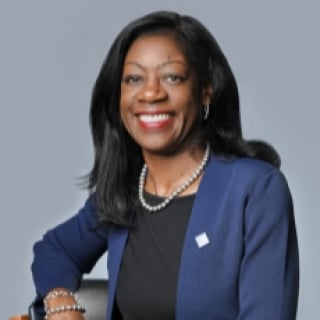
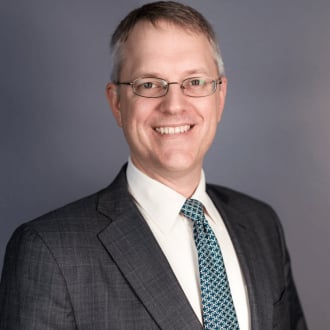
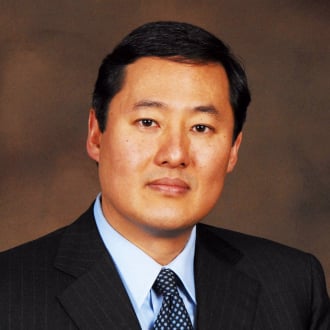
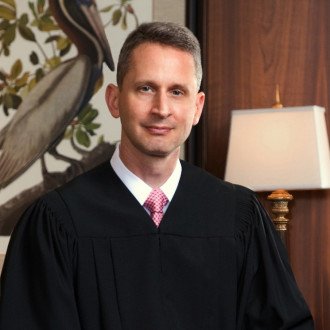
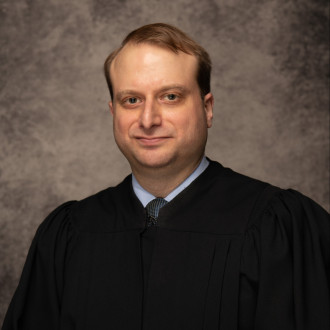
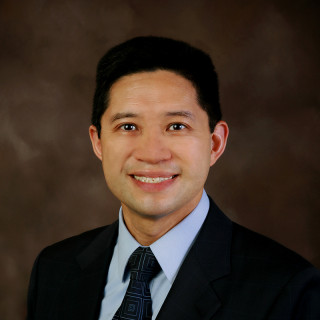
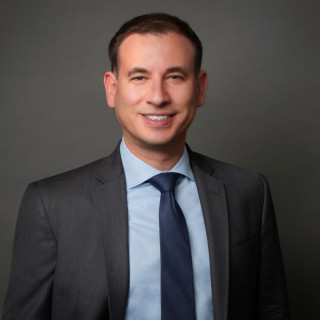
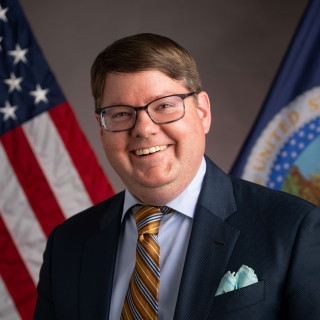
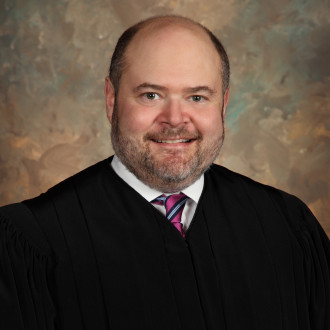
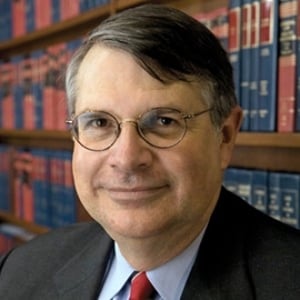
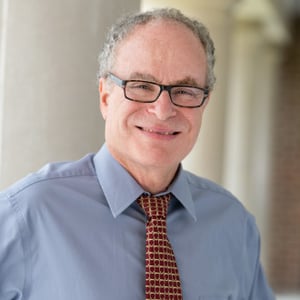
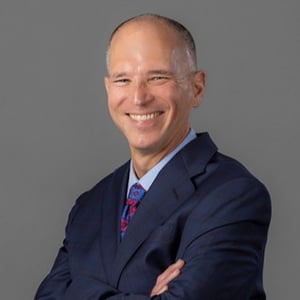
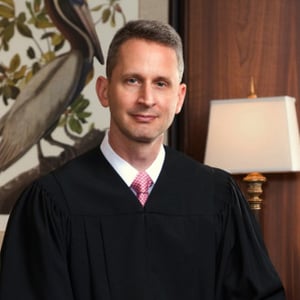
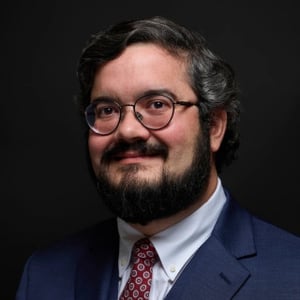
I’m going to just now turn it over to our moderator, Judge Raymond Kethledge of the Sixth Circuit. He received his undergraduate degree and his law degree from the University of Michigan. He then clerked for Ralph Guy on the Sixth Circuit and Anthony Kennedy on the U.S. Supreme Court. He’ll tell you about this panel. Judge.
Hon. Raymond Kethledge: Thank you, Bill. And hi. I’m Ray Kethledge. It’s great to see such a large group here. I think we have a real interesting topic to discuss. I’m going to be extremely brief here. We are, today on this panel, talking about Free Exercise and Establishment clause issues and, particularly, how those play out in a school setting, focusing specifically on the Carson and Kennedy cases from last term and also looking ahead to what might follow on now, after the Court has decided those cases. We have -- we’re blessed to have a really stellar panel here, and I’m going to be super brief on the bios. I think you probably already know a lot about these folks.
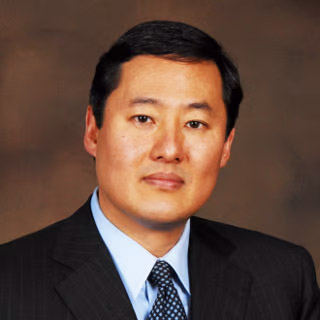
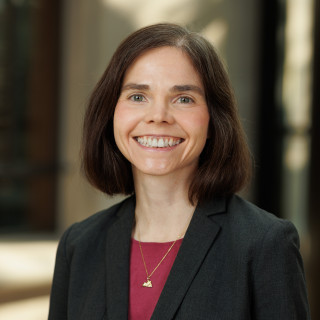
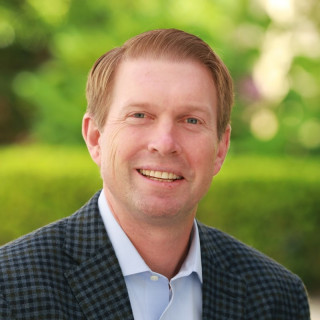
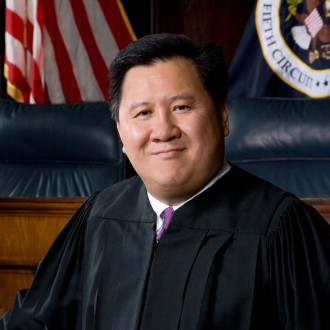
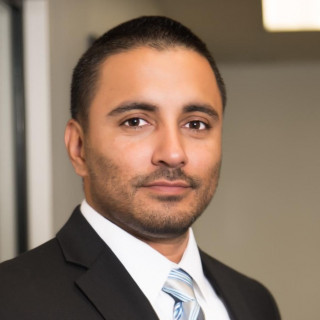
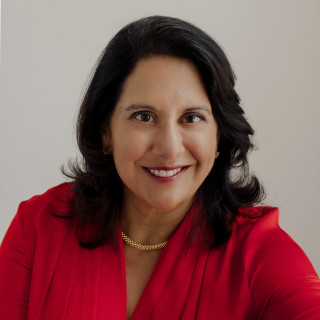
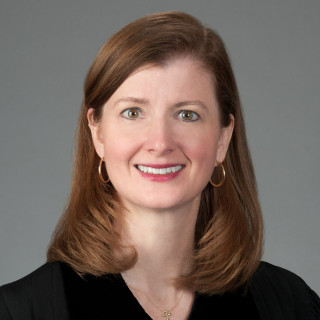
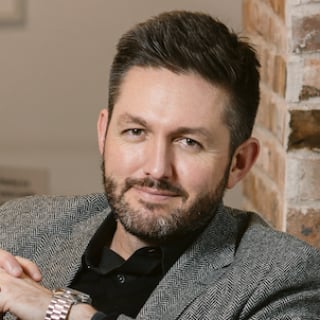
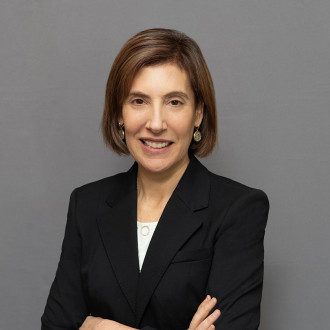
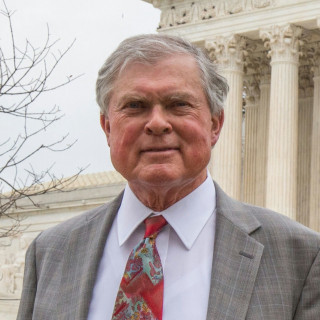
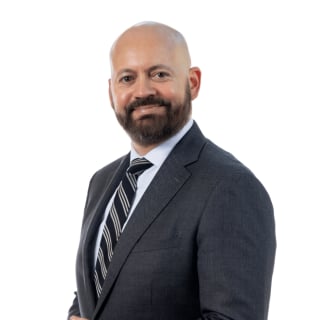
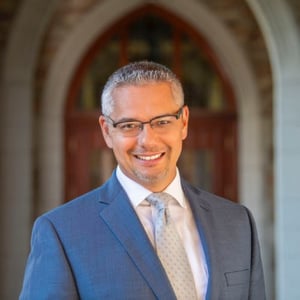
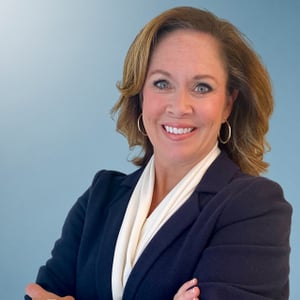
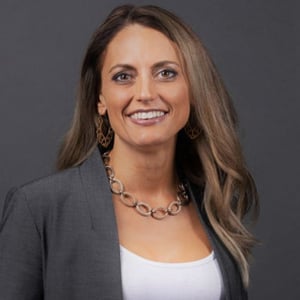
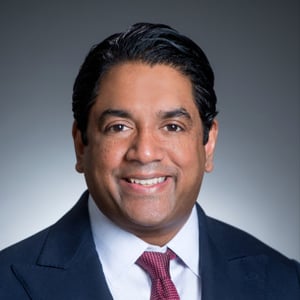
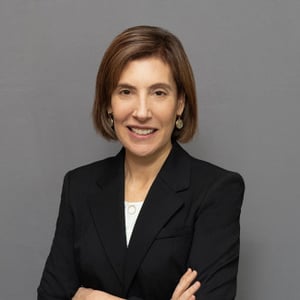
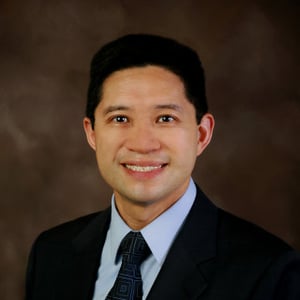
Erin Murphy is -- she was, obviously, one of the people who litigated the Kennedy case. She is at the firm of Clement & Murphy. You may have heard of her partner as well as Erin. So she’s obviously an expert in all the doctrines that we’re going to be talking about today and also on the Supreme Court, an expert as to that.
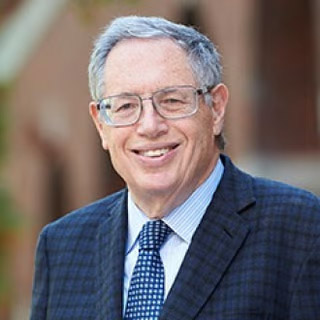
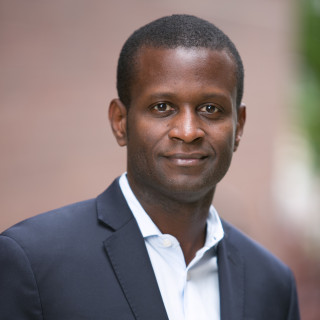
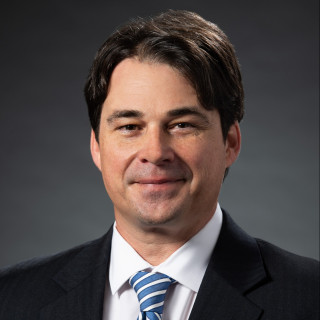
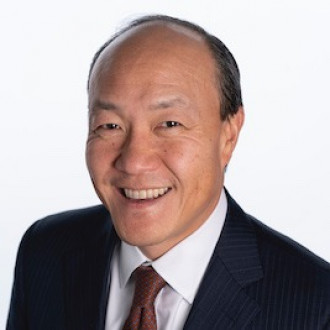
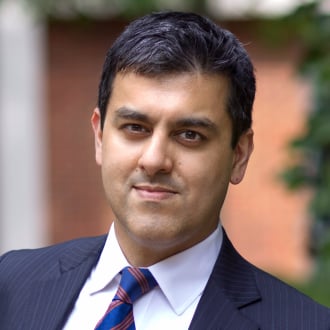
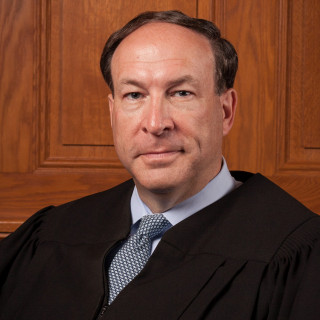
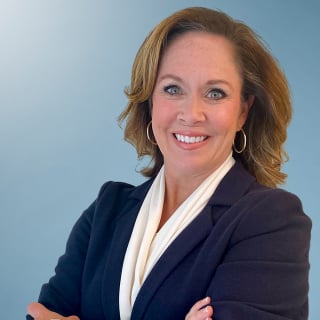
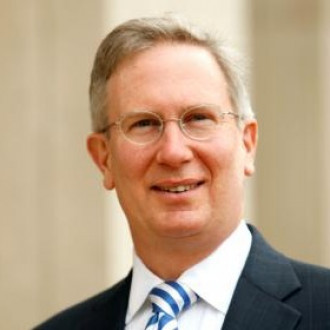
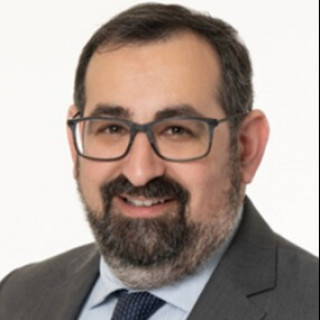
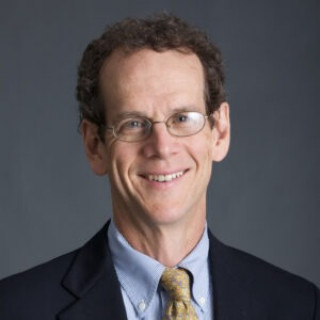
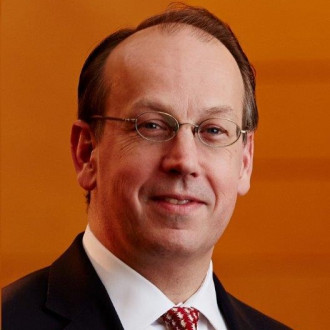
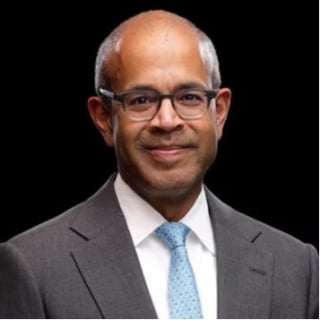
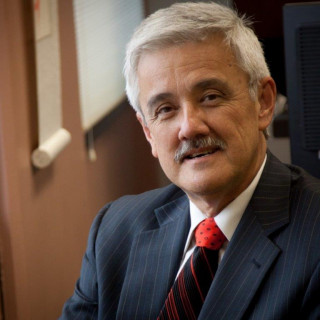
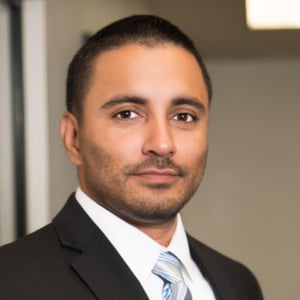
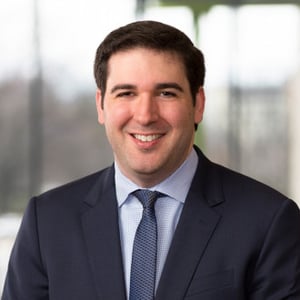
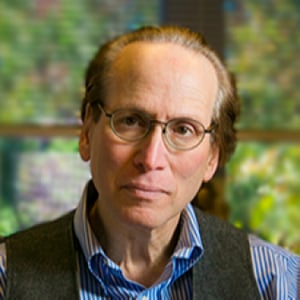
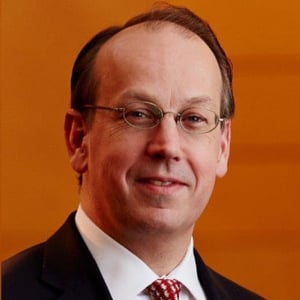
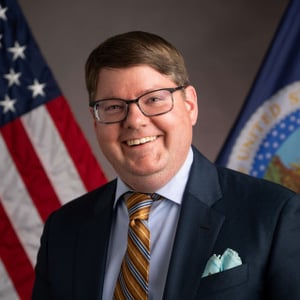
Bill Marshall, from the University of North Carolina Law School -- Bill’s been dealing with these issues for forty years. Right? When you were -- I mean you were a 1L with the first case. No. So he filed a brief in a case called Mueller — right? — which was a case out of Minnesota involving a challenge to tax credits that the state was providing to individuals, and they could use them for whatever -- to fund whatever kind of education they wanted, including at sectarian schools. So Bill was one of the litigants in one of the early cases in the doctrine -- in that particular line of cases. He’s a wonderful guy, and he's a real expert in his field.
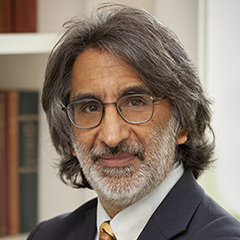
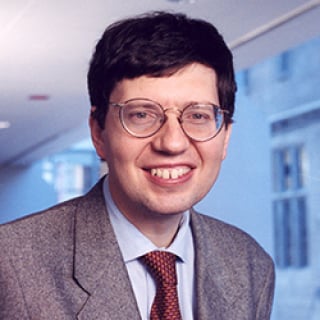
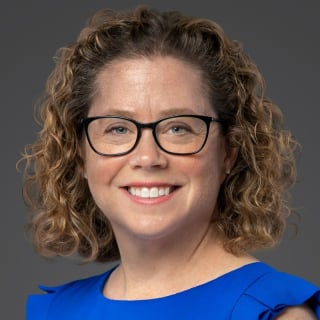
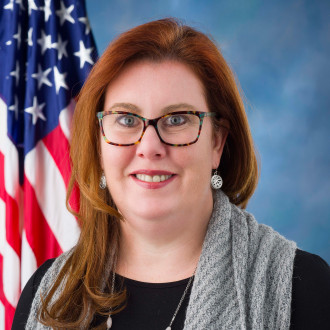
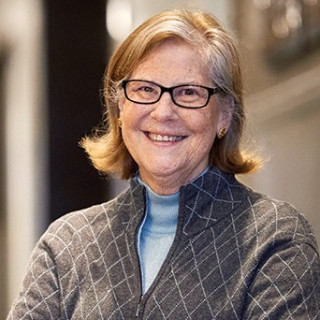
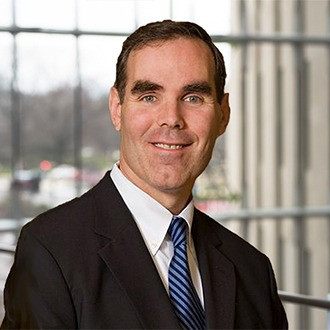
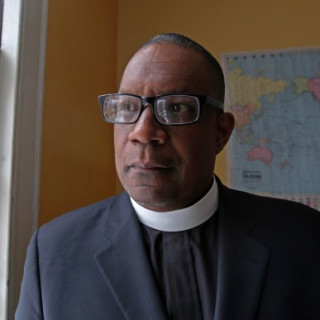
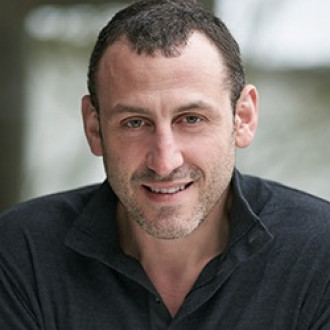
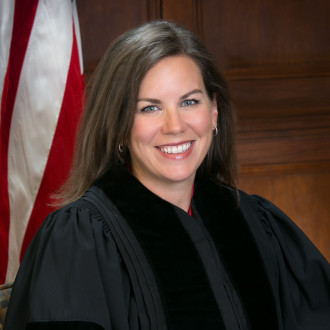
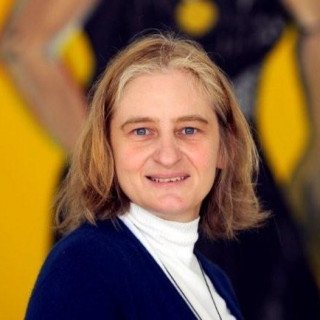
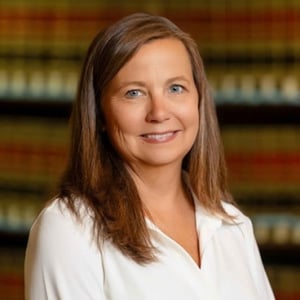
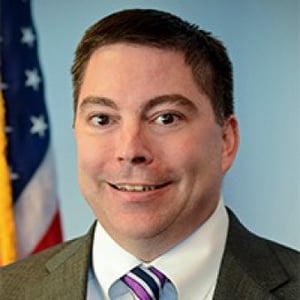
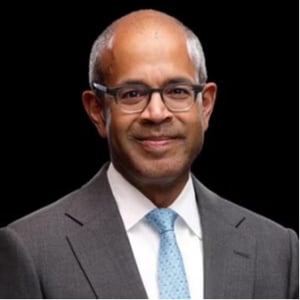
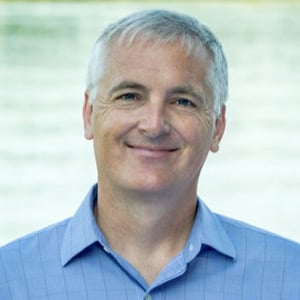
Nicole Garnett, from Norte Dame Law School, she’s going to focus more on Carson today. She also has a long, personal involvement in litigating the issues that are in the line of cases that lead up to Carson. So the way we’re going to do this today is we’re just going to have five-minute statements from each of the panelists, starting with Erin and then going to Bill and going to Nicole. We’ll probably spend about, maybe, roughly, maybe, one-third of our time on the Carson line of cases. And then, probably more time on the Kennedy case. But we’ll just see how things play out. I do think we’ll have about -- at least 20 minutes for questions towards the end, so we’ll be happy to take those. And why don’t we just get it started with Erin Murphy.
Ms. Erin Murphy: Sounds great. Thanks, Judge. And thanks, all of you. It’s great to see a packed room here to talk about religious liberty, especially in our last set of panels of the day. So statement’s probably overstating it. I’m just going to spend a little time to set the stage and tell you all a little bit about the Kennedy case, for those of you who may not have followed it quite as closely. Also, there was a lot of efforts throughout the case to confuse some of the facts of what was going on, so I thought it’d be helpful for folks to know a little bit more about the case, a little bit more about what the Court held, and obviously, we’ll dive in more throughout the panel into broader implications of all of it.
So I had the pleasure to represent Coach Joe Kennedy along with our wonderful partnership with First Liberty Institute up at the Supreme Court last year. Coach Kennedy is a high school football coach. He has coached at Bremerton High School in Bremerton, Washington, for many years. And from the very beginning, when he started coaching there, he had a practice of, at the end of games, he would kneel, typically at the 50-yard line, and just a brief, quiet prayer, like, roughly, 30-second prayer, just giving thanks to God for the fellowship, for his team, for the sport there on the field. When he started the practice, he did it by himself, but, over time, some students noticed what he was doing and asked, “What are you doing?” And he said, “I like to kneel and say a prayer.” They said, “Can we join you?” And he said, “It’s a free country. Do what you want to do.” And, so, students began joining him.
And, over time, this kind of evolved into a practice of giving post-game motivational talks that involved prayer. The team had also, wholly independent of Coach Kennedy, had its own practice of pre-game locker room prayers, and he, over time, joined in those. None of this bothered anybody to anybody’s knowledge for a very long time. What happened was at a game a coach from another school, another district, the opposing team, kind of took note of it and came up to an administrator and said, “We think this is really cool that you let your coach do this.” And the administrator instead thought, “This doesn’t seem. I didn’t know about this,” and decided to kind of make a big fuss about it. So it turned into, essentially, an investigation and all of this back and forth with the district.
And ultimately, the district then expressed concerns about the various practices that Coach Kennedy had been engaged in. And he, through a back and forth, said, “I understand. I understand the concerns about praying with students, and I’m happy to stop doing that. We won’t do -- I won’t join them in any locker room prayers. I won’t be part of that. We won’t have any religious content in any motivational post-game talks. There won’t be -- I’m happy to do that.”
But what he said was, “But I still want to continue my practice of kneeling by myself at the 50-yard line to say a brief prayer at the conclusion of the game.” And he also said, “I’m not inviting students, but if some -- if a student chooses to do the same thing, I don’t think I should have to get up and run away and hide the -- hide my religious exercise before closed -- behind closed doors.” The district objected to that and basically said, “No, no, no. You do have to hide your religious exercise behind closed doors,” and said, “You can go do it in a -- you can go up to the -- go back to the locker room when nobody’s there. Go up to the press box. Come back when everybody’s gone, but you can’t do it in front of students.”
So the case was litigated through -- we brought a challenge to it, challenged the school district, litigated in the district court, litigated in the Ninth Circuit. And what the district argued throughout, and the Ninth Circuit agreed, they argued that, when the coach knelt to say a brief prayer after games, he was actually engaged in government speech. And, so, the district and the Ninth Circuit took the view that this kind of private act of religious exercise was actually the government speech that it could control entirely, and that -- even that wasn’t quite enough for the Ninth Circuit. They decided to hold in the alternative that even if it was private religious exercise, private speech not part of his job duties, that it would violate the Establishment Clause to allow it. In other words, that the Constitution compelled the district to prohibit him from engaging in religious exercise in front of students. The case had kind of two trips up to the Supreme Court, but, ultimately, last year, the Court granted cert, and Coach Kennedy ended up prevailing.
And the Court basically, I think, issued kind of two or three key holdings that we’ll drill down on but just to get them out there. So the Court first rejected the idea that this was government speech and really rejected the premise -- the argument that had been being made by the school was, look, teachers and coaches are role models, so essentially, they’re always on duty, and everything they do and say in front of is, therefore, the school’s speech and can be controlled. And the Court rejected that and, I think, rightfully so. As it said, that’s a position that has extraordinary consequences, both for free speech and for outwardly religious teachers and coaches, because it would essentially mean that the school could prohibit, could control all manner of speech, religious or not, at any time a teacher or coach is essentially on school ground or in front of students and really would give schools leeway to ostracize outwardly religious people from being role models for students in the public schools. So the Court rejected that proposition and said, look, no, we’re always said in Garcetti and other cases that government speech is speech that really owes itself to the job. And maybe it’s government -- sure, it’s government speech, as we agreed, when the coach is talking to the team on the sideline and calling plays or having a -- in the huddle, maybe the locker room talk, whatever, there are certainly aspects of being a coach that involve speech that the school would have a different kind of interest in.
But when you’re talking about, here, time after the game where there’s not interaction with the students when the school district had conceded it would be perfectly fine for the coach to take a phone call, talk to his family, do all sorts of other things, and just said, no, the one thing you can’t do it religious exercise, that, at that point, you’re not talking about government speech. And then, the Court rejected the proposal that the school was compelled to prohibit the coach from engaging in religious exercise in front of students and did two really key things we’ll talk a little bit more about. For one, the Court finally, thoroughly rejected the so-called Lemon test that had long been the way that, at least under -- in theory, if not really in practice, that was the Supreme Court’s test in the Establishment context, where the Court would focus on what does a reasonable observer think. And, so, the school district’s argument here had been a reasonable observer might think we’re endorsing his religious exercise even if we don’t mean to, and we’re telling everybody that’s not what we’re trying to do, and it’s just impossible for us to divorce ourselves enough. And then, the Court said we’re done, really, with the reasonable observer test. We’re done with the Lemon test. We’re instead going to focus on thinking about all of this through what’s consistent with the historical traditions of the Establishment Clause.
And then, the other piece of it -- the argument had been made that this was coercive and that students were feeling -- might feel coerced to join in the prayer. But I think the Court drew an important distinction in thinking about that, and the Court basically said, look, there’s no evidence of actual affirmative coercion here. There’s nothing. Nobody had ever suggested that the coach was compelling students to participate or giving people less playing time if they didn’t or anything like that. What the district was really arguing is students might just feel pressured to join and emulate their coach just because it’s their coach. And basically, the Court said that’s really not the kind of coercion we’re thinking about when we’re talking about coercion. Coercion means something affirmative, not what you might think of as more in the vein of peer pressure.
So those are the big picture aspects of the case. I think it has a lot of really important ramifications, both for where the Court’s going in terms of Establishment Clause, jurisprudence, and in terms of thinking about how we draw that distinction between what is government speech and what’s not government speech in the school context. But we’ll talk about all of that a little bit more as things progress.
Hon. Raymond Kethledge: Great. Thank you -- is this working? Thank you, Erin. Is that working? Yeah? Okay. This is a -- you all -- this is like being in an Anglican church, very undemonstrative. [Laughter]. That’s fine. All right. All right. Bill Marshall.
Prof. William P. Marshall: Yeah, the light is shining in my eyes right now. Is mine working? Is this working?
Hon. Raymond Kethledge: Yes.
Prof. William P. Marshall: First of all, let me thank The Federalist Society for inviting me here. I’m a former Board Member of the American Constitution Society, and I think it’s very important that we continue to talk across ideological lines. And I thank The Federalist Society for inviting me here to speak. I should also point out that, when I was a kid, my dad was a conservative Republican, and my mom was a liberal Democrat, and long as I could take any issue and defend it, they let me take that. I subsequently learned that my mother was a lot smarter, but that was not the [laughter] point of the discussion.
A couple days ago, somebody won $2.1 billion in the lottery, and I was reading about that. Then, I was reading these other stories underneath it, saying that lottery winners have a tendency to have a lot of problems afterwards. Things begin to fall apart. They go bankrupt and other things. Be careful what you wish for. This organization has won the lottery with respect to constitutional law for the last couple of years, and the theme of my remarks today are really going to be, “Be careful what you wish for, particularly in the area of church and state.”
I’m going to talk real quickly about the school funding cases. I don’t find that as troubling as I find -- I call it the Bremerton case only because using the term “Kennedy” makes you think of a particular justice, and I don’t want to confuse that going forward. But with the religious school funding cases, the law has changed pretty dramatically. Not that long ago, the issues were must the state deny aid to religious organizations under the Establishment Clause. And then, it moved to can they fund aid, various kinds of aid, without violating the Establishment Clause. And now, we’re at the point where the claim is you must fund religious organizations under the Free Exercise Clause, or, sometimes, those kinds of cases are argued under the Speech Clause.
What’s interesting about these kinds of arguments dealing with state support of religion is that they really transgress one of the early themes behind the Establishment Clause, which was Evangelical Principle. It wasn’t the -- Jefferson. It was the Evangelical Principle that religion was corrupted whenever it was supported by the government. And that was a major theme. When Jefferson wrote his "great wall of separation" letter, he wrote it to the Danbury Baptists. And it wasn’t because he was taking them on. It was because he was showing affinity with their position about the need to have a wall between church and state.
And other leaders, particularly Roger Williams, again, talked about the corruption of religion that happens when government supports it. So if you’re going to receive money from the government, one of the issues you might worry about is whether you’re going to become dependent upon that aid from the government, whether you’re going to need to conform your religious teachings in order to be able to come consistency (sic) with what the government is requiring, whether you’re going to have to be accountable to the government because the government usually wants to find out where its money goes. I realize that’s not always true, but at least in a lot of circumstances, it is.
What are you going to do about situations where maybe the money you go -- and this is something that James Madison was concerned about -- would go to people who are teaching religion who are not just saying, “Follow my religion,” but who are also condemning people who belong to other religions. And if you take a look at some of the textbooks, not many, but some of the textbooks used in religious schooling, they call out other religions by name and condemn them, particularly Mormonism. Mormonism gets a bad rap in a lot of Protestant school textbooks. And you might want to wonder whether or not it’s appropriate to be funding the kind of teaching that teaches against particular -- other particular religious traditions.
So that’s one thing. Be careful what you wish for in the sense of school funding. And then in Bremerton, be careful what you wish for on this. This was a dramatic case. I can’t overemphasize the importance of this case. The Court pretty strongly -- the Court has never really announced it was doing this, but I think in the American Legion Case a lot of the justices, particularly Kavanaugh, really explained that the Court -- what the Court had been doing for many years is many different contexts and different rules in particular context.
The context where it was the most separationist was in the public schools. And, so, you had cases like Lee v. Weisman, which found coercion of the type of peer pressure that’s rejected in the Kennedy case. In the Santa Fe case, you find that the Court goes out of its way not to allow an election of somebody who’s then going to be able to say a prayer over the loudspeaker at football games. This really relaxes that kind of separation of the public schools and allowing religion into the public schools. And you might just think about, practically, what does it mean if one person, as the coach of the football team, can do one kind of prayer. Can the coach of the basketball team do another kind of prayer?
And also, the problem -- sometimes, in psychology, it’s called the [inaudible 0:18:52] kind of thing, the “we don’t care if nobody is doing something. But the minute somebody else does something, we think we’re entitled to the same kind of thing.” And that’s exactly what the Court was talking about in the original school prayer case in Engel v. Vitale. Since that case, I think the jurisprudence has talked mostly about the effect of religion on outsiders, being aliened at times — they talked about that — or being coerced. But Engel was really talking about the effect of including prayer for the position of insiders because what they were concerned about was insiders fighting for each other, for that prize, for the ring of who’s going to have the government endorsement.
And in the public schools, this is a particular problem, I think, because as the Court has said, and as numerous psychologists have said, the public schools mirror who we are as a society. They give us our goals. They give us our sense of unity, so the fact that people are going to want to fight for that approval is particularly prevalent, I think, in the public school as opposed it is in other areas. I’m not as hard on school funding cases because I don’t think that’s quite the same problem there. But in the public school cases, I think that particular issue of the divisiveness that would result if we start allowing explicit religion in the public schools is problematic. And by the way, even in the legislative prayer cases, which the Court has upheld, there have been political campaigns about whose prayer should be there or whether there should be prayer in those schools. Think about what that might lead to in the context of the public schools.
Now, you might wonder why am I talking about school prayer because this wasn’t school prayer. This was a coach just leading his own private prayer. Now, a lot of that has to do with the facts of the case, and there’s a big difference in how we read the facts of the case, according to how the dissent reads it and how the majority reads it. But as Erin points out, one of the things the Court looked at was whether or not there was coercion. Well, if team sports are not coercive, I don’t know what is on the voluntary side.
People want to be on the good side of their coach. It’s a team idea. People want to be with their team and speak with their team. It’s not the kind of coercion where you don’t get playing time. I agree with that. There’s no evidence of that. But it is a kind of coercion that everybody wants to be seen part of that team.
I think that the Court may even be requiring a much greater coercion than even in this case with respect to what that means. Justice Scalia thought that you could only find coercion if there was an actual penalty attached. There’s no penalty attached in voluntary school prayer, so I think this case undercuts the notion that the prohibition on school prayer is unconstitutional because of coercion. And it also undercuts it in a different way because the Court goes out of its way to say the only test we’re really going to use here in deciding whether or not there’s an Establishment violation is historical practice. This is from Bremerton, "whether or not the practice accords with history and faithfully reflects the understanding of the Founding Fathers." Now, I do think, as an originalist matter, the Founding Fathers were very concerned about religious divisiveness, including -- very concerned about that issue.
But when school -- when public schools were developed in the 1830s, there was school prayer right away. So there’s a pretty good historically argument, at least if we’re looking at the 1830s rather than the 1780s, that that’s going to be upheld as well. But think about the difference of this country in the 1830s as opposed to it is now. In the 1830s, when Horace Mann wanted the teaching of religion in the public schools, it was because all the Protestants — and this was most of the country — believed in it. It was basic literacy. When the Catholics came over in the 1850s, that entire consensus fell apart because it was a different Bible.
The end result of that was there was violence in the street as to who -- as to whose Bible would be used. People were killed over this in the public schools. And the end result of that was then the Catholics created their own schools, and the end result of that was fights over funding of private, religious education. These were called the Bible Wars of the 19th century, so there’s that lesson -- there was that lesson to be learned there as well. I think these are the reasons why we need to be particularly concerned with religion in the public schools, why I think we should be careful what we wish for in that vein.
I do understand the argument that’s been raised frequently, “Well, isn’t there an equality issue with respect to why everything but religion is allowed in the public school. That’s not neutral.” I will agree with you. It’s not neutral. But it’s the second-best neutrality. It’s not picking one sect over another sect, which is infinitely more divisive than this. You can’t have a perfect neutrality.
And let me do the final point in terms of “be careful what you wish for.” Europe, as you all know, doesn’t really have too many strictures against established religions. Most of the countries in Europe actually have established religions. And for centuries, that led to war and wars and battles between the various religions. Different result now. Europe is much less religious than the United States. All of these established churches, all of these public celebrations of particular religions have led to nothing but the weakening of religion because it turns out that maybe Roger Williams was right when he thought that, if you have government support of religion, it actually weakens it. Thanks.
Hon. Raymond Kethledge: Thank you, Bill. Nicole Garnett.
Prof. Nicole Garnett: Thanks. Thank you so much for having me. As Judge Kethledge pointed -- said, I’m mostly going to talk about Carson. I’m happy to talk about Kennedy too. One of the gratifying things that I’ve able to do over the last couple of years at Notre Dame Law School is work with our awesome students in the Religious Liberty Clinic filing briefs, including Aly Cox. Shout-out to Aly Cox, who -- we filed two briefs in Carson at the cert stage and at the merit stage, and we filed a brief in Kennedy. So I thought about Kennedy.
I just have one funny Kennedy story to tell about our brief. Our brief in Kennedy was -- we tried to make the point that the Court should abandon the endorsement test and the reasonable observer test, which we were happy to learn it had done a long time ago. [Laughter] But the lower courts hadn’t gotten the bat signal, so we found lots of fun circuit splits, like circuit splits about -- literally, there was a circuit split about whether it was unconstitutional or constitutionally required to allow small children to pass out candy canes with Bible verses taped to them.
But my very favorite story, which didn’t end up in litigation, was about the little girl who in an “All About Me” assignment -- she was eight; she was supposed to say who her hero was, and she wanted to say God. And the teacher said, “You can’t say God is your hero because this is a public school. You have to pick a different hero.” And, so, she chose Michael Jackson, [laughter] which -- although I do respect Bill’s words of caution, I do think that actually illustrates the importance of -- the reality is I am, to my core, an advocate for private school choice. Parental choice has been the cause that I’ve -- my whole life has been oriented around. But 90 percent of American school children are in public schools, so it is very important to remember that the private religious speech of teachers and of children is -- it’s really important to protect that, so we’re not telling little girls that they can’t say God is their hero in public schools. Okay.
A little bit about Carson for those of you who don’t know. Carson was the first third in line of cases over the last few years, which held that the Free Exercise Clause prohibits the government from excluding religious organizations from otherwise available public benefit programs. Specifically, Carson involved a voucher program for kids in -- it was called Town Tuitioning. So Maine, which describes itself as a large, rural state -- and as a Kansan, I find that slightly offensive [laughter]. Maine has many districts that that don’t have high schools, and since 1876, Maine has given those districts the option, effectively, of giving the kids in their district a voucher to attend a private school. Until 1980, the kids could use those vouchers at religious schools. But, 1980, the state decided that was unconstitutional for the reasons that Bill pointed out.
This was back in the day when it wasn’t clear if you could give money to religious schools. Maine made an honest mistake, I think, at that point. They stopped allowing kids to use these vouchers -- this money at private religious schools. Since 1980, people -- the kids who earn tuition could use the money anywhere in the world. They could go to Swiss boarding school, and they did. But they could not use the money at a religious school.
So the Supreme Court in -- and this is a -- another really important date in the history of Carson is that in 1996, I filed, along with some of my colleagues at the Institute for Justice, the first lawsuit challenging the exclusion of Maine’s Town Tuitioning Program. So it was very gratifying that 27 years -- 25 years later -- 26 years later, the Supreme Court got around to telling the world that I was right along. [Laughter] I did cry a lot. Anyway, so I have a personal connection to this. So Carson says that the exclusion of religious schools from this Town Tuitioning Program violated the Free Exercise Clause. It had sort of -- this Court had kind of already said that twice.
So what was Carson even about? Really the most -- the thing that was left after these other cases — one’s called Trinity Lutheran; another’s called Espinoza v. Montana — was whether there was a constitutionally relevant distinction between discriminating against a religious organization for -- or a school -- for being religious — or sometimes, it’s called -- the -- based on the character or status of the school or organization as a religious institution — and discriminating against it in order to avoid putting government funds to religious uses. So that’s -- was described, and this question was left open. It was the status-use distinction. And Maine maintained that it was not discriminating against religious schools but only was trying to prevent public funds from being used for religious instruction. The Supreme Court, and Justice -- the Chief Justice says, “We’ve never said there is any such thing as a distinction between status and use,” which was funny because he’s the guy who came up with it in the first place. But, okay, anyway. We’ll put that water under the bridge.
Anyway, I think that that is very important for reasons that Aly Cox would know because our brief in the Carson case represented Muslim, Jewish, and Catholic schools. And the point of that brief — and then a second one at the merit stage — is basically to point to be religious, most of the time, means to do religious things. So you can’t say, “Sure, you can be religious and participate but not if you do religious things,” because to tell a Muslim school not to teach Islam is to tell -- or a Catholic school not to teach Catholicism or a Jewish school not to teach Judaism is the equivalent of telling them to cease to be Catholic, Muslim, or Jewish. So I think that the elimination of the status-use distinction is important. Otherwise, I just want to make a couple of points about why Carson matters and then some unanswered questions that we might get into in Q&A.
The first is Carson matters -- and here I actually take your words of caution seriously because Carson matters because, much to my gratification, school choice is ascendant in this country. We know have two states, Arizona and West Virginia, with a universal private school choice, probably three to five more with about 80 percent of kids now qualify for vouchers, including Ohio and my home state of Indiana. And, so, I do actually take the caution that you can get addicted to this stuff, and I worry about that. That’s my main concern. We have to be careful that we -- if, as religious people, if we’re going to participate, even though I believe it is just to give parents a choice, we have to be prepared to walk if the government imposes conditions that are unacceptable to us as people of faith. So I do take -- I appreciate that. I actually -- so a couple of things about the scope of Carson, I think what’s left after Carson that we might fight about.
So the first is -- so the Court says, in these three cases, you can’t participate -- can’t condition participation in a public benefit program effectively on the -- on not being religious or on the provider secularizing, so I think the first and most immediate question is what -- outside of the K-12 context, how many laws and programs does that declare unconstitutional. I would say thousands because there are -- outside of the K-12 context, the government regularly enlists the services of religious social service providers to do all kinds of things on the condition that the services those social service providers provide are secular, just to give a few examples, childcare; Pre-K; Title II, teacher professional development; housing; job training; homelessness; halfway houses; prison reentry; all kinds of programs. Somebody as a religious litigator, including perhaps myself, should be making a list and just going to federal court. I think that -- so I do think that Carson — although it’s -- because no voucher program, no private school choice program, and now, 31 states have private school choice — has excluded religious schools except for Maine and Vermont. It’s immediate implication for parentals choices, minimal, but, outside of it, I think it’s actually quite large.
The second question that’s left open about the scope is the Court says -- the Chief reiterates you don’t have -- the state does not have to subsidize public -- private education, but once it does, it cannot refuse to subsidize religious instruction in religious schools. I think that there’s a really important question about what does it mean to subsidize private education and, in particular, whether charter schools are private or public because every state law prohibits religious charter schools. I think that turns on a different doctrine, the state action doctrine, but I definitely think that question is now on the table, which would have huge implications for education policy.
And then, finally, the -- a set of questions that’s left unanswered that has to be sorted out in later cases about -- is about the unconstitutional conditions doctrine and, specifically, what conditions can a state place on a school -- or not a school. Anybody, but let’s just say a school participating in a program of private school choice. Carson is an unconstitutional conditions case. It says you can’t condition participation on the school secularizing, but there are all kinds of other conditions that might be placed on participation that private religious schools might find objectionable. Immediately after Carson, Maine did impose some nondiscrimination requirements that basically resulted in no religious schools in the state participating in the tuitioning program. But, outside of the employment context, restrictions on the regulation of student admissions would be something that some schools might object to as well as curriculum, so you might say to the school, “You can participate, but you must teach things that as a religious school you think are wrong. Or you can participate, but you must not teach things that as a religious school you think are right.”
And those have not yet come to pass in the private school choice movement, but I think that they are waiting in the wings. And those, just to close, I think those are the kinds of things that bring me back to your words of caution about be careful what you wish for because those are big religious liberty battles, I think, that are lurking in the future in private school choice. Thanks.
Hon. Raymond Kethledge: Okay. Thank you. Thank all of you. Well, let’s talk about Carson -- [Applause]. Let’s talk about Carson and some of these funding issues for a bit. Bill makes the important point to which you just returned, which is that funding often creates dependency. We certainly see that with state governments as well as various other entities that receive federal money and that the -- many people in the founding generation were concerned about that, including some of the most famous Founding Fathers. You gave a response to the pragmatic concern about that, Nicole, as, basically, saying that people of faith, when they’re receiving this money to educate their kids, they have to be ready to walk.
But I wonder if you have a response to his historical point. As I understood Bill’s historical point, it is that the founding generation -- one of the reasons they wanted to prohibit establishments of church, any church, is to maybe avoid the European outcome and to protect churches from being corrupted. And, so, maybe what Bill says suggests that perhaps an Establishment Clause concern should not -- should be looking at the church’s integrity in trying to prevent churches from receiving money that might corrupt them. So do you think -- is this corruption concern something that Establishment doctrine should take account of?
Prof. Nicole Garnett: So I think that, as an original public meaning originalist, I don’t think -- I’m sure that Roger Williams was worried about it, and I do not doubt that there were good reasons. I don’t think that the Establishment Clause had anything to do with prohibiting the federal government from funding religious schools. There’s plenty of evidence, particularly in Espinoza, that the founding -- soon after the founding, the federal government started funding religious schools, which is one of the reasons why there’s not -- as a matter of what the original meaning of the Establishment Clause is, I think, no, it’s not a part -- what individual Founding Fathers were worried about is not the original public meaning on the Constitution. And early practice suggests that, no, it doesn’t. And if the Establishment Clause --
Hon. Raymond Kethledge: Does that -- if I may, just on that point, you said they didn’t -- that they wouldn’t have had a -- or did not have a concern about schools, but is that just pointing to an application in their time and not really, necessarily, telling us what the actual principle embodied in the clause is? We look to history to figure out what the principles are that we’re going to apply to a set of facts, speech, maybe applying it in an internet case.
Prof. Nicole Garnett: Sure. So, I guess, I -- as my understanding, the original meaning of the principle in the Establishment Clause -- and my husband is actually the Establishment Clause scholar, not me, but it was a Federalism principle primarily designed to prohibit the establishment of a national church and to protect state establishments. So I actually think that’s actually, to bring us to Kennedy and this idea of coercion, I think that it’s very hard to know, outside of that very narrow, main purpose, what the original meaning is. And maybe we might even ask whether the Court by analogy is stretching it a little bit by saying, well, really what it was about was an anti-coercion principle, although smarter people than me have said that. So I don’t think so.
As an originalist, I don’t think that was [inaudible 00:39.52]. But I do want to say that, pragmatically, I agree with Bill that I do think we always have to be careful, if we take the money, that we are, as people of faith, ready to walk. One of the biggest tuitioning schools in the state of Maine, John Bapst Catholic -- John Bapst High School, which is a secular school, until 1980, was called John Bapst Catholic High School. And when they stopped tuitioning kids, it closed and reopened as a secular school. That’s a cautionary tale for me.
Hon. Raymond Kethledge: Okay. Thanks. Bill, anything to add on that?
Prof. William P. Marshall: Well, we could have the long debate about what the Establishment Clause --
Hon. Raymond Kethledge: Briefly.
Prof. William P. Marshall: -- is all about [laughter] and whether or not it should apply to the states and whether it’s just a federalism principle. I would like to have historians in the room to do that. But I think that -- I do think the Establishment Clause is informed by a lot of policies, and this is one of them. I think it’s informed by the principle of anti-corruption. I think it’s informed by the principles of divisiveness. I happen to agree with Nicole on one point. Rick Garnett’s one of the greatest Establishment Clause experts in the country. Rick has written a great article on divisiveness and where he says is why do we care about here when we celebrate divisiveness politically elsewhere. And I happen to agree with a lot of that, but I do think when we get to the public schools and we get to fighting over schools, there’s a different kind of divisiveness that we need to be concerned about, and it’s one that history tells us that we need to be concerned about.
Hon. Raymond Kethledge: Okay. Thanks. So it’s about 4:15 already. Why don’t we spend another, maybe, five minutes on Carson and this kind of stuff? And I guess just each of you -- do you think there’s much left to litigate regarding school funding, or -- we sort of had Trinity Lutheran twice, I guess, as you described it, Nicole. Is there anything left here?
Prof. Nicole Garnett: You could always litigate. [Laughter]
Hon. Raymond Kethledge: In terms of larger principles.
Prof. Nicole Garnett: I think the things I highlighted are the things, I think, that are going to be litigated. So what is a program of -- what is funding private schools and, specifically, about charter schools? And then, the conditions questions. I think those are the big questions left. I think there’s a hanging chad whether the direct versus indirect funding distinction still matters, which is what the -- originally the Court used to justify in the Zelman case, allowing kids to use vouchers at private religious schools. I don’t think it does, although the Court seems to resuscitate it a little bit in Carson.
Billions of dollars of COVID relief went to religious institutions. Nobody said a word, so I think those are the big questions. I do think that there will be efforts to try to push Carson to say that maybe the state -- the next stage — and this might be in state court — the next stage is effectively trying to use litigation to force the state to adopt private school choice through litigation. And I do not think that is going to go -- that’s going to go anyway -- farther -- any farther than it ever has because it’s not the first time that it's been done so, I think, strings and sort of what the scope of private school choice is. Those are the things that are out there.
Hon. Raymond Kethledge: Okay. Thank you. Bill?
Prof. William P. Marshall: Yeah, I agree with where it’s going. I think the next line of litigation is going to be the state’s going impose some very serious restrictions on the schools, including anti-discrimination in admissions. It may have concerns about some things that are being taught, particularly if it happens to be condemning the religions of other folks. Even Justice Kennedy in the Town of Greece, Galloway case, legislative prayer case, said, we’re going to allow them to prayer, but they can’t use the prayer that they’re using to denigrate other religions. I think that’s going to come into play here on conditions of receiving the money. And then, I think the religious schools are going to claim an exemption, or they’re going to try to argue for an exemption from these kinds of laws under Free Exercise.
Now, the interesting thing of doing that is that these whole school funding cases are based on a notion of equality, that you can’t distinguish in an adverse way religion from non-religion. They can’t be disprivileged, if I can use a word. But then, if you come back and say that we need exemptions, you’re arguing exactly the opposite and saying we are special and, therefore, we are entitled to special treatment. And I think there’s a tension in that line of argument.
Hon. Raymond Kethledge: Okay.
Prof. Nicole Garnett: Just one quick follow up to what Bill said is to point out that the biggest thing — and maybe this is the exemption question — I think the first and most important question for regulatory conditions is going to be about the ministerial exception, which is a constitutional exemption, and the next question’s going to be is can you condition the participation on the waiver of the ministerial exception. And that — I do think you’re right — and then, there’s -- it becomes like we want to be treated equally, but we also have these special religious -- and that’s okay with me, by the way, but it is true that those there the questions that are coming.
Hon. Raymond Kethledge: Erin, you want to add anything?
Ms. Erin Murphy: The one thing, just bigger picture, I would add. I think a lot of people have said, in the wake of Kennedy and these line of cases, does the Establishment Clause do anything other than say you can’t establish -- have an established religion. And I do think that the Establishment Clause -- whereas the Free Exercise Clause is, of course, very focused on discrimination against religion or discrimination against your religious practice, the Establishment Clause has been a little more where the idea has been housed of discrimination among religion and treating one faith more favorably than another. And I think all that could very much come into play in some of these debates that will be had about conditions that are being imposed. Obviously, generally when you’re dealing with spending power, legislation, the rule is you’re doing it voluntarily and you get to walk away if you don’t like the conditions. But I think that notion of our conditions being crafted in a way that is targeting specific religions and religious faiths is probably where -- in a lot ways, the Free Exercise and Establishment stuff becomes a little bit two sides of the same coin, but I think that’s where there may still be a lot of work to develop Establishment Clause doctrine in that sense of thinking about targeting of particular faith.
Hon. Raymond Kethledge: Great. Well, that dovetails with the first question I wanted to ask you, regarding the Kennedy case. So why don’t we move to that. Obviously, in Kennedy, the Court brooms the Lemon case on grounds that it was already dead, sort of a hygienic matter. [Laughter] So -- but with Lemon gone, what, if anything, is left in terms of endorsement as an Establishment Clause concern and break on what is permissible?
Ms. Erin Murphy: Sure. So I think what is still left is, if you think of endorsement in the more literal sense, that is quite different from when you’re viewing -- when you’re thinking about a reasonable observer having the mistaken impression that you’re endorsing religion. So it would certainly be a different thing if a school is choosing to embrace the speech as their own and really say, hey, we’re going to have you all now join in or be here while the school speaker comes up and gives the prayer. Obviously, the way doctrine has developed over the years, it depends a lot if you have -- if you treat that more like now is an opportunity for everybody to come up and say their piece, you don’t get to discriminate against the person who wants to use the opportunity to say their religious piece. But we do still have government speech involved in the school context, and when you’re dealing with what really is government speech, which they didn’t think you had here, then you’re in a different camp for Establishment Clause purposes. So I don’t think that the concept of endorsement is entirely gone. I think it’s just that endorsement is back to what we would normally think of as endorsement, which is affirmative efforts to actually embrace or endorse religion rather than treating as endorsement the mere failure to essentially censor the religious speaker or oust the religious practice from the public square.
Hon. Raymond Kethledge: Okay. Bill, do you have anything you want to add on that point?
Prof. William P. Marshall: Almost --
Hon. Raymond Kethledge: You don’t have to.
Prof. William P. Marshall: -- like to believe it’s true, but I don’t think it is true. I do think -- first of all, we can argue the private/public part. I do think if a teacher is on her -- is on -- is doing a study hall and starts praying and saying, “I’m on my own time,” in the same way that Coach Kennedy said he was on his own time on the 50-yard line after a football game, that follows. And you’re going to see that kind of prayer, and I think that’s going to lead to other kinds of prayer coming in -- and not just prayer, by the way. This case was also decided on speech grounds. Needless to say, you’re going to see kinds of very controversial speech coming in there, and you’re going to be telling the schools they can’t do anything about it.
And that’s not just prayer. Again, it could be much more controversial, political kinds of material. But with respect to endorsement, the only endorsement that the Court’s going to recognize, according to the Bremerton case, is that the framers historically found to be problematic. And I think that’s a real problem because the framers were visionaries, needless to say -- the framers concerned about the underlying principles.
But Bible reading in the 18th century wasn’t the same as Bible reading in the 20th century for the simple reason that there was only one Bible that people thought about in the United States during that period with very limited exception. When the Catholics came over to the U.S. and there were all these immigration fights and all this anti-Catholicism, part of it was fighting over different Bibles. And when the school picks one Bible over another or a teacher picks one Bible over another, that’s the kind of controversy that will -- that I think is problematic. And it’s one that the framers did not see.
Hon. Raymond Kethledge: Okay. Oh, okay, Nicole.
Prof. Nicole Garnett: I hope the reasonable observer is dead because it was a terrible test. So it’s great --
Hon. Raymond Kethledge: I’m sorry. What test?
Prof. Nicole Garnett: -- I said the -- I really do hope endorsement is dead. The reasonable observer was never -- it was never workable. As Justice Gorsuch said --
Hon. Raymond Kethledge: That’s definitely dead. But I just wondered if endorsement is -- that just doesn’t matter anymore, that whole concept.
Prof. Nicole Garnett: So I don’t know -- not in any recognizable way, I think. I do think this is one question -- I just talked -- I’m glad -- the reasonable observer, as Gorsuch said, was an “avatar.” But I do think one thing that’s really interesting is a question for all the judges here in the room. What do you do with a bunch -- when you jettison a test that has led to lots of erroneous opinions? So I teach education law. I taught the moment of silence case. I don’t even know --
Hon. Raymond Kethledge: You’re liberated is what you are.
Prof. Nicole Garnett: -- I don’t even know if this a rule anymore because it’s a Lemon case. And the Court -- there are lots of cases that depended on Lemon that are still -- I guess you’re supposed to play by the finally ruling. But the test that caused them to be there is wrong. It’s gone.
Ms. Erin Murphy: No, it’s a really interesting -- obviously, I do a lot of Second Amendment work, too, and you’ve got the same thing going on there, but it’s much easier because there’s almost no doctrine. It’s only been going on for 10 years, and it’s all out the window. But it’s a much trickier thing to think about, wow, we’ve got decades and decades of precedent that’s been built around a test. And does it kind of all get redone under a new type of analysis? Yeah.
Prof. William P. Marshall: Just a quick story, if I may. This summer I got an email from one my students saying, “I hope you’re having a great summer. But I imagine you’re spending every bit of it thinking how you’re going to teach constitutional law next year.” [Laughter].
Hon. Raymond Kethledge: Okay. Well, let’s talk about coercion. Obviously, Kennedy’s a big holding in that respect. And starting with Erin, what do you think is the test now with regard to whether there’s impermissible coercion in violation of the Establishment Clause? And is it focused exclusively now on the actions of the state actor, or are we still kind of taking into account the feelings or perceptions of the actual, let’s say, people who were there and potentially subject to the authority of the state actor?
Ms. Erin Murphy: I think it is pretty much, at this point, focused on the actions of the state actor and the concept of what I think of as kind of affirmative coercion. And that doesn’t mean it can’t be indirect. Just because, if you have a coach who says, “Oh, no one has to participate, but only the people who do get good playing time” or a teacher who’s only giving better grades to people who do whatever it is, that’s still -- you’re still proving up a form of actually coercion. It’s just indirect. So I think that that’s really where the focus is. But I guess I’m not as troubled as Bill is by that because, of course, it’s true that teachers and coaches and many other adults in mentor-type positions, there are going to be students and kids who want to emulate them.
But we don’t say that that means that a coach can’t say who their favorite football team is or what they politics are or many, many other types of speech and activity that students may choose to emulate. And, so, that’s what has always bothered us so much about this case, this idea that it’s fine, it’s fine if students see people of -- see mentors, see coaches, see teachers, hear them say everything else in the world and have to make a decision about whether they want to think like them and act like them, whether -- how they’re going to deal with the fact that someone in a position of authority may have different views than them, except when it comes to religion. When it comes to religion, no, no, no. That’s something that just can’t -- we can’t acknowledge the fact that you may have people in positions of authority above you who don’t share your religious views. And the reality is that that is going to be true for all of us in life outside of school as well as it is in school, so I -- it’s not that we don’t appreciate that there is a dynamic of students feeling pressure to emulate fellow students, to emulate teachers, to emulate coaches, to do things that they think will get them better treatment. The concern is when you really single out the idea of the consequence of that is that we have to kind of hide the fact that teachers actually have religious views.
Hon. Raymond Kethledge: Justice Sotomayor’s dissent, I thought, rather pointedly said that Coach Kennedy was engaged in demonstrative prayer, like that was a strike against him. I just point that out as germane to your point. Bill, what do you think?
Prof. William P. Marshall: I don’t -- I think religion’s different in this context. I think that’s why we have an Establishment Clause and we don’t have a constitutional provision that says that the government can’t say, “We support free market capitalism.” There’s something special about religion that I think pertains to its divisions. I don’t think that’s an absolute rule that cuts across the board, but I do think when we’re dealing with kids and public schools, historically, fights over religion have been particularly intense. They’re likely to stay intense. I think that the invitation -- when some people start doing it with their religion, other people are going to feel that they needed to do it with their religion --
[CROSSTALK]
Hon. Raymond Kethledge: Kind of like Town of Greece — right? — this rotation or whatever that was.
Prof. William P. Marshall: Yeah. Well, but, again, if we’re offering religion as a prize, if we’re offering government approval of religion as a prize, then people are going to compete for it. And when religions compete for it, we get the kinds of divisiveness that Engel recognized as being problematic. I hear Erin’s argument, but Erin is saying that prayer in the schools is constitutional as long as it’s voluntary.
Hon. Raymond Kethledge: But on the -- on your point about a prize, do you think Coach Kennedy’s actions are offering up anything as a prize there? Or is it just an individual expressing his own faith and --
Prof. William P. Marshall: I think when a football -- I think the prize that I’m talking about is people wanting -- people using their authority to advance religion. Now, everything I read about Coach Kennedy is that he’s a terrific person, and I don’t think he had any malintentions at all. But I do think when you’re the coach of a football team, you know that people are going to want to express solidarity with you as the coach, not just to get playing time. Even if you’re the person sitting on the bench, even if you’re Rudy, what you want to do is [laughter] show that you’re there all the time for your team.
Hon. Raymond Kethledge: Okay. Did you want to add anything? You don’t have to.
Prof. Nicole Garnett: I actually don’t know -- I don’t know what the coercion test -- I’m very curious to see — and it will take a long time to — how it works because the reality is that — I teach education law, as I said — schools do have to make decisions about speech. Not everything can be said at every time, and people have to pick textbooks, and people have to decide to teach math during math class, so they’re very complex -- public schools are very complex organisms. And I don’t know how this is going to play and how really the coercion test is actually going to play. I will say to Bill’s point, though, that as far as I know voluntary, private prayer has always been constitutional.
Prof. William P. Marshall: Oh, sure.
Prof. Nicole Garnett: And it’s always been constitutionally protected. And voluntary, private prayer is what Coach Kennedy was doing, so -- you might disagree with that, but that’s what the record suggested that he was doing.
Prof. William P. Marshall: Well, not -- it depends on how you read that record, but I think looking at the -- going -- for a football coach going to the 50-yard line after a game is not private in anything sense of the word.
Hon. Raymond Kethledge: Bill, if I can ask you on that point, it’s a highly fact-bound case in some ways, but he had proposed -- Coach Kennedy had proposed that he be able to go back out on the field alone, sort of when -- everything’s dark out there and everybody’s gone and do his prayer at midfield. And the school said, “No,” because that would be an overt religious action, I guess, while he’s still wearing his high school team garb. What’s your take on the permissibility of what he had proposed there?
Prof. William P. Marshall: Yeah, that doesn’t seem objectionable to me. I do think that there are thin lines here. I don’t think this one -- I think this was a relatively easy case from the other side, given the location of it. But, sure, there’re thin lines in there. And I also don’t think that the third grader shouldn’t have been able to choose God if she wanted to. That was her private choice. I do think there’s been an overreaction to Establishment issues, that school administrators have a tendency to overthink these areas, and they need to be instructed on it. The -- there were pretty good guidelines, I believe, that the Justice Department once put out about legitimate religion in the public schools that I think are pretty good as to what that happens. I don’t believe that --
Hon. Raymond Kethledge: You talk about -- and I’m going to ask this question to Erin. Bill just mentioned school administrators and guidelines. They have to be able to sort of try to figure out what’s permissible and what isn’t as they’re operating their schools. Lemon is gone. Now, we have historical practices and understandings. How workable do you think that is now? And how workable do you see it becoming, as we have more cases, for the school superintendent who has to deal with the coach wants to do something on the basketball court 30 minutes before the game or something?
Ms. Erin Murphy: Yeah, so, I think that it -- really a lot of the pressure ends up being put on the public versus private speech distinction, the government speech distinction, when it’s all done, because I think the Court has now made very clear to schools -- I think they made it very clear long before this case in a long line of cases to schools that, if you’re talking about private speech, private religious exercise, you don’t get to -- you certainly don’t have to and you don’t get to suppress it or censor it just because it’s occurring in the workplace, in the school building, whatever it may be. But obviously, there are different concerns when you’re talking about government speech. And are there going to be some lines that are hard to draw? Obviously, I think Bill and I would disagree about whether the free time a teacher has during study hall -- if they can read any other book in the world, I’m not sure why they can’t read their Bible. On the other hand, I think we would probably both agree that getting up and reading the Bible during math class is not something a teacher should be doing because you’re there, and the speech you’ve been hired to provide is teaching math. So I think that it’s a workable framework, and the debate then becomes how do you decide what to put in the school speech, the government speech, the speech that really does belong to the institution versus the private speech.
And I do worry that -- we’ve already seen it in the aftermath of Kennedy from the Bremerton School District that the impulse of some school districts and governments is going to be, “Okay. Well, let’s try and go back to redefining government -- redefining the government job in the broadest terms we can to try to have as little room as possible for the private speech since that’ll get us out of -- get us back into bucket where we can stop it.”
Hon. Raymond Kethledge: Okay. Bill, any thoughts on that?
Prof. William P. Marshall: Well, I certainly agree it’s going to be -- the lines are going to be hard to draw. There’s no question.
Hon. Raymond Kethledge: Well, there’s a question. I wasn’t saying that, just for [laughter] but go ahead.
Prof. William P. Marshall: Again, I just would want to go back to the basic theme of what I’m talking about. This decision really, to me, says voluntary prayer in the public schools is legal. I don’t see any way out of that the way they drew it, talking about coercion being much more than just peer pressure and then taking a look at historical practice. And then the question I’m just asking everybody in the room is that really a good thing? I understand the prayer in the school decisions were some of the most controversial ever decided by this Court. But in a society such as ours, do you really want that to take place?
If it’s your prayer, do you want it to be said? If it’s somebody else’s prayer, do you want it to be said in school? Or is this the kind of divisiveness that is best -- that we best stay away from? And obviously, you know where I am on that particular question, but the question for me isn’t should there be prayer in the school. The question for me is whose prayer. And that’s where it all breaks down, and that’s what I think we need to think about.
Hon. Raymond Kethledge: Nicole, anything? All right.
Prof. Nicole Garnett: Nope.
Hon. Raymond Kethledge: All right. This is going to be a lightning round here real quick, just one question. I’m kind of asking questions I want to ask, I’m interested in. So with coercion, Erin, is -- we’re talking about, sometimes, a state actor who has discretionary authority over people -- over certain people who are present when the state actor’s going to engage -- is going to pray or engage in some kind of faith activity. And does that count for anything in determining whether there’s coercion, or are we just simply looking at did he ask, invite, etc.?
Ms. Erin Murphy: So I think it could matter in the sense where you’re trying to deal with, as I was suggesting earlier, kind of indirect coercion. Now, I don’t -- I still think it has to be actual coercion, not, look, you’re not trying to do it all, but you’re just in the kind of position where people are going to mistakenly you are. I think you still need to be able to demonstrate, no, in fact, that’s what you’re trying to do. But obviously, it’s relevant in thinking about whether you’re trying to coerce people, whether you’re someone who has the authority to coerce people. So I don’t think it’s completely irrelevant, but I think it --
Hon. Raymond Kethledge: Part of the context.
Ms. Erin Murphy: Yes, exactly.
Hon. Raymond Kethledge: All right. Bill, anything?
Prof. William P. Marshall: Yeah, you got to think about -- it’s not just whether you have the authority; it’s just whether you have the status. That will do that as well. So I’d add that.
Prof. Nicole Garnett: This whole conversation makes my conviction that private school choice is a good idea even stronger. [Laughter].
Hon. Raymond Kethledge: Okay. All right. Why don’t we open it up to questions from the audience here? I’m not -- okay. You’re -- yeah, I see there’s someone in front of the light.
Steve Calabresi: I’m Steve Calabresi and am a co-founder of The Federalist Society. I enjoyed this panel immensely. I have to say I agreed with Nicole and Erin on the two cases that were being discussed, but I had a couple of thoughts. First, on original meaning, I agree with what Nicole said about the original meaning of the Establishment Clause of the First Amendment. But I think what really made matter in Fourteenth Amendment cases like the ones we’re talking about is what was the original understanding of establishment of religion in 1868 when the Fourteenth Amendment was ratified. And my impression is that religion at that time was highly valued because it had driven the abolitionist movement.
It was driving the women’s suffrage movement, and it was driving the temperance movement, which eventually led to the abolition of alcohol. And one of the great oppressions of slavery was seen as being the fact that slaves were not allowed freely to worship. So I think, in 1868, free exercise of religion was a primary value and an important value. But there is another hitch about 1868, which is that 27 out of 37 state Bills of Rights in 1868 had state Establishment Clauses. So they actually had copied the federal Establishment Clause into their state Bills of Rights in two-thirds of the states. Now, 22 of the states out of 37 copied the Second Amendment into their state Bills of Rights, and the Supreme Court in McDonald against City of Chicago said that’s enough to incorporate the Second Amendment. So there may be some kind of Establishment Clause idea in the Fourteenth Amendment because it was so widely present in state Bills of Rights.
Secondly, I’d emphasize that I firmly agree with Bill’s opening point about be careful what you pray for. The framers opted for privatization of religion and deregulation of religion. And — surprise, surprise — with privatization and deregulation, we got a lot more religion in the United States than there is in France or Germany or Italy, where there are established churches and regulated schools and things of that kind. So that’s -- in fact, if you want to compare us in terms of belief in God or belief in the devil or belief in an afterlife, Americans look more like the residents of Islamic countries in South America than they do like the residents of Europe or Canada or Australia or New Zealand.
Turning to Bill, I wonder the German Constitutional Court in the case that I always have really liked held that women wearing Islamic head scarfs could teach in German public schools, and that that was not coercive or offensive to other German students. The French Supreme Administrative Law Court, it came out the other way and said that students in French schools and teachers in French schools couldn’t wear Islamic head scarfs, couldn’t wear yamakas, couldn’t wear Stars of David, and couldn’t wear crucifixes. In England, the U.K. Supreme Court declared that an Eastern Orthodox school, school set up for Eastern Orthodox Jewish students, couldn’t refuse admission to a child who was born of an Italian Catholic mother and a Jewish father because that was racism. So even though the school had a religious reason for wanting to prefer Jewish students, it was overridden. Now, it seems to me that if teachers are wearing head scarfs or yamakas or crucifixes or anything like that, there’s nothing problematic about that. I don’t think that would be coercive.
Canada’s Supreme Court allowed a Sikh student to wear a Kirpan, which is a ceremonial dagger, even though it forbade the bringing of weapons and knives to school on free exercise of religion grounds. Assuming we allow all of that, is there really any difference between the coach, instead of wearing an Islamic headdress, his preaching at the 50-yard line, and isn’t that something that we should not be troubled by?
Prof. William P. Marshall: Always love arguing with you, Steve. It’s always [laughter] the best because you give just enough [laughter]. I think there is a difference between leading something that is a ritual and just wearing something. I think what you point out in discussing all of these cases is how difficult these lines are. And clearly the lines in Establishment Clause jurisprudence up until now have been some of the craziest lines imaginable. Some Ten Commandments are okay; others are not. And the thing goes on.
Yeah, I think there’s a difference between those cases. I do think that, one, you’re actually bringing people into a religious activity. Whether it’s formally coerced or not, you’re doing it by the strength of who you are as the coach. And the other one, you’re just having something on your own body. Is it a thin line? Yeah. But I do think that it’s one that is justifiable.
Steve Calabresi: Thank you.
Hon. Raymond Kethledge: Okay. Do we have time for another one?
Ms. Erin Murphy: Yes.
Hon. Raymond Kethledge: Erin’s the timekeeper. Okay. A question and fairly quickly into the talking.
Audience member: Yes, Your Honor. Thanks, everyone. Great panel. I was wondering what the right answer to the anti-discrimination component is in school choice. So if there’s a law passed that says as a condition of state funding you must let people in on the basis of race, sex, sexual orientation, religion, and a school says that we don’t want to -- or we don’t admit someone that’s same sex or transgender because of our religious faith, what is the Court to do? What would be the correct answer under the --
Prof. Nicole Garnett: You mean as a matter of constitutional law?
Audience member: Constitutional law under the Free Exercise Clause. The original meaning or the correct understanding of the Free Exercise Clause and Establishment.
Prof. Nicole Garnett: Right. So I often talk to Catholic bishops about school choice, and I do remind them that the government can regulate you in all kinds of ways that you don’t like without it being unconstitutional. So not every condition is necessarily unconstitutional. I think the question here would be -- an unconstitutional conditions doctrine is such a puzzle — right? — so we don’t really know what it means. I do think there are some certain core autonomy of the religious institutions the First Amendment protects with administerial exception, that the church autonomy doctrine itself would say it’s not waivable. Even if you just -- you can’t force somebody -- you can’t use the leverage of the purse in order to force -- to get the government to monkey around in the autonomy of a religious organization because the government simply lacks the power to do so. And that is an Establishment Clause doctrine as much as it is a Free Exercise Clause doctrine.
As for the others, I don’t know that -- I -- we just had a great conference at Notre Dame about the unconstitutional conditions, and I think the best way to think about it -- and I don’t know if it’s the right way but -- is the government using -- is it leveraging -- is it essential to the program that they exercise this leverage, and if so, then maybe it’s okay. And if not, then they’re just using the power of the purse to accomplish indirectly what they couldn’t accomplish directly. But I don’t have a clear answer, especially in a world without Smith being overturned, what the right answer in these conditions cases are because there’s, assuming it’s neutral and generally implacable, then you don’t get an exemption under the Free Exercise Clause, I think. I don’t know.
Ms. Erin Murphy: I would just -- I think a lot of this is intertwined with the rather undeveloped doctrine of constraints on Congress’s spending power, and I think there’s, particularly, some interesting parallels to the use of the spending power vis-à-vis states. We’ve been making some arguments in a brief about not being able to use this spending power to force states to give up their taxing authority. And the argument is that’s just such a core aspect of sovereignty that it’s not the kind of thing the government should be able to coerce through spending conditions. I think it’s a little bit of a parallel in thinking about church autonomy and if there are certain things that would just be the government has no business using its spending power to try to come at something that’s really at the heart of the autonomy of a religious organization, but I agree. I think all this stuff is very tricky. There’s a reason there aren’t lots and lots of cases articulating clear understandings of the limits on Congress’s spending power in any context. And when you throw the Establishment Clause and Free Exercise into the mix, it just complicates things even more.
Prof. William P. Marshall: I agree that a lot will depend on where the Court goes with the Free Exercise Clause. But it’s certainly problematic, I think, if institutions that getting -- that are getting government funding for something as important as education are allowed to discriminate on the basis of race or gender or anything like that. And this is part of the problem of -- I think, that the state will have a very legitimate, if not a compelling, interest to enforce anti-discrimination requirements in those circumstances, and that’s part of the problem. Be careful what you wish for because if you’re going to have these -- you’re going to get government funding, you could expect you’re going to be held to some sort of government accountability.
Hon. Raymond Kethledge: Great. All right.
Audience member: Thank you.
Hon. Raymond Kethledge: Thank you. Next question.
Audience member: I’ve got a fundamental question of what constitutes a religion for purposes of the Establishment Clause. It used to be -- and you’re all talking about the 1800s where religion meant building on that town square with a steeple, taught you morality, and make -- the decisive issues were which Bible to read. We’re not in the 1800s anymore. If you watch Libs of TikTok -- and I’m not sure I want to recommend it -- but if -- there’s a great deal of divisiveness right now over what is being taught at the elementary school level with respect to sexuality, whether it be transgender, whether it be gay rights, whatever. Now, luckily, I don’t think we’ve had as many deaths with respect to that issue as we had in the 1800s. I’m from Philadelphia; I know very well about those.
Hon. Raymond Kethledge: Okay. So we need your question.
Audience member: But my question is is there an argument to be made that there is a New Age religion that decides what is moral and is immoral. And is teaching to our elementary school children that you can be gay, you can be whatever gender you what, so forth and so on, that constitutes an impermissible establishment of religion?
Hon. Raymond Kethledge: So what counts as a religion, though, is the basic question --
Audience member: What counts as a religion for purposes --
Hon. Raymond Kethledge: What are the -- is the description?
Prof. Nicole Garnett: I would say that has been litigated unsuccessfully in the past. I think in the ‘70s it was called the secular humanism claim.
Prof. William P. Marshall: Humanism. Yeah.
Prof. Nicole Garnett: Yeah, I know there are these cases going on right now, not necessarily about religion, about coercion in the schools, indoctrination, and other things. I just don’t see the courts really getting into that precisely because, by definition, public schools are places that indoctrinate, and they have to make decisions. They might make a decision I don’t like, but I don’t see it as -- I understand probably some of you in this room are litigating some of these claims, so I apologize. But I don’t see it as being a successful line of argument.
Audience member: Okay.
Hon. Raymond Kethledge: Any disputes --
Audience member: Okay.
Hon. Raymond Kethledge: Thank you.
Audience member: Thank you.
Hon. Raymond Kethledge: Next question.
Audience member: Hi. Thanks so much. So it’s clear in the First Amendment context that first sort of question you can’t establish or directly say you can’t be Catholic or whatever. Second order, I think, is what we saw this summer, which is that you have to treat religion equally. You give money to the secular schools, like in Maine, you also have to give money to the religious schools. I have a question about the third order problem, something that, I don’t know if it’s been litigated yet or from what direction, but what happens when the effect of the money or the effect of the equal treatment given to all religions or people, secular and religious, is the same? The treatment is the same, but effect is very different.
So what happens in a struggling community where the only religious group large enough to have a non-failing public school or even public school at all is, for example, just to pick one random religion, the Catholic religion, and then it is completely uninhibited from indoctrinating all students into that religion. And, so, parents have to make a choice -- and it’s not reasonable to be emancipated, children making the choice for themselves. Do I want my child to have a safe school and a good education or either a nonexistent or home -- crappy home school or very bad public school that is secular or Protestant or Muslim or Jewish or Evangelical or any other religion? And, so, kind of the disparate impact effect of equal treatment based on the size of groups, kind of a competition, anti-trust-type argument.
Hon. Raymond Kethledge: Anybody?
Prof. William P. Marshall: I agree with your observation that this does help those religions that have the resources to have schools before. That argument has also been raised previously, and I don’t think it’s going to go anywhere either, constitutionally. Nicole and I agree on everything, as you can tell from this panel, so far. But I agree -- but that argument has been rejected as well, although it’s clearly a policy reason as to why you might not want to fund religious schools because there’re only some religions that have the resources to be able to have schools.
Prof. Nicole Garnett: So one thing just -- it is very hopeful, I think, to -- that pluralism in American education is so much better than it used to be. So we have charter schools. We have private schools. We have homeschools. We have microschools. We have online schools. And, so, increasingly, that -- the sort of example that you give is not the reality facing many parents anymore. And I think that there’s just a lot of energy -- entrepreneurial energy in the education space that will make, hopefully, more options available to parents, poor parents, so their choices aren’t -- they aren’t put to the choice that you suggest.
Hon. Raymond Kethledge: Yeah. Thank you. And I think we thank the unregulated character of American religious practice for precisely that. Okay. One more question for our patient person here.
Audience member: Okay. Thank you.
Hon. Raymond Kethledge: Oh. All right. I don’t know if we have time for two, to be honest with you. But -- okay.
Audience member: Yeah. Okay. So just very quickly, I think, I remember Gertrude Himmelfarb, Bill Kristol’s mother, making an argument that there’s a real distinction between the American Enlightenment and the French Enlightenment, the American Enlightenment being very much aligned with religion and favorable to religion, the French being anti-religion. And it would seem to me that that’s the source for religion disappearing in Europe is that it was mostly guided by the French Revolution. So -- and Enlightenment. So my question, then, is, with regard to Engel that was a secular prayer, what would be the problem be going back to the American Enlightenment as a joint cultural thing and just taking the beginning of the Declaration of Independence, which is a common cultural inheritance and that talks about the Creator and simply turning it into something that it is addressed directly to the Creator. What’s the problem with that as -- so now it’s everybody’s prayer.
Hon. Raymond Kethledge: Bill? Quick response.
Prof. William P. Marshall: I guess that’s for me. We have something in the Pledge of Allegiance when we say, “Under God.” And that’s litigated. There’s a lot of cases that deal with ceremonially deism or whatever -- that -- in a week, there’s going to be a national holiday called Thanksgiving. There’s clearly some reference to religion in the public culture as well; there should be, given our history.
Audience member: Well, I guess, my point, though, is that you seem to be going back all the time to is this something we really want? And the thing that you seem to fear the most is especially prayer in the public schools, so why not take that as the common ground on which this can be resolved?
Prof. William P. Marshall: I think the question you’re asking is is there a prayer that we can have that isn’t controversial. I ask my students that, that exact question. I said, “If we started off by saying, I’m going to paraphrase the prayer in Engel. ‘Almighty Invisible Hand, we acknowledge our dependence upon the --' and we ask for it’s blessing, would that be okay?” My students were actually uncomfortable with that, I was surprised to see, because they thought it was ritual that was what was problematic. Whether that’s true or not, I don’t know. I can see exactly the point that you’re taking. Take a line from the Supreme Court, Justice Douglas’s “we are a religious people whose institutions presuppose the existence of a Supreme Being.” Could we say that every morning and not be problematic? Again, there’re slippery slopes in this business. In fact, these have some of the slipperiest slopes of all, so I think that we need to be cautious.
Hon. Raymond Kethledge: Okay. Real quick in the back. Sorry I didn’t see you sooner.
Paul Schmidt: That’s okay. Paul Schmidt from Alliance Defending Freedom. Love the commentary on the school choice cases. I litigate them in Vermont. I have a different angle on it, though, particularly with the public benefits piece. How does the parental rights or parental -- fundamental parental right to determine the direction and upbringing of your children factor in, particularly after Mitchell and Helm -- Mitchell v. Helms in the settlement case where the circuit breaker analysis kind of comes in? So if this -- these are benefits that belong to families, I wondered if any of the panelists had a comment on the issue of parental rights. Thank you.
Hon. Raymond Kethledge: Anybody?
Prof. Nicole Garnett: I guess I would say, as you know, most of -- the [inaudible 01:25:19] of cases has not been very effective in advancing parental rights. It’s a fairly limited line of cases, so the question is whether you can reinvigorate that in state or federal courts or maybe put that line of cases in the Privileges or Immunity Clause of the Fourteenth Amendment to Steve Calabresi’s point. But I -- so I just don’t -- right now, it’s kind of an anemic line of cases. It doesn't get you very far or hasn’t historically.
Hon. Raymond Kethledge: Okay. I think we’re out of time. I want to thank this panel for their time and sharing their expertise with us. You all have been great.