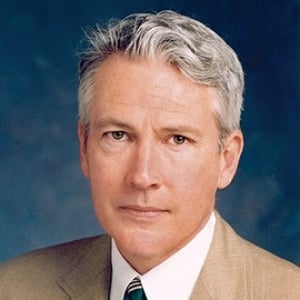
Richard A. Epstein is the inaugural Laurence A. Tisch Professor of Law at NYU School of Law. Prior to his joining the faculty, he was a visiting law professor at NYU from 2007 through 2009. He served as the Peter and Kirstin Bedford Senior Fellow at the Hoover Institution from 2000 to 2024. Since 2024 to the present he is a senior lecturer at the Civitas Institute at the University of Texas—Austin. Epstein is also the James Parker Hall Distinguished Service Professor of Law Emeritus and a senior lecturer at the University of Chicago. His initial law school appointment was at the University of Southern California from 1968 to 1972. Epstein received an LL.D., h.c. from the University of Ghent, 2003. He has been a member of the American Academy of Arts and Sciences since 1985 and was a Senior Fellow of the Center for Clinical Medical Ethics at the University of Chicago Division of Biological Sciences, also from 1983. to 2022 He served as editor of the Journal of Legal Studies from 1981 to 1991, and of the Journal of Law and Economics from 1991-2001. From 2001 to 2010 he was a director of the John M. Olin Program in Law and Economics at the University of Chicago.
His newest book, The Myth of Birthright Citizenship: What the Fourteenth Amendment Really Says was published in 2026 (Encounter Books). Prior to that he has published many books including, The Dubious Morality of the Modern Administrative State (Roman & Littlefield 2020).Earlier he published th Classical Liberal Constitution: The Uncertain Quest for Limited Government (Harvard 2014) iHis previous books include Design for Liberty: Private Property, Public Administration and the Rule of Law (Harvard 2011); The Case Against the Employee Free Choice Act (Hoover 2009); Supreme Neglect: How to Revive the Constitutional Protection of Property Rights (Oxford 2008); Antitrust Decrees in Theory and Practice: Why Less is More (AEI 2007); Overdose: How Excessive Government Regulation Stifles Pharmaceutical Innovation (Yale University Press. 2006); How Progressives Rewrote the Constitution (Cato 2006); Cases and Materials on Torts (Aspen Law & Business; 8th ed. 2004); Skepticism and Freedom: A Modern Case for Classical Liberalism (University of Chicago, 2003); Torts (Aspen Law & Business 1999); Principles for a Free Society: Reconciling Individual Liberty with the Common Good (Perseus Books, 1998): Mortal Peril: Our Inalienable Rights to Health Care (Addison-Wesley, 1997); Simple Rules for a Complex World (Harvard, 1995); Bargaining With the State (Princeton, 1993); Forbidden Grounds: The Case Against Employment Discrimination Laws (Harvard , 1992); Takings: Private Property and the Power of Eminent Domain (Harvard, 1985); and Modern Products Liability Law (Greenwood Press, 1980). He has also edited(with Catherine M. Sharkey) Cases and Materials on the Law of Torts (10th edition 2012).
Professor Epstein has written numerous articles on a wide range of legal and interdisciplinary subjects. He has taught courses in administrative law, antitrust law, civil procedure, communications, constitutional law, contracts, corporations, criminal law, employment discrimination law, environmental law, food and drug law health law and policy, legal history, labor law, property, real estate development and finance, jurisprudence, labor law; land use planning, patents, individual, estate and corporate taxation, Roman Law; torts, and workers' compensation.
Professor Epstein also writes a regular column for Civitas Institute, which also sponsors his podcast, The Libertarian with Charles C.W. Cooke, and Law Talk, with Cooke and John Yoo. He also does a podcast with John Batchelor. And appears regularly on the Freedom File with Judge Andrew Napolitano.
*****
A person listed on this page has spoken or otherwise participated in Federalist Society events, publications, or multimedia presentations. A person's appearance on this list does not imply any other endorsement or relationship between the person and the Federalist Society. In most cases, the biographical information on a person's bio page is provided directly by the person, and the Federalist Society does not edit or otherwise endorse that information. The Federalist Society takes no position on particular legal or public policy issues. All expressions of opinion by a speaker or author are those of the individual.
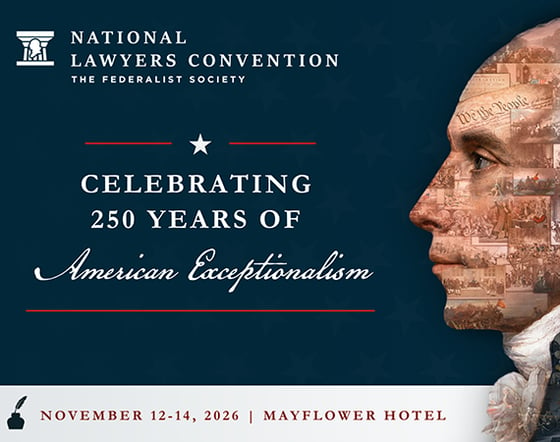
Panel 2: “One People”
Washington, DC
A Nation of Litigants? Lawsuits from the Founding to Today
The Founders Gave Us the Tools Series

Classical Liberal Thought: The World According to Richard Epstein
Texas Student Chapter
University of Texas School of Law727 E Dean Keeton Street
Austin, TX 78705
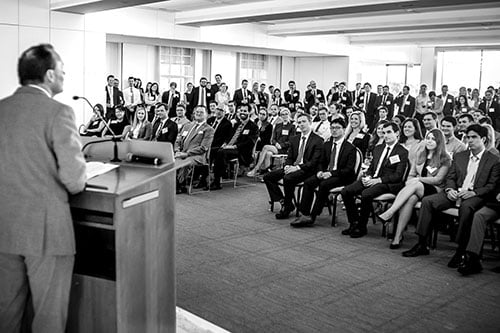
Classic Liberal Thought: The World According to Richard Epstein
Austin Lawyers Chapter
Texas Law School727 East Dean Keeton Street
Austin, TX

Takings: Private Property and the Power of Eminent Domain
California-Berkeley Student Chapter
Goldberg RoomLaw Building
Berkeley, CA 94720
Alexander M. Bickel and the Future of Constitutional Law
Yale Student Chapter
Yale Law School127 Wall Street
New Haven, CT 06510

Open Minds with Prof. Richard Epstein and Prof. Todd Zywicki Part II
Prof. Todd Zywicki and Prof. Richard Epstein turn to his legal intellectual development in property...
Open Minds with Prof. Richard Epstein and Prof. Todd Zywicki Part I
Prof. Richard Epstein joins Prof. Todd Zywicki to discuss his academic journey, where he learned...

International and National Security Law: Engage or Disengage: How Should the Next United States Administration Interact with the International Criminal Court and International Court of Justice?
2024 National Lawyers Convention
As international courts have addressed issues arising from the Ukraine-Russia and Israel-Hamas wars, we will...

What Does "New" Mean? Agency Action Post-Chevron
Last term, the Supreme Court handed down its ruling in Loper Bright Enterprises v. Raimondo. ...


Introduction to Common Law
Can simple rules solve social coordination problems better than regulations? Professor Richard Epstein of NYU School of Law provides an alternative to the conventional view...

Approaches to Studying Roman Law
Is Roman Law a primitive system? Conversely, is it too complex for the average lawyer to understand? Professor Richard Epstein discusses the importance and durability...

Property and the Common Law
Are property rights arbitrary creations of the state, able to be changed at any time? Or is there some deeper principle at work? Professor Richard...

Introduction to Contracts
This module covers some basic concepts in Contract Law. What are the necessary parts of a contract? When might a contract be unenforceable? What role...
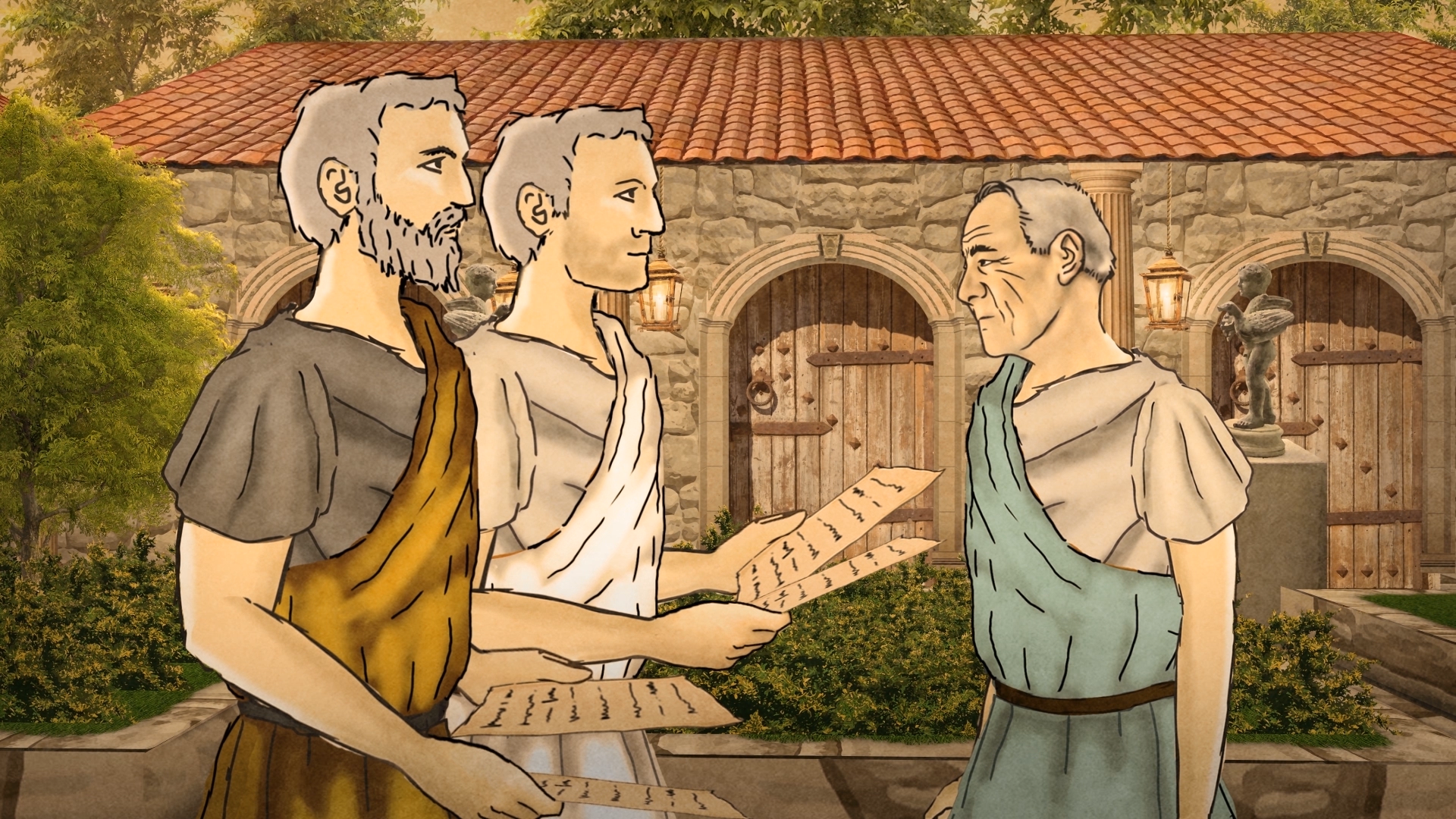
The Roman Law of Persons
What laws and norms governed Roman society and do they have any bearing on our modern understanding of personal rights? Professor Richard Epstein explains Roman...

The Roman Theory of Property Rights
Do Roman property laws resemble modern laws at all? What are some of the most striking similarities and differences? Professor Richard Epstein focuses on the...
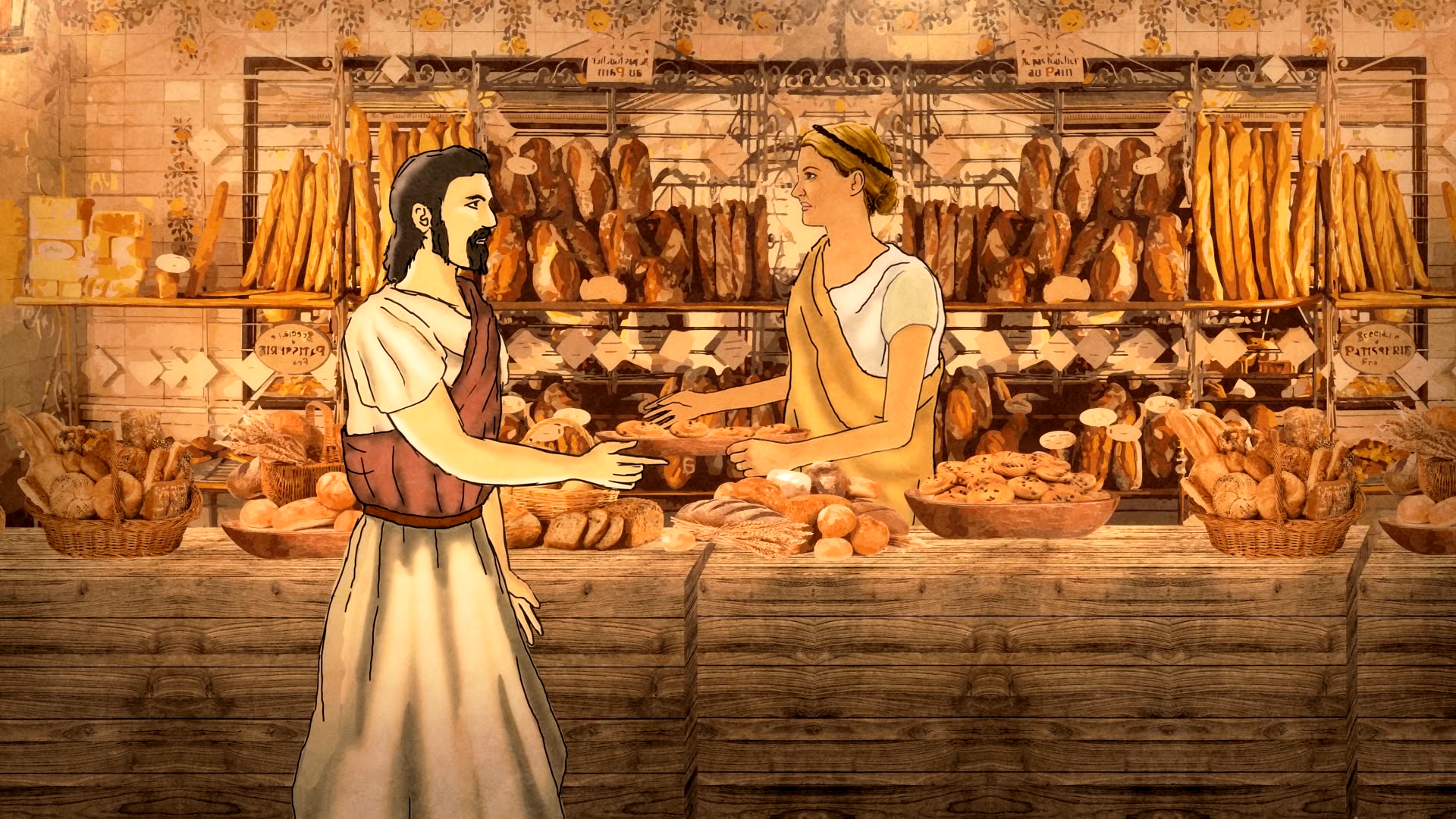
The Roman Law of Contracts
What types of contracts did the Romans utilize? Professor Richard Epstein explains basic Roman contracts, and specific types such as those governing partnerships and wills....

The Roman Law of Tort
How did the Romans think about torts like theft, nuisance, and assault? Professor Richard Epstein posits that understanding Roman concepts about causation can help us...
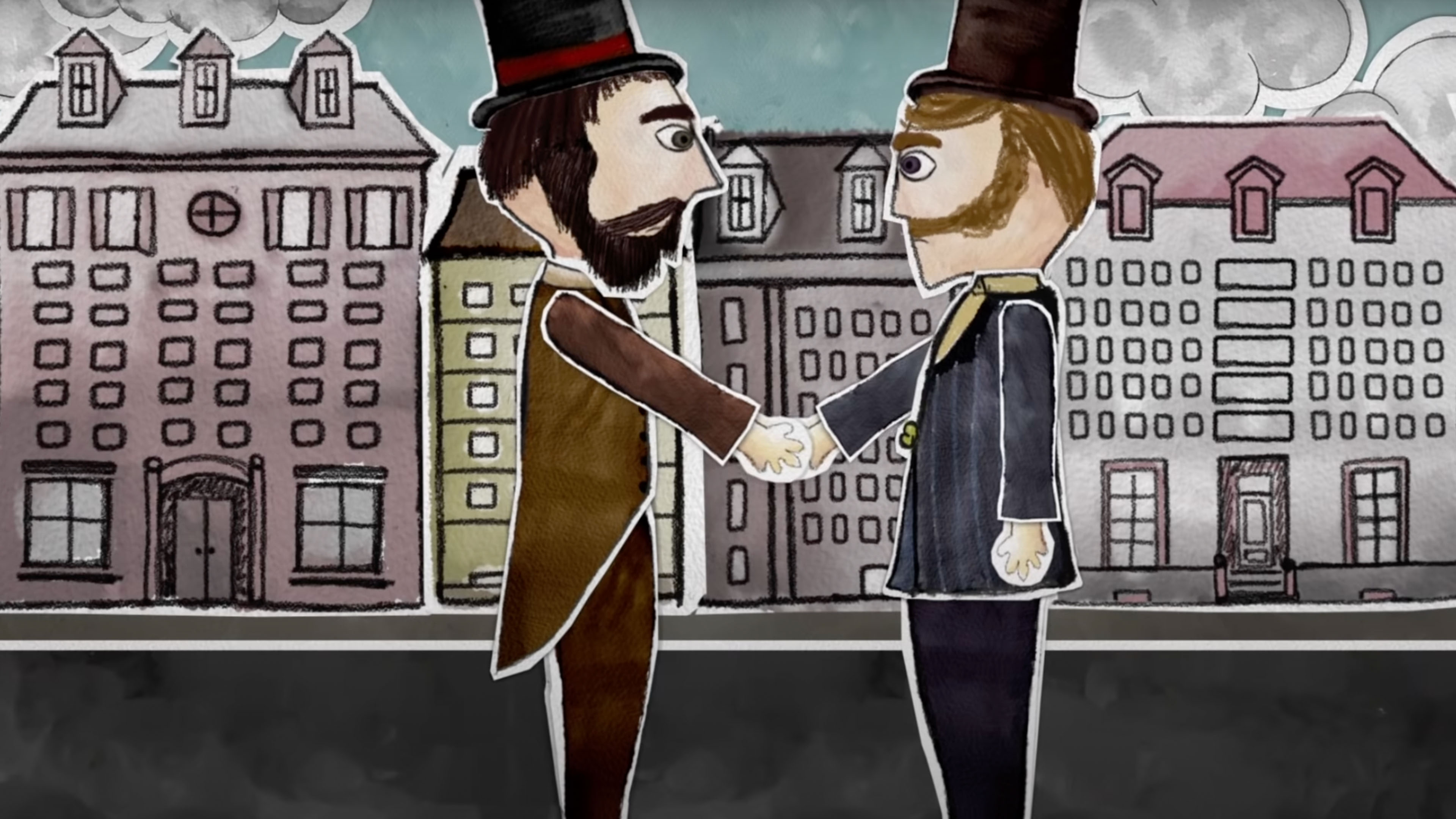
Common Law and Contracts
What kinds of agreements are covered by the law of contracts? Professor Richard Epstein of NYU School of Law gives a basic definition, then goes...