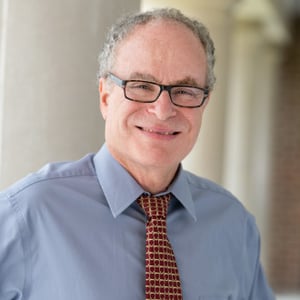
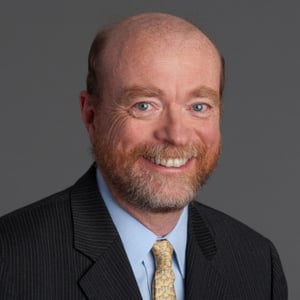
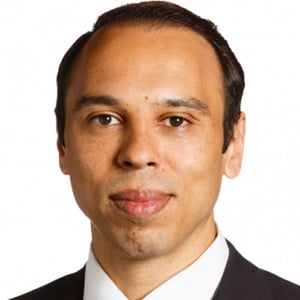
William (Bill) Marshall joined the Carolina Law faculty in 2001 and serves as the William R. Kenan Jr. Distinguished Professor of Law. His teaching and research interests include the first amendment, presidential power, election law, federal jurisdiction, federal judicial selection, civil procedure, and media law. Marshall is the author of numerous book chapters, articles, and essays on free speech, separation of powers, the Establishment Clause, and the Free Exercise Clause. His work has appeared in the Harvard Law Review, the Yale Law Journal, the Supreme Court Review, and the University of Chicago Law Review, among others.
Marshall received his law degree from the University of Chicago and his undergraduate degree from the University of Pennsylvania. Marshall was Deputy Counsel to the President and Deputy Assistant to the President during the Clinton Administration and also served as the Solicitor General for the State of Ohio. He has taught at the Northwestern, Boston University, Vanderbilt, Ohio State, DePaul, Case Western Reserve, William and Mary, and the University Connecticut law schools. Prior to beginning his teaching career, Marshall was a Special Assistant Attorney General for the State of Minnesota.
*****
A person listed on this page has spoken or otherwise participated in Federalist Society events, publications, or multimedia presentations. A person's appearance on this list does not imply any other endorsement or relationship between the person and the Federalist Society. In most cases, the biographical information on a person's bio page is provided directly by the person, and the Federalist Society does not edit or otherwise endorse that information. The Federalist Society takes no position on particular legal or public policy issues. All expressions of opinion by a speaker or author are those of the individual.

Prayers and Precedents: Understanding the School Prayer Cases through a Historical Lens
North Carolina Student Chapter
North Carolina Student Chapter160 Ridge Road
Chapel Hill, NC 27517

A Discussion on Presidential Immunity
North Carolina Student Chapter
North Carolina Student Chapter160 Ridge Rd.
Chapel Hill, NC 27514

Daniel Webster Debate Series: Should the Court Overturn Smith?
The Federalist Society's Georgetown Law Chapter's Daniel Webster Debate Series
Religious Liberty and Education: Kennedy, Carson, and Parental Rights
2022 National Lawyers Convention
The Mayflower Hotel1127 Connecticut Ave NW
Washington, DC 20006
The Future of the Supreme Court
Teleforum
Daniel Webster Debate Series: Should the Court Overturn Smith?
The Federalist Society's Georgetown Law Chapter's Daniel Webster Debate Series
The Federalist Society's Georgetown Law Chapter'sDaniel Webster Debate Series presents Daniel Webster Debate Series:Should the...
Religious Liberty and Education: Kennedy, Carson, and Parental Rights
2022 National Lawyers Convention
This panel discussion will examine public and private education, with a focus on the relationship—and...
Religious Liberty and Education: Kennedy, Carson, and Parental Rights
2022 National Lawyers Convention
This panel discussion will examine public and private education, with a focus on the relationship—and...
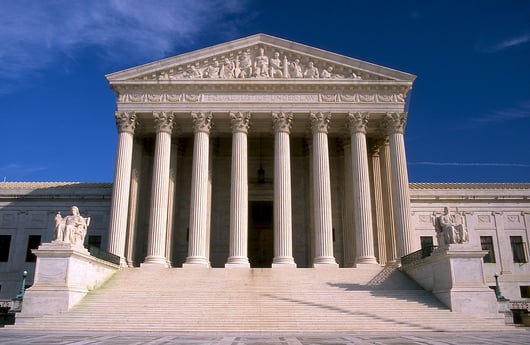
The Future of the Supreme Court
Please join the Practice Groups for a timely webinar on how the upcoming Supreme Court...
The Future of the Supreme Court
Please join the Practice Groups for a timely webinar on how the upcoming Supreme Court...