

 Free markets have exponentially improved the well-being of humanity and lifted more people out of poverty than any government program. But severe inequalities persist, and gaps have widened in the past thirty years. Is this a problem in and of itself? Or only to the extent it is caused by unfairly distorting the market with the help of government – so-called “crony capitalism" – as opposed to the inherently unique capabilities of each individual? How should the law be structured to ensure a level playing field?




 It is oddly controversial to identify the breakdown of the family unit as a central cause of poverty. The empirical evidence confirming a strong correlation is overwhelming: higher divorce rates, increasing out-of-wedlock births, lower percentages of married couples, and higher rates of abortion are all associated with poverty. How has the law impacted these trends, and what can be done to reverse them?



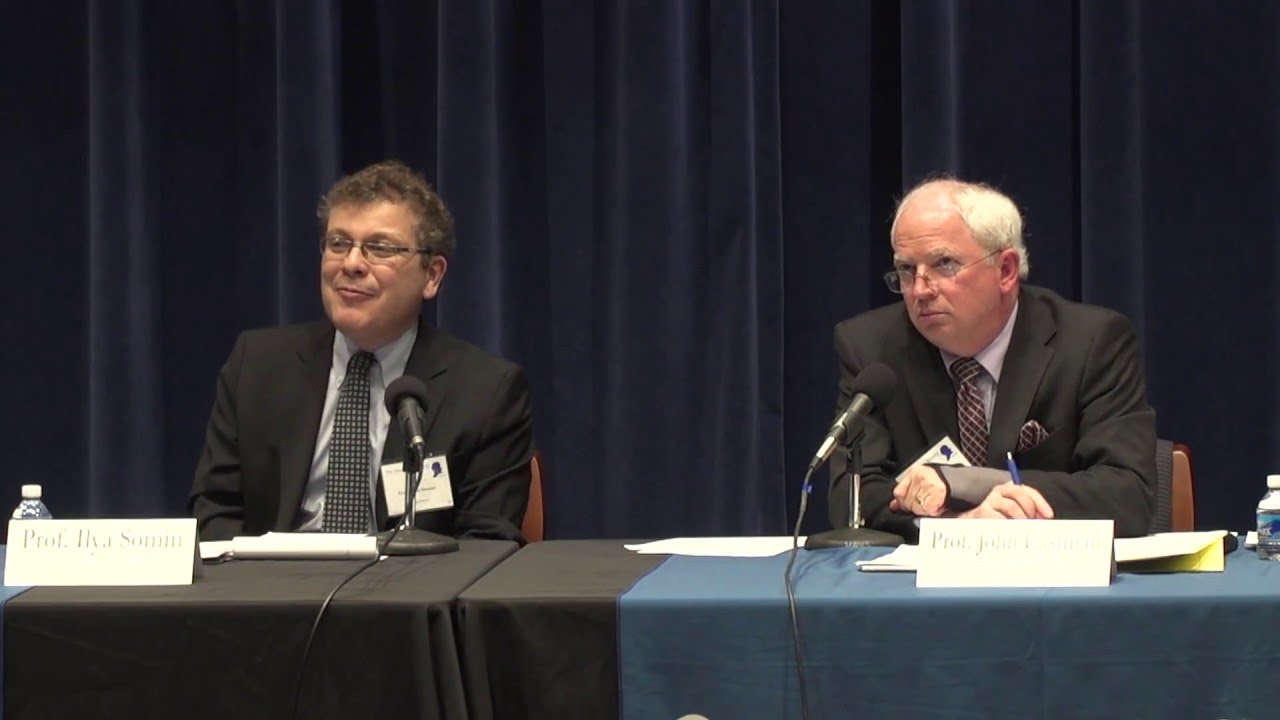
 Immigration restrictions keep millions of people stuck in impoverished countries – preventing them from improving their lives by moving somewhere else. However, some restrictions are clearly necessary to protect national security. And many say that our current laws do not go anywhere near far enough, arguing that additional restrictions are needed to prevent wage depression and the overburdening of our already-strained safety net. One way or another, immigration restrictions have an enormous impact on poverty, both domestically and abroad. But are such restrictions constitutional? This debate will address that question, along with the complex policy issues involved with the topic.


 Most agree that society should take care of its neediest members. The question is how this should be accomplished. Our current federal safety net was designed for a different era and is becoming increasingly outdated, ineffective, and expensive. How can we reform it to be both successful and fiscally sustainable? To what degree does our current entitlement system stretch well beyond the actual needs of those in poverty? And to what extent should we rely on state governments and civil society instead of a one-size-fits-all national approach?



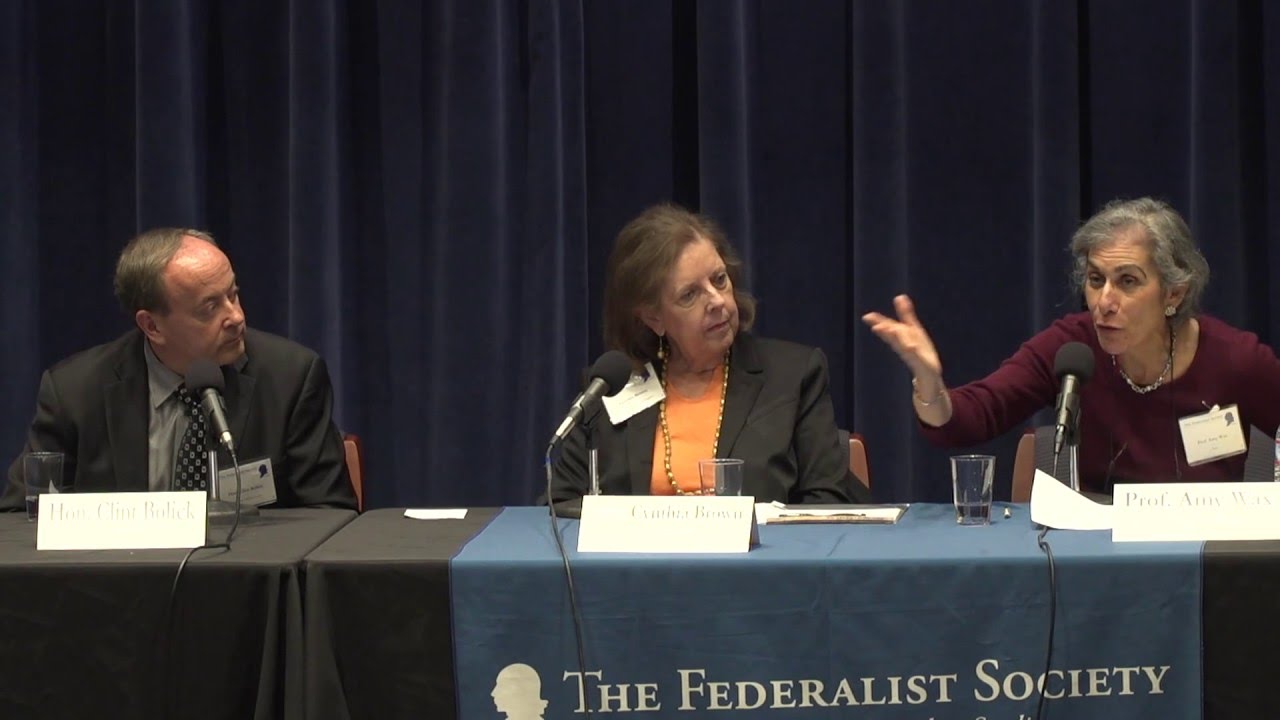
 Equality of opportunity is supposed to be a fundamental American principle. But it is not being realized today – in large part due to our failing education system. Despite being better funded, American public schools consistently lag those of comparable countries. The disparity is especially stark in inner-city and minority school districts, where poor children are most in need of quality education. Is school choice the solution? What role should the federal government play in education? And what legal issues are implicated by reform efforts?

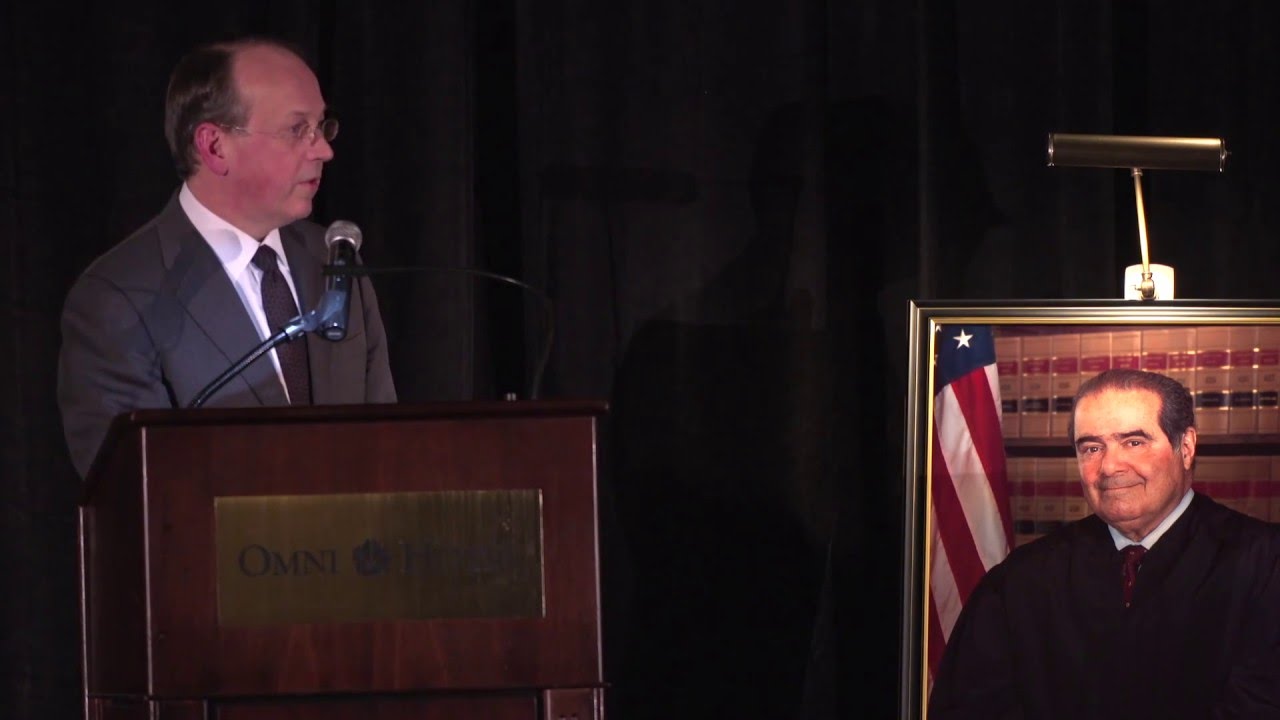
 After nearly 30 years of serving as an intellectual titan and conservative champion on the nation's highest court, U.S. Supreme Court Justice Antonin Scalia passed away on February 13, 2016. This banquet was held in honor of his tremendous legacy as one of the greatest and most influential justices.




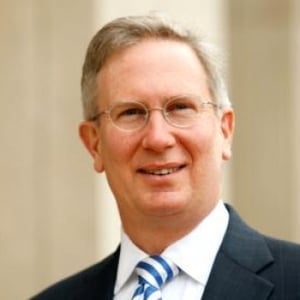









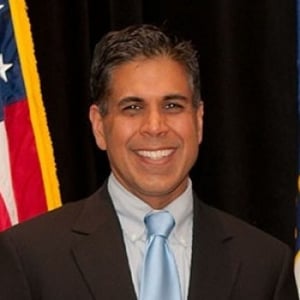

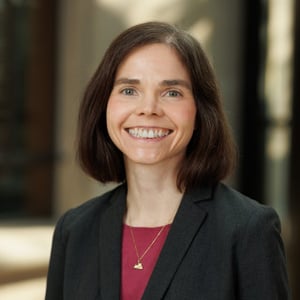
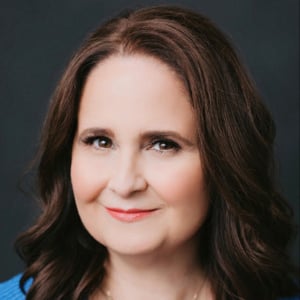
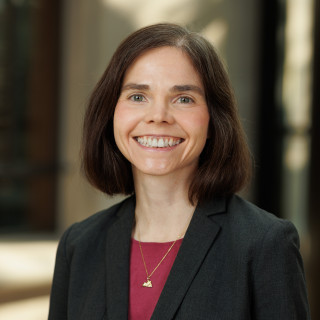
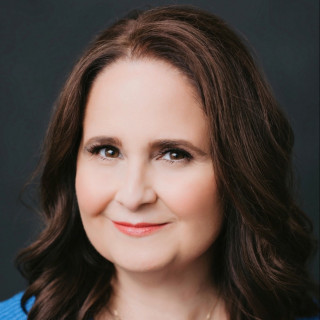
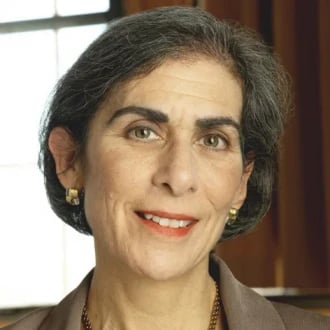
Tara Leigh Grove is the Vinson & Elkins Chair in Law at the University of Texas School of Law. Grove graduated summa cum laude from Duke University and magna cum laude from Harvard Law School, where she served as the Supreme Court Chair of the Harvard Law Review. Grove clerked for Judge Emilio Garza on the U.S. Court of Appeals for the Fifth Circuit, and then spent four years as an attorney for the U.S. Department of Justice, Civil Division, Appellate Staff, where she argued fifteen cases in the courts of appeals.
Grove’s research focuses on the federal judiciary, interpretive theory, and the constitutional separation of powers. She has published with such prestigious law journals as the Harvard Law Review, the Yale Law Journal, the Columbia Law Review, the University of Pennsylvania Law Review, the New York University Law Review, the University of Chicago Law Review, the Virginia Law Review, the Texas Law Review, the Cornell Law Review, the Northwestern University Law Review, and the Vanderbilt Law Review. Grove has received awards for both her research and her teaching.
In 2021, Grove served on the Presidential Commission on the Supreme Court of the United States, a bipartisan commission created by President Biden and charged with examining proposals for Supreme Court reform. Since 2022, Grove has worked on the Princeton Initiative on Reclaiming the Constitutional Powers of Congress, which brings together former members of Congress, political scientists, and law professors. Grove serves as the Co-Chair of the section on the Appointments Process for the Princeton Initiative. Grove is a co-author of Low & Jeffries' Federal Courts and the Law of Federal-State Relations, a leading federal courts casebook, and she has served as the Chair of the Federal Courts Section of the Association of American Law Schools. Grove has been a visiting professor at both Harvard Law School and Northwestern Pritzker School of Law.