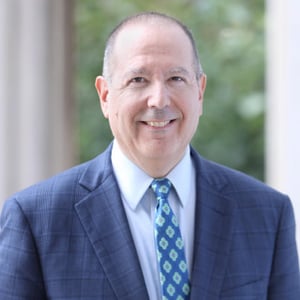
Ilan Wurman is the Julius E. Davis Professor of Law at the University of Minnesota, where he teaches administrative law and constitutional law. He previously taught at Arizona State University. He writes primarily on the Fourteenth Amendment, administrative law, separation of powers, and constitutionalism. His academic writing has appeared in the Yale Law Journal, the Stanford Law Review, the University of Chicago Law Review, the University of Pennsylvania Law Review, the Virginia Law Review, the Duke Law Journal, the Minnesota Law Review, the Notre Dame Law Review, and the Texas Law Review among other journals.
Professor Wurman is the author of the new book The Constitution of 1789: A New Introduction (Cambridge 2026). His previous books include A Debt Against the Living: An Introduction to Originalism (Cambridge 2017), and The Second Founding: An Introduction to the Fourteenth Amendment (Cambridge 2020). He is also the author of the casebook, Administrative Law Theory and Fundamentals: An Integrated Approach (Foundation Press 3d ed. 2025).
Professor Wurman practices law with the firm Tully Bailey. He has litigated a variety of administrative law and constitutional law cases, including cases involving COVID-19 restrictions, transmission lines, and Appointments Clause challenges. He also devised winning public nuisance theories to force city governments to address the increasingly challenging public camping crises throughout the country.
*****
A person listed on this page has spoken or otherwise participated in Federalist Society events, publications, or multimedia presentations. A person's appearance on this list does not imply any other endorsement or relationship between the person and the Federalist Society. In most cases, the biographical information on a person's bio page is provided directly by the person, and the Federalist Society does not edit or otherwise endorse that information. The Federalist Society takes no position on particular legal or public policy issues. All expressions of opinion by a speaker or author are those of the individual.

San Diego Law Students and Lawyer Chapter Mixer
O'Tooles5998 Alcala Park Way Level 1
San Diego, CA 92110
Panel 1: "When in the Course of Human Events"
Washington, DC
Professor Wurman on "The Constitution of 1789: A New Introduction"
Boston Lawyer Chapter
Boston, MA
The Constitution of 1789: A New Introduction - Pittsburgh
Pittsburgh Lawyer Chapter
Fogo de Chao525 Smithfield St
Pittsburgh, PA 15222
Professor Wurman and "The Constitution of 1789: A New Introduction"
Washington DC Lawyer Chapter
Carmine's Italian Restaurant425 7th St NW
Washington, DC 20004
From the Courthouse Steps: Trump v. Barbara
In Trump v. Barbara, the U.S. Supreme Court held that the Fourteenth Amendment's Citizenship Clause...
From the Courthouse Steps: Trump v. Barbara
In Trump v. Barbara, the U.S. Supreme Court held that the Fourteenth Amendment's Citizenship Clause...
From the Courthouse Steps: Trump v. Barbara
In Trump v. Barbara, the U.S. Supreme Court held that the Fourteenth Amendment's Citizenship Clause...
Formalism and the Fate of the Republic—Defending the Judiciary from Itself
2026 National Student Symposium
Featuring: Prof. Jonathan A. Green, Associate Professor of Law, Sandra Day O’Connor College of Law Prof....

Birthright Citizenship in Context: Law, History, and Contemporary Debate
As debates over birthright citizenship intensify in legal and public spheres, this webinar will explore...

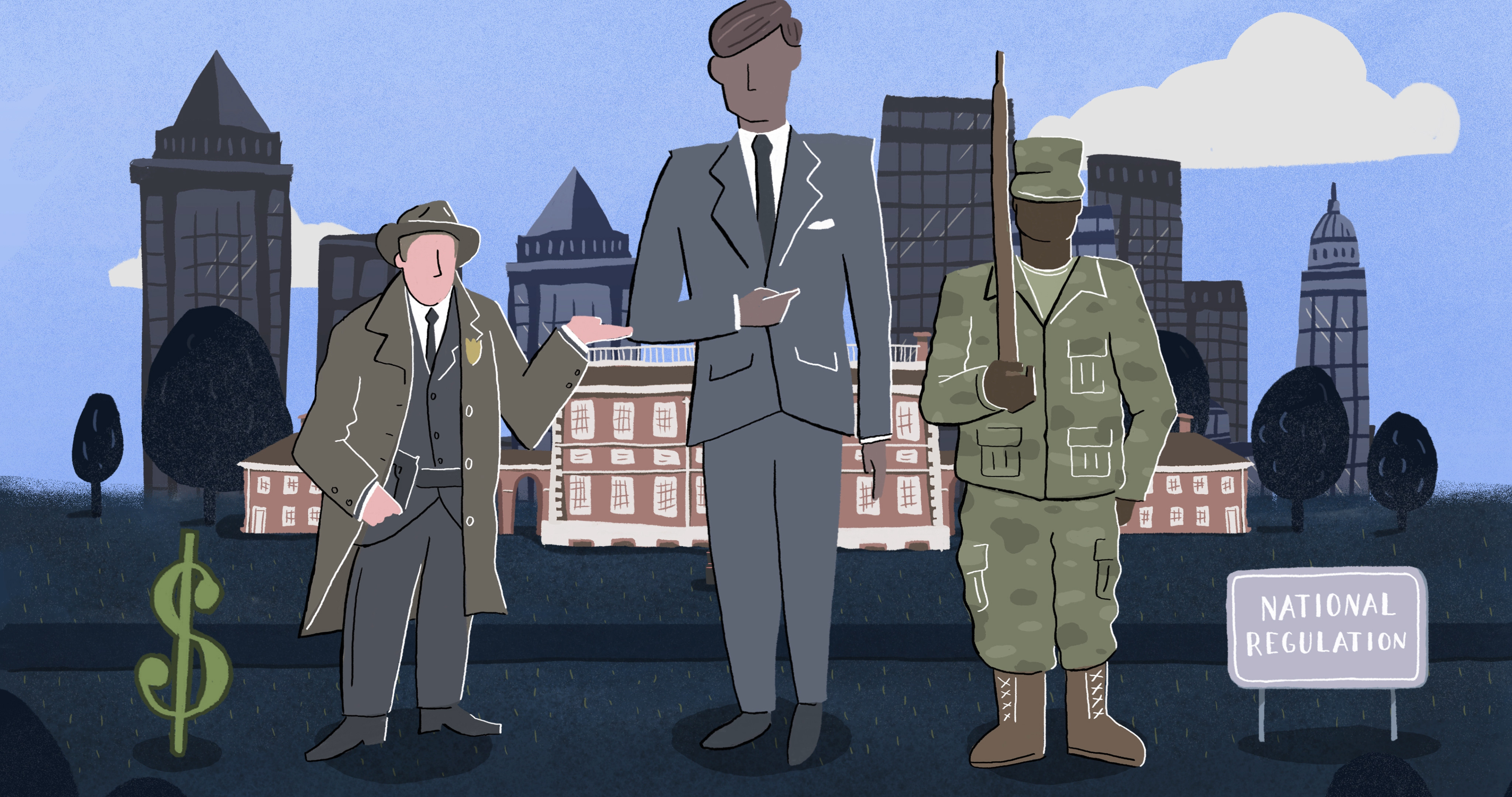
Executive Power
Creating the Executive branch was a difficult task for the Founders. They knew they didn’t want a king but what powers did a President and...
The Structure of the Constitution
These videos cover the basics of what the Constitution is, and how and why it was written. Dozens of videos include discussions of other founding...
Originalism: Historic and Philosophic Roots
This unit in the No. 86 video curriculum explores some key ideas that undergirded the writing of the Constitution: natural rights, separation of powers,...