Parental Rights from the Founding to Present Day
Event Video




CLE credit for this event is available at On-Demand CLE.
Parental rights have long occupied an important place in American law and political thought. While the Supreme Court today generally recognizes parental rights as fundamental, the constitutional foundations of those rights remain the subject of significant debate. Modern doctrine, reflected in cases such as Meyer v. Nebraska, Pierce v. Society of Sisters, Troxel v. Granville, and more recent disputes involving parental authority over children’s education and upbringing, largely rests on substantive due process—a doctrine that itself remains controversial.
This webinar will explore parental rights from their roots in natural law and the political thought of the American Founding through their development in modern constitutional jurisprudence. What did the Founders understand the parent-child relationship to entail, and how did earlier natural-law traditions shape those views? How did parental rights come to be recognized as fundamental within American constitutional law? And looking forward, what is the strongest constitutional foundation for protecting parental rights? Should substantive due process remain the primary vehicle, or are there alternative constitutional grounds that may provide a more secure basis for these protections?
Featuring:
- Michael P. Farris, General Counsel, NRB
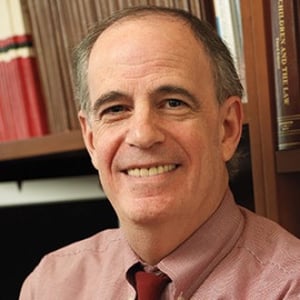
- Prof. Martin Guggenheim, Fiorello LaGuardia Professor of Clinical Law Emeritus, New York University School of Law
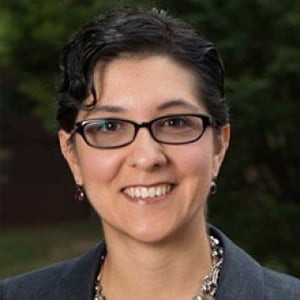
- Prof. Melissa Moschella, Professor of the Practice, Philosophy, McGrath Institute for Church Life, University of Notre Dame
- Anthony Sanders, Director, Center for Judicial Engagement, Institute for Justice
- (Moderator) Gene C. Schaerr, Partner, Schaerr Jaffe LLP
CLE
This event has been approved for
1.00 Total CLE Hours
In order to receive CLE credit for this webinar, attendees must attend the Zoom Webinar and have access to the chat box. This event's accreditation is highly predicated upon interactivity and verification measures that are only available via the webinar.
If you join via audio, calling in, SIP, or H.323, you will not be eligible to receive CLE Credit.
*******
As always, the Federalist Society takes no position on particular legal or public policy issues; all expressions of opinion are those of the speaker.