

Professor of Law, South Texas College of Law Houston
Josh Blackman is a national thought leader on constitutional law and the United States Supreme Court. Josh’s work was quoted during two presidential impeachment trials. He has testified before Congress and advises federal and state lawmakers. Josh regularly appears on TV, including NBC, CBS, ABC, Fox, and the BBC. Josh is also a frequent guest on NPR and other syndicated radio programs. He has published commentaries in the New York Times, Wall Street Journal, Washington Post, and leading national publications.
Since 2012, Josh has served as a professor at the South Texas College of Law Houston. He holds the Centennial Chair of Constitutional Law. Josh is an Adjunct Fellow at the Manhattan Institute. Josh has written more than seven dozen law review articles that have been cited more than a thousand times. Josh was selected as the Jurist of the Year by the Texas Journal of Law & Public Policy, received the inaugural Meese III Originalism Award, and was awarded the Inaugural Joseph Story Award. Josh was selected by Forbes Magazine for the “30 Under 30” in Law and Policy. Josh is the President of the Harlan Institute, and founded FantasySCOTUS, the Internet’s Premier Supreme Court Fantasy League. He blogs at the Volokh Conspiracyand posts@JoshMBlackman.
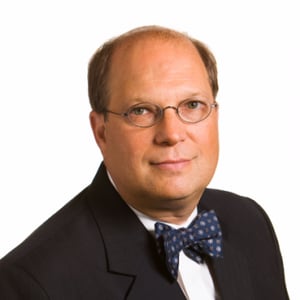
Professorial Lecturer in Law, The George Washington University
Paul Rosenzweig is an accomplished writer and speaker with a national reputation in cyber security and homeland security. He is the founder of Red Branch Consulting PLLC, a homeland security consulting company. He is also a Senior Advisor to The Chertoff Group. Mr. Rosenzweig formerly served as Deputy Assistant Secretary for Policy in the Department of Homeland Security.
He is a Professorial Lecturer in Law at George Washington University, and a Senior Fellow in the Tech, Law & Security Program at the American University, Washington College of Law. He serves as an advisor to and former member of the American Bar Association Standing Committee on Law and National Security, and a Contributing Editor of the Lawfare blog. He is a member of the ABA Cybersecurity Legal Task Force and of the United States Court of Appeals for the District of Columbia Circuit Advisory Committee on Admissions and Grievances. He serves, as well, as a Hearing Committee Member of the District of Columbia Board of Professional Responsibility. In 2011 he was a Carnegie Fellow in National Security Journalism at the Medill School of Journalism, Northwestern University.
Mr. Rosenzweig is a cum laude graduate of the University of Chicago Law School. He has an M.S. in Chemical Oceanography from the Scripps Institution of Oceanography, University of California at San Diego and a B.A from Haverford College. Following graduation from law school he served as a law clerk to the Honorable R. Lanier Anderson, III of the United States Court of Appeals for the Eleventh Circuit.
He is the author of Cyber Warfare: How Conflicts in Cyberspace are Challenging America and Changing the World and of three video lecture series from The Great Courses, Thinking About Cybersecurity: From Cyber Crime to Cyber Warfare; The Surveillance State: Big Data, Freedom, and You; and Investigating American Presidents.
He is the co-author (with James Jay Carafano) of Winning the Long War: Lessons from the Cold War for Defeating Terrorism and Preserving Freedom and co-editor (with Jill D. Rhodes and Robert S. Litt) of the Cybersecurity Handbook (3rd ed.). He is also co-editor (with Timothy McNulty and Ellen Shearer) of two books, Whistleblowers, Leaks and the Media: The First Amendment and National Security, and National Security Law in the News: A Guide for Journalists, Scholars, and Policymakers. Mr. Rosenzweig is a member of the Literary Society of Washington.
Washington Correspondent, New York Times
Pulitzer Prize-winning journalist Charlie Savage is a Washington correspondent for the New York Times. Originally from Fort Wayne, Indiana, Savage graduated from Harvard College and earned a master’s degree from Yale Law School as part of a Knight Foundation journalism fellowship. He lives in Arlington, Virginia, with his wife, Luiza Ch. Savage, the editorial director of events for Politico, and their children, William and Peter Savage.
Savage has been covering post-9/11 issues since 2003, when he was a reporter for the Miami Herald. While working for the Boston Globe, Savage received the Pulitzer Prize for National Reporting, the American Bar Association’s Silver Gavel Award, and the Gerald R. Ford Prize for Distinguished Reporting on the Presidency. He has twice co-taught a seminar on national security and the Constitution at Georgetown University’s political science department, and has been writing for the New York Times since 2008.
Savage’s first book, Takeover, was a bestselling and award-winning account of the Bush-Cheney administration’s efforts to expand presidential power, and was named one of the best books of 2007 by the Washington Post, Slate, and Esquire. His second book, Power Wars, an account of national-security legal policy in the Obama era.
Professorial Lecturer in Law, The George Washington University
Paul Rosenzweig is an accomplished writer and speaker with a national reputation in cyber security and homeland security. He is the founder of Red Branch Consulting PLLC, a homeland security consulting company. He is also a Senior Advisor to The Chertoff Group. Mr. Rosenzweig formerly served as Deputy Assistant Secretary for Policy in the Department of Homeland Security.
He is a Professorial Lecturer in Law at George Washington University, and a Senior Fellow in the Tech, Law & Security Program at the American University, Washington College of Law. He serves as an advisor to and former member of the American Bar Association Standing Committee on Law and National Security, and a Contributing Editor of the Lawfare blog. He is a member of the ABA Cybersecurity Legal Task Force and of the United States Court of Appeals for the District of Columbia Circuit Advisory Committee on Admissions and Grievances. He serves, as well, as a Hearing Committee Member of the District of Columbia Board of Professional Responsibility. In 2011 he was a Carnegie Fellow in National Security Journalism at the Medill School of Journalism, Northwestern University.
Mr. Rosenzweig is a cum laude graduate of the University of Chicago Law School. He has an M.S. in Chemical Oceanography from the Scripps Institution of Oceanography, University of California at San Diego and a B.A from Haverford College. Following graduation from law school he served as a law clerk to the Honorable R. Lanier Anderson, III of the United States Court of Appeals for the Eleventh Circuit.
He is the author of Cyber Warfare: How Conflicts in Cyberspace are Challenging America and Changing the World and of three video lecture series from The Great Courses, Thinking About Cybersecurity: From Cyber Crime to Cyber Warfare; The Surveillance State: Big Data, Freedom, and You; and Investigating American Presidents.
He is the co-author (with James Jay Carafano) of Winning the Long War: Lessons from the Cold War for Defeating Terrorism and Preserving Freedom and co-editor (with Jill D. Rhodes and Robert S. Litt) of the Cybersecurity Handbook (3rd ed.). He is also co-editor (with Timothy McNulty and Ellen Shearer) of two books, Whistleblowers, Leaks and the Media: The First Amendment and National Security, and National Security Law in the News: A Guide for Journalists, Scholars, and Policymakers. Mr. Rosenzweig is a member of the Literary Society of Washington.
Washington Correspondent, New York Times
Pulitzer Prize-winning journalist Charlie Savage is a Washington correspondent for the New York Times. Originally from Fort Wayne, Indiana, Savage graduated from Harvard College and earned a master’s degree from Yale Law School as part of a Knight Foundation journalism fellowship. He lives in Arlington, Virginia, with his wife, Luiza Ch. Savage, the editorial director of events for Politico, and their children, William and Peter Savage.
Savage has been covering post-9/11 issues since 2003, when he was a reporter for the Miami Herald. While working for the Boston Globe, Savage received the Pulitzer Prize for National Reporting, the American Bar Association’s Silver Gavel Award, and the Gerald R. Ford Prize for Distinguished Reporting on the Presidency. He has twice co-taught a seminar on national security and the Constitution at Georgetown University’s political science department, and has been writing for the New York Times since 2008.
Savage’s first book, Takeover, was a bestselling and award-winning account of the Bush-Cheney administration’s efforts to expand presidential power, and was named one of the best books of 2007 by the Washington Post, Slate, and Esquire. His second book, Power Wars, an account of national-security legal policy in the Obama era.

Ed Whelan on the Scalia Vacancy
Florham Park, New JerseyTopics
The Climate Change Inquisition, Part II—The Scandal Unfolds
The concerted investigation against ExxonMobil (Exxon) and organizations deemed “climate change deniers” currently being conducted by...
Ed Whelan on the Supreme Court, the Scalia Vacancy, and the 2016 Elections
Palo Alto, CaliforniaTopics
Obama's Sacrificial Lamb
Few people would likely accuse President Barack Obama of walking in Ronald Reagan’s footsteps, but...
Happy Hour Featuring: Prof. Josh Blackman
Denver, Colorado“Power Wars”: Inside the War on Terror - Podcast
Paul Rosenzweig, Charlie Savage
Charlie Savage, the New York Times Pulitzer Prize winning journalist, has just released his new...
E.P.A. Broke Law With Social Media Push for Water Rule, Auditor Finds
The New York Times reports: The Environmental Protection Agency engaged in “covert propaganda” and violated federal law...
“Power Wars”: Inside the War on Terror
TeleforumState Court Docket Watch News Clips: 12/10/2015
Connecticut Governor Dannel Malloy has announced he would sign an executive order prohibiting those on...
Topics
Campaign Finance and Free Speech Basics Up in Smoke in Illinois
Following Citizens United v. Federal Election Commission, corporations and unions may sponsor political advertising that...