
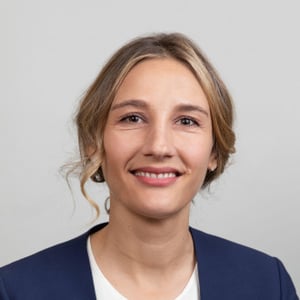
Attorney, Institute for Justice
Anya Bidwell (née Cherkasova) leads IJ’s Project on Immunity and Accountability (“PIA”). Through this project, Anya works to promote judicial engagement and ensure that government officials are held to account when they violate individuals’ constitutional rights. Anya also serves as an adviser on the American Law Institute’s Restatement of the Law, Constitutional Torts project.
One of Anya’s PIA cases—Gonzalez v. Trevino—was heard by the United States Supreme Court on March 20, 2024. She argued the case for the petitioner, with the goal of convincing the Justices that retaliatory arrests not involving on-the-spot decisions by police officers should be actionable under the First Amendment regardless of probable cause. The decision is expected in June.
This was Anya’s third appearance before the U.S. Supreme Court. She second-chaired Brownback v. King (an excessive force case) and Tennessee Wine & Spirits Retailers Association v. Thomas (a commerce clause case) in November 2020 and January 2019 respectfully.
Before joining IJ, Anya worked for a top national law firm, handling cases in trial and appellate courts. She earned her J.D. with honors from the University of Texas. Two years prior to entering law school, Anya received a master’s degree in Global Policy Studies, also from the University of Texas, and wrote a thesis on asymmetric warfare.
Anya spent her childhood in Ukraine and Kyrgyzstan. At 16, she left her family behind and came to America on a university scholarship. Her upbringing motivated her to study law and become an advocate for a strong, independent judiciary.
Anya’s work has been featured in numerous publications, including the Washington Post, the Wall Street Journal, the New York Times, USA Today, and the Guardian. She is also the host of live recordings of our Short Circuit podcast and a co-producer of our documentary-style podcast Bound by Oath.
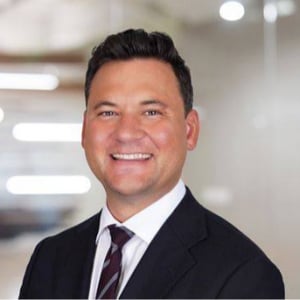
Senior Litigation Counsel, The Fairness Center
Dave Dorey is a seasoned labor and employment attorney with more than a decade of experience guiding clients through complex workplace issues and high-stakes litigation. Bringing unique insights from his distinguished service in the federal government, including as Counsel to the Solicitor at the U.S. Department of Labor and Chief of Staff for Strategy, Policy and Plans at the U.S. Department of Homeland Security, he represents businesses across industries – including trade associations, nonprofits, technology companies, construction and agriculture firms, and consultancies – on the full spectrum of labor and employment matters. Dave has particular experience in handling administrative law matters including engaging in agency rulemaking processes and both challenging and defending agency rules.
Before joining Fisher Phillips, Dave led the Labor & Employment Practice Group at a full-service business law firm. A practical problem solver and trusted advisor, Dave regularly counsels clients on employment policies, regulatory compliance, workplace investigations, and risk management, and represents them in administrative proceedings, rulemaking and other administrative law challenges, and litigation involving wage and hour claims, noncompete and trade secrets disputes, class actions, and allegations of employment discrimination. His practice spans federal and state trial and appellate courts, as well as administrative tribunals.
Dave’s government background, which also includes service as Deputy Chief of Staff for Operations at the U.S. Department of Commerce, lends him a deep understanding of regulatory and administrative processes and enables him to effectively represent clients in government investigations, rulemaking challenges, and agency proceedings.
An active member of the community, Dave serves on the Board of Directors of Child Justice, Inc., a Maryland nonprofit that advocates for abused children.
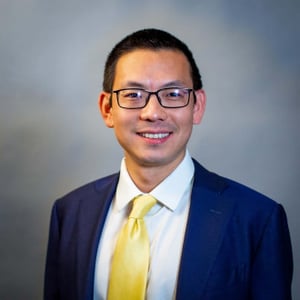
Litigation Counsel, New Civil Liberties Alliance
Sheng Li is Litigation Counsel for the New Civil Liberties Alliance. Prior to joining NCLA, Sheng served as Counselor to the Administrator of Wage and Hour at the U.S. Department of Labor. In that role, he led numerous efforts to remove or simplify unduly burdensome regulations. He has also worked in the private sector as a litigation associate at Patterson Belknap Webb & Tyler and at Kirkland & Ellis.
Sheng is a graduate of Johns Hopkins University and Yale Law School, where he was managing editor of the Yale Journal of International Law. After graduating law school, Sheng served as law clerk to the Hon. Danny J. Boggs on the U.S. Court of Appeals for the Sixth Circuit.
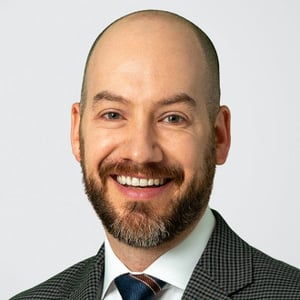
Partner, Holland & Knight LLP
Timothy Taylor is an employment and litigation partner with Holland & Knight LLP, where he was also previously an associate. He represents clients in federal courts and before federal agencies in a variety of disputes. He has special expertise in employment law, the Administrative Procedure Act, the False Claims Act, and appeals. Before rejoining Holland & Knight, Mr. Taylor served as the Deputy Solicitor of Labor. In that position, he oversaw a wide portfolio of litigation, enforcement, rulemaking, and legal counseling for the agency’s more than 450 attorneys. He previously served as the Department of Labor’s Chief of Staff, and in other senior policy positions in the Department. He also served as the employment counsel and as an investigative attorney for the Department of the Treasury’s Office of the Special Inspector General for Pandemic Recovery.
Mr. Taylor clerked for the Honorable Harris Hartz of the U.S. Court of Appeals for the Tenth Circuit and the Honorable Charles Lettow of the U.S. Court of Federal Claims. He graduated summa cum laude with a B.A. from Brigham Young University and cum laude with a J.D. from Harvard Law School, where he was an editor of the Harvard Law Review and the Harvard Journal of Law and Public Policy. He lives in Virginia with his wife and two children.
President, Center for American Rights
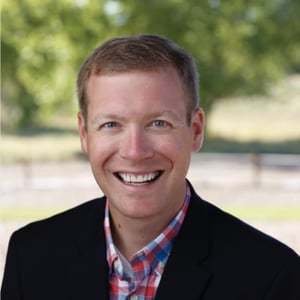
Daniel Suhr serves as president of the Center for American Rights, where he spends every day on the front lines of the fight to preserve our rights and liberties. The Center's mission is to advance free speech, free enterprise, and parental freedom in education through strategic, precedent-setting litigation.
Daniel formerly worked as policy director for Wisconsin Governor Scott Walker, as chief of staff for Wisconsin Lieutenant Governor Rebecca Kleefisch, and as a law clerk for Judge Diane Sykes of the U.S. Court of Appeals for the Seventh Circuit. He holds a B.A. and J.D. from Marquette University, and master’s degrees from Georgetown and the University of Missouri.
President, Committee for Justice
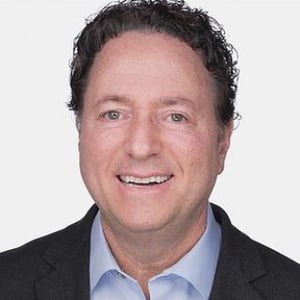
Curt Levey is President of the Committee For Justice, an organization devoted to advancing constitutionally limited government and individual liberty. He is a veteran of Supreme Court and other judicial confirmation battles and serves on the executive committee of the Federalist Society's Civil Rights Practice Group.
After graduating Harvard Law School with honors and clerking for the U.S. Court of Appeals for the Sixth Circuit, Mr. Levey served as Director of Legal & Public Affairs at the Center for Individual Rights (CIR). There he worked on landmark Supreme Court cases, including the University of Michigan affirmative action cases and the successful constitutional challenge to the Violence Against Women Act. After CIR, Mr. Levey headed the Title IX policy group at the U.S. Department of Education.
Before attending law school, Mr. Levey earned an M.S. and B.A. in computer science from Brown University and worked in the field of artificial intelligence (AI). He invented a new type of AI technology, for which he wrote a successful patent application.
Associate Professor of Legal Studies & Business Ethics, The University of Pennsylvania Wharton School of Business
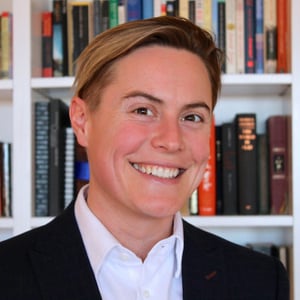
Amanda Shanor is an Assistant Professor at the University of Pennsylvania Wharton School, where her scholarship focuses on constitutional and administrative law, and in particular the First Amendment.
Shanor is a graduate of Yale Law School and Yale College, and a PhD candidate in law at Yale University. She served as a law clerk to Judges Cornelia T.L. Pillard and Judith W. Rogers on the D.C. Circuit, and Judge Robert W. Sweet in the Southern District of New York. She has taught at both Yale and Georgetown law schools and has published in the New York University Law Review, the Harvard Law Review Forum, and the Yale Law Journal Forum, among others. She is a contributor to Take Care and the co-author of a textbook on counterterrorism law.
Prior to joining the academy, Amanda worked in the National Legal Department of the American Civil Liberties Union on the organization’s Supreme Court litigation, including Masterpiece Cakeshop. Previously, she litigated a number of constitutional and national security cases with Professor David Cole, including Humanitarian Law Project v. Holder, while a fellow at Georgetown.
Assistant Secretary for Civil Rights, U.S. Department of Agriculture
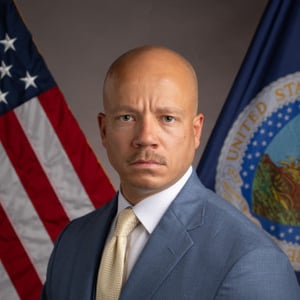
Devon Westhill is the Assistant Secretary for Civil Rights at the U.S. Department of Agriculture. The U.S. Senate confirmed President Donald Trump’s nomination of Westhill on October 7, 2025.
Westhill returns to the USDA where he previously headed the civil rights office as Deputy Assistant Secretary in President Trump’s first term. His previous government appointments also include service at the U.S. Department of Labor, liaison to the Administrative Conference of the U.S., and liaison to the White House Initiative on Historically Black Colleges and Universities. Prior to returning to government service, Westhill was President and General Counsel of a nonprofit civil rights organization.
Westhill has testified on civil rights matters before Congress, federal agencies, and as an expert witness in federal court. He has spoken hundreds of times at college campuses, conferences, and on radio and TV programs, and he is frequently quoted in print publications, and his writing has appeared in numerous national outlets. A U.S. Navy veteran, Westhill earned his BA from the University of North Carolina at Chapel Hill and his JD from the University of Florida.
President, Committee for Justice
Curt Levey is President of the Committee For Justice, an organization devoted to advancing constitutionally limited government and individual liberty. He is a veteran of Supreme Court and other judicial confirmation battles and serves on the executive committee of the Federalist Society's Civil Rights Practice Group.
After graduating Harvard Law School with honors and clerking for the U.S. Court of Appeals for the Sixth Circuit, Mr. Levey served as Director of Legal & Public Affairs at the Center for Individual Rights (CIR). There he worked on landmark Supreme Court cases, including the University of Michigan affirmative action cases and the successful constitutional challenge to the Violence Against Women Act. After CIR, Mr. Levey headed the Title IX policy group at the U.S. Department of Education.
Before attending law school, Mr. Levey earned an M.S. and B.A. in computer science from Brown University and worked in the field of artificial intelligence (AI). He invented a new type of AI technology, for which he wrote a successful patent application.
Associate Professor of Legal Studies & Business Ethics, The University of Pennsylvania Wharton School of Business
Amanda Shanor is an Assistant Professor at the University of Pennsylvania Wharton School, where her scholarship focuses on constitutional and administrative law, and in particular the First Amendment.
Shanor is a graduate of Yale Law School and Yale College, and a PhD candidate in law at Yale University. She served as a law clerk to Judges Cornelia T.L. Pillard and Judith W. Rogers on the D.C. Circuit, and Judge Robert W. Sweet in the Southern District of New York. She has taught at both Yale and Georgetown law schools and has published in the New York University Law Review, the Harvard Law Review Forum, and the Yale Law Journal Forum, among others. She is a contributor to Take Care and the co-author of a textbook on counterterrorism law.
Prior to joining the academy, Amanda worked in the National Legal Department of the American Civil Liberties Union on the organization’s Supreme Court litigation, including Masterpiece Cakeshop. Previously, she litigated a number of constitutional and national security cases with Professor David Cole, including Humanitarian Law Project v. Holder, while a fellow at Georgetown.
Assistant Secretary for Civil Rights, U.S. Department of Agriculture
Devon Westhill is the Assistant Secretary for Civil Rights at the U.S. Department of Agriculture. The U.S. Senate confirmed President Donald Trump’s nomination of Westhill on October 7, 2025.
Westhill returns to the USDA where he previously headed the civil rights office as Deputy Assistant Secretary in President Trump’s first term. His previous government appointments also include service at the U.S. Department of Labor, liaison to the Administrative Conference of the U.S., and liaison to the White House Initiative on Historically Black Colleges and Universities. Prior to returning to government service, Westhill was President and General Counsel of a nonprofit civil rights organization.
Westhill has testified on civil rights matters before Congress, federal agencies, and as an expert witness in federal court. He has spoken hundreds of times at college campuses, conferences, and on radio and TV programs, and he is frequently quoted in print publications, and his writing has appeared in numerous national outlets. A U.S. Navy veteran, Westhill earned his BA from the University of North Carolina at Chapel Hill and his JD from the University of Florida.
Senior Litigation Counsel, The Fairness Center
Dave Dorey is a seasoned labor and employment attorney with more than a decade of experience guiding clients through complex workplace issues and high-stakes litigation. Bringing unique insights from his distinguished service in the federal government, including as Counsel to the Solicitor at the U.S. Department of Labor and Chief of Staff for Strategy, Policy and Plans at the U.S. Department of Homeland Security, he represents businesses across industries – including trade associations, nonprofits, technology companies, construction and agriculture firms, and consultancies – on the full spectrum of labor and employment matters. Dave has particular experience in handling administrative law matters including engaging in agency rulemaking processes and both challenging and defending agency rules.
Before joining Fisher Phillips, Dave led the Labor & Employment Practice Group at a full-service business law firm. A practical problem solver and trusted advisor, Dave regularly counsels clients on employment policies, regulatory compliance, workplace investigations, and risk management, and represents them in administrative proceedings, rulemaking and other administrative law challenges, and litigation involving wage and hour claims, noncompete and trade secrets disputes, class actions, and allegations of employment discrimination. His practice spans federal and state trial and appellate courts, as well as administrative tribunals.
Dave’s government background, which also includes service as Deputy Chief of Staff for Operations at the U.S. Department of Commerce, lends him a deep understanding of regulatory and administrative processes and enables him to effectively represent clients in government investigations, rulemaking challenges, and agency proceedings.
An active member of the community, Dave serves on the Board of Directors of Child Justice, Inc., a Maryland nonprofit that advocates for abused children.
Litigation Counsel, New Civil Liberties Alliance
Sheng Li is Litigation Counsel for the New Civil Liberties Alliance. Prior to joining NCLA, Sheng served as Counselor to the Administrator of Wage and Hour at the U.S. Department of Labor. In that role, he led numerous efforts to remove or simplify unduly burdensome regulations. He has also worked in the private sector as a litigation associate at Patterson Belknap Webb & Tyler and at Kirkland & Ellis.
Sheng is a graduate of Johns Hopkins University and Yale Law School, where he was managing editor of the Yale Journal of International Law. After graduating law school, Sheng served as law clerk to the Hon. Danny J. Boggs on the U.S. Court of Appeals for the Sixth Circuit.
Partner, Holland & Knight LLP
Timothy Taylor is an employment and litigation partner with Holland & Knight LLP, where he was also previously an associate. He represents clients in federal courts and before federal agencies in a variety of disputes. He has special expertise in employment law, the Administrative Procedure Act, the False Claims Act, and appeals. Before rejoining Holland & Knight, Mr. Taylor served as the Deputy Solicitor of Labor. In that position, he oversaw a wide portfolio of litigation, enforcement, rulemaking, and legal counseling for the agency’s more than 450 attorneys. He previously served as the Department of Labor’s Chief of Staff, and in other senior policy positions in the Department. He also served as the employment counsel and as an investigative attorney for the Department of the Treasury’s Office of the Special Inspector General for Pandemic Recovery.
Mr. Taylor clerked for the Honorable Harris Hartz of the U.S. Court of Appeals for the Tenth Circuit and the Honorable Charles Lettow of the U.S. Court of Federal Claims. He graduated summa cum laude with a B.A. from Brigham Young University and cum laude with a J.D. from Harvard Law School, where he was an editor of the Harvard Law Review and the Harvard Journal of Law and Public Policy. He lives in Virginia with his wife and two children.
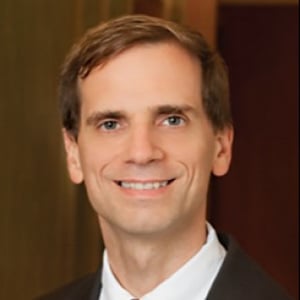
Judge, United States Court of Appeals, District of Columbia Circuit
Judge Katsas was appointed to the D.C. Circuit in December 2017. He graduated from Princeton University and Harvard Law School, where he was an executive editor on the Harvard Law Review. Between 1989 and 1992, he served as a law clerk to Judge Edward Becker on the Third Circuit, to then-Judge Clarence Thomas on the D.C. Circuit, and to Justice Thomas on the Supreme Court. Between 1992 and 2001, he was an associate and then partner in the Washington office of Jones Day, where he specialized in appellate and complex civil litigation. Between 2001 and 2009, he served in many senior positions in the Department of Justice, including as Assistant Attorney General for the Civil Division and as Acting Associate Attorney General. In 2009, he returned to Jones Day. From January to December 2017, he served as Deputy Assistant to the President and Deputy Counsel to the President.
Before joining the bench, Judge Katsas argued more than 75 appeals, including three cases in the Supreme Court, 13 cases in the D.C. Circuit, and cases in every other federal court of appeals. By appointment of the Chief Justice, he served on the Advisory Committee on Appellate Rules from 2013 to 2017. In 2016, he was elected to membership in the American Academy of Appellate Lawyers.
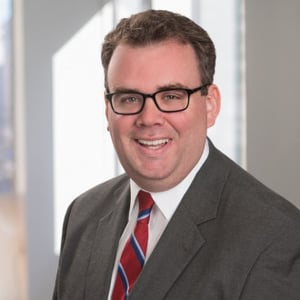
Senior Associate, Hogan Lovells
Sean Marotta's practice is as broad and diverse as the Appellate group's. He has briefed cases in the Supreme Court, federal courts of appeals, and state intermediate and courts of last resort. Mr. Marotta has also drafted petitions for certiorari, briefs in opposition, merits briefs, and amicus briefs in support of certiorari on the merits. Mr. Marotta has developed particular know-how in automotive, administrative, and media litigation.
Mr. Marotta has argued close to a dozen appeals in state and federal courts. He has argued in the New Jersey Supreme Court, the Third and Seventh Circuits, the New York Appellate Division, and the Florida District Court of Appeal.
Mr. Marotta previously clerked for the Honorable Jane Grall of the New Jersey Superior Court, Appellate Division. While in law school, Mr. Marotta was the Senior Articles Editor of the William & Mary Law Review and graduated as the class valedictorian.
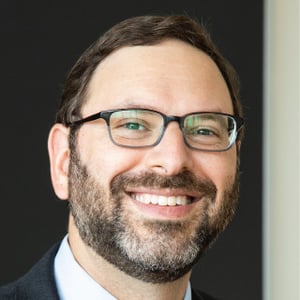
Antonin Scalia Professor of Law, Harvard Law School
Stephen E. Sachs is the Antonin Scalia Professor of Law at Harvard Law School, where he teaches civil procedure, conflict of laws, and seminars on constitutional law. His research focuses on the law and theory of constitutional interpretation, the jurisdiction of state and federal courts, the history of procedure and private law, and the role of the general common law in the U.S. legal system.
Sachs has authored numerous articles, essays, and book chapters. He is an elected member of the American Law Institute, an adviser to the ALI’s project on the Restatement of the Law (Third), Conflict of Laws, a former member of the Judicial Conference’s Advisory Committee on Appellate Rules, and a founding member of the Academic Freedom Alliance.
In 2020, Sachs received the Federalist Society’s Joseph Story Award, which recognizes a young academic who has demonstrated excellence in legal scholarship, a commitment to teaching, a concern for students, and who has made a significant public impact in a manner that advances the rule of law in a free society.
Sachs previously taught at Duke University School of Law and as a visiting professor at the University of Chicago Law School. Before entering academia, he practiced in the Washington, D.C., litigation group of Mayer Brown LLP, and he clerked for Chief Justice John G. Roberts Jr. as well as for Judge Stephen F. Williams of the U.S. Court of Appeals for the D.C. Circuit.
Sachs received his J.D. from Yale Law School, where he was executive editor of the Yale Law Journal and served both as executive editor and articles editor of the Yale Law & Policy Review. A Rhodes Scholar, he graduated from Oxford University with a first-class BA (Hons) degree in philosophy, politics, and economics. He received his A.B. degree summa cum laude in history from Harvard University, earning the Sophia Freund Prize.
Sachs is a licensed attorney in Massachusetts and the District of Columbia, and he is authorized to practice before the D.C. Circuit, the Second Circuit, the Seventh Circuit, and the Supreme Court of the United States.
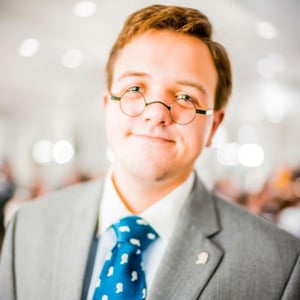
Adam Griffin is a graduate of the University of North Carolina School of Law. During law school, he served as a research assistant to Professor Stephen E. Sachs and UNC Law Dean Martin Brinkley. After law school, Adam spent two years litigating for liberty at the Institute for Justice as an inaugural Law and Liberty Fellow. He then served as a law clerk to Chief Judge Richard E. Myers in the United States District Court for the Eastern District of North Carolina, and previously worked at Pacific Legal Foundation and the Civil Rights Division of the Department of Justice.
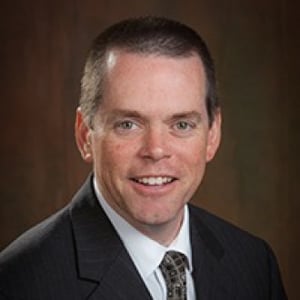
Associate Professor of Law,, St. Thomas University College of Law
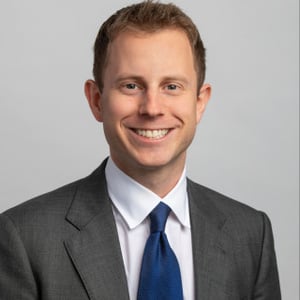
Attorney, Institute for Justice
Andrew Ward is an attorney with the Institute for Justice. He is a leader in IJ’s new Fresh Start practice, which challenges laws that unfairly prevent people with criminal records from earning an honest living.
Before joining IJ, Andrew clerked for Judge Edward Korman of the U.S. District Court for the Eastern District of New York. He has also been a litigation associate at the New York office of Sullivan & Cromwell and a law clerk to Judge Raymond Gruender of the U.S. Court of Appeals for the Eighth Circuit.
Senior Litigation Counsel, The Fairness Center
Dave Dorey is a seasoned labor and employment attorney with more than a decade of experience guiding clients through complex workplace issues and high-stakes litigation. Bringing unique insights from his distinguished service in the federal government, including as Counsel to the Solicitor at the U.S. Department of Labor and Chief of Staff for Strategy, Policy and Plans at the U.S. Department of Homeland Security, he represents businesses across industries – including trade associations, nonprofits, technology companies, construction and agriculture firms, and consultancies – on the full spectrum of labor and employment matters. Dave has particular experience in handling administrative law matters including engaging in agency rulemaking processes and both challenging and defending agency rules.
Before joining Fisher Phillips, Dave led the Labor & Employment Practice Group at a full-service business law firm. A practical problem solver and trusted advisor, Dave regularly counsels clients on employment policies, regulatory compliance, workplace investigations, and risk management, and represents them in administrative proceedings, rulemaking and other administrative law challenges, and litigation involving wage and hour claims, noncompete and trade secrets disputes, class actions, and allegations of employment discrimination. His practice spans federal and state trial and appellate courts, as well as administrative tribunals.
Dave’s government background, which also includes service as Deputy Chief of Staff for Operations at the U.S. Department of Commerce, lends him a deep understanding of regulatory and administrative processes and enables him to effectively represent clients in government investigations, rulemaking challenges, and agency proceedings.
An active member of the community, Dave serves on the Board of Directors of Child Justice, Inc., a Maryland nonprofit that advocates for abused children.
Litigation Counsel, New Civil Liberties Alliance
Sheng Li is Litigation Counsel for the New Civil Liberties Alliance. Prior to joining NCLA, Sheng served as Counselor to the Administrator of Wage and Hour at the U.S. Department of Labor. In that role, he led numerous efforts to remove or simplify unduly burdensome regulations. He has also worked in the private sector as a litigation associate at Patterson Belknap Webb & Tyler and at Kirkland & Ellis.
Sheng is a graduate of Johns Hopkins University and Yale Law School, where he was managing editor of the Yale Journal of International Law. After graduating law school, Sheng served as law clerk to the Hon. Danny J. Boggs on the U.S. Court of Appeals for the Sixth Circuit.
Partner, Holland & Knight LLP
Timothy Taylor is an employment and litigation partner with Holland & Knight LLP, where he was also previously an associate. He represents clients in federal courts and before federal agencies in a variety of disputes. He has special expertise in employment law, the Administrative Procedure Act, the False Claims Act, and appeals. Before rejoining Holland & Knight, Mr. Taylor served as the Deputy Solicitor of Labor. In that position, he oversaw a wide portfolio of litigation, enforcement, rulemaking, and legal counseling for the agency’s more than 450 attorneys. He previously served as the Department of Labor’s Chief of Staff, and in other senior policy positions in the Department. He also served as the employment counsel and as an investigative attorney for the Department of the Treasury’s Office of the Special Inspector General for Pandemic Recovery.
Mr. Taylor clerked for the Honorable Harris Hartz of the U.S. Court of Appeals for the Tenth Circuit and the Honorable Charles Lettow of the U.S. Court of Federal Claims. He graduated summa cum laude with a B.A. from Brigham Young University and cum laude with a J.D. from Harvard Law School, where he was an editor of the Harvard Law Review and the Harvard Journal of Law and Public Policy. He lives in Virginia with his wife and two children.

State Court Docket Watch: Bauserman v. Unemployment Insurance Agency
Anya Bidwell
Late last term, the United States Supreme Court all but eliminated the ability of individuals...
Deep Dive Episode 244 - Litigation Update: Helix Energy v. Hewitt
David R. Dorey, Sheng Li, Timothy Taylor
Some employers were surprised by the en banc Fifth Circuit’s December 2021 decision in Helix...
State Court Docket Watch: People v. Parks
Daniel Suhr
Under Michigan law, adults who commit the offense of first-degree murder are subject to a...
Who Decides: Questions of State Power, Corporate Power, and Originalism at Stake in Mallory v. Norfolk Southern Railway
Tiwari v. Friedlander: Which Rational Basis Test is it Anyway?
TeleforumCourthouse Steps Oral Argument: SFFA v. Harvard
Curt Levey, Amanda Shanor, Devon Westhill
On October 31, 2022, the U.S. Supreme Court will hear Students for Fair Admissions Inc....
Courthouse Steps Oral Argument: SFFA v. Harvard
Curt Levey, Amanda Shanor, Devon Westhill
On October 31, 2022, the U.S. Supreme Court will hear Students for Fair Admissions Inc....
Supreme Court Round Up
Idaho Student Chapter
Boise, IDLitigation Update: Helix Energy v. Hewitt
David R. Dorey, Sheng Li, Timothy Taylor
Some employers were surprised by the en banc Fifth Circuit’s December 2021 decision in Helix...
Litigation Update: Helix Energy v. Hewitt
The Regulatory Transparency Project
Teleforum