

Professor of Law, Antonin Scalia Law School, George Mason University
ILYA SOMIN is Professor of Law at George Mason University and the B. Kenneth Simon Chair in Constitutional Studies at the Cato Institute. His research focuses on constitutional law, property law, democratic theory, federalism, and migration rights. He is the author of Free to Move: Foot Voting, Migration, and Political Freedom (Oxford University Press, revised and expanded edition, 2022), Democracy and Political Ignorance: Why Smaller Government is Smarter (Stanford University Press, revised and expanded second edition, 2016), and The Grasping Hand: Kelo v. City of New London and the Limits of Eminent Domain (University of Chicago Press, 2015, rev. paperback ed., 2016), coauthor of A Conspiracy Against Obamacare: The Volokh Conspiracy and the Health Care Case (Palgrave Macmillan, 2013), and co-editor of Eminent Domain: A Comparative Perspective (Cambridge University Press, 2017). Democracy and Political Ignorance has been translated into Italian and Japanese.
Somin’s work has appeared in numerous scholarly journals, including the Yale Law Journal, Stanford Law Review, Northwestern University Law Review, Georgetown Law Journal, Critical Review, and others. Somin has also published articles in a variety of popular press outlets, including the New York Times, Washington Post, Wall Street Journal, Los Angeles Times, CNN, NBC, The Atlantic, USA Today, Boston Globe, US News and World Report, South China Morning Post, National Law Journal and Reason. He has been quoted or interviewed by the New York Times, Washington Post, Wall Street Journal, Time, Newsweek, The Economist, the Christian Science Monitor, the Financial Times, The Guardian, the Associated Press, CBS, MSNBC, NPR, BBC, Reuters, the Canadian Broadcasting Corporation, the Australian Broadcasting Corporation, Radio Free Europe/Radio Liberty, Al Jazeera, and the Voice of America, among other media.
Somin’s writings have been cited in decisions by the United States Supreme Court, multiple state supreme courts and lower federal courts, and the Supreme Court of Israel. He is co-counsel for the plaintiffs in VOS Selections, Inc. v. Trump, a case challenging the constitutionality of President Trump’s “Liberation Day” tariffs. Somin has testified on the use of drones for targeted killing in the War on Terror before the US Senate Judiciary Subcommittee on the Constitution, Civil Rights, and Human Rights. In 2009, he testified on property rights issues at the United States Senate Judiciary Committee confirmation hearings for Supreme Court Justice Sonia Sotomayor. Somin writes regularly for the popular Volokh Conspiracy law and politics blog, now affiliated with Reason magazine (previously affiliated with the Washington Post from 2014 to 2017). From 2006 to 2013, he served as Co-Editor of the Supreme Court Economic Review, one of the country’s top-rated law and economics journals.
Somin has served as a visiting professor at the University of Pennsylvania Law School. He has also been a visiting professor or scholar at the Georgetown University Law Center, the University of Hamburg, Germany, the University of Torcuato Di Tella in Buenos Aires, Argentina, Uriel Reichman University in Israel, and Zhengzhou University in China. He is a University Affiliate of the Schar School of Policy and Government at George Mason University, and an affiliated faculty member of the George Mason University Institute for Immigration Research. Before joining the faculty at George Mason, Somin was the John M. Olin Fellow in Law at Northwestern University Law School in 2002-2003. In 2001-2002, he clerked for the Hon. Judge Jerry E. Smith of the U.S. Court of Appeals for the Fifth Circuit. Professor Somin earned his B.A., Summa Cum Laude, at Amherst College, M.A. in Political Science from Harvard University, and J.D. from Yale Law School.

Of Counsel, Spencer Fane LLP
Anthony J. “A.J.” Ferate has built a multi-faceted background in the areas of the law, policy, energy, campaigns and elections, and defense over the last 20 years.
Through recent representation as Vice President of Regulatory Affairs for the Oklahoma Independent Petroleum Association (“OIPA”), A.J. held responsibilities over government efforts outside of the legislative branch on matters as broad as water, electric generation, commodity marketing, land matters, and seismicity. A.J. also maintained responsibility for legal matters at OIPA, including amicus briefing in appellate matters. A.J.’s extensive experience also includes management of public policy strategy for a Fortune 500 company.
For the past eleven years, A.J. has volunteered as General Counsel and spokesman for the Oklahoma Republican Party and has represented a number of elected officials, including U.S. Senator James Lankford, former statewide elected officials, a number of state legislators, and members of Congress.
Additionally, A.J. has assisted elected officials serve their constituents in all branches of government. Early in his career, A.J. held legislative aide duties in the Nebraska Legislature, then went on to work for former Nebraska Treasurer David Heineman. A.J. gained experience in the judiciary while serving Judge Gary L. Lumpkin at the Oklahoma Court of Criminal Appeals, the highest criminal appellate court in Oklahoma. Following this service, A.J. began work with Denise A. Bode of the Oklahoma Corporation Commission, assisting her in her duties regulating 70 percent of Oklahoma’s economy, including oil and gas and electric utilities.
A.J. honorably served ten years as an intelligence analyst for the United States Naval Reserve, including time at the Office of Naval Intelligence in the greater Washington DC area.
Opinion pieces authored or ghostwritten by A.J. have been published in the Seattle Times, Politico, Law360, The Oklahoman, Tulsa World and The Journal Record. A.J. has also been interviewed by national and international newspapers, and has also appeared on national radio programs including NPR’s The Diane Rehm Show and On Point with Tom Ashbrook.
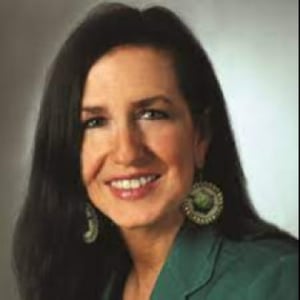
Shareholder, Greenberg Traurig
Jennifer Weddle is the Co-Chair of Greenberg Traurig's American Indian Law Practice and has wide-ranging experience in complex regulatory and jurisdictional issues, with a focus in Indian law, handling a variety of matters for tribal and non-tribal clients. She has a dynamic, inter-disciplinary practice that centers on providing strategies for resolving complex jurisdictional problems. Much of her practice focuses in the areas of tribal economic development and natural resources development. Jennifer also has U.S. Supreme Court experience, including serving as one of the attorneys for the respondent in Nevada v. Hicks (2001) and representing the petitioners in Ute Mountain Ute Tribe v. Padilla (2012) and Grand Canyon Skywalk Development, LLC v. Grand Canyon Resort Corporation (2013) and cert stage amici in Saginaw-Chippewa Tribe v. NLRB (2016) and United States v. Cooley (2020) and amici on the merits in Lewis v. Clarke (2017), U.S. v. Washington (2018), Carpenter v. Murphy (2018), McGirt v. Oklahoma (2020), and United States v. Cooley (2021).
Jennifer's work also includes negotiations for mineral leasing employment matters and representation before federal agencies. She has also been involved in civil litigation, working on numerous complex federal, state and tribal litigation matters, including class action tort litigation and large commercial disputes. Her transactional experience includes oil and gas renewables projects throughout the west, as well as Endangered Species Act work. Jennifer frequently assists tribes, banks and non-bank entities with financing and regulatory matters with Indian law components. Jennifer has wide-ranging project siting experience, including the application of NEPA, NHPA, and other environmental laws on tribal and public lands, including with respect to large linear multi-state energy and infrastructure projects. Jennifer has deep transactional, regulatory and litigation experience involving very complex matters with both legal and policy components.
Jennifer is past President of the National Native American Bar Association and past two-term Chair of the Federal Bar Association Indian Law Section. She currently serves as the Tenth Circuit Representative on the American Bar Association Standing Committee on the Federal Judiciary, a role she has held since 2018, spanning the evaluations for more than two dozen federal judicial nominees at every level of the federal courts. She is a ’00 graduate of Harvard Law School and a ’97 graduate of the University of Michigan (Classical Languages and Literature).
Of Counsel, Spencer Fane LLP
Anthony J. “A.J.” Ferate has built a multi-faceted background in the areas of the law, policy, energy, campaigns and elections, and defense over the last 20 years.
Through recent representation as Vice President of Regulatory Affairs for the Oklahoma Independent Petroleum Association (“OIPA”), A.J. held responsibilities over government efforts outside of the legislative branch on matters as broad as water, electric generation, commodity marketing, land matters, and seismicity. A.J. also maintained responsibility for legal matters at OIPA, including amicus briefing in appellate matters. A.J.’s extensive experience also includes management of public policy strategy for a Fortune 500 company.
For the past eleven years, A.J. has volunteered as General Counsel and spokesman for the Oklahoma Republican Party and has represented a number of elected officials, including U.S. Senator James Lankford, former statewide elected officials, a number of state legislators, and members of Congress.
Additionally, A.J. has assisted elected officials serve their constituents in all branches of government. Early in his career, A.J. held legislative aide duties in the Nebraska Legislature, then went on to work for former Nebraska Treasurer David Heineman. A.J. gained experience in the judiciary while serving Judge Gary L. Lumpkin at the Oklahoma Court of Criminal Appeals, the highest criminal appellate court in Oklahoma. Following this service, A.J. began work with Denise A. Bode of the Oklahoma Corporation Commission, assisting her in her duties regulating 70 percent of Oklahoma’s economy, including oil and gas and electric utilities.
A.J. honorably served ten years as an intelligence analyst for the United States Naval Reserve, including time at the Office of Naval Intelligence in the greater Washington DC area.
Opinion pieces authored or ghostwritten by A.J. have been published in the Seattle Times, Politico, Law360, The Oklahoman, Tulsa World and The Journal Record. A.J. has also been interviewed by national and international newspapers, and has also appeared on national radio programs including NPR’s The Diane Rehm Show and On Point with Tom Ashbrook.
Shareholder, Greenberg Traurig
Jennifer Weddle is the Co-Chair of Greenberg Traurig's American Indian Law Practice and has wide-ranging experience in complex regulatory and jurisdictional issues, with a focus in Indian law, handling a variety of matters for tribal and non-tribal clients. She has a dynamic, inter-disciplinary practice that centers on providing strategies for resolving complex jurisdictional problems. Much of her practice focuses in the areas of tribal economic development and natural resources development. Jennifer also has U.S. Supreme Court experience, including serving as one of the attorneys for the respondent in Nevada v. Hicks (2001) and representing the petitioners in Ute Mountain Ute Tribe v. Padilla (2012) and Grand Canyon Skywalk Development, LLC v. Grand Canyon Resort Corporation (2013) and cert stage amici in Saginaw-Chippewa Tribe v. NLRB (2016) and United States v. Cooley (2020) and amici on the merits in Lewis v. Clarke (2017), U.S. v. Washington (2018), Carpenter v. Murphy (2018), McGirt v. Oklahoma (2020), and United States v. Cooley (2021).
Jennifer's work also includes negotiations for mineral leasing employment matters and representation before federal agencies. She has also been involved in civil litigation, working on numerous complex federal, state and tribal litigation matters, including class action tort litigation and large commercial disputes. Her transactional experience includes oil and gas renewables projects throughout the west, as well as Endangered Species Act work. Jennifer frequently assists tribes, banks and non-bank entities with financing and regulatory matters with Indian law components. Jennifer has wide-ranging project siting experience, including the application of NEPA, NHPA, and other environmental laws on tribal and public lands, including with respect to large linear multi-state energy and infrastructure projects. Jennifer has deep transactional, regulatory and litigation experience involving very complex matters with both legal and policy components.
Jennifer is past President of the National Native American Bar Association and past two-term Chair of the Federal Bar Association Indian Law Section. She currently serves as the Tenth Circuit Representative on the American Bar Association Standing Committee on the Federal Judiciary, a role she has held since 2018, spanning the evaluations for more than two dozen federal judicial nominees at every level of the federal courts. She is a ’00 graduate of Harvard Law School and a ’97 graduate of the University of Michigan (Classical Languages and Literature).
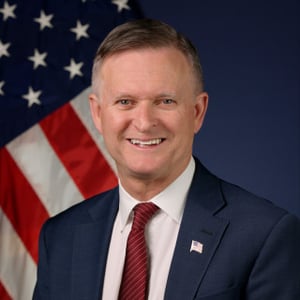
Deputy Secretary of Transportation, US Department of Transportation
Steven G. Bradbury was sworn in as the Deputy Secretary of Transportation on March 13, 2025, following his confirmation by the U.S. Senate on March 11, 2025. In this role, he oversees the Department’s operating administrations and spearheads initiatives to ensure a safe, efficient, and modern transportation system that strengthens economic productivity and global competitiveness. Deputy Secretary Bradbury also assists Secretary Duffy in managing the Department’s activities, including its workforce of over 58,000 employees and an annual budget exceeding $109 billion.
Bradbury previously served as the 23rd General Counsel of the Department of Transportation from 2017 to 2021, as the Acting Deputy Secretary from 2019, and as Acting Secretary of Transportation in 2021. As General Counsel, he was the chief legal officer, advising on all legal matters and ensuring the integrity and compliance of the Department’s policies and programs.
Before rejoining DOT, Bradbury was a Distinguished Fellow at The Heritage Foundation from December 2022 to March 2025. He has extensive experience in the public and private sector, having served as Principal Deputy and Acting Assistant Attorney General at the U.S. Department of Justice and as a partner at Kirkland & Ellis LLP and Dechert LLP. Earlier in his career, he clerked for Justice Clarence Thomas and Judge James L. Buckley.
Bradbury holds a J.D., magna cum laude, from the University of Michigan Law School and a B.A. in English from Stanford University.
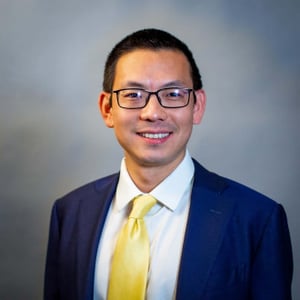
Litigation Counsel, New Civil Liberties Alliance
Sheng Li is Litigation Counsel for the New Civil Liberties Alliance. Prior to joining NCLA, Sheng served as Counselor to the Administrator of Wage and Hour at the U.S. Department of Labor. In that role, he led numerous efforts to remove or simplify unduly burdensome regulations. He has also worked in the private sector as a litigation associate at Patterson Belknap Webb & Tyler and at Kirkland & Ellis.
Sheng is a graduate of Johns Hopkins University and Yale Law School, where he was managing editor of the Yale Journal of International Law. After graduating law school, Sheng served as law clerk to the Hon. Danny J. Boggs on the U.S. Court of Appeals for the Sixth Circuit.
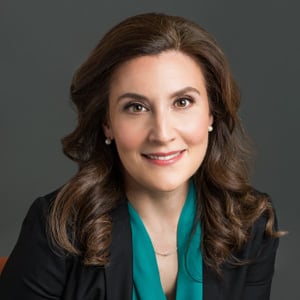
Board Member, U.S. Privacy and Civil Liberties Oversight Board
Beth A. Williams is a Board Member of the United States Privacy and Civil Liberties Oversight Board, an agency whose mission is to ensure that the federal government's efforts to prevent terrorism are balanced with the need to protect privacy and civil liberties.
Prior to her Board service, Ms. Williams was the Assistant Attorney General for the Office of Legal Policy at the United States Department of Justice from August 2017 to December 2020. In that role, she served as the primary policy advisor to the Attorney General and the Deputy Attorney General, and as the Chief Regulatory Officer for the Department. Ms. Williams also led the judicial nomination process for the Department, assisting in the selection and confirmation of more than 230 Article III judges to the bench.
Prior to becoming Assistant Attorney General, Ms. Williams was a litigation and appellate partner at a national law firm, where her practice focused on complex commercial, securities, appellate, and First Amendment litigation. From 2005-2006, Ms. Williams served as Special Counsel to the United States Senate Committee on the Judiciary, where she assisted with the confirmation of Chief Justice John G. Roberts, Jr. and Associate Justice Samuel A. Alito, Jr. to the United States Supreme Court.
Ms. Williams clerked for the Hon. Richard C. Wesley on the United State Court of Appeals for the Second Circuit. She graduated from Harvard College magna cum laude, with a degree in History and Literature, and she earned her law degree from Harvard Law School, where she served as Executive Editor of the Harvard Journal of Law and Public Policy.

Managing Partner, Boyden Gray PLLC
Michael Buschbacher is the managing partner of Boyden Gray PLLC. He represents public and private companies, trade associations, non-profits, and individuals in high-stakes litigation and administrative proceedings, with a particular focus on environmental and energy matters.
In addition to trial-level work, Mr. Buschbacher maintains an active appellate practice, both as merits counsel and as counsel for amici curiae. He has written amicus briefs quoted by the Seventh and Ninth Circuits. And his Supreme Court advocacy has been cited by The New Yorker, The New York Times, and E&E News. Mr. Buschbacher’s commentary on legal issues has been published in The Wall Street Journal, Newsweek, and The American Conservative.
Before joining the firm, Mr. Buschbacher served at the U.S. Department of Justice as counsel to the Assistant Attorney General for the Environment and Natural Resources Division. There, he advised senior Department leadership, served as the lead attorney on several lawsuits, and helped draft policy memoranda for the Department on the proper scope and procedure for environmental enforcement. Prior to serving in the government, Mr. Buschbacher was an associate in the D.C. office of Sidley Austin.
Mr. Buschbacher is a former clerk to Judge Alice M. Batchelder of the U.S. Court of Appeals for the Sixth Circuit and to Magistrate Judge Paul R. Cherry of the U.S. District Court for the Northern District of Indiana.
Mr. Buschbacher holds a B.A. in Music and Germanic Studies from Indiana University and a J.D., magna cum laude, from Notre Dame Law School.
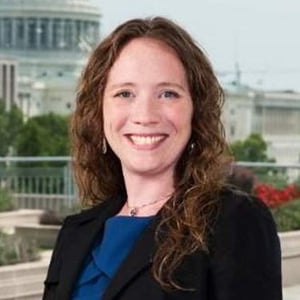
Partner, Luther Strange & Associates
Annie Donaldson Talley is Partner at Luther Strange and Associates. She recently departed the White House after serving as Deputy Assistant to the President and Deputy Counsel to the President. Over the past four years, she provided outside counsel to the Donald J. Trump for President campaign; helped stand up and manage the White House Counsel’s Office; interfaced with agencies across the federal government; and advised the President of the United States, White House Counsel, Chief of Staff and other senior staff across the Executive Office of the President on a broad range of issues from regulatory reform to executive nominations to the day-to-day issues facing the Administration.
Prior to her White House service, Annie Donaldson Talley counseled clients in the non-profit, for-profit, political, and government sectors, as well as high-profile individuals in private practice at Jones Day and Patton Boggs. She provided strategic counseling to clients structuring their affairs to ensure compliance with a web of state and federal laws and represented clients in complex, multi-faceted investigations, leading teams navigating issues of intense public scrutiny.
Annie Donaldson Talley is also a veteran of three presidential campaigns and served in state government. She holds a B.A., summa cum laude, from the University of Alabama and a J.D. from Harvard Law School, where she served on the Harvard Law Review. She lives in Montgomery, Alabama with her husband, Brett.
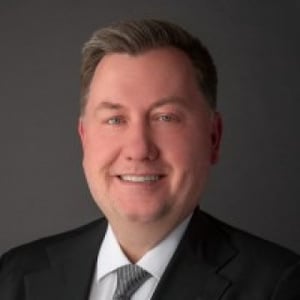
Partner, Sidley Austin LLP
JUSTIN SAVAGE is a global co-leader of the firm’s Environmental, Health, and Safety practice and co-leads the Automotive and Mobility sector team, where he is a leading strategist for companies navigating the intersection of complex regulation, high-stakes litigation, and transformative industry change. For nearly three decades, he has led clients through their most consequential environmental, health, and safety (EH&S) disputes and mobility-sector challenges, earning a reputation as both a trusted counselor and a forceful advocate in the courtroom and the boardroom. A core part of Justin’s practice also focuses on regulatory strategy and market entry, advising emerging technology companies, new market entrants, and established industry leaders on launching new products, technologies, and business models. He regularly counsel clients in emerging fields such as robotics and AI on engaging with regulators, anticipating enforcement and compliance risk, and building defensible regulatory strategies that support growth rather than slow it.
Clients praise Justin as “an excellent litigator… strategically clever and creative… attentive, thoughtful and willing to go above and beyond” (Chambers USA 2025). Chambers USA has ranked him for Band 1 for Environment in District of Columbia (2017–2025) and Band 3 for Transportation: Road (Automotive) in USA—Nationwide (2023–2025).
Justin has won some of the most closely watched EH&S and transportation disputes of the past two decades and guided companies through crises where business continuity, brand reputation, and regulatory survival were on the line. His leadership has been repeatedly recognized: he is a three-time Law360 Environmental “MVP” (2018, 2024, 2025) and a Lawdragon “500 Global Leaders in Crisis Management” (2025-2026). He is the first call for companies facing bet-the-company challenges.
Justin’s clients concentrate in heavily regulated industries, including auto and mobility, aviation, chemicals, data centers, energy, mining, and refining. Justin litigates and counsels across the spectrum of U.S. environmental, transportation, and administrative laws, including the Clean Air Act (Title I, mobile sources, and fuels), incident response, RMP, NHTSA, Clean Water Act, TSCA, CSB investigations, APA claims, FOIA litigation, NEPA, and the Safe Drinking Water Act.
Prior to joining Sidley, Justin served for nearly a decade at the Environmental Enforcement Section of the U.S. Department of Justice, where he led teams in several multi-billion dollar enforcement cases. In his career, Justin has regularly taught on a range of environmental and litigation topics. For several years, Justin served as an instructor at the Justice Department’s National Advocacy Center where he taught hundreds of Assistant U.S. Attorneys and other agency lawyers on topics that included trial advocacy and evidence. Since rejoining private practice, Justin has served eight times as a faculty member for the American Law Institute’s Environmental Litigation program. He also lectured on a range of litigation and trial topics for bar associations and organizations, including serving as an instructor for the FAA on trial advocacy.
Managing Partner, Boyden Gray PLLC
Michael Buschbacher is the managing partner of Boyden Gray PLLC. He represents public and private companies, trade associations, non-profits, and individuals in high-stakes litigation and administrative proceedings, with a particular focus on environmental and energy matters.
In addition to trial-level work, Mr. Buschbacher maintains an active appellate practice, both as merits counsel and as counsel for amici curiae. He has written amicus briefs quoted by the Seventh and Ninth Circuits. And his Supreme Court advocacy has been cited by The New Yorker, The New York Times, and E&E News. Mr. Buschbacher’s commentary on legal issues has been published in The Wall Street Journal, Newsweek, and The American Conservative.
Before joining the firm, Mr. Buschbacher served at the U.S. Department of Justice as counsel to the Assistant Attorney General for the Environment and Natural Resources Division. There, he advised senior Department leadership, served as the lead attorney on several lawsuits, and helped draft policy memoranda for the Department on the proper scope and procedure for environmental enforcement. Prior to serving in the government, Mr. Buschbacher was an associate in the D.C. office of Sidley Austin.
Mr. Buschbacher is a former clerk to Judge Alice M. Batchelder of the U.S. Court of Appeals for the Sixth Circuit and to Magistrate Judge Paul R. Cherry of the U.S. District Court for the Northern District of Indiana.
Mr. Buschbacher holds a B.A. in Music and Germanic Studies from Indiana University and a J.D., magna cum laude, from Notre Dame Law School.
Partner, Luther Strange & Associates
Annie Donaldson Talley is Partner at Luther Strange and Associates. She recently departed the White House after serving as Deputy Assistant to the President and Deputy Counsel to the President. Over the past four years, she provided outside counsel to the Donald J. Trump for President campaign; helped stand up and manage the White House Counsel’s Office; interfaced with agencies across the federal government; and advised the President of the United States, White House Counsel, Chief of Staff and other senior staff across the Executive Office of the President on a broad range of issues from regulatory reform to executive nominations to the day-to-day issues facing the Administration.
Prior to her White House service, Annie Donaldson Talley counseled clients in the non-profit, for-profit, political, and government sectors, as well as high-profile individuals in private practice at Jones Day and Patton Boggs. She provided strategic counseling to clients structuring their affairs to ensure compliance with a web of state and federal laws and represented clients in complex, multi-faceted investigations, leading teams navigating issues of intense public scrutiny.
Annie Donaldson Talley is also a veteran of three presidential campaigns and served in state government. She holds a B.A., summa cum laude, from the University of Alabama and a J.D. from Harvard Law School, where she served on the Harvard Law Review. She lives in Montgomery, Alabama with her husband, Brett.
Partner, Sidley Austin LLP
JUSTIN SAVAGE is a global co-leader of the firm’s Environmental, Health, and Safety practice and co-leads the Automotive and Mobility sector team, where he is a leading strategist for companies navigating the intersection of complex regulation, high-stakes litigation, and transformative industry change. For nearly three decades, he has led clients through their most consequential environmental, health, and safety (EH&S) disputes and mobility-sector challenges, earning a reputation as both a trusted counselor and a forceful advocate in the courtroom and the boardroom. A core part of Justin’s practice also focuses on regulatory strategy and market entry, advising emerging technology companies, new market entrants, and established industry leaders on launching new products, technologies, and business models. He regularly counsel clients in emerging fields such as robotics and AI on engaging with regulators, anticipating enforcement and compliance risk, and building defensible regulatory strategies that support growth rather than slow it.
Clients praise Justin as “an excellent litigator… strategically clever and creative… attentive, thoughtful and willing to go above and beyond” (Chambers USA 2025). Chambers USA has ranked him for Band 1 for Environment in District of Columbia (2017–2025) and Band 3 for Transportation: Road (Automotive) in USA—Nationwide (2023–2025).
Justin has won some of the most closely watched EH&S and transportation disputes of the past two decades and guided companies through crises where business continuity, brand reputation, and regulatory survival were on the line. His leadership has been repeatedly recognized: he is a three-time Law360 Environmental “MVP” (2018, 2024, 2025) and a Lawdragon “500 Global Leaders in Crisis Management” (2025-2026). He is the first call for companies facing bet-the-company challenges.
Justin’s clients concentrate in heavily regulated industries, including auto and mobility, aviation, chemicals, data centers, energy, mining, and refining. Justin litigates and counsels across the spectrum of U.S. environmental, transportation, and administrative laws, including the Clean Air Act (Title I, mobile sources, and fuels), incident response, RMP, NHTSA, Clean Water Act, TSCA, CSB investigations, APA claims, FOIA litigation, NEPA, and the Safe Drinking Water Act.
Prior to joining Sidley, Justin served for nearly a decade at the Environmental Enforcement Section of the U.S. Department of Justice, where he led teams in several multi-billion dollar enforcement cases. In his career, Justin has regularly taught on a range of environmental and litigation topics. For several years, Justin served as an instructor at the Justice Department’s National Advocacy Center where he taught hundreds of Assistant U.S. Attorneys and other agency lawyers on topics that included trial advocacy and evidence. Since rejoining private practice, Justin has served eight times as a faculty member for the American Law Institute’s Environmental Litigation program. He also lectured on a range of litigation and trial topics for bar associations and organizations, including serving as an instructor for the FAA on trial advocacy.

Partner, Womble Bond Dickinson
Britt Whitesell Biles is a trial lawyer and a partner in the Business Litigation Group. Resident in the firm’s Washington, D.C. office, Britt has extensive experience at the highest levels of the federal government, having served in senior legal roles at the U.S. Securities and Exchange Commission (SEC), the White House, and the U.S. Small Business Administration (SBA). She has nearly two decades of experience representing and advising clients in high-stakes government investigations and bet-the-company litigation.
Most recently, Britt served as the General Counsel of the SBA. She was appointed in 2020 to manage the immense and unprecedented legal needs that arose from the SBA’s role as a lead agency in the federal government’s economic response to COVID-19; the Agency was under intense pressure to implement and administer trillion-dollar loan and grant programs established by the CARES Act and faced unparalleled levels of scrutiny from Congress, the media, and the public. As the SBA’s chief legal officer and third-highest-ranking official, Britt led the SBA’s legal function, managing 140 lawyers and staff across the country.
Britt was the principal legal advisor to the Administrator on the CARES Act and related legislation. She supervised the drafting of regulations and guidance that implemented the Paycheck Protection Program and designed key aspects of the loan review and forgiveness process. She worked closely with senior officials across the federal government to establish data-sharing and cooperation agreements to facilitate the investigation and prosecution of fraud and abuse in the COVID-19 loan and grant programs. Britt oversaw the litigation of cases arising under the CARES Act and devised the SBA’s strategy for responding to oversight, audits, and inquiries. She regularly counseled senior Agency officials in connection with Congressional testimony and briefings, including before the House Committee on Oversight and Reform, the House and Senate Small Business Committees, the House Financial Services Committee, and the House Select Subcommittee on the Coronavirus Crisis. In addition to acting as a legal advisor, Britt performed a crisis management role, advising the SBA on its communications strategy and engagement with external stakeholders. Britt, along with her staff in the Office of General Counsel, received the 2020 Administrator’s Award for Outstanding Achievement.
Before she was appointed General Counsel of the SBA, Britt served as a Special Assistant to the President and Associate White House Counsel. During her tenure at the White House, she provided legal advice on financial regulation and reform, consumer protection, privacy, transportation, and congressional oversight matters. She also was the White House’s legal liaison to the Departments of Treasury, Transportation, and Housing and Urban Development, as well as independent financial services and consumer protection agencies, including the SEC, the Federal Trade Commission (FTC), and the Consumer Financial Protection Bureau.
Britt also recently held a senior enforcement position at the SEC. As Assistant Chief Litigation Counsel, she investigated and litigated securities matters involving insider trading, cybersecurity, accounting and disclosure fraud, registered and unregistered securities offerings, market abuses, the Foreign Corrupt Practices Act, broker-dealers, investment advisors, and other regulated entities. Her cases involved millions of dollars in civil monetary penalties and disgorgement. She routinely worked with the Federal Bureau of Investigation, the Department of Justice (DOJ), and U.S. Attorneys’ Offices on parallel criminal proceedings. Britt also worked with international authorities, handling significant cross-border enforcement actions involving China, Macau, India, and Eastern Europe.
During her time at the SEC, Britt investigated and litigated many of the Commission’s most significant cases. In 2017, she received the Chairman’s Award for Excellence for leading the litigation in SEC v. Hong, a ground-breaking case in which Chinese nationals were charged with insider trading in connection with a cyber-attack on two New York law firms. The case received international attention because it demonstrated the reach of the SEC’s enforcement program as the SEC recovered illegal trading profits from foreign defendants who lived abroad and carried out their illegal scheme without entering the United States. Britt also twice received the Division of Enforcement Director’s Award for making outstanding contributions to the enforcement of the federal securities laws — in 2015, for her work on an $80-million-variable-annuity-fraud case, and again in 2016, for her work on a conflict-of-interest case against one of the world’s largest asset managers and its chief compliance officer.
In addition to serving in senior legal roles in the federal government, Britt was a partner at a global law firm and a Washington, D.C. litigation boutique. She represented high-profile individuals and public and private companies in the financial services, healthcare, pharmaceutical, defense, communications, government contracting, technology, manufacturing, and entertainment industries. She defended clients in investigations and enforcement matters by Congress, the DOJ, the SEC, the FTC, the Federal Deposit Insurance Corporation, and various state attorneys general. She also represented clients in commercial litigation, including securities, contract, cybersecurity, data privacy, defamation, consumer protection, unfair competition, professional liability, environmental, and product liability cases. An experienced trial lawyer, Britt litigated in state and federal courts nationwide. She presented cases to arbitrators and mediators. Britt also was a lecturing fellow at Duke University School of Law, teaching a course on electronic discovery.
Britt began her law career as a federal appellate clerk for the Honorable Julia Smith Gibbons on the U.S. Court of Appeals for the Sixth Circuit, after graduating magna cum laude from Duke University School of Law and being elected to the Order of the Coif.
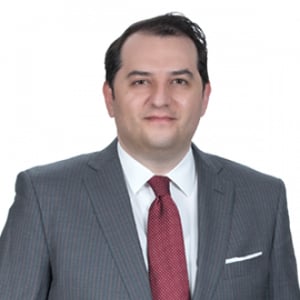
Partner, Womble Bond Dickinson
Luke Cass defends corporations and individuals in connection with a variety of federal criminal allegations, including health care fraud, conspiracy, mail and wire fraud, embezzlement, bank fraud, and money laundering. He also conducts proactive, internal investigations related to bribery, misbranding, and the Foreign Corrupt Practices Act (FCPA). Luke served as a federal prosecutor for over a decade and has significant experience with white collar investigations and has litigated federal appellate and district court cases throughout the United States.
Previously, Luke worked as a Senior Trial Attorney with the Public Integrity Section of the U.S. Department of Justice’s Criminal Division where he handled public corruption investigations and prosecutions of elected, appointed, and career government officials. Luke served as an Assistant United States Attorney in the Financial Fraud and Corruption Unit of the U.S. Attorney’s Office for the District of Puerto Rico before working at the DOJ in Washington. In addition to Luke's extensive federal trial experience, he has also briefed and argued numerous appeals before the U.S. Court of Appeals for the First Circuit. He also clerked in the United States District Court for the Eastern District of New York.
As a result of his experience, Luke is well qualified to counsel clients in nearly every aspect of complex white collar matters involving both the public and private sectors.
Partner, Womble Bond Dickinson
Britt Whitesell Biles is a trial lawyer and a partner in the Business Litigation Group. Resident in the firm’s Washington, D.C. office, Britt has extensive experience at the highest levels of the federal government, having served in senior legal roles at the U.S. Securities and Exchange Commission (SEC), the White House, and the U.S. Small Business Administration (SBA). She has nearly two decades of experience representing and advising clients in high-stakes government investigations and bet-the-company litigation.
Most recently, Britt served as the General Counsel of the SBA. She was appointed in 2020 to manage the immense and unprecedented legal needs that arose from the SBA’s role as a lead agency in the federal government’s economic response to COVID-19; the Agency was under intense pressure to implement and administer trillion-dollar loan and grant programs established by the CARES Act and faced unparalleled levels of scrutiny from Congress, the media, and the public. As the SBA’s chief legal officer and third-highest-ranking official, Britt led the SBA’s legal function, managing 140 lawyers and staff across the country.
Britt was the principal legal advisor to the Administrator on the CARES Act and related legislation. She supervised the drafting of regulations and guidance that implemented the Paycheck Protection Program and designed key aspects of the loan review and forgiveness process. She worked closely with senior officials across the federal government to establish data-sharing and cooperation agreements to facilitate the investigation and prosecution of fraud and abuse in the COVID-19 loan and grant programs. Britt oversaw the litigation of cases arising under the CARES Act and devised the SBA’s strategy for responding to oversight, audits, and inquiries. She regularly counseled senior Agency officials in connection with Congressional testimony and briefings, including before the House Committee on Oversight and Reform, the House and Senate Small Business Committees, the House Financial Services Committee, and the House Select Subcommittee on the Coronavirus Crisis. In addition to acting as a legal advisor, Britt performed a crisis management role, advising the SBA on its communications strategy and engagement with external stakeholders. Britt, along with her staff in the Office of General Counsel, received the 2020 Administrator’s Award for Outstanding Achievement.
Before she was appointed General Counsel of the SBA, Britt served as a Special Assistant to the President and Associate White House Counsel. During her tenure at the White House, she provided legal advice on financial regulation and reform, consumer protection, privacy, transportation, and congressional oversight matters. She also was the White House’s legal liaison to the Departments of Treasury, Transportation, and Housing and Urban Development, as well as independent financial services and consumer protection agencies, including the SEC, the Federal Trade Commission (FTC), and the Consumer Financial Protection Bureau.
Britt also recently held a senior enforcement position at the SEC. As Assistant Chief Litigation Counsel, she investigated and litigated securities matters involving insider trading, cybersecurity, accounting and disclosure fraud, registered and unregistered securities offerings, market abuses, the Foreign Corrupt Practices Act, broker-dealers, investment advisors, and other regulated entities. Her cases involved millions of dollars in civil monetary penalties and disgorgement. She routinely worked with the Federal Bureau of Investigation, the Department of Justice (DOJ), and U.S. Attorneys’ Offices on parallel criminal proceedings. Britt also worked with international authorities, handling significant cross-border enforcement actions involving China, Macau, India, and Eastern Europe.
During her time at the SEC, Britt investigated and litigated many of the Commission’s most significant cases. In 2017, she received the Chairman’s Award for Excellence for leading the litigation in SEC v. Hong, a ground-breaking case in which Chinese nationals were charged with insider trading in connection with a cyber-attack on two New York law firms. The case received international attention because it demonstrated the reach of the SEC’s enforcement program as the SEC recovered illegal trading profits from foreign defendants who lived abroad and carried out their illegal scheme without entering the United States. Britt also twice received the Division of Enforcement Director’s Award for making outstanding contributions to the enforcement of the federal securities laws — in 2015, for her work on an $80-million-variable-annuity-fraud case, and again in 2016, for her work on a conflict-of-interest case against one of the world’s largest asset managers and its chief compliance officer.
In addition to serving in senior legal roles in the federal government, Britt was a partner at a global law firm and a Washington, D.C. litigation boutique. She represented high-profile individuals and public and private companies in the financial services, healthcare, pharmaceutical, defense, communications, government contracting, technology, manufacturing, and entertainment industries. She defended clients in investigations and enforcement matters by Congress, the DOJ, the SEC, the FTC, the Federal Deposit Insurance Corporation, and various state attorneys general. She also represented clients in commercial litigation, including securities, contract, cybersecurity, data privacy, defamation, consumer protection, unfair competition, professional liability, environmental, and product liability cases. An experienced trial lawyer, Britt litigated in state and federal courts nationwide. She presented cases to arbitrators and mediators. Britt also was a lecturing fellow at Duke University School of Law, teaching a course on electronic discovery.
Britt began her law career as a federal appellate clerk for the Honorable Julia Smith Gibbons on the U.S. Court of Appeals for the Sixth Circuit, after graduating magna cum laude from Duke University School of Law and being elected to the Order of the Coif.
Partner, Womble Bond Dickinson
Luke Cass defends corporations and individuals in connection with a variety of federal criminal allegations, including health care fraud, conspiracy, mail and wire fraud, embezzlement, bank fraud, and money laundering. He also conducts proactive, internal investigations related to bribery, misbranding, and the Foreign Corrupt Practices Act (FCPA). Luke served as a federal prosecutor for over a decade and has significant experience with white collar investigations and has litigated federal appellate and district court cases throughout the United States.
Previously, Luke worked as a Senior Trial Attorney with the Public Integrity Section of the U.S. Department of Justice’s Criminal Division where he handled public corruption investigations and prosecutions of elected, appointed, and career government officials. Luke served as an Assistant United States Attorney in the Financial Fraud and Corruption Unit of the U.S. Attorney’s Office for the District of Puerto Rico before working at the DOJ in Washington. In addition to Luke's extensive federal trial experience, he has also briefed and argued numerous appeals before the U.S. Court of Appeals for the First Circuit. He also clerked in the United States District Court for the Eastern District of New York.
As a result of his experience, Luke is well qualified to counsel clients in nearly every aspect of complex white collar matters involving both the public and private sectors.
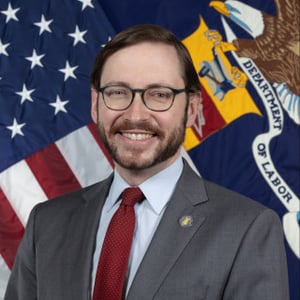
Solicitor, U.S. Department of Labor
Jonathan Berry is Solicitor at the U.S. Department of Labor, in service to President Trump’s agenda to put American workers first. He leads the Department’s lawyers in advising the Secretary and agency leadership on all aspects of law and in representing the Department in court. He was previously managing partner at Boyden Gray PLLC, where he provided strategic counsel and litigated on issues at the intersection of law, politics, and public policy. Earlier, he headed the regulatory office at Labor, and also served at the Department of Justice, in the first Trump Administration. Mr. Berry served as a law clerk to Judge Jerry E. Smith of the United States Court of Appeals for the Fifth Circuit, and to Associate Justice Samuel A. Alito, Jr., of the Supreme Court of the United States.
United States Senator, Utah
Elected in 2010 as Utah's 16th Senator, Mike Lee has spent his career defending the basic liberties of Americans and Utahns as a tireless advocate for our founding constitutional principles.
Senator Lee acquired a deep respect for the Constitution early on. His father, Rex Lee, who served as the Solicitor General under President Ronald Reagan, would often discuss varied aspects of judicial and constitutional doctrine around the kitchen table, from Due Process to the uses of Executive Plenary Power. He attended most of his father's arguments before the U.S. Supreme Court, giving him a unique, hands-on experience and understanding of government up close.
Lee graduated from Brigham Young University with a Bachelor of Science in Political Science, and served as BYU's Student Body President in his senior year. He graduated from BYU's Law School in 1997 and went on to serve as law clerk to Judge Dee Benson of the U.S. District Court for the District of Utah, and then with future Supreme Court Justice Judge Samuel A. Alito, Jr. on the U.S. Court of Appeals for the Third Circuit.
Lee spent several years as an attorney with the law firm Sidley & Austin specializing in appellate and Supreme Court litigation, and then served as an Assistant U.S. Attorney in Salt Lake City arguing cases before the U.S. Court of Appeals for the Tenth Circuit.
Lee served the state of Utah as Governor Jon Huntsman's General Counsel and was later honored to reunite with Justice Alito, now on the Supreme Court, for a one-year clerkship. He returned to private practice in 2007.
Throughout his career, Lee earned a reputation as an outstanding practitioner of the law based on his sound judgment, abilities in the courtroom, and thorough understanding of the Constitution.
Today, Lee fights to preserve America's proud founding document in the United States Senate. He advocates efforts to support constitutionally limited government, fiscal responsibility, individual liberty, and economic prosperity.
Lee is a member of the Judiciary Committee, and serves as Chairman of the Antitrust, Competition Policy and Consumer Rights Subcommittee protecting business competition and personal freedom.
He also oversees issues critical to Utah as the Chairman of the Water and Power Subcommittee of the Energy and Natural Resources Committee. He serves on the Commerce Committee and the Joint Economic Committee, as well.
In the 114th Congress, Lee also began his tenure as Chairman of the Senate Steering Committee, where he works with his Republican colleagues in the Senate to introduce bold and innovative solutions to issues facing the American people.
Lee and his wife Sharon live in Alpine, Utah, with their three children. He is a member of The Church of Jesus Christ of Latter-day Saints and served a two-year mission for the Church in the Texas Rio Grande Valley.

Vice President and Publisher, The Political Forum
Stephen R. Soukup is the senior commentator, Vice President, and Publisher of The Political Forum, an “independent research provider” that delivers research and consulting services to the institutional investment community, with an emphasis on economic, social, political, and geopolitical events likely to have an impact on the financial markets in the United States and abroad. He is also the Director of The Political Forum Institute, a non-profit educational organization dedicated to creating and preserving community, primarily among those who earn their livings and create wealth for the nation through the capital markets. Mr. Soukup has followed politics and federal regulatory policy for the financial community since 1996, when he joined the award-winning Washington-research office of Prudential Securities. He is also the Fellow in Culture and Economy at the Culture of Life Foundation.
Deputy Secretary of Agriculture, U.S. Department of Agriculture
Judge Stephen Alexander Vaden was appointed as the Deputy Secretary of the U.S. Department of Agriculture on July 7, 2025. Alongside Secretary Brooke L. Rollins, Deputy Secretary Vaden leads the Department’s operations and implements policies that support America’s food and farm systems. A native of Union City, Tennessee, Deputy Secretary Vaden brings expertise in agricultural policy, law, and rural development. Previously, he served as a judge on the U.S. Court of International Trade and as General Counsel of USDA. Throughout Deputy Secretary Vaden’s time as General Counsel, he led successful Supreme Court litigation, advanced regulatory reform, and supported the implementation of the 2018 Farm Bill. He is a graduate of Yale Law School and Vanderbilt University. A public servant with strong agricultural roots, Deputy Secretary Vaden is committed to revitalizing rural America and ensuring an abundant, affordable, and safe U.S. food supply.

Laurence H. Silberman Chair in Constitutional Governance, American Enterprise Institute; Executive Director, Antonin Scalia Law School’s C. Boyden Gray Center for the Study of the Administrative State
Adam J. White is the Laurence H. Silberman Chair in Constitutional Governance and senior fellow at the American Enterprise Institute, where he focuses on the Supreme Court and the administrative state. He also directs the Antonin Scalia Law School’s C. Boyden Gray Center for the Study of the Administrative State.
He writes on regulation and constitutional government for a variety of publications. He practiced law in Washington, D.C., after clerking for the D.C. Circuit's Judge David Sentelle. He also has been chairman of the ABA's Administrative Law Section.
In 2021, he served on the Presidential Commission on the Supreme Court of the United States, where he criticized “Court packing” and other efforts to restructure the Supreme Court.
Lecturer in Residence and Executive Director, California Constitution Center, University of California, Berkeley, School of Law
David A. Carrillo received his doctorate from Berkeley Law before joining the faculty as a lecturer in residence and the founding executive director of the California Constitution Center in 2012. The center is devoted to developing scholarship concerning the California constitution and the California Supreme Court. Dr. Carrillo coauthored a casebook on California constitutional law, teaches courses on the California constitution and the California Supreme Court, publishes articles on those subjects, and is editor-in-chief of SCOCAblog.com, a blog about the state high court.
Before starting his academic career Dr. Carrillo was in active practice for 16 years, as a Deputy Attorney General with the California Department of Justice, as a Deputy City Attorney in San Francisco, as a Deputy District Attorney in Contra Costa County, and as a commercial litigation associate in private practice. A member of the California bar since 1995, Dr. Carrillo is admitted to practice before the Supreme Court of the United States, the Ninth Circuit Court of Appeals, and the Northern, Southern, Central, and Eastern District Courts of California.
In October 2019, California Governor Gavin Newsom appointed Dr. Carrillo to a four-year term on the California Law Revision Commission, where he is serving as the 2021-22 vice-chair. He also serves on the board of the Constitutional Rights Foundation and chairs the Citrin Center advisory board. His past charitable and professional board service includes: the Bar Association of San Francisco; the California Bar Foundation; the National Advisory Council of the Institute of Governmental Studies; the Foundation for Democracy and Justice; the State Bar Committee on Appellate Courts; the Justice and Diversity Center of the Bar Association of San Francisco; the Volunteer Legal Services Corporation in Alameda County; and the Berkeley Law Alumni Association. Dr. Carrillo chaired the judicial appointments committee of the Alameda County Bar Association, and served on the State Bar Commission on Judicial Nominees Evaluation and the Committee of Bar Examiners, as well as San Francisco and Alameda bar association committees on judicial appointments. He is a life member of the La Raza Lawyers Association (San Francisco and East Bay) and the Hispanic National Bar Association.
Attorney, Pacific Legal Foundation
Luke A. Wake is an attorney at the Pacific Legal Foundation. Prior to joining PLF, he was a senior staff attorney at the NFIB Small Business Legal Center.
Wake has particular expertise on environmental and land use issues, and has worked on numerous other constitutional issues and matters of importance to small business owners. He is an ardent defender of private property rights, which he believes are essential to the free enterprise system and the foundation of American liberty. As a strong advocate of individual rights and economic liberties, he has built his career defending small business interests.
Wake has focused on a whole host of issues, from employment law matters to regulatory compliance. In addition to serving as a resource for small business owners, Wake is committed to ensuring that the voice of small business is heard in the nation’s courts. As an appellate practitioner, Wake has focused particularly on informing the courts on matters of administrative law and on issues under the Fifth Amendment’s Takings Clause. He is also working to advance small business interests in law review articles, and was recently published in the Berkeley Journal of Law & Ecology. See R.S. Radford & Luke A. Wake, Deciphering and Extrapolating: Searching for Sense in Penn Central, 38 Ecology L.Q. 731, 746-747 (2011).
Before joining the Legal Center’s team, Wake completed a prestigious two-year fellowship as an attorney in the Pacific Legal Foundation’s College of Public Interest Law. Wake is a graduate of Case Western Reserve University School of Law in Cleveland Ohio, and is a member of the California Bar. He completed his undergraduate studies at Elon University in North Carolina in 2006 where he focused on political theory and corporate communications.

Emanuel S. Heller Professor of Law, University of California at Berkeley; Senior Research Fellow, School of Civic Leadership, Civitas Institute, University of Texas at Austin; Nonresident Senior Fellow, American Enterprise Institute
John Yoo is the Emanuel Heller Professor of Law. He is also Distinguished Visiting Scholar, School of Civic Leadership and Senior Research Fellow, Civitas Institute, at the University of Texas at Austin. He is also a Nonresident Senior Fellow at the American Enterprise Institute.
His most recent book, The Politically Incorrect Guide to the Supreme Court, co-authored with Robert Delahunty, was published in 2023. Professor Yoo’s other books include Defender-in-Chief: Trump’s Fight for Presidential Power; Striking Power: How Cyber, Robots, and Space Weapons Change the Rules for War, Point of Attack: Preventive War, International Law, and Global Welfare, and Crisis and Command: A History of Executive Power from George Washington to George Bush.
Professor Yoo has published more than 100 articles in academic journals on subjects including national security, constitutional law, international law, and the Supreme Court. He also regularly contributes to the editorial pages of the Wall Street Journal, New York Times, Washington Post, Los Angeles Times, and National Review, among others.
Professor Yoo has served in all three branches of government. He was an official in the U.S. Department of Justice, where he worked on national security and terrorism issues after the 9/11 attacks. He served as general counsel of the U.S. Senate Judiciary Committee. He has been a law clerk for Supreme Court Justice Clarence Thomas and federal appeals Judge Laurence Silberman. He has been a visiting professor at Seoul National University in South Korea, the Interdisciplinary Center in Israel, Keio University in Japan, Trento University in Italy, the University of Chicago, and the Free University of Amsterdam.
Professor Yoo supervises the Public Law and Policy Program and the California Constitution Center. He also serves on the boards of the Pacific Legal Foundation, the Federalist Society’s Separation of Powers and Federalism Division, the Universidad Cientifica del Sur Law School, and the Asia-Pacific Law Institute at Seoul National University. He is a winner of the Federalist Society’s Paul Bator award and been the Edwin Meese III Originalism Lecturer at the Heritage Foundation.
Professor Yoo graduated from Yale Law School and summa cum laude from Harvard College.
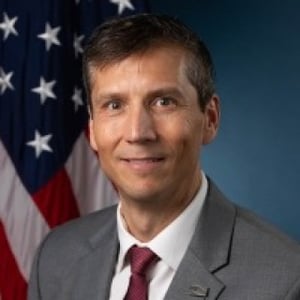
U.S. Attorney, Middle District of Tennessee, U.S. Department of Justice
Braden Boucek was sworn in on December 24, 2025, as the United States Attorney for the Middle District of Tennessee. Prior to becoming United States Attorney, Mr. Boucek served as the senior vice president of litigation at the Southeastern Legal Foundation having previously served as the vice president of legal affairs at the Beacon Center. Mr. Boucek has extensive experience as a prosecutor, starting his career at the Tennessee Attorney General’s Office before serving for two years as an Assistant District Attorney General in Williamson County. He was a federal prosecutor for ten years, first serving as an Assistant United States Attorney in the Western District of Tennessee from 2005 to 2011. From 2011 to 2015, Mr. Boucek was an Assistant United States Attorney in the Middle District of Tennessee, the district he now leads as the United States Attorney.

Courthouse Steps Decision: Biden v. Texas
Ilya Somin
On June 30, 2022, the Supreme Court decided Biden v. Texas. In a 5-4 decision, the...
Courthouse Steps Decisions: Denezpi and Ysleta
Anthony J. Ferate, Jennifer H. Weddle
On June 13 and 15, 2022, the Supreme Court decided Denezpi v. United States and...
Courthouse Steps Decisions: Denezpi and Ysleta
Anthony J. Ferate, Jennifer H. Weddle
On June 13 and 15, 2022, the Supreme Court decided Denezpi v. United States and...
Deep Dive Episode 226 – Due Process Protections in Agency Enforcement Actions
Steven Gill Bradbury, Sheng Li, Beth A. Williams
Regulatory Transparency Project's Fourth Branch Podcast
In February 2019, then General Counsel of the Department of Transportation (DOT), Steven Bradbury, issued...
The Return of Supplemental Environmental Projects
Michael Buschbacher, Annie Donaldson Talley, Justin Savage
A Regulatory Transparency Project Webinar
On May 5, the United States Department of Justice (DOJ) announced a new "Comprehensive Environmental...
The Return of Supplemental Environmental Projects
Michael Buschbacher, Annie Donaldson Talley, Justin Savage
A Regulatory Transparency Project Webinar
On May 5, the United States Department of Justice (DOJ) announced a new "Comprehensive Environmental...
The Biden Administration’s Enhanced Policies On Corporate Criminal and Regulatory Enforcement
Britt Biles, Luke Cass, Nicholas Marr
Last fall, Deputy Attorney General Lisa Monaco announced significant changes to Department of Justice policies...
The Biden Administration’s Enhanced Policies On Corporate Criminal and Regulatory Enforcement
Britt Biles, Luke Cass, Nicholas Marr
Last fall, Deputy Attorney General Lisa Monaco announced significant changes to Department of Justice policies...
Welcome & Plenary Session: Regulation by Surrogate? Is the Government Evading the Administrative Procedure Act?
Jonathan Berry, Mike S. Lee, Stephen Soukup, Stephen Alexander Vaden, Adam White
Tenth Annual Executive Branch Review
In 1946, after ten years of study, Congress passed, and President Truman signed, the Administrative...
Deep Dive Episode 217 – The Separation of Powers, From Washington to Sacramento
David A. Carrillo, Luke A. Wake, John C. Yoo, Braden H. Boucek
Regulatory Transparency Project's Fourth Branch Podcast
Are state governors subject to the same separation of powers restrictions as the federal president?...