

Legal Fellow, Edwin Meese III Center for Legal and Judicial Studies, The Heritage Foundation
Jack Fitzhenry is a Legal Fellow in the Edwin Meese III Center for Legal and Judicial Studies.
He previously served as a law clerk for the Hon. Madeline H. Haikala on the United States District Court for the Northern District of Alabama and for the Hon. Patrick E. Higginbotham on the United States Court of Appeals for the Fifth Circuit. Between clerkships, he litigated a variety of commercial disputes as an associate with Quinn Emanuel Urquhart & Sullivan LLP.
Fitzhenry received his law degree from the University of Michigan Law School and his bachelor’s degree in English Literature from Williams College.
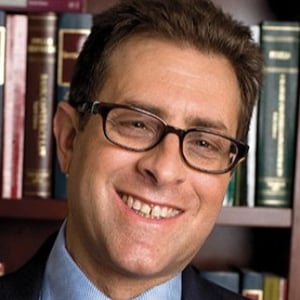
Jacob D. Fuchsberg Professor of Law, New York University School of Law
Professor Friedman is one of the country’s leading authorities on constitutional law and the federal courts. He is a prolific scholar, working at the intersections of law, politics and history. Friedman teaches a wide variety of courses including Constitutional Law, Federal Courts, and Criminal Procedure. He writes extensively about judicial review, constitutional law and theory, federal jurisdiction and judicial behavior. His scholarship appears regularly in the nation’s top law and peer-edited reviews. He is the author of widely-recognized The Will of the People: How Public Opinion Has Influenced the Supreme Court and Shaped the Meaning of the Constitution (Farrar, Strauss & Giroux, 2009), which examines the history of the relationship between popular opinion and the Supreme Court, from 1776 to the present. Along with his co-author Stephen Burbank, Friedman co-edited and contributed to Judicial Independence at the Crossroads: An Interdisciplinary Approach, which questions common assumptions about the nature of judicial independence and how it can be protected. The book has been cited and relied upon countless times by scholars and policymakers alike. Professor Friedman is a frequent contributor to the nation's leading journals, both on-line and print. His work has appeared in The New York Times, Salon, The Los Angeles Times, Politico andThe New Republic, among others.
Professor Friedman is a frequent speaker at events of all sorts. Given the interdisciplinary nature of his work, Professor Friedman regularly appears at conferences in law, political science and history. He is a founder and co-convener of the “roughly biennial” Constitutional Theory Conference. He organizes many multi-disciplinary conferences, including one on Modeling Law, and another – done under the auspices of the American Constitution Society – on Reconstruction: America’s Second Founding. He presents papers regularly at home and abroad. He has been a visiting scholar and lecturer at the Rockefeller Foundation Study and Conference Center in Bellagio, Italy, the Groupe d’Etudes et de Recherches sur law Justice Constitutionnelle Aix-en-Provence, Sciences-Po in Aix-en-Provence, and Hong Kong University.
Professor Friedman regularly serves as a litigator or litigation consultant in a variety of matters in the federal and state courts. He has represented a wide range of clients, both public and private. Notably, he represents both civil liberties claimants and state and local governments. He has been active in the areas of reproductive rights, the jurisdictional allocation of cases between the federal and state courts, and the proper scope of the federal government’s commerce power. He has filed a number of amicus briefs with the U.S. Supreme Court.
Actively engaged in a range of important service activities, at NYU Professor Friedman created the Academic Careers Program and founded and is now co-director of the Furman Academic Program. Both programs are dedicated to preparing young scholars for academic careers. In the past he was extensively involved with the American Judicature Society, was President of the Tennessee Civil Liberties Union, served on the Board of the State and Local Legal Center, and on the steering committee of New York University’s Institute for Law and Society. He recently completed a term as Vice Dean of New York University School of Law.
Professor Friedman graduated from the University of Chicago and received his law degree magna cum laude from Georgetown University Law Center. He clerked for the Honorable Phyllis A. Kravitch of the U.S. Court of Appeals for the 11th Circuit and also worked as a litigation associate at Davis, Polk & Wardwell in Washington D.C. He was a professor at Vanderbilt Law School before joining the NYU faculty in 2000. In 1995 he won the Clarence Darrow Award from the ACLU of Tennessee for his work in defense of civil liberties.
J.D., Georgetown University Law Center, 1982
B.A., University of Chicago, 1978
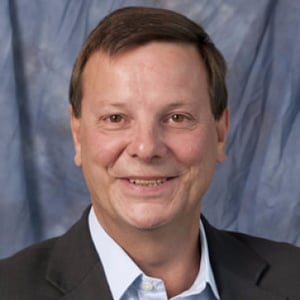
Professor of Law, Antonin Scalia Law School, George Mason University
Professor of Law Michael S. Greve joined the faculty of the Antonin Scalia Law School, George Mason University in fall 2012 after having served as John G. Searle Scholar at the American Enterprise Institute (AEI), where he specialized in constitutional law, courts, and business regulation and served as chairman of the Competitive Enterprise Institute. Prior to joining AEI, Greve was founder and co-director of the Center for Individual Rights, a public interest law firm specializing in constitutional litigation.
Greve has served previously as an adjunct professor at a number of universities, including Cornell and Johns Hopkins Universities, and has been a visiting professor at Boston College since 2004. He was awarded a PhD and an MA in government by Cornell University. Greve also earned a Diploma from the University of Hamburg in Germany.
A prolific writer, Greve is the author of nine books and a multitude of articles appearing in scholarly publications, as well as numerous editorials, short articles, and book reviews. He is a frequent speaker for professional and scholarly organizations and has made many appearances on radio and television.
In addition Greve has provided congressional and state legislative testimony, has lobbied and consulted in federal agency proceedings, and has provided litigation services and management in over 30 cases, including matters before the U.S. Supreme Court.
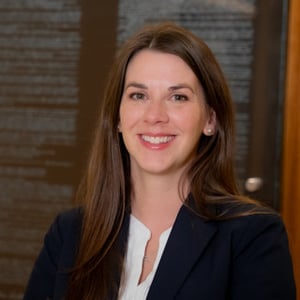
Vice President, Practice Groups, The Federalist Society
Legal Fellow, Edwin Meese III Center for Legal and Judicial Studies, The Heritage Foundation
Jack Fitzhenry is a Legal Fellow in the Edwin Meese III Center for Legal and Judicial Studies.
He previously served as a law clerk for the Hon. Madeline H. Haikala on the United States District Court for the Northern District of Alabama and for the Hon. Patrick E. Higginbotham on the United States Court of Appeals for the Fifth Circuit. Between clerkships, he litigated a variety of commercial disputes as an associate with Quinn Emanuel Urquhart & Sullivan LLP.
Fitzhenry received his law degree from the University of Michigan Law School and his bachelor’s degree in English Literature from Williams College.
Jacob D. Fuchsberg Professor of Law, New York University School of Law
Professor Friedman is one of the country’s leading authorities on constitutional law and the federal courts. He is a prolific scholar, working at the intersections of law, politics and history. Friedman teaches a wide variety of courses including Constitutional Law, Federal Courts, and Criminal Procedure. He writes extensively about judicial review, constitutional law and theory, federal jurisdiction and judicial behavior. His scholarship appears regularly in the nation’s top law and peer-edited reviews. He is the author of widely-recognized The Will of the People: How Public Opinion Has Influenced the Supreme Court and Shaped the Meaning of the Constitution (Farrar, Strauss & Giroux, 2009), which examines the history of the relationship between popular opinion and the Supreme Court, from 1776 to the present. Along with his co-author Stephen Burbank, Friedman co-edited and contributed to Judicial Independence at the Crossroads: An Interdisciplinary Approach, which questions common assumptions about the nature of judicial independence and how it can be protected. The book has been cited and relied upon countless times by scholars and policymakers alike. Professor Friedman is a frequent contributor to the nation's leading journals, both on-line and print. His work has appeared in The New York Times, Salon, The Los Angeles Times, Politico andThe New Republic, among others.
Professor Friedman is a frequent speaker at events of all sorts. Given the interdisciplinary nature of his work, Professor Friedman regularly appears at conferences in law, political science and history. He is a founder and co-convener of the “roughly biennial” Constitutional Theory Conference. He organizes many multi-disciplinary conferences, including one on Modeling Law, and another – done under the auspices of the American Constitution Society – on Reconstruction: America’s Second Founding. He presents papers regularly at home and abroad. He has been a visiting scholar and lecturer at the Rockefeller Foundation Study and Conference Center in Bellagio, Italy, the Groupe d’Etudes et de Recherches sur law Justice Constitutionnelle Aix-en-Provence, Sciences-Po in Aix-en-Provence, and Hong Kong University.
Professor Friedman regularly serves as a litigator or litigation consultant in a variety of matters in the federal and state courts. He has represented a wide range of clients, both public and private. Notably, he represents both civil liberties claimants and state and local governments. He has been active in the areas of reproductive rights, the jurisdictional allocation of cases between the federal and state courts, and the proper scope of the federal government’s commerce power. He has filed a number of amicus briefs with the U.S. Supreme Court.
Actively engaged in a range of important service activities, at NYU Professor Friedman created the Academic Careers Program and founded and is now co-director of the Furman Academic Program. Both programs are dedicated to preparing young scholars for academic careers. In the past he was extensively involved with the American Judicature Society, was President of the Tennessee Civil Liberties Union, served on the Board of the State and Local Legal Center, and on the steering committee of New York University’s Institute for Law and Society. He recently completed a term as Vice Dean of New York University School of Law.
Professor Friedman graduated from the University of Chicago and received his law degree magna cum laude from Georgetown University Law Center. He clerked for the Honorable Phyllis A. Kravitch of the U.S. Court of Appeals for the 11th Circuit and also worked as a litigation associate at Davis, Polk & Wardwell in Washington D.C. He was a professor at Vanderbilt Law School before joining the NYU faculty in 2000. In 1995 he won the Clarence Darrow Award from the ACLU of Tennessee for his work in defense of civil liberties.
J.D., Georgetown University Law Center, 1982
B.A., University of Chicago, 1978
Professor of Law, Antonin Scalia Law School, George Mason University
Professor of Law Michael S. Greve joined the faculty of the Antonin Scalia Law School, George Mason University in fall 2012 after having served as John G. Searle Scholar at the American Enterprise Institute (AEI), where he specialized in constitutional law, courts, and business regulation and served as chairman of the Competitive Enterprise Institute. Prior to joining AEI, Greve was founder and co-director of the Center for Individual Rights, a public interest law firm specializing in constitutional litigation.
Greve has served previously as an adjunct professor at a number of universities, including Cornell and Johns Hopkins Universities, and has been a visiting professor at Boston College since 2004. He was awarded a PhD and an MA in government by Cornell University. Greve also earned a Diploma from the University of Hamburg in Germany.
A prolific writer, Greve is the author of nine books and a multitude of articles appearing in scholarly publications, as well as numerous editorials, short articles, and book reviews. He is a frequent speaker for professional and scholarly organizations and has made many appearances on radio and television.
In addition Greve has provided congressional and state legislative testimony, has lobbied and consulted in federal agency proceedings, and has provided litigation services and management in over 30 cases, including matters before the U.S. Supreme Court.
Vice President, Practice Groups, The Federalist Society
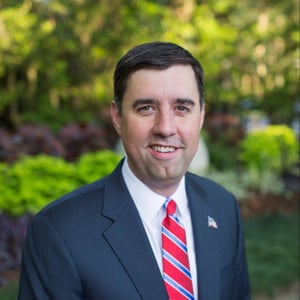
Associate Justice, Alabama Supreme Court
James L. “Jay” Mitchell was elected to the Alabama Supreme Court in 2018.
Prior to serving on the Supreme Court, Justice Mitchell was an accomplished litigation attorney with Maynard, Cooper & Gale, P.C. During his time in private practice, he tried a number of complex cases to verdict, successfully handled appeals, and obtained favorable settlements for clients. He was rated as one of the top litigators in the United States and Alabama, and received the highest possible rating for professional ethics. He also served on Maynard, Cooper & Gale’s executive committee, helping to lead strategic and growth initiatives for the firm.
Justice Mitchell was born in Mobile and grew up in South Alabama and in Homewood. He is a graduate of Homewood High School and received his Bachelor of Arts with honors from Birmingham-Southern College, where he graduated Phi Beta Kappa, served as president of the student body, and played forward on the school’s 1995 national championship basketball team. He holds a Master of Arts from University College in Dublin, Ireland, and received his law degree from the University of Virginia School of Law.
Justice Mitchell has long been active in organizations that benefit the community and enhance the legal profession. In addition to his service with other organizations, he is a member of the Rotary Club of Birmingham and serves on the board of directors at Cornerstone School, an inner city Christian school. He is also a member of the Federalist Society.
Justice Mitchell and his wife, Elizabeth, have been married for 20 years and have four children. They reside in Homewood and are longtime members of Church of the Highlands.
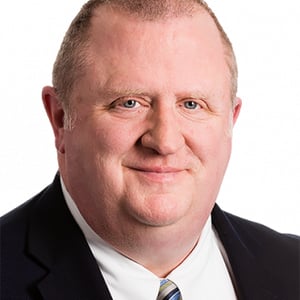
Senior Legal Fellow, Edwin Meese III Center for Legal and Judicial Studies, The Heritage Foundation
Thomas L. Jipping is a Senior Legal Fellow for the Edwin Meese III Center for Legal and Judicial Studies and a senior legal fellow in the Center, which is part of the Institute for Constitutional Government at Heritage.
Tom joined Heritage in May 2018 after 15 years on the staff of U.S. Senator Orrin Hatch (R-Utah), including several as his chief counsel on the Senate Judiciary Committee. He spent the previous 13 years at two public policy organizations: Concerned Women for America, where he was senior fellow in legal studies; and the Free Congress Foundation, where Tom served as Vice President for Policy and Director of the Center for Law and Democracy.
Tom’s scholarship includes articles in law and public policy journals as well as hundreds of op-eds and articles in both print and online publications. He has presented papers at conferences including the American Political Science Association and testified before legislative committees in the U.S. Senate and House and in several states.
Tom received a B.A. with honors from Calvin College and both an M.A. in political science and a J.D., cum laude, from the State University of New York at Buffalo. While at SUNY-Buffalo Law School, Tom was a founding member of the Buffalo Federalist Society and served as the Head Note and Comment Editor of the Buffalo Law Review. Before coming to Washington, Tom clerked for Judge William D. Hutchinson on the U.S. Court of Appeals for the Third Circuit.
Tom lives in Fairfax, Virginia, and is an active member of New Hope Presbyterian Church.
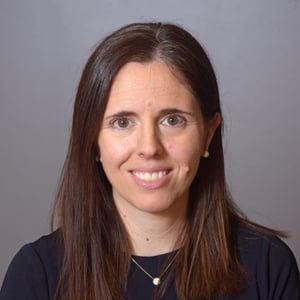
President, March for Life Education and Defense Fund
Jennie Bradley Lichter is President of the March for Life Education and Defense Fund, the iconic organization committed to restoring a culture of life in the United States most notably through the annual March for Life in Washington, D.C. – the world’s largest annual human rights event – and through the growing State March for Life program.
Jennie has wide-ranging legal and policy experience in the public, private, and nonprofit sectors, including at the highest levels of the federal government. In the first Trump Administration, she served in the White House as a Deputy Assistant to the President and Deputy Director of the White House Domestic Policy Council (DPC). In that role she supervised rulemaking and policy efforts on a vast array of issues arising from the Departments of Education, Labor, Health & Human Services, Justice, Housing & Urban Development, Interior, and others. Jennie led policy initiatives across the federal government to protect religious liberty, encourage faith-based partnerships, and defend the dignity of life. She also led DPC’s work on regulatory and administrative state reform.
Prior to her White House service, Jennie worked on policy issues and federal judicial (including Supreme Court) confirmation efforts in the Office of Legal Policy at the U.S. Department of Justice.
Jennie has worked in higher education as Deputy General Counsel for The Catholic University of America, where was also a Fellow at the Center for Religious Liberty in the University’s Columbus School of Law. She previously served as in-house counsel for the Archdiocese of Washington, and as an associate at Jones Day.
Jennie clerked for Judge David B. Sentelle on the D.C. Circuit and for Judge Steven M. Colloton on the Eighth Circuit in Des Moines. She graduated from the University of Notre Dame and from Harvard Law School. Prior to law school she was a research assistant in Bioethics at a D.C. think tank, and earned a graduate degree in Theology & Religious Studies from the University of Cambridge.
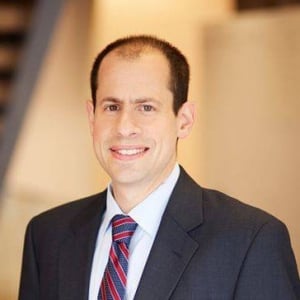
Partner, Jenner & Block LLP
Adam Unikowsky is a partner in Jenner & Block LLP’s Appellate & Supreme Court Practice Group, where he has worked since 2011.
Prior to his time at Jenner & Block, Mr. Unikowsky served as a Judicial Law Clerk to former Justice Antonin Scalia. He also previously clerked for Judge Douglas Ginsberg at the U.S. Courts of Appeals for the D.C. Circuit.
Mr. Unikowsky got his JD from Harvard University, following achieving his Masters of Engineering & Bachelors of Science from Massachusetts Institute of Technology.
Senior Legal Fellow, Edwin Meese III Center for Legal and Judicial Studies, The Heritage Foundation
Thomas L. Jipping is a Senior Legal Fellow for the Edwin Meese III Center for Legal and Judicial Studies and a senior legal fellow in the Center, which is part of the Institute for Constitutional Government at Heritage.
Tom joined Heritage in May 2018 after 15 years on the staff of U.S. Senator Orrin Hatch (R-Utah), including several as his chief counsel on the Senate Judiciary Committee. He spent the previous 13 years at two public policy organizations: Concerned Women for America, where he was senior fellow in legal studies; and the Free Congress Foundation, where Tom served as Vice President for Policy and Director of the Center for Law and Democracy.
Tom’s scholarship includes articles in law and public policy journals as well as hundreds of op-eds and articles in both print and online publications. He has presented papers at conferences including the American Political Science Association and testified before legislative committees in the U.S. Senate and House and in several states.
Tom received a B.A. with honors from Calvin College and both an M.A. in political science and a J.D., cum laude, from the State University of New York at Buffalo. While at SUNY-Buffalo Law School, Tom was a founding member of the Buffalo Federalist Society and served as the Head Note and Comment Editor of the Buffalo Law Review. Before coming to Washington, Tom clerked for Judge William D. Hutchinson on the U.S. Court of Appeals for the Third Circuit.
Tom lives in Fairfax, Virginia, and is an active member of New Hope Presbyterian Church.
President, March for Life Education and Defense Fund
Jennie Bradley Lichter is President of the March for Life Education and Defense Fund, the iconic organization committed to restoring a culture of life in the United States most notably through the annual March for Life in Washington, D.C. – the world’s largest annual human rights event – and through the growing State March for Life program.
Jennie has wide-ranging legal and policy experience in the public, private, and nonprofit sectors, including at the highest levels of the federal government. In the first Trump Administration, she served in the White House as a Deputy Assistant to the President and Deputy Director of the White House Domestic Policy Council (DPC). In that role she supervised rulemaking and policy efforts on a vast array of issues arising from the Departments of Education, Labor, Health & Human Services, Justice, Housing & Urban Development, Interior, and others. Jennie led policy initiatives across the federal government to protect religious liberty, encourage faith-based partnerships, and defend the dignity of life. She also led DPC’s work on regulatory and administrative state reform.
Prior to her White House service, Jennie worked on policy issues and federal judicial (including Supreme Court) confirmation efforts in the Office of Legal Policy at the U.S. Department of Justice.
Jennie has worked in higher education as Deputy General Counsel for The Catholic University of America, where was also a Fellow at the Center for Religious Liberty in the University’s Columbus School of Law. She previously served as in-house counsel for the Archdiocese of Washington, and as an associate at Jones Day.
Jennie clerked for Judge David B. Sentelle on the D.C. Circuit and for Judge Steven M. Colloton on the Eighth Circuit in Des Moines. She graduated from the University of Notre Dame and from Harvard Law School. Prior to law school she was a research assistant in Bioethics at a D.C. think tank, and earned a graduate degree in Theology & Religious Studies from the University of Cambridge.
Partner, Jenner & Block LLP
Adam Unikowsky is a partner in Jenner & Block LLP’s Appellate & Supreme Court Practice Group, where he has worked since 2011.
Prior to his time at Jenner & Block, Mr. Unikowsky served as a Judicial Law Clerk to former Justice Antonin Scalia. He also previously clerked for Judge Douglas Ginsberg at the U.S. Courts of Appeals for the D.C. Circuit.
Mr. Unikowsky got his JD from Harvard University, following achieving his Masters of Engineering & Bachelors of Science from Massachusetts Institute of Technology.
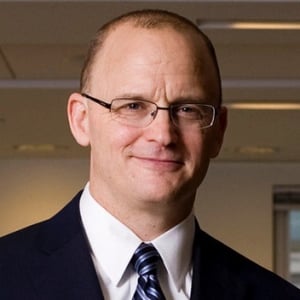
Partner, Latham & Watkins LLP
Gregory Garre is a partner in the Washington, D.C. office of Latham & Watkins and Global Chair of the firm's Supreme Court and Appellate Practice Group. He recently served as the 44th Solicitor General of the United States. As Solicitor General, he was the federal government's top lawyer before the Supreme Court and was responsible for overseeing the government's litigation in the federal appellate courts. Prior to his nomination by the President and unanimous confirmation as Solicitor General by the Senate, he served as Principal Deputy Solicitor General from 2005 to 2008, and then as Acting Solicitor General. In addition, he served as an Assistant to the Solicitor General from 2000 to 2004. He is the only person to have held all of those positions within the Office of the Solicitor General.
Mr. Garre has argued 29 cases before the Supreme Court, including two cases during the current term, and has served as counsel of record in hundreds of cases before the Court. During the past term, he won each of the cases he argued as Solicitor General, including the landmark case of Ashcroft v. Iqbal, which clarified the gateway requirements for civil litigation in the federal courts, as well as FCC v. Fox Television Stations, and Winter v. NRDC. He has also argued and briefed cases involving a wide array of other nationally important matters, including in the areas of administrative law, alien tort statute, antitrust, business and employment law, education, environmental law, First Amendment, intellectual property, international law, media and telecommunications, separation of powers and voting rights.
Mr. Garre has also successfully argued numerous cases before the federal courts of appeals, including some of the most significant cases heard by the appellate courts in recent years. And, as Acting Solicitor General, he successfully argued on behalf of the government in the first adversarial appeal heard by the Foreign Intelligence Surveillance Court of Review in its 30-year history.
Mr. Garre has received numerous awards for his public service, including the Attorney General's Medallion for his service as Solicitor General and the Navy's Distinguished Public Service Award-the Navy's highest civilian honor-for his successful argument in Winter v. NRDC, which secured a path-marking Supreme Court ruling overturning an order that restrained critically important naval exercises. He has also received the Attorney General's Distinguished Service Award, the Attorney General's Award for Excellence in Furthering Interests of US National Security, and additional honors from the Department of Justice for his work on nationally important litigation matters.
In November 2009, Mr. Garre was named to Washingtonian Magazine's list of top Supreme Court lawyers. In 2006, he was named to The American Lawyer's "Fab 50" list of top litigators under the age of 45 expected to be "leading the field for years to come." And in 2005, he was named to Chambers USA's list of leading appellate litigators in Washington, D.C.
Mr. Garre received his JD degree with high honors from the George Washington University Law School, where he served as editor-in-chief of the law review and was selected to Order of the Coif, and his BA degree cum laude from Dartmouth College, where he was a Rufus Choate Scholar. Following his graduation from law school, he served as a law clerk to Chief Justice William H. Rehnquist, and to Judge Anthony J. Scirica of the United States Court of Appeals for the Third Circuit.
Mr. Garre is a member of the advisory board of the Georgetown University Law School Supreme Court Institute and of the Edward Coke Appellate Inn of Court. He has taught constitutional law and Supreme Court practice for many years at the George Washington University Law School. He has testified before Congress and speaks frequently on issues related to the Supreme Court and appellate practice.
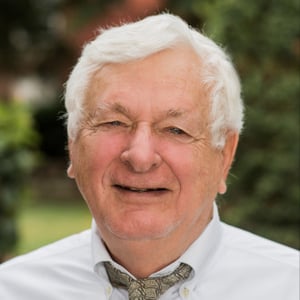
Lyle T. Alverson Professor of Law, George Washington University Law School
Professor Pierce is author of over twenty books and 130 articles on administrative law, government regulation, and the effects of various forms of government intervention on the performance of markets. His books and articles have been cited in hundreds of judicial opinions, including over a dozen opinions of the U.S. Supreme Court.
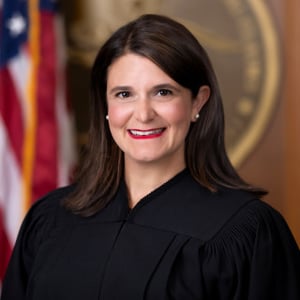
Judge, United States Court of Federal Claims
Judge Roumel was appointed to the United States Court of Federal Claims in 2020 and served as Chief Judge from 2020-2021. She serves as Chair of the court’s Advisory Council for Intellectual Property, is the Chair of the court’s Attorney Discipline Panel, serves on the court’s Pro Bono Policy Committee, and is the court’s Liaison Representative on the Administrative Conference of the United States. Judge Roumel previously served as the Deputy Counsel to Vice President Pence. Prior to her tenure at the White House, she served as Assistant General Counsel in the U.S. House of Representatives Office of General Counsel, where she advised and represented the U.S. House of Representatives, Members of Congress, and congressional staff in federal trial and appellate courts across the country.
Judge Roumel previously was a partner with Nelson Mullins Riley & Scarborough, LLP, in Charleston, South Carolina, and before that practiced at Wilmer Cutler Pickering Hale and Dorr, LLP and Skadden Arps Slate Meagher & Flom, LLP in New York City. She also was an adjunct professor at the Charleston School of Law, where she taught intellectual property law. Judge Roumel served as a law clerk to the Honorable William H. Pauley III, United States District Judge for the Southern District of New York.
She received her J.D., magna cum laude, from Tulane Law School, where she graduated Order of the Coif and was an editor of the Tulane Law Review. Judge Roumel also received her M.B.A. from Tulane University's A.B. Freeman School of Business. She earned her B.A., cum laude, from Wake Forest University.
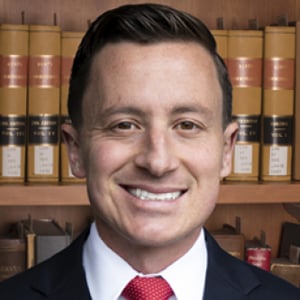
Assistant Professor of Law, Columbus School of Law, Catholic University of America
Chad Squitieri is an Assistant Professor of Law at Catholic University of America’s Columbus School of Law. There he serves as the Director of the Separation of Powers Institute, and as a Managing Director of the Center for the Constitution and the Catholic Intellectual Tradition. Professor Squitieri’s scholarship addresses administrative law and constitutional law topics, including separation-of-powers principles. His scholarship has appeared in the Administrative Law Review, the Harvard Journal of Law and Public Policy, and the Baylor Law Review, among other publications.
Prior to joining the faculty at the Catholic University of America, Prof. Squitieri practiced law at Gibson, Dunn & Crutcher LLP as a member of the Appellate and Constitutional Law and Administrative Law and Regulatory practice groups. He also served as a Special Assistant to former United States Secretary of Labor Eugene Scalia, and as a law clerk to then-Chief Judge D. Brooks Smith of the United States Court of Appeals for the Third Circuit.
Partner, Latham & Watkins LLP
Gregory Garre is a partner in the Washington, D.C. office of Latham & Watkins and Global Chair of the firm's Supreme Court and Appellate Practice Group. He recently served as the 44th Solicitor General of the United States. As Solicitor General, he was the federal government's top lawyer before the Supreme Court and was responsible for overseeing the government's litigation in the federal appellate courts. Prior to his nomination by the President and unanimous confirmation as Solicitor General by the Senate, he served as Principal Deputy Solicitor General from 2005 to 2008, and then as Acting Solicitor General. In addition, he served as an Assistant to the Solicitor General from 2000 to 2004. He is the only person to have held all of those positions within the Office of the Solicitor General.
Mr. Garre has argued 29 cases before the Supreme Court, including two cases during the current term, and has served as counsel of record in hundreds of cases before the Court. During the past term, he won each of the cases he argued as Solicitor General, including the landmark case of Ashcroft v. Iqbal, which clarified the gateway requirements for civil litigation in the federal courts, as well as FCC v. Fox Television Stations, and Winter v. NRDC. He has also argued and briefed cases involving a wide array of other nationally important matters, including in the areas of administrative law, alien tort statute, antitrust, business and employment law, education, environmental law, First Amendment, intellectual property, international law, media and telecommunications, separation of powers and voting rights.
Mr. Garre has also successfully argued numerous cases before the federal courts of appeals, including some of the most significant cases heard by the appellate courts in recent years. And, as Acting Solicitor General, he successfully argued on behalf of the government in the first adversarial appeal heard by the Foreign Intelligence Surveillance Court of Review in its 30-year history.
Mr. Garre has received numerous awards for his public service, including the Attorney General's Medallion for his service as Solicitor General and the Navy's Distinguished Public Service Award-the Navy's highest civilian honor-for his successful argument in Winter v. NRDC, which secured a path-marking Supreme Court ruling overturning an order that restrained critically important naval exercises. He has also received the Attorney General's Distinguished Service Award, the Attorney General's Award for Excellence in Furthering Interests of US National Security, and additional honors from the Department of Justice for his work on nationally important litigation matters.
In November 2009, Mr. Garre was named to Washingtonian Magazine's list of top Supreme Court lawyers. In 2006, he was named to The American Lawyer's "Fab 50" list of top litigators under the age of 45 expected to be "leading the field for years to come." And in 2005, he was named to Chambers USA's list of leading appellate litigators in Washington, D.C.
Mr. Garre received his JD degree with high honors from the George Washington University Law School, where he served as editor-in-chief of the law review and was selected to Order of the Coif, and his BA degree cum laude from Dartmouth College, where he was a Rufus Choate Scholar. Following his graduation from law school, he served as a law clerk to Chief Justice William H. Rehnquist, and to Judge Anthony J. Scirica of the United States Court of Appeals for the Third Circuit.
Mr. Garre is a member of the advisory board of the Georgetown University Law School Supreme Court Institute and of the Edward Coke Appellate Inn of Court. He has taught constitutional law and Supreme Court practice for many years at the George Washington University Law School. He has testified before Congress and speaks frequently on issues related to the Supreme Court and appellate practice.
Lyle T. Alverson Professor of Law, George Washington University Law School
Professor Pierce is author of over twenty books and 130 articles on administrative law, government regulation, and the effects of various forms of government intervention on the performance of markets. His books and articles have been cited in hundreds of judicial opinions, including over a dozen opinions of the U.S. Supreme Court.
Judge, United States Court of Federal Claims
Judge Roumel was appointed to the United States Court of Federal Claims in 2020 and served as Chief Judge from 2020-2021. She serves as Chair of the court’s Advisory Council for Intellectual Property, is the Chair of the court’s Attorney Discipline Panel, serves on the court’s Pro Bono Policy Committee, and is the court’s Liaison Representative on the Administrative Conference of the United States. Judge Roumel previously served as the Deputy Counsel to Vice President Pence. Prior to her tenure at the White House, she served as Assistant General Counsel in the U.S. House of Representatives Office of General Counsel, where she advised and represented the U.S. House of Representatives, Members of Congress, and congressional staff in federal trial and appellate courts across the country.
Judge Roumel previously was a partner with Nelson Mullins Riley & Scarborough, LLP, in Charleston, South Carolina, and before that practiced at Wilmer Cutler Pickering Hale and Dorr, LLP and Skadden Arps Slate Meagher & Flom, LLP in New York City. She also was an adjunct professor at the Charleston School of Law, where she taught intellectual property law. Judge Roumel served as a law clerk to the Honorable William H. Pauley III, United States District Judge for the Southern District of New York.
She received her J.D., magna cum laude, from Tulane Law School, where she graduated Order of the Coif and was an editor of the Tulane Law Review. Judge Roumel also received her M.B.A. from Tulane University's A.B. Freeman School of Business. She earned her B.A., cum laude, from Wake Forest University.
Assistant Professor of Law, Columbus School of Law, Catholic University of America
Chad Squitieri is an Assistant Professor of Law at Catholic University of America’s Columbus School of Law. There he serves as the Director of the Separation of Powers Institute, and as a Managing Director of the Center for the Constitution and the Catholic Intellectual Tradition. Professor Squitieri’s scholarship addresses administrative law and constitutional law topics, including separation-of-powers principles. His scholarship has appeared in the Administrative Law Review, the Harvard Journal of Law and Public Policy, and the Baylor Law Review, among other publications.
Prior to joining the faculty at the Catholic University of America, Prof. Squitieri practiced law at Gibson, Dunn & Crutcher LLP as a member of the Appellate and Constitutional Law and Administrative Law and Regulatory practice groups. He also served as a Special Assistant to former United States Secretary of Labor Eugene Scalia, and as a law clerk to then-Chief Judge D. Brooks Smith of the United States Court of Appeals for the Third Circuit.

Can States Leverage Their Local Market to Force Out-Of-State Regulations?
Jack Fitzhenry, Barry Friedman, Michael S. Greve, Elizabeth Slattery
How far can states use their local economy to put economic pressure on other states...
Can States Leverage Their Local Market to Force Out-Of-State Regulations?
Jack Fitzhenry, Barry Friedman, Michael S. Greve, Elizabeth Slattery
How far can states use their local economy to put economic pressure on other states...
Topics
Who Will Guard the Fed?
This post was originally published at the New York Sun. The ancient Roman poet Juvenal...
Textualism in Alabama
Jay Mitchell
Federalist Society Review, Volume 24
Textualism is alive and well in Alabama. This interpretive doctrine teaches that legal texts have...
Dueling Decisions on the Regulation and Distribution of Mifepristone: AHM v. FDA & WA v. FDA
Thomas Jipping, Jennie Bradley Lichter, Adam Unikowsky
Two cases concerning the FDA’s approval of Mifepristone, Alliance for Hippocratic Medicine v. United States...
Dueling Decisions on the Regulation and Distribution of Mifepristone: AHM v. FDA & WA v. FDA
Thomas Jipping, Jennie Bradley Lichter, Adam Unikowsky
Two cases concerning the FDA’s approval of Mifepristone, Alliance for Hippocratic Medicine v. United States...
Topics
The Supreme Court’s Confused Decision in Haaland v. Brackeen
On June 15, the Supreme Court issued Haaland v. Brackeen. Among other issues, the Court...
The Administrative State on Trial?
Gregory G. Garre, Richard J. Pierce, Eleni M. Roumel, Chad C. Squitieri
EBRXI
The Supreme Court continues to accept for review cases that challenge agency authority on separation...
The Administrative State on Trial?
Gregory G. Garre, Richard J. Pierce, Eleni M. Roumel, Chad C. Squitieri
EBRXI
The Supreme Court continues to accept for review cases that challenge agency authority on separation...
Topics
C. Boyden Gray: One of a Kind
When Boyden Gray hired me into his law firm in 2013, he had already entered...