

Associate, Wiley Rein LLP
Joel S. Nolette is an associate at Wiley Rein LLP, where he advocates on behalf of corporate and individual clients in a broad spectrum of complex litigation matters. In 2017, Joel graduated cum laude from the Georgetown University Law Center, where he served as the Editor in Chief of Volume 15 of the Georgetown Journal of Law and Public Policy. From 2019 to 2021, Joel clerked for the Honorable Raymond W. Gruender of the U.S. Court of Appeals for the Eighth Circuit; and from 2021 to 2022, he clerked for the Honorable Timothy J. Kelly of the U.S. District Court for the District of Columbia. Before attending law school, Joel graduated summa cum laude from Gordon College in Wenham, MA, with his Bachelor of Arts in Biblical Studies and worked as a letter carrier with the U.S. Postal Service.
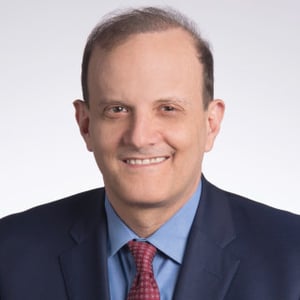
Partner, Duane Morris LLP; Managing Principal, Duane Morris Institute
Jonathan A. Segal is a partner at Duane Morris LLP in the Employment, Labor, Benefits and Immigration Practice Group. He is also the managing principal of the Duane Morris Institute. The Duane Morris Institute provides training for human resource professionals, in-house counsel, benefits administrators and managers at Duane Morris, at client sites and by way of webinar on myriad employment, labor, benefits and immigration matters.
Previously a litigator, Jonathan’s practice now focuses almost entirely on helping employers meet their business objectives or missions by minimizing legal risk, maximizing compliance and focusing on relationship with business objectives or mission and legal requirements or restrictions.
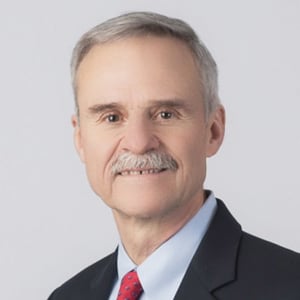
Partner & Deputy General Counsel, Wiley Rein LLP
Rick is a trial lawyer and appellate advocate. As an Assistant U.S. Attorney for the Southern District of New York, Rick learned to love nothing so much as going to trial, unless it is crafting briefs and presenting oral argument in an important appeal. Assistants in that office were fortunate to be able to do both.
Rick represents lawyers and other professionals in malpractice claims, defends insurers in coverage and “bad faith” litigation, and represents clients in commercial litigation. He also represents lawyers in disciplinary proceedings, provides legal ethics advice to law firms, has served as an expert witness on legal ethics and insurance coverage, and is Deputy General Counsel at Wiley.
Rick recently completed a three-year term as Chair of the American Bar Association Standing Committee on Lawyers Professional Liability and now serves as a Special Advisor to the Committee. During his tenure as Chair of the Standing Committee, Rick also served as a member of the Coordinating Council of the ABA Center for Professional Responsibility. Previously, Rick served a three-year term as a member of the Standing Committee. He speaks regularly on professional liability and insurance coverage topics.
Rick has acted as lead counsel for trials in the District of Columbia, Florida, Maryland, New York, Texas, and Virginia, as well as for arbitration hearings. On the appellate side, Rick has presented oral argument in the Supreme Court of the United States; 10 of the federal courts of appeals; the Supreme Courts of Connecticut, Delaware, Maryland, North Carolina, and Ohio; and state intermediate appellate courts in California, Florida, Maryland, New York, and Texas. His strong record of success includes winning his case in the United States Supreme Court and all five state Supreme Court cases.
Beginning with the Marc Rich cases while he was an AUSA (for those who can remember that far back), Rick has handled many high-profile representations, including dealing with the press as appropriate. Those matters include conducting an internal investigation for a U.S. Senator and representing the Senator in connection with a grand jury investigation, representing high-level White House officials in connection with criminal and congressional investigations arising from the Whitewater and Monica Lewinsky investigations, and representing Prof. Alan Dershowitz in connection with a defamation case in Florida.
Rick is an Adjunct Professor at the University of North Carolina School of Law, where he is the co-director of the Supreme Court Program, which operates as a clinic in which students assist in preparing submissions to the United States Supreme Court. From 2003 to 2017, Rick was an Adjunct Instructor in Trial Advocacy at the University of Virginia School of Law.
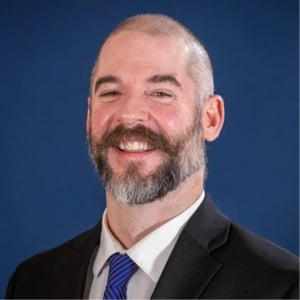
Deputy Director, Regulatory Studies Center, George Washington University
Will Yeatman is deputy director of the GW Regulatory Studies Center. A lawyer, he has spent almost two decades working on federal regulatory policy, with an emphasis on administrative law.
Yeatman has testified many times before Congress and state legislatures, and his scholarly work has appeared in such academic journals as Georgetown Law Journal, Administrative Law Review, and the (forthcoming) Catholic University Law Review. His popular writing has appeared in The Wall Street Journal, Foreign Policy, and Bloomberg.
Yeatman came to the RSC from the Pacific Legal Foundation. Previously, he had been at the Cato Institute’s Center for Constitutional Studies and the Competitive Enterprise Institute. From 2004 to 2006, he served as a Peace Corps volunteer in the Kyrgyz Republic.
Yeatman holds a BA in environmental sciences from the University of Virginia, an MA in international studies from the Denver University Graduate School of International Studies, and a JD from the Georgetown University Law Center. He is a member of the Washington, DC Bar.
Chief Civil Counsel, Senate Judiciary Committee
Austin Rogers serves as Chief Counsel for the Senate Judiciary Committee, covering the civil portfolio for the Chairman. He obtained dual graduate degrees in Law and Theology from Duke University (summa cum laude), where he served on the Duke Law Journal and Harvard Journal of Law & Public Policy. After law school, he clerked for Chief Judge Steven D. Merryday in the Middle District of Florida. Following his clerkship, he practiced law at White & Case, specializing in commercial and appellate litigation. Prior to serving as Chief Civil Counsel for the Senate Judiciary Committee, he served as Senior Counsel of Oversight and Investigations for the Senate Judiciary Committee.
Austin obtained undergraduate degrees (summa cum laude) in International Business and Theology from Southeastern University and Wheaton College, respectively, and played college soccer at both schools.
He has published First Amendment scholarship in the Duke Law Journal and the Marquette Law Review, and he has a forthcoming article that will be published in the Florida Law Review. He is a member of the District of Columbia Bar, the Republican National Lawyers Association, and the Federalist Society, where he serves in a volunteer capacity. Austin is actively involved in his church and serves on its worship team.
Associate, Wiley Rein LLP
Joel S. Nolette is an associate at Wiley Rein LLP, where he advocates on behalf of corporate and individual clients in a broad spectrum of complex litigation matters. In 2017, Joel graduated cum laude from the Georgetown University Law Center, where he served as the Editor in Chief of Volume 15 of the Georgetown Journal of Law and Public Policy. From 2019 to 2021, Joel clerked for the Honorable Raymond W. Gruender of the U.S. Court of Appeals for the Eighth Circuit; and from 2021 to 2022, he clerked for the Honorable Timothy J. Kelly of the U.S. District Court for the District of Columbia. Before attending law school, Joel graduated summa cum laude from Gordon College in Wenham, MA, with his Bachelor of Arts in Biblical Studies and worked as a letter carrier with the U.S. Postal Service.
Partner, Duane Morris LLP; Managing Principal, Duane Morris Institute
Jonathan A. Segal is a partner at Duane Morris LLP in the Employment, Labor, Benefits and Immigration Practice Group. He is also the managing principal of the Duane Morris Institute. The Duane Morris Institute provides training for human resource professionals, in-house counsel, benefits administrators and managers at Duane Morris, at client sites and by way of webinar on myriad employment, labor, benefits and immigration matters.
Previously a litigator, Jonathan’s practice now focuses almost entirely on helping employers meet their business objectives or missions by minimizing legal risk, maximizing compliance and focusing on relationship with business objectives or mission and legal requirements or restrictions.
Partner & Deputy General Counsel, Wiley Rein LLP
Rick is a trial lawyer and appellate advocate. As an Assistant U.S. Attorney for the Southern District of New York, Rick learned to love nothing so much as going to trial, unless it is crafting briefs and presenting oral argument in an important appeal. Assistants in that office were fortunate to be able to do both.
Rick represents lawyers and other professionals in malpractice claims, defends insurers in coverage and “bad faith” litigation, and represents clients in commercial litigation. He also represents lawyers in disciplinary proceedings, provides legal ethics advice to law firms, has served as an expert witness on legal ethics and insurance coverage, and is Deputy General Counsel at Wiley.
Rick recently completed a three-year term as Chair of the American Bar Association Standing Committee on Lawyers Professional Liability and now serves as a Special Advisor to the Committee. During his tenure as Chair of the Standing Committee, Rick also served as a member of the Coordinating Council of the ABA Center for Professional Responsibility. Previously, Rick served a three-year term as a member of the Standing Committee. He speaks regularly on professional liability and insurance coverage topics.
Rick has acted as lead counsel for trials in the District of Columbia, Florida, Maryland, New York, Texas, and Virginia, as well as for arbitration hearings. On the appellate side, Rick has presented oral argument in the Supreme Court of the United States; 10 of the federal courts of appeals; the Supreme Courts of Connecticut, Delaware, Maryland, North Carolina, and Ohio; and state intermediate appellate courts in California, Florida, Maryland, New York, and Texas. His strong record of success includes winning his case in the United States Supreme Court and all five state Supreme Court cases.
Beginning with the Marc Rich cases while he was an AUSA (for those who can remember that far back), Rick has handled many high-profile representations, including dealing with the press as appropriate. Those matters include conducting an internal investigation for a U.S. Senator and representing the Senator in connection with a grand jury investigation, representing high-level White House officials in connection with criminal and congressional investigations arising from the Whitewater and Monica Lewinsky investigations, and representing Prof. Alan Dershowitz in connection with a defamation case in Florida.
Rick is an Adjunct Professor at the University of North Carolina School of Law, where he is the co-director of the Supreme Court Program, which operates as a clinic in which students assist in preparing submissions to the United States Supreme Court. From 2003 to 2017, Rick was an Adjunct Instructor in Trial Advocacy at the University of Virginia School of Law.
Deputy Director, Regulatory Studies Center, George Washington University
Will Yeatman is deputy director of the GW Regulatory Studies Center. A lawyer, he has spent almost two decades working on federal regulatory policy, with an emphasis on administrative law.
Yeatman has testified many times before Congress and state legislatures, and his scholarly work has appeared in such academic journals as Georgetown Law Journal, Administrative Law Review, and the (forthcoming) Catholic University Law Review. His popular writing has appeared in The Wall Street Journal, Foreign Policy, and Bloomberg.
Yeatman came to the RSC from the Pacific Legal Foundation. Previously, he had been at the Cato Institute’s Center for Constitutional Studies and the Competitive Enterprise Institute. From 2004 to 2006, he served as a Peace Corps volunteer in the Kyrgyz Republic.
Yeatman holds a BA in environmental sciences from the University of Virginia, an MA in international studies from the Denver University Graduate School of International Studies, and a JD from the Georgetown University Law Center. He is a member of the Washington, DC Bar.
Chief Civil Counsel, Senate Judiciary Committee
Austin Rogers serves as Chief Counsel for the Senate Judiciary Committee, covering the civil portfolio for the Chairman. He obtained dual graduate degrees in Law and Theology from Duke University (summa cum laude), where he served on the Duke Law Journal and Harvard Journal of Law & Public Policy. After law school, he clerked for Chief Judge Steven D. Merryday in the Middle District of Florida. Following his clerkship, he practiced law at White & Case, specializing in commercial and appellate litigation. Prior to serving as Chief Civil Counsel for the Senate Judiciary Committee, he served as Senior Counsel of Oversight and Investigations for the Senate Judiciary Committee.
Austin obtained undergraduate degrees (summa cum laude) in International Business and Theology from Southeastern University and Wheaton College, respectively, and played college soccer at both schools.
He has published First Amendment scholarship in the Duke Law Journal and the Marquette Law Review, and he has a forthcoming article that will be published in the Florida Law Review. He is a member of the District of Columbia Bar, the Republican National Lawyers Association, and the Federalist Society, where he serves in a volunteer capacity. Austin is actively involved in his church and serves on its worship team.
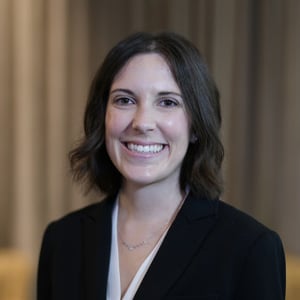
Director, Faculty Relations, The Federalist Society
Katie McClendon is the Director of Faculty Relations at the Federalist Society, where she has worked since 2015.
Katie holds a J.D. from the University of Pennsylvania Law School and a B.A. in Political Science from Biola University, where she was a member of the Torrey Honors Institute. She is a fellow of the John Jay Institute and the Blackstone Legal Fellowship. Katie is originally from Los Angeles, and she now lives with her husband and four children in Atlanta.
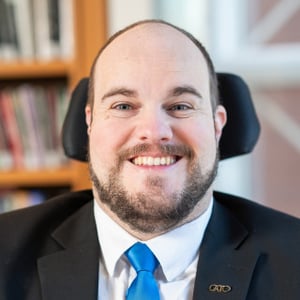
Director, Project on Criminal Justice, Cato Institute
Matthew Cavedon is the Director of the Cato Institute’s Project on Criminal Justice. He focuses on reforming plea-driven mass adjudication, ensuring police accountability, and defending constitutional criminal originalism. Cavedon’s scholarship has been published (or is forthcoming in) publications including the Arizona State Law Journal, Cato Supreme Court Review, Seattle University Law Review, and Georgetown Journal of Law and Public Policy. Formerly a Georgia public defender and fellow at the Institute for Justice, Cavedon has taught law school courses on criminal law and procedure, as well as the First Amendment. Cavedon clerked for a U.S. district court and the Supreme Court of Georgia. He came to Cato following a fellowship at the Emory University Center for the Study of Law and Religion.
Director, Project on Criminal Justice, Cato Institute
Matthew Cavedon is the Director of the Cato Institute’s Project on Criminal Justice. He focuses on reforming plea-driven mass adjudication, ensuring police accountability, and defending constitutional criminal originalism. Cavedon’s scholarship has been published (or is forthcoming in) publications including the Arizona State Law Journal, Cato Supreme Court Review, Seattle University Law Review, and Georgetown Journal of Law and Public Policy. Formerly a Georgia public defender and fellow at the Institute for Justice, Cavedon has taught law school courses on criminal law and procedure, as well as the First Amendment. Cavedon clerked for a U.S. district court and the Supreme Court of Georgia. He came to Cato following a fellowship at the Emory University Center for the Study of Law and Religion.
Director, Project on Criminal Justice, Cato Institute
Matthew Cavedon is the Director of the Cato Institute’s Project on Criminal Justice. He focuses on reforming plea-driven mass adjudication, ensuring police accountability, and defending constitutional criminal originalism. Cavedon’s scholarship has been published (or is forthcoming in) publications including the Arizona State Law Journal, Cato Supreme Court Review, Seattle University Law Review, and Georgetown Journal of Law and Public Policy. Formerly a Georgia public defender and fellow at the Institute for Justice, Cavedon has taught law school courses on criminal law and procedure, as well as the First Amendment. Cavedon clerked for a U.S. district court and the Supreme Court of Georgia. He came to Cato following a fellowship at the Emory University Center for the Study of Law and Religion.
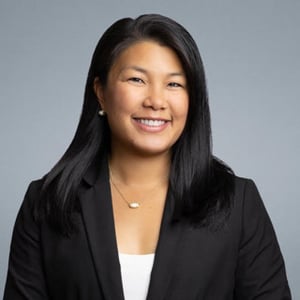
Partner, Hilgers Graben PLLC
Alice LaCour is a litigation partner at Hilgers Graben PLLC and the co-host of two legal true crime podcasts: The Prosecutors Podcast and Legal Briefs, which have been downloaded over ten million times and featured on Apple Podcast's top 100 podcasts. Recently, she served as First Assistant and Criminal Chief at the U.S. Attorney's Office in the Middle District of Alabama, where she prosecuted cases spanning from guns and drugs to complex white collar crimes. Alice also served as Counselor to the Attorney General and Senior Advisor and Counselor to Assistant Attorney General of the Civil Division. During these stints at the Justice Department, Alice also served on the confirmation teams to elevate Neil Gorsuch and Brett Kavanaugh to the U.S. Supreme Court. Alice clerked for the Hon. Keith P. Ellison of the Southern District of Texas and the Hon. Jennifer Walker Elrod of the U.S. Court of Appeals for the Fifth Circuit. Alice received her J.D. from Yale Law School, and she graduated summa cum laude from Washington and Lee University with a degree in Economics and a concentration in Poverty and Human Capabilities.
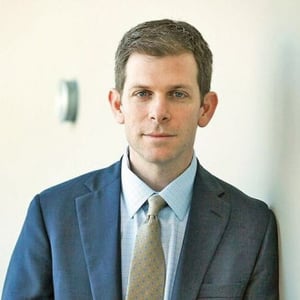
Criminal Trial and Appellate Lawyer, Markus/ Moss
David Oscar Markus is a magna cum laude graduate of Harvard Law School. David is known for his creative and unrelenting approach to cases, which leads to wins in trials and appeals. David focuses on high-stakes criminal litigation for both white collar and traditional criminal matters.
Best Lawyers named David “Lawyer of the Year” for White Collar Criminal Law in 2020 and for General Criminal Defense in 2017. And the Dade County Bar Association awarded him the “Legal Luminary” award for criminal defense, an honor voted on by members of the legal community. In 2015, the National Law Journal selected him as one of the Trailblazers for White Collar Criminal Defense in the entire country. Back when he was 29 years old (in 2002), the National Law Journal selected him as one of the top 40 litigators in the country under 40 years old, and it has recognized one of his federal trial victories as one of the top ten defense verdicts in the country that year.
In one trial victory, David not only beat all 141 counts in federal court for a doctor, but then won attorneys’ fees and costs of over $600,000 for his client in a first-of-its-kind victory. Based on that case, he was awarded the highest honor — the Rodney Thaxton “against all odds” award — by the Florida Association of Criminal Defense Lawyers. Although the 11th Circuit reversed the fee award in a number of controversial opinions, the court referred to Markus as an “elite” and “superb” attorney. In another case, David challenged the way the federal court system in Miami selected jurors (alphabetically by last name) and won, which changed the jury selection process in the District. After obtaining a fair jury, Markus’ client was found not guilty. He never stops fighting for his clients.
Based on this type of creative and unique lawyering, in 2010, David was one of eight finalists in the country for best white-collar criminal lawyer in the country by Chambers & Partners, which quoted market sources saying that David is “the whole package,” and “a creative, courageous and tenacious courtroom advocate.” And he was named to that very prestigious short list of 8 best white-collar criminal defense lawyers again in 2011 (he was the only lawyer listed who was not from a large firm). The 2012 Chambers said this: “David Markus received strong praise from peers and clients alike, who describe him as ‘a legal genius and brilliant strategist with a great demeanor.'” A recent Chambers & Partners described David as a “wickedly smart and a terrific trial lawyer. … Clients say that he is ‘thrilling’ to watch in court and that ‘his passion appreciation and enjoyment for his work are contagious.” And in 2014, that publication identified David as “one of the best trial lawyers around: very smart, highly respected and thoroughly prepared.” In 2016, Chambers said: “David Markus is one of the most talented criminal defense lawyers in Florida. He has a wealth of litigation experience and is regularly sought after for his counsel in high-stakes tax and criminal antitrust cases. Sources also describe him as an ‘extremely creative thinker and a great oral advocate’ who gets ‘tremendous results.'” Chambers has also explained: “David Markus is amazing, not only because of the strength and genius of his arguments and motions, but also because of his brilliant and astonishing performances during the hearings. Additionally, he radiates so much confidence, and that in itself soothes the usual anguish and anxiety that you endure during these types of situations. Last but not least, he is such a great human being.” In 2020, that publication said that David “is an exceptional trial lawyer,” “an incredible oral advocate” and that “he’s pretty fearless in terms of dealing with the government.”
Since 2010, David has been listed as one of the top 100 lawyers in Miami and in all of Florida by SuperLawyers. He is one of the few criminal defense lawyers to received such an honor. He is frequently named as one of the top lawyers in the Best Lawyers in America, South Florida Legal Guide, Florida Trend Magazine, Chambers & Partners, and the South Florida Business Journal. He was one of 20 lawyers named a key partner by the South Florida Business Journal in 2011 and again in 2012. The Daily Business Review named him a finalist for Most Effective Lawyer in Criminal Justice (one of three lawyers in Miami) in 2006, 2009, 2011, 2012, and 2015. He won the award in 2018. The district judges in the Southern District of Florida presented him with the Eugene Spellman Criminal Justice Act Award in 2013.
While at Harvard, David argued in front of Supreme Court Justice Anthony Kennedy who named him best oralist. David was mentored by Alan Dershowitz while in law school. After graduating from Harvard, David served as law clerk to the Honorable Edward B. Davis, then-Chief United States District Judge, Southern District of Florida. Following his clerkship, David worked as an associate at the leading criminal defense firm in the country, Williams & Connolly in Washington, D.C., and then practiced as an Assistant Federal Public Defender in Miami.
David is a past-president of the Florida Association of Criminal Defense Lawyers – Miami Chapter and past-president of the Federal Bar Association, South Florida Chapter, 2007-08. He served for ten years as the Southern District of Florida’s national representative for the Criminal Justice Act Panel, and is the vice-chair of the National Association of Criminal Defense Lawyer’s amicus committee. David also has co-authored the Fourth Amendment Forum, published in NACDL’s The Champion. He is frequently asked to serve on committees for the Southern District of Florida.
David frequently lectures on different aspects of the criminal trial and appeal. He currently teaches a White Collar Law seminar the the University of Miami School of Law and previously taught legal writing there. David also has taught Advanced Criminal Procedure and White Collar Law at Florida International University College of Law. He often speaks to other criminal defense lawyers on ethics and zealously representing criminal defendants charged with serious crimes. His lengthy list of lectures can be found on his resume.
David is often quoted in publications around the country, including The Miami Herald, The Sun-Sentinel, The Palm Beach Post, the Daily Business Review, USA Today, The New York Times, The Wall Street Journal, The Boston Globe, Law.com, and CNN.com. He has written opinion pieces for numerous publications, and is the author of the popular Southern District of Florida blog, which has been described by the New Times as “the definitive source on South Florida’s federal court system.” He recently wrote a chapter in a book for lawyers; his chapter was titled “Battling Goliath, Trying to Win in the Court of Appeals.” David is also a frequent opinion contributor, arguing for criminal justice reform and for individual rights. He has written pieces in the Washington Post, USA Today, Miami Herald, law.com Newsmax, and others.
Director, Project on Criminal Justice, Cato Institute
Matthew Cavedon is the Director of the Cato Institute’s Project on Criminal Justice. He focuses on reforming plea-driven mass adjudication, ensuring police accountability, and defending constitutional criminal originalism. Cavedon’s scholarship has been published (or is forthcoming in) publications including the Arizona State Law Journal, Cato Supreme Court Review, Seattle University Law Review, and Georgetown Journal of Law and Public Policy. Formerly a Georgia public defender and fellow at the Institute for Justice, Cavedon has taught law school courses on criminal law and procedure, as well as the First Amendment. Cavedon clerked for a U.S. district court and the Supreme Court of Georgia. He came to Cato following a fellowship at the Emory University Center for the Study of Law and Religion.
Partner, Hilgers Graben PLLC
Alice LaCour is a litigation partner at Hilgers Graben PLLC and the co-host of two legal true crime podcasts: The Prosecutors Podcast and Legal Briefs, which have been downloaded over ten million times and featured on Apple Podcast's top 100 podcasts. Recently, she served as First Assistant and Criminal Chief at the U.S. Attorney's Office in the Middle District of Alabama, where she prosecuted cases spanning from guns and drugs to complex white collar crimes. Alice also served as Counselor to the Attorney General and Senior Advisor and Counselor to Assistant Attorney General of the Civil Division. During these stints at the Justice Department, Alice also served on the confirmation teams to elevate Neil Gorsuch and Brett Kavanaugh to the U.S. Supreme Court. Alice clerked for the Hon. Keith P. Ellison of the Southern District of Texas and the Hon. Jennifer Walker Elrod of the U.S. Court of Appeals for the Fifth Circuit. Alice received her J.D. from Yale Law School, and she graduated summa cum laude from Washington and Lee University with a degree in Economics and a concentration in Poverty and Human Capabilities.
Criminal Trial and Appellate Lawyer, Markus/ Moss
David Oscar Markus is a magna cum laude graduate of Harvard Law School. David is known for his creative and unrelenting approach to cases, which leads to wins in trials and appeals. David focuses on high-stakes criminal litigation for both white collar and traditional criminal matters.
Best Lawyers named David “Lawyer of the Year” for White Collar Criminal Law in 2020 and for General Criminal Defense in 2017. And the Dade County Bar Association awarded him the “Legal Luminary” award for criminal defense, an honor voted on by members of the legal community. In 2015, the National Law Journal selected him as one of the Trailblazers for White Collar Criminal Defense in the entire country. Back when he was 29 years old (in 2002), the National Law Journal selected him as one of the top 40 litigators in the country under 40 years old, and it has recognized one of his federal trial victories as one of the top ten defense verdicts in the country that year.
In one trial victory, David not only beat all 141 counts in federal court for a doctor, but then won attorneys’ fees and costs of over $600,000 for his client in a first-of-its-kind victory. Based on that case, he was awarded the highest honor — the Rodney Thaxton “against all odds” award — by the Florida Association of Criminal Defense Lawyers. Although the 11th Circuit reversed the fee award in a number of controversial opinions, the court referred to Markus as an “elite” and “superb” attorney. In another case, David challenged the way the federal court system in Miami selected jurors (alphabetically by last name) and won, which changed the jury selection process in the District. After obtaining a fair jury, Markus’ client was found not guilty. He never stops fighting for his clients.
Based on this type of creative and unique lawyering, in 2010, David was one of eight finalists in the country for best white-collar criminal lawyer in the country by Chambers & Partners, which quoted market sources saying that David is “the whole package,” and “a creative, courageous and tenacious courtroom advocate.” And he was named to that very prestigious short list of 8 best white-collar criminal defense lawyers again in 2011 (he was the only lawyer listed who was not from a large firm). The 2012 Chambers said this: “David Markus received strong praise from peers and clients alike, who describe him as ‘a legal genius and brilliant strategist with a great demeanor.'” A recent Chambers & Partners described David as a “wickedly smart and a terrific trial lawyer. … Clients say that he is ‘thrilling’ to watch in court and that ‘his passion appreciation and enjoyment for his work are contagious.” And in 2014, that publication identified David as “one of the best trial lawyers around: very smart, highly respected and thoroughly prepared.” In 2016, Chambers said: “David Markus is one of the most talented criminal defense lawyers in Florida. He has a wealth of litigation experience and is regularly sought after for his counsel in high-stakes tax and criminal antitrust cases. Sources also describe him as an ‘extremely creative thinker and a great oral advocate’ who gets ‘tremendous results.'” Chambers has also explained: “David Markus is amazing, not only because of the strength and genius of his arguments and motions, but also because of his brilliant and astonishing performances during the hearings. Additionally, he radiates so much confidence, and that in itself soothes the usual anguish and anxiety that you endure during these types of situations. Last but not least, he is such a great human being.” In 2020, that publication said that David “is an exceptional trial lawyer,” “an incredible oral advocate” and that “he’s pretty fearless in terms of dealing with the government.”
Since 2010, David has been listed as one of the top 100 lawyers in Miami and in all of Florida by SuperLawyers. He is one of the few criminal defense lawyers to received such an honor. He is frequently named as one of the top lawyers in the Best Lawyers in America, South Florida Legal Guide, Florida Trend Magazine, Chambers & Partners, and the South Florida Business Journal. He was one of 20 lawyers named a key partner by the South Florida Business Journal in 2011 and again in 2012. The Daily Business Review named him a finalist for Most Effective Lawyer in Criminal Justice (one of three lawyers in Miami) in 2006, 2009, 2011, 2012, and 2015. He won the award in 2018. The district judges in the Southern District of Florida presented him with the Eugene Spellman Criminal Justice Act Award in 2013.
While at Harvard, David argued in front of Supreme Court Justice Anthony Kennedy who named him best oralist. David was mentored by Alan Dershowitz while in law school. After graduating from Harvard, David served as law clerk to the Honorable Edward B. Davis, then-Chief United States District Judge, Southern District of Florida. Following his clerkship, David worked as an associate at the leading criminal defense firm in the country, Williams & Connolly in Washington, D.C., and then practiced as an Assistant Federal Public Defender in Miami.
David is a past-president of the Florida Association of Criminal Defense Lawyers – Miami Chapter and past-president of the Federal Bar Association, South Florida Chapter, 2007-08. He served for ten years as the Southern District of Florida’s national representative for the Criminal Justice Act Panel, and is the vice-chair of the National Association of Criminal Defense Lawyer’s amicus committee. David also has co-authored the Fourth Amendment Forum, published in NACDL’s The Champion. He is frequently asked to serve on committees for the Southern District of Florida.
David frequently lectures on different aspects of the criminal trial and appeal. He currently teaches a White Collar Law seminar the the University of Miami School of Law and previously taught legal writing there. David also has taught Advanced Criminal Procedure and White Collar Law at Florida International University College of Law. He often speaks to other criminal defense lawyers on ethics and zealously representing criminal defendants charged with serious crimes. His lengthy list of lectures can be found on his resume.
David is often quoted in publications around the country, including The Miami Herald, The Sun-Sentinel, The Palm Beach Post, the Daily Business Review, USA Today, The New York Times, The Wall Street Journal, The Boston Globe, Law.com, and CNN.com. He has written opinion pieces for numerous publications, and is the author of the popular Southern District of Florida blog, which has been described by the New Times as “the definitive source on South Florida’s federal court system.” He recently wrote a chapter in a book for lawyers; his chapter was titled “Battling Goliath, Trying to Win in the Court of Appeals.” David is also a frequent opinion contributor, arguing for criminal justice reform and for individual rights. He has written pieces in the Washington Post, USA Today, Miami Herald, law.com Newsmax, and others.
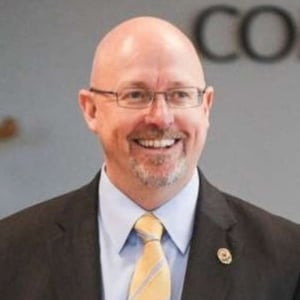
First Assistant District Attorney, Montgomery County District Attorney’s Office, Conroe Texas
Mike Holley is the First Assistant District Attorney at the Montgomery County District Attorney’s Office in Conroe, Texas. Mike a graduate of Abilene Christian University where he graduated summa cum laude. Mike received his J.D. from Texas Tech University School of Law where he also graduated summa cum laude, and he received his L.L.M. from the Judge Advocate General’s Legal Center and School in Charlottesville, Virginia.
As First Assistant, Mike is responsible for the day-to-day management of the office, supervision, and training of employees, trying cases, and the preparation of the annual office budget.
Before joining the Montgomery County District Attorney’s Office, Mike served in the United States Army. Mike’s Army career began as a Military Police Officer before The Army sent him to law school. Mike would go on to serve as both a prosecutor and a defense attorney in the Army and, in 2004, would serve as the Chief Prosecutor in the Abu Ghraib Detainee Abuse cases in Baghdad, Iraq.
Mike left the Army as a Major after 13 years of service and spent the next six years in private practice with the Lanier Law Firm. After joining the Montgomery County District Attorney’s Office in 2012, Mike served as a felony prosecutor and Chief of the Misdemeanor Division. Mike assisted in creating the Montgomery County Veterans Court and has prosecuted a wide variety of cases. Mike spends a substantial amount of his time training attorneys in his offices as well as speaking to prospective attorneys about the profession of prosecution. He has also made professional presentations at various conferences across the state and the country.
Mike was promoted to his current position as First Assistant in 2016. Mike is Board Certified in Criminal Law by the Texas Board of Legal Specialization. He has been married for 33 years and has four children.
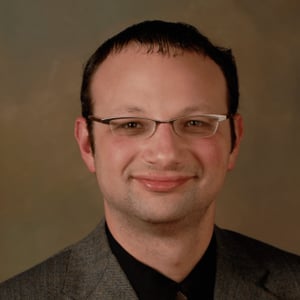
Chief Policy Counsel, Council on Criminal Justice and Senior Advisor, Right on Crime
Marc A. Levin is the Chief Policy Counsel for the Council on Criminal Justice (counciloncj.org) and Senior Advisor for Right on Crime.
An attorney and accomplished author on legal and public policy issues, Marc began the Foundation’s criminal justice program in 2005. This work contributed to nationally praised policy changes that have been followed by dramatic declines in crime and incarceration in Texas. Building on this success, in 2010, Levin developed the concept for the Right on Crime initiative, a TPPF project in partnership with Prison Fellowship and the American Conservative Union Foundation. Right on Crime has become the national clearinghouse for conservative criminal justice reforms and has contributed to the adoption of policies in dozens of states that fight crime, support victims, and protect taxpayers.
In 2014, Levin was named one of the “Politico 50” in the magazine’s annual “list of thinkers, doers, and dreamers who really matter in this age of gridlock and dysfunction.”
Marc has testified on criminal justice policy on four occasions before Congress and has testified before legislatures in states including Texas, Nevada, Kansas, Wisconsin, and California. He also has met personally with leaders such as U.S. Presidents, Speakers of the House, and the Justice Commtitee of the United Kingdom Parliament to share his ideas on criminal justice reform. In 2007, he was honored in a resolution unanimously passed by the Texas House of Representatives that stated, “Mr. Levin’s intellect is unparalleled and his research is impeccable.”
Since 2005, Marc has published dozens of policy papers on topics such as sentencing, probation, parole, reentry, and overcriminalization which are available on the TPPF website. Levin’s articles on law and public policy have been featured in publications such as the Wall Street Journal, USA Today, Texas Review of Law & Politics, National Law Journal, New York Daily News, Jerusalem Post, Toronto Star, Atlanta Journal-Constitution, Philadelphia Inquirer, San Francisco Chronicle, Washington Times, Los Angeles Daily Journal, Charlotte Observer, Dallas Morning News, Houston Chronicle, Austin American-Statesman, San Antonio Express-News and Reason Magazine.
In 1999, Marc graduated with honors from the University of Texas with a B.A. in Plan II Honors and Government. In 2002, Marc received his J.D. with honors from the University of Texas School of Law. Marc was a Charles G. Koch Summer Fellow in 1996. He served as a law clerk to Judge Will Garwood on the U.S. Court of Appeals for the Fifth Circuit and Staff Attorney at the Texas Supreme Court.

Owner, VSV Leadership
Patrick Robinson is the owner of VSV Leadership and president of the board of Kid C.A.T.. Before starting VSV Leadership, Mr. Robinson worked at the Chan Zuckerberg Initiative as both a member of the strategic initiatives team and as a Transforming Prosecution Lead.
He is a graduate of Stanford University, where he got his Masters of Business Administration, and he received his J.D. from the University of Virginia School of Law.
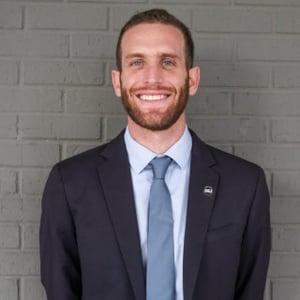
Senior Fellow, Council on Criminal Justice
Rothman has worked as a researcher, educator, communications specialist, policy analyst, and funder across the criminal justice system and emerging technology landscape. Throughout his career, he has focused on supporting and implementing programs that aim to enable public policy that is effective, safe, and dependable for all. Rothman holds an M.T.S from Harvard University in religion, ethics, and politics and a B.A. in political science from Carleton College.
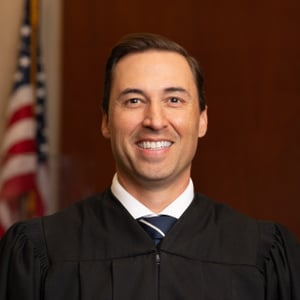
Judge, Fifth Circuit Court of Appeal, State of Louisiana
Judge Schlegel, a recent inductee into the Louisiana Justice Hall of Fame, was elected to the Fifth Circuit Court of Appeal in 2023. During Judge Schlegel’s decade on the trial court, he “designed and managed what may be one of the most advanced courts in the country for delivering justice online,” according to one legal tech journalist.
Judge Schlegel currently serves on the ABA & LSBA Task Forces on the Law and Artificial Intelligence, among others. He is the immediate past Chair of the Louisiana Supreme Court Technology Commission and has served as President of the Louisiana District Judges Association. Judge Schlegel has received numerous awards including the National Center for State Courts’ 26th Annual William H. Rehnquist Award for Judicial Excellence, one of the highest judicial honors in the country. Judge Schlegel was also featured on the cover of the American Bar Association Journal and is a nationally recognized speaker on legal tech and the modernization of the justice system.
Judge Schlegel has been equally innovative in the criminal justice system. While on the trial court, Judge Schlegel established the Reentry Court and Swift & Certain Probation programs in Jefferson Parish, aimed at reducing recidivism and enhancing community safety.
Prior to his election to the bench, Judge Schlegel was one of the top felony prosecutors in the Jefferson Parish District Attorney’s Office. He practiced civil law with an emphasis in products liability before becoming a prosecutor. Judge Schlegel graduated with honors from Loyola University New Orleans College of Law, where he served as the President of the Student Bar Association. He has been married to his high school sweetheart, Representative Laurie Schlegel, for 25 years and has one son in college.
First Assistant District Attorney, Montgomery County District Attorney’s Office, Conroe Texas
Mike Holley is the First Assistant District Attorney at the Montgomery County District Attorney’s Office in Conroe, Texas. Mike a graduate of Abilene Christian University where he graduated summa cum laude. Mike received his J.D. from Texas Tech University School of Law where he also graduated summa cum laude, and he received his L.L.M. from the Judge Advocate General’s Legal Center and School in Charlottesville, Virginia.
As First Assistant, Mike is responsible for the day-to-day management of the office, supervision, and training of employees, trying cases, and the preparation of the annual office budget.
Before joining the Montgomery County District Attorney’s Office, Mike served in the United States Army. Mike’s Army career began as a Military Police Officer before The Army sent him to law school. Mike would go on to serve as both a prosecutor and a defense attorney in the Army and, in 2004, would serve as the Chief Prosecutor in the Abu Ghraib Detainee Abuse cases in Baghdad, Iraq.
Mike left the Army as a Major after 13 years of service and spent the next six years in private practice with the Lanier Law Firm. After joining the Montgomery County District Attorney’s Office in 2012, Mike served as a felony prosecutor and Chief of the Misdemeanor Division. Mike assisted in creating the Montgomery County Veterans Court and has prosecuted a wide variety of cases. Mike spends a substantial amount of his time training attorneys in his offices as well as speaking to prospective attorneys about the profession of prosecution. He has also made professional presentations at various conferences across the state and the country.
Mike was promoted to his current position as First Assistant in 2016. Mike is Board Certified in Criminal Law by the Texas Board of Legal Specialization. He has been married for 33 years and has four children.
Chief Policy Counsel, Council on Criminal Justice and Senior Advisor, Right on Crime
Marc A. Levin is the Chief Policy Counsel for the Council on Criminal Justice (counciloncj.org) and Senior Advisor for Right on Crime.
An attorney and accomplished author on legal and public policy issues, Marc began the Foundation’s criminal justice program in 2005. This work contributed to nationally praised policy changes that have been followed by dramatic declines in crime and incarceration in Texas. Building on this success, in 2010, Levin developed the concept for the Right on Crime initiative, a TPPF project in partnership with Prison Fellowship and the American Conservative Union Foundation. Right on Crime has become the national clearinghouse for conservative criminal justice reforms and has contributed to the adoption of policies in dozens of states that fight crime, support victims, and protect taxpayers.
In 2014, Levin was named one of the “Politico 50” in the magazine’s annual “list of thinkers, doers, and dreamers who really matter in this age of gridlock and dysfunction.”
Marc has testified on criminal justice policy on four occasions before Congress and has testified before legislatures in states including Texas, Nevada, Kansas, Wisconsin, and California. He also has met personally with leaders such as U.S. Presidents, Speakers of the House, and the Justice Commtitee of the United Kingdom Parliament to share his ideas on criminal justice reform. In 2007, he was honored in a resolution unanimously passed by the Texas House of Representatives that stated, “Mr. Levin’s intellect is unparalleled and his research is impeccable.”
Since 2005, Marc has published dozens of policy papers on topics such as sentencing, probation, parole, reentry, and overcriminalization which are available on the TPPF website. Levin’s articles on law and public policy have been featured in publications such as the Wall Street Journal, USA Today, Texas Review of Law & Politics, National Law Journal, New York Daily News, Jerusalem Post, Toronto Star, Atlanta Journal-Constitution, Philadelphia Inquirer, San Francisco Chronicle, Washington Times, Los Angeles Daily Journal, Charlotte Observer, Dallas Morning News, Houston Chronicle, Austin American-Statesman, San Antonio Express-News and Reason Magazine.
In 1999, Marc graduated with honors from the University of Texas with a B.A. in Plan II Honors and Government. In 2002, Marc received his J.D. with honors from the University of Texas School of Law. Marc was a Charles G. Koch Summer Fellow in 1996. He served as a law clerk to Judge Will Garwood on the U.S. Court of Appeals for the Fifth Circuit and Staff Attorney at the Texas Supreme Court.
Owner, VSV Leadership
Patrick Robinson is the owner of VSV Leadership and president of the board of Kid C.A.T.. Before starting VSV Leadership, Mr. Robinson worked at the Chan Zuckerberg Initiative as both a member of the strategic initiatives team and as a Transforming Prosecution Lead.
He is a graduate of Stanford University, where he got his Masters of Business Administration, and he received his J.D. from the University of Virginia School of Law.
Senior Fellow, Council on Criminal Justice
Rothman has worked as a researcher, educator, communications specialist, policy analyst, and funder across the criminal justice system and emerging technology landscape. Throughout his career, he has focused on supporting and implementing programs that aim to enable public policy that is effective, safe, and dependable for all. Rothman holds an M.T.S from Harvard University in religion, ethics, and politics and a B.A. in political science from Carleton College.
Judge, Fifth Circuit Court of Appeal, State of Louisiana
Judge Schlegel, a recent inductee into the Louisiana Justice Hall of Fame, was elected to the Fifth Circuit Court of Appeal in 2023. During Judge Schlegel’s decade on the trial court, he “designed and managed what may be one of the most advanced courts in the country for delivering justice online,” according to one legal tech journalist.
Judge Schlegel currently serves on the ABA & LSBA Task Forces on the Law and Artificial Intelligence, among others. He is the immediate past Chair of the Louisiana Supreme Court Technology Commission and has served as President of the Louisiana District Judges Association. Judge Schlegel has received numerous awards including the National Center for State Courts’ 26th Annual William H. Rehnquist Award for Judicial Excellence, one of the highest judicial honors in the country. Judge Schlegel was also featured on the cover of the American Bar Association Journal and is a nationally recognized speaker on legal tech and the modernization of the justice system.
Judge Schlegel has been equally innovative in the criminal justice system. While on the trial court, Judge Schlegel established the Reentry Court and Swift & Certain Probation programs in Jefferson Parish, aimed at reducing recidivism and enhancing community safety.
Prior to his election to the bench, Judge Schlegel was one of the top felony prosecutors in the Jefferson Parish District Attorney’s Office. He practiced civil law with an emphasis in products liability before becoming a prosecutor. Judge Schlegel graduated with honors from Loyola University New Orleans College of Law, where he served as the President of the Student Bar Association. He has been married to his high school sweetheart, Representative Laurie Schlegel, for 25 years and has one son in college.

A Seat at the Sitting - February 2025
Joel S. Nolette, Jonathan A. Segal, Richard A. Simpson, Will Yeatman, Austin Rogers
The February Docket in 90 Minutes or Less
Each month, a panel of constitutional experts convenes to discuss the Court’s upcoming docket sitting...
A Seat at the Sitting - February 2025
Joel S. Nolette, Jonathan A. Segal, Richard A. Simpson, Will Yeatman, Austin Rogers
The February Docket in 90 Minutes or Less
Each month, a panel of constitutional experts convenes to discuss the Court’s upcoming docket sitting...
Topics
Using Originalism to Attack Mass Incarceration: A Review of Rachel Barkow’s Justice Abandoned
It is a singular fact of life in America that with five percent of the...
Federalist Society Review, Volume 25
Katie McClendon
Federalist Society Review, Volume 25
The Federalist Society Review is the legal journal of the Federalist Society. The Review is...
Courthouse Steps Oral Argument: Barnes v. Felix
Matthew P. Cavedon
In Barnes v. Felix the Supreme Court is set to address a circuit split concerning...
Courthouse Steps Oral Argument: Barnes v. Felix
Matthew P. Cavedon
In Barnes v. Felix the Supreme Court is set to address a circuit split concerning...
The Ethics and Impact of True Crime Podcasting
Matthew P. Cavedon, Alice Shih LaCour, David Oscar Markus
How should podcasters talk about crime in a way that informs the public while respecting...
The Ethics and Impact of True Crime Podcasting
Matthew P. Cavedon, Alice Shih LaCour, David Oscar Markus
How should podcasters talk about crime in a way that informs the public while respecting...
The Perils and Promise of A.I. in Criminal Justice
Michael R. Holley, Marc Levin, Patrick Robinson, Jesse Rothman, Scott U. Schlegel
Our liberty, safety, and prosperity are based on the rule of law, not the rule...
The Perils and Promise of A.I. in Criminal Justice
Michael R. Holley, Marc Levin, Patrick Robinson, Jesse Rothman, Scott U. Schlegel
Our liberty, safety, and prosperity are based on the rule of law, not the rule...