The First Amendment and White House Press Access
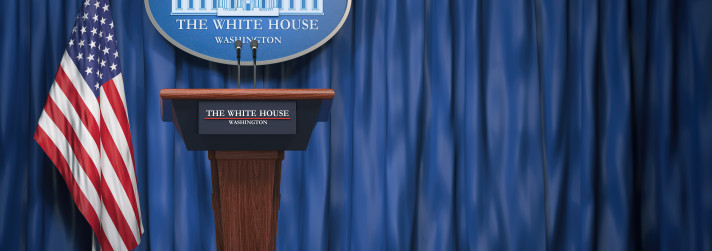
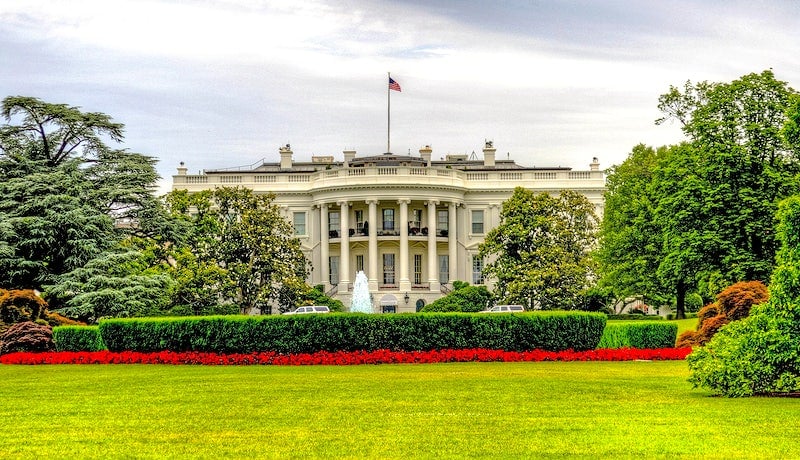
On September 18, President Trump announced that he was "banning" CNN, MS NOW, and Politico from the White House, citing what he characterized as false reporting by the outlets. Journalists from all three organizations were subsequently denied access to the White House grounds and had their credentials revoked. The outlets have sued, arguing that the administration's actions have violated their First Amendment and due process rights.
The controversy is the latest chapter in a longstanding debate over the constitutional relationship between the President and the press. Although the White House is not generally open to the public, presidential administrations have long provided journalists with press credentials and access to briefings, press facilities, and limited-access events. Courts have confronted disputes over the denial or revocation of that access, but important questions remain about the scope of the President’s authority and the protections afforded by the Constitution.
What constitutional limits, substantive or procedural, govern a president’s ability to determine which journalists may access the White House? When does the exclusion of a journalist amount to impermissible viewpoint discrimination or retaliation? And does the First Amendment’s Press Clause provide protections distinct from those afforded to speakers generally?
Join us for a discussion of the recent exclusions and the constitutional questions they raise.
Featuring:
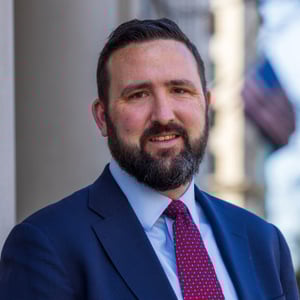
- Michael Francisco, Partner, First & Fourteenth PLLC
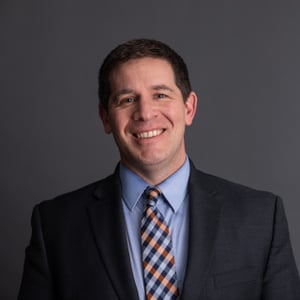
- Robert Shibley, Special Counsel, Campus Advocacy, Foundation for Individual Rights and Expression (FIRE)
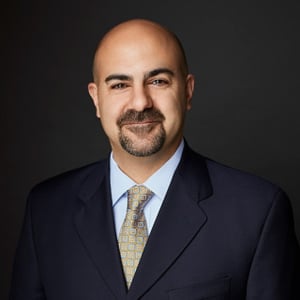
- (Moderator) Casey Mattox, Vice President for Legal Strategy, Stand Together
*******
As always, the Federalist Society takes no position on particular legal or public policy issues; all expressions of opinion are those of the speaker.