Section 230 & the First Amendment | Leave A Decent Comment
When politicians and big tech clash over political bias, fake news, and content moderation, who wins? How best do we preserve free speech online?
At the heart of this battle is a once-obscure section of an unpopular law from the 90s that, arguably, brought the Internet out of the wild west and made it what it is today. Section 230 of the Communication Decency Act has been in the news a lot, but what the heck is it? Why do some people argue it gives a voice to the powerless while others say it allows giant corporations to stifle free speech? And how will the outcome of this fight affect YOU?
In this episode of the FedSoc Films Podcast, we talk to Congressman Chris Cox, who represented California from 1989-2005 and was the co-author of Section 230, about how Section 230 relates to the First Amendment. Congressman Cox was featured in our film, Leave a Decent Comment, where we discussed many issues around Section 230, but we wanted to give more time to the important issue of freedom of speech on the internet.
Thanks again for listening to the FedSoc Films Podcast! Be sure to rate and review us on your favorite podcast platform.
Watch the full film here: Leave a Decent Comment: Section 230 & the Fight for the Future of the Internet
Click here to learn more about Rep. Chris Cox
As always, the Federalist Society takes no position on particular legal or public policy issues; all expressions of opinion are those of the speaker.
Visit FedSoc.org to learn more.
Follow us on Instagram, YouTube, Facebook and Twitter!
#FedSoc #FedSocFilms #FedSocFilmsPod #FederalistSociety #DocumentaryShort #Documentary
*******
As always, the Federalist Society takes no position on particular legal or public policy issues; all expressions of opinion are those of the speaker.
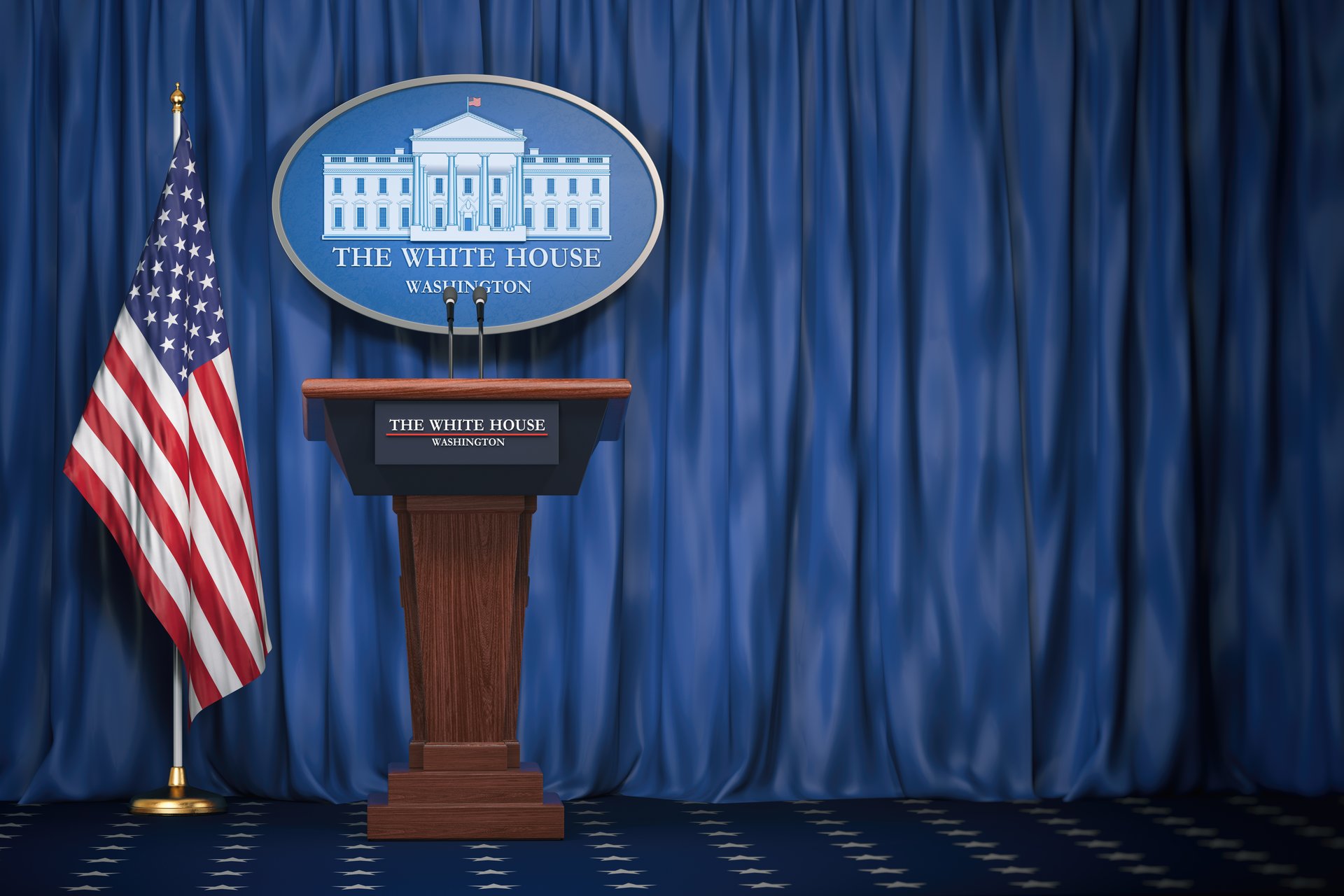
Former Representative, United States House of Representatives, California
Chris Cox serves on the boards of privately held companies in the health care, real estate, regulatory compliance, and technology industries. In 2020 he retired as president of Morgan Lewis Consulting LLC and as partner at the international law firm of Morgan, Lewis & Bockius LLP. His 21-year career in private legal practice also included partnerships at Latham & Watkins LLP and Bingham McCutchen LLP.
During a 23-year Washington career, Chris was a White House counsel to President Ronald Reagan, chairman of the US Securities and Exchange Commission, chairman of the Homeland Security Committee in the US House of Representatives, and the fifth-ranking elected leader in the House. Prior to his Washington service he was a member of the faculty at Harvard Business School.
Chris has recently been recognized by Thomson Reuters as a 2019 "Super Lawyer," by Los Angeles Magazine as one of the "Top Attorneys in Southern California," and by The Best Lawyers in America in the areas of Corporate Governance and Corporate Law, as well as being named Orange County "Corporate Lawyer of the Year" for 2016 and "Corporate Governance Lawyer of the Year" for 2014. He has led numerous corporate governance programs and from 2011 - 2015 served as Chairman of the Forum for Corporate Directors.
In Congress, in addition to his role as chairman of the Committee on Homeland Security, Chris was chairman of the Select Committee on US National Security and a senior member of the Energy and Commerce Committee and the Financial Services Committee. For 10 years he served as chairman of the House Policy Committee. In each of these capacities he was responsible for significant legislation, including the Internet Tax Freedom Act, the Securities Litigation Reform Act, and the Support for Eastern European Democracy Act.