Note from the Editor: The Federalist Society takes no positions on particular legal and public policy matters. Any expressions of opinion are those of the author. We welcome responses to the views presented here. To join the debate, please email us at info@fedsoc.org.
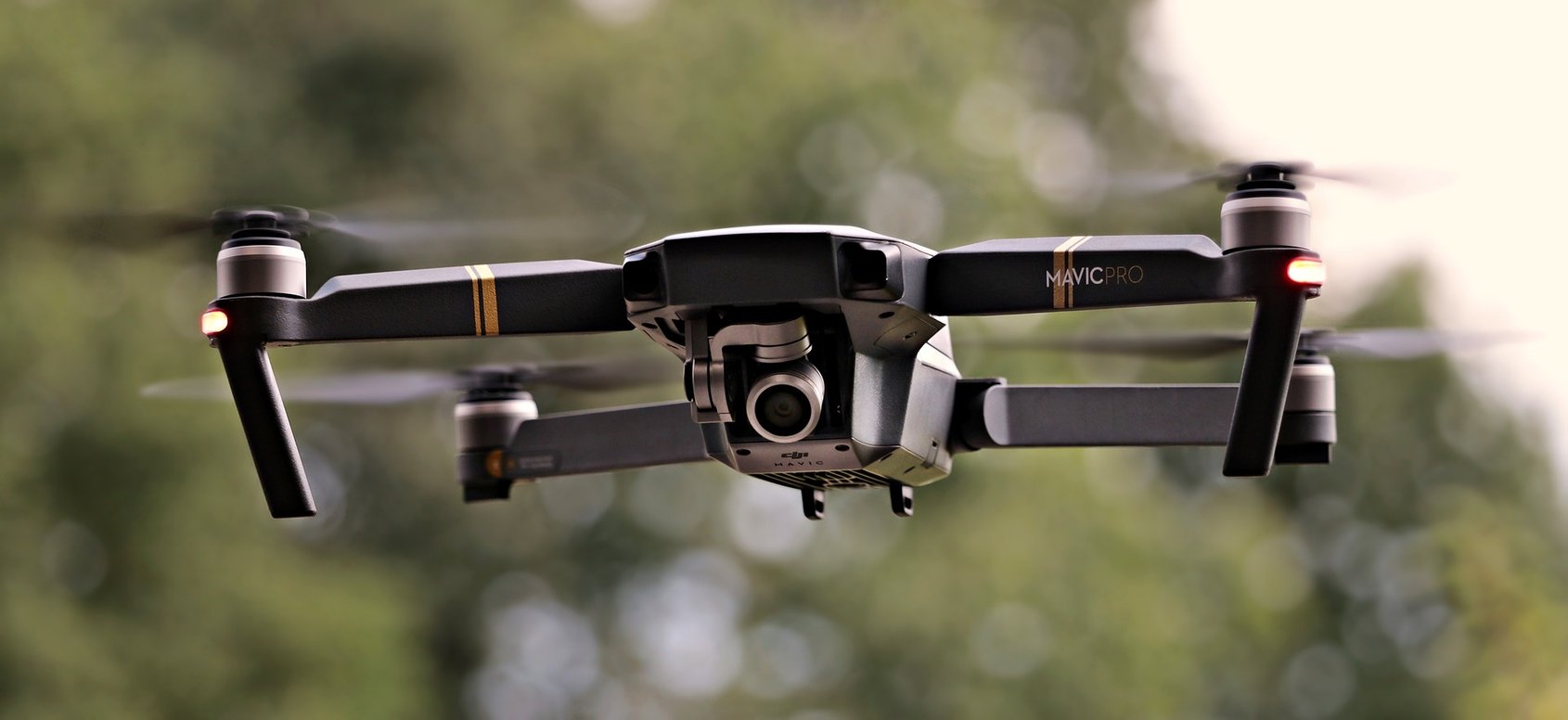
“That buzzing noise over a construction site could be an OSHA drone searching for safety violations,” Bloomberg Law reports, linking to a May 18, 2018 DOL memorandum obtained through a Freedom of Information Act request. Yes, your friendly neighborhood OSHA inspector is now authorized by the Labor Department “to use camera-carrying drones as part of their inspections of outdoor workplaces.”
This may not be news to expert OSHA attorneys, but it was a shock to me. How could this happen during a Republican Administration? Do OSHA inspectors think they are DEA agents?
Yes, the OSHA memo requires inspectors to “obtain express consent from the employer” prior to using a drone, thus likely avoiding the Fourth Amendment problem. But anyone who practices before the DOL understands this: Employers who refuse such consent – who exercise their Fourth Amendment right and require DOL to obtain a search warrant – risk the ire of the DOL, with serious consequences. Nothing is more likely to put a target on an employer’s back for multiple and frequent future investigations than sending a DOL investigator away from your doors. Refusing consent will label you at the DOL as a bad faith employer that deserves closer scrutiny. This I know through experience practicing before DOL and as a former Administrator of DOL’s Wage & Hour Division.
Thus, I always advise employers to cooperate with DOL investigators in providing requested documents and allowing on-site visits. But in the case of OSHA drones, I have to agree with the attorneys who told Bloomberg Law, “that employers should be wary of giving OSHA inspectors blanket permission to fly remote-controlled aircraft above worksites.”
Video recorded by a drone will show much more than potential safety violations. The drones could record trade secrets or employees doing things they shouldn’t. But, the memo contains not a single word on protecting the privacy of employers or employees caught on video. How long will OSHA retain the video? Who will have access to the video? Will the videos be obtainable by competitors or unions through a FOIA requests? Will employees be allowed to deny their consent to be videoed? Will employers be allowed to view the video and discipline employees based on what they see? The unanswered questions seem endless.
Secretary Acosta should withdraw this stealth memo allowing drone surveillance by OSHA inspectors. The regulated community should be allowed to express its views on such a radical change in OSHA investigations; DOL has many questions to answer before sending drones over our workplaces.