
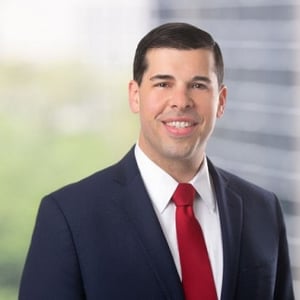
Partner, Boies Schiller Flexner LLP
Jesse, the former third-ranking official at the U.S. Department of Justice, helps clients with their most difficult litigation and regulatory issues─whether that means defending against an enforcement action, pursuing high-stakes litigation and appeals, navigating regulatory thickets at federal and state agencies, or crafting a comprehensive strategy to manage a crisis. He approaches these problems with the knowledge gained both from his broad private-practice experience and from having served at the highest levels of federal and state government.
Jesse has experience across a range of substantive and regulatory areas. He has sued the federal government and has also been one of its top law-enforcement officials; he has represented states and has also navigated their regulatory agencies on behalf of clients; and he has represented companies in business disputes, both as defendants and plaintiffs.
Before joining the firm, Jesse was the Acting Associate Attorney General at the United States Department of Justice. In that role, he oversaw the civil and criminal work of the Antitrust, Civil, Civil Rights, Environment and Natural Resources, and Tax Divisions. During Jesse’s tenure, the Associate’s office closely managed the Department’s most significant litigation, including matters involving large financial institutions, healthcare companies, automakers, energy companies, and state and local governments. In addition, Jesse served as Chair of DOJ’s Regulatory Reform Task Force and Vice Chair of DOJ’s Task Force on Market Integrity and Consumer Fraud. Jesse regularly provided legal and strategic advice to the highest-level decision makers in the federal government, including the Attorney General and Deputy Attorney General, general counsels across the spectrum of federal agencies, and White House officials.
Jesse served for three years as the secretary of Florida’s labor, economic-development, and land-use agency, the Florida Department of Economic Opportunity. Before that, he served as Governor (now Senator) Rick Scott’s general counsel.
Jesse maintains offices in both Washington D.C. and Florida. From Washington, he focuses on federal litigation and crisis management. In Florida, in addition to federal litigation, Jesse employs his knowledge of state government and regulation to help clients in courts across the state, from trial through the Florida Supreme Court.
Jesse currently serves on the Florida Supreme Court Judicial Nominating Commission, the body that provides the governor with nominees for appointment to the Florida Supreme Court. Jesse is also a fellow at the Center for the Study of the Administrative State at the Scalia Law School at George Mason University, where he writes and speaks about administrative law.
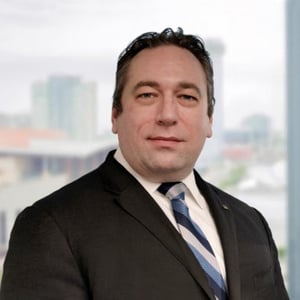
Member, Sherrard Roe Voigt Harbison
Chris Sabis heads the firm’s Government Compliance & Investigations group. Chris concentrates his practice in the areas of Government Investigations and Litigation. He has extensive experience in False Claims Act (FCA) matters involving allegations of healthcare and procurement fraud, white-collar fraud investigations, commercial litigation, and government investigations under the Americans with Disabilities Act (ADA) and Mutual Legal Assistance Treaties (MLATs). Chris has significant experience in the mediation of FCA cases and is a Rule 31 Listed General Civil Mediator by the Tennessee Supreme Court. He also has advised clients on provisions of the Families First Coronavirus Response Act (FFCRA) and the CARES Act, including emergency leave provisions and the Paycheck Protection Program enacted in response to the COVID-19 pandemic.
Before joining the firm, Chris served nearly a decade as an Assistant United States Attorney in the Middle District of Tennessee. In addition to his regular duties, he was the District’s Elder Justice Coordinator and International Affairs Coordinator. Before becoming an AUSA, Chris represented clients in complex commercial litigation at Drinker Biddle & Reath in Washington, D.C. Chris was a law clerk to the Honorable Noël Anketell Kramer of the D.C. Court of Appeals and the Honorable Joan Zeldon of the D.C. Superior Court.
Chris earned his J.D. at Georgetown University Law Center, where he was Senior Notes Editor of the Georgetown Journal of Legal Ethics. He graduated magna cum laude with a B.A. in History and Political Science from the University of Rochester.
Chris serves as a Hearing Examiner for the Tennessee Board of Professional Responsibility. He is a member of the Harry Phillips American Inn of Court and of the Tennessee Bar Association, where he has served as Chair and Vice Chair of the Federal Practice Section. He is a member of the Nashville Bar Association and Chair and former Secretary of its Historical Committee. Chris is also a member of the American Health Law Association, the Health Care Compliance Association, and the American Bar Association.
Active in the community, Chris is the Past Chair of the Board for Stars Nashville, a non-profit that provides prevention, intervention, treatment, and training programs addressing bullying, substance abuse, violence, and social and emotional barriers to success in Tennessee schools. He is a board member and the Board Secretary of Autism Tennessee and is a member of the Rotary Club of Nashville. Chris has been an Adjunct Professor of Law at Belmont University. He enjoys hockey, theater, and spending time with his wife and two young boys.
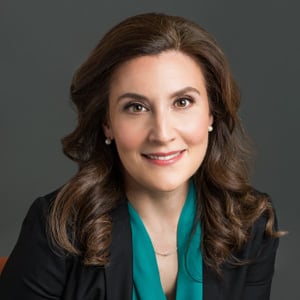
Board Member, U.S. Privacy and Civil Liberties Oversight Board
Beth A. Williams is a Board Member of the United States Privacy and Civil Liberties Oversight Board, an agency whose mission is to ensure that the federal government's efforts to prevent terrorism are balanced with the need to protect privacy and civil liberties.
Prior to her Board service, Ms. Williams was the Assistant Attorney General for the Office of Legal Policy at the United States Department of Justice from August 2017 to December 2020. In that role, she served as the primary policy advisor to the Attorney General and the Deputy Attorney General, and as the Chief Regulatory Officer for the Department. Ms. Williams also led the judicial nomination process for the Department, assisting in the selection and confirmation of more than 230 Article III judges to the bench.
Prior to becoming Assistant Attorney General, Ms. Williams was a litigation and appellate partner at a national law firm, where her practice focused on complex commercial, securities, appellate, and First Amendment litigation. From 2005-2006, Ms. Williams served as Special Counsel to the United States Senate Committee on the Judiciary, where she assisted with the confirmation of Chief Justice John G. Roberts, Jr. and Associate Justice Samuel A. Alito, Jr. to the United States Supreme Court.
Ms. Williams clerked for the Hon. Richard C. Wesley on the United State Court of Appeals for the Second Circuit. She graduated from Harvard College magna cum laude, with a degree in History and Literature, and she earned her law degree from Harvard Law School, where she served as Executive Editor of the Harvard Journal of Law and Public Policy.

Judge, United States Court of Appeals, Sixth Circuit
Judge Readler earned his undergraduate and law degrees from the University of Michigan. After graduating, he served as a law clerk to Judge Alan Norris of the United States Court of Appeals for the Sixth Circuit. Judge Readler then began practicing law in the Columbus office of the international law firm Jones Day, eventually spending ten years as a partner in the firm’s Issues and Appeals Practice Group. While at Jones Day, Judge Readler appeared in state and federal trial and appellate courts around the country, most frequently the Supreme Court of Ohio and the Sixth Circuit. Judge Readler also successfully argued before the United States Supreme Court in McQuiggin v. Perkins on behalf of an inmate claiming actual innocence. His other pro bono representations include representing capital defendants before the Tenth Circuit and the Supreme Court of Ohio, as well as representing defendants sentenced to life in prison before the Sixth Circuit. While at Jones Day, Judge Readler traveled to Nairobi with Lawyers Without Borders to train Kenyan lawyers in prosecuting domestic violence cases, and he was also a recipient of the American Marshall Memorial Fellowship awarded by the German Marshall Fund of the United States. Following his career in private practice, Judge Readler served as Acting Assistant Attorney General for the Civil Division of the United States Department of Justice from 2017 to 2019. In that role, Judge Readler led and supervised over 1,000 lawyers in the Department’s largest litigating division, briefing and arguing several cases on behalf of the United States in federal courts across the country, including high-profile cases significant to the Administration and the Department. In March 2019, Judge Readler was confirmed to serve as a Circuit Judge on the Sixth Circuit. He resides in Columbus.
Judge, United States Court of Appeals, Sixth Circuit
Judge Readler earned his undergraduate and law degrees from the University of Michigan. After graduating, he served as a law clerk to Judge Alan Norris of the United States Court of Appeals for the Sixth Circuit. Judge Readler then began practicing law in the Columbus office of the international law firm Jones Day, eventually spending ten years as a partner in the firm’s Issues and Appeals Practice Group. While at Jones Day, Judge Readler appeared in state and federal trial and appellate courts around the country, most frequently the Supreme Court of Ohio and the Sixth Circuit. Judge Readler also successfully argued before the United States Supreme Court in McQuiggin v. Perkins on behalf of an inmate claiming actual innocence. His other pro bono representations include representing capital defendants before the Tenth Circuit and the Supreme Court of Ohio, as well as representing defendants sentenced to life in prison before the Sixth Circuit. While at Jones Day, Judge Readler traveled to Nairobi with Lawyers Without Borders to train Kenyan lawyers in prosecuting domestic violence cases, and he was also a recipient of the American Marshall Memorial Fellowship awarded by the German Marshall Fund of the United States. Following his career in private practice, Judge Readler served as Acting Assistant Attorney General for the Civil Division of the United States Department of Justice from 2017 to 2019. In that role, Judge Readler led and supervised over 1,000 lawyers in the Department’s largest litigating division, briefing and arguing several cases on behalf of the United States in federal courts across the country, including high-profile cases significant to the Administration and the Department. In March 2019, Judge Readler was confirmed to serve as a Circuit Judge on the Sixth Circuit. He resides in Columbus.
Judge, United States Court of Appeals, Sixth Circuit
Judge Readler earned his undergraduate and law degrees from the University of Michigan. After graduating, he served as a law clerk to Judge Alan Norris of the United States Court of Appeals for the Sixth Circuit. Judge Readler then began practicing law in the Columbus office of the international law firm Jones Day, eventually spending ten years as a partner in the firm’s Issues and Appeals Practice Group. While at Jones Day, Judge Readler appeared in state and federal trial and appellate courts around the country, most frequently the Supreme Court of Ohio and the Sixth Circuit. Judge Readler also successfully argued before the United States Supreme Court in McQuiggin v. Perkins on behalf of an inmate claiming actual innocence. His other pro bono representations include representing capital defendants before the Tenth Circuit and the Supreme Court of Ohio, as well as representing defendants sentenced to life in prison before the Sixth Circuit. While at Jones Day, Judge Readler traveled to Nairobi with Lawyers Without Borders to train Kenyan lawyers in prosecuting domestic violence cases, and he was also a recipient of the American Marshall Memorial Fellowship awarded by the German Marshall Fund of the United States. Following his career in private practice, Judge Readler served as Acting Assistant Attorney General for the Civil Division of the United States Department of Justice from 2017 to 2019. In that role, Judge Readler led and supervised over 1,000 lawyers in the Department’s largest litigating division, briefing and arguing several cases on behalf of the United States in federal courts across the country, including high-profile cases significant to the Administration and the Department. In March 2019, Judge Readler was confirmed to serve as a Circuit Judge on the Sixth Circuit. He resides in Columbus.
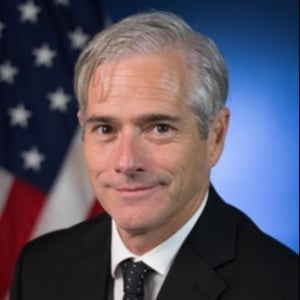
United States Attorney, Southern District of Ohio
David DeVillers is the United States Attorney for the Southern District of Ohio since November 1, 2019. Prior to that he was an Assistant United States Attorney. He also served as Director of the Organized Crime/Gang Unit for the Franklin County Prosecutor’s Office in Columbus.
As an Assistant United States Attorney (AUSA) DeVillers has lead numerous task forces involving the FBI, ATF, DEA, IRS and the Columbus Division of Police in investigating and prosecuting organized crime. He also prosecuted numerous cases under federal murder statutes, including all seven murder trials prosecuted in the Southern District of Ohio since 2002.
In 2016, DeVillers prosecuted the largest federal murder case in Ohio’s history, charging 20 members of the Short North Posse with RICO and 14 separate murders. After a two-and-half month trial, each defendant was convicted of all counts.
DeVillers was sent to Iraq by the Department of Justice as a Prosecutor Advisor to Iraqi High Tribunal for the Anfal (Kurdish Genocide) trial of Saddam Hussein and other members of former Iraqi Regime from 2006 through 2007. He also investigated additional crimes against humanity perpetrated by the former Iraqi Regime while in Iraq.
DeVillers was sent to Iraq in 2004 by the Department of Justice to investigate a Foreign Terrorist Organization.
DeVillers continued his work overseas, most notably the Department of Justice’s Resident Legal Advisor to the Republic of Georgia, living in the capital city of Tbilisi from 2010 to 2012. He worked closely with the Georgian Ministry of Justice to combat trans-national crime, corruption and international money laundering. He also assisted in the drafting of Georgia’s Criminal Code and the introduction of jury trials in murder cases.
DeVillers has also traveled for the Department of Justice to countries including Ukraine, Albania, Bangladesh, Kyrgyzstan and Azerbaijan to combat terrorism, transnational crime and corruption.
DeVillers received the Mark Losey Distinguished Service Award by the Ohio Attorney General in 2018. He was awarded the J. Michael Bradford Memorial Award for the Nation’s Most Outstanding Assistant United States Attorney by The National Association of Former United States Attorneys in 2008. He was voted the Outstanding Assistant Prosecutor of the Year for 1999 by the Ohio Prosecuting Attorney’s Association.
Judge, United States Court of Appeals, Sixth Circuit
Judge Readler earned his undergraduate and law degrees from the University of Michigan. After graduating, he served as a law clerk to Judge Alan Norris of the United States Court of Appeals for the Sixth Circuit. Judge Readler then began practicing law in the Columbus office of the international law firm Jones Day, eventually spending ten years as a partner in the firm’s Issues and Appeals Practice Group. While at Jones Day, Judge Readler appeared in state and federal trial and appellate courts around the country, most frequently the Supreme Court of Ohio and the Sixth Circuit. Judge Readler also successfully argued before the United States Supreme Court in McQuiggin v. Perkins on behalf of an inmate claiming actual innocence. His other pro bono representations include representing capital defendants before the Tenth Circuit and the Supreme Court of Ohio, as well as representing defendants sentenced to life in prison before the Sixth Circuit. While at Jones Day, Judge Readler traveled to Nairobi with Lawyers Without Borders to train Kenyan lawyers in prosecuting domestic violence cases, and he was also a recipient of the American Marshall Memorial Fellowship awarded by the German Marshall Fund of the United States. Following his career in private practice, Judge Readler served as Acting Assistant Attorney General for the Civil Division of the United States Department of Justice from 2017 to 2019. In that role, Judge Readler led and supervised over 1,000 lawyers in the Department’s largest litigating division, briefing and arguing several cases on behalf of the United States in federal courts across the country, including high-profile cases significant to the Administration and the Department. In March 2019, Judge Readler was confirmed to serve as a Circuit Judge on the Sixth Circuit. He resides in Columbus.
Judge, United States Court of Appeals, Sixth Circuit
Judge Readler earned his undergraduate and law degrees from the University of Michigan. After graduating, he served as a law clerk to Judge Alan Norris of the United States Court of Appeals for the Sixth Circuit. Judge Readler then began practicing law in the Columbus office of the international law firm Jones Day, eventually spending ten years as a partner in the firm’s Issues and Appeals Practice Group. While at Jones Day, Judge Readler appeared in state and federal trial and appellate courts around the country, most frequently the Supreme Court of Ohio and the Sixth Circuit. Judge Readler also successfully argued before the United States Supreme Court in McQuiggin v. Perkins on behalf of an inmate claiming actual innocence. His other pro bono representations include representing capital defendants before the Tenth Circuit and the Supreme Court of Ohio, as well as representing defendants sentenced to life in prison before the Sixth Circuit. While at Jones Day, Judge Readler traveled to Nairobi with Lawyers Without Borders to train Kenyan lawyers in prosecuting domestic violence cases, and he was also a recipient of the American Marshall Memorial Fellowship awarded by the German Marshall Fund of the United States. Following his career in private practice, Judge Readler served as Acting Assistant Attorney General for the Civil Division of the United States Department of Justice from 2017 to 2019. In that role, Judge Readler led and supervised over 1,000 lawyers in the Department’s largest litigating division, briefing and arguing several cases on behalf of the United States in federal courts across the country, including high-profile cases significant to the Administration and the Department. In March 2019, Judge Readler was confirmed to serve as a Circuit Judge on the Sixth Circuit. He resides in Columbus.

Co-Chair, Republican National Lawyers Association
Jennifer Bukowsky is a syndicated talk radio host, Co-Chair of the Republican National Lawyers Association, and Vice-Chair of the Missouri Republican Party.
An accomplished criminal defense attorney, Jennifer has handled more than 1,400 cases ranging from trespass to first-degree murder. She clerked for Missouri Supreme Court Judge Mary R. Russell, served as an Assistant Public Defender, and later built her own firm before launching Show-Me Defenders in 2021.
Her contributions have been widely recognized with awards including the David J. Dixon Appellate Advocacy Award, the President’s Service Award from the Missouri Association of Criminal Defense Attorneys, the Distinguished Recent Alumni Award from the University of Missouri School of Law, and “20 Under 40” honors from the Columbia Business Times. She has helped shape Missouri law as a member of committees that revised the Criminal Code and drafted the state’s expungement bill—both now enacted.
A leader in conservative legal circles, Jennifer serves on the Missouri Supreme Court’s Task Force on Criminal Justice and the Show-Me Institute Board, previously taught the Innocence Clinic at Mizzou, and has deployed multiple times as an election attorney for the Republican National Lawyers Association.
A University of Missouri School of Law graduate with highest honors and Order of the Coif membership, she also holds bachelor’s and master’s degrees in accountancy and is a licensed CPA. She lives in Columbia, Missouri, with her husband and two sons.
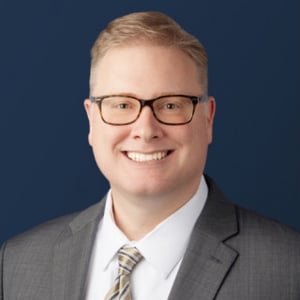
Senior Legal Fellow, Pacific Legal Foundation
Steve Davis is a Senior Legal Fellow in Pacific Legal Foundation’s Constitutional Scholarship group and chair's the Federalist Society's Property Rights Practice Group Executive Committee. Steve’s work at PLF focuses on the study of the U.S. Constitution’s protection of property rights, and he plans and conducts Pacific Legal Foundation-sponsored conferences, symposia, and academic workshops on property rights issues and the Constitution. He enjoys pursuing constitutional scholarship research, writing, and speaking and is a frequent speaker at law and history seminars.
Prior to joining PLF, Steve litigated all stages of property rights cases in federal trial and appellate courts in private practice at large and small law firms. He filed property rights claims on behalf of hundreds of private property owners who own land in over a dozen states against the federal government, litigating those claims through trial and appeal. He also maintained a robust amicus-party practice in the U.S. Supreme Court, filing briefs on behalf of many legal scholars and public-interest groups.
Beginning in 2006, Steve served as an Assistant United States Attorney for the Eastern District of Missouri, litigating civil rights, constitutional tort, tort, and employment discrimination claims in federal district court and the Eighth Circuit Court of Appeals.
Following law school, Steve began his legal career pursing his passion for public policy and the legislative process in the Missouri legislature, where he served first as chief of staff to the minority leader of the Missouri House of Representatives and then was twice elected by the members of the House as the House’s 62nd Chief Clerk and Administrator.
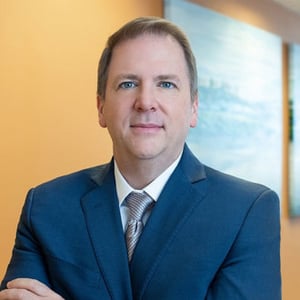
Partner, Stinson LLP
Chuck draws on 25 years’ experience litigating and negotiating very high profile cases, primarily involving some sort of government action, to help offer clients a broad and insightful perspective on Missouri's government and judiciary.
In its annual 100+ List, The Missouri Times newspaper said: Chuck Hatfield's "time at the highest levels of state government have made him very sought after as an attorney in private practice. There is probably no attorney who knows more members of the judiciary and the executive branch in the state. He is also known for his quick wit on social media and willingness to take on tough cases." He has personally handled more than a dozen major cases before the Missouri Supreme Court. Chuck regularly appears before administrative agencies as well as trial and appellate courts at both the state and federal levels.
In his regulatory practice, Chuck has handled matters involving every department of Missouri government. As an outgrowth of his regulatory- based litigation, Chuck is a highly rated commercial litigator. He defends complex high-stakes litigation including class actions involving regulated industries such as securities, insurance and merchandising practices. He chairs the firm’s Financial Services and Class Action Litigation division and its Government Solutions group.
Chuck understands the importance of providing great legal service and value to his clients. As an attorney certified in Legal Project Management (LPM), he has been trained in matter budgeting and management in order to provide transparency and efficiency to his clients.
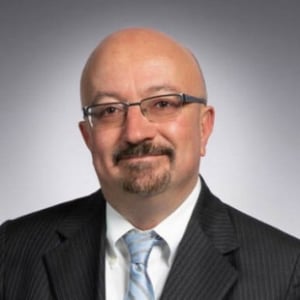
Earl F. Nelson Professor of Law, University of Missouri at Columbia School of Law
Gary Myers is the Earl F. Nelson Professor of Law at the School of Law. Myers received his juris doctor with honors from Duke University School of Law and graduated summa cum laudewith a bachelor’s degree in economics from New York University. He also earned an MA in economics from the Duke University Graduate School as part of a joint degree program while at Duke. Myers was an article editor on the Duke Law Journaland was a member of the Moot Court Board. After graduation, he served as a law clerk for Judge Gerald Tjoflat of the U.S. Court of Appeals for the Eleventh Circuit in Jacksonville, Fla. He then practiced complex commercial litigation with the Atlanta law firm of Powell, Goldstein, Frazer & Murphy, which has since merged with the Bryan Cave law firm.
Before serving as the sixteenth dean at the School of Law from 2012 to 2016, Myers was a long-time member of the faculty at the University of Mississippi School of Law. At Mississippi, Myers held the Ray & Louise Stewart Lectureship and served as its first associate dean for research. Myers has been a visiting professor of law at the College of William & Mary School of Law and Tulane University School of Law. He also served as a Distinguished Visiting Professor of Law at the Loyola University School of Law in New Orleans.
Myers is an elected member of the American Law Institute, a member of the American Law and Economics Association, and a member of the American Intellectual Property Law Association. He is the author or coauthor of a series of five books: (1) Intellectual Property: Cases & Materials (West 4th edition 2012); (2) Principles of Intellectual Property (West 2d edition 2012); (3) Entertainment Law: Cases & Materials (West 5th edition 2016); (4) Intellectual Property: Questions & Answers (LexisNexis 2d edition 2014); and (5) The Intersection of Intellectual Property & Antitrust Law (West 2007). He is also the author of more than a dozen articles, including publications in the Duke Law Journal, the Minnesota Law Review, the Washington & Lee Law Review, the Columbia-VLA Journal of Law & the Arts and the Journal of Intellectual Property Law.
Co-Chair, Republican National Lawyers Association
Jennifer Bukowsky is a syndicated talk radio host, Co-Chair of the Republican National Lawyers Association, and Vice-Chair of the Missouri Republican Party.
An accomplished criminal defense attorney, Jennifer has handled more than 1,400 cases ranging from trespass to first-degree murder. She clerked for Missouri Supreme Court Judge Mary R. Russell, served as an Assistant Public Defender, and later built her own firm before launching Show-Me Defenders in 2021.
Her contributions have been widely recognized with awards including the David J. Dixon Appellate Advocacy Award, the President’s Service Award from the Missouri Association of Criminal Defense Attorneys, the Distinguished Recent Alumni Award from the University of Missouri School of Law, and “20 Under 40” honors from the Columbia Business Times. She has helped shape Missouri law as a member of committees that revised the Criminal Code and drafted the state’s expungement bill—both now enacted.
A leader in conservative legal circles, Jennifer serves on the Missouri Supreme Court’s Task Force on Criminal Justice and the Show-Me Institute Board, previously taught the Innocence Clinic at Mizzou, and has deployed multiple times as an election attorney for the Republican National Lawyers Association.
A University of Missouri School of Law graduate with highest honors and Order of the Coif membership, she also holds bachelor’s and master’s degrees in accountancy and is a licensed CPA. She lives in Columbia, Missouri, with her husband and two sons.
Senior Legal Fellow, Pacific Legal Foundation
Steve Davis is a Senior Legal Fellow in Pacific Legal Foundation’s Constitutional Scholarship group and chair's the Federalist Society's Property Rights Practice Group Executive Committee. Steve’s work at PLF focuses on the study of the U.S. Constitution’s protection of property rights, and he plans and conducts Pacific Legal Foundation-sponsored conferences, symposia, and academic workshops on property rights issues and the Constitution. He enjoys pursuing constitutional scholarship research, writing, and speaking and is a frequent speaker at law and history seminars.
Prior to joining PLF, Steve litigated all stages of property rights cases in federal trial and appellate courts in private practice at large and small law firms. He filed property rights claims on behalf of hundreds of private property owners who own land in over a dozen states against the federal government, litigating those claims through trial and appeal. He also maintained a robust amicus-party practice in the U.S. Supreme Court, filing briefs on behalf of many legal scholars and public-interest groups.
Beginning in 2006, Steve served as an Assistant United States Attorney for the Eastern District of Missouri, litigating civil rights, constitutional tort, tort, and employment discrimination claims in federal district court and the Eighth Circuit Court of Appeals.
Following law school, Steve began his legal career pursing his passion for public policy and the legislative process in the Missouri legislature, where he served first as chief of staff to the minority leader of the Missouri House of Representatives and then was twice elected by the members of the House as the House’s 62nd Chief Clerk and Administrator.
Partner, Stinson LLP
Chuck draws on 25 years’ experience litigating and negotiating very high profile cases, primarily involving some sort of government action, to help offer clients a broad and insightful perspective on Missouri's government and judiciary.
In its annual 100+ List, The Missouri Times newspaper said: Chuck Hatfield's "time at the highest levels of state government have made him very sought after as an attorney in private practice. There is probably no attorney who knows more members of the judiciary and the executive branch in the state. He is also known for his quick wit on social media and willingness to take on tough cases." He has personally handled more than a dozen major cases before the Missouri Supreme Court. Chuck regularly appears before administrative agencies as well as trial and appellate courts at both the state and federal levels.
In his regulatory practice, Chuck has handled matters involving every department of Missouri government. As an outgrowth of his regulatory- based litigation, Chuck is a highly rated commercial litigator. He defends complex high-stakes litigation including class actions involving regulated industries such as securities, insurance and merchandising practices. He chairs the firm’s Financial Services and Class Action Litigation division and its Government Solutions group.
Chuck understands the importance of providing great legal service and value to his clients. As an attorney certified in Legal Project Management (LPM), he has been trained in matter budgeting and management in order to provide transparency and efficiency to his clients.
Earl F. Nelson Professor of Law, University of Missouri at Columbia School of Law
Gary Myers is the Earl F. Nelson Professor of Law at the School of Law. Myers received his juris doctor with honors from Duke University School of Law and graduated summa cum laudewith a bachelor’s degree in economics from New York University. He also earned an MA in economics from the Duke University Graduate School as part of a joint degree program while at Duke. Myers was an article editor on the Duke Law Journaland was a member of the Moot Court Board. After graduation, he served as a law clerk for Judge Gerald Tjoflat of the U.S. Court of Appeals for the Eleventh Circuit in Jacksonville, Fla. He then practiced complex commercial litigation with the Atlanta law firm of Powell, Goldstein, Frazer & Murphy, which has since merged with the Bryan Cave law firm.
Before serving as the sixteenth dean at the School of Law from 2012 to 2016, Myers was a long-time member of the faculty at the University of Mississippi School of Law. At Mississippi, Myers held the Ray & Louise Stewart Lectureship and served as its first associate dean for research. Myers has been a visiting professor of law at the College of William & Mary School of Law and Tulane University School of Law. He also served as a Distinguished Visiting Professor of Law at the Loyola University School of Law in New Orleans.
Myers is an elected member of the American Law Institute, a member of the American Law and Economics Association, and a member of the American Intellectual Property Law Association. He is the author or coauthor of a series of five books: (1) Intellectual Property: Cases & Materials (West 4th edition 2012); (2) Principles of Intellectual Property (West 2d edition 2012); (3) Entertainment Law: Cases & Materials (West 5th edition 2016); (4) Intellectual Property: Questions & Answers (LexisNexis 2d edition 2014); and (5) The Intersection of Intellectual Property & Antitrust Law (West 2007). He is also the author of more than a dozen articles, including publications in the Duke Law Journal, the Minnesota Law Review, the Washington & Lee Law Review, the Columbia-VLA Journal of Law & the Arts and the Journal of Intellectual Property Law.
Co-Chair, Republican National Lawyers Association
Jennifer Bukowsky is a syndicated talk radio host, Co-Chair of the Republican National Lawyers Association, and Vice-Chair of the Missouri Republican Party.
An accomplished criminal defense attorney, Jennifer has handled more than 1,400 cases ranging from trespass to first-degree murder. She clerked for Missouri Supreme Court Judge Mary R. Russell, served as an Assistant Public Defender, and later built her own firm before launching Show-Me Defenders in 2021.
Her contributions have been widely recognized with awards including the David J. Dixon Appellate Advocacy Award, the President’s Service Award from the Missouri Association of Criminal Defense Attorneys, the Distinguished Recent Alumni Award from the University of Missouri School of Law, and “20 Under 40” honors from the Columbia Business Times. She has helped shape Missouri law as a member of committees that revised the Criminal Code and drafted the state’s expungement bill—both now enacted.
A leader in conservative legal circles, Jennifer serves on the Missouri Supreme Court’s Task Force on Criminal Justice and the Show-Me Institute Board, previously taught the Innocence Clinic at Mizzou, and has deployed multiple times as an election attorney for the Republican National Lawyers Association.
A University of Missouri School of Law graduate with highest honors and Order of the Coif membership, she also holds bachelor’s and master’s degrees in accountancy and is a licensed CPA. She lives in Columbia, Missouri, with her husband and two sons.
Senior Legal Fellow, Pacific Legal Foundation
Steve Davis is a Senior Legal Fellow in Pacific Legal Foundation’s Constitutional Scholarship group and chair's the Federalist Society's Property Rights Practice Group Executive Committee. Steve’s work at PLF focuses on the study of the U.S. Constitution’s protection of property rights, and he plans and conducts Pacific Legal Foundation-sponsored conferences, symposia, and academic workshops on property rights issues and the Constitution. He enjoys pursuing constitutional scholarship research, writing, and speaking and is a frequent speaker at law and history seminars.
Prior to joining PLF, Steve litigated all stages of property rights cases in federal trial and appellate courts in private practice at large and small law firms. He filed property rights claims on behalf of hundreds of private property owners who own land in over a dozen states against the federal government, litigating those claims through trial and appeal. He also maintained a robust amicus-party practice in the U.S. Supreme Court, filing briefs on behalf of many legal scholars and public-interest groups.
Beginning in 2006, Steve served as an Assistant United States Attorney for the Eastern District of Missouri, litigating civil rights, constitutional tort, tort, and employment discrimination claims in federal district court and the Eighth Circuit Court of Appeals.
Following law school, Steve began his legal career pursing his passion for public policy and the legislative process in the Missouri legislature, where he served first as chief of staff to the minority leader of the Missouri House of Representatives and then was twice elected by the members of the House as the House’s 62nd Chief Clerk and Administrator.
Partner, Stinson LLP
Chuck draws on 25 years’ experience litigating and negotiating very high profile cases, primarily involving some sort of government action, to help offer clients a broad and insightful perspective on Missouri's government and judiciary.
In its annual 100+ List, The Missouri Times newspaper said: Chuck Hatfield's "time at the highest levels of state government have made him very sought after as an attorney in private practice. There is probably no attorney who knows more members of the judiciary and the executive branch in the state. He is also known for his quick wit on social media and willingness to take on tough cases." He has personally handled more than a dozen major cases before the Missouri Supreme Court. Chuck regularly appears before administrative agencies as well as trial and appellate courts at both the state and federal levels.
In his regulatory practice, Chuck has handled matters involving every department of Missouri government. As an outgrowth of his regulatory- based litigation, Chuck is a highly rated commercial litigator. He defends complex high-stakes litigation including class actions involving regulated industries such as securities, insurance and merchandising practices. He chairs the firm’s Financial Services and Class Action Litigation division and its Government Solutions group.
Chuck understands the importance of providing great legal service and value to his clients. As an attorney certified in Legal Project Management (LPM), he has been trained in matter budgeting and management in order to provide transparency and efficiency to his clients.
Earl F. Nelson Professor of Law, University of Missouri at Columbia School of Law
Gary Myers is the Earl F. Nelson Professor of Law at the School of Law. Myers received his juris doctor with honors from Duke University School of Law and graduated summa cum laudewith a bachelor’s degree in economics from New York University. He also earned an MA in economics from the Duke University Graduate School as part of a joint degree program while at Duke. Myers was an article editor on the Duke Law Journaland was a member of the Moot Court Board. After graduation, he served as a law clerk for Judge Gerald Tjoflat of the U.S. Court of Appeals for the Eleventh Circuit in Jacksonville, Fla. He then practiced complex commercial litigation with the Atlanta law firm of Powell, Goldstein, Frazer & Murphy, which has since merged with the Bryan Cave law firm.
Before serving as the sixteenth dean at the School of Law from 2012 to 2016, Myers was a long-time member of the faculty at the University of Mississippi School of Law. At Mississippi, Myers held the Ray & Louise Stewart Lectureship and served as its first associate dean for research. Myers has been a visiting professor of law at the College of William & Mary School of Law and Tulane University School of Law. He also served as a Distinguished Visiting Professor of Law at the Loyola University School of Law in New Orleans.
Myers is an elected member of the American Law Institute, a member of the American Law and Economics Association, and a member of the American Intellectual Property Law Association. He is the author or coauthor of a series of five books: (1) Intellectual Property: Cases & Materials (West 4th edition 2012); (2) Principles of Intellectual Property (West 2d edition 2012); (3) Entertainment Law: Cases & Materials (West 5th edition 2016); (4) Intellectual Property: Questions & Answers (LexisNexis 2d edition 2014); and (5) The Intersection of Intellectual Property & Antitrust Law (West 2007). He is also the author of more than a dozen articles, including publications in the Duke Law Journal, the Minnesota Law Review, the Washington & Lee Law Review, the Columbia-VLA Journal of Law & the Arts and the Journal of Intellectual Property Law.

Switchbacks at the DOJ: the Sessions, Brand, and Garland Memos
TeleforumTopics
The Incoherence of the Biden Administration’s Labor-Market Policies
The Biden administration is pushing two irreconcilable theories about labor markets. One theory argues that...
Inside the Department of Justice
Georgetown Law Student Chapter
Washington, DCInside the DOJ
George Washington Student Chapter
Washington, DCInside the Department of Justice
Chicago Student Chapter
Chicago, ILInside the DOJ
Ohio Northern Student Chapter
Ada, OHPanel Two: Defending Unpopular Clients: The Ethics of Targeting Attorneys, Firms, and Clients for Reprisals
Jennifer K. Bukowsky, Stephen Davis, Charles Hatfield, Gary Myers
The 2022 Missouri Chapters Conference took place on January 24, 2022, at the Missouri State...
Panel Two: Defending Unpopular Clients: The Ethics of Targeting Attorneys, Firms, and Clients for Reprisals
Jennifer K. Bukowsky, Stephen Davis, Charles Hatfield, Gary Myers
The 2022 Missouri Chapters Conference took place on January 24, 2022, at the Missouri State...
Inside the Department of Justice
Indiana-Bloomington Student Chapter
Bloomington, INPanel Two: Defending Unpopular Clients: The Ethics of Targeting Attorneys, Firms, and Clients for Reprisals
2022 Missouri Chapters Conference
Jefferson City, MO