
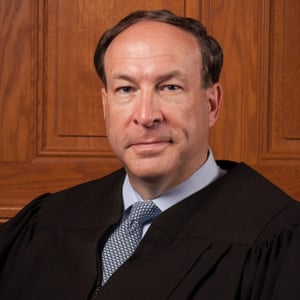
Judge, United States Court of Appeals, Seventh Circuit
Michael B. Brennan was confirmed and sworn in as a Circuit Judge for the U.S. Court of Appeals for the Seventh Circuit in May 2018.
He previously worked as a partner in the Milwaukee law firm of Gass Weber Mullins LLC, where he tried cases and handled appeals in federal and state courts, as a judge on the Milwaukee County Circuit, where he presided over a variety of criminal and civil calendars, and as an assistant district attorney in the Milwaukee County District Attorney’s office.
Brennan’s undergraduate degree is from the University of Notre Dame, and his law degree from Northwestern University School of Law, where he was an editor on the law review and the moot court champion. He served as a law clerk on the U.S. District Court for the Eastern District of Wisconsin and the U.S. Court of Appeals for the Seventh Circuit.
Senior Advisor to the Regional Administrator, United States Environmental Protection Agency
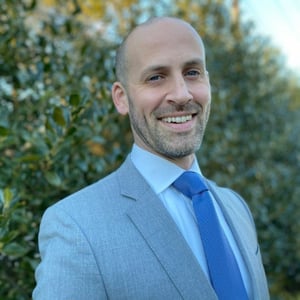
Partner, Lehotsky Keller LLP
The New York Times recognized Scott A. Keller as a “legal heavyweight,” who “is praised by opponents as a formidable advocate.”
Mr. Keller has argued 12 cases before the U.S. Supreme Court and 12 cases before the Texas Supreme Court. He is the only practicing lawyer to have argued at least 10 cases in both courts. Mr. Keller frequently represents parties in high stakes appeals, and he has argued many cases in federal courts of appeals throughout the nation. He has earned individual accolades from Lawdragon 500 Leading Litigators in America, Chambers, Legal 500, The American Lawyer, The National Law Journal, Law360, Super Lawyers, The Best Lawyers in America, and other publications.
Before founding Lehotsky Keller Cohn LLP, Mr. Keller headed Baker Botts LLP’s Supreme Court Practice. He also has significant experience at the highest levels in all three branches of government. Mr. Keller served as the Solicitor General of Texas, the State’s chief appellate litigator. He was U.S. Senator Ted Cruz’s chief counsel on the Senate Judiciary Committee. Mr. Keller was a law clerk for Justice Anthony Kennedy of the Supreme Court of the United States and Chief Judge Alex Kozinski of the U.S. Court of Appeals for the Ninth Circuit. He was also a Bristow Fellow in the U.S. Department of Justice’s Office of the Solicitor General.
Mr. Keller represents clients in cases where public communications strategy is crucial, and he has made numerous media appearances in major outlets such as The New York Times, The Wall Street Journal, BBC, Fox News, NPR, and Politico. As a sought after speaker and writer, Mr. Keller’s articles have appeared in the Stanford Law Review, Virginia Law Review, and Texas Law Review. He has also served as an adjunct professor of constitutional litigation, Supreme Court practice, and federal courts at the University of Texas School of Law.
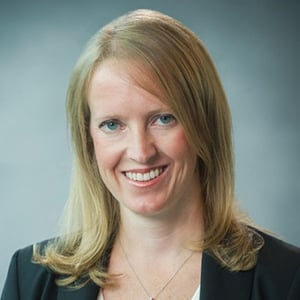
Partner, Clement & Murphy, PLLC
Erin Murphy is founding partner of Clement & Murphy, PLLC. She is widely recognized as one of the nation’s leading Supreme Court and appellate advocates. She has argued dozens of cases in appellate and trial courts throughout the country, including the Supreme Court and nearly all of the federal courts of appeals. Erin has long been ranked by Chambers & Partners rankings as a leading appellate practitioner, and the National Law Journal has named her one of the nation’s “Outstanding Women Lawyers.” Erin also has an active pro bono practice, through which she has successfully represented many religious organizations and adherents, criminal defendants, asylum applicants, adoptive parents, and more.
Erin is an adjunct professor at her alma mater the Georgetown University Law Center, a member and former officer of the Edward Coke Appellate Inn of Court, and a frequent speaker on topics relating to the Supreme Court and appellate advocacy. In her spare time, Erin serves on the board of directors of Street Law.

Senior Fellow and Director of Constitutional Studies, Manhattan Institute
Ilya Shapiro is a senior fellow and director of constitutional studies at the Manhattan Institute and a contributing editor of City Journal. Previously he was executive director and senior lecturer at the Georgetown Center for the Constitution, and before that a vice president of the Cato Institute.
Shapiro is the author of Lawless: The Miseducation of America’s Elites (2025) and Supreme Disorder: Judicial Nominations and the Politics of America’s Highest Court (2020), coauthor of Religious Liberties for Corporations? (2014), and editor of 11 volumes of the Cato Supreme Court Review (2008-18). He has contributed to a variety of academic, popular, and professional publications, including the Wall Street Journal, Harvard Journal of Law & Public Policy, Washington Post, Los Angeles Times, USA Today, National Review, and Newsweek. He also regularly provides commentary for various media outlets, writes the Shapiro’s Gavel newsletter on Substack, and once appeared on the Colbert Report.
Shapiro has testified many times before Congress and state legislatures and has filed more than 500 amicus curiae “friend of the court” briefs in the Supreme Court. He lectures regularly on behalf of the Federalist Society, is a member of the board of fellows of the Jewish Policy Center, was an inaugural Washington Fellow at the National Review Institute, and has been an adjunct law professor at the George Washington University and University of Mississippi. He is also the chairman of the board of advisers of the Mississippi Justice Institute, a barrister in the Edward Coke Appellate Inn of Court, and a former member of the Virginia Advisory Committee to the U.S. Commission on Civil Rights.
Earlier in his career, Shapiro was a special assistant/adviser to the Multi-National Force in Iraq on rule-of-law issues and practiced at Patton Boggs and Cleary Gottlieb. Before entering private practice, he clerked for Judge E. Grady Jolly of the U.S. Court of Appeals for the Fifth Circuit. He holds an AB from Princeton University, an MSc from the London School of Economics, and a JD from the University of Chicago Law School.
Judge, United States Court of Appeals, Seventh Circuit
Michael B. Brennan was confirmed and sworn in as a Circuit Judge for the U.S. Court of Appeals for the Seventh Circuit in May 2018.
He previously worked as a partner in the Milwaukee law firm of Gass Weber Mullins LLC, where he tried cases and handled appeals in federal and state courts, as a judge on the Milwaukee County Circuit, where he presided over a variety of criminal and civil calendars, and as an assistant district attorney in the Milwaukee County District Attorney’s office.
Brennan’s undergraduate degree is from the University of Notre Dame, and his law degree from Northwestern University School of Law, where he was an editor on the law review and the moot court champion. He served as a law clerk on the U.S. District Court for the Eastern District of Wisconsin and the U.S. Court of Appeals for the Seventh Circuit.
Senior Advisor to the Regional Administrator, United States Environmental Protection Agency
Partner, Lehotsky Keller LLP
The New York Times recognized Scott A. Keller as a “legal heavyweight,” who “is praised by opponents as a formidable advocate.”
Mr. Keller has argued 12 cases before the U.S. Supreme Court and 12 cases before the Texas Supreme Court. He is the only practicing lawyer to have argued at least 10 cases in both courts. Mr. Keller frequently represents parties in high stakes appeals, and he has argued many cases in federal courts of appeals throughout the nation. He has earned individual accolades from Lawdragon 500 Leading Litigators in America, Chambers, Legal 500, The American Lawyer, The National Law Journal, Law360, Super Lawyers, The Best Lawyers in America, and other publications.
Before founding Lehotsky Keller Cohn LLP, Mr. Keller headed Baker Botts LLP’s Supreme Court Practice. He also has significant experience at the highest levels in all three branches of government. Mr. Keller served as the Solicitor General of Texas, the State’s chief appellate litigator. He was U.S. Senator Ted Cruz’s chief counsel on the Senate Judiciary Committee. Mr. Keller was a law clerk for Justice Anthony Kennedy of the Supreme Court of the United States and Chief Judge Alex Kozinski of the U.S. Court of Appeals for the Ninth Circuit. He was also a Bristow Fellow in the U.S. Department of Justice’s Office of the Solicitor General.
Mr. Keller represents clients in cases where public communications strategy is crucial, and he has made numerous media appearances in major outlets such as The New York Times, The Wall Street Journal, BBC, Fox News, NPR, and Politico. As a sought after speaker and writer, Mr. Keller’s articles have appeared in the Stanford Law Review, Virginia Law Review, and Texas Law Review. He has also served as an adjunct professor of constitutional litigation, Supreme Court practice, and federal courts at the University of Texas School of Law.
Partner, Clement & Murphy, PLLC
Erin Murphy is founding partner of Clement & Murphy, PLLC. She is widely recognized as one of the nation’s leading Supreme Court and appellate advocates. She has argued dozens of cases in appellate and trial courts throughout the country, including the Supreme Court and nearly all of the federal courts of appeals. Erin has long been ranked by Chambers & Partners rankings as a leading appellate practitioner, and the National Law Journal has named her one of the nation’s “Outstanding Women Lawyers.” Erin also has an active pro bono practice, through which she has successfully represented many religious organizations and adherents, criminal defendants, asylum applicants, adoptive parents, and more.
Erin is an adjunct professor at her alma mater the Georgetown University Law Center, a member and former officer of the Edward Coke Appellate Inn of Court, and a frequent speaker on topics relating to the Supreme Court and appellate advocacy. In her spare time, Erin serves on the board of directors of Street Law.
Senior Fellow and Director of Constitutional Studies, Manhattan Institute
Ilya Shapiro is a senior fellow and director of constitutional studies at the Manhattan Institute and a contributing editor of City Journal. Previously he was executive director and senior lecturer at the Georgetown Center for the Constitution, and before that a vice president of the Cato Institute.
Shapiro is the author of Lawless: The Miseducation of America’s Elites (2025) and Supreme Disorder: Judicial Nominations and the Politics of America’s Highest Court (2020), coauthor of Religious Liberties for Corporations? (2014), and editor of 11 volumes of the Cato Supreme Court Review (2008-18). He has contributed to a variety of academic, popular, and professional publications, including the Wall Street Journal, Harvard Journal of Law & Public Policy, Washington Post, Los Angeles Times, USA Today, National Review, and Newsweek. He also regularly provides commentary for various media outlets, writes the Shapiro’s Gavel newsletter on Substack, and once appeared on the Colbert Report.
Shapiro has testified many times before Congress and state legislatures and has filed more than 500 amicus curiae “friend of the court” briefs in the Supreme Court. He lectures regularly on behalf of the Federalist Society, is a member of the board of fellows of the Jewish Policy Center, was an inaugural Washington Fellow at the National Review Institute, and has been an adjunct law professor at the George Washington University and University of Mississippi. He is also the chairman of the board of advisers of the Mississippi Justice Institute, a barrister in the Edward Coke Appellate Inn of Court, and a former member of the Virginia Advisory Committee to the U.S. Commission on Civil Rights.
Earlier in his career, Shapiro was a special assistant/adviser to the Multi-National Force in Iraq on rule-of-law issues and practiced at Patton Boggs and Cleary Gottlieb. Before entering private practice, he clerked for Judge E. Grady Jolly of the U.S. Court of Appeals for the Fifth Circuit. He holds an AB from Princeton University, an MSc from the London School of Economics, and a JD from the University of Chicago Law School.
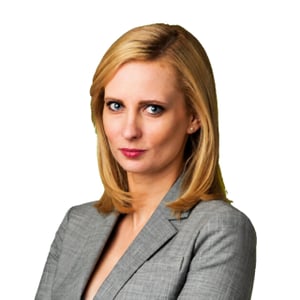
Executive Director, Committee for Justice
Ashley Baker is Executive Director of the Committee for Justice and founder of the Alliance on Antitrust coalition. Her work focuses on antitrust law, technology regulation, administrative-agency authority, the Supreme Court, and judicial nominations. She closely follows the Federal Trade Commission and the Department of Justice’s Antitrust Division, with particular attention to merger review, agency procedure, and the effects of regulation on American innovation and competitiveness. She is also founder of the Alliance on Antitrust Coalition.
Ashley has testified before the United States Senate on antitrust law. Her writing has appeared in Fox News, USA Today, The Boston Globe, The Hill, RealClearPolitics, The American Spectator, and other national publications. She also provides policy analysis through congressional testimony and correspondence, regulatory comments, and public commentary.
Ashley serves on the Federalist Society’s Regulatory Transparency Project and Antitrust and Consumer Protection Practice Group Executive Committee. She is also active in the Republican National Lawyers Association and has spoken on the Supreme Court and the federal judiciary. An authority on the judicial-confirmation process, she worked closely on the successful confirmation efforts for Justices Neil Gorsuch and Brett Kavanaugh, as well as multiple federal appellate judges.
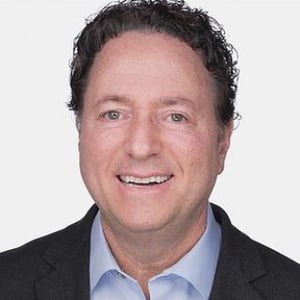
President, Committee for Justice
Curt Levey is President of the Committee For Justice, an organization devoted to advancing constitutionally limited government and individual liberty. He is a veteran of Supreme Court and other judicial confirmation battles and serves on the executive committee of the Federalist Society's Civil Rights Practice Group.
After graduating Harvard Law School with honors and clerking for the U.S. Court of Appeals for the Sixth Circuit, Mr. Levey served as Director of Legal & Public Affairs at the Center for Individual Rights (CIR). There he worked on landmark Supreme Court cases, including the University of Michigan affirmative action cases and the successful constitutional challenge to the Violence Against Women Act. After CIR, Mr. Levey headed the Title IX policy group at the U.S. Department of Education.
Before attending law school, Mr. Levey earned an M.S. and B.A. in computer science from Brown University and worked in the field of artificial intelligence (AI). He invented a new type of AI technology, for which he wrote a successful patent application.
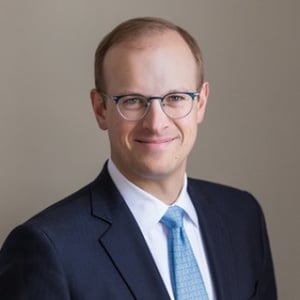
Partner, Consovoy McCarthy Park PLLC
Jeffrey Harris is an experienced litigator who focuses on constitutional, appellate, and regulatory matters. He is currently a partner at Consovoy McCarthy Park PLLC. In 2015, he was named to the Legal Times list of “D.C.’s Rising Stars,” which identified “some of the most accomplished young attorneys in the D.C. area.” Mr. Harris previously served as Associate Administrator of the Office of Information and Regulatory Affairs (OIRA). In that role, he was second in charge of the 50-person office within the Executive Office of the President that reviews all significant federal regulatory actions and coordinates regulatory policy across the federal government.
Before his government service, Mr. Harris was a partner at Bancroft PLLC and Kirkland & Ellis LLP, where his practice focused on Supreme Court, appellate, and complex litigation. Mr. Harris has extensive experience litigating before the U.S. Supreme Court. He has been the lead drafter of more than 100 merits briefs, amicus briefs, and certiorari-stage briefs, and he has contributed to 10 wins in cases before the Court.
Mr. Harris has also litigated numerous high-profile cases in the federal courts of appeals, federal and state trial courts, administrative agencies, and arbitral tribunals. He has successfully argued before the U.S. Courts of Appeals for the Sixth, Ninth, Eleventh, and D.C. Circuits, achieving wins on behalf of airlines, telecommunications providers, and pro bono clients. He has also argued numerous dispositive motions in federal district court and has participated in the trial of a significant voting rights case.
Mr. Harris served as a law clerk to Chief Justice John G. Roberts, Jr., of the U.S. Supreme Court, and Judges David Sentelle and Laurence Silberman of the U.S. Court of Appeals for the D.C. Circuit. He earned his J.D. magna cum laude from Harvard Law School and his A.B. magna cum laude from Georgetown University. He is a member of the District of Columbia and Virginia bars.
Judge, United States Court of Appeals, Seventh Circuit
Michael B. Brennan was confirmed and sworn in as a Circuit Judge for the U.S. Court of Appeals for the Seventh Circuit in May 2018.
He previously worked as a partner in the Milwaukee law firm of Gass Weber Mullins LLC, where he tried cases and handled appeals in federal and state courts, as a judge on the Milwaukee County Circuit, where he presided over a variety of criminal and civil calendars, and as an assistant district attorney in the Milwaukee County District Attorney’s office.
Brennan’s undergraduate degree is from the University of Notre Dame, and his law degree from Northwestern University School of Law, where he was an editor on the law review and the moot court champion. He served as a law clerk on the U.S. District Court for the Eastern District of Wisconsin and the U.S. Court of Appeals for the Seventh Circuit.
Senior Advisor to the Regional Administrator, United States Environmental Protection Agency
Partner, Lehotsky Keller LLP
The New York Times recognized Scott A. Keller as a “legal heavyweight,” who “is praised by opponents as a formidable advocate.”
Mr. Keller has argued 12 cases before the U.S. Supreme Court and 12 cases before the Texas Supreme Court. He is the only practicing lawyer to have argued at least 10 cases in both courts. Mr. Keller frequently represents parties in high stakes appeals, and he has argued many cases in federal courts of appeals throughout the nation. He has earned individual accolades from Lawdragon 500 Leading Litigators in America, Chambers, Legal 500, The American Lawyer, The National Law Journal, Law360, Super Lawyers, The Best Lawyers in America, and other publications.
Before founding Lehotsky Keller Cohn LLP, Mr. Keller headed Baker Botts LLP’s Supreme Court Practice. He also has significant experience at the highest levels in all three branches of government. Mr. Keller served as the Solicitor General of Texas, the State’s chief appellate litigator. He was U.S. Senator Ted Cruz’s chief counsel on the Senate Judiciary Committee. Mr. Keller was a law clerk for Justice Anthony Kennedy of the Supreme Court of the United States and Chief Judge Alex Kozinski of the U.S. Court of Appeals for the Ninth Circuit. He was also a Bristow Fellow in the U.S. Department of Justice’s Office of the Solicitor General.
Mr. Keller represents clients in cases where public communications strategy is crucial, and he has made numerous media appearances in major outlets such as The New York Times, The Wall Street Journal, BBC, Fox News, NPR, and Politico. As a sought after speaker and writer, Mr. Keller’s articles have appeared in the Stanford Law Review, Virginia Law Review, and Texas Law Review. He has also served as an adjunct professor of constitutional litigation, Supreme Court practice, and federal courts at the University of Texas School of Law.
Partner, Clement & Murphy, PLLC
Erin Murphy is founding partner of Clement & Murphy, PLLC. She is widely recognized as one of the nation’s leading Supreme Court and appellate advocates. She has argued dozens of cases in appellate and trial courts throughout the country, including the Supreme Court and nearly all of the federal courts of appeals. Erin has long been ranked by Chambers & Partners rankings as a leading appellate practitioner, and the National Law Journal has named her one of the nation’s “Outstanding Women Lawyers.” Erin also has an active pro bono practice, through which she has successfully represented many religious organizations and adherents, criminal defendants, asylum applicants, adoptive parents, and more.
Erin is an adjunct professor at her alma mater the Georgetown University Law Center, a member and former officer of the Edward Coke Appellate Inn of Court, and a frequent speaker on topics relating to the Supreme Court and appellate advocacy. In her spare time, Erin serves on the board of directors of Street Law.
Senior Fellow and Director of Constitutional Studies, Manhattan Institute
Ilya Shapiro is a senior fellow and director of constitutional studies at the Manhattan Institute and a contributing editor of City Journal. Previously he was executive director and senior lecturer at the Georgetown Center for the Constitution, and before that a vice president of the Cato Institute.
Shapiro is the author of Lawless: The Miseducation of America’s Elites (2025) and Supreme Disorder: Judicial Nominations and the Politics of America’s Highest Court (2020), coauthor of Religious Liberties for Corporations? (2014), and editor of 11 volumes of the Cato Supreme Court Review (2008-18). He has contributed to a variety of academic, popular, and professional publications, including the Wall Street Journal, Harvard Journal of Law & Public Policy, Washington Post, Los Angeles Times, USA Today, National Review, and Newsweek. He also regularly provides commentary for various media outlets, writes the Shapiro’s Gavel newsletter on Substack, and once appeared on the Colbert Report.
Shapiro has testified many times before Congress and state legislatures and has filed more than 500 amicus curiae “friend of the court” briefs in the Supreme Court. He lectures regularly on behalf of the Federalist Society, is a member of the board of fellows of the Jewish Policy Center, was an inaugural Washington Fellow at the National Review Institute, and has been an adjunct law professor at the George Washington University and University of Mississippi. He is also the chairman of the board of advisers of the Mississippi Justice Institute, a barrister in the Edward Coke Appellate Inn of Court, and a former member of the Virginia Advisory Committee to the U.S. Commission on Civil Rights.
Earlier in his career, Shapiro was a special assistant/adviser to the Multi-National Force in Iraq on rule-of-law issues and practiced at Patton Boggs and Cleary Gottlieb. Before entering private practice, he clerked for Judge E. Grady Jolly of the U.S. Court of Appeals for the Fifth Circuit. He holds an AB from Princeton University, an MSc from the London School of Economics, and a JD from the University of Chicago Law School.
Executive Director, Committee for Justice
Ashley Baker is Executive Director of the Committee for Justice and founder of the Alliance on Antitrust coalition. Her work focuses on antitrust law, technology regulation, administrative-agency authority, the Supreme Court, and judicial nominations. She closely follows the Federal Trade Commission and the Department of Justice’s Antitrust Division, with particular attention to merger review, agency procedure, and the effects of regulation on American innovation and competitiveness. She is also founder of the Alliance on Antitrust Coalition.
Ashley has testified before the United States Senate on antitrust law. Her writing has appeared in Fox News, USA Today, The Boston Globe, The Hill, RealClearPolitics, The American Spectator, and other national publications. She also provides policy analysis through congressional testimony and correspondence, regulatory comments, and public commentary.
Ashley serves on the Federalist Society’s Regulatory Transparency Project and Antitrust and Consumer Protection Practice Group Executive Committee. She is also active in the Republican National Lawyers Association and has spoken on the Supreme Court and the federal judiciary. An authority on the judicial-confirmation process, she worked closely on the successful confirmation efforts for Justices Neil Gorsuch and Brett Kavanaugh, as well as multiple federal appellate judges.
President, Committee for Justice
Curt Levey is President of the Committee For Justice, an organization devoted to advancing constitutionally limited government and individual liberty. He is a veteran of Supreme Court and other judicial confirmation battles and serves on the executive committee of the Federalist Society's Civil Rights Practice Group.
After graduating Harvard Law School with honors and clerking for the U.S. Court of Appeals for the Sixth Circuit, Mr. Levey served as Director of Legal & Public Affairs at the Center for Individual Rights (CIR). There he worked on landmark Supreme Court cases, including the University of Michigan affirmative action cases and the successful constitutional challenge to the Violence Against Women Act. After CIR, Mr. Levey headed the Title IX policy group at the U.S. Department of Education.
Before attending law school, Mr. Levey earned an M.S. and B.A. in computer science from Brown University and worked in the field of artificial intelligence (AI). He invented a new type of AI technology, for which he wrote a successful patent application.
Partner, Lehotsky Keller LLP
The New York Times recognized Scott A. Keller as a “legal heavyweight,” who “is praised by opponents as a formidable advocate.”
Mr. Keller has argued 12 cases before the U.S. Supreme Court and 12 cases before the Texas Supreme Court. He is the only practicing lawyer to have argued at least 10 cases in both courts. Mr. Keller frequently represents parties in high stakes appeals, and he has argued many cases in federal courts of appeals throughout the nation. He has earned individual accolades from Lawdragon 500 Leading Litigators in America, Chambers, Legal 500, The American Lawyer, The National Law Journal, Law360, Super Lawyers, The Best Lawyers in America, and other publications.
Before founding Lehotsky Keller Cohn LLP, Mr. Keller headed Baker Botts LLP’s Supreme Court Practice. He also has significant experience at the highest levels in all three branches of government. Mr. Keller served as the Solicitor General of Texas, the State’s chief appellate litigator. He was U.S. Senator Ted Cruz’s chief counsel on the Senate Judiciary Committee. Mr. Keller was a law clerk for Justice Anthony Kennedy of the Supreme Court of the United States and Chief Judge Alex Kozinski of the U.S. Court of Appeals for the Ninth Circuit. He was also a Bristow Fellow in the U.S. Department of Justice’s Office of the Solicitor General.
Mr. Keller represents clients in cases where public communications strategy is crucial, and he has made numerous media appearances in major outlets such as The New York Times, The Wall Street Journal, BBC, Fox News, NPR, and Politico. As a sought after speaker and writer, Mr. Keller’s articles have appeared in the Stanford Law Review, Virginia Law Review, and Texas Law Review. He has also served as an adjunct professor of constitutional litigation, Supreme Court practice, and federal courts at the University of Texas School of Law.
Partner, Lehotsky Keller LLP
The New York Times recognized Scott A. Keller as a “legal heavyweight,” who “is praised by opponents as a formidable advocate.”
Mr. Keller has argued 12 cases before the U.S. Supreme Court and 12 cases before the Texas Supreme Court. He is the only practicing lawyer to have argued at least 10 cases in both courts. Mr. Keller frequently represents parties in high stakes appeals, and he has argued many cases in federal courts of appeals throughout the nation. He has earned individual accolades from Lawdragon 500 Leading Litigators in America, Chambers, Legal 500, The American Lawyer, The National Law Journal, Law360, Super Lawyers, The Best Lawyers in America, and other publications.
Before founding Lehotsky Keller Cohn LLP, Mr. Keller headed Baker Botts LLP’s Supreme Court Practice. He also has significant experience at the highest levels in all three branches of government. Mr. Keller served as the Solicitor General of Texas, the State’s chief appellate litigator. He was U.S. Senator Ted Cruz’s chief counsel on the Senate Judiciary Committee. Mr. Keller was a law clerk for Justice Anthony Kennedy of the Supreme Court of the United States and Chief Judge Alex Kozinski of the U.S. Court of Appeals for the Ninth Circuit. He was also a Bristow Fellow in the U.S. Department of Justice’s Office of the Solicitor General.
Mr. Keller represents clients in cases where public communications strategy is crucial, and he has made numerous media appearances in major outlets such as The New York Times, The Wall Street Journal, BBC, Fox News, NPR, and Politico. As a sought after speaker and writer, Mr. Keller’s articles have appeared in the Stanford Law Review, Virginia Law Review, and Texas Law Review. He has also served as an adjunct professor of constitutional litigation, Supreme Court practice, and federal courts at the University of Texas School of Law.

Panel 3: The Anti-Federalists and the Court
Michael B. Brennan, Christopher Hage, Scott Allen Keller, Erin E. Murphy, Ilya Shapiro
On January 25, 2020, the Federalist Society hosted its annual Western Chapters Conference at the...
Panel 3: The Anti-Federalists and the Court
Michael B. Brennan, Christopher Hage, Scott Allen Keller, Erin E. Murphy, Ilya Shapiro
On January 25, 2020, the Federalist Society hosted its annual Western Chapters Conference at the...
Panel 3: The Anti-Federalists and the Court
2020 Annual Western Chapters Conference
Simi Valley, CATrade Secrets Litigation: Do Damages Awarded in Texas Case Have Broader Ramifications?
Ashley Baker, Curt Levey
Intellectual property (IP) theft has taken an increasingly prominent place in the news as various...
Trade Secrets Litigation: Do Damages Awarded in Texas Case Have Broader Ramifications?
TeleforumSupreme Court Round Up
Mineola, NYRestrict Nationwide Injunctions? A Discussion with Scott Keller and Tobias Wolff
Philadelphia, PAAtticus Finch and Civil Discourse
Dallas, TXAn Unconstitutional Attempt to Address Affordable Housing
Jeffrey M. Harris
Note from the Editor: The Federalist Society takes no positions on particular legal and public...
Topics
Iowa Supreme Court Extends Comment Deadline for ABA Model Rule 8.4(g): New Deadline December 30, 2019
The Iowa Supreme Court has extended its public comment period through 4:30 p.m., December 30,...