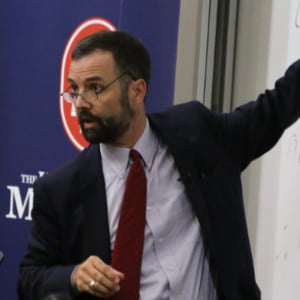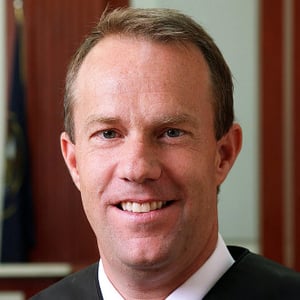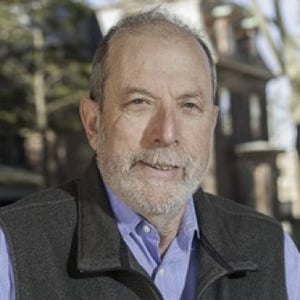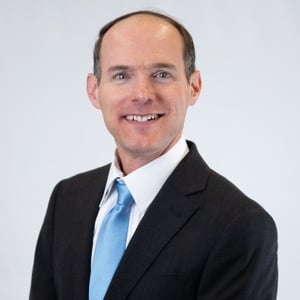
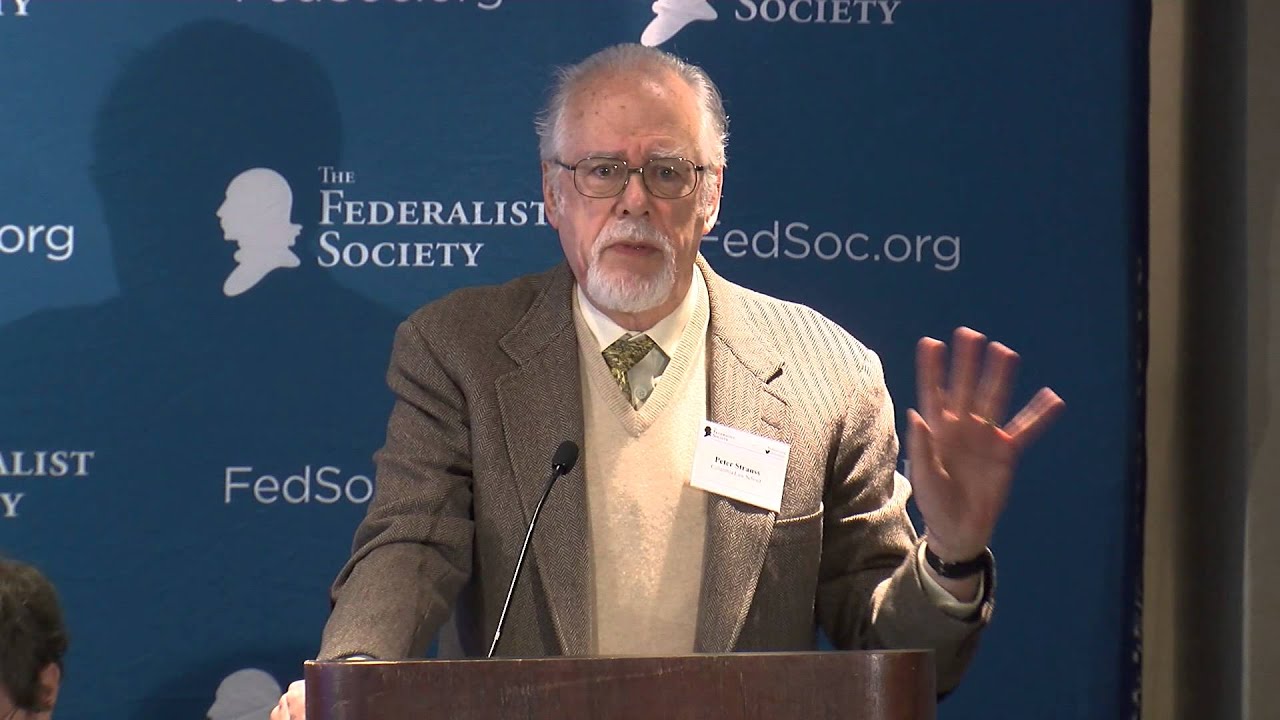
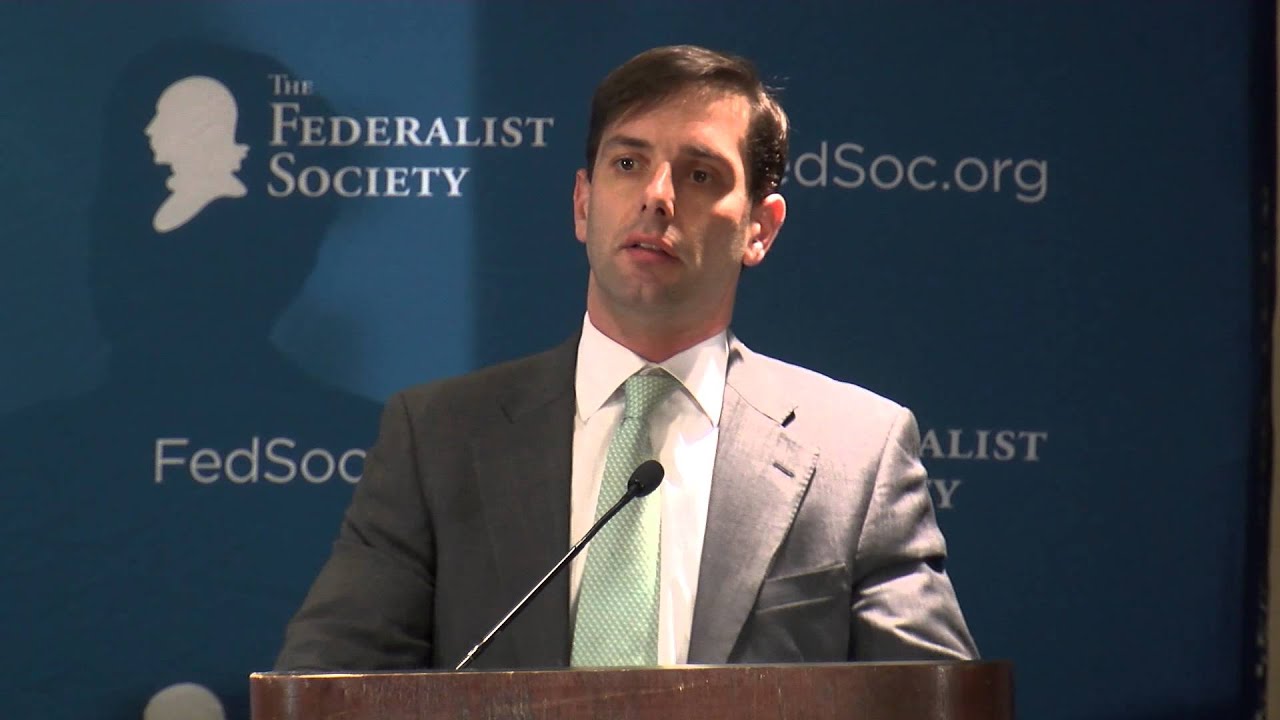
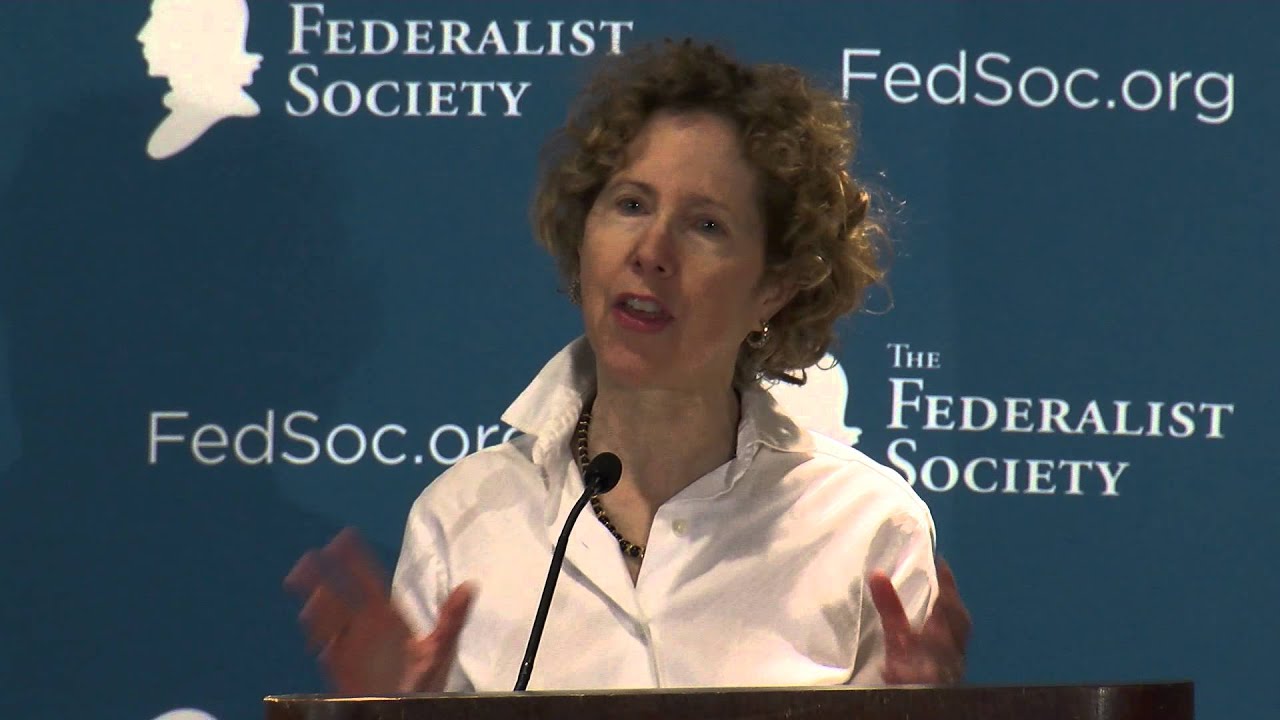
 When Chevron was first decided it was generally welcomed on the right side of the political spectrum as a principled method constraining judicial discretion and permitting the executive to exert policy control over the administrative state. But as the administrative state continues to grow, some now see Chevron as removing an important check on government power and an abdication of the judiciary’s authority to say what the law is. Some members of the Supreme Court are now open to reconsidering judicial deference to agency action, at least in certain areas, such as determining their own jurisdictions and interpreting their own regulations. The panel will consider the extent to which the new skepticism toward Chevron in particular and judicial deference to agencies in general is justified.
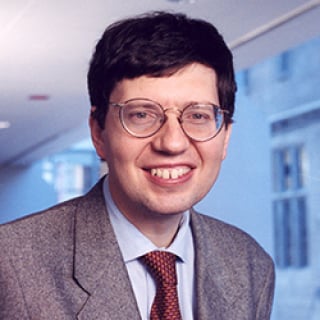
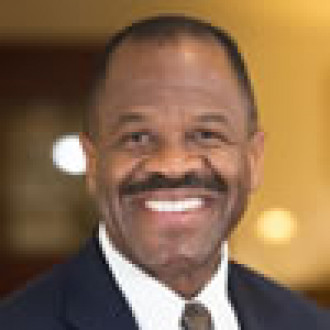









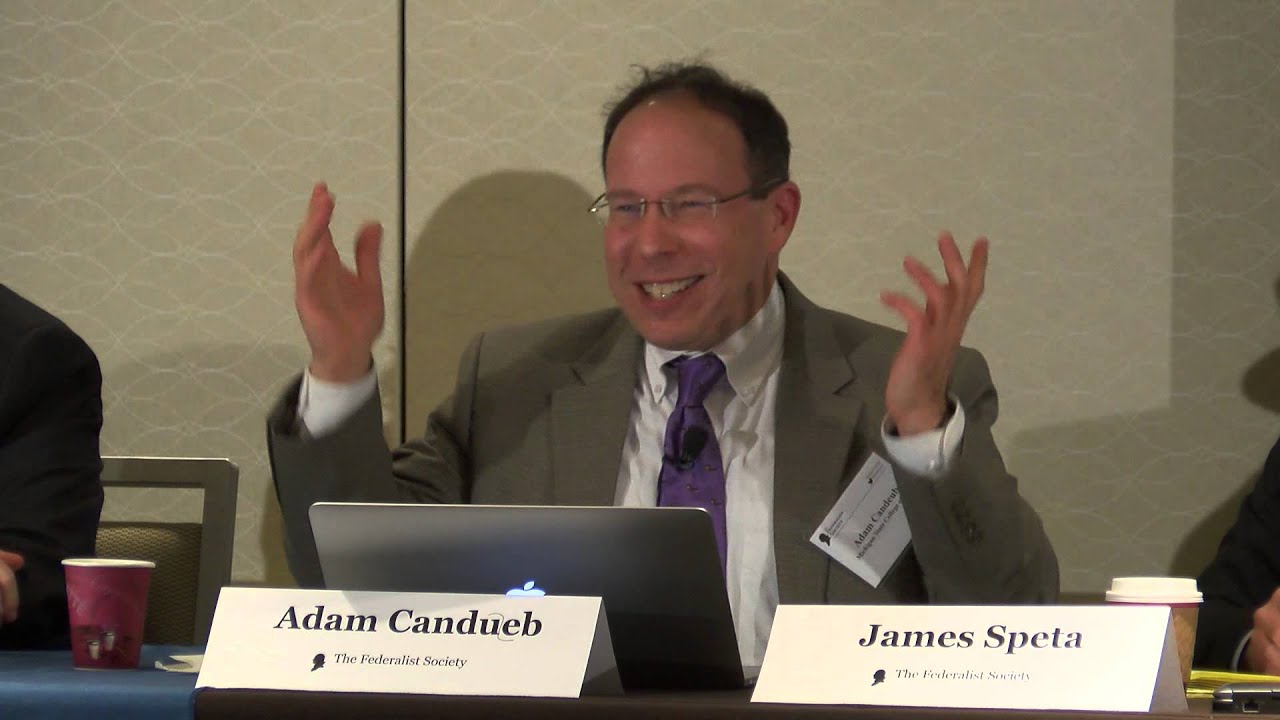
 The FCC derives its legal authority almost entirely from statutes that predate the Internet--primarily from the 1934 Communications Act, which was designed for the regulation of a national telephone monopolist, and the 1996 Telecommunications Act, which was designed to incrementally deregulate the communications industry as the vestiges of that national monopoly gave way to competition. Over the past 20 years, the Internet has become the foundation of the communications industry, playing a role similar to that of the monopoly-provided telecommunications services that the FCC has traditionally regulated. There is unquestionably more competition today than there was in 1934, but perhaps not as much as was hoped in 1996. The FCC’s Open Internet Order, in which the FCC brought Internet Service Providers within the regulatory framework initially created in 1934, presents a compelling example of an agency struggling to find a new role in a changed industry – struggling to imbue old statutes with broad grants of power to govern what the FCC, but perhaps not Congress, believes are issues properly within its ambit. In doing so, the Order thrusts the FCC into current debates about the scope of the administrative state, the potential revival of the major questions doctrine, and the potential demise of Chevron. Framed by these issues, this debate will consider whether the FCC’s Open Internet Order fits within the agency’s statutory authority.



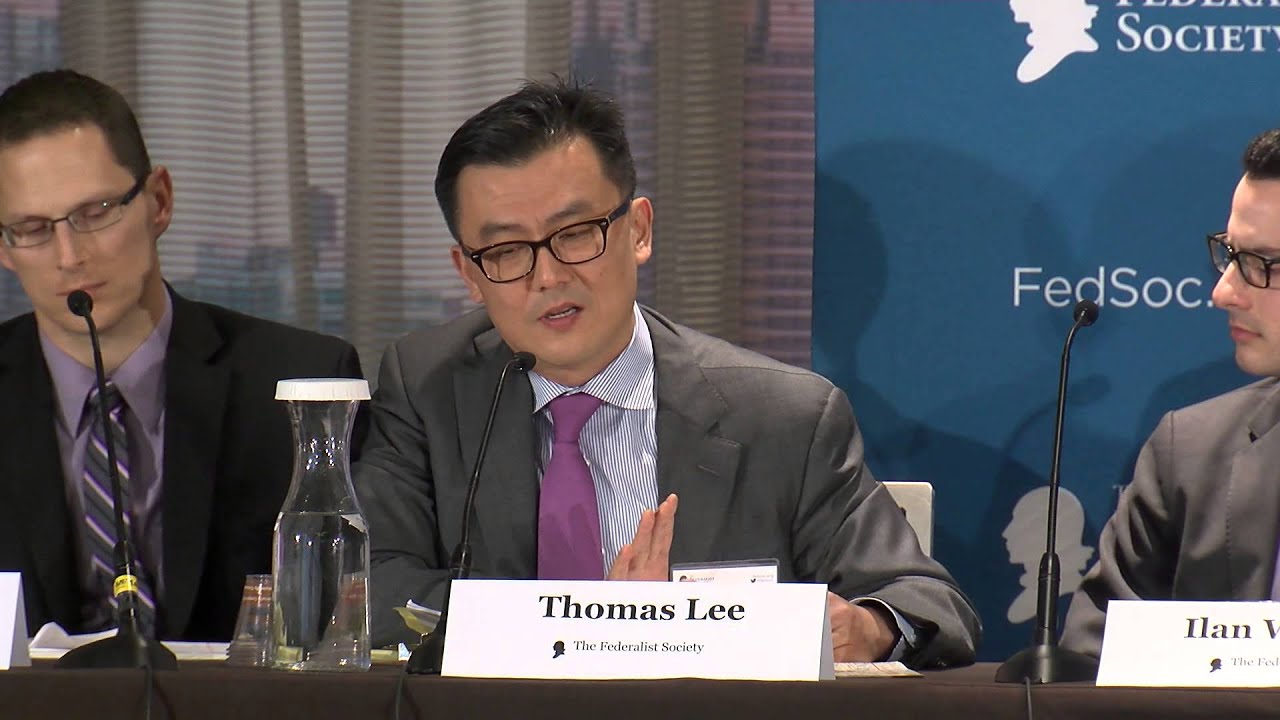
 This panel was part of the 18th Annual Federalist Society Faculty Conference held on January 8, 2016 at the Sheraton New York Times Square Hotel New York, NY.

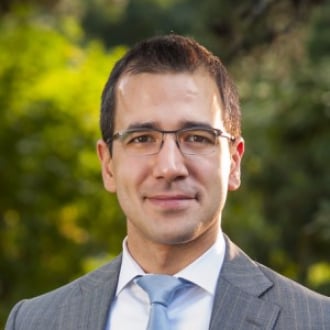

 This panel will consider to what extent the disproportionate increase in income among the very wealthy is due not to market forces but to rent seeking and government policies that are the product of rent seeking. It will also discuss possible solutions.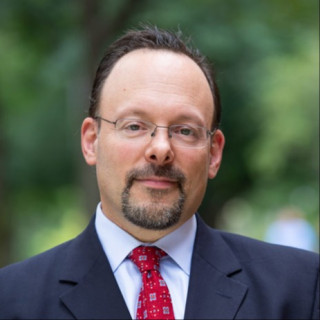
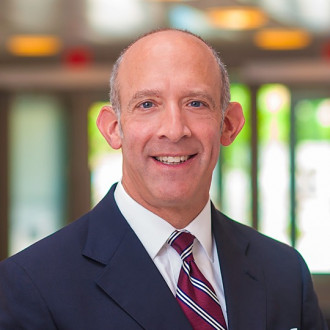
 Since before the Revolution, American legal and political traditions have supported many forms of multiculturalism, through institutions such as freedom of association, religious liberty, parental rights, freedom of speech, private property, federalism, often open immigration policy, and the like. And those traditions have likewise imposed constraints on such multiculturalism. What can those traditions tell us about today’s multiculturalism debates?

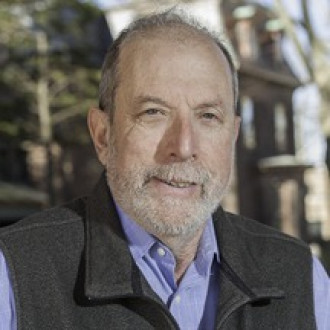
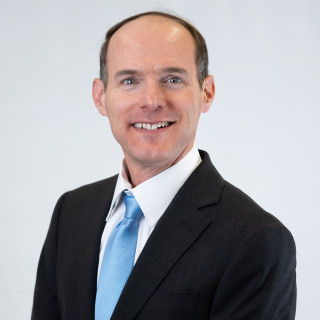
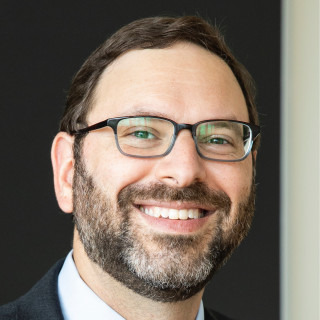
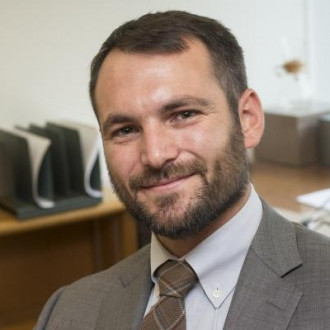




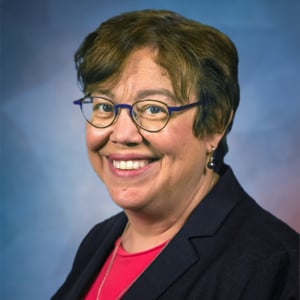
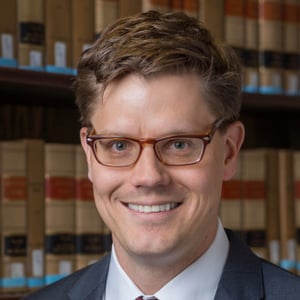
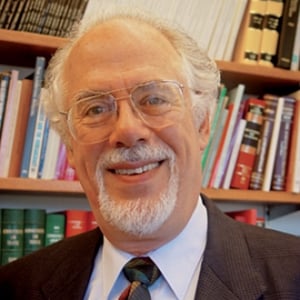
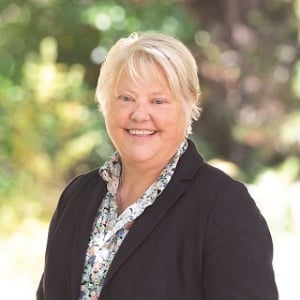
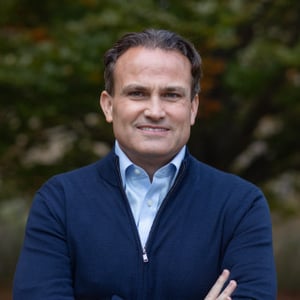

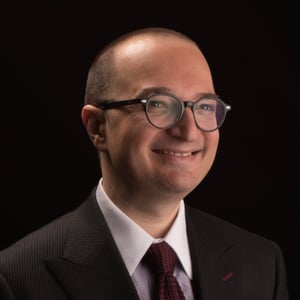



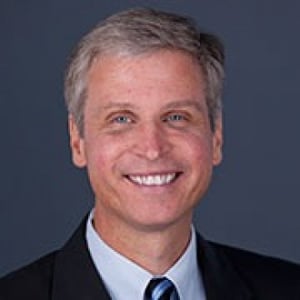


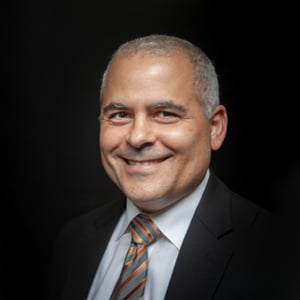



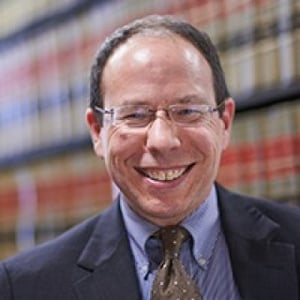




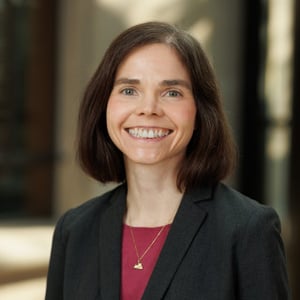
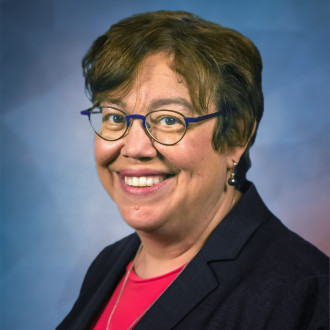
Tara Leigh Grove is the Vinson & Elkins Chair in Law at the University of Texas School of Law. Grove graduated summa cum laude from Duke University and magna cum laude from Harvard Law School, where she served as the Supreme Court Chair of the Harvard Law Review. Grove clerked for Judge Emilio Garza on the U.S. Court of Appeals for the Fifth Circuit, and then spent four years as an attorney for the U.S. Department of Justice, Civil Division, Appellate Staff, where she argued fifteen cases in the courts of appeals.
Grove’s research focuses on the federal judiciary, interpretive theory, and the constitutional separation of powers. She has published with such prestigious law journals as the Harvard Law Review, the Yale Law Journal, the Columbia Law Review, the University of Pennsylvania Law Review, the New York University Law Review, the University of Chicago Law Review, the Virginia Law Review, the Texas Law Review, the Cornell Law Review, the Northwestern University Law Review, and the Vanderbilt Law Review. Grove has received awards for both her research and her teaching.
In 2021, Grove served on the Presidential Commission on the Supreme Court of the United States, a bipartisan commission created by President Biden and charged with examining proposals for Supreme Court reform. Since 2022, Grove has worked on the Princeton Initiative on Reclaiming the Constitutional Powers of Congress, which brings together former members of Congress, political scientists, and law professors. Grove serves as the Co-Chair of the section on the Appointments Process for the Princeton Initiative. Grove is a co-author of Low & Jeffries' Federal Courts and the Law of Federal-State Relations, a leading federal courts casebook, and she has served as the Chair of the Federal Courts Section of the Association of American Law Schools. Grove has been a visiting professor at both Harvard Law School and Northwestern Pritzker School of Law.