Downstream Effects of Louisiana v. Callais: Race, Redistricting, and Representation
Event Video




In Louisiana v. Callais, a divided Supreme Court narrowed the circumstances in which states may use race as a factor in drawing election districts. The Court, in an opinion authored by Justice Alito, held that compliance with Section 2 of the Voting Rights Act can justify the use of race in redistricting only when the circumstances give rise to a strong inference that the State intentionally denied minority voters an equal opportunity to elect their preferred candidates because of race. Justice Kagan penned a dissent, which argued that the majority opinion “renders Section 2 all but a dead letter.”
Callais has already begun to shape litigation elsewhere. A pending federal complaint against the Denver Public School Board alleges that the board violated Section 2 and the Fifteenth Amendment by deliberately redrawing two of its seven districts to preserve Black and Hispanic electoral majorities, with board members explaining the effort in terms of ensuring that students are “represented by people who look like them.” Supporters of the board’s decision argue that shared racial background should be a meaningful consideration in political representation. Critics counter that this reasoning revives the same race-based logic the Constitution forbids, and that voters and candidates should be evaluated as individuals rather than as members of racial groups.
Callais has also shaped important policy decisions. In June, the Office of Legal Counsel relied on Callais to conclude that the Equal Employment Opportunity Commission’s Title VII guidelines were unconstitutional because they contemplated liability based on disparate effects alone, without regard to an employer’s likely intent, and pressured employers to engage in race-based decision making.
Join us for a webinar examining the downstream effects of the Callais decision and what it may mean for redistricting disputes like the Denver case and others like it.
Featuring:
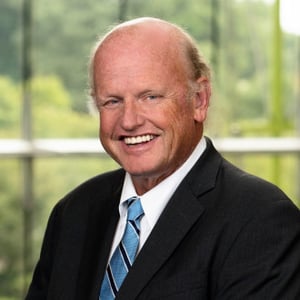
- Michael A. Carvin, Former Partner, Jones Day
- Prof. Jeffrey M. Wice, Adjunct Professor of Law; Director, N.Y. Census and Redistricting Institute, New York Law School
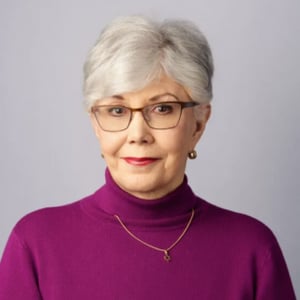
- (Moderator) Hon. Linda Chavez, Chairman, Center for Equal Opportunity
*******
As always, the Federalist Society takes no position on particular legal or public policy issues; all expressions of opinion are those of the speaker.