Courthouse Steps: Oral Argument in National Association of Manufacturers v. DOD
Environmental Law & Property Rights Podcast





Multiple legal challenges to the Army Corps of Engineers and the Environmental Protection Agency’s controversial rule redefining “waters of the United States” (WOTUS) raise two important questions: (1) is the rule valid and (2) which is the proper venue for challenging such a rule – the federal district courts or the federal courts of appeals. The first question is on hold pending publication of a revised rule mandated by Executive Order. The second question will now be decided by the U.S. Supreme Court.
The Supreme Court has granted review to address the venue question and oral argument is scheduled for October 11, 2017. The issue is important because it is unclear where and when regulated parties can challenge certain types of federal rules interpreting the Clean Water Act. Filing a claim in the wrong court can result in losing the right to challenge the rule at all. Under a plain reading of Act, affected parties have six years to challenge the WOTUS rule or any subsequent rule defining the agency's general jurisdiction under the Act in a federal district court. But under the EPA's reading of the Act, affected parties would have only six months to challenge the rule in a federal court of appeals. Various State, industry, and landowner groups urge the High Court to rely on a plain reading of the Act to maximize the opportunity for the regulated public to challenge rules that define the scope of the Act.
Featuring:
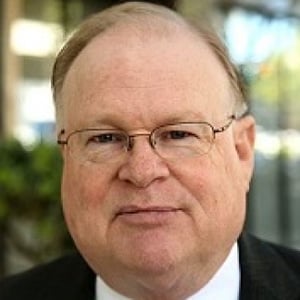
M. Reed Hopper, Senior Attorney, Pacific Legal Foundation