This Land Is (Not) Your Land: The Effort to Divest Foreign State Ownership of American Land
Note from the Editor: The Federalist Society takes no positions on particular legal and public policy matters. Any expressions of opinion are those of the author. We welcome responses to the views presented here. To join the debate, please email us at info@fedsoc.org.
In February 2023, the U.S. Air Force shot down a high-altitude surveillance balloon that had traversed the North American continent for several days, captivating the public, not to mention the government. According to then-Secretary of Defense Lloyd Austin, the balloon “was being used by [China] in an attempt to surveil strategic sites in the United States.” The Chinese spy balloon incident sparked increased national security fears, leading federal and state officials to take action.
That year alone, legislators in 33 states introduced more than 80 new bills that would prohibit the Chinese government, some of its business holdings, and some Chinese nationals from purchasing agricultural land or property rights near American military installations. Many of those bills have now become state laws. And those state-led efforts have inspired similar efforts at the federal level.
Often citing threats to national security, critical infrastructure, and food-supply chains, no fewer than a dozen bills have been introduced in Congress that would divest or limit Chinese ownership of land within a specified distance of designated sites such as military installations.
Lawmakers generally enjoy the support of conservative policy experts, who warn of the significant threats posed by foreign ownership of American agricultural land.
There are nevertheless some foreseeable legal challenges to those legislative efforts. Prospective prohibitions—that is, preventing future purchases—might be easier to accomplish, but it could be much more difficult to divest those who already own significant swaths of land in the U.S.
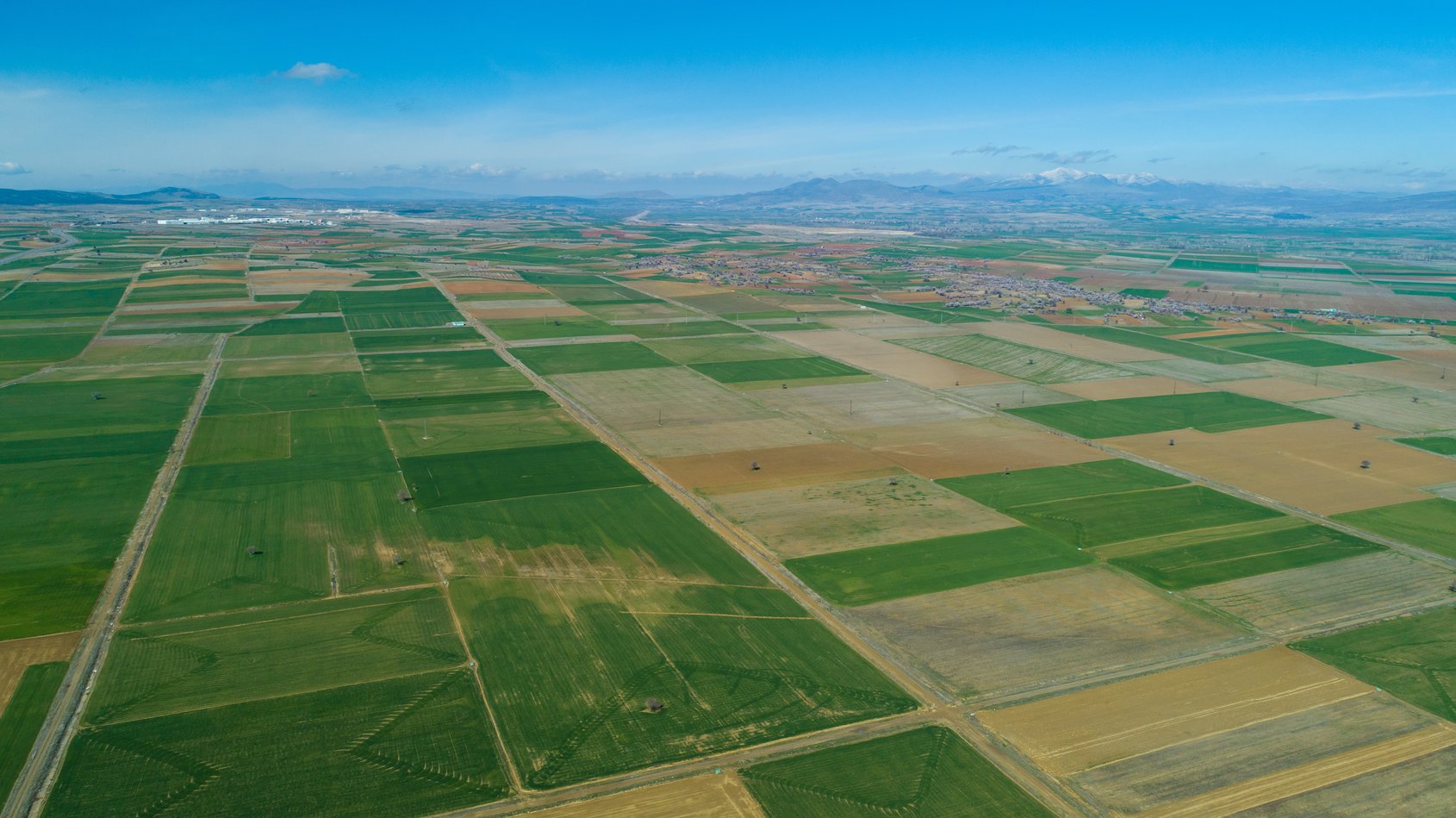
According to the U.S. Department of Agriculture, foreign investors own more than 43 million acres of U.S. agricultural land. Much of that land is owned by investors who, on paper, appear to be citizens of strong American allies—nations such as Canada or the Netherlands. But the Chinese government also owns hundreds of thousands of acres of American land, and often near sensitive military sites.
Thus far, federal lawmakers’ efforts to ban or divest foreign land ownership have fallen short. But, bolstered by President Donald Trump’s re-election and his agenda, there are now renewed efforts to pass legislation that would block China and other designated adversaries from purchasing American land.
Shortly after President Trump’s second inauguration, Senator Ted Cruz reintroduced the Protecting Military Installations and Ranges Act, which requires a review by federal authorities before entities linked to China, Russia, Iran, or North Korea can purchase land within 100 miles of any American military installation.
Should the bill make its way to President Trump’s desk, there is little doubt he would sign it into law. But the question remains whether such a law would survive legal challenges. Lawmakers are sure to be buoyed by the Supreme Court’s recent decision to uphold a law that bans the social media application TikTok from the United States as long as it is owned by the Chinese parent company ByteDance.
Foreign ownership of American land is a subject fraught with many overlapping interests. Constitutional law, national security, property rights, the food-supply chain, and critical infrastructure are but a few of the many legal and policy issues at stake. This is an issue to keep a close eye on as President Trump’s second administration takes shape.