
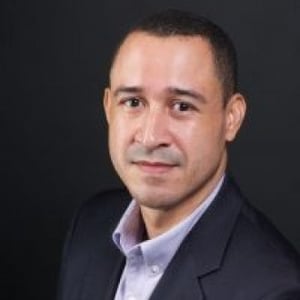
Professor, University of Puerto Rico School of Law
William Vazquez Irizarry is a tenured professor at the University of Puerto Rico School of Law, where he teaches Administrative Law, Constitutional Law and Civil Procedure. Before joining the UPR’s faculty, he served as Executive Assistant to Governor Sila Calderon’s Chief of Staff, legal counsel to Governor Sila Calderón and Attorney General of Puerto Rico.
Vazquez obtained an LL.M. from the London School of Economics. He is known for his lectures and publications on the topic of administrative law in Puerto Rico. Most notably, he has made an in-depth study of the powers of the Office of the Governor of Puerto Rico and the use of executive orders: “Los poderes del Gobernador de Puerto Rico y el uso de órdenes ejecutivas”, 76 Rev. Jur. UPR 715 (2007). More recently, he addressed the issue of lockdowns in Puerto Rico in an opinion piece published at El Nuevo Dia newspaper.

Senior Fellow and Director of Constitutional Studies, Manhattan Institute
Ilya Shapiro is a senior fellow and director of constitutional studies at the Manhattan Institute and a contributing editor of City Journal. Previously he was executive director and senior lecturer at the Georgetown Center for the Constitution, and before that a vice president of the Cato Institute.
Shapiro is the author of Lawless: The Miseducation of America’s Elites (2025) and Supreme Disorder: Judicial Nominations and the Politics of America’s Highest Court (2020), coauthor of Religious Liberties for Corporations? (2014), and editor of 11 volumes of the Cato Supreme Court Review (2008-18). He has contributed to a variety of academic, popular, and professional publications, including the Wall Street Journal, Harvard Journal of Law & Public Policy, Washington Post, Los Angeles Times, USA Today, National Review, and Newsweek. He also regularly provides commentary for various media outlets, writes the Shapiro’s Gavel newsletter on Substack, and once appeared on the Colbert Report.
Shapiro has testified many times before Congress and state legislatures and has filed more than 500 amicus curiae “friend of the court” briefs in the Supreme Court. He lectures regularly on behalf of the Federalist Society, is a member of the board of fellows of the Jewish Policy Center, was an inaugural Washington Fellow at the National Review Institute, and has been an adjunct law professor at the George Washington University and University of Mississippi. He is also the chairman of the board of advisers of the Mississippi Justice Institute, a barrister in the Edward Coke Appellate Inn of Court, and a former member of the Virginia Advisory Committee to the U.S. Commission on Civil Rights.
Earlier in his career, Shapiro was a special assistant/adviser to the Multi-National Force in Iraq on rule-of-law issues and practiced at Patton Boggs and Cleary Gottlieb. Before entering private practice, he clerked for Judge E. Grady Jolly of the U.S. Court of Appeals for the Fifth Circuit. He holds an AB from Princeton University, an MSc from the London School of Economics, and a JD from the University of Chicago Law School.
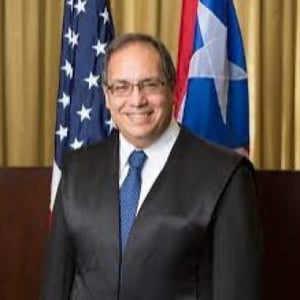
Supreme Court of Puerto Rico
El Honorable Rafael L. Martínez Torres nació el 14 de febrero de 1959 en Humacao, Puerto Rico. Es el menor de los dos hijos procreados el señor Luis Martínez y la señora Áurea Torres. Está casado con la Dra. Sandra S. Rodríguez Cruz, pediatra. El juez tiene dos hijos, Christopher y Ricardo.
Producto de nuestras escuelas públicas (en 1976 se graduó, con altos honores, de la Escuela Superior Ana Roqué, de Humacao), el juez Martínez Torres obtuvo en 1980 su Bachillerato en Artes (con calificación de Magna Cum Laude) con concentración en Ciencias Políticas de la Universidad de Puerto Rico, Recinto de Río Piedras. En 1983 obtuvo el grado de Juris Doctor con calificación de Cum Laude de la Facultad de Derecho de la Universidad de Puerto Rico, Recinto de Río Piedras, donde, además, fue Director Auxiliar de la Revista Jurídica. El juez Martínez Torres comenzó su vida profesional precisamente en el Tribunal Supremo de Puerto Rico, en el cual laboró durante tres años, hasta 1986, como asesor legal en el Secretariado de la Conferencia Judicial y, más adelante, en el Panel Central.
Posteriormente, el juez Martínez Torres se dedicó durante nueve años a la práctica privada de su profesión, particularmente en el campo de la litigación civil y apelativa; así, laboró en la firma Rivera Cestero & Marchand Quintero, en la División de Litigios del bufete Fiddler, González & Rodríguez y, finalmente, por su cuenta. Además, entre 1988 y 1993, enseñó el curso de Paralegal que ofrecía la División de Educación Continua del Recinto de Río Piedras de la Universidad de Puerto Rico.
En 1993, el juez Martínez Torres regresó al servicio público, esta vez como Director Ejecutivo de la Comisión de Gobierno de la Cámara de Representantes. En tal cargo colaboró y participó en el proceso de evaluación jurídica y en otros trámites relacionados con las leyes de reforma gubernamental que aprobó la Asamblea Legislativa, incluso la Reforma Judicial de 1994. Además, participó en la etapa inicial de la evaluación legislativa de las enmiendas propuestas a las Reglas de Procedimiento Civil y Criminal aún vigentes.
En febrero de 1995 fue nombrado juez del recién creado Tribunal de Circuito de Apelaciones. Con 36 años de edad recién cumplidos, el juez Martínez Torres se convirtió en el más joven de la plantilla de jueces de dicho foro apelativo intermedio. Durante los catorce años que laboró en el Tribunal de Apelaciones, se destacó por su laboriosidad y por la claridad de sus decisiones. Además, colaboró con el Tribunal Supremo en la preparación del Reglamento del Tribunal de Apelaciones que estuvo vigente entre 1996 y 2004. El 4 de febrero de 2009, el Gobernador de Puerto Rico, Hon. Luis Fortuño Burset, lo nombró Juez Asociado del Tribunal Supremo. Tomó posesión el 10 de marzo de 2009.
Además de su labor como Juez Asociado, el juez Martínez Torres ha ofrecido cursos en las escuelas de derecho de la Universidad de Puerto Rico y la Universidad Interamericana.
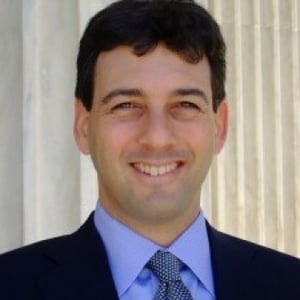
Vice President for Litigation, Institute for Free Speech
Alan joined the Institute for Free Speech as Vice President for Litigation in February 2021. In this role, Alan directs the Institute’s litigation and legal advocacy, leads our in-house legal team, and manages and works to expand our network of volunteer attorneys.
Prior to joining the Institute, Alan litigated complex federal matters for twenty years, in his own practice and as a partner in various Washington-area firms. He argued and won landmark constitutional cases in the United States Supreme Court and has appeared before numerous appellate and district courts throughout the country. Alan often speaks at law schools and continuing legal education seminars. He also teaches strategic/public interest litigation as an adjunct professor at the Georgetown University Law Center.
Alan began his career clerking for the Hon. Terrence W. Boyle, United States District Judge for the Eastern District of North Carolina. He has also served as a Deputy Attorney General for the State of California, a litigation associate at the Washington office of Sidley Austin, and as counsel to the United States Senate Judiciary Committee.
Alan earned his J.D. at Georgetown (1995) and his B.A. at Cornell University (1992). He is an active member in good standing of the Virginia, District of Columbia, and California bars, the Bar of the United States Supreme Court, and various federal appellate and district court bars.
Vice President for Litigation, Institute for Free Speech
Alan joined the Institute for Free Speech as Vice President for Litigation in February 2021. In this role, Alan directs the Institute’s litigation and legal advocacy, leads our in-house legal team, and manages and works to expand our network of volunteer attorneys.
Prior to joining the Institute, Alan litigated complex federal matters for twenty years, in his own practice and as a partner in various Washington-area firms. He argued and won landmark constitutional cases in the United States Supreme Court and has appeared before numerous appellate and district courts throughout the country. Alan often speaks at law schools and continuing legal education seminars. He also teaches strategic/public interest litigation as an adjunct professor at the Georgetown University Law Center.
Alan began his career clerking for the Hon. Terrence W. Boyle, United States District Judge for the Eastern District of North Carolina. He has also served as a Deputy Attorney General for the State of California, a litigation associate at the Washington office of Sidley Austin, and as counsel to the United States Senate Judiciary Committee.
Alan earned his J.D. at Georgetown (1995) and his B.A. at Cornell University (1992). He is an active member in good standing of the Virginia, District of Columbia, and California bars, the Bar of the United States Supreme Court, and various federal appellate and district court bars.
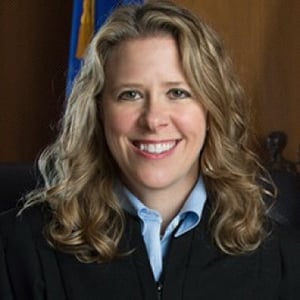
Justice, Wisconsin Supreme Court
Justice Rebecca Grassl Bradley, a Milwaukee native, was elected to the Supreme Court in 2016 after being appointed by Gov. Scott Walker in 2015. She is the first Wisconsin Supreme Court Justice to have served as an intermediate appellate court judge as well as a circuit court judge. Before joining the Supreme Court, Justice Bradley served as a District I Court of Appeals judge (appointed 2015), a Milwaukee County Circuit Court Judge (appointed 2012, elected 2013) and worked as an attorney in private practice (1996-2012), including serving as vice president of legal operations for a global software company.
Justice Bradley graduated from Marquette University in 1993 with an honors B.S. in Business Administration and Business Economics and received her juris doctor from the University of Wisconsin Law School in 1996.
Justice Bradley is a member of the Supreme Court Finance Committee and chairs the Supreme Court Legislative Committee as the Chief Justice's designee. She is a member of the Board of Advisors and past president of the Milwaukee Lawyers Chapter of the Federalist Society; serves on the Wisconsin State Advisory Committee of the U.S. Commission on Civil Rights; and is a member of the Bench and Bar Committee of the Wisconsin State Bar. She previously served on the Board of Governors of the St. Thomas More Lawyers Society; the Wisconsin Juvenile Jury Instructions Committee; the Wisconsin Juvenile Benchbook Committee; and as a member of the Milwaukee Trial Judges Association and the Wisconsin Trial Judges Association. While in private practice, Justice Bradley served as an American Arbitration Association Arbitrator and Chairman of the State Bar Business Law Section.
Justice Bradley's current term expires July 31, 2026.
Supreme Court of Puerto Rico
El Honorable Rafael L. Martínez Torres nació el 14 de febrero de 1959 en Humacao, Puerto Rico. Es el menor de los dos hijos procreados el señor Luis Martínez y la señora Áurea Torres. Está casado con la Dra. Sandra S. Rodríguez Cruz, pediatra. El juez tiene dos hijos, Christopher y Ricardo.
Producto de nuestras escuelas públicas (en 1976 se graduó, con altos honores, de la Escuela Superior Ana Roqué, de Humacao), el juez Martínez Torres obtuvo en 1980 su Bachillerato en Artes (con calificación de Magna Cum Laude) con concentración en Ciencias Políticas de la Universidad de Puerto Rico, Recinto de Río Piedras. En 1983 obtuvo el grado de Juris Doctor con calificación de Cum Laude de la Facultad de Derecho de la Universidad de Puerto Rico, Recinto de Río Piedras, donde, además, fue Director Auxiliar de la Revista Jurídica. El juez Martínez Torres comenzó su vida profesional precisamente en el Tribunal Supremo de Puerto Rico, en el cual laboró durante tres años, hasta 1986, como asesor legal en el Secretariado de la Conferencia Judicial y, más adelante, en el Panel Central.
Posteriormente, el juez Martínez Torres se dedicó durante nueve años a la práctica privada de su profesión, particularmente en el campo de la litigación civil y apelativa; así, laboró en la firma Rivera Cestero & Marchand Quintero, en la División de Litigios del bufete Fiddler, González & Rodríguez y, finalmente, por su cuenta. Además, entre 1988 y 1993, enseñó el curso de Paralegal que ofrecía la División de Educación Continua del Recinto de Río Piedras de la Universidad de Puerto Rico.
En 1993, el juez Martínez Torres regresó al servicio público, esta vez como Director Ejecutivo de la Comisión de Gobierno de la Cámara de Representantes. En tal cargo colaboró y participó en el proceso de evaluación jurídica y en otros trámites relacionados con las leyes de reforma gubernamental que aprobó la Asamblea Legislativa, incluso la Reforma Judicial de 1994. Además, participó en la etapa inicial de la evaluación legislativa de las enmiendas propuestas a las Reglas de Procedimiento Civil y Criminal aún vigentes.
En febrero de 1995 fue nombrado juez del recién creado Tribunal de Circuito de Apelaciones. Con 36 años de edad recién cumplidos, el juez Martínez Torres se convirtió en el más joven de la plantilla de jueces de dicho foro apelativo intermedio. Durante los catorce años que laboró en el Tribunal de Apelaciones, se destacó por su laboriosidad y por la claridad de sus decisiones. Además, colaboró con el Tribunal Supremo en la preparación del Reglamento del Tribunal de Apelaciones que estuvo vigente entre 1996 y 2004. El 4 de febrero de 2009, el Gobernador de Puerto Rico, Hon. Luis Fortuño Burset, lo nombró Juez Asociado del Tribunal Supremo. Tomó posesión el 10 de marzo de 2009.
Además de su labor como Juez Asociado, el juez Martínez Torres ha ofrecido cursos en las escuelas de derecho de la Universidad de Puerto Rico y la Universidad Interamericana.
Olin-Darling Fellow, Stanford Law School
Lance Sorenson is currently the Olin-Darling Fellow at Stanford Law School.. He has a law degree from Pepperdine University and is a PhD candidate in Legal History at the University of Nevada Las Vegas. He is interested in legal systems and structures, particularly in the American West. His dissertation analyzes iterations of United States’ federalism as part of westward expansion.

Rights, Powers, and EOs: Do the rules change in a pandemic?
Puerto Rico Lawyers Chapter
San Juan, PRThe Second Amendment and the Puerto Rico Weapons Act of 2020
Puerto Rico Lawyers Chapter
San Juan, PRThe Second Amendment and the Puerto Rico Weapons Act of 2020
Puerto Rico Lawyers Chapter
San Juan, PRTopics
Protecting Institutional Rights: The First Amendment Religion Clauses from a Different Perspective
The Supreme Court is seriously considering doing something it almost never does: take a case...
Reflections on Originalism: From Wisconsin to Puerto Rico
San Juan, PRPuerto Rico v. Sanchez Valle - Post-Decision SCOTUScast
Lance Sorenson
On June 9, 2016, the Supreme Court decided Puerto Rico v. Sanchez Valle. Sanchez Valle...
Puerto Rico v. Sanchez Valle - Post-Argument SCOTUScast
D Broyles
On January 13, 2016, the Supreme Court heard oral argument in Puerto Rico v. Sanchez...
Originalism and the Separation of Powers