

Lecturer, University of Virginia, University of Richmond
Lynn Uzzell received her B.A. in speech communications at Black Hills State University and her M.A. and Ph.D. in politics at the University of Dallas. She has taught extensively on political philosophy, rhetoric, the United States Constitution, and American political thought at Baylor University, the University of Virginia, and the University of Richmond. She specializes in the Constitutional Convention of 1787. For four years she was also the scholar in residence at the Center for the Constitution at James Madison’s Montpelier.
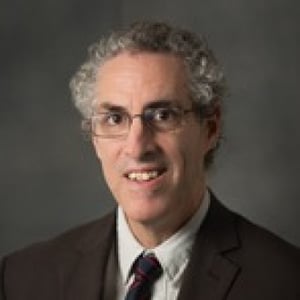
Regents Professor, University System of Maryland
Professor Graber held a faculty position in the Department of Government and Politics at the University of Maryland, College Park from 1993-2007 and taught at the University of Maryland School of Law as an adjunct professor beginning in the fall of 2002. In 2004, he was appointed Professor of Government and Law at the School of Law, a title he held until May 1, 2015 at which time he received an appointment as the Jacob A. France Professor of Constitutionalism. In 2016, he was named Regents Professor, one of only seven Regents Professors in the history of the University System of Maryland and the only Regents Professor on the UMB campus. He served as associate dean for research and faculty development from 2010 to 2013. He has also been one of the organizers of the annual Constitutional Law "Schmooze", which attracts scholars from across the country to the law school.
He is the author of A New Introduction to American Constitutionalism, forthcoming in 2013 from Oxford University Press, and co-editor (with Keith Whittington and Howard Gillman) of American Constitutionalism: Structures and Powers and American Constitutionalism: Rights and Powers, both also from Oxford University Press. He is presently working on Forged in Failure, a book that will examine how much constitutional change in the United States has been caused by the failure of constitutional practices to function as expected.
Professor Graber is also the author of scores of articles, including "The Non-Majoritarian Problem: Legislative Deference to the Judiciary" in Studies in American Political Development, "Naked Land Transfers and American Constitutional Development", published in the Vanderbilt Law Review and "Resolving Political Questions into Judicial Questions: Tocqueville’s Aphorism Revisited", published by Constitutional Commentary.
During fall 2013, he was a visiting faculty member at the University of Virginia School of Law.

Executive Director, The Constitutional Sources Project
Julie Silverbrook is Executive Director of The Constitutional Sources Project (www.ConSource.org), a non-partisan, not-for-profit organization devoted to increasing understanding, facilitating research, and encouraging discussion of the U.S. Constitution by connecting individuals with the documentary history of its creation, ratification, and amendment. ConSource educates lawyers, judges, teachers, and students about United States Constitutional History. Prior to leading ConSource, Ms. Silverbrook was the Founding Director of an award-winning constitutional literacy program called Constitutional Conversations, in collaboration with the Institute of Bill of Rights Law at William & Mary Law School, the Colonial Williamsburg Foundation, and the Williamsburg Regional Library System. Ms. Silverbrook has given lectures and presentations on the Constitution at a number of colleges and universities, as well as at historical societies, presidential homes, state bar associations and social studies associations.
Ms. Silverbrook holds a J.D. from the William & Mary Law chool, where she received the National Association of Women Lawyers Award and the Thurgood Marshall Award and served as a Senior Articles Editor on the William & Mary Bill of Rights Journal. She graduated Summa Cum Laude, Phi Beta Kappa (elected as Junior) from The George Washington University with a B.A. in Political Science. Upon graduation, she was awarded the GW Columbian College of Arts and Sciences Distinguished Scholar Award, the highest academic award given to a student in the arts and sciences college. Ms. Silverbrook was also awarded the John C. Morgan Prize by the Department of Political Science–an award given annually to an outstanding graduate pursuing a law degree after graduation. In 2013, she was awarded a GW Political Science Department 100th Anniversary Alumni Award.
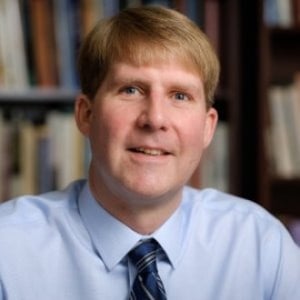
Professor of Politics, Wake Forest University
John Dinan, author of "State Constitutional Politics: Governing by Amendment in the American States," can comment on mid-term elections and the state constitutional amendments appearing on the ballot. From voter identification to redistricting, Dinan can place particular amendments in nationwide and historical perspective. Based on his research, he can also address the arguments and issues that routinely surface in campaigns supporting and opposing various amendments. He is also prepared to comment on federal and state policies in areas ranging from the Affordable Care Act to legislative redistricting to voter-registration rules. Dinan closely follows U.S. and North Carolina political races, including gubernatorial and congressional races. Dinan teaches courses on campaigns and elections, state politics and congress and policymaking. He frequently provides commentary for news outlets across the country and his research was cited by the U.S. Supreme Court in Arizona State Legislature v. Arizona Independent Redistricting Commission (2015). He is also the author of "The American State Constitutional Tradition" and an annual review of state constitutional developments in the 50 states, as well as numerous articles on state and federal politics.
Professor of Politics, Wake Forest University
John Dinan, author of "State Constitutional Politics: Governing by Amendment in the American States," can comment on mid-term elections and the state constitutional amendments appearing on the ballot. From voter identification to redistricting, Dinan can place particular amendments in nationwide and historical perspective. Based on his research, he can also address the arguments and issues that routinely surface in campaigns supporting and opposing various amendments. He is also prepared to comment on federal and state policies in areas ranging from the Affordable Care Act to legislative redistricting to voter-registration rules. Dinan closely follows U.S. and North Carolina political races, including gubernatorial and congressional races. Dinan teaches courses on campaigns and elections, state politics and congress and policymaking. He frequently provides commentary for news outlets across the country and his research was cited by the U.S. Supreme Court in Arizona State Legislature v. Arizona Independent Redistricting Commission (2015). He is also the author of "The American State Constitutional Tradition" and an annual review of state constitutional developments in the 50 states, as well as numerous articles on state and federal politics.
Regents Professor, University System of Maryland
Professor Graber held a faculty position in the Department of Government and Politics at the University of Maryland, College Park from 1993-2007 and taught at the University of Maryland School of Law as an adjunct professor beginning in the fall of 2002. In 2004, he was appointed Professor of Government and Law at the School of Law, a title he held until May 1, 2015 at which time he received an appointment as the Jacob A. France Professor of Constitutionalism. In 2016, he was named Regents Professor, one of only seven Regents Professors in the history of the University System of Maryland and the only Regents Professor on the UMB campus. He served as associate dean for research and faculty development from 2010 to 2013. He has also been one of the organizers of the annual Constitutional Law "Schmooze", which attracts scholars from across the country to the law school.
He is the author of A New Introduction to American Constitutionalism, forthcoming in 2013 from Oxford University Press, and co-editor (with Keith Whittington and Howard Gillman) of American Constitutionalism: Structures and Powers and American Constitutionalism: Rights and Powers, both also from Oxford University Press. He is presently working on Forged in Failure, a book that will examine how much constitutional change in the United States has been caused by the failure of constitutional practices to function as expected.
Professor Graber is also the author of scores of articles, including "The Non-Majoritarian Problem: Legislative Deference to the Judiciary" in Studies in American Political Development, "Naked Land Transfers and American Constitutional Development", published in the Vanderbilt Law Review and "Resolving Political Questions into Judicial Questions: Tocqueville’s Aphorism Revisited", published by Constitutional Commentary.
During fall 2013, he was a visiting faculty member at the University of Virginia School of Law.
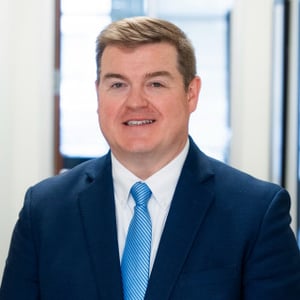
Vice President, Networks, The Federalist Society for Law and Public Policy Studies
Nathan Kaczmarek is Vice President for Networks at the Federalist Society. He began his legal career in Detroit representing nationwide clients in all phases of healthcare litigation and complex medical malpractice claims. He has since served as a Senior Legal and Policy Advisor in the U.S. House of Representatives and as Counsel for the Subcommittee on Regulatory Affairs and Federal Management in the U.S. Senate. Prior to overseeing the Networks, he was Director of the Practice Groups, the Regulatory Transparency Project, and the Article I Initiative for the Federalist Society.
Nathan holds degrees from Hillsdale College and Thomas M. Cooley Law School. He is a Liaison Representative for The Administrative Conference of the United States. He also serves as Vice President of the Associates of St. John Bosco, a Virginia based non-profit dedicated to Catholic high school and college students.
Executive Director, The Constitutional Sources Project
Julie Silverbrook is Executive Director of The Constitutional Sources Project (www.ConSource.org), a non-partisan, not-for-profit organization devoted to increasing understanding, facilitating research, and encouraging discussion of the U.S. Constitution by connecting individuals with the documentary history of its creation, ratification, and amendment. ConSource educates lawyers, judges, teachers, and students about United States Constitutional History. Prior to leading ConSource, Ms. Silverbrook was the Founding Director of an award-winning constitutional literacy program called Constitutional Conversations, in collaboration with the Institute of Bill of Rights Law at William & Mary Law School, the Colonial Williamsburg Foundation, and the Williamsburg Regional Library System. Ms. Silverbrook has given lectures and presentations on the Constitution at a number of colleges and universities, as well as at historical societies, presidential homes, state bar associations and social studies associations.
Ms. Silverbrook holds a J.D. from the William & Mary Law chool, where she received the National Association of Women Lawyers Award and the Thurgood Marshall Award and served as a Senior Articles Editor on the William & Mary Bill of Rights Journal. She graduated Summa Cum Laude, Phi Beta Kappa (elected as Junior) from The George Washington University with a B.A. in Political Science. Upon graduation, she was awarded the GW Columbian College of Arts and Sciences Distinguished Scholar Award, the highest academic award given to a student in the arts and sciences college. Ms. Silverbrook was also awarded the John C. Morgan Prize by the Department of Political Science–an award given annually to an outstanding graduate pursuing a law degree after graduation. In 2013, she was awarded a GW Political Science Department 100th Anniversary Alumni Award.
Lecturer, University of Virginia, University of Richmond
Lynn Uzzell received her B.A. in speech communications at Black Hills State University and her M.A. and Ph.D. in politics at the University of Dallas. She has taught extensively on political philosophy, rhetoric, the United States Constitution, and American political thought at Baylor University, the University of Virginia, and the University of Richmond. She specializes in the Constitutional Convention of 1787. For four years she was also the scholar in residence at the Center for the Constitution at James Madison’s Montpelier.
Professor of Politics, Wake Forest University
John Dinan, author of "State Constitutional Politics: Governing by Amendment in the American States," can comment on mid-term elections and the state constitutional amendments appearing on the ballot. From voter identification to redistricting, Dinan can place particular amendments in nationwide and historical perspective. Based on his research, he can also address the arguments and issues that routinely surface in campaigns supporting and opposing various amendments. He is also prepared to comment on federal and state policies in areas ranging from the Affordable Care Act to legislative redistricting to voter-registration rules. Dinan closely follows U.S. and North Carolina political races, including gubernatorial and congressional races. Dinan teaches courses on campaigns and elections, state politics and congress and policymaking. He frequently provides commentary for news outlets across the country and his research was cited by the U.S. Supreme Court in Arizona State Legislature v. Arizona Independent Redistricting Commission (2015). He is also the author of "The American State Constitutional Tradition" and an annual review of state constitutional developments in the 50 states, as well as numerous articles on state and federal politics.
Regents Professor, University System of Maryland
Professor Graber held a faculty position in the Department of Government and Politics at the University of Maryland, College Park from 1993-2007 and taught at the University of Maryland School of Law as an adjunct professor beginning in the fall of 2002. In 2004, he was appointed Professor of Government and Law at the School of Law, a title he held until May 1, 2015 at which time he received an appointment as the Jacob A. France Professor of Constitutionalism. In 2016, he was named Regents Professor, one of only seven Regents Professors in the history of the University System of Maryland and the only Regents Professor on the UMB campus. He served as associate dean for research and faculty development from 2010 to 2013. He has also been one of the organizers of the annual Constitutional Law "Schmooze", which attracts scholars from across the country to the law school.
He is the author of A New Introduction to American Constitutionalism, forthcoming in 2013 from Oxford University Press, and co-editor (with Keith Whittington and Howard Gillman) of American Constitutionalism: Structures and Powers and American Constitutionalism: Rights and Powers, both also from Oxford University Press. He is presently working on Forged in Failure, a book that will examine how much constitutional change in the United States has been caused by the failure of constitutional practices to function as expected.
Professor Graber is also the author of scores of articles, including "The Non-Majoritarian Problem: Legislative Deference to the Judiciary" in Studies in American Political Development, "Naked Land Transfers and American Constitutional Development", published in the Vanderbilt Law Review and "Resolving Political Questions into Judicial Questions: Tocqueville’s Aphorism Revisited", published by Constitutional Commentary.
During fall 2013, he was a visiting faculty member at the University of Virginia School of Law.
Vice President, Networks, The Federalist Society for Law and Public Policy Studies
Nathan Kaczmarek is Vice President for Networks at the Federalist Society. He began his legal career in Detroit representing nationwide clients in all phases of healthcare litigation and complex medical malpractice claims. He has since served as a Senior Legal and Policy Advisor in the U.S. House of Representatives and as Counsel for the Subcommittee on Regulatory Affairs and Federal Management in the U.S. Senate. Prior to overseeing the Networks, he was Director of the Practice Groups, the Regulatory Transparency Project, and the Article I Initiative for the Federalist Society.
Nathan holds degrees from Hillsdale College and Thomas M. Cooley Law School. He is a Liaison Representative for The Administrative Conference of the United States. He also serves as Vice President of the Associates of St. John Bosco, a Virginia based non-profit dedicated to Catholic high school and college students.
Executive Director, The Constitutional Sources Project
Julie Silverbrook is Executive Director of The Constitutional Sources Project (www.ConSource.org), a non-partisan, not-for-profit organization devoted to increasing understanding, facilitating research, and encouraging discussion of the U.S. Constitution by connecting individuals with the documentary history of its creation, ratification, and amendment. ConSource educates lawyers, judges, teachers, and students about United States Constitutional History. Prior to leading ConSource, Ms. Silverbrook was the Founding Director of an award-winning constitutional literacy program called Constitutional Conversations, in collaboration with the Institute of Bill of Rights Law at William & Mary Law School, the Colonial Williamsburg Foundation, and the Williamsburg Regional Library System. Ms. Silverbrook has given lectures and presentations on the Constitution at a number of colleges and universities, as well as at historical societies, presidential homes, state bar associations and social studies associations.
Ms. Silverbrook holds a J.D. from the William & Mary Law chool, where she received the National Association of Women Lawyers Award and the Thurgood Marshall Award and served as a Senior Articles Editor on the William & Mary Bill of Rights Journal. She graduated Summa Cum Laude, Phi Beta Kappa (elected as Junior) from The George Washington University with a B.A. in Political Science. Upon graduation, she was awarded the GW Columbian College of Arts and Sciences Distinguished Scholar Award, the highest academic award given to a student in the arts and sciences college. Ms. Silverbrook was also awarded the John C. Morgan Prize by the Department of Political Science–an award given annually to an outstanding graduate pursuing a law degree after graduation. In 2013, she was awarded a GW Political Science Department 100th Anniversary Alumni Award.
Lecturer, University of Virginia, University of Richmond
Lynn Uzzell received her B.A. in speech communications at Black Hills State University and her M.A. and Ph.D. in politics at the University of Dallas. She has taught extensively on political philosophy, rhetoric, the United States Constitution, and American political thought at Baylor University, the University of Virginia, and the University of Richmond. She specializes in the Constitutional Convention of 1787. For four years she was also the scholar in residence at the Center for the Constitution at James Madison’s Montpelier.
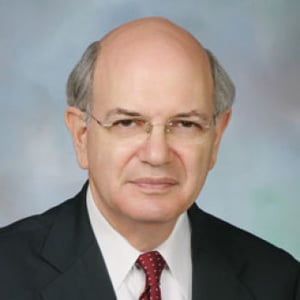
Former Congressman, Vice-President, U.S. Association of Former Members of Congress
The Honorable Martin Frost served in the U.S. House of Representatives from 1979-2005.
With 26 years of legislative experience, he is regarded as a preeminent political analyst among his peers. He held numerous leadership positions in his party and is also considered to be one of its top strategists, an innovative lawmaker who is able to craft bipartisan legislation, and a strong fundraiser for fellow Democrats. He is also the co-author, with Congressman Tom Davis (V-RA) of The PARTISAN DIVIDE: Congress in Crisis, which looks at how to solve the gridlock in Washington. In his presentations, Martin Frost addresses our current political climate, what to expect from Congress after the election, and what it takes to achieve bi-partisan cooperation.n, and what it takes to achieve bi-partisan cooperation.
Early in his political career, Frost served six years on the House Budget Committee and was chairman of the Health Task Force from 1985–1988. During the 1996 and 1998 elections, Frost was the chair of the Democratic Congressional Campaign Committee, a position he utilized to help his party gain 14 seats in the House. In 1999, he earned the distinguished role of chairman of the House Democratic Caucus, the party’s third-highest leadership role. During his last term, Frost held noteworthy positions as the ranking member of the House Rules Committee and highest ranking Southerner in the House Democratic Leadership. He was also the senior southern democrat in the House and the dean of the Texas congressional delegation.
Frost earned his bachelor’s degree in journalism and history from the University of Missouri-Columbia. Following his graduation from Georgetown Law School, he practiced in Dallas until his election in 1978. In 2005, Frost was a fellow at the Institute of Politics at the John F. Kennedy School of Government at Harvard, and in 2006, the Woodrow Wilson International Center for Scholars named him a public policy scholar.

Trustee Professor of Law, New York Law School
From 1972-79, Schoenbrod served as one of the leaders of the Natural Resources Defense Council, where he campaigned to reduce lead in gasoline, resurrect the then-decrepit New York City subway, and protect the environment of Puerto Rico. Previously, he was Director of Program Development at the community development project that Senator Robert Kennedy established in Bedford Stuyvesant. He has also been a senior fellow at the Cato Institute and the American Enterprise Institute.
His books include
D.C. Confidential: Inside the Five Tricks of Washington (Encounter Books, 2017) with forewords by Governor Howard Dean and Senator Mike Lee;
Breaking the Logjam: Environmental Protection That Will Work (Yale University Press, 2010)(with Richard B. Stewart and Katrina M. Wyman);
Saving Our Environment from Washington: How Congress Grabs Power, Shirks Responsibility, and Shortchanges the People (Yale University Press, 2005);
Democracy by Decree: What Happens When Courts Run Government (Yale University Press, 2003) (with Ross Sandler); and
Power Without Responsibility: How Congress Abuses the People Through Delegation (Yale University Press, 1993).
In addition to writing scholarly articles, he has frequently contributed opinion pieces to the Wall Street Journal, The Hill, the New York Times, and other publications.
He has an undergraduate degree from Yale College, a graduate degree in economics from Oxford University, which he attended as a Marshall Scholar, and a law degree from Yale Law School.
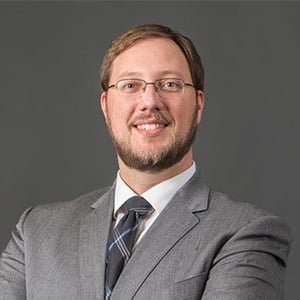
Laurence H. Silberman Chair in Constitutional Governance and Senior Fellow, American Enterprise Institute; Co-Director, Antonin Scalia Law School’s C. Boyden Gray Center for the Study of the Administrative State
Adam J. White is the Laurence H. Silberman Chair in Constitutional Governance and senior fellow at the American Enterprise Institute, where he focuses on the Supreme Court and the administrative state. Concurrently, he codirects the Antonin Scalia Law School’s C. Boyden Gray Center for the Study of the Administrative State.
Mr. White practiced constitutional and administrative law, particularly in the regulation of energy and financial markets. He started his legal career as a law clerk for Judge David B. Sentelle at the US Court of Appeals for the DC Circuit.
Mr. White has written for the Wall Street Journal, the New York Times, the Washington Post, National Affairs, Commentary, Harvard Journal of Law & Public Policy, and Notre Dame Law Review, among other publications. He is a regular contributor to the Yale Journal on Regulation’s Notice and Comment blog, and for many years, he was one of the Weekly Standard’s lead writers on constitutional law and the Supreme Court.
Mr. White has testified often before Congress, including before the Senate’s Committees on the Judiciary; Commerce, Science, and Transportation; and Homeland Security and Governmental Affairs and before the House’s Judiciary and Financial Services Committees. In 2018, the Senate Committee on the Judiciary called him to testify in Brett Kavanaugh’s Supreme Court confirmation hearings to advise senators on Kavanaugh’s approach to administrative law.
In 2021, he served on the Presidential Commission on the Supreme Court of the United States, where he criticized “Court packing” and other efforts to restructure the Supreme Court. In 2017, he was appointed to serve on the Administrative Conference of the United States. He also serves on the leadership council for the American Bar Association’s Administrative Law and Regulatory Practice Section, which he will chair in 2023–24. Before joining AEI, he was a research fellow at Stanford University’s Hoover Institution and an adjunct fellow at the Manhattan Institute.
Mr. White has a JD from Harvard Law School and a bachelor of business administration from the College of Business at the University of Iowa.
Former Congressman, Vice-President, U.S. Association of Former Members of Congress
The Honorable Martin Frost served in the U.S. House of Representatives from 1979-2005.
With 26 years of legislative experience, he is regarded as a preeminent political analyst among his peers. He held numerous leadership positions in his party and is also considered to be one of its top strategists, an innovative lawmaker who is able to craft bipartisan legislation, and a strong fundraiser for fellow Democrats. He is also the co-author, with Congressman Tom Davis (V-RA) of The PARTISAN DIVIDE: Congress in Crisis, which looks at how to solve the gridlock in Washington. In his presentations, Martin Frost addresses our current political climate, what to expect from Congress after the election, and what it takes to achieve bi-partisan cooperation.n, and what it takes to achieve bi-partisan cooperation.
Early in his political career, Frost served six years on the House Budget Committee and was chairman of the Health Task Force from 1985–1988. During the 1996 and 1998 elections, Frost was the chair of the Democratic Congressional Campaign Committee, a position he utilized to help his party gain 14 seats in the House. In 1999, he earned the distinguished role of chairman of the House Democratic Caucus, the party’s third-highest leadership role. During his last term, Frost held noteworthy positions as the ranking member of the House Rules Committee and highest ranking Southerner in the House Democratic Leadership. He was also the senior southern democrat in the House and the dean of the Texas congressional delegation.
Frost earned his bachelor’s degree in journalism and history from the University of Missouri-Columbia. Following his graduation from Georgetown Law School, he practiced in Dallas until his election in 1978. In 2005, Frost was a fellow at the Institute of Politics at the John F. Kennedy School of Government at Harvard, and in 2006, the Woodrow Wilson International Center for Scholars named him a public policy scholar.
Trustee Professor of Law, New York Law School
From 1972-79, Schoenbrod served as one of the leaders of the Natural Resources Defense Council, where he campaigned to reduce lead in gasoline, resurrect the then-decrepit New York City subway, and protect the environment of Puerto Rico. Previously, he was Director of Program Development at the community development project that Senator Robert Kennedy established in Bedford Stuyvesant. He has also been a senior fellow at the Cato Institute and the American Enterprise Institute.
His books include
D.C. Confidential: Inside the Five Tricks of Washington (Encounter Books, 2017) with forewords by Governor Howard Dean and Senator Mike Lee;
Breaking the Logjam: Environmental Protection That Will Work (Yale University Press, 2010)(with Richard B. Stewart and Katrina M. Wyman);
Saving Our Environment from Washington: How Congress Grabs Power, Shirks Responsibility, and Shortchanges the People (Yale University Press, 2005);
Democracy by Decree: What Happens When Courts Run Government (Yale University Press, 2003) (with Ross Sandler); and
Power Without Responsibility: How Congress Abuses the People Through Delegation (Yale University Press, 1993).
In addition to writing scholarly articles, he has frequently contributed opinion pieces to the Wall Street Journal, The Hill, the New York Times, and other publications.
He has an undergraduate degree from Yale College, a graduate degree in economics from Oxford University, which he attended as a Marshall Scholar, and a law degree from Yale Law School.
Laurence H. Silberman Chair in Constitutional Governance and Senior Fellow, American Enterprise Institute; Co-Director, Antonin Scalia Law School’s C. Boyden Gray Center for the Study of the Administrative State
Adam J. White is the Laurence H. Silberman Chair in Constitutional Governance and senior fellow at the American Enterprise Institute, where he focuses on the Supreme Court and the administrative state. Concurrently, he codirects the Antonin Scalia Law School’s C. Boyden Gray Center for the Study of the Administrative State.
Mr. White practiced constitutional and administrative law, particularly in the regulation of energy and financial markets. He started his legal career as a law clerk for Judge David B. Sentelle at the US Court of Appeals for the DC Circuit.
Mr. White has written for the Wall Street Journal, the New York Times, the Washington Post, National Affairs, Commentary, Harvard Journal of Law & Public Policy, and Notre Dame Law Review, among other publications. He is a regular contributor to the Yale Journal on Regulation’s Notice and Comment blog, and for many years, he was one of the Weekly Standard’s lead writers on constitutional law and the Supreme Court.
Mr. White has testified often before Congress, including before the Senate’s Committees on the Judiciary; Commerce, Science, and Transportation; and Homeland Security and Governmental Affairs and before the House’s Judiciary and Financial Services Committees. In 2018, the Senate Committee on the Judiciary called him to testify in Brett Kavanaugh’s Supreme Court confirmation hearings to advise senators on Kavanaugh’s approach to administrative law.
In 2021, he served on the Presidential Commission on the Supreme Court of the United States, where he criticized “Court packing” and other efforts to restructure the Supreme Court. In 2017, he was appointed to serve on the Administrative Conference of the United States. He also serves on the leadership council for the American Bar Association’s Administrative Law and Regulatory Practice Section, which he will chair in 2023–24. Before joining AEI, he was a research fellow at Stanford University’s Hoover Institution and an adjunct fellow at the Manhattan Institute.
Mr. White has a JD from Harvard Law School and a bachelor of business administration from the College of Business at the University of Iowa.
Professor of Politics, Wake Forest University
John Dinan, author of "State Constitutional Politics: Governing by Amendment in the American States," can comment on mid-term elections and the state constitutional amendments appearing on the ballot. From voter identification to redistricting, Dinan can place particular amendments in nationwide and historical perspective. Based on his research, he can also address the arguments and issues that routinely surface in campaigns supporting and opposing various amendments. He is also prepared to comment on federal and state policies in areas ranging from the Affordable Care Act to legislative redistricting to voter-registration rules. Dinan closely follows U.S. and North Carolina political races, including gubernatorial and congressional races. Dinan teaches courses on campaigns and elections, state politics and congress and policymaking. He frequently provides commentary for news outlets across the country and his research was cited by the U.S. Supreme Court in Arizona State Legislature v. Arizona Independent Redistricting Commission (2015). He is also the author of "The American State Constitutional Tradition" and an annual review of state constitutional developments in the 50 states, as well as numerous articles on state and federal politics.
Regents Professor, University System of Maryland
Professor Graber held a faculty position in the Department of Government and Politics at the University of Maryland, College Park from 1993-2007 and taught at the University of Maryland School of Law as an adjunct professor beginning in the fall of 2002. In 2004, he was appointed Professor of Government and Law at the School of Law, a title he held until May 1, 2015 at which time he received an appointment as the Jacob A. France Professor of Constitutionalism. In 2016, he was named Regents Professor, one of only seven Regents Professors in the history of the University System of Maryland and the only Regents Professor on the UMB campus. He served as associate dean for research and faculty development from 2010 to 2013. He has also been one of the organizers of the annual Constitutional Law "Schmooze", which attracts scholars from across the country to the law school.
He is the author of A New Introduction to American Constitutionalism, forthcoming in 2013 from Oxford University Press, and co-editor (with Keith Whittington and Howard Gillman) of American Constitutionalism: Structures and Powers and American Constitutionalism: Rights and Powers, both also from Oxford University Press. He is presently working on Forged in Failure, a book that will examine how much constitutional change in the United States has been caused by the failure of constitutional practices to function as expected.
Professor Graber is also the author of scores of articles, including "The Non-Majoritarian Problem: Legislative Deference to the Judiciary" in Studies in American Political Development, "Naked Land Transfers and American Constitutional Development", published in the Vanderbilt Law Review and "Resolving Political Questions into Judicial Questions: Tocqueville’s Aphorism Revisited", published by Constitutional Commentary.
During fall 2013, he was a visiting faculty member at the University of Virginia School of Law.
Vice President, Networks, The Federalist Society for Law and Public Policy Studies
Nathan Kaczmarek is Vice President for Networks at the Federalist Society. He began his legal career in Detroit representing nationwide clients in all phases of healthcare litigation and complex medical malpractice claims. He has since served as a Senior Legal and Policy Advisor in the U.S. House of Representatives and as Counsel for the Subcommittee on Regulatory Affairs and Federal Management in the U.S. Senate. Prior to overseeing the Networks, he was Director of the Practice Groups, the Regulatory Transparency Project, and the Article I Initiative for the Federalist Society.
Nathan holds degrees from Hillsdale College and Thomas M. Cooley Law School. He is a Liaison Representative for The Administrative Conference of the United States. He also serves as Vice President of the Associates of St. John Bosco, a Virginia based non-profit dedicated to Catholic high school and college students.
Executive Director, The Constitutional Sources Project
Julie Silverbrook is Executive Director of The Constitutional Sources Project (www.ConSource.org), a non-partisan, not-for-profit organization devoted to increasing understanding, facilitating research, and encouraging discussion of the U.S. Constitution by connecting individuals with the documentary history of its creation, ratification, and amendment. ConSource educates lawyers, judges, teachers, and students about United States Constitutional History. Prior to leading ConSource, Ms. Silverbrook was the Founding Director of an award-winning constitutional literacy program called Constitutional Conversations, in collaboration with the Institute of Bill of Rights Law at William & Mary Law School, the Colonial Williamsburg Foundation, and the Williamsburg Regional Library System. Ms. Silverbrook has given lectures and presentations on the Constitution at a number of colleges and universities, as well as at historical societies, presidential homes, state bar associations and social studies associations.
Ms. Silverbrook holds a J.D. from the William & Mary Law chool, where she received the National Association of Women Lawyers Award and the Thurgood Marshall Award and served as a Senior Articles Editor on the William & Mary Bill of Rights Journal. She graduated Summa Cum Laude, Phi Beta Kappa (elected as Junior) from The George Washington University with a B.A. in Political Science. Upon graduation, she was awarded the GW Columbian College of Arts and Sciences Distinguished Scholar Award, the highest academic award given to a student in the arts and sciences college. Ms. Silverbrook was also awarded the John C. Morgan Prize by the Department of Political Science–an award given annually to an outstanding graduate pursuing a law degree after graduation. In 2013, she was awarded a GW Political Science Department 100th Anniversary Alumni Award.
Lecturer, University of Virginia, University of Richmond
Lynn Uzzell received her B.A. in speech communications at Black Hills State University and her M.A. and Ph.D. in politics at the University of Dallas. She has taught extensively on political philosophy, rhetoric, the United States Constitution, and American political thought at Baylor University, the University of Virginia, and the University of Richmond. She specializes in the Constitutional Convention of 1787. For four years she was also the scholar in residence at the Center for the Constitution at James Madison’s Montpelier.
Former Congressman, Vice-President, U.S. Association of Former Members of Congress
The Honorable Martin Frost served in the U.S. House of Representatives from 1979-2005.
With 26 years of legislative experience, he is regarded as a preeminent political analyst among his peers. He held numerous leadership positions in his party and is also considered to be one of its top strategists, an innovative lawmaker who is able to craft bipartisan legislation, and a strong fundraiser for fellow Democrats. He is also the co-author, with Congressman Tom Davis (V-RA) of The PARTISAN DIVIDE: Congress in Crisis, which looks at how to solve the gridlock in Washington. In his presentations, Martin Frost addresses our current political climate, what to expect from Congress after the election, and what it takes to achieve bi-partisan cooperation.n, and what it takes to achieve bi-partisan cooperation.
Early in his political career, Frost served six years on the House Budget Committee and was chairman of the Health Task Force from 1985–1988. During the 1996 and 1998 elections, Frost was the chair of the Democratic Congressional Campaign Committee, a position he utilized to help his party gain 14 seats in the House. In 1999, he earned the distinguished role of chairman of the House Democratic Caucus, the party’s third-highest leadership role. During his last term, Frost held noteworthy positions as the ranking member of the House Rules Committee and highest ranking Southerner in the House Democratic Leadership. He was also the senior southern democrat in the House and the dean of the Texas congressional delegation.
Frost earned his bachelor’s degree in journalism and history from the University of Missouri-Columbia. Following his graduation from Georgetown Law School, he practiced in Dallas until his election in 1978. In 2005, Frost was a fellow at the Institute of Politics at the John F. Kennedy School of Government at Harvard, and in 2006, the Woodrow Wilson International Center for Scholars named him a public policy scholar.
Trustee Professor of Law, New York Law School
From 1972-79, Schoenbrod served as one of the leaders of the Natural Resources Defense Council, where he campaigned to reduce lead in gasoline, resurrect the then-decrepit New York City subway, and protect the environment of Puerto Rico. Previously, he was Director of Program Development at the community development project that Senator Robert Kennedy established in Bedford Stuyvesant. He has also been a senior fellow at the Cato Institute and the American Enterprise Institute.
His books include
D.C. Confidential: Inside the Five Tricks of Washington (Encounter Books, 2017) with forewords by Governor Howard Dean and Senator Mike Lee;
Breaking the Logjam: Environmental Protection That Will Work (Yale University Press, 2010)(with Richard B. Stewart and Katrina M. Wyman);
Saving Our Environment from Washington: How Congress Grabs Power, Shirks Responsibility, and Shortchanges the People (Yale University Press, 2005);
Democracy by Decree: What Happens When Courts Run Government (Yale University Press, 2003) (with Ross Sandler); and
Power Without Responsibility: How Congress Abuses the People Through Delegation (Yale University Press, 1993).
In addition to writing scholarly articles, he has frequently contributed opinion pieces to the Wall Street Journal, The Hill, the New York Times, and other publications.
He has an undergraduate degree from Yale College, a graduate degree in economics from Oxford University, which he attended as a Marshall Scholar, and a law degree from Yale Law School.
Laurence H. Silberman Chair in Constitutional Governance and Senior Fellow, American Enterprise Institute; Co-Director, Antonin Scalia Law School’s C. Boyden Gray Center for the Study of the Administrative State
Adam J. White is the Laurence H. Silberman Chair in Constitutional Governance and senior fellow at the American Enterprise Institute, where he focuses on the Supreme Court and the administrative state. Concurrently, he codirects the Antonin Scalia Law School’s C. Boyden Gray Center for the Study of the Administrative State.
Mr. White practiced constitutional and administrative law, particularly in the regulation of energy and financial markets. He started his legal career as a law clerk for Judge David B. Sentelle at the US Court of Appeals for the DC Circuit.
Mr. White has written for the Wall Street Journal, the New York Times, the Washington Post, National Affairs, Commentary, Harvard Journal of Law & Public Policy, and Notre Dame Law Review, among other publications. He is a regular contributor to the Yale Journal on Regulation’s Notice and Comment blog, and for many years, he was one of the Weekly Standard’s lead writers on constitutional law and the Supreme Court.
Mr. White has testified often before Congress, including before the Senate’s Committees on the Judiciary; Commerce, Science, and Transportation; and Homeland Security and Governmental Affairs and before the House’s Judiciary and Financial Services Committees. In 2018, the Senate Committee on the Judiciary called him to testify in Brett Kavanaugh’s Supreme Court confirmation hearings to advise senators on Kavanaugh’s approach to administrative law.
In 2021, he served on the Presidential Commission on the Supreme Court of the United States, where he criticized “Court packing” and other efforts to restructure the Supreme Court. In 2017, he was appointed to serve on the Administrative Conference of the United States. He also serves on the leadership council for the American Bar Association’s Administrative Law and Regulatory Practice Section, which he will chair in 2023–24. Before joining AEI, he was a research fellow at Stanford University’s Hoover Institution and an adjunct fellow at the Manhattan Institute.
Mr. White has a JD from Harvard Law School and a bachelor of business administration from the College of Business at the University of Iowa.

Necessary & Proper Episode 47: Laboratories of Democracy - Part I: Early State Constitutions and Their Influence on the Legislative Branch
Lynn Uzzell, Mark Graber, Julie Silverbrook, John Dinan
On July 19, 2019, the Federalist Society's Article I Initiative cosponsored a two-part panel with...
Laboratories of Democracy - Part I: Early State Constitutions and Their Influence on the Legislative Branch
John Dinan, Mark Graber, Nathan Kaczmarek, Julie Silverbrook, Lynn Uzzell
On July 19, 2019, the Federalist Society's Article I Initiative cosponsored a two-part panel with...
Laboratories of Democracy - Part I: Early State Constitutions and Their Influence on the Legislative Branch
John Dinan, Mark Graber, Nathan Kaczmarek, Julie Silverbrook, Lynn Uzzell
On July 19, 2019, the Federalist Society's Article I Initiative cosponsored a two-part panel with...
Laboratories of Democracy - Part I: Early State Constitutions and Their Influence on the Legislative Branch
Article I Initiative
Washington, DCPanel Discussion of DC Confidential: Inside the Five Tricks of Washington by Prof. David Schoenbrod
Martin Frost, David S. Schoenbrod, Adam White
In Professor David Schoenbrod’s new book DC CONFIDENTIAL: Inside the Five Tricks of Washington, he...
Panel Discussion of DC Confidential: Inside the Five Tricks of Washington by Prof. David Schoenbrod
Martin Frost, David S. Schoenbrod, Adam White
In Professor David Schoenbrod’s new book DC CONFIDENTIAL: Inside the Five Tricks of Washington, he...
Panel Discussion of DC Confidential: Inside the Five Tricks of Washington by Prof. David Schoenbrod
Article I Initiative
Washington, DC