
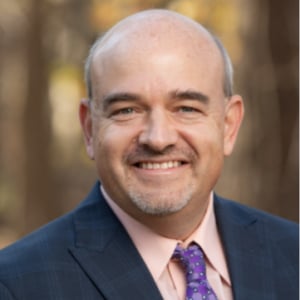
Newton D. Baker-Baker & Hostetler Chair in Law, Moritz College of Law, The Ohio State University
Professor Douglas A. Berman is Newton D. Baker-Baker & Hostetler Chair in Law and Executive Director of the Drug Enforcement and Policy Center, housed in the Moritz College of Law. Berman’s principal teaching and research focus is in the area of criminal law and criminal sentencing, though he also has teaching and practice experience in the fields of legislation and intellectual property. He has taught Criminal Law, Criminal Punishment and Sentencing, Criminal Procedure – Investigation, Marijuana Law, Policy & Reform Seminar, Federal and State Clemency Decision-making, The Death Penalty, Legislation, Introduction to Intellectual Property, Second Amendment Seminar, and the Legislation Clinic.
Professor Berman attended Princeton University and Harvard Law School. In law school, he was an editor and developments office chair of the Harvard Law Review and also served as a teaching assistant for a Harvard University philosophy course. After graduation from law school in 1993, Professor Berman served as a law clerk for Judge Jon O. Newman and then for Judge Guido Calabresi, both on the United States Court of Appeals for the Second Circuit. After clerking, Professor Berman was a litigation associate at the law firm of Paul, Weiss, Rifkind, Wharton, and Garrison in New York City.
Professor Berman is the co-author of two casebooks. Sentencing Law and Policy: Cases, Statutes and Guidelines, published by Aspen Publishers, is now in its fifth edition. Marijuana Law and Policy was released by Carolina Academic Press in 2020. In addition to authoring numerous articles on topics ranging from capital punishment to the federal sentencing guidelines, Professor Berman has served as a managing editor of the Federal Sentencing Reporter for more than twenty five years, and also serves as an editor of the Ohio State Journal of Criminal Law.
Professor Berman is the sole creator and author of the widely-read and widely-cited blog, Sentencing Law and Policy. The blog often receives nearly 50,000 page views per month (and had over 20,000 hits the day of the Supreme Court’s major sentencing decision in United States v. Booker). Professor Berman’s work on the Sentencing Law and Policy blog, which he describes as a form of “scholarship in action,” has been profiled or discussed at length in articles appearing in the Wall Street Journal, Legal Affairs magazine, Lawyers Weekly USA, Legal Times, Columbus Monthly, and in numerous other print and online publications.
In addition, Sentencing Law and Policy has the distinction of being the first blog cited by the U.S. Supreme Court (for a document appearing exclusively on the site), and substantive analysis in particular blog posts has been cited in numerous appellate and district court rulings, in many briefs submitted to federal and state courts around the country, and in hundreds of law review articles.
Professor Berman is a member of the Council on Criminal Justice and frequently is consulted by national and state policymakers, sentencing commissioners, and public policy groups concerning sentencing law and policy reforms. He has testified before the U.S. House of Representatives and before numerous sentencing commissions. He also is frequently contacted by national and local media concerning sentencing and marijuana reform developments.
Professor Berman has appeared on national television, radio and podcast news programs and has been extensively quoted in newspaper articles appearing in nearly every major national paper and many local papers, including The New York Times, The Washington Post, The Wall Street Journal, Legal Times, and in pieces from the Associated Press, Reuters, and Knight-Ridder news services.
Professor Berman sometimes serves as a consultant to lawyers working on important or interesting sentencing cases. In most instances, Professor Berman’s consulting has been on an ad hoc and pro bono basis, and it usually involves a quick review of draft briefs and other court filings and then providing general advice on litigation strategies. On some occasions, however, Professor Berman has been formally retained to play a more sustained role in certain cases, including being retained by law firms to provide consulting service on various cutting-edge federal sentencing issues.
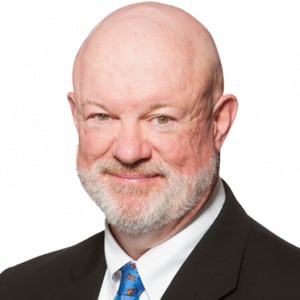
Senior Legal Fellow, the Meese Institute for the Rule of Law, Advancing American Freedom
Paul J. Larkin is a Senior Legal Fellow in the Meese Institute for the Rule of Law at Advancing American Freedom. Paul has held various positions in the federal and state governments throughout his career, such as being an attorney in the Organized Crime and Racketeering Section of the Criminal Division at the U.S. Department of Justice, an Assistant to the Solicitor General in the Office of the Solicitor General at the U.S. Department of Justice, Special Agent-in-Charge and Acting Director of the Criminal Investigation Division at the Environmental Protection Agency, and a member of the Parole Abolition and Sentencing Reform Commission and of the Juvenile Justice Reform Commission in the Office of Virginia Governor George Allen.
He has also worked at Verizon Communications and two law firms in Washington, D.C. His current research is principally in the fields of drug policy, criminal justice policy, and administrative law and policy. He has published numerous articles in law and public policy journals, both in print and online.
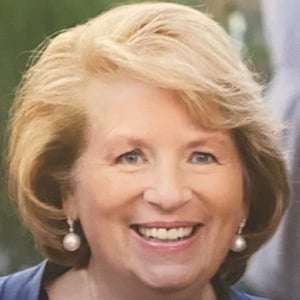
Professor of Psychobiology, Harvard Medical School; Department of Psychiatry, McLean Hospital
Bertha Madras, PhD is a Professor of Psychobiology at Harvard Medical School (Harvard faculty 40 years) She is based at McLean Hospital and cross-appointed at the Massachusetts General Hospital
Scientific Research. Dr. Madras’s translational and multidisciplinary research focuses on the neurobiology of addiction, neuropsychiatric disorders, and drug policy
Authorship. She is author of more than 500 scientific manuscripts, reviews, book chapters, abstracts. She also is co-editor of academic books including “The Cell Biology of Addiction”; “Effects of Drug Abuse on the Human Nervous System”; “Imaging of the Human Brain in Health and Disease”
Intellectual Property. Inventor, co-inventor on 19 issued U.S. patents and 27 issued international patents
Government, other Service
• 2018-present, National Academy of Medicine Opioid Collaborative. Member
• 2024. United Nations Office on Drugs and Crime. Panel on Consequences of Drug Use
• 2017. President’s Commission on Combating Drug Addiction and the Opioid Crisis. Appointed by President Trump as one of six Commission members: Gov. C. Baker (MA); Attorney General P. Bondi (FL); Gov. C. Christie, (Chair, NJ); Gov. R. Cooper (NC), Congressman P. Kennedy (RI), Prof. Madras (MA). She was charged with shepherding, writing major components of Report
• 2016. Vatican Pontifical Academy of Sciences. Panelist on Narcotics; co-author of final report
• 2014-2015. U.S. Department of Justice. Sole expert witness DoJ, on marijuana re-scheduling
• 2015. World Health Organization. Sole author of report commissioned by World Health Organization, “Update of Cannabis and its Medical Use”; co-author of “The Health and Social Effects of Nonmedical Cannabis Use
• 2014. National Football League (NFL). Member, Committee on prescription drugs
• 2006-2008. Deputy Director for Demand Reduction in the White House Office of National Drug Control Policy (ONDCP), Executive Office of the President; a presidential appointment confirmed with unanimous consent (99-0) by U.S. Senate
Educational Outreach
• 2023-2025 HARVARD X. Developer of course for parents on drug prevention
• 2001-. Cold Spring Harbor Laboratories. Developer, international course on Cell Biology of Addiction. Course is offered biannually to present
• 1991-2004. Museum of Science, Boston. Directed production of a museum exhibit, a CD (licensed by Disney) “Changing Your Mind: Drugs in the Brain” and play
• 1995. DEA-NIDA Museum Exhibit. Wrote draft of storyboard for exhibit, 1 Times Square, NYC, NY
• 1991-2005. Addiction biology. Developed, instructor 4th year HMS medical students
Honors, awards
• 2026: Barry Prize, American Academy of Sciences and Letters
• 2025: Asteroid 147703MADRAS named for BK Madras by the International Astronomical Union
• 2024: American Academy of Sciences and Letters, inductee
• Research and public service awards (partial list): NIDA Public Service Award, NIH MERIT Award, CPDD Innovator Award, American Academy of Addiction Psychiatry, Jack H. Mendelson Memorial Research Award, CPDD Fischman Award, Adler Distinguished Service Award, CADCA National Leadership Award, Nils Bejerot Award, others
• 2006: Better World Report designated her brain imaging invention as “one of 25 technology transfer innovations (university to industry) that changed the world”.
Her experiences in neuroscience research, drug addiction, education, government and public service offer a unique perspective at the intersection of science and public policy.
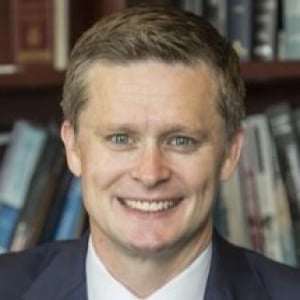
Donald M. Ephraim Professor of Law and Economics, University of Chicago Law School
Tony Casey is an expert on business law, finance, and corporate bankruptcy. His research—which has been published in the Yale Law Journal, the Columbia Law Review, the Supreme Court Review, and the University of Chicago Law Review—examines the intersection of finance and law. He has also written about the role of intellectual property law in the organization and financing of creative projects and about how technological innovation is changing the foundations of our legal system more generally.
Before entering academics, Professor Casey was a partner at Kirkland and Ellis, LLP. Before joining Kirkland & Ellis, he was an associate at Wachtell, Lipton, Rosen & Katz. His legal practice focused on corporate bankruptcy, merger litigation, white-collar investigations, securities litigation, and complex class actions. Casey also served as a law clerk for Chief Judge Joel M. Flaum of the United States Court of Appeals for the Seventh Circuit.
Professor Casey received his JD with High Honors in 2002 from the University of Chicago Law School. He received the John M. Olin Prize for the outstanding student of law and economics.
Professor Casey teaches courses and seminars in corporate governance, business law, bankruptcy and reorganization, finance, litigation strategy, civil procedure, and law and technology.
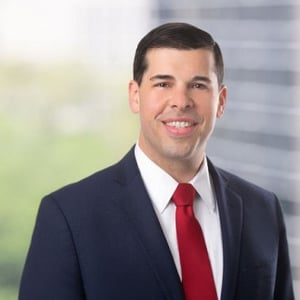
Partner, Boies Schiller Flexner LLP
Jesse, the former third-ranking official at the U.S. Department of Justice, helps clients with their most difficult litigation and regulatory issues─whether that means defending against an enforcement action, pursuing high-stakes litigation and appeals, navigating regulatory thickets at federal and state agencies, or crafting a comprehensive strategy to manage a crisis. He approaches these problems with the knowledge gained both from his broad private-practice experience and from having served at the highest levels of federal and state government.
Jesse has experience across a range of substantive and regulatory areas. He has sued the federal government and has also been one of its top law-enforcement officials; he has represented states and has also navigated their regulatory agencies on behalf of clients; and he has represented companies in business disputes, both as defendants and plaintiffs.
Before joining the firm, Jesse was the Acting Associate Attorney General at the United States Department of Justice. In that role, he oversaw the civil and criminal work of the Antitrust, Civil, Civil Rights, Environment and Natural Resources, and Tax Divisions. During Jesse’s tenure, the Associate’s office closely managed the Department’s most significant litigation, including matters involving large financial institutions, healthcare companies, automakers, energy companies, and state and local governments. In addition, Jesse served as Chair of DOJ’s Regulatory Reform Task Force and Vice Chair of DOJ’s Task Force on Market Integrity and Consumer Fraud. Jesse regularly provided legal and strategic advice to the highest-level decision makers in the federal government, including the Attorney General and Deputy Attorney General, general counsels across the spectrum of federal agencies, and White House officials.
Jesse served for three years as the secretary of Florida’s labor, economic-development, and land-use agency, the Florida Department of Economic Opportunity. Before that, he served as Governor (now Senator) Rick Scott’s general counsel.
Jesse maintains offices in both Washington D.C. and Florida. From Washington, he focuses on federal litigation and crisis management. In Florida, in addition to federal litigation, Jesse employs his knowledge of state government and regulation to help clients in courts across the state, from trial through the Florida Supreme Court.
Jesse currently serves on the Florida Supreme Court Judicial Nominating Commission, the body that provides the governor with nominees for appointment to the Florida Supreme Court. Jesse is also a fellow at the Center for the Study of the Administrative State at the Scalia Law School at George Mason University, where he writes and speaks about administrative law.
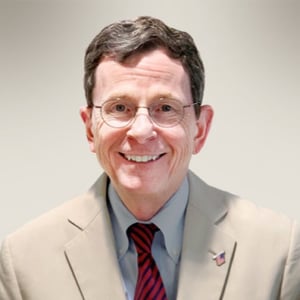
Executive Vice President for Bankruptcy Compliance, AIS
Cliff assists clients in effectively administering their portfolios of default loans and implementing systems that meet the highest standards of excellence and legal compliance. For 17 years, White led the United States Trustee Program (USTP), the Department of Justice's "watchdog" of the bankruptcy system. He retired March 2022, after 42 years of federal service. He is the recipient of two Presidential Rank Awards - the highest recognition accorded to senior career executives - by President George W. Bush and President Barack Obama. As Director of the USTP, his accomplishments include the implementation of key provisions of the Bankruptcy Abuse Prevention and Consumer Protection Act of 2005 and the Small Business Reorganization Act of 2019.
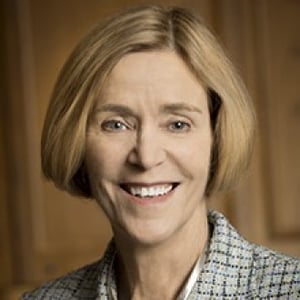
Lafayette S. Foster Professor of Law, Yale Law School
Kate Stith, Lafayette S. Foster Professor of Law at Yale Law School, teaches and writes in the areas of criminal law, criminal procedure, and constitutional law. Prior to joining the faculty at Yale, Professor Stith was an Assistant United States Attorney for the Southern District of New York, where she prosecuted white-collar and organized-crime cases. Professor Stith is serving or has served as an Adviser for the American Law Institute project Model Penal Code Sentencing; on the Committee on Law and Justice of the National Research Council; on the Professional Ethics Committee in the State of Connecticut; as a Commissioner of the Permanent Commission on the Status of Women in Connecticut; as President of the Connecticut Bar Foundation; on the Dartmouth College Board of Trustees; as faculty sponsor and director of the Women's Campaign School at Yale; as Deputy Dean of Yale Law School; and, by appointment of the Chief Justice of the United States, on the Advisory Committee for the Federal Rules of Criminal Procedure. Her book on the federal sentencing guidelines, Fear of Judging (with J.A. Cabranes), was awarded a Certificate of Merit by the ABA in 1999. A graduate of Dartmouth College, the Kennedy School of Government, and Harvard Law School, she clerked for Judge Carl McGowan of the U.S. Court of Appeals for the District of Columbia and for Supreme Court Justice Byron R.White.
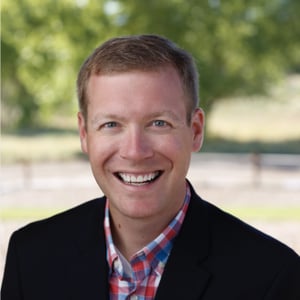
President, Center for American Rights
Daniel Suhr serves as president of the Center for American Rights, where he spends every day on the front lines of the fight to preserve our rights and liberties. The Center's mission is to advance free speech, free enterprise, and parental freedom in education through strategic, precedent-setting litigation.
Daniel formerly worked as policy director for Wisconsin Governor Scott Walker, as chief of staff for Wisconsin Lieutenant Governor Rebecca Kleefisch, and as a law clerk for Judge Diane Sykes of the U.S. Court of Appeals for the Seventh Circuit. He holds a B.A. and J.D. from Marquette University, and master’s degrees from Georgetown and the University of Missouri.

The Law, Policy, and Politics of Rescheduling Cannabis
Douglas A. Berman, Paul James Larkin, Bertha K. Madras
The legal status of cannabis has been a controversial issue ever since the Controlled Substances...
Harrington v. Purdue Pharma L.P. - Post-Argument SCOTUScast
Anthony J. Casey
On December 4, 2023, the Supreme Court heard oral argument in Harrington v. Purdue Pharma...
Courthouse Steps Preview: Harrington v. Purdue Pharma
Anthony J. Casey, Jesse Panuccio, Clifford J. White
The Supreme Court is scheduled to hear Harrington v. Purdue Pharma in December 2023. The case...
Ending an Epidemic: A Discussion on the Opioid Crisis
Yale Student Chapter
New Haven, CTA Discussion on the Opioid Epidemic
Akron Student Chapter
Akron, OHThe Federal Response to the Opioid Crisis
Milwaukee Lawyers Chapter
Milwaukee , WIThe Opioid Epidemic
Salt Lake City Lawyers Chapter
Salt Lake City , UT