
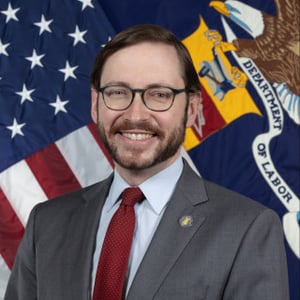
Solicitor, U.S. Department of Labor
Jonathan Berry is Solicitor at the U.S. Department of Labor, in service to President Trump’s agenda to put American workers first. He leads the Department’s lawyers in advising the Secretary and agency leadership on all aspects of law and in representing the Department in court. He was previously managing partner at Boyden Gray PLLC, where he provided strategic counsel and litigated on issues at the intersection of law, politics, and public policy. Earlier, he headed the regulatory office at Labor, and also served at the Department of Justice, in the first Trump Administration. Mr. Berry served as a law clerk to Judge Jerry E. Smith of the United States Court of Appeals for the Fifth Circuit, and to Associate Justice Samuel A. Alito, Jr., of the Supreme Court of the United States.
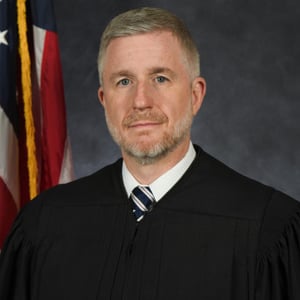
Judge, United States Court of Appeals, Third Circuit
Judge Paul Matey was appointed to the United States Court of Appeals for the Third Circuit in 2019 by President Trump.
Before his judicial service, Judge Matey was a partner at Lowenstein Sandler in New Jersey where he practiced complex commercial litigation and criminal defense. Earlier, Judge Matey was the Senior Vice President, General Counsel and Secretary for University Hospital Newark, an academic medical center and teaching hospital.
He also served as the Deputy Chief Counsel to Governor Chris Christie, and as an Assistant United States Attorney in the District of New Jersey, where he was awarded the Justice Department’s Director’s Award for Superior Performance. He also practiced at the Washington D.C. firm of Kellogg, Hansen, Todd, Figel & Frederick, and served as a law clerk to judges on the United States Court of Appeals for the Third Circuit and the United States District Court for the District of New Jersey.
He earned his bachelor’s degree from the University of Scranton, a Jesuit University, in 1993, and his juris doctorate, summa cum laude, from Seton Hall University School of Law in 2001, where he served as Editor-in-Chief of the Seton Hall Law Review.
In 2019, Judge Matey was elected to membership in the American Law Institute and, since 2020, has lectured on administrative law and the American legal history at Seton Hall.
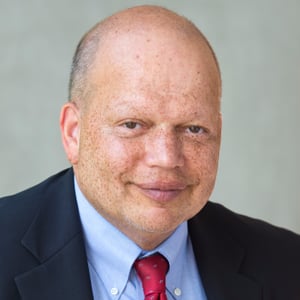
Julius L. Chambers Distinguished Professor of Law and Director of the Center for Civil Rights, University of North Carolina School of Law
Theodore M. Shaw is the Julius L. Chambers Distinguished Professor of Law and Director of the Center for Civil Rights at the University of North Carolina School of Law at Chapel Hill. Professor Shaw teaches Civil Procedure and Advanced Constitutional Law/Fourteenth Amendment. Before joining the faculty of UNC Law School, from 2008-2014 Professor Shaw taught at Columbia University Law School, where he was Professor of Professional Practice. During that time he was also “Of Counsel” to the law firm of Norton Rose Fulbright (formerly Fulbright & Jaworski, LLP). His practice involved civil litigation and representation of institutional clients on matters concerning diversity and civil rights.
Professor Shaw was the fifth Director-Counsel and President of the NAACP Legal Defense and Educational Fund, Inc., for which he worked in various capacities over the span of twenty-six years. He has litigated education, employment, voting rights, housing, police misconduct, capital punishment and other civil rights cases in trial and appellate courts, and in the United States Supreme Court.From 1982 until 1987, he litigated education, housing, and capital punishment cases and directed LDF's education litigation docket. In 1987, under the direction of LDF's third Director-Counsel, Julius Chambers, Mr. Shaw relocated to Los Angeles to establish LDF's Western Regional Office. In 1990, Mr. Shaw left LDF to join the faculty of the University of Michigan Law School, where he taught Constitutional Law, Civil Procedure and Civil Rights. While at Michigan, he played a key role in initiating a review of the law school's admissions practices and policies, and served on the faculty committee that promulgated the admissions program that was upheld by the U.S. Supreme Court in 2003 in Grutter v. Bollinger.
In 1993, Mr. Shaw returned to LDF as Associate Director-Counsel, and in 2004, he became LDF's fifth Director-Counsel. Mr. Shaw's legal career began as a Trial Attorney in the Honors Program of the United States Department of Justice, Civil Rights Division in Washington, D.C., where he worked from 1979 until 1982.
Mr. Shaw has testified on numerous occasions before Congress and before state and local legislatures. His human rights work has taken him to Africa, Asia, Europe, and South America. In addition to teaching at Columbia and at Michigan Law School, Professor Shaw held the 1997-1998 Haywood Burns Chair at CUNY School of Law at Queens College and the 2003 Phyllis Beck Chair at Temple Law School. He was a visiting scholar at the Constitution Center in Philadelphia in 2008-2009. He is a member of the faculty of the Practicing Law Institute (PLI).
Mr. Shaw served on the Obama Transition Team after the 2008 presidential election, as team leader for the Civil Rights Division of the Justice Department.
Solicitor, U.S. Department of Labor
Jonathan Berry is Solicitor at the U.S. Department of Labor, in service to President Trump’s agenda to put American workers first. He leads the Department’s lawyers in advising the Secretary and agency leadership on all aspects of law and in representing the Department in court. He was previously managing partner at Boyden Gray PLLC, where he provided strategic counsel and litigated on issues at the intersection of law, politics, and public policy. Earlier, he headed the regulatory office at Labor, and also served at the Department of Justice, in the first Trump Administration. Mr. Berry served as a law clerk to Judge Jerry E. Smith of the United States Court of Appeals for the Fifth Circuit, and to Associate Justice Samuel A. Alito, Jr., of the Supreme Court of the United States.
Judge, United States Court of Appeals, Third Circuit
Judge Paul Matey was appointed to the United States Court of Appeals for the Third Circuit in 2019 by President Trump.
Before his judicial service, Judge Matey was a partner at Lowenstein Sandler in New Jersey where he practiced complex commercial litigation and criminal defense. Earlier, Judge Matey was the Senior Vice President, General Counsel and Secretary for University Hospital Newark, an academic medical center and teaching hospital.
He also served as the Deputy Chief Counsel to Governor Chris Christie, and as an Assistant United States Attorney in the District of New Jersey, where he was awarded the Justice Department’s Director’s Award for Superior Performance. He also practiced at the Washington D.C. firm of Kellogg, Hansen, Todd, Figel & Frederick, and served as a law clerk to judges on the United States Court of Appeals for the Third Circuit and the United States District Court for the District of New Jersey.
He earned his bachelor’s degree from the University of Scranton, a Jesuit University, in 1993, and his juris doctorate, summa cum laude, from Seton Hall University School of Law in 2001, where he served as Editor-in-Chief of the Seton Hall Law Review.
In 2019, Judge Matey was elected to membership in the American Law Institute and, since 2020, has lectured on administrative law and the American legal history at Seton Hall.
Julius L. Chambers Distinguished Professor of Law and Director of the Center for Civil Rights, University of North Carolina School of Law
Theodore M. Shaw is the Julius L. Chambers Distinguished Professor of Law and Director of the Center for Civil Rights at the University of North Carolina School of Law at Chapel Hill. Professor Shaw teaches Civil Procedure and Advanced Constitutional Law/Fourteenth Amendment. Before joining the faculty of UNC Law School, from 2008-2014 Professor Shaw taught at Columbia University Law School, where he was Professor of Professional Practice. During that time he was also “Of Counsel” to the law firm of Norton Rose Fulbright (formerly Fulbright & Jaworski, LLP). His practice involved civil litigation and representation of institutional clients on matters concerning diversity and civil rights.
Professor Shaw was the fifth Director-Counsel and President of the NAACP Legal Defense and Educational Fund, Inc., for which he worked in various capacities over the span of twenty-six years. He has litigated education, employment, voting rights, housing, police misconduct, capital punishment and other civil rights cases in trial and appellate courts, and in the United States Supreme Court.From 1982 until 1987, he litigated education, housing, and capital punishment cases and directed LDF's education litigation docket. In 1987, under the direction of LDF's third Director-Counsel, Julius Chambers, Mr. Shaw relocated to Los Angeles to establish LDF's Western Regional Office. In 1990, Mr. Shaw left LDF to join the faculty of the University of Michigan Law School, where he taught Constitutional Law, Civil Procedure and Civil Rights. While at Michigan, he played a key role in initiating a review of the law school's admissions practices and policies, and served on the faculty committee that promulgated the admissions program that was upheld by the U.S. Supreme Court in 2003 in Grutter v. Bollinger.
In 1993, Mr. Shaw returned to LDF as Associate Director-Counsel, and in 2004, he became LDF's fifth Director-Counsel. Mr. Shaw's legal career began as a Trial Attorney in the Honors Program of the United States Department of Justice, Civil Rights Division in Washington, D.C., where he worked from 1979 until 1982.
Mr. Shaw has testified on numerous occasions before Congress and before state and local legislatures. His human rights work has taken him to Africa, Asia, Europe, and South America. In addition to teaching at Columbia and at Michigan Law School, Professor Shaw held the 1997-1998 Haywood Burns Chair at CUNY School of Law at Queens College and the 2003 Phyllis Beck Chair at Temple Law School. He was a visiting scholar at the Constitution Center in Philadelphia in 2008-2009. He is a member of the faculty of the Practicing Law Institute (PLI).
Mr. Shaw served on the Obama Transition Team after the 2008 presidential election, as team leader for the Civil Rights Division of the Justice Department.
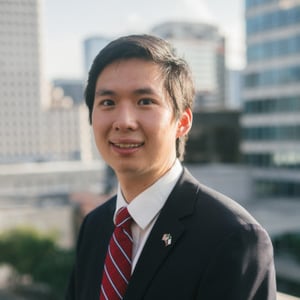
District Judge, State of Texas
Cory Liu is a state district judge in Austin, Texas. He previously served as assistant general counsel to Texas Governor Greg Abbott. Mr. Liu clerked for Judge Andrew Oldham on the U.S. Court of Appeals for the Fifth Circuit and Judge Danny Boggs on the U.S. Court of Appeals for the Sixth Circuit. He was Editor-in-Chief of the Harvard Journal of Law & Public Policy and is a graduate of Harvard Law School and the University of Chicago.
Judge, United States Court of Appeals, Third Circuit
Judge Paul Matey was appointed to the United States Court of Appeals for the Third Circuit in 2019 by President Trump.
Before his judicial service, Judge Matey was a partner at Lowenstein Sandler in New Jersey where he practiced complex commercial litigation and criminal defense. Earlier, Judge Matey was the Senior Vice President, General Counsel and Secretary for University Hospital Newark, an academic medical center and teaching hospital.
He also served as the Deputy Chief Counsel to Governor Chris Christie, and as an Assistant United States Attorney in the District of New Jersey, where he was awarded the Justice Department’s Director’s Award for Superior Performance. He also practiced at the Washington D.C. firm of Kellogg, Hansen, Todd, Figel & Frederick, and served as a law clerk to judges on the United States Court of Appeals for the Third Circuit and the United States District Court for the District of New Jersey.
He earned his bachelor’s degree from the University of Scranton, a Jesuit University, in 1993, and his juris doctorate, summa cum laude, from Seton Hall University School of Law in 2001, where he served as Editor-in-Chief of the Seton Hall Law Review.
In 2019, Judge Matey was elected to membership in the American Law Institute and, since 2020, has lectured on administrative law and the American legal history at Seton Hall.
Julius L. Chambers Distinguished Professor of Law and Director of the Center for Civil Rights, University of North Carolina School of Law
Theodore M. Shaw is the Julius L. Chambers Distinguished Professor of Law and Director of the Center for Civil Rights at the University of North Carolina School of Law at Chapel Hill. Professor Shaw teaches Civil Procedure and Advanced Constitutional Law/Fourteenth Amendment. Before joining the faculty of UNC Law School, from 2008-2014 Professor Shaw taught at Columbia University Law School, where he was Professor of Professional Practice. During that time he was also “Of Counsel” to the law firm of Norton Rose Fulbright (formerly Fulbright & Jaworski, LLP). His practice involved civil litigation and representation of institutional clients on matters concerning diversity and civil rights.
Professor Shaw was the fifth Director-Counsel and President of the NAACP Legal Defense and Educational Fund, Inc., for which he worked in various capacities over the span of twenty-six years. He has litigated education, employment, voting rights, housing, police misconduct, capital punishment and other civil rights cases in trial and appellate courts, and in the United States Supreme Court.From 1982 until 1987, he litigated education, housing, and capital punishment cases and directed LDF's education litigation docket. In 1987, under the direction of LDF's third Director-Counsel, Julius Chambers, Mr. Shaw relocated to Los Angeles to establish LDF's Western Regional Office. In 1990, Mr. Shaw left LDF to join the faculty of the University of Michigan Law School, where he taught Constitutional Law, Civil Procedure and Civil Rights. While at Michigan, he played a key role in initiating a review of the law school's admissions practices and policies, and served on the faculty committee that promulgated the admissions program that was upheld by the U.S. Supreme Court in 2003 in Grutter v. Bollinger.
In 1993, Mr. Shaw returned to LDF as Associate Director-Counsel, and in 2004, he became LDF's fifth Director-Counsel. Mr. Shaw's legal career began as a Trial Attorney in the Honors Program of the United States Department of Justice, Civil Rights Division in Washington, D.C., where he worked from 1979 until 1982.
Mr. Shaw has testified on numerous occasions before Congress and before state and local legislatures. His human rights work has taken him to Africa, Asia, Europe, and South America. In addition to teaching at Columbia and at Michigan Law School, Professor Shaw held the 1997-1998 Haywood Burns Chair at CUNY School of Law at Queens College and the 2003 Phyllis Beck Chair at Temple Law School. He was a visiting scholar at the Constitution Center in Philadelphia in 2008-2009. He is a member of the faculty of the Practicing Law Institute (PLI).
Mr. Shaw served on the Obama Transition Team after the 2008 presidential election, as team leader for the Civil Rights Division of the Justice Department.
Partner, Consovoy McCarthy Park PLLC
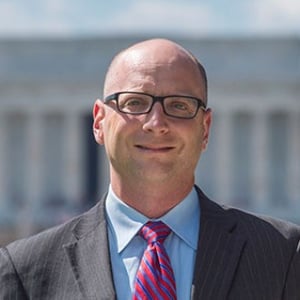
Mr. Strawbridge provides clients with advice and representation at the pre-litigation, trial, and appellate stages. He has represented a broad range of individual and institutional clients on matters of constitutional law, financial and securities regulation, environmental laws, complex commercial disputes, and consumer protection statutes. His experience includes arbitrations, trial and appellate litigation, and administrative and regulatory proceedings.
Mr. Strawbridge served as a law clerk to Supreme Court Justice Clarence Thomas, Judge Morris Sheppard Arnold of the United States Court of Appeals for the Eighth Circuit, and Justice Howard Dana of the Supreme Judicial Court of Maine. Previously, Mr. Strawbridge was a partner at two large international law firms. He worked as a newspaper reporter for four years before attending law school. Mr. Strawbridge is an adjunct professor for the Supreme Court Clinic at the Antonin Scalia Law School at George Mason University.
Mr. Strawbridge earned a Bachelor of Journalism from the University of Missouri, and his J.D. summa cum laude from Creighton University School of Law. Mr. Strawbridge is a member of the Maine and Massachusetts bars.
District Judge, State of Texas
Cory Liu is a state district judge in Austin, Texas. He previously served as assistant general counsel to Texas Governor Greg Abbott. Mr. Liu clerked for Judge Andrew Oldham on the U.S. Court of Appeals for the Fifth Circuit and Judge Danny Boggs on the U.S. Court of Appeals for the Sixth Circuit. He was Editor-in-Chief of the Harvard Journal of Law & Public Policy and is a graduate of Harvard Law School and the University of Chicago.
Judge, United States Court of Appeals, Third Circuit
Judge Paul Matey was appointed to the United States Court of Appeals for the Third Circuit in 2019 by President Trump.
Before his judicial service, Judge Matey was a partner at Lowenstein Sandler in New Jersey where he practiced complex commercial litigation and criminal defense. Earlier, Judge Matey was the Senior Vice President, General Counsel and Secretary for University Hospital Newark, an academic medical center and teaching hospital.
He also served as the Deputy Chief Counsel to Governor Chris Christie, and as an Assistant United States Attorney in the District of New Jersey, where he was awarded the Justice Department’s Director’s Award for Superior Performance. He also practiced at the Washington D.C. firm of Kellogg, Hansen, Todd, Figel & Frederick, and served as a law clerk to judges on the United States Court of Appeals for the Third Circuit and the United States District Court for the District of New Jersey.
He earned his bachelor’s degree from the University of Scranton, a Jesuit University, in 1993, and his juris doctorate, summa cum laude, from Seton Hall University School of Law in 2001, where he served as Editor-in-Chief of the Seton Hall Law Review.
In 2019, Judge Matey was elected to membership in the American Law Institute and, since 2020, has lectured on administrative law and the American legal history at Seton Hall.
Julius L. Chambers Distinguished Professor of Law and Director of the Center for Civil Rights, University of North Carolina School of Law
Theodore M. Shaw is the Julius L. Chambers Distinguished Professor of Law and Director of the Center for Civil Rights at the University of North Carolina School of Law at Chapel Hill. Professor Shaw teaches Civil Procedure and Advanced Constitutional Law/Fourteenth Amendment. Before joining the faculty of UNC Law School, from 2008-2014 Professor Shaw taught at Columbia University Law School, where he was Professor of Professional Practice. During that time he was also “Of Counsel” to the law firm of Norton Rose Fulbright (formerly Fulbright & Jaworski, LLP). His practice involved civil litigation and representation of institutional clients on matters concerning diversity and civil rights.
Professor Shaw was the fifth Director-Counsel and President of the NAACP Legal Defense and Educational Fund, Inc., for which he worked in various capacities over the span of twenty-six years. He has litigated education, employment, voting rights, housing, police misconduct, capital punishment and other civil rights cases in trial and appellate courts, and in the United States Supreme Court.From 1982 until 1987, he litigated education, housing, and capital punishment cases and directed LDF's education litigation docket. In 1987, under the direction of LDF's third Director-Counsel, Julius Chambers, Mr. Shaw relocated to Los Angeles to establish LDF's Western Regional Office. In 1990, Mr. Shaw left LDF to join the faculty of the University of Michigan Law School, where he taught Constitutional Law, Civil Procedure and Civil Rights. While at Michigan, he played a key role in initiating a review of the law school's admissions practices and policies, and served on the faculty committee that promulgated the admissions program that was upheld by the U.S. Supreme Court in 2003 in Grutter v. Bollinger.
In 1993, Mr. Shaw returned to LDF as Associate Director-Counsel, and in 2004, he became LDF's fifth Director-Counsel. Mr. Shaw's legal career began as a Trial Attorney in the Honors Program of the United States Department of Justice, Civil Rights Division in Washington, D.C., where he worked from 1979 until 1982.
Mr. Shaw has testified on numerous occasions before Congress and before state and local legislatures. His human rights work has taken him to Africa, Asia, Europe, and South America. In addition to teaching at Columbia and at Michigan Law School, Professor Shaw held the 1997-1998 Haywood Burns Chair at CUNY School of Law at Queens College and the 2003 Phyllis Beck Chair at Temple Law School. He was a visiting scholar at the Constitution Center in Philadelphia in 2008-2009. He is a member of the faculty of the Practicing Law Institute (PLI).
Mr. Shaw served on the Obama Transition Team after the 2008 presidential election, as team leader for the Civil Rights Division of the Justice Department.
Partner, Consovoy McCarthy Park PLLC
Mr. Strawbridge provides clients with advice and representation at the pre-litigation, trial, and appellate stages. He has represented a broad range of individual and institutional clients on matters of constitutional law, financial and securities regulation, environmental laws, complex commercial disputes, and consumer protection statutes. His experience includes arbitrations, trial and appellate litigation, and administrative and regulatory proceedings.
Mr. Strawbridge served as a law clerk to Supreme Court Justice Clarence Thomas, Judge Morris Sheppard Arnold of the United States Court of Appeals for the Eighth Circuit, and Justice Howard Dana of the Supreme Judicial Court of Maine. Previously, Mr. Strawbridge was a partner at two large international law firms. He worked as a newspaper reporter for four years before attending law school. Mr. Strawbridge is an adjunct professor for the Supreme Court Clinic at the Antonin Scalia Law School at George Mason University.
Mr. Strawbridge earned a Bachelor of Journalism from the University of Missouri, and his J.D. summa cum laude from Creighton University School of Law. Mr. Strawbridge is a member of the Maine and Massachusetts bars.
Managing Partner and Co-Founder, EducationCounsel
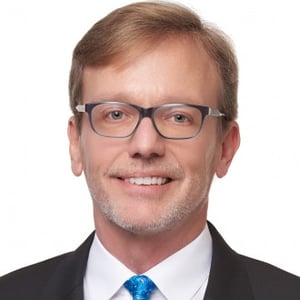
With extensive background in providing legal, policy, strategic planning, and advocacy services to educators throughout the country, Mr. Coleman focuses principally on issues of access, diversity, inclusion, and institutional quality in post-secondary education.
Mr. Coleman is a 1984 honors graduate of Duke University School of Law and a 1981 Phi Beta Kappa graduate of the University of Virginia. Mr. Coleman served as Deputy Assistant Secretary of the U.S. Department of Education’s Office for Civil Rights from June 1997 until January 2000, following his tenure as Senior Policy Advisor to the Assistant Secretary for Civil Rights. He has testified before the U.S. Senate and the U.S. Commission on Civil Rights; he has served as an adjunct professor at two law schools and at two graduate schools of education. He currently teaches at the USC Rossier School of Education.
He is a current member of GLSEN’s Board of Directors; a Board member of the National Council for State Authorization Reciprocity (NC-SARA); and a Board member of the Lab School of Washington, which serves students with learning differences. He is a past Chairperson of the Board of Directors for the Institute for Higher Education Policy. Mr. Coleman leads the legal and policy work of the College Board's Access and Diversity Collaborative that he helped establish in 2004, and has been a principal author of numerous amicus briefs filed in federal courts on issues associated with the educational benefits of student diversity and the consideration of race in admissions, as well as the rights of transgender students to a non-discriminatory school environments.

Professor of Law, University of San Diego School of Law (Retired)
Gail Heriot is a recently retired law professor from the University of San Diego. She also served as a member of the U.S. Commission on Civil Rights from 2007 to 2025. She is also the chairman of the board of the American Civil Rights Project and the chair emerita of the Civil Rights practice group at the Federalist Society for Law & Public Policy.
Professor Heriot is a prolific writer in the area of civil rights. She is the author of many law review articles. She is also the editor (along with Maimon Schwarzschild) of the 2021 anthology, A Dubious Expediency: How Race Preferences Damage Higher Education. Her upcoming book is entitled, Why We Walk on Eggshell: How Our Civil Rights Laws Helped Bring About the Woke Era—And the Trump Era, Too.
Her writings for a general audience have appeared in the Wall Street Journal, the San Diego Union-Tribune, the National Review and many other newspapers and magazines.
In 1996, she co-chaired the successful “Yes on Proposition 209” campaign, which amended the California Constitution to prohibit state-sponsored discrimination or preferential treatment based on race, sex, color, ethnicity or national origin. In 2020, she co-chaired the “No on Proposition 16” campaign, which successfully prevented Proposition 209’s repeal.
Founder, Chairman, and CEO, Louis D. Brandeis Center for Human Rights Under Law
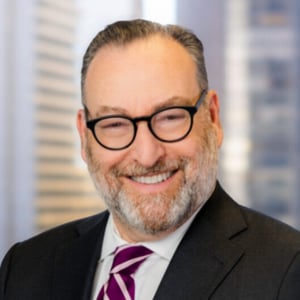
Hon. Kenneth L. Marcus is an internationally recognized expert in civil and human rights, as well as a leader in the fight against anti-Semitism on and off university campuses. He is the Founder, Chairman, and CEO of The Louis D. Brandeis Center for Human Rights Under Law, the leading civil rights legal organization fighting against anti-Semitism. The New York Times has called him “The Man Who Helped Redefine Campus Anti-Semitism.” He been described, in that paper, as “the single most effective and respected force” to combat anti-Semitism.
During his public service career, Marcus served as Assistant U.S. Secretary of Education for Civil Rights; Staff Director at the U.S. Commission on Civil Rights; and General Deputy Assistant U.S. Secretary of Housing and Urban Development for Fair Housing and Equal Opportunity.
In academia, he serves as Professorial Lecturer in Law at George Washington University. He formerly held the Lillie and Nathan Ackerman Chair in Equality and Justice in America at the City University of New York’s Bernard M. Baruch College, served as Visiting Research Professor of Political Science at Yeshiva University, and was a Board of Visitors member George Mason University and Distinguished Senior Fellow at that university’s law school. He is a member of the editorial board of the Journal of Contemporary Antisemitism and previously served as Associate Editor of the Journal for the Study of Anti-Semitism.
Marcus is also author of The Definition of Anti-Semitism (Oxford University Press) and Jewish Identity and Civil Rights in America (Cambridge University Press). He has published widely in academic journals as well as in more popular venues such as The Wall Street Journal, Washington Post, Newsweek, USA Today, and Politico. He is a graduate of Williams College and the University of California at Berkeley School of Law.
Earlier in his career, he was a litigation partner in two major law firms, where he conducted complex commercial and constitutional litigation. He also serves as Chairman emeritus of the Executive Committee of the Federalist Society for Law & Public Policy Civil Rights Practice Group.
Julius L. Chambers Distinguished Professor of Law and Director of the Center for Civil Rights, University of North Carolina School of Law
Theodore M. Shaw is the Julius L. Chambers Distinguished Professor of Law and Director of the Center for Civil Rights at the University of North Carolina School of Law at Chapel Hill. Professor Shaw teaches Civil Procedure and Advanced Constitutional Law/Fourteenth Amendment. Before joining the faculty of UNC Law School, from 2008-2014 Professor Shaw taught at Columbia University Law School, where he was Professor of Professional Practice. During that time he was also “Of Counsel” to the law firm of Norton Rose Fulbright (formerly Fulbright & Jaworski, LLP). His practice involved civil litigation and representation of institutional clients on matters concerning diversity and civil rights.
Professor Shaw was the fifth Director-Counsel and President of the NAACP Legal Defense and Educational Fund, Inc., for which he worked in various capacities over the span of twenty-six years. He has litigated education, employment, voting rights, housing, police misconduct, capital punishment and other civil rights cases in trial and appellate courts, and in the United States Supreme Court.From 1982 until 1987, he litigated education, housing, and capital punishment cases and directed LDF's education litigation docket. In 1987, under the direction of LDF's third Director-Counsel, Julius Chambers, Mr. Shaw relocated to Los Angeles to establish LDF's Western Regional Office. In 1990, Mr. Shaw left LDF to join the faculty of the University of Michigan Law School, where he taught Constitutional Law, Civil Procedure and Civil Rights. While at Michigan, he played a key role in initiating a review of the law school's admissions practices and policies, and served on the faculty committee that promulgated the admissions program that was upheld by the U.S. Supreme Court in 2003 in Grutter v. Bollinger.
In 1993, Mr. Shaw returned to LDF as Associate Director-Counsel, and in 2004, he became LDF's fifth Director-Counsel. Mr. Shaw's legal career began as a Trial Attorney in the Honors Program of the United States Department of Justice, Civil Rights Division in Washington, D.C., where he worked from 1979 until 1982.
Mr. Shaw has testified on numerous occasions before Congress and before state and local legislatures. His human rights work has taken him to Africa, Asia, Europe, and South America. In addition to teaching at Columbia and at Michigan Law School, Professor Shaw held the 1997-1998 Haywood Burns Chair at CUNY School of Law at Queens College and the 2003 Phyllis Beck Chair at Temple Law School. He was a visiting scholar at the Constitution Center in Philadelphia in 2008-2009. He is a member of the faculty of the Practicing Law Institute (PLI).
Mr. Shaw served on the Obama Transition Team after the 2008 presidential election, as team leader for the Civil Rights Division of the Justice Department.
Partner, Jones Day
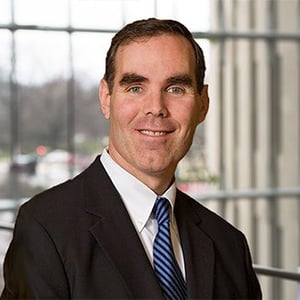
Eric Dreiband represents clients in investigations, litigation, and counseling in civil rights, employment discrimination, whistleblower, wage and hour, and other matters. Prior to rejoining Jones Day in 2021, Eric served as the 18th Assistant Attorney General for the Civil Rights Division at the U.S. Department of Justice (DOJ), and he also served as the 12th General Counsel of the U.S. Equal Employment Opportunity Commission (EEOC).
Under Eric's leadership, DOJ's Civil Rights Division set enforcement records for prosecutions of law enforcement officers and sexual harassment, religious liberty, and servicemember cases; charged the highest number of hate crimes cases in decades; significantly expanded resources for human trafficking prosecutions; prosecuted race and other forms of illegal discrimination in education, employment, housing, lending, and voting; reached historic disability rights settlements with several states; opposed unlawful COVID-19-related civil liberty restrictions; and successfully litigated to protect the Constitutional and civil rights of all people in the United States.
As EEOC general counsel, Eric led the Commission's litigation of the federal employment antidiscrimination laws, and he issued the Regional Attorneys' Manual, which established the policies of EEOC's litigation program. Eric also served at the Department of Labor (DOL) as deputy wage and hour administrator and directed DOL's enforcement of the Fair Labor Standards Act (FLSA), the Family and Medical Leave Act (FMLA), and other laws.
From 1997 to 2000, Eric served as a prosecutor in the Office of Independent Counsel Kenneth W. Starr.
Eric has spoken and written extensively about civil rights and other employment laws, and he has testified about these subjects before committees of the U.S. House of Representatives and the U.S. Senate.
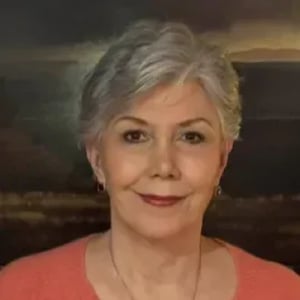
Chairman, Center for Equal Opportunity
Linda Chavez is Chairman of the Center for Equal Opportunity. She has published opinions and columns in newspapers across the country and appears regularly on cable news. Chavez is the author of the three books: Out of the Barrio: Toward a New Politics of Hispanic Assimilation, An Unlikely Conservative: The Transformation of an Ex-Liberal, and Betrayal: How Union Bosses Shake Down Their Members and Corrupt American Politics. She has been honored by the Library of Congress as a "Living Legend" and as nominee for Secretary of Labor by President George W. Bush.
Chavez has held many appointed positions and has served on numerous corporate and nonprofit boards. Among her appointed positions has been Chairman, National Commission on Migrant Education (1988-1992); White House Director of Public Liaison (1985); Staff Director of the U.S. Commission on Civil Rights (1983-1985); and member of the Administrative Conference of the United States (1984-1986). Chavez was also the Republican nominee for U.S. Senator from Maryland in 1986 and was elected by the United Nations' Human Rights Commission to serve a four-year term as U.S. Expert to the U.N. Sub-commission on the Prevention of Discrimination and Protection of Minorities.
Chavez earned her BA from the University of Colorado.
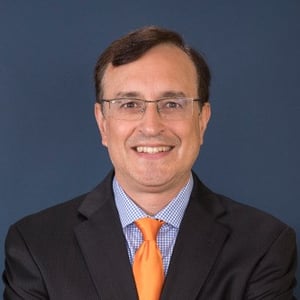
President, Center for Individual Rights
Todd Gaziano is the President of the Center for Individual Rights. Mr. Gaziano received his J.D. in 1988 from the University of Chicago Law School, where he was a John M. Olin Fellow in Law and Economics. He received his B.A. from West Virginia University, summa cum laude in 1985. He was selected as a Truman Scholar from West Virginia while an undergraduate.
Mr. Gaziano’s previous legal work includes service as a law clerk for U.S. Court of Appeals for the Fifth Circuit Judge Edith Jones, as an attorney in the U.S. Department of Justice Office of Legal Counsel, as a chief subcommittee counsel in the U.S. House of Representatives, as a Houston trial attorney, and as a chief corporate legal officer. He also served a six-year term as commissioner on the U.S. Commission on Civil Rights (2008-2013), where he helped conduct oversight and investigations of civil rights agencies.
For most of the last 25 years, Mr. Gaziano was a legal scholar and public interest law leader, promoting individual liberty in the Supreme Court and Congress. From 1997 to 2013, he was the founding director of the Edwin Meese Center for Legal and Judicial Studies at The Heritage Foundation. From 2014 until he joined CIR, he was the Chief of Legal Policy and Strategic Research, and Director of the Center for the Separation of Powers, at Pacific Legal Foundation.
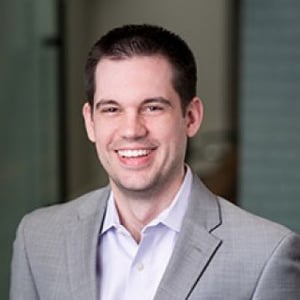
Executive Director, Consumers’ Research
Will Hild is the Executive Director of Consumers’ Research. Will has a decade of non-profit, legal and public policy experience. Prior to joining CR, Will served as the Deputy Director of the Regulatory Transparency Project. Before that, he worked at the Philanthropy Roundtable as the Director of External Affairs for the Culture of Freedom Initiative, and as the Chief Operating Officer of that Initiative when it grew to become a separate organization. He helped co-found the public interest law firm, Cause of Action, and served as the firm’s acting communications director for nearly a year.
Will received his J.D. from Georgetown University Law Center, and a B.A. in Political Science from the University of Florida. He is licensed to practice law in the Commonwealth of Virginia.
Will resides in Bethesda, MD, with his wife Cheryl, a practicing OB/GYN, and their son Liam.
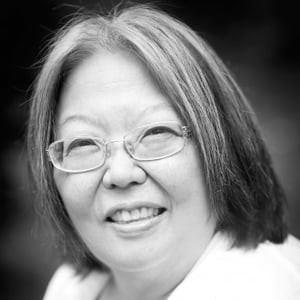
Senior Research Fellow, Center for Equal Opportunity
In D.C. area for over 20 years, Althea Nagai, Ph.D., is a research fellow at the Center for Equal Opportunity. She has conducted numerous statistical analyses on racial and ethnic preferences in higher education, including racial and ethnic preferences in undergraduate education at five public universities in Virginia, the University of Michigan, two Arizona universities, the University of Wisconsin-Madison, two Ohio universities, and various law and medical schools. In addition, she has written two essays for CEO focusing on Asian Americans, “Too Many Asian Americans,” and “Harvard Investigates Harvard.”
She has also has done work on other statistical studies in the field of social policy. Her first study was a content analysis and critique of the national history standards with John Fonte and Lynne Cheney. She has also conducted studies on marriage, religion, and family structure; on adolescent risk behavior; on philanthropy and social change; and on American elites (American Elites, with Robert Lerner and Stanley Rothman, 1996 Yale University Press).
Julius L. Chambers Distinguished Professor of Law and Director of the Center for Civil Rights, University of North Carolina School of Law
Theodore M. Shaw is the Julius L. Chambers Distinguished Professor of Law and Director of the Center for Civil Rights at the University of North Carolina School of Law at Chapel Hill. Professor Shaw teaches Civil Procedure and Advanced Constitutional Law/Fourteenth Amendment. Before joining the faculty of UNC Law School, from 2008-2014 Professor Shaw taught at Columbia University Law School, where he was Professor of Professional Practice. During that time he was also “Of Counsel” to the law firm of Norton Rose Fulbright (formerly Fulbright & Jaworski, LLP). His practice involved civil litigation and representation of institutional clients on matters concerning diversity and civil rights.
Professor Shaw was the fifth Director-Counsel and President of the NAACP Legal Defense and Educational Fund, Inc., for which he worked in various capacities over the span of twenty-six years. He has litigated education, employment, voting rights, housing, police misconduct, capital punishment and other civil rights cases in trial and appellate courts, and in the United States Supreme Court.From 1982 until 1987, he litigated education, housing, and capital punishment cases and directed LDF's education litigation docket. In 1987, under the direction of LDF's third Director-Counsel, Julius Chambers, Mr. Shaw relocated to Los Angeles to establish LDF's Western Regional Office. In 1990, Mr. Shaw left LDF to join the faculty of the University of Michigan Law School, where he taught Constitutional Law, Civil Procedure and Civil Rights. While at Michigan, he played a key role in initiating a review of the law school's admissions practices and policies, and served on the faculty committee that promulgated the admissions program that was upheld by the U.S. Supreme Court in 2003 in Grutter v. Bollinger.
In 1993, Mr. Shaw returned to LDF as Associate Director-Counsel, and in 2004, he became LDF's fifth Director-Counsel. Mr. Shaw's legal career began as a Trial Attorney in the Honors Program of the United States Department of Justice, Civil Rights Division in Washington, D.C., where he worked from 1979 until 1982.
Mr. Shaw has testified on numerous occasions before Congress and before state and local legislatures. His human rights work has taken him to Africa, Asia, Europe, and South America. In addition to teaching at Columbia and at Michigan Law School, Professor Shaw held the 1997-1998 Haywood Burns Chair at CUNY School of Law at Queens College and the 2003 Phyllis Beck Chair at Temple Law School. He was a visiting scholar at the Constitution Center in Philadelphia in 2008-2009. He is a member of the faculty of the Practicing Law Institute (PLI).
Mr. Shaw served on the Obama Transition Team after the 2008 presidential election, as team leader for the Civil Rights Division of the Justice Department.
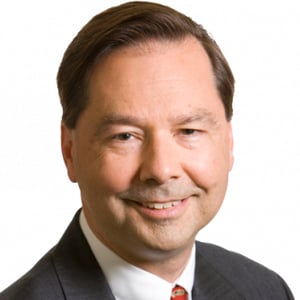
Senior Legal Fellow, Edwin Meese III Institute for the Rule of Law, Advancing American Freedom
Solicitor, U.S. Department of Labor
Jonathan Berry is Solicitor at the U.S. Department of Labor, in service to President Trump’s agenda to put American workers first. He leads the Department’s lawyers in advising the Secretary and agency leadership on all aspects of law and in representing the Department in court. He was previously managing partner at Boyden Gray PLLC, where he provided strategic counsel and litigated on issues at the intersection of law, politics, and public policy. Earlier, he headed the regulatory office at Labor, and also served at the Department of Justice, in the first Trump Administration. Mr. Berry served as a law clerk to Judge Jerry E. Smith of the United States Court of Appeals for the Fifth Circuit, and to Associate Justice Samuel A. Alito, Jr., of the Supreme Court of the United States.
Judge, United States Court of Appeals, Third Circuit
Judge Paul Matey was appointed to the United States Court of Appeals for the Third Circuit in 2019 by President Trump.
Before his judicial service, Judge Matey was a partner at Lowenstein Sandler in New Jersey where he practiced complex commercial litigation and criminal defense. Earlier, Judge Matey was the Senior Vice President, General Counsel and Secretary for University Hospital Newark, an academic medical center and teaching hospital.
He also served as the Deputy Chief Counsel to Governor Chris Christie, and as an Assistant United States Attorney in the District of New Jersey, where he was awarded the Justice Department’s Director’s Award for Superior Performance. He also practiced at the Washington D.C. firm of Kellogg, Hansen, Todd, Figel & Frederick, and served as a law clerk to judges on the United States Court of Appeals for the Third Circuit and the United States District Court for the District of New Jersey.
He earned his bachelor’s degree from the University of Scranton, a Jesuit University, in 1993, and his juris doctorate, summa cum laude, from Seton Hall University School of Law in 2001, where he served as Editor-in-Chief of the Seton Hall Law Review.
In 2019, Judge Matey was elected to membership in the American Law Institute and, since 2020, has lectured on administrative law and the American legal history at Seton Hall.
Julius L. Chambers Distinguished Professor of Law and Director of the Center for Civil Rights, University of North Carolina School of Law
Theodore M. Shaw is the Julius L. Chambers Distinguished Professor of Law and Director of the Center for Civil Rights at the University of North Carolina School of Law at Chapel Hill. Professor Shaw teaches Civil Procedure and Advanced Constitutional Law/Fourteenth Amendment. Before joining the faculty of UNC Law School, from 2008-2014 Professor Shaw taught at Columbia University Law School, where he was Professor of Professional Practice. During that time he was also “Of Counsel” to the law firm of Norton Rose Fulbright (formerly Fulbright & Jaworski, LLP). His practice involved civil litigation and representation of institutional clients on matters concerning diversity and civil rights.
Professor Shaw was the fifth Director-Counsel and President of the NAACP Legal Defense and Educational Fund, Inc., for which he worked in various capacities over the span of twenty-six years. He has litigated education, employment, voting rights, housing, police misconduct, capital punishment and other civil rights cases in trial and appellate courts, and in the United States Supreme Court.From 1982 until 1987, he litigated education, housing, and capital punishment cases and directed LDF's education litigation docket. In 1987, under the direction of LDF's third Director-Counsel, Julius Chambers, Mr. Shaw relocated to Los Angeles to establish LDF's Western Regional Office. In 1990, Mr. Shaw left LDF to join the faculty of the University of Michigan Law School, where he taught Constitutional Law, Civil Procedure and Civil Rights. While at Michigan, he played a key role in initiating a review of the law school's admissions practices and policies, and served on the faculty committee that promulgated the admissions program that was upheld by the U.S. Supreme Court in 2003 in Grutter v. Bollinger.
In 1993, Mr. Shaw returned to LDF as Associate Director-Counsel, and in 2004, he became LDF's fifth Director-Counsel. Mr. Shaw's legal career began as a Trial Attorney in the Honors Program of the United States Department of Justice, Civil Rights Division in Washington, D.C., where he worked from 1979 until 1982.
Mr. Shaw has testified on numerous occasions before Congress and before state and local legislatures. His human rights work has taken him to Africa, Asia, Europe, and South America. In addition to teaching at Columbia and at Michigan Law School, Professor Shaw held the 1997-1998 Haywood Burns Chair at CUNY School of Law at Queens College and the 2003 Phyllis Beck Chair at Temple Law School. He was a visiting scholar at the Constitution Center in Philadelphia in 2008-2009. He is a member of the faculty of the Practicing Law Institute (PLI).
Mr. Shaw served on the Obama Transition Team after the 2008 presidential election, as team leader for the Civil Rights Division of the Justice Department.
District Judge, State of Texas
Cory Liu is a state district judge in Austin, Texas. He previously served as assistant general counsel to Texas Governor Greg Abbott. Mr. Liu clerked for Judge Andrew Oldham on the U.S. Court of Appeals for the Fifth Circuit and Judge Danny Boggs on the U.S. Court of Appeals for the Sixth Circuit. He was Editor-in-Chief of the Harvard Journal of Law & Public Policy and is a graduate of Harvard Law School and the University of Chicago.
Judge, United States Court of Appeals, Third Circuit
Judge Paul Matey was appointed to the United States Court of Appeals for the Third Circuit in 2019 by President Trump.
Before his judicial service, Judge Matey was a partner at Lowenstein Sandler in New Jersey where he practiced complex commercial litigation and criminal defense. Earlier, Judge Matey was the Senior Vice President, General Counsel and Secretary for University Hospital Newark, an academic medical center and teaching hospital.
He also served as the Deputy Chief Counsel to Governor Chris Christie, and as an Assistant United States Attorney in the District of New Jersey, where he was awarded the Justice Department’s Director’s Award for Superior Performance. He also practiced at the Washington D.C. firm of Kellogg, Hansen, Todd, Figel & Frederick, and served as a law clerk to judges on the United States Court of Appeals for the Third Circuit and the United States District Court for the District of New Jersey.
He earned his bachelor’s degree from the University of Scranton, a Jesuit University, in 1993, and his juris doctorate, summa cum laude, from Seton Hall University School of Law in 2001, where he served as Editor-in-Chief of the Seton Hall Law Review.
In 2019, Judge Matey was elected to membership in the American Law Institute and, since 2020, has lectured on administrative law and the American legal history at Seton Hall.
Julius L. Chambers Distinguished Professor of Law and Director of the Center for Civil Rights, University of North Carolina School of Law
Theodore M. Shaw is the Julius L. Chambers Distinguished Professor of Law and Director of the Center for Civil Rights at the University of North Carolina School of Law at Chapel Hill. Professor Shaw teaches Civil Procedure and Advanced Constitutional Law/Fourteenth Amendment. Before joining the faculty of UNC Law School, from 2008-2014 Professor Shaw taught at Columbia University Law School, where he was Professor of Professional Practice. During that time he was also “Of Counsel” to the law firm of Norton Rose Fulbright (formerly Fulbright & Jaworski, LLP). His practice involved civil litigation and representation of institutional clients on matters concerning diversity and civil rights.
Professor Shaw was the fifth Director-Counsel and President of the NAACP Legal Defense and Educational Fund, Inc., for which he worked in various capacities over the span of twenty-six years. He has litigated education, employment, voting rights, housing, police misconduct, capital punishment and other civil rights cases in trial and appellate courts, and in the United States Supreme Court.From 1982 until 1987, he litigated education, housing, and capital punishment cases and directed LDF's education litigation docket. In 1987, under the direction of LDF's third Director-Counsel, Julius Chambers, Mr. Shaw relocated to Los Angeles to establish LDF's Western Regional Office. In 1990, Mr. Shaw left LDF to join the faculty of the University of Michigan Law School, where he taught Constitutional Law, Civil Procedure and Civil Rights. While at Michigan, he played a key role in initiating a review of the law school's admissions practices and policies, and served on the faculty committee that promulgated the admissions program that was upheld by the U.S. Supreme Court in 2003 in Grutter v. Bollinger.
In 1993, Mr. Shaw returned to LDF as Associate Director-Counsel, and in 2004, he became LDF's fifth Director-Counsel. Mr. Shaw's legal career began as a Trial Attorney in the Honors Program of the United States Department of Justice, Civil Rights Division in Washington, D.C., where he worked from 1979 until 1982.
Mr. Shaw has testified on numerous occasions before Congress and before state and local legislatures. His human rights work has taken him to Africa, Asia, Europe, and South America. In addition to teaching at Columbia and at Michigan Law School, Professor Shaw held the 1997-1998 Haywood Burns Chair at CUNY School of Law at Queens College and the 2003 Phyllis Beck Chair at Temple Law School. He was a visiting scholar at the Constitution Center in Philadelphia in 2008-2009. He is a member of the faculty of the Practicing Law Institute (PLI).
Mr. Shaw served on the Obama Transition Team after the 2008 presidential election, as team leader for the Civil Rights Division of the Justice Department.
Partner, Consovoy McCarthy Park PLLC
Mr. Strawbridge provides clients with advice and representation at the pre-litigation, trial, and appellate stages. He has represented a broad range of individual and institutional clients on matters of constitutional law, financial and securities regulation, environmental laws, complex commercial disputes, and consumer protection statutes. His experience includes arbitrations, trial and appellate litigation, and administrative and regulatory proceedings.
Mr. Strawbridge served as a law clerk to Supreme Court Justice Clarence Thomas, Judge Morris Sheppard Arnold of the United States Court of Appeals for the Eighth Circuit, and Justice Howard Dana of the Supreme Judicial Court of Maine. Previously, Mr. Strawbridge was a partner at two large international law firms. He worked as a newspaper reporter for four years before attending law school. Mr. Strawbridge is an adjunct professor for the Supreme Court Clinic at the Antonin Scalia Law School at George Mason University.
Mr. Strawbridge earned a Bachelor of Journalism from the University of Missouri, and his J.D. summa cum laude from Creighton University School of Law. Mr. Strawbridge is a member of the Maine and Massachusetts bars.
Managing Partner and Co-Founder, EducationCounsel
With extensive background in providing legal, policy, strategic planning, and advocacy services to educators throughout the country, Mr. Coleman focuses principally on issues of access, diversity, inclusion, and institutional quality in post-secondary education.
Mr. Coleman is a 1984 honors graduate of Duke University School of Law and a 1981 Phi Beta Kappa graduate of the University of Virginia. Mr. Coleman served as Deputy Assistant Secretary of the U.S. Department of Education’s Office for Civil Rights from June 1997 until January 2000, following his tenure as Senior Policy Advisor to the Assistant Secretary for Civil Rights. He has testified before the U.S. Senate and the U.S. Commission on Civil Rights; he has served as an adjunct professor at two law schools and at two graduate schools of education. He currently teaches at the USC Rossier School of Education.
He is a current member of GLSEN’s Board of Directors; a Board member of the National Council for State Authorization Reciprocity (NC-SARA); and a Board member of the Lab School of Washington, which serves students with learning differences. He is a past Chairperson of the Board of Directors for the Institute for Higher Education Policy. Mr. Coleman leads the legal and policy work of the College Board's Access and Diversity Collaborative that he helped establish in 2004, and has been a principal author of numerous amicus briefs filed in federal courts on issues associated with the educational benefits of student diversity and the consideration of race in admissions, as well as the rights of transgender students to a non-discriminatory school environments.
Partner, Jones Day
Eric Dreiband represents clients in investigations, litigation, and counseling in civil rights, employment discrimination, whistleblower, wage and hour, and other matters. Prior to rejoining Jones Day in 2021, Eric served as the 18th Assistant Attorney General for the Civil Rights Division at the U.S. Department of Justice (DOJ), and he also served as the 12th General Counsel of the U.S. Equal Employment Opportunity Commission (EEOC).
Under Eric's leadership, DOJ's Civil Rights Division set enforcement records for prosecutions of law enforcement officers and sexual harassment, religious liberty, and servicemember cases; charged the highest number of hate crimes cases in decades; significantly expanded resources for human trafficking prosecutions; prosecuted race and other forms of illegal discrimination in education, employment, housing, lending, and voting; reached historic disability rights settlements with several states; opposed unlawful COVID-19-related civil liberty restrictions; and successfully litigated to protect the Constitutional and civil rights of all people in the United States.
As EEOC general counsel, Eric led the Commission's litigation of the federal employment antidiscrimination laws, and he issued the Regional Attorneys' Manual, which established the policies of EEOC's litigation program. Eric also served at the Department of Labor (DOL) as deputy wage and hour administrator and directed DOL's enforcement of the Fair Labor Standards Act (FLSA), the Family and Medical Leave Act (FMLA), and other laws.
From 1997 to 2000, Eric served as a prosecutor in the Office of Independent Counsel Kenneth W. Starr.
Eric has spoken and written extensively about civil rights and other employment laws, and he has testified about these subjects before committees of the U.S. House of Representatives and the U.S. Senate.
Professor of Law, University of San Diego School of Law (Retired)
Gail Heriot is a recently retired law professor from the University of San Diego. She also served as a member of the U.S. Commission on Civil Rights from 2007 to 2025. She is also the chairman of the board of the American Civil Rights Project and the chair emerita of the Civil Rights practice group at the Federalist Society for Law & Public Policy.
Professor Heriot is a prolific writer in the area of civil rights. She is the author of many law review articles. She is also the editor (along with Maimon Schwarzschild) of the 2021 anthology, A Dubious Expediency: How Race Preferences Damage Higher Education. Her upcoming book is entitled, Why We Walk on Eggshell: How Our Civil Rights Laws Helped Bring About the Woke Era—And the Trump Era, Too.
Her writings for a general audience have appeared in the Wall Street Journal, the San Diego Union-Tribune, the National Review and many other newspapers and magazines.
In 1996, she co-chaired the successful “Yes on Proposition 209” campaign, which amended the California Constitution to prohibit state-sponsored discrimination or preferential treatment based on race, sex, color, ethnicity or national origin. In 2020, she co-chaired the “No on Proposition 16” campaign, which successfully prevented Proposition 209’s repeal.
Founder, Chairman, and CEO, Louis D. Brandeis Center for Human Rights Under Law
Hon. Kenneth L. Marcus is an internationally recognized expert in civil and human rights, as well as a leader in the fight against anti-Semitism on and off university campuses. He is the Founder, Chairman, and CEO of The Louis D. Brandeis Center for Human Rights Under Law, the leading civil rights legal organization fighting against anti-Semitism. The New York Times has called him “The Man Who Helped Redefine Campus Anti-Semitism.” He been described, in that paper, as “the single most effective and respected force” to combat anti-Semitism.
During his public service career, Marcus served as Assistant U.S. Secretary of Education for Civil Rights; Staff Director at the U.S. Commission on Civil Rights; and General Deputy Assistant U.S. Secretary of Housing and Urban Development for Fair Housing and Equal Opportunity.
In academia, he serves as Professorial Lecturer in Law at George Washington University. He formerly held the Lillie and Nathan Ackerman Chair in Equality and Justice in America at the City University of New York’s Bernard M. Baruch College, served as Visiting Research Professor of Political Science at Yeshiva University, and was a Board of Visitors member George Mason University and Distinguished Senior Fellow at that university’s law school. He is a member of the editorial board of the Journal of Contemporary Antisemitism and previously served as Associate Editor of the Journal for the Study of Anti-Semitism.
Marcus is also author of The Definition of Anti-Semitism (Oxford University Press) and Jewish Identity and Civil Rights in America (Cambridge University Press). He has published widely in academic journals as well as in more popular venues such as The Wall Street Journal, Washington Post, Newsweek, USA Today, and Politico. He is a graduate of Williams College and the University of California at Berkeley School of Law.
Earlier in his career, he was a litigation partner in two major law firms, where he conducted complex commercial and constitutional litigation. He also serves as Chairman emeritus of the Executive Committee of the Federalist Society for Law & Public Policy Civil Rights Practice Group.
Julius L. Chambers Distinguished Professor of Law and Director of the Center for Civil Rights, University of North Carolina School of Law
Theodore M. Shaw is the Julius L. Chambers Distinguished Professor of Law and Director of the Center for Civil Rights at the University of North Carolina School of Law at Chapel Hill. Professor Shaw teaches Civil Procedure and Advanced Constitutional Law/Fourteenth Amendment. Before joining the faculty of UNC Law School, from 2008-2014 Professor Shaw taught at Columbia University Law School, where he was Professor of Professional Practice. During that time he was also “Of Counsel” to the law firm of Norton Rose Fulbright (formerly Fulbright & Jaworski, LLP). His practice involved civil litigation and representation of institutional clients on matters concerning diversity and civil rights.
Professor Shaw was the fifth Director-Counsel and President of the NAACP Legal Defense and Educational Fund, Inc., for which he worked in various capacities over the span of twenty-six years. He has litigated education, employment, voting rights, housing, police misconduct, capital punishment and other civil rights cases in trial and appellate courts, and in the United States Supreme Court.From 1982 until 1987, he litigated education, housing, and capital punishment cases and directed LDF's education litigation docket. In 1987, under the direction of LDF's third Director-Counsel, Julius Chambers, Mr. Shaw relocated to Los Angeles to establish LDF's Western Regional Office. In 1990, Mr. Shaw left LDF to join the faculty of the University of Michigan Law School, where he taught Constitutional Law, Civil Procedure and Civil Rights. While at Michigan, he played a key role in initiating a review of the law school's admissions practices and policies, and served on the faculty committee that promulgated the admissions program that was upheld by the U.S. Supreme Court in 2003 in Grutter v. Bollinger.
In 1993, Mr. Shaw returned to LDF as Associate Director-Counsel, and in 2004, he became LDF's fifth Director-Counsel. Mr. Shaw's legal career began as a Trial Attorney in the Honors Program of the United States Department of Justice, Civil Rights Division in Washington, D.C., where he worked from 1979 until 1982.
Mr. Shaw has testified on numerous occasions before Congress and before state and local legislatures. His human rights work has taken him to Africa, Asia, Europe, and South America. In addition to teaching at Columbia and at Michigan Law School, Professor Shaw held the 1997-1998 Haywood Burns Chair at CUNY School of Law at Queens College and the 2003 Phyllis Beck Chair at Temple Law School. He was a visiting scholar at the Constitution Center in Philadelphia in 2008-2009. He is a member of the faculty of the Practicing Law Institute (PLI).
Mr. Shaw served on the Obama Transition Team after the 2008 presidential election, as team leader for the Civil Rights Division of the Justice Department.

Private Sector Diversity Programs: Perks and Pitfalls
Jonathan Berry, Paul B. Matey, Theodore M. Shaw
It is growing practice within the business community to engage in diversity initiatives in hiring,...
Private Sector Diversity Programs: Perks and Pitfalls
Jonathan Berry, Paul B. Matey, Theodore M. Shaw
It is growing practice within the business community to engage in diversity initiatives in hiring,...
Private Sector Diversity Programs: Perks and Pitfalls
Panel One: Racial Preferences in Higher Education: What are the Consequences and What Will the Supreme Court Do?
Cory R. Liu, Paul B. Matey, Theodore M. Shaw, Patrick Strawbridge
Despite the fact that Title VI of the Civil Rights Act of 1964 prohibits racial...
Panel One: Racial Preferences in Higher Education: What are the Consequences and What Will the Supreme Court Do?
Cory R. Liu, Paul B. Matey, Theodore M. Shaw, Patrick Strawbridge
Despite the fact that Title VI of the Civil Rights Act of 1964 prohibits racial...
Panel One: Racial Preferences in Higher Education: What are the Consequences and What Will the Supreme Court Do?
2021 Third Circuit Chapters Conference
Philadelphia, PACivil Rights in the New Administration
Civil Rights Practice Group
Civil Rights in the New Administration
Art Coleman, Gail L. Heriot, Kenneth L. Marcus, Theodore M. Shaw, Eric Dreiband
The Biden Administration has signaled, in various respects, that it would take a new course...
2021 Executive Branch Review Week
The Next Four Years
Accounting for Race 101: Virginia Universities and Racial Preferences
Linda L. Chavez, Todd F. Gaziano, Will Hild, Althea Nagai, Theodore M. Shaw, Hans A. Von Spakovsky
On September 10, 2019, The Federalist Society hosted a luncheon cosponsored with the Center for...