

John Marshall Harlan II Professor of Law Emerita, New York Law School; Former President, American Civil Liberties Union
Nadine Strossen, New York Law School Professor Emerita and Senior Fellow at FIRE (the Foundation for Individual Rights and Expression), was national President of the American Civil Liberties Union from 1991 to 2008. An internationally acclaimed free speech scholar and advocate, who regularly addresses diverse audiences and provides media commentary around the world, Strossen is also the Host and Project Consultant for Free To Speak, a 3-hour documentary film series distributed on public television in 2023. Her books about free speech include: Free Speech: What Everyone Needs to Know® (Oxford University Press 2023); HATE: Why We Should Resist It with Free Speech, Not Censorship (Oxford University Press 2018); and Defending Pornography: Free Speech, Sex, and the Fight for Women’s Rights (Scribner 1995), which was republished with a new Preface in 2024 as part of the NYU Classics Series. Her many honors and awards include the National Coalition Against Censorship’s Judy Blume Lifetime Achievement Award for Free Speech. She serves on the Advisory Boards of several organizations that do free speech work, including: ACLU, Academic Freedom Alliance, Foundation Against Intolerance and Racism (FAIR), Heterodox Academy, National Coalition Against Censorship, and the University of Austin.
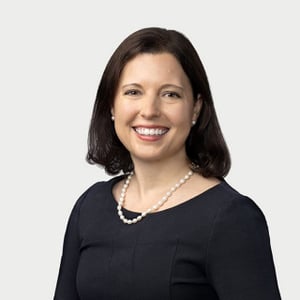
Of Counsel, Gibson Dunn & Crutcher
Amanda H. Neely is of counsel in the Washington, D.C. office of Gibson, Dunn & Crutcher and is a member of the Public Policy, Congressional Investigations, White Collar, and National Security practice groups.
Ms. Neely has extensive experience working on Capitol Hill. She leverages that expertise to advise clients regarding their interactions with Congress and the executive branch. Over the course of ten years, Ms. Neely held several senior staff positions in Congress. She served as Director of Governmental Affairs for the Senate Homeland Security and Governmental Affairs and General Counsel to Senator Rob Portman. Under Senator Portman’s chairmanship, she also served as Deputy Chief Counsel for the Permanent Subcommittee on Investigations. In those roles, she managed Senator Portman’s regulatory reform agenda and led oversight of federal government agencies and investigations into private entities. She previously served in several other Capitol Hill offices including as Oversight Counsel for the House of Representatives Committee on Ways and Means.
Congressional Investigations: At Gibson Dunn, Ms. Neely has represented clients undergoing investigations by numerous congressional committees, including the Senate Permanent Subcommittee on Investigations; Senate Finance Committee; Senate Judiciary Committee; Senate Health, Education, Labor, and Pensions Committee; House Committee on Oversight and Accountability; House Judiciary Committee; and the House Energy and Commerce Committee. In the course of those representations, Ms. Neely assists clients in all stages of investigations, including responding to letter requests and subpoenas to preparing witnesses for interviews, depositions, and congressional hearings. She also has assisted clients appearing before independent commissions such as the Financial Crisis Inquiry Commission and the Commission on Wartime Contracting.
Public Policy: Ms. Neely also works with clients to advance their legislative interests on Capitol Hill by gathering intelligence, formulating strategic plans, and executing lobbying campaigns. In those matters, she has represented a wide range of clients from the fields of technology, healthcare, finance, and energy.
Regulatory Counseling: Ms. Neely regularly advises clients regarding their interests before regulatory agencies. Her expertise in the CHIPS and Science Act allows her to help clients comply with the Department of Commerce’s regulations and assist them in commenting on agency rules and applying for funding. She also works with clients to engage in the rulemaking process at agencies ranging from the Consumer Financial Protection Bureau to the Commodity Futures Trading Commission to the Securities and Exchange Commission.
Ms. Neely also has participated in a variety of litigation matters before state and federal trial and appellate courts, including several class action defense and False Claims Act cases.
Ms. Neely clerked for the Honorable David B. Sentelle, then-Chief Judge of the United States Court of Appeals for the District of Columbia Circuit. She earned her law degree cum laude from Duke University School of Law, where she served as the Articles Editor for both the Alaska Law Review and the Duke Journal of Constitutional Law & Public Policy. She was a member of the Duke Law Moot Court Board and served on the executive board of the Duke Law Federalist Society.
Ms. Neely graduated cum laude from Princeton University, where she majored in English and earned a certificate in Medieval Studies. She served for two years on United States Senator Elizabeth Dole’s staff as a legislative correspondent, focusing on banking, housing, budget, and tax issues. Ms. Neely is admitted to practice law in the District of Columbia and before the United States Courts of Appeals for the District of Columbia Circuit.

Professor of Law, University of Michigan Law School
Christopher J. Walker is a Professor of Law at the University of Michigan. Prior to joining Michigan law faculty in 2022, he spent a decade teaching at The Ohio State University Moritz College of Law. He previously clerked for Justice Anthony Kennedy of the U.S. Supreme Court, worked on the Civil Appellate Staff at the U.S. Department of Justice, and served on the Senate Judiciary Committee staff for the Gorsuch Supreme Court confirmation. Professor Walker’s research focuses on administrative law, regulation, and law and policy at the agency level. Outside the law school, he chaired the American Bar Association’s Section of Administrative Law and Regulatory Practice in 2020-21 and served as one of forty Public Members of the Administrative Conference of the United States from 2016-2022, and he continues to serve in both organizations in various capacities. He also works of counsel at the U.S. Chamber Litigation Center. In 2022, he received the Federalist Society’s Joseph Story Award.
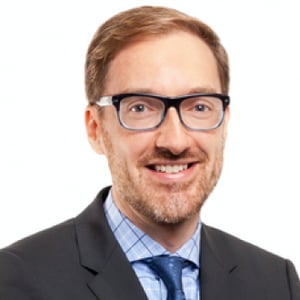
Professor of Law, Temple University Beasley School of Law
Professor Gugliuzza is an award-winning scholar and teacher who specializes in civil procedure, federal courts, and intellectual property law, with a particular focus on patent litigation. He has published articles in numerous leading law reviews, including the Emory Law Journal, the Georgetown Law Journal, the Iowa Law Review, the Notre Dame Law Review, the Texas Law Review, the Vanderbilt Law Review, and the Virginia Law Review.
Prior to joining the faculty at Temple, Professor Gugliuzza was a Professor of Law at Boston University School of Law, where he received the Dean’s Award in recognition of his teaching. Professor Gugliuzza’s article, “The Federal Circuit as a Federal Court,” received the annual best article award from the Federal Courts Section of the Association of American Law Schools (AALS). He has testified before both the U.S. Senate and the U.S. House of Representatives on the topic of patent litigation, and his scholarship has been cited in nearly a dozen judicial opinions across all levels of the state and federal courts.
Professor Gugliuzza graduated summa cum laude from Tulane University School of Law. After law school, he clerked for Judge Ronald M. Gould on the U.S. Court of Appeals for the Ninth Circuit, practiced in the Issues and Appeals group at Jones Day in Washington, D.C., and served as a Visiting Assistant Professor at the University of Florida Levin College of Law.
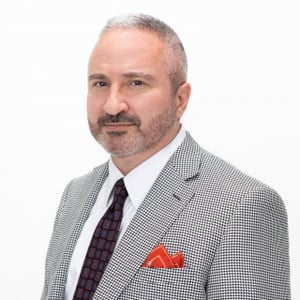
Shareholder, Greenberg Traurig
Greenberg Traurig Phoenix Litigation chair Andy Halaby advises clients on professional responsibility and related matters, including discipline defense, disqualification, and lawyer liability matters, as well as issues and opportunities arising from Arizona’s Alternative Business Structure (ABS) law. He has served on the Arizona Supreme Court's Task Forces on Lawyer Ethics, Professionalism, and the Unauthorized Practice of Law, and Judicial Performance Review, and chaired the State Bar of Arizona's Conflict Case Committee. Andy also practices extensively in intellectual property litigation. A former professional engineer registered with the United States Patent and Trademark Office, Andy has served as lead counsel in dozens of patent infringement and other IP matters. His published work has been cited in, among other things, treatises on intellectual property law, remedies, evidence, professional responsibility and the First Amendment, as well as in numerous scholarly articles. He has taught multiple semesters of Professional Responsibility, Patent Litigation, and other courses at the Sandra Day O’Connor College of Law at Arizona State University.
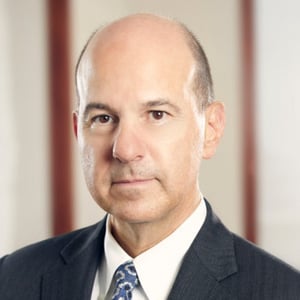
Partner, Cravath Swaine & Moore LLP
David J. Kappos is a partner at Cravath. He is widely recognized as one of the world’s foremost leaders in the field of intellectual property, including intellectual property management and strategy, the development of global intellectual property norms, laws and practices as well as commercialization and enforcement of innovation-based assets. Mr. Kappos supports the Firm’s clients with a wide range of their most complex intellectual property issues, including those pertaining to blockchain and financial technology (FinTech).
From August 2009 to January 2013, Mr. Kappos served as Under Secretary of Commerce and Director of the United States Patent and Trademark Office (USPTO). In that role, he advised the President, the Secretary of Commerce and the Administration on intellectual property policy matters. As Director of the USPTO, he led the Agency in dramatically re-engineering its entire management and operational systems as well as its engagement with the global innovation community. He was instrumental in achieving the greatest legislative reform of the U.S. patent system in generations through passage and implementation of the Leahy‑Smith America Invents Act, signed into law by President Obama in September 2011.
Prior to leading the USPTO, Mr. Kappos held several executive posts in the legal department of IBM, the world’s largest patent holder. From 2003 to 2009, he served as the company’s chief intellectual property lawyer. In that capacity, he managed global intellectual property activities for IBM, including all aspects of patent, trademark, copyright and trade secret protection. Mr. Kappos joined IBM as a development engineer. During his more than 25 years at IBM, he served in a variety of roles including litigation counsel and Asia Pacific IP counsel, based in Tokyo, Japan, where he led all aspects of intellectual property protection, including licensing, transactions support and mergers and acquisitions activity for the Asia/Pacific region.
Mr. Kappos has received numerous accolades for his contributions to the field of intellectual property, including, among others, the 2014 Global Agenda Council Vision Award for the Intellectual Property Council’s pro bono initiative from the World Economic Forum, the 2014 Jefferson Medal from the New Jersey Intellectual Property Law Association (NJIPLA), the 2013 Board of Director’s Excellence Award from the American Intellectual Property Law Association (AIPLA), the 2013 Champion of Intellectual Property Award from the District of Columbia Bar Association and the 2013 North America Government Leadership Award from Semiconductor Equipment and Materials International (SEMI). He was named one of the “Top 25 Icons of IP” by Law360, one of the “50 Most Influential People in Intellectual Property” and the “Outstanding Practitioner of the Year in IP Transactions” by Managing IP, one of the “Top 50 Intellectual Property Trailblazers & Pioneers” and one of the “100 Most Influential Lawyers in America” by The National Law Journal, “Intellectual Property Professional of the Year” by the Intellectual Property Owners Association and inducted into the Intellectual Property Hall of Fame by Intellectual Asset Management Magazine in 2012. Mr. Kappos was also recognized as a leading lawyer by IAM Strategy 300, IAM Patent 1000, World IP Review, The Legal 500 US, Who’s Who Legal: Patents, Lawdragon, Super Lawyers and The Best Lawyers in America. He is a frequent speaker and has authored many published articles on various intellectual property, innovation and leadership topics.
Mr. Kappos serves on the Boards of Directors of the Partnership for Public Service, the Center for Global Enterprise and the Intellectual Property Owners Education Foundation. He is the Chair of the Advisory Council of the Naples Roundtable, and the U.S. Chair of the U.S.-China IP Cooperation Dialogue. He is also an Adjunct Professor at Columbia Law School, where he teaches copyright litigation, and Cornell Law School, where he teaches legal advising for the start-up general counsel.
Mr. Kappos was born in Palos Verdes, California. He received a B.S. summa cum laude in Electrical and Computer Engineering from the University of California, Davis in 1983 and a J.D. from the University of California, Berkeley in 1990.
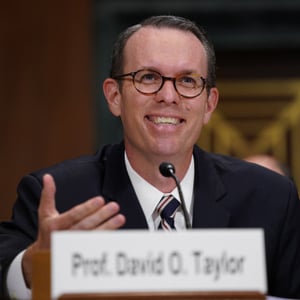
Robert G. Storey Distinguished Faculty Fellow; Associate Professor of Law Co-Director, Tsai Center for Law, Science and Innovation, SMU Dedman School of Law
David O. Taylor is an Associate Professor at the SMU Dedman School of Law in Dallas, Texas. He also founded and currently serves as a Co-Director of the school’s Tsai Center for Law, Science and Innovation.
Professor Taylor earned his bachelor of science, magna cum laude, in mechanical engineering from Texas A&M University and his juris doctor, cum laude, from Harvard Law School. Prior to law school, Professor Taylor worked as an applications engineer at National Instruments Corporation in Austin, Texas. While in law school, he served as an extern for the U.S. Attorney’s Office in Boston, as a member of both the Harvard Journal of Law & Technology and the Harvard Journal of Law & Public Policy, and as President of the law school's Texas Club.
After graduating from law school, Professor Taylor clerked for the current Chief Judge of the U.S. Court of Appeals for the Federal Circuit, the Honorable Sharon Prost. Professor Taylor also worked for seven years at the law firm of Baker Botts LLP in its Dallas office. While at Baker Botts, Professor Taylor engaged in patent litigation in various district courts and at the U.S. Court of Appeals for the Federal Circuit. His litigation experience includes both bench and jury trials. A registered patent attorney, he also gained significant experience in the fields of intellectual property licensing and patent prosecution. During his time in practice he assisted with several advanced patent law courses at SMU Dedman School of Law, including Patent Litigation, Intellectual Property Licensing, and Patent Prosecution, and successfully represented clients in pro bono matters, including before the U.S. Court of Veterans Appeals.
At SMU, Professor Taylor teaches in the areas of contracts and patent law. His scholarship focuses on patent law, patent policy, patent litigation, and civil procedure. Professor Taylor has published articles in various journals, including the Connecticut Law Review, Georgia Law Review, New York University Law Review, and in an assortment of intellectual property specialty journals. His publications have been cited by the U.S. Court of Appeals for the Federal Circuit and various district courts.
A frequent speaker, he has made academic presentations at law schools across the United States, including Boston College, California Berkeley, Cardozo, Chicago-Kent, DePaul, Houston, Kansas, San Diego, Stanford, and Texas, and internationally in Chongqing, China; Ho Chi Minh City, Vietnam; and Taipei, Taiwan. He also is a regular speaker at various continuing legal education (CLE) events, including events sponsored by the Dallas Bar Association, the Eastern District of Texas Bar Association, the Center for American and International Law, and the Federalist Society for Law and Public Policy Studies.
In addition to these activities, Professor Taylor has organized numerous symposia and conferences, helped launch SMU’s Patent and Trademark Clinics, and helped draft the proposal to secure the funding to launch the Tsai Center for Law, Science and Innovation. He serves on several law school committees and is an advisor to both the SMU Science and Technology Law Review and The International Lawyer. Professor Taylor also serves as an advisor to the law school's chapter of the Federalist Society, which regularly hosts speakers addressing hot topics in the field of constitutional law. SMU granted Professor Taylor tenure in 2016.
Professor Taylor serves in various leadership positions. He is a member of the Advisory Council for the U.S. Court of Appeals for the Federal Circuit. He serves on the Executive Board of the Institute for Law and Technology at the Center for American and International Law. He also is currently the Reporter for the Patentable Subject Matter Task Force of the American Intellectual Property Law Association (AIPLA), and he serves as a member of the AIPLA's Amicus Committee. He is a Director of the Intellectual Property Law Section of the Dallas Bar Association (DBA), and he previously served as the Chair of the Computer Law Section of the DBA. In addition to these leadership activities, Professor Taylor has served as an expert and consultant in various intellectual property disputes.
He has received several accolades. Professor Taylor is the recipient of a Thomas Edison Innovation Fellowship from the Center for the Protection of Intellectual Property at the George Mason University Antonin Scalia Law School. He has also been named a founding Barrister of the Honorable Barbara M.G. Lynn American Inn of Court, an Honorary Barrister of the SMU Dedman School of Law Board of Advocates, and an Outstanding Graduate of the Irving Independent School District. In addition to these awards, he has received numerous research and course development grants.
Outside of his work at the law school and the field of intellectual property law, Professor Taylor has engaged in public service with diverse groups including Advocates for Community Transformation, Texas Scottish Rite Hospital for Children, and the Veterans Consortium Pro Bono Program.
Professor Taylor is married. Together with his wife Rachel, he enjoys spending time with his three children: Caroline, Emily, and Joshua.
Professor of Law, University of Michigan Law School
Christopher J. Walker is a Professor of Law at the University of Michigan. Prior to joining Michigan law faculty in 2022, he spent a decade teaching at The Ohio State University Moritz College of Law. He previously clerked for Justice Anthony Kennedy of the U.S. Supreme Court, worked on the Civil Appellate Staff at the U.S. Department of Justice, and served on the Senate Judiciary Committee staff for the Gorsuch Supreme Court confirmation. Professor Walker’s research focuses on administrative law, regulation, and law and policy at the agency level. Outside the law school, he chaired the American Bar Association’s Section of Administrative Law and Regulatory Practice in 2020-21 and served as one of forty Public Members of the Administrative Conference of the United States from 2016-2022, and he continues to serve in both organizations in various capacities. He also works of counsel at the U.S. Chamber Litigation Center. In 2022, he received the Federalist Society’s Joseph Story Award.
Attorney, Competitive Enterprise Institute
Devin Watkins is an attorney at the Competitive Enterprise Institute. Devin Watkins previously worked at the Cato Institute as a legal associate and interned at the Institute for Justice. At the Cato Institute, Watkins worked on a variety of Supreme Court cases, and one of the briefs he worked on was cited by the Court. His op-eds have appeared in National Review Online, The Hill, Time, and The Federalist among others.
Watkins holds a Juris Doctor cum laude from George Mason University's Antonin Scalia Law School, where he was the development editor on the Mason Law Review. Prior to his legal career Watkins was a senior software developer at Intel and WebMD. He graduated with a Bachelor of Science in Computer Science from Stevens Institute of Technology in Hoboken, New Jersey.
Watkins is a member of the Virginia State Bar, the District of Columbia Bar, the U.S. District Court for the District of Columbia Bar, and the U.S. Court of Appeals for the District of Columbia Circuit Bar.
Associate Professor of Law, Southwestern Law School
Combining his training in law and medicine, Ryan Abbott has served as a consultant on health care policy and regulation, intellectual property, health care financing, and clinical research design for international organizations, academic institutions and private enterprises including the World Health Organization, World Intellectual Property Organization and University of California, Los Angeles. A licensed physician, attorney, patent agent and acupuncturist, he has considerable experience in the fields of public health, food and drug law, as well as technology transfer and development. Beginning with the Fall 2012 academic year, he brings that expertise to the Southwestern faculty.
After earning both his undergraduate and Master of Traditional Oriental Medicine degrees, summa cum laude, Professor Abbott went on to complete his M.D. degree at the University of California, San Diego School of Medicine, where he received the Weiss Medical Research Scholarship for research in Preventive Medicine. He also pursued his law degree at Yale Law School, where he was Editor and Submissions Editor of Yale Journal of Law and Technology and Yale Journal of Health Policy, Law, and Ethics, and the recipient of the Kirby Simon Fellowship for International Human Rights Work.
Just prior to joining Southwestern, Professor Abbott was a Resident Physician in Internal Medicine at Santa Clara Valley Medical Center, and recently served as Director of Research and Project Management at Nova Worldwide Consulting, a firm specializing in technical assistance and advice to governments and international organizations on the design and implementation of legislation and programs with respect to international trade, industrial development and intellectual property rights, and as Principal Investigator of biomedical research studies at UCLA.
Professor Abbott enjoys sharing his experience with his students. "As someone with a background in both law and medicine, I hope to provide students with a multidisciplinary approach to considering the complex issues they will face as attorneys," Professor Abbott explains. "This will help students to consider client issues from a variety of perspectives. Health care law is an important subject for lawyers; health care spending now makes up more than 18 percent of GDP, and a growing number of attorneys are finding health care related employment."
Professor Abbott has published widely on issues associated with health care law and intellectual property protection in legal, medical and scientific peer-reviewed journals. His current research is in the field of Bioinformatics, focused on the intellectual property implications of innovations related to human biological processes.

Laurence A. Tisch Professor of Law and Director, Classical Liberal Institute, New York University School of Law; Senior Fellow, The Civitas Institute, University of Texas at Austin
Richard A. Epstein is the inaugural Laurence A. Tisch Professor of Law at NYU School of Law. Prior to his joining the faculty, he was a visiting law professor at NYU from 2007 through 2009. He served as the Peter and Kirstin Bedford Senior Fellow at the Hoover Institution from 2000 to 2024. Since 2024 to the present he is a senior lecturer at the Civitas Institute at the University of Texas—Austin. Epstein is also the James Parker Hall Distinguished Service Professor of Law Emeritus and a senior lecturer at the University of Chicago. His initial law school appointment was at the University of Southern California from 1968 to 1972. Epstein received an LL.D., h.c. from the University of Ghent, 2003. He has been a member of the American Academy of Arts and Sciences since 1985 and was a Senior Fellow of the Center for Clinical Medical Ethics at the University of Chicago Division of Biological Sciences, also from 1983. to 2022 He served as editor of the Journal of Legal Studies from 1981 to 1991, and of the Journal of Law and Economics from 1991-2001. From 2001 to 2010 he was a director of the John M. Olin Program in Law and Economics at the University of Chicago.
His newest book, The Myth of Birthright Citizenship: What the Fourteenth Amendment Really Says was published in 2026 (Encounter Books). Prior to that he has published many books including, The Dubious Morality of the Modern Administrative State (Roman & Littlefield 2020).Earlier he published th Classical Liberal Constitution: The Uncertain Quest for Limited Government (Harvard 2014) iHis previous books include Design for Liberty: Private Property, Public Administration and the Rule of Law (Harvard 2011); The Case Against the Employee Free Choice Act (Hoover 2009); Supreme Neglect: How to Revive the Constitutional Protection of Property Rights (Oxford 2008); Antitrust Decrees in Theory and Practice: Why Less is More (AEI 2007); Overdose: How Excessive Government Regulation Stifles Pharmaceutical Innovation (Yale University Press. 2006); How Progressives Rewrote the Constitution (Cato 2006); Cases and Materials on Torts (Aspen Law & Business; 8th ed. 2004); Skepticism and Freedom: A Modern Case for Classical Liberalism (University of Chicago, 2003); Torts (Aspen Law & Business 1999); Principles for a Free Society: Reconciling Individual Liberty with the Common Good (Perseus Books, 1998): Mortal Peril: Our Inalienable Rights to Health Care (Addison-Wesley, 1997); Simple Rules for a Complex World (Harvard, 1995); Bargaining With the State (Princeton, 1993); Forbidden Grounds: The Case Against Employment Discrimination Laws (Harvard , 1992); Takings: Private Property and the Power of Eminent Domain (Harvard, 1985); and Modern Products Liability Law (Greenwood Press, 1980). He has also edited(with Catherine M. Sharkey) Cases and Materials on the Law of Torts (10th edition 2012).
Professor Epstein has written numerous articles on a wide range of legal and interdisciplinary subjects. He has taught courses in administrative law, antitrust law, civil procedure, communications, constitutional law, contracts, corporations, criminal law, employment discrimination law, environmental law, food and drug law health law and policy, legal history, labor law, property, real estate development and finance, jurisprudence, labor law; land use planning, patents, individual, estate and corporate taxation, Roman Law; torts, and workers' compensation.
Professor Epstein also writes a regular column for Civitas Institute, which also sponsors his podcast, The Libertarian with Charles C.W. Cooke, and Law Talk, with Cooke and John Yoo. He also does a podcast with John Batchelor. And appears regularly on the Freedom File with Judge Andrew Napolitano.
Dean and CEO, Southwestern Law School
A legal education trailblazer many times over, Susan Westerberg Prager is Southwestern's 11th Dean and Chief Executive Officer, and the first woman in the history of the law school to serve in the post. She joined Southwestern in Fall 2013 following five years as Executive Director and Chief Executive Officer of the Association of American Law Schools (AALS). Dean Prager previously served in several leadership positions in higher education, including 16 years as Dean of UCLA School of Law.
"Southwestern is a remarkable place, with a rich tradition of making a difference in the futures of its students," Dean Prager said. "The law school's innovative and collaborative spirit is part of its DNA. The faculty and countless graduates are committed to helping today's students contribute to the complex and challenging worlds they will occupy as professionals. I feel privileged to have been asked to lead Southwestern Law School at this challenging and exciting time in legal education."
Early in her career, Dean Prager worked for California's senior U.S. Senator and minority whip Thomas Kuchel, Congressman Pete McCloskey, and California Assemblyman John Veneman from Modesto. She went on to complete her J.D. degree at UCLA School of Law, where she served as Editor-in-Chief of theUCLA Law Review.
Dean Prager practiced law in North Carolina and then returned to her alma mater in 1972 as a member of the UCLA law faculty, teaching in the areas of community property, family law, wills and trusts, and historic preservation. When she was named Dean a decade later, she was the first female law dean in the University of California system and one of only two women serving in that capacity in the entire country. She served from 1982 to 1998, the longest tenure of any law dean in UCLA history, and was also the first UCLA graduate to serve in the post.
Dean Prager worked with the UCLA law faculty and university administration to strengthen the intellectual environment and operation of the law school. She cultivated a culture of excellence in both research and teaching, furthered diversity within the student body, and oversaw the appointment of dynamic new faculty and endowed chair holders. She enhanced the curriculum in areas such as international, environmental, public interest, entertainment and corporate law, and spearheaded the expansion of the clinical program. Her legacy includes two major building projects, the Clinical Wing and the Hugh & Hazel Darling Law Library, as well as major advancements in technology, the launch of the law school's first major fundraising efforts, and the successful completion of one of the University of California's first major building project public-private partnerships. Upon her departure from the deanship, the law school established a named faculty chair in her honor.
While at UCLA, Dean Prager became the second woman ever elected as President of the AALS, and also served on the governing boards of the Law School Admission Council and the Council of the American Bar Association Section of Legal Education and Admissions to the Bar.
In 1999, Dean Prager left the legal academy to pursue other opportunities in higher education, serving as Provost of Dartmouth College and as President of Occidental College in Los Angeles. In 2008, she was named Executive Director and Chief Executive Officer of the AALS, the nation's principal representative of America's law schools and the scholarly society of the law teaching profession. As the top administrator of the organization, she worked with the volunteer executive board and faculty committees in evaluating schools for membership and providing programs designed to enhance law deans, faculty and administrators' effectiveness, including the AALS Annual Meeting, the largest gathering of law professors in the world. Under her leadership, the AALS furthered its core values; brought issues of importance to law schools before legislative bodies, courts and administrative agencies; and influenced the debate over the standards for law school accreditation.
Dean Prager was a trustee of Stanford University for 14 years, and has been a member of the Board of Directors of the Pacific Mutual Holding Company (Pacific Life) since 1979, the Access Group (non-profit student loan corporation) and the American Council on Legal Education, and was a member of the California Commission on Campaign Financing and the California Community Colleges Commission on Innovation. An outspoken advocate for intellectual and racial diversity throughout her career, Dean Prager has counseled community groups and legislators and testified before congressional subcommittees in the affirmative action debate.
The recipient of the Los Angeles Mexican American Legal Defense and Education Fund's (MALDEF) 1997 Legal Services Award, Dean Prager was honored with the Los Angeles Israel Cancer Research Fund's Women of Action Award (1996), and the Madrina Award of the UCLA Latino Alumni Association (1998). On the occasion of the conclusion of her tenure as Dean, the UCLA Law Alumni Association presented her with its first Lifetime Achievement Award. She later received The Edward A. Dickson Award, the highest award of the greater UCLA Alumni Association.

Solicitor General, Montana Attorney General's Office
Christian is currently Solicitor General of Montana, where he serves as the chief litigator and principal legal advisor to Montana Attorney General Austin Knudsen. In that capacity, he manages litigation before the federal district courts, courts of appeal, and the United States Supreme Court, as well as the Montana Supreme Court. He previously served in the Trump Administration as Senior Counsel to the Assistant Secretary for Civil Rights at the U.S. Department of Education. Prior to government service, he was a public interest constitutional litigator at Mountain States Legal Foundation and a fellow at the Institute for Justice. He clerked for Justice Caleb Stegall on the Kansas Supreme Court. He also served as Director of Publications for the Federalist Society's national headquarters.
Christian earned his B.A. in Political Science in 2009 from the University of Pennsylvania before attending the University of Kansas School of Law. Christian is admitted to practice law in Kansas and Montana. A Kansas native, he is a die-hard fan of the Kansas Jayhawks, Kansas City Chiefs, and Kansas City Royals.
Christian is a member of the Federalism & Separation of Powers Practice Group's Executive Committee.

Professor of Law, University of Baltimore School of Law (on leave); Senior Counsel, U.S. Department of Justice
Professor Dolin’s scholarship centers on patent law with a specific focus on how the patent regime affects innovation, especially in bio-pharmaceutical areas. His work in these areas includes a number of scholarly articles, presentations, amicus briefs, and congressional testimony.
Dr. Dolin is currently on leave from his academic duties while he serves as Senior Counsel in the Civil Rights Division of the United States Department of Justice.
From January 2020 to January 2022, Professor Dolin served as a resident Associate Justice of the Supreme Court of the Republic of Palau. In this role, he (together with other members of the Court) heard appeals in civil, criminal, administrative, and constitutional law matters.
Prior to joining the University of Baltimore School of Law, Professor Dolin held visiting appointments in other law schools. He also served as a law clerk to the Hon. Pauline Newman, of the U.S. Court of Appeals for the Federal Circuit and the late Hon. H. Emory Widener Jr., of the U.S. Court of Appeals for the Fourth Circuit.
Rumors that he has a real Russian bear in his office are entirely true.
Associate Professor of Law, Southwestern Law School
Combining his training in law and medicine, Ryan Abbott has served as a consultant on health care policy and regulation, intellectual property, health care financing, and clinical research design for international organizations, academic institutions and private enterprises including the World Health Organization, World Intellectual Property Organization and University of California, Los Angeles. A licensed physician, attorney, patent agent and acupuncturist, he has considerable experience in the fields of public health, food and drug law, as well as technology transfer and development. Beginning with the Fall 2012 academic year, he brings that expertise to the Southwestern faculty.
After earning both his undergraduate and Master of Traditional Oriental Medicine degrees, summa cum laude, Professor Abbott went on to complete his M.D. degree at the University of California, San Diego School of Medicine, where he received the Weiss Medical Research Scholarship for research in Preventive Medicine. He also pursued his law degree at Yale Law School, where he was Editor and Submissions Editor of Yale Journal of Law and Technology and Yale Journal of Health Policy, Law, and Ethics, and the recipient of the Kirby Simon Fellowship for International Human Rights Work.
Just prior to joining Southwestern, Professor Abbott was a Resident Physician in Internal Medicine at Santa Clara Valley Medical Center, and recently served as Director of Research and Project Management at Nova Worldwide Consulting, a firm specializing in technical assistance and advice to governments and international organizations on the design and implementation of legislation and programs with respect to international trade, industrial development and intellectual property rights, and as Principal Investigator of biomedical research studies at UCLA.
Professor Abbott enjoys sharing his experience with his students. "As someone with a background in both law and medicine, I hope to provide students with a multidisciplinary approach to considering the complex issues they will face as attorneys," Professor Abbott explains. "This will help students to consider client issues from a variety of perspectives. Health care law is an important subject for lawyers; health care spending now makes up more than 18 percent of GDP, and a growing number of attorneys are finding health care related employment."
Professor Abbott has published widely on issues associated with health care law and intellectual property protection in legal, medical and scientific peer-reviewed journals. His current research is in the field of Bioinformatics, focused on the intellectual property implications of innovations related to human biological processes.
Laurence A. Tisch Professor of Law and Director, Classical Liberal Institute, New York University School of Law; Senior Fellow, The Civitas Institute, University of Texas at Austin
Richard A. Epstein is the inaugural Laurence A. Tisch Professor of Law at NYU School of Law. Prior to his joining the faculty, he was a visiting law professor at NYU from 2007 through 2009. He served as the Peter and Kirstin Bedford Senior Fellow at the Hoover Institution from 2000 to 2024. Since 2024 to the present he is a senior lecturer at the Civitas Institute at the University of Texas—Austin. Epstein is also the James Parker Hall Distinguished Service Professor of Law Emeritus and a senior lecturer at the University of Chicago. His initial law school appointment was at the University of Southern California from 1968 to 1972. Epstein received an LL.D., h.c. from the University of Ghent, 2003. He has been a member of the American Academy of Arts and Sciences since 1985 and was a Senior Fellow of the Center for Clinical Medical Ethics at the University of Chicago Division of Biological Sciences, also from 1983. to 2022 He served as editor of the Journal of Legal Studies from 1981 to 1991, and of the Journal of Law and Economics from 1991-2001. From 2001 to 2010 he was a director of the John M. Olin Program in Law and Economics at the University of Chicago.
His newest book, The Myth of Birthright Citizenship: What the Fourteenth Amendment Really Says was published in 2026 (Encounter Books). Prior to that he has published many books including, The Dubious Morality of the Modern Administrative State (Roman & Littlefield 2020).Earlier he published th Classical Liberal Constitution: The Uncertain Quest for Limited Government (Harvard 2014) iHis previous books include Design for Liberty: Private Property, Public Administration and the Rule of Law (Harvard 2011); The Case Against the Employee Free Choice Act (Hoover 2009); Supreme Neglect: How to Revive the Constitutional Protection of Property Rights (Oxford 2008); Antitrust Decrees in Theory and Practice: Why Less is More (AEI 2007); Overdose: How Excessive Government Regulation Stifles Pharmaceutical Innovation (Yale University Press. 2006); How Progressives Rewrote the Constitution (Cato 2006); Cases and Materials on Torts (Aspen Law & Business; 8th ed. 2004); Skepticism and Freedom: A Modern Case for Classical Liberalism (University of Chicago, 2003); Torts (Aspen Law & Business 1999); Principles for a Free Society: Reconciling Individual Liberty with the Common Good (Perseus Books, 1998): Mortal Peril: Our Inalienable Rights to Health Care (Addison-Wesley, 1997); Simple Rules for a Complex World (Harvard, 1995); Bargaining With the State (Princeton, 1993); Forbidden Grounds: The Case Against Employment Discrimination Laws (Harvard , 1992); Takings: Private Property and the Power of Eminent Domain (Harvard, 1985); and Modern Products Liability Law (Greenwood Press, 1980). He has also edited(with Catherine M. Sharkey) Cases and Materials on the Law of Torts (10th edition 2012).
Professor Epstein has written numerous articles on a wide range of legal and interdisciplinary subjects. He has taught courses in administrative law, antitrust law, civil procedure, communications, constitutional law, contracts, corporations, criminal law, employment discrimination law, environmental law, food and drug law health law and policy, legal history, labor law, property, real estate development and finance, jurisprudence, labor law; land use planning, patents, individual, estate and corporate taxation, Roman Law; torts, and workers' compensation.
Professor Epstein also writes a regular column for Civitas Institute, which also sponsors his podcast, The Libertarian with Charles C.W. Cooke, and Law Talk, with Cooke and John Yoo. He also does a podcast with John Batchelor. And appears regularly on the Freedom File with Judge Andrew Napolitano.
Dean and CEO, Southwestern Law School
A legal education trailblazer many times over, Susan Westerberg Prager is Southwestern's 11th Dean and Chief Executive Officer, and the first woman in the history of the law school to serve in the post. She joined Southwestern in Fall 2013 following five years as Executive Director and Chief Executive Officer of the Association of American Law Schools (AALS). Dean Prager previously served in several leadership positions in higher education, including 16 years as Dean of UCLA School of Law.
"Southwestern is a remarkable place, with a rich tradition of making a difference in the futures of its students," Dean Prager said. "The law school's innovative and collaborative spirit is part of its DNA. The faculty and countless graduates are committed to helping today's students contribute to the complex and challenging worlds they will occupy as professionals. I feel privileged to have been asked to lead Southwestern Law School at this challenging and exciting time in legal education."
Early in her career, Dean Prager worked for California's senior U.S. Senator and minority whip Thomas Kuchel, Congressman Pete McCloskey, and California Assemblyman John Veneman from Modesto. She went on to complete her J.D. degree at UCLA School of Law, where she served as Editor-in-Chief of theUCLA Law Review.
Dean Prager practiced law in North Carolina and then returned to her alma mater in 1972 as a member of the UCLA law faculty, teaching in the areas of community property, family law, wills and trusts, and historic preservation. When she was named Dean a decade later, she was the first female law dean in the University of California system and one of only two women serving in that capacity in the entire country. She served from 1982 to 1998, the longest tenure of any law dean in UCLA history, and was also the first UCLA graduate to serve in the post.
Dean Prager worked with the UCLA law faculty and university administration to strengthen the intellectual environment and operation of the law school. She cultivated a culture of excellence in both research and teaching, furthered diversity within the student body, and oversaw the appointment of dynamic new faculty and endowed chair holders. She enhanced the curriculum in areas such as international, environmental, public interest, entertainment and corporate law, and spearheaded the expansion of the clinical program. Her legacy includes two major building projects, the Clinical Wing and the Hugh & Hazel Darling Law Library, as well as major advancements in technology, the launch of the law school's first major fundraising efforts, and the successful completion of one of the University of California's first major building project public-private partnerships. Upon her departure from the deanship, the law school established a named faculty chair in her honor.
While at UCLA, Dean Prager became the second woman ever elected as President of the AALS, and also served on the governing boards of the Law School Admission Council and the Council of the American Bar Association Section of Legal Education and Admissions to the Bar.
In 1999, Dean Prager left the legal academy to pursue other opportunities in higher education, serving as Provost of Dartmouth College and as President of Occidental College in Los Angeles. In 2008, she was named Executive Director and Chief Executive Officer of the AALS, the nation's principal representative of America's law schools and the scholarly society of the law teaching profession. As the top administrator of the organization, she worked with the volunteer executive board and faculty committees in evaluating schools for membership and providing programs designed to enhance law deans, faculty and administrators' effectiveness, including the AALS Annual Meeting, the largest gathering of law professors in the world. Under her leadership, the AALS furthered its core values; brought issues of importance to law schools before legislative bodies, courts and administrative agencies; and influenced the debate over the standards for law school accreditation.
Dean Prager was a trustee of Stanford University for 14 years, and has been a member of the Board of Directors of the Pacific Mutual Holding Company (Pacific Life) since 1979, the Access Group (non-profit student loan corporation) and the American Council on Legal Education, and was a member of the California Commission on Campaign Financing and the California Community Colleges Commission on Innovation. An outspoken advocate for intellectual and racial diversity throughout her career, Dean Prager has counseled community groups and legislators and testified before congressional subcommittees in the affirmative action debate.
The recipient of the Los Angeles Mexican American Legal Defense and Education Fund's (MALDEF) 1997 Legal Services Award, Dean Prager was honored with the Los Angeles Israel Cancer Research Fund's Women of Action Award (1996), and the Madrina Award of the UCLA Latino Alumni Association (1998). On the occasion of the conclusion of her tenure as Dean, the UCLA Law Alumni Association presented her with its first Lifetime Achievement Award. She later received The Edward A. Dickson Award, the highest award of the greater UCLA Alumni Association.

Tinker v. Des Moines [SCOTUSbrief]
Nadine Strossen
In the midst of the controversial Vietnam War, a handful of middle and high school...
Congress and the Administrative State
Amanda H. Neely, Christopher J. Walker
On January 21, 2021, The Federalist Society's Article I Initiative and Columbia Student Chapter co-sponsored...
Necessary & Proper Episode 61: Congress and the Administrative State
Christopher J. Walker
In this presentation co-sponsored by the Federalist Society's Article I Initiative and Columbia Student Chapter, Professor...
Innovation in Diagnostics and Patent Subject Matter Eligibility
Paul R. Gugliuzza, Andrew Halaby, David J. Kappos, David O. Taylor
This teleforum will focus on patent subject matter eligibility issues highlighted by the COVID-19 pandemic,...
Litigation Update: Gundy v. U.S.
Christopher J. Walker, Devin Watkins
Last term in Gundy v. U.S., without Justice Kavanaugh the Court was split between a...
FDA Involvement in Off-Label Drug Use
Ryan Abbott, Richard A. Epstein, Susan Prager
On January 13, 2014 the Southwestern Law School Federalist Society student chapter hosted a debate...
FDA Involvement in Off-Label Drug Use
Southwestern Student Chapter
Los Angeles, CADNA and Patents: Association for Molecular Pathology v. Myriad Genetics, Inc. - Podcast
Christian Corrigan, Gregory Dolin
On Monday, April 15, the Supreme Court heard oral argument in a patents case, Association for...