
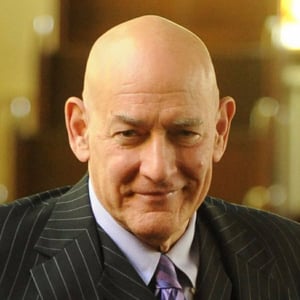
Raoul Berger Professor of Legal History at Northwestern University School of Law
Stephen Presser is a leading American legal historian and expert on shareholder liability for corporate debts. He is frequently an invited witness before committees of the U.S. Senate and House of Representatives on issues of constitutional law. He holds a joint appointment with the J. L. Kellogg Graduate School of Management and also teaches in Northwestern's history department.
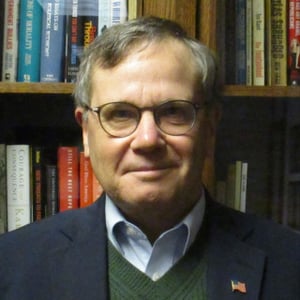
Senior Fellow in Constitutional Jurisprudence, Independence Institute
Professor Robert G. Natelson is a constitutional scholar and author.
Rob’s constitutional scholarship has been cited repeatedly by justices and parties at the U.S. Supreme Court—as well as by federal appeals courts, and at least 18 state supreme courts.
Rob’s research into the Constitution’s original meaning has carried him to libraries throughout the United States and in Britain, including four months at Oxford University. His books and articles span many different parts of the Constitution, including groundbreaking studies of the Necessary and Proper Clause, the Indian Commerce Clause, federalism, Founding-Era interpretation, regulation of elections, and the amendment process of Article V. He created the first-ever online bibliography for 18th century materials used in constitutional research. He is a contributing author to the Encyclopedia of the Supreme Court of the United States (on Magna Carta). He contributed eight essays to the third edition of the Heritage Guide to the Constitution: five on the amendment procedure and one each on the Guarantee Clause, the Postal Clause, and the Recess Appointments Clause.
U.S. Supreme Court justices have relied explicitly on Rob’s research in 41 citations in 13 separate cases.

Director, Faculty Relations, The Federalist Society
Katie McClendon is the Director of Faculty Relations at the Federalist Society, where she has worked since 2015.
Katie holds a J.D. from the University of Pennsylvania Law School and a B.A. in Political Science from Biola University, where she was a member of the Torrey Honors Institute. She is a fellow of the John Jay Institute and the Blackstone Legal Fellowship. Katie is originally from Los Angeles, and she now lives with her husband and four children in Atlanta.
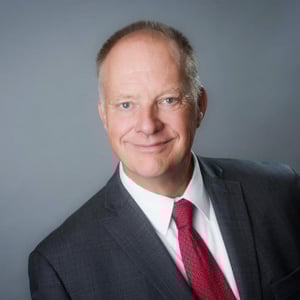
Associate Justice, Minnesota Supreme Court (ret.)
Former Minnesota Supreme Court Justice Barry Anderson is a 1976 graduate of Gustavus Adolphus College in St. Peter, Minnesota and a 1979 graduate of the University of Minnesota Law School. He was a member of the Minnesota Court of Appeals from August 1998 until his appointment to the Supreme Court. He was sworn in and joined the court on October 13, 2004, and served through to his retirement on May 10, 2024.
He previously was a partner in the Minneapolis and Hutchinson law firm of Arnold, Anderson & Dove, PLLP, and also served the City of Hutchinson as City Attorney from 1987 to 1998. He is certified by the Minnesota State Bar Association as a civil trial specialist.
Justice Anderson’s background includes substantial public service including as a board member and chair of variety of community organizations including service clubs, task forces and a local public access channel as well as a wide variety of other community activities.
Justice Anderson also served on the Minnesota Judicial Council, the managing body for the Minnesota Judicial Branch. He is also a frequent contributor to continuing legal education efforts on both appellate advocacy issues as well as general trial practice.
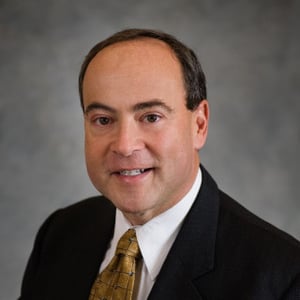
Justice, Supreme Court of Arizona
Clint Bolick was appointed by Governor Doug Ducey in January 2016 to serve on the Arizona Supreme Court and was retained by the voters in 2018 and 2024.
Prior to joining the Court, Justice Bolick litigated constitutional cases in state and federal courts from coast to coast, including the U.S. Supreme Court. Among other positions, he served as Vice President for Litigation at the Goldwater Institute and as Co-founder and Vice President for Litigation at the Institute for Justice. He has litigated in support of school choice, freedom of enterprise, private property rights, freedom of speech, and federalism, and against racial classifications and government subsidies.
Justice Bolick received his Juris Doctor degree from the University of California at Davis, where he has been recognized as a distinguished alumnus, and his Bachelor of Arts degree magna cum laude from Drew University. He serves as a research fellow with the Hoover Institution. Among other honors, he was named one of the 90 Greatest DC Lawyers in the Last 30 Years by Legal Times in 2008, received a Bradley Prize in 2006, and was recognized as one of the nation’s three lawyers of the year by American Lawyer in 2002 for his successful defense of school vouchers in Zelman v. Simmons-Harris.
Justice Bolick is a prolific author of a dozen books and hundreds of articles. Among his most recent books are Unshackled: Freeing America’s K-12 Education System: Immigration Wars: Forging an American Solution, co-authored with former Florida Governor Jeb Bush; and David’s Hammer: The Case for an Activist Judiciary. Bolick serves as an adjunct professor of constitutional law at Arizona State University’s Sandra Day O’Connor School of Law and has served as a lecturer at Harvard University’s John F. Kennedy School of Government.
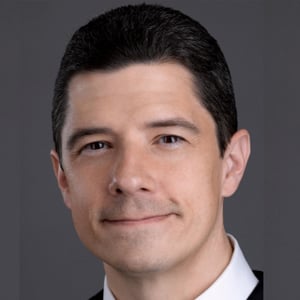
Justice, Texas Supreme Court
Brett Busby was appointed to the Supreme Court of Texas in 2019, confirmed unanimously by the Texas Senate, and elected to a full term in 2020. He previously practiced as an appellate litigator in Houston, served on the Fourteenth Court of Appeals and the Texas Multi-District Litigation Panel, and taught at U.T. Law School as an adjunct professor.
Brett is a seventh-generation Texan, third-generation Eagle Scout, and life-long violinist who grew up in Amarillo and Austin. After graduating with high honors from Duke University and Columbia Law School, he served as a law clerk to Justices Byron R. White (Ret.) and John Paul Stevens, U.S. Supreme Court, and to Judge Gerald Bard Tjoflat, U.S. Court of Appeals, Eleventh Circuit.
In private practice, Brett presented oral argument in the U.S. Supreme Court and handled dozens of appeals in that Court, the Supreme Court of Texas, and federal and state appellate courts. He is board-certified in civil appellate law, and his fellow Texas appellate lawyers elected him as Chair of the State Bar of Texas Appellate Section in 2018. He has also served as Chair of the Texas Bar Committee on Pattern Jury Charges (Business, Consumer, Insurance, and Employment) and as a Director of the Texas Young Lawyers Association.
Brett serves as the Court’s liaison to the Texas Access to Justice Commission and Foundation, which help assure that Texans with limited means have access to basic civil legal services. He received the 2022 Judicial Civic Education Award from the American Lawyers Alliance for his work on the Teach Texas judicial civics program, a partnership with the Houston Bar Association and the Texas Supreme Court Historical Society that sends lawyers and judges to teach seventh graders about our court system and Texas legal history. The Texas Association of Civil Trial and Appellate Specialists named him Appellate Judge of the Year in 2018.
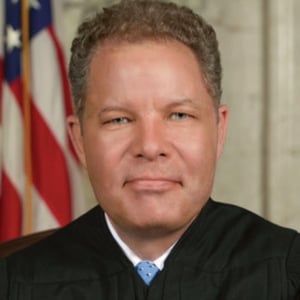
Former Justice, Wisconsin Supreme Court
Justice Daniel Kelly was appointed to the Supreme Court by Gov. Scott Walker in 2016 to fill the vacancy created by the retirement of Justice David T. Prosser, Jr.
A native of Santa Barbara, California, Kelly grew up in Arvada, Colorado. He came to Waukesha, Wisconsin to study at Carroll College (now Carroll University), where he earned a bachelor's degree in Political Science and Spanish in 1986. He earned his law degree from Regent University School of Law in Virginia Beach, Virginia in 1991.
Before joining the Court, Kelly had 19 years' experience as a private practice attorney in Wisconsin and represented clients in cases before the Wisconsin Supreme Court and the U.S. Supreme Court. Kelly spent most of his private practice career at one of the largest and oldest law firms in Wisconsin. Subsequently, he served as vice president and general counsel for a philanthropic foundation, and then practiced law at a firm he owned and founded in Waukesha.
Early in his legal career, Kelly was a law clerk and then staff attorney for the Office of Special Masters of the U.S. Court of Federal Claims, from 1992 to 1996. He worked as a law clerk for the late Wisconsin Court of Appeals Judge Ralph Adam Fine from 1991 to 1992.
Kelly is a member of the board of advisors and past president of the Milwaukee Lawyer's Chapter of the Federalist Society. He serves on the Carroll University President's Advisory Council and is a former member of the Wisconsin Advisory Committee of the U.S. Commission on Civil Rights.
Kelly is married and has five children. He lives in North Prairie, Wisconsin.
Associate Justice, Minnesota Supreme Court (ret.)
Former Minnesota Supreme Court Justice Barry Anderson is a 1976 graduate of Gustavus Adolphus College in St. Peter, Minnesota and a 1979 graduate of the University of Minnesota Law School. He was a member of the Minnesota Court of Appeals from August 1998 until his appointment to the Supreme Court. He was sworn in and joined the court on October 13, 2004, and served through to his retirement on May 10, 2024.
He previously was a partner in the Minneapolis and Hutchinson law firm of Arnold, Anderson & Dove, PLLP, and also served the City of Hutchinson as City Attorney from 1987 to 1998. He is certified by the Minnesota State Bar Association as a civil trial specialist.
Justice Anderson’s background includes substantial public service including as a board member and chair of variety of community organizations including service clubs, task forces and a local public access channel as well as a wide variety of other community activities.
Justice Anderson also served on the Minnesota Judicial Council, the managing body for the Minnesota Judicial Branch. He is also a frequent contributor to continuing legal education efforts on both appellate advocacy issues as well as general trial practice.
Justice, Supreme Court of Arizona
Clint Bolick was appointed by Governor Doug Ducey in January 2016 to serve on the Arizona Supreme Court and was retained by the voters in 2018 and 2024.
Prior to joining the Court, Justice Bolick litigated constitutional cases in state and federal courts from coast to coast, including the U.S. Supreme Court. Among other positions, he served as Vice President for Litigation at the Goldwater Institute and as Co-founder and Vice President for Litigation at the Institute for Justice. He has litigated in support of school choice, freedom of enterprise, private property rights, freedom of speech, and federalism, and against racial classifications and government subsidies.
Justice Bolick received his Juris Doctor degree from the University of California at Davis, where he has been recognized as a distinguished alumnus, and his Bachelor of Arts degree magna cum laude from Drew University. He serves as a research fellow with the Hoover Institution. Among other honors, he was named one of the 90 Greatest DC Lawyers in the Last 30 Years by Legal Times in 2008, received a Bradley Prize in 2006, and was recognized as one of the nation’s three lawyers of the year by American Lawyer in 2002 for his successful defense of school vouchers in Zelman v. Simmons-Harris.
Justice Bolick is a prolific author of a dozen books and hundreds of articles. Among his most recent books are Unshackled: Freeing America’s K-12 Education System: Immigration Wars: Forging an American Solution, co-authored with former Florida Governor Jeb Bush; and David’s Hammer: The Case for an Activist Judiciary. Bolick serves as an adjunct professor of constitutional law at Arizona State University’s Sandra Day O’Connor School of Law and has served as a lecturer at Harvard University’s John F. Kennedy School of Government.
Justice, Texas Supreme Court
Brett Busby was appointed to the Supreme Court of Texas in 2019, confirmed unanimously by the Texas Senate, and elected to a full term in 2020. He previously practiced as an appellate litigator in Houston, served on the Fourteenth Court of Appeals and the Texas Multi-District Litigation Panel, and taught at U.T. Law School as an adjunct professor.
Brett is a seventh-generation Texan, third-generation Eagle Scout, and life-long violinist who grew up in Amarillo and Austin. After graduating with high honors from Duke University and Columbia Law School, he served as a law clerk to Justices Byron R. White (Ret.) and John Paul Stevens, U.S. Supreme Court, and to Judge Gerald Bard Tjoflat, U.S. Court of Appeals, Eleventh Circuit.
In private practice, Brett presented oral argument in the U.S. Supreme Court and handled dozens of appeals in that Court, the Supreme Court of Texas, and federal and state appellate courts. He is board-certified in civil appellate law, and his fellow Texas appellate lawyers elected him as Chair of the State Bar of Texas Appellate Section in 2018. He has also served as Chair of the Texas Bar Committee on Pattern Jury Charges (Business, Consumer, Insurance, and Employment) and as a Director of the Texas Young Lawyers Association.
Brett serves as the Court’s liaison to the Texas Access to Justice Commission and Foundation, which help assure that Texans with limited means have access to basic civil legal services. He received the 2022 Judicial Civic Education Award from the American Lawyers Alliance for his work on the Teach Texas judicial civics program, a partnership with the Houston Bar Association and the Texas Supreme Court Historical Society that sends lawyers and judges to teach seventh graders about our court system and Texas legal history. The Texas Association of Civil Trial and Appellate Specialists named him Appellate Judge of the Year in 2018.
Former Justice, Wisconsin Supreme Court
Justice Daniel Kelly was appointed to the Supreme Court by Gov. Scott Walker in 2016 to fill the vacancy created by the retirement of Justice David T. Prosser, Jr.
A native of Santa Barbara, California, Kelly grew up in Arvada, Colorado. He came to Waukesha, Wisconsin to study at Carroll College (now Carroll University), where he earned a bachelor's degree in Political Science and Spanish in 1986. He earned his law degree from Regent University School of Law in Virginia Beach, Virginia in 1991.
Before joining the Court, Kelly had 19 years' experience as a private practice attorney in Wisconsin and represented clients in cases before the Wisconsin Supreme Court and the U.S. Supreme Court. Kelly spent most of his private practice career at one of the largest and oldest law firms in Wisconsin. Subsequently, he served as vice president and general counsel for a philanthropic foundation, and then practiced law at a firm he owned and founded in Waukesha.
Early in his legal career, Kelly was a law clerk and then staff attorney for the Office of Special Masters of the U.S. Court of Federal Claims, from 1992 to 1996. He worked as a law clerk for the late Wisconsin Court of Appeals Judge Ralph Adam Fine from 1991 to 1992.
Kelly is a member of the board of advisors and past president of the Milwaukee Lawyer's Chapter of the Federalist Society. He serves on the Carroll University President's Advisory Council and is a former member of the Wisconsin Advisory Committee of the U.S. Commission on Civil Rights.
Kelly is married and has five children. He lives in North Prairie, Wisconsin.

The Past Is Not a Foreign Country: How a Historical Critique of Originalism Misses That the Past Is Prologue
Stephen B. Presser
Federalist Society Review, Volume 26
A review of Jonathan Gienapp, Against Constitutional Originalism: A Historical Critique (2024) This review is...
Topics
Should Lower Courts Continue to Apply Employment Division v. Smith?
The Supreme Court in 1990 in Employment Division v. Smith held that a rational regulation...
Applying the Founders' Originalism
Robert G. Natelson
Federalist Society Review, Volume 26
The 1787 Federal Convention drafted, and the ratifiers approved, the United States Constitution under the...
Federalist Society Review, Volume 25
Katie McClendon
Federalist Society Review, Volume 25
The Federalist Society Review is the legal journal of the Federalist Society. The Review is...
Topics
Cut International Law Down to Size: National Sovereignty Trumps Utopian Alternatives
The ongoing International Criminal Court (ICC) and International Court of Justice (ICJ) cases against Israel...
Topics
Climate Litigation at SCOTUS: Will the Court Grant Cert in Sunoco v. Honolulu?
After many years, dozens of identical cases, and hearings at different levels of the state...
Topics
How Should Historical Gloss Inform Our Interpretation of the Constitution?: A Review of Historical Gloss and Foreign Affairs: Constitutional Authority in Practice
“[It is] an inadmissibly narrow conception of American constitutional law to confine it to the...
Topics
The Future of Article III Standing
Is it “too easy” to show Article III standing, particularly in environmental cases? That is...
Judicial Elections and Free Speech
Barry Anderson, Clint Bolick, Brett Busby, Daniel Kelly
Varying Approaches to Handling the Intersection of Judicial Elections and the Constitutional Guarantee of the Right to Free Speech
Judicial selection in the states is not uniform, but most states have some form of...
Judicial Elections and Free Speech
Barry Anderson, Clint Bolick, Brett Busby, Daniel Kelly
Varying Approaches to Handling the Intersection of Judicial Elections and the Constitutional Guarantee of the Right to Free Speech
Judicial selection in the states is not uniform, but most states have some form of...