
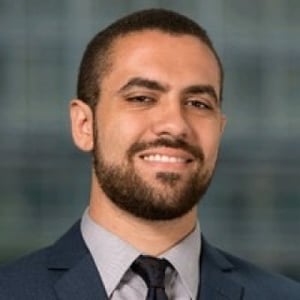
Director of Legal Policy, Firearms Policy Coalition
Matthew Larosiere is the policy director for the Firearms Policy Coalition. He writes on the subject of the 2nd Amendment, gun law, taxation, and gun violence. His work has been featured in National Review, Cato Blog, Fox Nation, Forbes, Wall Street Journal and more. Matt hosts the gun law myth-buster YouTube channel Fudd Busters.
Matthew graduated cum laude from the University of Alabama with a J.D. and Master of Laws in Taxation. During law school, he served as the president of the Federalist Society and the ethics opinion editor of the Journal of the Legal Profession. He holds a B.S. in Business Management from the University of Central Florida.
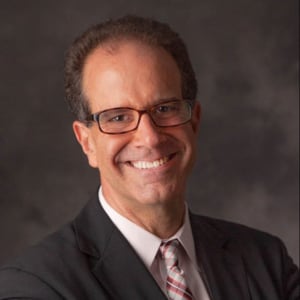
Wayne Fisher Research Professor, Professor of Law, South Texas College of Law Houston
Professor Dru Stevenson is a Wayne Fisher Research Professor and Professor of Law at South Texas College of Law Houston. He joined the faculty at South Texas College of Law Houston in 2003, and teaches Administrative Law/Regulation, Professional Responsibility, Nonprofit Incorporation, Legislation, and the Law & Economics seminar. He graduated Magna Cum Laude from the University of Connecticut School of Law, where he served as an editor of the Connecticut Law Review. After receiving his J.D., he practiced as a Legal Aid lawyer in Connecticut for three years. He earned his Master of Laws (LL.M.) from the Yale Law School in 2002, and became an Assistant Attorney General for the State of Connecticut until leaving to accept his position at South Texas College of Law Houston. Professor Stevenson’s publications cover topics ranging from criminal law to civil procedure, with an emphasis on the intersection of law with economics and linguistic theory. His articles have been cited in leading academic journals and treatises, by federal and state appellate courts, and in recent briefs to the U.S. Supreme Court. Professor Stevenson’s current research focus is firearm law and policy.
Director of Legal Policy, Firearms Policy Coalition
Matthew Larosiere is the policy director for the Firearms Policy Coalition. He writes on the subject of the 2nd Amendment, gun law, taxation, and gun violence. His work has been featured in National Review, Cato Blog, Fox Nation, Forbes, Wall Street Journal and more. Matt hosts the gun law myth-buster YouTube channel Fudd Busters.
Matthew graduated cum laude from the University of Alabama with a J.D. and Master of Laws in Taxation. During law school, he served as the president of the Federalist Society and the ethics opinion editor of the Journal of the Legal Profession. He holds a B.S. in Business Management from the University of Central Florida.
Wayne Fisher Research Professor, Professor of Law, South Texas College of Law Houston
Professor Dru Stevenson is a Wayne Fisher Research Professor and Professor of Law at South Texas College of Law Houston. He joined the faculty at South Texas College of Law Houston in 2003, and teaches Administrative Law/Regulation, Professional Responsibility, Nonprofit Incorporation, Legislation, and the Law & Economics seminar. He graduated Magna Cum Laude from the University of Connecticut School of Law, where he served as an editor of the Connecticut Law Review. After receiving his J.D., he practiced as a Legal Aid lawyer in Connecticut for three years. He earned his Master of Laws (LL.M.) from the Yale Law School in 2002, and became an Assistant Attorney General for the State of Connecticut until leaving to accept his position at South Texas College of Law Houston. Professor Stevenson’s publications cover topics ranging from criminal law to civil procedure, with an emphasis on the intersection of law with economics and linguistic theory. His articles have been cited in leading academic journals and treatises, by federal and state appellate courts, and in recent briefs to the U.S. Supreme Court. Professor Stevenson’s current research focus is firearm law and policy.
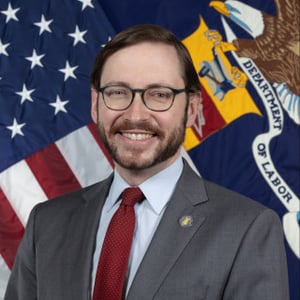
Solicitor, U.S. Department of Labor
Jonathan Berry is Solicitor at the U.S. Department of Labor, in service to President Trump’s agenda to put American workers first. He leads the Department’s lawyers in advising the Secretary and agency leadership on all aspects of law and in representing the Department in court. He was previously managing partner at Boyden Gray PLLC, where he provided strategic counsel and litigated on issues at the intersection of law, politics, and public policy. Earlier, he headed the regulatory office at Labor, and also served at the Department of Justice, in the first Trump Administration. Mr. Berry served as a law clerk to Judge Jerry E. Smith of the United States Court of Appeals for the Fifth Circuit, and to Associate Justice Samuel A. Alito, Jr., of the Supreme Court of the United States.
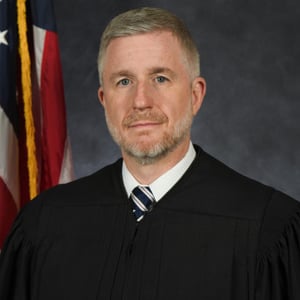
Judge, United States Court of Appeals, Third Circuit
Judge Paul Matey was appointed to the United States Court of Appeals for the Third Circuit in 2019 by President Trump.
Before his judicial service, Judge Matey was a partner at Lowenstein Sandler in New Jersey where he practiced complex commercial litigation and criminal defense. Earlier, Judge Matey was the Senior Vice President, General Counsel and Secretary for University Hospital Newark, an academic medical center and teaching hospital.
He also served as the Deputy Chief Counsel to Governor Chris Christie, and as an Assistant United States Attorney in the District of New Jersey, where he was awarded the Justice Department’s Director’s Award for Superior Performance. He also practiced at the Washington D.C. firm of Kellogg, Hansen, Todd, Figel & Frederick, and served as a law clerk to judges on the United States Court of Appeals for the Third Circuit and the United States District Court for the District of New Jersey.
He earned his bachelor’s degree from the University of Scranton, a Jesuit University, in 1993, and his juris doctorate, summa cum laude, from Seton Hall University School of Law in 2001, where he served as Editor-in-Chief of the Seton Hall Law Review.
In 2019, Judge Matey was elected to membership in the American Law Institute and, since 2020, has lectured on administrative law and the American legal history at Seton Hall.
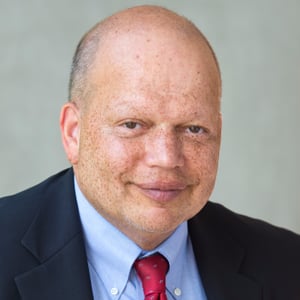
Julius L. Chambers Distinguished Professor of Law and Director of the Center for Civil Rights, University of North Carolina School of Law
Theodore M. Shaw is the Julius L. Chambers Distinguished Professor of Law and Director of the Center for Civil Rights at the University of North Carolina School of Law at Chapel Hill. Professor Shaw teaches Civil Procedure and Advanced Constitutional Law/Fourteenth Amendment. Before joining the faculty of UNC Law School, from 2008-2014 Professor Shaw taught at Columbia University Law School, where he was Professor of Professional Practice. During that time he was also “Of Counsel” to the law firm of Norton Rose Fulbright (formerly Fulbright & Jaworski, LLP). His practice involved civil litigation and representation of institutional clients on matters concerning diversity and civil rights.
Professor Shaw was the fifth Director-Counsel and President of the NAACP Legal Defense and Educational Fund, Inc., for which he worked in various capacities over the span of twenty-six years. He has litigated education, employment, voting rights, housing, police misconduct, capital punishment and other civil rights cases in trial and appellate courts, and in the United States Supreme Court.From 1982 until 1987, he litigated education, housing, and capital punishment cases and directed LDF's education litigation docket. In 1987, under the direction of LDF's third Director-Counsel, Julius Chambers, Mr. Shaw relocated to Los Angeles to establish LDF's Western Regional Office. In 1990, Mr. Shaw left LDF to join the faculty of the University of Michigan Law School, where he taught Constitutional Law, Civil Procedure and Civil Rights. While at Michigan, he played a key role in initiating a review of the law school's admissions practices and policies, and served on the faculty committee that promulgated the admissions program that was upheld by the U.S. Supreme Court in 2003 in Grutter v. Bollinger.
In 1993, Mr. Shaw returned to LDF as Associate Director-Counsel, and in 2004, he became LDF's fifth Director-Counsel. Mr. Shaw's legal career began as a Trial Attorney in the Honors Program of the United States Department of Justice, Civil Rights Division in Washington, D.C., where he worked from 1979 until 1982.
Mr. Shaw has testified on numerous occasions before Congress and before state and local legislatures. His human rights work has taken him to Africa, Asia, Europe, and South America. In addition to teaching at Columbia and at Michigan Law School, Professor Shaw held the 1997-1998 Haywood Burns Chair at CUNY School of Law at Queens College and the 2003 Phyllis Beck Chair at Temple Law School. He was a visiting scholar at the Constitution Center in Philadelphia in 2008-2009. He is a member of the faculty of the Practicing Law Institute (PLI).
Mr. Shaw served on the Obama Transition Team after the 2008 presidential election, as team leader for the Civil Rights Division of the Justice Department.
Solicitor, U.S. Department of Labor
Jonathan Berry is Solicitor at the U.S. Department of Labor, in service to President Trump’s agenda to put American workers first. He leads the Department’s lawyers in advising the Secretary and agency leadership on all aspects of law and in representing the Department in court. He was previously managing partner at Boyden Gray PLLC, where he provided strategic counsel and litigated on issues at the intersection of law, politics, and public policy. Earlier, he headed the regulatory office at Labor, and also served at the Department of Justice, in the first Trump Administration. Mr. Berry served as a law clerk to Judge Jerry E. Smith of the United States Court of Appeals for the Fifth Circuit, and to Associate Justice Samuel A. Alito, Jr., of the Supreme Court of the United States.
Judge, United States Court of Appeals, Third Circuit
Judge Paul Matey was appointed to the United States Court of Appeals for the Third Circuit in 2019 by President Trump.
Before his judicial service, Judge Matey was a partner at Lowenstein Sandler in New Jersey where he practiced complex commercial litigation and criminal defense. Earlier, Judge Matey was the Senior Vice President, General Counsel and Secretary for University Hospital Newark, an academic medical center and teaching hospital.
He also served as the Deputy Chief Counsel to Governor Chris Christie, and as an Assistant United States Attorney in the District of New Jersey, where he was awarded the Justice Department’s Director’s Award for Superior Performance. He also practiced at the Washington D.C. firm of Kellogg, Hansen, Todd, Figel & Frederick, and served as a law clerk to judges on the United States Court of Appeals for the Third Circuit and the United States District Court for the District of New Jersey.
He earned his bachelor’s degree from the University of Scranton, a Jesuit University, in 1993, and his juris doctorate, summa cum laude, from Seton Hall University School of Law in 2001, where he served as Editor-in-Chief of the Seton Hall Law Review.
In 2019, Judge Matey was elected to membership in the American Law Institute and, since 2020, has lectured on administrative law and the American legal history at Seton Hall.
Julius L. Chambers Distinguished Professor of Law and Director of the Center for Civil Rights, University of North Carolina School of Law
Theodore M. Shaw is the Julius L. Chambers Distinguished Professor of Law and Director of the Center for Civil Rights at the University of North Carolina School of Law at Chapel Hill. Professor Shaw teaches Civil Procedure and Advanced Constitutional Law/Fourteenth Amendment. Before joining the faculty of UNC Law School, from 2008-2014 Professor Shaw taught at Columbia University Law School, where he was Professor of Professional Practice. During that time he was also “Of Counsel” to the law firm of Norton Rose Fulbright (formerly Fulbright & Jaworski, LLP). His practice involved civil litigation and representation of institutional clients on matters concerning diversity and civil rights.
Professor Shaw was the fifth Director-Counsel and President of the NAACP Legal Defense and Educational Fund, Inc., for which he worked in various capacities over the span of twenty-six years. He has litigated education, employment, voting rights, housing, police misconduct, capital punishment and other civil rights cases in trial and appellate courts, and in the United States Supreme Court.From 1982 until 1987, he litigated education, housing, and capital punishment cases and directed LDF's education litigation docket. In 1987, under the direction of LDF's third Director-Counsel, Julius Chambers, Mr. Shaw relocated to Los Angeles to establish LDF's Western Regional Office. In 1990, Mr. Shaw left LDF to join the faculty of the University of Michigan Law School, where he taught Constitutional Law, Civil Procedure and Civil Rights. While at Michigan, he played a key role in initiating a review of the law school's admissions practices and policies, and served on the faculty committee that promulgated the admissions program that was upheld by the U.S. Supreme Court in 2003 in Grutter v. Bollinger.
In 1993, Mr. Shaw returned to LDF as Associate Director-Counsel, and in 2004, he became LDF's fifth Director-Counsel. Mr. Shaw's legal career began as a Trial Attorney in the Honors Program of the United States Department of Justice, Civil Rights Division in Washington, D.C., where he worked from 1979 until 1982.
Mr. Shaw has testified on numerous occasions before Congress and before state and local legislatures. His human rights work has taken him to Africa, Asia, Europe, and South America. In addition to teaching at Columbia and at Michigan Law School, Professor Shaw held the 1997-1998 Haywood Burns Chair at CUNY School of Law at Queens College and the 2003 Phyllis Beck Chair at Temple Law School. He was a visiting scholar at the Constitution Center in Philadelphia in 2008-2009. He is a member of the faculty of the Practicing Law Institute (PLI).
Mr. Shaw served on the Obama Transition Team after the 2008 presidential election, as team leader for the Civil Rights Division of the Justice Department.
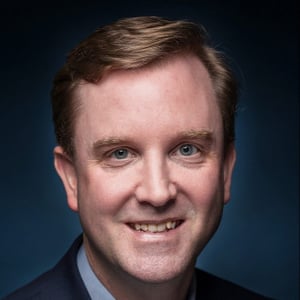
Vice President and Deputy Counsel, Wisconsin Institute for Law and Liberty
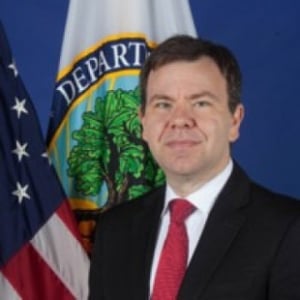
General Counsel, Mountain States Legal Foundation
William E. Trachman is General Counsel for Mountain States Legal Foundation, where he protects the rights of individuals to live freely and securely under the U.S. Constitution. Previously, he was appointed to serve in the Department of Education as Deputy Assistant Secretary in the Office for Civil Rights. Prior to his appointment, he served as General Counsel to the Douglas County School District, where he helped litigate the fight for school choice in the school district. Presently, Mr. Trachman serves as Chair of the Colorado Federalist Society and the Vice Chair of the U.S. Commission on Civil Rights’ Colorado Advisory Board. He previously taught as an Adjunct Professor at the University of Denver, Sturm College of Law. He attended U.C. Berkeley for both undergraduate and law school, and then clerked for the Honorable Harris Hartz on the 10th Circuit Court of Appeals. Mr. Trachman is licensed in Colorado, California, and Washington, D.C.
Vice President and Deputy Counsel, Wisconsin Institute for Law and Liberty
General Counsel, Mountain States Legal Foundation
William E. Trachman is General Counsel for Mountain States Legal Foundation, where he protects the rights of individuals to live freely and securely under the U.S. Constitution. Previously, he was appointed to serve in the Department of Education as Deputy Assistant Secretary in the Office for Civil Rights. Prior to his appointment, he served as General Counsel to the Douglas County School District, where he helped litigate the fight for school choice in the school district. Presently, Mr. Trachman serves as Chair of the Colorado Federalist Society and the Vice Chair of the U.S. Commission on Civil Rights’ Colorado Advisory Board. He previously taught as an Adjunct Professor at the University of Denver, Sturm College of Law. He attended U.C. Berkeley for both undergraduate and law school, and then clerked for the Honorable Harris Hartz on the 10th Circuit Court of Appeals. Mr. Trachman is licensed in Colorado, California, and Washington, D.C.
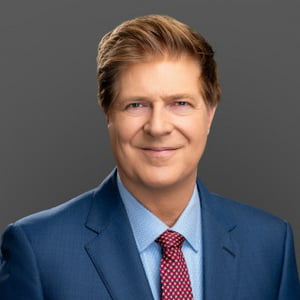
Senior Fellow, Ave Maria School of Law and Host of the Four Boxes Diner Second Amendment Channel
Mark W. Smith is a visiting member of the Senior Common Room, New College, Oxford University and a Visiting Fellow in Pharmaceutical Public Policy and Law in the Department of Pharmacology, Oxford University. Mark is also a Distinguished Scholar and Senior Fellow of Law and Public Policy at the Ave Maria School of Law. He hosts the Four Boxes Diner YouTube Channel (youtube.com/TheFourBoxesDiner), which addresses Second Amendment scholarship, cases, history and related issues, and whose videos have received almost 90 million views. Mark's scholarship has been cited by federal courts and by parties before the United States Supreme Court in Viramontes v. Cook County, New York State Rifle & Pistol Ass’n v. Bruen and in United States v. Rahimi. He is a graduate of the NYU School of Law. Mark is also a New York Times bestselling author who appears frequently in the national media including on the Fox News Channel.

The Future of Homemade Firearms: The Legal and Political Implications of ATF Final Rule 2021R-05F
Matthew Larosiere, Dru Stevenson
Americans have been privately manufacturing and assembling firearms since before this country’s founding. Now, thanks...
The Future of Homemade Firearms: The Legal and Political Implications of ATF Final Rule 2021R-05F
Matthew Larosiere, Dru Stevenson
Americans have been privately manufacturing and assembling firearms since before this country’s founding. Now, thanks...
Topics
Department of Education Proposes Title IX Rule with Opportunity for Public Comment
In line with the Biden administration’s equity and gender identity policy priorities, the Department of...
Topics
Flight Attendant Triumphs Over Union and Southwest Airlines in Suit Challenging Illegal Firing; Jury Awards Her $5.1 Million in Damages
Southwest Airlines flight attendant Charlene Carter has prevailed in her federal lawsuit in which she...
Topics
A Tendentious Report on Housing Discrimination from the New York Advisory Committee to the U.S. Commission on Civil Rights
Background: In 1957, Congress created the U.S. Commission on Civil Rights (the Commission). An independent,...
Private Sector Diversity Programs: Perks and Pitfalls
Jonathan Berry, Paul B. Matey, Theodore M. Shaw
It is growing practice within the business community to engage in diversity initiatives in hiring,...
Private Sector Diversity Programs: Perks and Pitfalls
Jonathan Berry, Paul B. Matey, Theodore M. Shaw
It is growing practice within the business community to engage in diversity initiatives in hiring,...
The Use of Race in the Biden-Harris Administration, and Legal Challenges to Race-Based Policymaking
Daniel Lennington, William E. Trachman
Since taking office in January 2021, the Biden Administration and its Executive Branch agencies have...
The Use of Race in the Biden-Harris Administration, and Legal Challenges to Race-Based Policymaking
Daniel Lennington, William E. Trachman
Since taking office in January 2021, the Biden Administration and its Executive Branch agencies have...
Courthouse Steps Decision: New York State Rifle & Pistol Association Inc. v. Bruen
Mark W. Smith
On June 23, 2022, the Supreme Court decided New York State Rifle & Pistol Association...