Our website is currently undergoing updates, some links may no longer work and content may change. Please check back soon.
Federalist Society logo

2026 National Lawyers Convention

250 Years of American Exceptionalism

November 12 — 14, 2026

The National Lawyers Convention is now sold out.
Registration is closed.

CELEBRATING 250 YEARS OF

AMERICAN EXCEPTIONALISM


Thursday, November 12 - Saturday, November 14


The Mayflower Hotel

1127 Connecticut Ave., NW

Washington, District of Columbia 20036


Join the Federalist Society for the 2026 National Lawyers Convention, a three-day experience featuring a new schedule, engaging programming, and many of the Convention traditions our attendees know and love.

This year’s Convention, themed “250 Years of American Exceptionalism,” will explore the ideas, institutions, and principles that have shaped our republic. The program will feature thought-provoking panels, fireside chats, the Bork Memorial Lecture, the Rosenkranz Debate, the Twenty-Fifth Annual Olson Memorial Lecture, and the 2026 Antonin Scalia Memorial Dinner.

The Convention will be held at the historic Mayflower Hotel, with the Antonin Scalia Memorial Dinner at the Marriott Marquis Washington, DC. Join us in Washington for conversation, debate, and fellowship.


REGISTRATION INFORMATION 

The National Lawyers Convention is now sold out.


2026 ANTONIN SCALIA MEMORIAL DINNER

Thursday, November 12

Join us for the 2026 Antonin Scalia Memorial Dinner as we honor Justice Scalia’s legacy and the enduring pledge of our Founders: "Our lives, our fortunes, and our sacred honor."

The Marriott Marquis Washington, DC
901 Massachusetts Avenue NW
Washington, DC 20001

The Antonin Scalia Memorial Dinner is now sold out.


25th Annual Barbara K. Olson Memorial Lecture

Featuring:
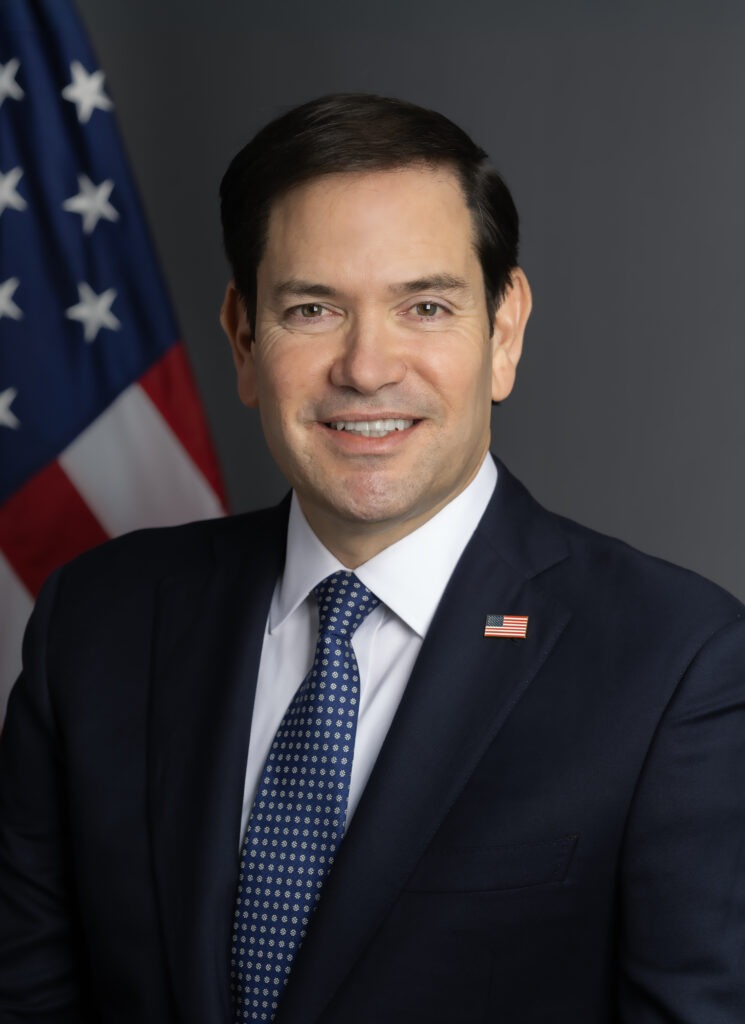

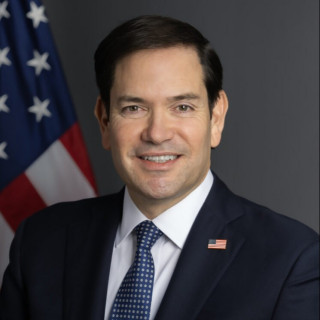
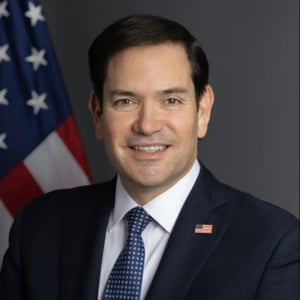
Hon. Marco Rubio,
United States Secretary of State;
United States National Security Advisor

Friday, November 13

The Mayflower Hotel
1127 Connecticut Ave NW
Washington, DC 20036

The 25th Annual Barbara K. Olson Memorial Lecture is sold out.


LODGING

Washington, D.C., hotels fill quickly during the fall conference season, so we recommend making your reservation as soon as possible. To reserve a room at The Mayflower Hotel, for a special room rate of $274 per night:


To reserve by phone call: 1-888-236-2427 or 202-347-3000. Inquire about the special rate of $274 per night offered to Federalist Society Convention registrants. Specify "Federalist Society" when contacting The Mayflower by phone. Cutoff Date: October 19, unless rooms sell out sooner.

Tempo by Hilton Washington DC Downtown
1776 K Street NW
Washington, DC 20006


To reserve by phone call: 1-202-738-4250. Cutoff Date: October 13, unless rooms sell out sooner.


CLE

This event has been approved for

12.00 Total CLE Hours

Attendees must SIGN IN and SIGN OUT at the event EACH DAY

and complete the provided attendance reporting form to receive CLE credit.


Questions? Check out our CLE FAQ page.


CONVENTION FEES

The National Lawyers Convention is now sold out and registration is closed.

All-Inclusive Package* - SOLD OUT  
Private Sector
Non-Member
$1075
Private Sector
Active Member
$675
Government/Non-Profit/Faculty
Non-Member
$1075
Government/Non-Profit/Faculty
Active Member
$475
Student
Active Member
$400


*The All-Inclusive Package includes all three days of sessions, CLE, the 25th Annual Barbara K. Olson Memorial Lecture and Reception, and the 2026 Antonin Scalia Memorial Dinner. CLE materials will be available electronically. A hardcopy of materials can be provided upon request after the Convention, make sure to request CLE Materials in hardcopy form on the CLE sign-in form during the Convention.

A la Carte** - SOLD OUT  
Single Day Tickets - Thursday; Friday
Non-Member
$350
Single Day Tickets - Thursday; Friday
Member
 $250
Single Day Tickets - Saturday
Non-Member
 $200
Single Day Tickets - Saturday
Member
$125
Single Day Tickets - Students
Member
$35


**Single day tickets includes that day’s sessions, CLE, and lunch. It does not include the 2026 Antonin Scalia Memorial Dinner. CLE materials will be available electronically. A hardcopy of materials can be provided upon request after the Convention, make sure to request CLE Materials in hardcopy form on the CLE sign-in form during the Convention.

2026 Antonin Scalia Memorial Dinner - SOLD OUT  
Antonin Scalia Memorial Dinner
Non-Member
$500
Antonin Scalia Memorial Dinner
Active Member
   $300


CANCELLATION FEE OF $100 AFTER THURSDAY, OCTOBER 15.
NO REFUNDS WILL BE GIVEN AFTER MONDAY, NOVEMBER 9.


 The National Lawyers Convention is now sold out and registration is closed.


Check back periodically for more information. We can't wait to see you!

Back to top

9:30 a.m. - 10:00 a.m.
Opening Address: “To Institute New Government”
   
Washington, DC

Share

Description

Featuring:

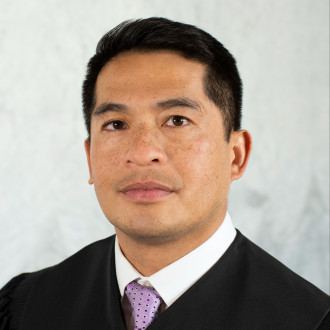
  • Hon. Evan A. Young, Justice, Texas Supreme Court

Speakers

10:00 a.m. - 11:15 a.m.
Panel 1: "When in the Course of Human Events"
CLE 1.25 hours
Ethics 0 hours
Washington, DC

Share

Description

The Declaration of Independence roots its case for revolution in concrete causes. This session will trace the political, intellectual, and economic developments that transformed the colonists’ demands for redress into a movement for independence. What did the colonists believe they were defending, and how did Enlightenment thought, English legal tradition, and colonial practice combine to make independence thinkable? How did this founding experience shape our constitutional tradition? And which “human events” of our own day echo that path from grievance to resolve?

Featuring:

  • Dr. Nicholas Cole, Senior Research Fellow, Pembroke College, University of Oxford; Director, The Quill Project
  • Prof. David M. Schizer, Dean Emeritus and Harvey R. Miller Professor of Law & Economics, Columbia Law School
  • Mark W. Smith, Senior Fellow, Ave Maria School of Law and Host of the Four Boxes Diner Second Amendment Channel
  • Prof. Ilan Wurman, Julius E. Davis Professor of Law, University of Minnesota Law School
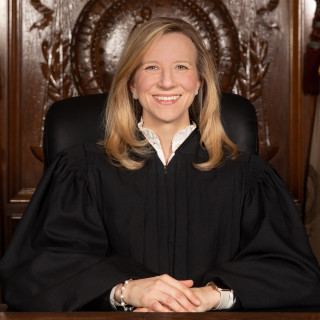
  • (Moderator) Hon. Lisa Branch, Judge, United States Court of Appeals, Eleventh Circuit

Speakers

11:30 a.m. - 12:00 p.m.
Fireside Chat: “Governments are Instituted among Men”
   
Washington, DC

Share

Description

Featuring:

  • Will Scharf, White House Counsel
  • (Moderator) O.H. Skinner, Executive Director, Alliance For Consumers; President & CEO, American Juris Link

Speakers

12:00 p.m. - 1:00 p.m.
Lunch & SOC! Side Tables
   
Washington, DC

Share

1:15 p.m. - 2:30 p.m.
Panel 2: “One People”
CLE 1.25 hours
Ethics 0 hours
Washington, DC

Share

Description

The Declaration of Independence articulated a civic basis for national identity. Americans are bound together by shared principles—natural rights, self-government, equality before the law—rather than only ancestry or bloodline. This panel will explore how an American identity developed and how it continues to inform modern debates about birthright citizenship, assimilation, birth tourism, asylum, and immigration reform. 

Featuring:

  • Elle Rogers Bernstein, General Counsel, United States Senator Jim Banks
  • Prof. Richard A. Epstein, Laurence A. Tisch Professor of Law and Director, Classical Liberal Institute, New York University School of Law; Senior Fellow, The Civitas Institute, University of Texas at Austin
  • Prof. Amanda Frost, David Lurton Massee, Jr., Professor of Law and Director, Immigration, Migration and Human Rights Program, University of Virginia School of Law
  • Gene P. Hamilton, President and Co-Founder, America First Legal Foundation
  • Prof. John C. Yoo, Emanuel S. Heller Professor of Law, University of California at Berkeley; Thomas Smith Senior Research Fellow, The Civitas Institute, University of Texas at Austin
  • (Moderator) Hon. Patrick J. Bumatay, Judge, United States Court of Appeals, Ninth Circuit

Speakers

2:30 p.m. - 2:45 p.m.
Networking Break
   
Washington, DC

Share

2:45 p.m. - 4:00 p.m.
Rosenkranz Debate: Created Equal
CLE 1.25 hours
Ethics 0 hours
Washington, DC

Share

Description

RESOLVED: The Fourteenth Amendment and Title VI have always prohibited race preferences in school admissions, contrary to Supreme Court precedent that appears to allow time-limited preferences. 

In Students for Fair Admissions v. Harvard and Students for Fair Admissions v. University of North Carolina, the Supreme Court found that both schools’ admissions programs violated Title VI of the Civil Rights Act of 1964 and North Carolina’s violated the Fourteenth Amendment of the U.S. Constitution. But the ruling appears partly to rely on the claim that such preferences had been allowed to go on too long with no end in sight, thus permitting it to distinguish rather than overrule Grutter v. Bollinger and Regents of the University of California v. Bakke. That also suggests that despite the Court’s disavowal of past societal discrimination as a permissible rationale for race preferences in admissions, those considerations may have played a role in its rulings, as the dissents suggest. Thus, the permissibility of such preferences may be more contingent on circumstance than SFFA at first blush indicates. Our debaters will discuss whether this possibility is consistent with Title VI and the Fourteenth Amendment and how the Court should handle this potential ambiguity in future cases.

Featuring:

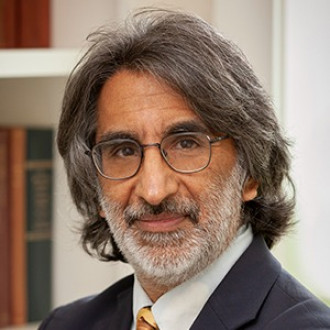
  • Prof. Akhil Reed Amar, Sterling Professor of Law and Political Science, Yale Law School
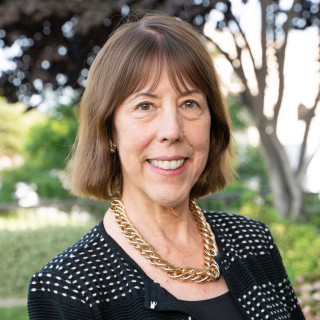
  • Prof. Gail L. Heriot, Senior Scholar, Manhattan Institute; Professor of Law Emerita, University of San Diego
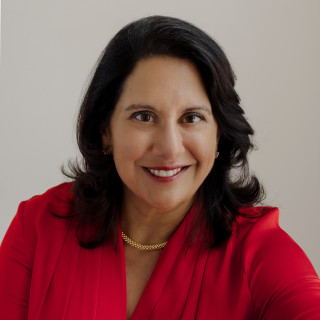
  • (Moderator) Hon. Neomi Rao, Judge, United States Court of Appeals, District of Columbia Circuit

Speakers

5:00 p.m. - 5:30 p.m.
Reception Registration Opens
   
Washington, DC

Share

5:30 p.m. - 7:15 p.m.
2026 Lawyers Convention Reception
   
Washington, DC

Share

7:15 p.m. - 10:00 p.m.
2026 Antonin Scalia Memorial Dinner “Our Lives, Our Fortunes, and Our Sacred Honor”
   
Washington, DC

Share

10:00 p.m. - 11:00 p.m.
Closing Reception
   
Washington, DC

Share

Back to top
10:15 a.m. - 11:30 a.m.
Panel 3: "A Long Train of Abuses and Usurpations"
CLE 1.25 hours
Ethics 0 hours
Washington, DC

Share

Description

The Declaration of Independence presented a lengthy indictment of King George III, accusing the Crown of abuses ranging from imposing taxes without consent and restricting trade to quartering troops and depriving colonists of trial by jury. Many of these grievances helped shape the Constitution and the Bill of Rights, which established structural safeguards and protections for individual liberty intended to prevent similar abuses of government power.

Two hundred and fifty years later, how effectively have those constitutional safeguards addressed the Founders’ concerns? Have modern exercises of government power given rise to a new "long train of abuses and usurpations"? This panel will examine the Declaration’s charges against the Crown, the constitutional responses they inspired, and the modern controversies that still test them.

Featuring:

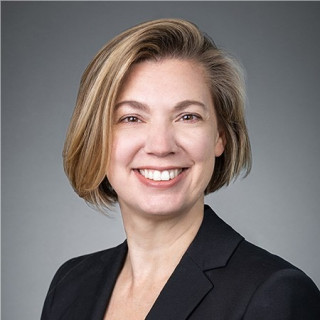
  • Martine Cicconi, Partner, Simpson Thacher & Bartlett LLP
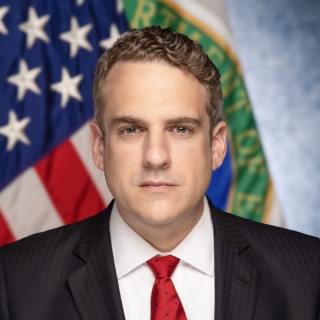
  • Hon. James P. Danly, Deputy Secretary of Energy, United States Department of Energy
  • C.J. Mahoney, Chief Legal Officer, Meta Platforms, Inc.
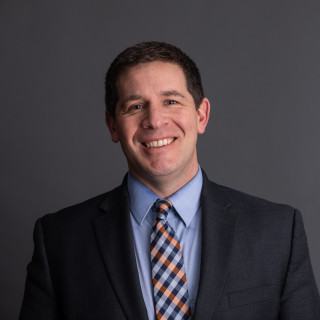
  • Casey Mattox, Vice President for Legal Strategy, Stand Together
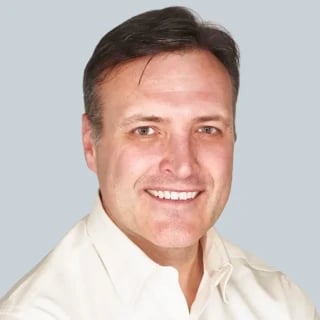
  • Grant Starrett, Multifamily Real Estate Investor
  • (Moderator) Hon. Sarah Keeton Campbell, Justice, Supreme Court of Tennessee

Speakers

11:45 a.m. - 12:30 p.m.
Hon. Robert H. Bork Memorial Lecture: "Consent of the Governed"
CLE 0.75 hours
Ethics 0 hours
Washington, DC

Share

Description

The Declaration of Independence proclaimed that governments derive “their just powers from the consent of the governed.” That theory of popular sovereignty served as a warrant for revolution. Beginning in 1776, first in the states and then in the federal Constitution, Americans also gave institutional form to that principle. This session examines its implications for self-government today.

What does the consent of the governed mean in practice? As government has grown more complex and technology has transformed how Americans participate in public life, how can the American people exercise meaningful control over their government? Will artificial intelligence strengthen the capacity of citizens to oversee government, or will it risk concentrating power in institutions and systems increasingly removed from public control? What do self-governing citizens gain from the information artificial intelligence places at their fingertips, and what do they lose by outsourcing their thinking to algorithms that may be biased or hallucinatory? Plus, what about the people’s representatives and judges—does popular sovereignty permit them to rely on (or be replaced by) artificial intelligence? Finally, what limits must a constitutional republic place on popular sovereignty, and how can technology enforce or erode those limits?

Featuring:

  • Joe Lonsdale, Founder and Managing Partner, 8VC
  • (Moderator) Hon. Amul R. Thapar, Judge, United States Court of Appeals, Sixth Circuit

Speakers

12:30 p.m. - 1:30 p.m.
Lunch
   
Washington, DC

Share

1:45 p.m. - 3:00 p.m.
Panel 4: "The Laws of Nature and of Nature's God"
CLE 1.25 hours
Ethics 0 hours
Washington, DC

Share

Description

The Declaration of Independence appealed to “the Laws of Nature and of Nature’s God” and proclaimed that all men are “endowed by their Creator with certain unalienable Rights.” Under this conception, rights preceded government, whose purpose was to secure them. But the Constitution does not expressly enumerate every right that might follow from that premise, raising enduring questions about the relationship between natural law and constitutional law.

What role, if any, should the Declaration’s appeal to natural rights play in constitutional interpretation? Did the Founders envision a judiciary empowered to protect rights beyond those expressly enumerated in the Constitution? What role should the Ninth Amendment, the Privileges or Immunities Clause, and the Due Process Clauses play in identifying and protecting such rights? And how can courts distinguish the enforcement of preexisting rights from the imposition of judges’ own moral or political judgments? This panel will examine the Founders’ understanding of natural rights and its implications for the judicial protection of individual liberty today.

Featuring:

  • Prof. Hadley P. Arkes, Founder and Co-Director, James Wilson Institute
  • Ryan L. Bangert, Senior Vice President, Strategic Initiatives & Special Counsel to the President, Alliance Defending Freedom
  • Prof. Stephanie Barclay, Anne Fleming Research Professor and Professor of Law, Georgetown University Law Center; Faculty Director, Georgetown Center for the Constitution
  • Prof. Kurt T. Lash, E. Claiborne Robins Distinguished Chair in Law, University of Richmond School of Law
  • (Moderator) Hon. Stuart Kyle Duncan, Judge, United States Court of Appeals, Fifth Circuit

Speakers

3:15 p.m. - 4:30 p.m.
Panel 5: "Free and Independent States"
CLE 1.25 hours
Ethics 0 hours
Washington, DC

Share

Description

The Declaration’s operative conclusion was that “these United Colonies are, and of Right ought to be Free and Independent States.” This session takes up the theory of statehood, the federal structure that subsequently emerged, and the enduring tension between state sovereignty and national unity. How did the states’ sense of their own sovereignty change from the Revolution, through the Articles of Confederation, to the Constitution’s more perfect union? How has the balance between national and state authority changed over the past two hundred and fifty years, and what should that balance look like today? Do the Tenth Amendment and the anti-commandeering doctrine still meaningfully protect the states from federal encroachment? And how should the law handle the growing number of disputes in which one state alleges another has reached across its borders to impose its policies? Together, these questions invite a broad examination of the meaning and future of state sovereignty in our constitutional system.

Featuring:

  • Jeremy Feigenbaum, Partner, Jenner & Block LLP
  • Prof. Brittney Lane Kubisch, Associate Professor of Law, Pepperdine Caruso School of Law
  • Katherine Robertson, Chief Counsel, Alabama Attorney General's Office
  • Oramel H. Skinner, III, Executive Director, Alliance For Consumers; President & CEO, American Juris Link
  • Eric Wessan, Solicitor General, Iowa Office of the Attorney General
  • (Moderator) Hon. Justin D. Smith, Judge, United States Court of Appeals, Eighth Circuit

Speakers

4:30 p.m. - 5:00 p.m.
Networking Break
   
Washington, DC

Share

5:00 p.m. - 5:45 p.m.
Annual Barbara K. Olson Memorial Lecture
   
Washington, DC

Share

Description

Featuring: 

  • Hon. Marco Rubio, United States Secretary of State; United States National Security Advisor


Speakers

5:45 p.m. - 6:45 p.m.
Reception
   
Washington, DC

Share

Back to top
9:00 a.m. - 10:15 a.m.
Panel 6: "He Has Made Judges Dependent on His Will Alone"
CLE 1.25 hours
Ethics 0 hours
Washington, DC

Share

Description

The Declaration of Independence condemned a king who made judges “dependent on his Will alone, for the tenure of their offices, and the amount and payment of their salaries.” The Framers’ answer was Article III, with its life tenure and salary protection. That independence is under pressure again, from several directions. Some are familiar matters of structure and politics: term limits, a binding ethics code, jurisdiction stripping, and court expansion. Others are graver: swatting, doxxing, and death threats against judges and their families. How should the bench, the bar, and the political branches answer intimidation and violence while protecting legitimate criticism of the courts? Are the structural reforms faithful to the founding design or departures from it? And where does fair criticism end and corrosion of the rule of law begin?

Featuring:

  • Prof. Tara Leigh Grove, Vinson & Elkins Chair in Law, University of Texas at Austin School of Law
  • Hon. Catherine L. Hanaway, Attorney General, Missouri
  • Mollie Hemingway, Editor-in-Chief, The Federalist
  • Carrie Campbell Severino, President, JCN
  • Prof. Jonathan R. Turley, J.B. and Maurice C. Shapiro Professor of Public Interest Law; Director of the Environmental Law Advocacy Center; Executive Director, Project for Older Prisoners, The George Washington University Law School
  • (Moderator) Hon. Gregory G. Katsas, Judge, United States Court of Appeals, District of Columbia Circuit

Speakers

10:30 a.m. - 11:45 a.m.
Panel 7: "Sent Hither Swarms of Officers to Harrass Our People, and Eat Out Their Substance"
CLE 1.25 hours
Ethics 0 hours
Washington, DC

Share

  • Email
  • Facebook Share
  • Twitter Share

Description

The Declaration of Independence condemned King George III for erecting “a multitude of New Offices” and sending “swarms of Officers to harrass our people, and eat out their substance.” Two hundred and fifty years later, the reach of the modern administrative state raises enduring questions about power, accountability, and self-government. This panel will explore approaches to regulatory reform, from shrinking the federal bureaucracy to harnessing its power to advance presidential priorities. Panelists will examine the implications of recent Supreme Court decisions, deregulatory executive orders, and efforts to streamline regulation at both the federal and state levels. The panel also will consider how artificial intelligence is reshaping the regulatory process and whether it will facilitate efforts to rein in the administrative state or make it more powerful. Are we in the midst of a revolution against unaccountable bureaucrats that will restore the Founders’ original constitutional design or undermine it by concentrating too much power in the presidency?

Featuring:

  • Reeve T. Bull, Policy Director, Fulcrum Foundation
  • GianCarlo Canaparo, Principal Deputy Assistant Attorney General, Office of Legal Policy, United States Department of Justice
  • Hon. David Fotouhi, Deputy Administrator, United States Environmental Protection Agency
  • May Mailman, Director, Independent Women's Law Center; Owner, MPL Strategies
  • Prof. Matthew C. Stephenson, Henry L. Shattuck Professor of Law, Harvard Law School
  • (Moderator) Hon. Steven J. Menashi, Judge, United States Court of Appeals, Second Circuit

Speakers

11:45 a.m. - 12:15 p.m.
Lunch
   
Washington, DC

Share

12:30 p.m. - 1:45 p.m.
Panel 8: "The Pursuit of Happiness"
CLE 1.25 hours
Ethics 0 hours
Washington, DC

Share

Description

Schooled in classical and Judeochristian thought, the Founders understood “happiness” closer to the Aristotelian sense of eudaimonia: flourishing achieved through virtue, and presupposing citizens capable of governing themselves. The session will explore the role of government in securing the conditions for individuals’ pursuit of happiness and whether our understanding has evolved from the founding to today. How did the Founders connect virtue, liberty, and happiness, and what did they think a free constitution asked of a people’s character? Has the founding vision of happiness, moral and economic alike, been kept or lost?

Featuring:

  • Prof. Randy E. Barnett, Patrick Hotung Professor of Constitutional Law, Georgetown University Law Center; Faculty Director, Georgetown Center for the Constitution
  • Prof. Jeffrey Rosen, Professor of Law, The George Washington University Law School; CEO Emeritus, National Constitution Center
  • (Moderator) Hon. Don R. Willett, Judge, U.S. Court of Appeals, Fifth Circuit

Speakers

1:45 p.m. - 2:15 p.m.
Closing Address: "By Authority of the Good People”
   
Washington, DC

Share

Description

Featuring:

  • Dean Reuter, Executive Vice President, The Federalist Society


Speakers

Back to top