
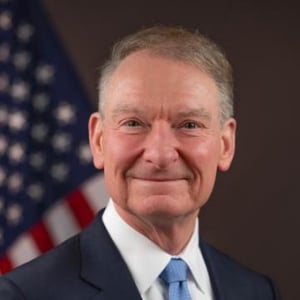
Chairman of the Securities and Exchange Commission
Paul S. Atkins was sworn into office as the 34th Chairman of the Securities and Exchange Commission on April 21, 2025, after being nominated by President Donald J. Trump on January 20, 2025, and confirmed by the U.S. Senate on April 9, 2025.
Prior to returning to the SEC, Chairman Atkins was most recently chief executive of Patomak Global Partners, a company he founded in 2009. Chairman Atkins helped lead efforts to develop best practices for the digital asset sector. He served as an independent director and non-executive chairman of the board of BATS Global Markets, Inc. from 2012 to 2015.
Chairman Atkins was appointed by President George W. Bush to serve as a Commissioner of the SEC from 2002 to 2008. During his tenure, he advocated for transparency, consistency, and the use of cost-benefit analysis at the agency. Chairman Atkins also represented the SEC at meetings of the President’s Working Group on Financial Markets and the U.S.-EU Transatlantic Economic Council. From 2009 to 2010, he was appointed a member of the Congressional Oversight Panel for the Troubled Asset Relief Program.
Before serving as an SEC Commissioner, Chairman Atkins was a consultant on securities and investment management industry matters, especially regarding issues of strategy, regulatory compliance, risk management, new product development, and organizational control.
From 1990 to 1994, Chairman Atkins served on the staff of two chairmen of the SEC, Richard C. Breeden and Arthur Levitt, ultimately as chief of staff and counselor, respectively. He received the SEC’s 1992 Law and Policy Award for work regarding corporate governance matters.
Chairman Atkins began his career as a lawyer in New York, focusing on a wide range of corporate transactions for U.S. and foreign clients, including public and private securities offerings and mergers and acquisitions. He was resident for 2½ years in his firm's Paris office and admitted as conseil juridique in France.
A member of the New York and Florida bars, Chairman Atkins received his J.D. from Vanderbilt University School of Law in 1983 and was Senior Student Writing Editor of the Vanderbilt Law Review. He received his A.B., Phi Beta Kappa, from Wofford College in 1980.
Originally from Lillington, North Carolina, Chairman Atkins grew up in Tampa, Florida. He and his wife Sarah have three sons.
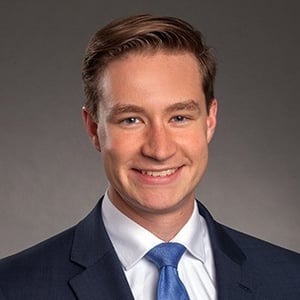
Assistant Attorney General, Office of Legal Counsel, U.S. Department of Justice
T. Elliot Gaiser is the Office of Legal Counsel’s 27th Assistant Attorney General. He was nominated by President Donald Trump on April 29, 2025, confirmed by the United States Senate on July 30, 2025, and sworn in as AAG by Attorney General Pam Bondi on August 4, 2025.
Prior to joining the Office of Legal Counsel, Mr. Gaiser served as the 11th Solicitor General of Ohio. In that role, he represented his home state and its agencies before the Supreme Court of the United States, the United States Court of Appeals for the Sixth Circuit, the Supreme Court of Ohio, and other state and federal courts. He also advised Ohio Attorney General Dave Yost on significant legal and constitutional matters important to the people of Ohio.
Mr. Gaiser clerked for Justice Samuel A. Alito, Jr. of the Supreme Court of the United States, Judge Neomi Rao of the United States Court of Appeals for the D.C. Circuit, and Judge Edith H. Jones of the United States Court of Appeals for the Fifth Circuit. In the private sector, Mr. Gaiser worked at the law firms Jones Day, Boyden Gray, and Gibson Dunn. He graduated from the University of Chicago Law School and Hillsdale College. He is also a husband and father.
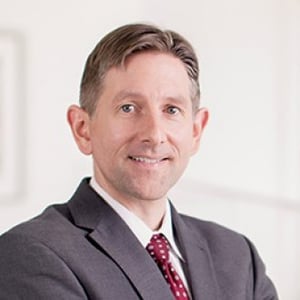
Partner, O'Melveny & Myers LLP
Gregory Jacob is a partner in O’Melveny’s Washington, D.C. office. Greg Jacob represents financial services companies including banks, investment managers, health care payors, and insurers, as well as other employers, in class action and other litigation concerning ERISA and other labor and employment matters. A former Solicitor of Labor, Greg has extensive knowledge on a wide variety of labor and employment issues including ERISA, FLSA, OFCCP, and whistleblower law. He regularly litigates in federal courts throughout the country, defends clients against Department of Labor investigations, and provides counseling to plans and plan sponsors.
Prior to rejoining O’Melveny in 2021, Greg served as Counsel to Vice President Pence and Deputy Assistant to the President. He directly advised the Vice President on all legal issues relating to the Office of the Vice President, and advised the White House Coronavirus Task Force concerning the Defense Production Act and other legal issues related to bolstering the domestic supply chain.
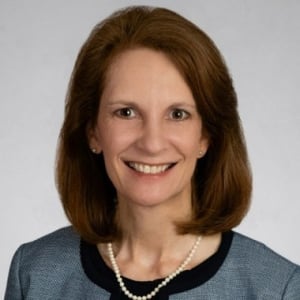
Managing Partner, Rose Legal Advisory PLLC
Sharon is an experienced regulatory counsel and advocate in enforcement and litigation matters. She regularly represents corporations and individuals in investigations and proceedings before federal and state regulatory agencies and in related litigation, including the Department of Labor, Department of Justice, the Securities and Exchange Commission, the Commodity Futures Trading Commission, the Equal Employment Opportunity Commission, and the Federal Energy Regulatory Commission. She has extensive experience advising clients on issues related to compliance with the federal securities and commodities laws and other laws and regulations that impact corporate entities, including federal contractor obligations, the Employee Retirement Income Security Act (ERISA), the False Claims Act (FCA), the Foreign Corrupt Practices Act (FCPA), and federal and state employment laws. She has represented clients worldwide in matters involving alleged fraud, market manipulation, disruptive trading practices, insider trading, accounting and internal controls irregularities, and other financial and trading issues. In addition to matters before the federal government, she represents clients in enforcement proceedings and other inquiries by state regulatory agencies, regulated exchanges, the Financial Industry Regulatory Authority (FINRA), and foreign government agencies.
Sharon previously served as Senior Counsel in the Office of the Solicitor at the Department of Labor, where she advised the Office of the Secretary and Department agencies on a variety of regulatory, enforcement, and litigation matters. She was integrally involved in several key rulemakings and litigation actions within the Employee Benefits Security Administration (EBSA) and the Office of Federal Contract Compliance Programs (OFCCP), including those concerning fiduciary investment advice, ESG investing, proxy voting, QPAM exemptions, health and welfare benefit plans, and important reforms to OFCCP’s procedures for non-discrimination enforcement actions. She routinely liaised with DOJ and other executive branch departments on joint litigation matters and amicus briefs requested by the Supreme Court addressing first amendment and ERISA issues.
Prior to entering government service, Sharon practiced in the Washington, D.C. and Singapore offices of an international law firm. She subsequently co-founded a litigation boutique firm representing plaintiffs and defendants in government enforcement and litigation matters and merged the practice into Berliner Corcoran & Rowe in 2022. Sharon is a summa cum laude graduate of Westmont College, earned her M.B.A. at the Claremont Graduate University—Drucker School of Management, and earned her law degree from the University of California, Davis, where she was an editor of the U.C. Davis Law Review and the U.C. Davis Business Law Journal. In her personal time, Sharon devotes time to several nonprofit organizations, including serving on the Board of Trustees of a private liberal arts college.
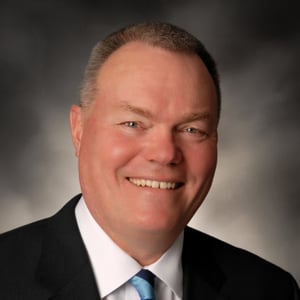
Chief Operating Officer and General Counsel, North American Meat Institute
Mark Dopp is the chief operating officer and general counsel for the North American Meat Institute (NAMI), previously serving as its senior vice president of regulatory affairs and general counsel. In his role, Dopp oversees policy development and represents industry views on significant regulatory, scientific, legislative, and communications matters. He also provides legal counsel to NAMI and oversees its administration and financial matters.
Dopp became the Meat Institute’s outside general counsel in May 1995 and in 1999 he formally joined the Institute and assumed responsibility for its legal and regulatory affairs. Before joining NAMI, Dopp worked at Hogan and Hartson (now Hogan Lovells), where he was active in areas of food and agricultural law on behalf of many clients, including domestic and foreign corporations. He joined Hogan and Hartson in 1989 as an associate and in January 1993 became a partner. Dopp began his career in USDA's Office of the General Counsel in 1984 and entered private practice in 1985.
Dopp received his Bachelor of Science-Agriculture degree in agricultural economics from the University of Wisconsin and his Master of Science from Michigan State University in 1981, also in agricultural economics. He received his law degree in 1984 from the University of Missouri.
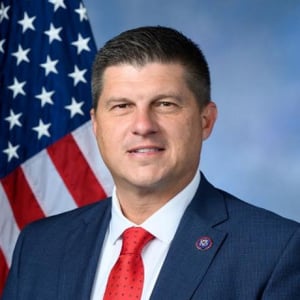
U.S. Congressman, (MN-01)
Congressman Brad Finstad was elected to Congress in a special election on August 9, 2022, and was sworn in three days later with his family by his side as he took the Oath of Office to proudly represent Minnesota’s First District.
Brad is a fourth-generation farmer and resident of the New Ulm area. He and his wife, Jackie, met on the school bus in second grade and they are now the proud parents of seven children. A graduate of the University of Minnesota with a degree in Agriculture Education and an emphasis in Rural Leadership Development, Brad and Jackie now operate an agriculture business in New Ulm while working alongside extended family to run their generational family farm.
Brad is proud to have served as State Director for USDA Rural Development in Minnesota where he worked to support infrastructure improvements, business development, homeownership, community services such as schools, public safety, health care, and high-speed internet access in rural areas. He previously served three terms in the Minnesota Legislature. He also held executive positions with the Minnesota Turkey Growers Association and the Center for Rural Policy and Development.
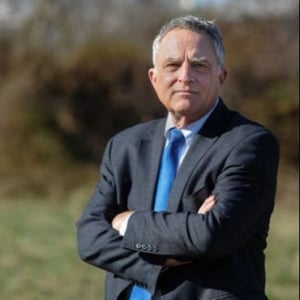
President, Board of Directors, Farm Action
Joe Maxwell is a co-founder of Farm Action. He focuses his work on a vision of an inclusive U.S. economy that works for all people, providing them an equitable opportunity to share in the prosperity they help build, rather than an economy that works for just a handful of individuals and multi-national corporations.
Joe has held key positions in both political and initiative petition campaigns. During the last election cycle, he assisted Presidential, U.S. Senate and U.S. House of Representatives candidates in developing their antitrust, agriculture, and food policy positions.
Joe holds degrees in agriculture economics and law from the University of Missouri. He served as a Missouri state legislator, as Missouri’s Lieutenant Governor, and is retired from the Army National Guard, where he served as a First Sergeant in the Field Artillery. Joe and his brother, Steve, are Missouri family farmers. Joe’s work has been profiled by The Hill, Huffington Post, Mother Jones, Politico, and The Nation. He has been cited by CNN, The New York Times, NPR, USA Today, Washington Post, and more.
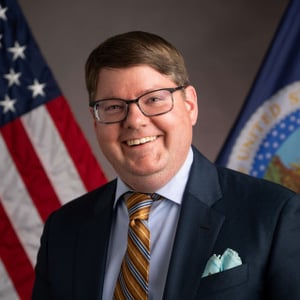
Deputy Secretary of Agriculture, U.S. Department of Agriculture
Judge Stephen Alexander Vaden was appointed as the Deputy Secretary of the U.S. Department of Agriculture on July 7, 2025. Alongside Secretary Brooke L. Rollins, Deputy Secretary Vaden leads the Department’s operations and implements policies that support America’s food and farm systems. A native of Union City, Tennessee, Deputy Secretary Vaden brings expertise in agricultural policy, law, and rural development. Previously, he served as a judge on the U.S. Court of International Trade and as General Counsel of USDA. Throughout Deputy Secretary Vaden’s time as General Counsel, he led successful Supreme Court litigation, advanced regulatory reform, and supported the implementation of the 2018 Farm Bill. He is a graduate of Yale Law School and Vanderbilt University. A public servant with strong agricultural roots, Deputy Secretary Vaden is committed to revitalizing rural America and ensuring an abundant, affordable, and safe U.S. food supply.
Chief Operating Officer and General Counsel, North American Meat Institute
Mark Dopp is the chief operating officer and general counsel for the North American Meat Institute (NAMI), previously serving as its senior vice president of regulatory affairs and general counsel. In his role, Dopp oversees policy development and represents industry views on significant regulatory, scientific, legislative, and communications matters. He also provides legal counsel to NAMI and oversees its administration and financial matters.
Dopp became the Meat Institute’s outside general counsel in May 1995 and in 1999 he formally joined the Institute and assumed responsibility for its legal and regulatory affairs. Before joining NAMI, Dopp worked at Hogan and Hartson (now Hogan Lovells), where he was active in areas of food and agricultural law on behalf of many clients, including domestic and foreign corporations. He joined Hogan and Hartson in 1989 as an associate and in January 1993 became a partner. Dopp began his career in USDA's Office of the General Counsel in 1984 and entered private practice in 1985.
Dopp received his Bachelor of Science-Agriculture degree in agricultural economics from the University of Wisconsin and his Master of Science from Michigan State University in 1981, also in agricultural economics. He received his law degree in 1984 from the University of Missouri.
U.S. Congressman, (MN-01)
Congressman Brad Finstad was elected to Congress in a special election on August 9, 2022, and was sworn in three days later with his family by his side as he took the Oath of Office to proudly represent Minnesota’s First District.
Brad is a fourth-generation farmer and resident of the New Ulm area. He and his wife, Jackie, met on the school bus in second grade and they are now the proud parents of seven children. A graduate of the University of Minnesota with a degree in Agriculture Education and an emphasis in Rural Leadership Development, Brad and Jackie now operate an agriculture business in New Ulm while working alongside extended family to run their generational family farm.
Brad is proud to have served as State Director for USDA Rural Development in Minnesota where he worked to support infrastructure improvements, business development, homeownership, community services such as schools, public safety, health care, and high-speed internet access in rural areas. He previously served three terms in the Minnesota Legislature. He also held executive positions with the Minnesota Turkey Growers Association and the Center for Rural Policy and Development.
President, Board of Directors, Farm Action
Joe Maxwell is a co-founder of Farm Action. He focuses his work on a vision of an inclusive U.S. economy that works for all people, providing them an equitable opportunity to share in the prosperity they help build, rather than an economy that works for just a handful of individuals and multi-national corporations.
Joe has held key positions in both political and initiative petition campaigns. During the last election cycle, he assisted Presidential, U.S. Senate and U.S. House of Representatives candidates in developing their antitrust, agriculture, and food policy positions.
Joe holds degrees in agriculture economics and law from the University of Missouri. He served as a Missouri state legislator, as Missouri’s Lieutenant Governor, and is retired from the Army National Guard, where he served as a First Sergeant in the Field Artillery. Joe and his brother, Steve, are Missouri family farmers. Joe’s work has been profiled by The Hill, Huffington Post, Mother Jones, Politico, and The Nation. He has been cited by CNN, The New York Times, NPR, USA Today, Washington Post, and more.
Deputy Secretary of Agriculture, U.S. Department of Agriculture
Judge Stephen Alexander Vaden was appointed as the Deputy Secretary of the U.S. Department of Agriculture on July 7, 2025. Alongside Secretary Brooke L. Rollins, Deputy Secretary Vaden leads the Department’s operations and implements policies that support America’s food and farm systems. A native of Union City, Tennessee, Deputy Secretary Vaden brings expertise in agricultural policy, law, and rural development. Previously, he served as a judge on the U.S. Court of International Trade and as General Counsel of USDA. Throughout Deputy Secretary Vaden’s time as General Counsel, he led successful Supreme Court litigation, advanced regulatory reform, and supported the implementation of the 2018 Farm Bill. He is a graduate of Yale Law School and Vanderbilt University. A public servant with strong agricultural roots, Deputy Secretary Vaden is committed to revitalizing rural America and ensuring an abundant, affordable, and safe U.S. food supply.
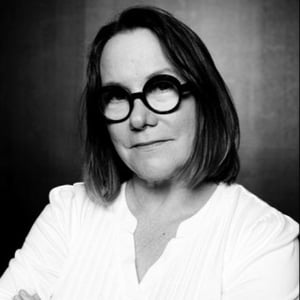
Independent Analyst, None
Allison Hayward most recently served as the Head of Case Selection at the Oversight Board. Previously, she was a Commissioner at the California Fair Political Practices Commission, a Board Member at the Office of Congressional Ethics, and an Assistant Professor of Law at George Mason University School of Law. She also previously worked as Chief of Staff and Counsel in the office of Federal Election Commission Commissioner Bradley A. Smith and practiced election law in California and in Washington DC.
In 1994-1995, Professor Hayward was a judicial clerk for the Honorable Danny J. Boggs, United States Court of Appeal for the Sixth Circuit.
She is a member of the State Bar of California and the District of Columbia Bar.
Independent Analyst, None
Allison Hayward most recently served as the Head of Case Selection at the Oversight Board. Previously, she was a Commissioner at the California Fair Political Practices Commission, a Board Member at the Office of Congressional Ethics, and an Assistant Professor of Law at George Mason University School of Law. She also previously worked as Chief of Staff and Counsel in the office of Federal Election Commission Commissioner Bradley A. Smith and practiced election law in California and in Washington DC.
In 1994-1995, Professor Hayward was a judicial clerk for the Honorable Danny J. Boggs, United States Court of Appeal for the Sixth Circuit.
She is a member of the State Bar of California and the District of Columbia Bar.

Utah v. Su: Are DOL (and SEC) regulations that encourage ESG investing lawful?
Paul S. Atkins, T. Elliot Gaiser, Gregory Frederick Jacob, Sharon A. Rose
The panelists will discuss Biden Administration policies and regulations at the DOL and SEC addressing...
Antitrust Law Down on the Farm: Farmers, Food Inflation, and a Fair Deal
Mark Dopp, Brad Finstad, Joe Maxwell, Stephen Alexander Vaden
The marked inflation of food pricing is apparent upon any trip to the grocery store....
Antitrust Law Down on the Farm: Farmers, Food Inflation, and a Fair Deal
Mark Dopp, Brad Finstad, Joe Maxwell, Stephen Alexander Vaden
The marked inflation of food pricing is apparent upon any trip to the grocery store....
Topics
Not Enforcing the Robinson-Patman Act is Lawless and Likely Harms Consumers
News reports that the Federal Trade Commission is about to bring its first enforcement action...
Courthouse Steps Decision: NetChoice Cases
Allison R. Hayward
Two cases involving NetChoice, a company that represents social media giants like Facebook, Twitter, Google,...
Courthouse Steps Decision: NetChoice Cases
Allison R. Hayward
Two cases involving NetChoice, a company that represents social media giants like Facebook, Twitter, Google,...
Topics
Union membership is now political. So can the government still require people to associate with a union?
The Webbs saw this coming. Writing in the late 19th century, Sidney and Beatrice Webb...
Topics
Congress Considers the Economics of AI
Artificial intelligence (AI) is one of the most important current drivers of the economy. The...
Topics
Patent Office Fee and Procedure Changes: Nudging or Sludging?
The U.S. Patent and Trademark Office has recently proposed seemingly routine procedural updates that may...
Topics
Self-Evident Truths: The One Sure Foundation for True Diversity, Equity, and Inclusion
In recent years, corporations, government agencies, and institutions of higher education across the country have...