
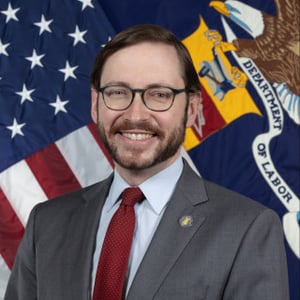
Solicitor, U.S. Department of Labor
Jonathan Berry is Solicitor at the U.S. Department of Labor, in service to President Trump’s agenda to put American workers first. He leads the Department’s lawyers in advising the Secretary and agency leadership on all aspects of law and in representing the Department in court. He was previously managing partner at Boyden Gray PLLC, where he provided strategic counsel and litigated on issues at the intersection of law, politics, and public policy. Earlier, he headed the regulatory office at Labor, and also served at the Department of Justice, in the first Trump Administration. Mr. Berry served as a law clerk to Judge Jerry E. Smith of the United States Court of Appeals for the Fifth Circuit, and to Associate Justice Samuel A. Alito, Jr., of the Supreme Court of the United States.

Founder & CEO, Edelson PC
Jay Edelson is the founder of Edelson PC. He is considered one of the nation’s leading plaintiff’s lawyers, with his firm having helped secure over $45 billion in settlements and verdicts on behalf of classes, individuals, and governmental entities. Law360 described Jay as a “Titan of the Plaintiff’s Bar.” Jay has been recognized as one of “America’s top trial lawyers” in the mass action arena. LawDragon named him one of the top Plaintiff Financial Lawyers in the country. He has been called “probably the best known, and most innovative, consumer privacy lawyer on the planet,” with he and his firm holding records for the largest trial verdict in a consumer privacy case ($925m), the largest consumer privacy settlement ($650m) and the largest TCPA settlement ($76m).
Jay has been appointed to represent state and local regulators on some of the largest issues of the day, ranging from opioids suits against pharmaceutical companies, to environmental actions against polluters, to breaches of trust against energy companies and for-profit hospitals, to privacy suits against Google, Facebook, and others.
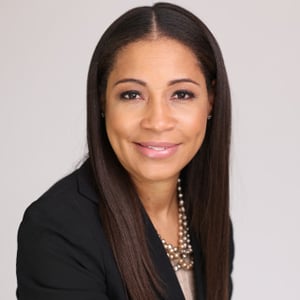
Professor of Law, Rutgers Law School
Stacy Hawkins is a frequent writer and sought-after speaker on the issue of employment law and diversity. She’s served on the Philadelphia Diversity Law Group and the Pennsylvania Bar Association Commission on Women in the Profession Diversity Task Force. She worked as a senior labor and employment attorney and as the director of diversity for major law firms.

Judge, United States Court of Appeals, District of Columbia Circuit
Judge Katsas was appointed to the D.C. Circuit in December 2017. He graduated from Princeton University and Harvard Law School, where he was an executive editor on the Harvard Law Review. Between 1989 and 1992, he served as a law clerk to Judge Edward Becker on the Third Circuit, to then-Judge Clarence Thomas on the D.C. Circuit, and to Justice Thomas on the Supreme Court. Between 1992 and 2001, he was an associate and then partner in the Washington office of Jones Day, where he specialized in appellate and complex civil litigation. Between 2001 and 2009, he served in many senior positions in the Department of Justice, including as Assistant Attorney General for the Civil Division and as Acting Associate Attorney General. In 2009, he returned to Jones Day. From January to December 2017, he served as Deputy Assistant to the President and Deputy Counsel to the President.
Before joining the bench, Judge Katsas argued more than 75 appeals, including three cases in the Supreme Court, 13 cases in the D.C. Circuit, and cases in every other federal court of appeals. By appointment of the Chief Justice, he served on the Advisory Committee on Appellate Rules from 2013 to 2017. In 2016, he was elected to membership in the American Academy of Appellate Lawyers.

Partner, Gibson Dunn & Crutcher
Jason C. Schwartz is a litigation partner in the Washington, D.C. office of Gibson Dunn, co-chair of the Labor & Employment Practice Group, General Counsel of the law firm and a member of the firm’s Executive Committee. Jason was recognized as an MVP in employment law five times, awarded by Law360 to “attorneys whose achievements in major litigation or transactions have set a new standard for accomplishment in corporate law.” Law360 referred to Jason as “an expert dismantler of worker class actions.”
Jason is ranked in Band 1 in Labor & Employment by Chambers USA, which stated, “He is a whip-smart, results-oriented and zealous advocate who is really committed to the client. His judgment is impeccable.” According to Chambers USA, “[c]lients note: He’s an excellent litigator with a good sense of the client’s needs in a business environment. He’s just a pleasure to work with. He’s disciplined, a great writer and gets great results.” Jason has been recognized as a Top 20 Labor & Employment Litigator in the U.S. by Benchmark Litigation; on the Top 100 list of the Nation’s Most Powerful Employment Attorneys by Human Resource Executive magazine; as a Top Lawyer in Employment Defense by Washingtonian Magazine; as a Leading Lawyer in Labor & Employment Disputes by The Legal 500 US; by Lawdragon 500 Leading Corporate Employment Lawyers for Labor & Employment (Litigation); in The Best Lawyers in America in the Employment Law-Management category; as a Super Lawyer by Washington, D.C. Super Lawyers; and as an Am Law Litigation Daily “Litigator of the Week” for his win in an independent contractor misclassification/wage-and-hour class action. He is a Fellow of the College of Labor & Employment Lawyers.
The practice group Jason co-leads was named by The American Lawyer as the Labor & Employment Litigation Department of the Year in its most recent competition. The American Lawyer noted, “with novel labor and employment issues swirling, Gibson Dunn’s litigators set standards and settle the law,” and that a case “typical for Gibson Dunn’s labor and employment team” is “high-profile,” “cutting-edge,” and “a victory.” The group was also recognized ten times as a Law360 Employment Practice Group of the Year and won The National Law Journal’s D.C. Labor & Employment Litigation Department of the Year competition for the last seven years in a row.
Jason’s practice includes sensitive workplace investigations, high-profile trade secret and non-compete matters, wage-hour and discrimination class actions, Sarbanes-Oxley and other whistleblower protection claims, executive and other significant employment disputes, labor union controversies, and workplace safety litigation.
Recent representative matters include:
Jason has also successfully tried several sensitive whistleblower matters for major national employers, and he prevailed in a precedent-setting Labor Department appeal of one of the first Sarbanes-Oxley whistleblower cases to proceed to trial. He prevailed for Enterprise Rent-A-Car in a case of first impression in which the U.S. Court of Appeals for the Third Circuit created a new joint employer test (the Enterprise test) and affirmed summary judgment for a parent corporation in a series of wage-hour class actions, defeating the plaintiffs’ effort to form a nationwide class (In re Enterprise Rent-A-Car Wage & Hour Employment Practices Litig. (3rd Cir. 2012)). In another case of first impression, he successfully argued in the Utah Supreme Court against the recognition of a tort for spoliation of evidence. In addition, he served as lead trial counsel for a retailer in a highly-publicized OSHA enforcement action relating to crowd control at a day-after-Thanksgiving sale.
Jason also has significant experience in administrative law and rulemakings. He served as counsel to the Fair Labor Standards Reform Coalition, and he played a leading role in preparing comments on behalf of the business community relating to the U.S. Department of Labor’s overtime exemption regulations.
Jason served for many years as the Secretary of the Retail Litigation Center, and he testified before Congress regarding OSHA enforcement programs on behalf of the U.S. Chamber. He frequently speaks and writes on employment law and trade secret related topics. He is the co-author of the treatise Whistleblower Law: A Practitioner’s Guide, published by American Lawyer Media/Law Journal Press, and he previously authored the annual “Trade Secrets Litigation Round-Up” published by Bloomberg BNA.
Jason earned his law degree magna cum laude from Georgetown University Law Center, where he was elected to the Order of the Coif and received the George Brent Mickum III Prize and the Charles A. Keigwin Award for the best academic record in first year courses. From 1995 to 1996, he worked as a Legislative Assistant to Congressman Jon D. Fox. Jason received a B.A. degree in international affairs cum laude in 1994 from The George Washington University.
Jason is admitted to practice in the District of Columbia, Virginia and Maryland, as well as in numerous federal courts. He served for many years as an officer and board member of the Charles E. Smith Jewish Day School, currently serves as a member of the Washington Lawyers Committee of the U.S. Holocaust Memorial Museum, and provides pro bono employment counsel to numerous community organizations.
Solicitor, U.S. Department of Labor
Jonathan Berry is Solicitor at the U.S. Department of Labor, in service to President Trump’s agenda to put American workers first. He leads the Department’s lawyers in advising the Secretary and agency leadership on all aspects of law and in representing the Department in court. He was previously managing partner at Boyden Gray PLLC, where he provided strategic counsel and litigated on issues at the intersection of law, politics, and public policy. Earlier, he headed the regulatory office at Labor, and also served at the Department of Justice, in the first Trump Administration. Mr. Berry served as a law clerk to Judge Jerry E. Smith of the United States Court of Appeals for the Fifth Circuit, and to Associate Justice Samuel A. Alito, Jr., of the Supreme Court of the United States.
Founder & CEO, Edelson PC
Jay Edelson is the founder of Edelson PC. He is considered one of the nation’s leading plaintiff’s lawyers, with his firm having helped secure over $45 billion in settlements and verdicts on behalf of classes, individuals, and governmental entities. Law360 described Jay as a “Titan of the Plaintiff’s Bar.” Jay has been recognized as one of “America’s top trial lawyers” in the mass action arena. LawDragon named him one of the top Plaintiff Financial Lawyers in the country. He has been called “probably the best known, and most innovative, consumer privacy lawyer on the planet,” with he and his firm holding records for the largest trial verdict in a consumer privacy case ($925m), the largest consumer privacy settlement ($650m) and the largest TCPA settlement ($76m).
Jay has been appointed to represent state and local regulators on some of the largest issues of the day, ranging from opioids suits against pharmaceutical companies, to environmental actions against polluters, to breaches of trust against energy companies and for-profit hospitals, to privacy suits against Google, Facebook, and others.
Professor of Law, Rutgers Law School
Stacy Hawkins is a frequent writer and sought-after speaker on the issue of employment law and diversity. She’s served on the Philadelphia Diversity Law Group and the Pennsylvania Bar Association Commission on Women in the Profession Diversity Task Force. She worked as a senior labor and employment attorney and as the director of diversity for major law firms.
Judge, United States Court of Appeals, District of Columbia Circuit
Judge Katsas was appointed to the D.C. Circuit in December 2017. He graduated from Princeton University and Harvard Law School, where he was an executive editor on the Harvard Law Review. Between 1989 and 1992, he served as a law clerk to Judge Edward Becker on the Third Circuit, to then-Judge Clarence Thomas on the D.C. Circuit, and to Justice Thomas on the Supreme Court. Between 1992 and 2001, he was an associate and then partner in the Washington office of Jones Day, where he specialized in appellate and complex civil litigation. Between 2001 and 2009, he served in many senior positions in the Department of Justice, including as Assistant Attorney General for the Civil Division and as Acting Associate Attorney General. In 2009, he returned to Jones Day. From January to December 2017, he served as Deputy Assistant to the President and Deputy Counsel to the President.
Before joining the bench, Judge Katsas argued more than 75 appeals, including three cases in the Supreme Court, 13 cases in the D.C. Circuit, and cases in every other federal court of appeals. By appointment of the Chief Justice, he served on the Advisory Committee on Appellate Rules from 2013 to 2017. In 2016, he was elected to membership in the American Academy of Appellate Lawyers.
Partner, Gibson Dunn & Crutcher
Jason C. Schwartz is a litigation partner in the Washington, D.C. office of Gibson Dunn, co-chair of the Labor & Employment Practice Group, General Counsel of the law firm and a member of the firm’s Executive Committee. Jason was recognized as an MVP in employment law five times, awarded by Law360 to “attorneys whose achievements in major litigation or transactions have set a new standard for accomplishment in corporate law.” Law360 referred to Jason as “an expert dismantler of worker class actions.”
Jason is ranked in Band 1 in Labor & Employment by Chambers USA, which stated, “He is a whip-smart, results-oriented and zealous advocate who is really committed to the client. His judgment is impeccable.” According to Chambers USA, “[c]lients note: He’s an excellent litigator with a good sense of the client’s needs in a business environment. He’s just a pleasure to work with. He’s disciplined, a great writer and gets great results.” Jason has been recognized as a Top 20 Labor & Employment Litigator in the U.S. by Benchmark Litigation; on the Top 100 list of the Nation’s Most Powerful Employment Attorneys by Human Resource Executive magazine; as a Top Lawyer in Employment Defense by Washingtonian Magazine; as a Leading Lawyer in Labor & Employment Disputes by The Legal 500 US; by Lawdragon 500 Leading Corporate Employment Lawyers for Labor & Employment (Litigation); in The Best Lawyers in America in the Employment Law-Management category; as a Super Lawyer by Washington, D.C. Super Lawyers; and as an Am Law Litigation Daily “Litigator of the Week” for his win in an independent contractor misclassification/wage-and-hour class action. He is a Fellow of the College of Labor & Employment Lawyers.
The practice group Jason co-leads was named by The American Lawyer as the Labor & Employment Litigation Department of the Year in its most recent competition. The American Lawyer noted, “with novel labor and employment issues swirling, Gibson Dunn’s litigators set standards and settle the law,” and that a case “typical for Gibson Dunn’s labor and employment team” is “high-profile,” “cutting-edge,” and “a victory.” The group was also recognized ten times as a Law360 Employment Practice Group of the Year and won The National Law Journal’s D.C. Labor & Employment Litigation Department of the Year competition for the last seven years in a row.
Jason’s practice includes sensitive workplace investigations, high-profile trade secret and non-compete matters, wage-hour and discrimination class actions, Sarbanes-Oxley and other whistleblower protection claims, executive and other significant employment disputes, labor union controversies, and workplace safety litigation.
Recent representative matters include:
Jason has also successfully tried several sensitive whistleblower matters for major national employers, and he prevailed in a precedent-setting Labor Department appeal of one of the first Sarbanes-Oxley whistleblower cases to proceed to trial. He prevailed for Enterprise Rent-A-Car in a case of first impression in which the U.S. Court of Appeals for the Third Circuit created a new joint employer test (the Enterprise test) and affirmed summary judgment for a parent corporation in a series of wage-hour class actions, defeating the plaintiffs’ effort to form a nationwide class (In re Enterprise Rent-A-Car Wage & Hour Employment Practices Litig. (3rd Cir. 2012)). In another case of first impression, he successfully argued in the Utah Supreme Court against the recognition of a tort for spoliation of evidence. In addition, he served as lead trial counsel for a retailer in a highly-publicized OSHA enforcement action relating to crowd control at a day-after-Thanksgiving sale.
Jason also has significant experience in administrative law and rulemakings. He served as counsel to the Fair Labor Standards Reform Coalition, and he played a leading role in preparing comments on behalf of the business community relating to the U.S. Department of Labor’s overtime exemption regulations.
Jason served for many years as the Secretary of the Retail Litigation Center, and he testified before Congress regarding OSHA enforcement programs on behalf of the U.S. Chamber. He frequently speaks and writes on employment law and trade secret related topics. He is the co-author of the treatise Whistleblower Law: A Practitioner’s Guide, published by American Lawyer Media/Law Journal Press, and he previously authored the annual “Trade Secrets Litigation Round-Up” published by Bloomberg BNA.
Jason earned his law degree magna cum laude from Georgetown University Law Center, where he was elected to the Order of the Coif and received the George Brent Mickum III Prize and the Charles A. Keigwin Award for the best academic record in first year courses. From 1995 to 1996, he worked as a Legislative Assistant to Congressman Jon D. Fox. Jason received a B.A. degree in international affairs cum laude in 1994 from The George Washington University.
Jason is admitted to practice in the District of Columbia, Virginia and Maryland, as well as in numerous federal courts. He served for many years as an officer and board member of the Charles E. Smith Jewish Day School, currently serves as a member of the Washington Lawyers Committee of the U.S. Holocaust Memorial Museum, and provides pro bono employment counsel to numerous community organizations.
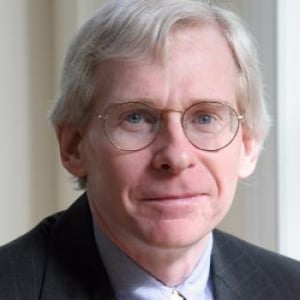
James Madison Distinguished Professor of Law and Class of 1941 Research Professor of Law, University of Virginia School of Law
Professor John C. Harrison is the James Madison Distinguished Professor of Law and Class of 1941 Research Professor of Law at the University of Virginia School of Law. He joined the faculty at University of Virginia in 1993 as an associate professor of law after a distinguished career with the U.S. Department of Justice. His teaching subjects include constitutional history, federal courts, remedies, corporations, civil procedure, legislation and property. In 2008 he was on leave from the Law School to serve as counselor on international law in the Office of the Legal Adviser at the U.S. Department of State.
A 1977 graduate of the University of Virginia, Harrison earned his law degree in 1980 at Yale, where he served as editor of the Yale Law Journal and editor and articles editor of the Yale Studies in World Public Order. He was an associate at Patton Boggs & Blow in Washington, D.C., and clerked for Judge Robert Bork on the U.S. Court of Appeals for the District of Columbia Circuit. He worked with the Department of Justice from 1983-93, serving in numerous capacities, including deputy assistant attorney general in the Office of Legal Counsel (1990-93).
Judge, United States Court of Appeals, District of Columbia Circuit
Judge Katsas was appointed to the D.C. Circuit in December 2017. He graduated from Princeton University and Harvard Law School, where he was an executive editor on the Harvard Law Review. Between 1989 and 1992, he served as a law clerk to Judge Edward Becker on the Third Circuit, to then-Judge Clarence Thomas on the D.C. Circuit, and to Justice Thomas on the Supreme Court. Between 1992 and 2001, he was an associate and then partner in the Washington office of Jones Day, where he specialized in appellate and complex civil litigation. Between 2001 and 2009, he served in many senior positions in the Department of Justice, including as Assistant Attorney General for the Civil Division and as Acting Associate Attorney General. In 2009, he returned to Jones Day. From January to December 2017, he served as Deputy Assistant to the President and Deputy Counsel to the President.
Before joining the bench, Judge Katsas argued more than 75 appeals, including three cases in the Supreme Court, 13 cases in the D.C. Circuit, and cases in every other federal court of appeals. By appointment of the Chief Justice, he served on the Advisory Committee on Appellate Rules from 2013 to 2017. In 2016, he was elected to membership in the American Academy of Appellate Lawyers.
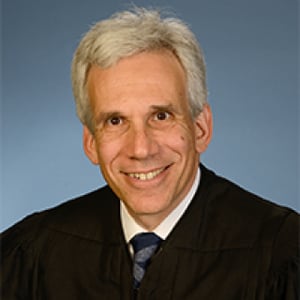
Chief Judge, US District Court, District of Columbia
Judge Randolph Daniel Moss was appointed to the District Court on November 14, 2014. Judge Moss received an A.B., summa cum laude, from Hamilton College in 1983, and a J.D. from Yale Law School in 1986.
After law school, Judge Moss served as a law clerk first for Judge Pierre N. Leval of the Southern District of New York and then for Justice John Paul Stevens of the United States Supreme Court. Following his clerkships, he worked at the law firm Wilmer, Cutler & Pickering from 1989 to 1996. He next joined the United States Department of Justice, Office of Legal Counsel, where he served as Deputy Assistant Attorney General from 1996 to 1998, Acting Assistant Attorney General from 1998 to 2000, and Assistant Attorney General from 2000 to 2001.
After leaving the Department of Justice, Judge Moss returned to the Washington office of his previous law firm, now Wilmer Cutler Pickering Hale and Dorr LLP, where he chaired the Regulatory and Government Affairs Department. He left the firm upon his confirmation to the bench in November 2014.
Judge Moss served as a member of the Criminal Law Committee of the Judicial Conference from 2017 to 2023 and as Chair of the Committee from 2020 to 2023. He currently serves as a member of the Defender Services Committee of the Judicial Conference, as a Liaison Representative to the Administrative Conference of the United States, and as a member of the American Law Institute.
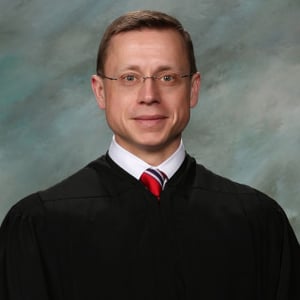
Judge, United States Court of Appeals, Fifth Circuit
Andrew Oldham is a Circuit Judge on the United States Court of Appeals for the Fifth Circuit. Before ascending to the bench, Judge Oldham served as General Counsel to Texas Governor Greg Abbott, where he advised the Governor on a range of issues under federal and state law and managed litigation in which the Governor was an interested party. Before that he served as Deputy Solicitor General for the State of Texas, where he represented Texas in federal courts across the country, including twice before the United States Supreme Court. Before moving to Texas, Judge Oldham was an attorney at Kellogg Hansen Todd Figel & Frederick in Washington, D.C. His practice focused on appellate litigation in federal courts of appeals throughout the country. Before entering private practice, Judge Oldham served as a law clerk to Justice Samuel A. Alito, Jr., at the Supreme Court of the United States and to Judge David B. Sentelle of the U.S. Court of Appeals for the District of Columbia Circuit. He also worked as an attorney-adviser in the Office of Legal Counsel at the U.S. Department of Justice from 2006 to 2008. Judge Oldham earned a B.A. from the University of Virginia with highest honors, a Truman Scholarship for graduate school, an M. Phil., first class (with distinction), from Cambridge University, and a J.D., magna cum laude, from Harvard Law School.
James Madison Distinguished Professor of Law and Class of 1941 Research Professor of Law, University of Virginia School of Law
Professor John C. Harrison is the James Madison Distinguished Professor of Law and Class of 1941 Research Professor of Law at the University of Virginia School of Law. He joined the faculty at University of Virginia in 1993 as an associate professor of law after a distinguished career with the U.S. Department of Justice. His teaching subjects include constitutional history, federal courts, remedies, corporations, civil procedure, legislation and property. In 2008 he was on leave from the Law School to serve as counselor on international law in the Office of the Legal Adviser at the U.S. Department of State.
A 1977 graduate of the University of Virginia, Harrison earned his law degree in 1980 at Yale, where he served as editor of the Yale Law Journal and editor and articles editor of the Yale Studies in World Public Order. He was an associate at Patton Boggs & Blow in Washington, D.C., and clerked for Judge Robert Bork on the U.S. Court of Appeals for the District of Columbia Circuit. He worked with the Department of Justice from 1983-93, serving in numerous capacities, including deputy assistant attorney general in the Office of Legal Counsel (1990-93).
Judge, United States Court of Appeals, District of Columbia Circuit
Judge Katsas was appointed to the D.C. Circuit in December 2017. He graduated from Princeton University and Harvard Law School, where he was an executive editor on the Harvard Law Review. Between 1989 and 1992, he served as a law clerk to Judge Edward Becker on the Third Circuit, to then-Judge Clarence Thomas on the D.C. Circuit, and to Justice Thomas on the Supreme Court. Between 1992 and 2001, he was an associate and then partner in the Washington office of Jones Day, where he specialized in appellate and complex civil litigation. Between 2001 and 2009, he served in many senior positions in the Department of Justice, including as Assistant Attorney General for the Civil Division and as Acting Associate Attorney General. In 2009, he returned to Jones Day. From January to December 2017, he served as Deputy Assistant to the President and Deputy Counsel to the President.
Before joining the bench, Judge Katsas argued more than 75 appeals, including three cases in the Supreme Court, 13 cases in the D.C. Circuit, and cases in every other federal court of appeals. By appointment of the Chief Justice, he served on the Advisory Committee on Appellate Rules from 2013 to 2017. In 2016, he was elected to membership in the American Academy of Appellate Lawyers.
Chief Judge, US District Court, District of Columbia
Judge Randolph Daniel Moss was appointed to the District Court on November 14, 2014. Judge Moss received an A.B., summa cum laude, from Hamilton College in 1983, and a J.D. from Yale Law School in 1986.
After law school, Judge Moss served as a law clerk first for Judge Pierre N. Leval of the Southern District of New York and then for Justice John Paul Stevens of the United States Supreme Court. Following his clerkships, he worked at the law firm Wilmer, Cutler & Pickering from 1989 to 1996. He next joined the United States Department of Justice, Office of Legal Counsel, where he served as Deputy Assistant Attorney General from 1996 to 1998, Acting Assistant Attorney General from 1998 to 2000, and Assistant Attorney General from 2000 to 2001.
After leaving the Department of Justice, Judge Moss returned to the Washington office of his previous law firm, now Wilmer Cutler Pickering Hale and Dorr LLP, where he chaired the Regulatory and Government Affairs Department. He left the firm upon his confirmation to the bench in November 2014.
Judge Moss served as a member of the Criminal Law Committee of the Judicial Conference from 2017 to 2023 and as Chair of the Committee from 2020 to 2023. He currently serves as a member of the Defender Services Committee of the Judicial Conference, as a Liaison Representative to the Administrative Conference of the United States, and as a member of the American Law Institute.
Judge, United States Court of Appeals, Fifth Circuit
Andrew Oldham is a Circuit Judge on the United States Court of Appeals for the Fifth Circuit. Before ascending to the bench, Judge Oldham served as General Counsel to Texas Governor Greg Abbott, where he advised the Governor on a range of issues under federal and state law and managed litigation in which the Governor was an interested party. Before that he served as Deputy Solicitor General for the State of Texas, where he represented Texas in federal courts across the country, including twice before the United States Supreme Court. Before moving to Texas, Judge Oldham was an attorney at Kellogg Hansen Todd Figel & Frederick in Washington, D.C. His practice focused on appellate litigation in federal courts of appeals throughout the country. Before entering private practice, Judge Oldham served as a law clerk to Justice Samuel A. Alito, Jr., at the Supreme Court of the United States and to Judge David B. Sentelle of the U.S. Court of Appeals for the District of Columbia Circuit. He also worked as an attorney-adviser in the Office of Legal Counsel at the U.S. Department of Justice from 2006 to 2008. Judge Oldham earned a B.A. from the University of Virginia with highest honors, a Truman Scholarship for graduate school, an M. Phil., first class (with distinction), from Cambridge University, and a J.D., magna cum laude, from Harvard Law School.
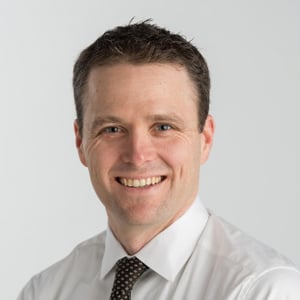
Professor of Law, University of Michigan Law School
Professor Nicholas Bagley teaches and writes in the areas of administrative law, regulatory theory, and health law. Prior to joining the Law School faculty, he was an attorney with the appellate staff in the Civil Division at the U.S. Department of Justice, where he argued a dozen cases before the U.S. Courts of Appeals and acted as lead counsel in many more. Professor Bagley also served as a law clerk to Justice John Paul Stevens of the U.S. Supreme Court and to the Hon. David S. Tatel of the U.S. Court of Appeals, District of Columbia Circuit. Professor Bagley holds a BA in English from Yale University and received his JD, summa cum laude, from New York University School of Law. Before entering law school, he joined Teach For America and taught eighth-grade English at a public school in South Bronx. Professor Bagley's work has appeared in the Harvard Law Review, the Columbia Law Review, the Georgetown Law Journal, the New England Journal of Medicine, and the Journal of Health Politics, Policy, and Law. In 2012, he was the recipient of the Law School's L. Hart Wright Award for Excellence in Teaching. He is a frequent contributor to The Incidental Economist, a prominent health policy blog.

Harry Kalven, Jr. Professor of Law & Faculty Director, Constitutional Law Institute, University of Chicago Law School
William Baude is a Professor of Law and the Faculty Director of the Constitutional Law Institute at the University of Chicago Law School, where he teaches federal courts, constitutional law, and conflict of laws. His current research interests include different aspects of the Fourteenth Amendment (particularly both Section One and Section Three) and the nature of judicial discretion.
Among his other activities Baude is: the co-editor of two textbooks, The Constitution of the United States and Hart & Wechsler's Federal Courts in the Federal System; an Affiliated Scholar at the Center for the Study of Constitutional Originalism; a founding member of the Academic Freedom Alliance; a member of the American Law Institute; an occasional blogger at The Volokh Conspiracy; and a podcaster on Divided Argument. He also recently served on the Presidential Commission on the Supreme Court of the United States.
Professor Baude received his BS in Mathematics from the University of Chicago and his JD from Yale Law School. He then clerked for then-Judge Michael McConnell on the United States Court of Appeals, and Chief Justice John Roberts on the United States Supreme Court. Before joining the Chicago faculty, he was a fellow at the Stanford Constitutional Law Center, and a lawyer in Washington, DC.
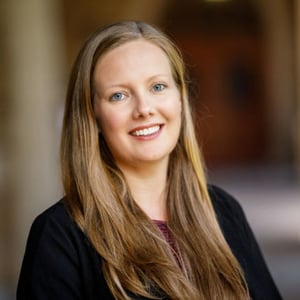
Professor of Law, University of Notre Dame Law School
Emily Bremer teaches and writes in the areas of administrative law, regulatory process, and civil procedure. Her scholarship focuses primarily on matters of procedural design, with a recent focus on the history and interpretation of the Administrative Procedure Act (APA). She is a recipient of the AALS’s award for the year’s best administrative law scholarship by a junior scholar and the AALL’s Joseph L. Andrew’s Legal Literature Award for her contribution to the Bremer-Kovacs Collection of Historical Documents Related to the APA (HeinOnline). Bremer’s articles include a defense forthcoming in the Virginia Law Review of the constitutionality of the APA’s regime for ensuring the competence and impartiality of Administrative Law Judges; a plea in the Yale Journal on Regulation for administrative law to take greater account of the on-the-ground reality of administration; twin articles uncovering the intellectual foundation and meaning of the APA’s adjudication and rulemaking provisions; and three separate studies that served as the basis of recommendations of the Administrative Conference of the United States (ACUS) on the subjects of agency declaratory orders, incorporation by reference, and statutory limitations on the jurisdiction of the Court of Federal Claims. Bremer serves as a Senior Fellow of ACUS, a co-editor of the administrative law section of Jotwell, and a regular contributor to the Yale Journal on Regulation’s Notice & Comment blog.
Judge, United States Court of Appeals, District of Columbia Circuit
Judge Katsas was appointed to the D.C. Circuit in December 2017. He graduated from Princeton University and Harvard Law School, where he was an executive editor on the Harvard Law Review. Between 1989 and 1992, he served as a law clerk to Judge Edward Becker on the Third Circuit, to then-Judge Clarence Thomas on the D.C. Circuit, and to Justice Thomas on the Supreme Court. Between 1992 and 2001, he was an associate and then partner in the Washington office of Jones Day, where he specialized in appellate and complex civil litigation. Between 2001 and 2009, he served in many senior positions in the Department of Justice, including as Assistant Attorney General for the Civil Division and as Acting Associate Attorney General. In 2009, he returned to Jones Day. From January to December 2017, he served as Deputy Assistant to the President and Deputy Counsel to the President.
Before joining the bench, Judge Katsas argued more than 75 appeals, including three cases in the Supreme Court, 13 cases in the D.C. Circuit, and cases in every other federal court of appeals. By appointment of the Chief Justice, he served on the Advisory Committee on Appellate Rules from 2013 to 2017. In 2016, he was elected to membership in the American Academy of Appellate Lawyers.
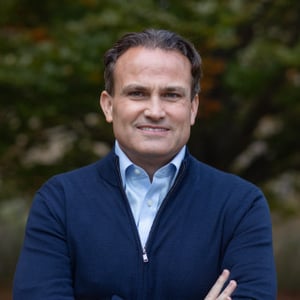
Professor of Law, University of Michigan Law School
Christopher J. Walker is a Professor of Law at the University of Michigan. Prior to joining Michigan law faculty in 2022, he spent a decade teaching at The Ohio State University Moritz College of Law. He previously clerked for Justice Anthony Kennedy of the U.S. Supreme Court, worked on the Civil Appellate Staff at the U.S. Department of Justice, and served on the Senate Judiciary Committee staff for the Gorsuch Supreme Court confirmation. Professor Walker’s research focuses on administrative law, regulation, and law and policy at the agency level. Outside the law school, he chaired the American Bar Association’s Section of Administrative Law and Regulatory Practice in 2020-21 and served as one of forty Public Members of the Administrative Conference of the United States from 2016-2022, and he continues to serve in both organizations in various capacities. He also works of counsel at the U.S. Chamber Litigation Center. In 2022, he received the Federalist Society’s Joseph Story Award.
Professor of Law, University of Michigan Law School
Professor Nicholas Bagley teaches and writes in the areas of administrative law, regulatory theory, and health law. Prior to joining the Law School faculty, he was an attorney with the appellate staff in the Civil Division at the U.S. Department of Justice, where he argued a dozen cases before the U.S. Courts of Appeals and acted as lead counsel in many more. Professor Bagley also served as a law clerk to Justice John Paul Stevens of the U.S. Supreme Court and to the Hon. David S. Tatel of the U.S. Court of Appeals, District of Columbia Circuit. Professor Bagley holds a BA in English from Yale University and received his JD, summa cum laude, from New York University School of Law. Before entering law school, he joined Teach For America and taught eighth-grade English at a public school in South Bronx. Professor Bagley's work has appeared in the Harvard Law Review, the Columbia Law Review, the Georgetown Law Journal, the New England Journal of Medicine, and the Journal of Health Politics, Policy, and Law. In 2012, he was the recipient of the Law School's L. Hart Wright Award for Excellence in Teaching. He is a frequent contributor to The Incidental Economist, a prominent health policy blog.
Harry Kalven, Jr. Professor of Law & Faculty Director, Constitutional Law Institute, University of Chicago Law School
William Baude is a Professor of Law and the Faculty Director of the Constitutional Law Institute at the University of Chicago Law School, where he teaches federal courts, constitutional law, and conflict of laws. His current research interests include different aspects of the Fourteenth Amendment (particularly both Section One and Section Three) and the nature of judicial discretion.
Among his other activities Baude is: the co-editor of two textbooks, The Constitution of the United States and Hart & Wechsler's Federal Courts in the Federal System; an Affiliated Scholar at the Center for the Study of Constitutional Originalism; a founding member of the Academic Freedom Alliance; a member of the American Law Institute; an occasional blogger at The Volokh Conspiracy; and a podcaster on Divided Argument. He also recently served on the Presidential Commission on the Supreme Court of the United States.
Professor Baude received his BS in Mathematics from the University of Chicago and his JD from Yale Law School. He then clerked for then-Judge Michael McConnell on the United States Court of Appeals, and Chief Justice John Roberts on the United States Supreme Court. Before joining the Chicago faculty, he was a fellow at the Stanford Constitutional Law Center, and a lawyer in Washington, DC.
Professor of Law, University of Notre Dame Law School
Emily Bremer teaches and writes in the areas of administrative law, regulatory process, and civil procedure. Her scholarship focuses primarily on matters of procedural design, with a recent focus on the history and interpretation of the Administrative Procedure Act (APA). She is a recipient of the AALS’s award for the year’s best administrative law scholarship by a junior scholar and the AALL’s Joseph L. Andrew’s Legal Literature Award for her contribution to the Bremer-Kovacs Collection of Historical Documents Related to the APA (HeinOnline). Bremer’s articles include a defense forthcoming in the Virginia Law Review of the constitutionality of the APA’s regime for ensuring the competence and impartiality of Administrative Law Judges; a plea in the Yale Journal on Regulation for administrative law to take greater account of the on-the-ground reality of administration; twin articles uncovering the intellectual foundation and meaning of the APA’s adjudication and rulemaking provisions; and three separate studies that served as the basis of recommendations of the Administrative Conference of the United States (ACUS) on the subjects of agency declaratory orders, incorporation by reference, and statutory limitations on the jurisdiction of the Court of Federal Claims. Bremer serves as a Senior Fellow of ACUS, a co-editor of the administrative law section of Jotwell, and a regular contributor to the Yale Journal on Regulation’s Notice & Comment blog.
Judge, United States Court of Appeals, District of Columbia Circuit
Judge Katsas was appointed to the D.C. Circuit in December 2017. He graduated from Princeton University and Harvard Law School, where he was an executive editor on the Harvard Law Review. Between 1989 and 1992, he served as a law clerk to Judge Edward Becker on the Third Circuit, to then-Judge Clarence Thomas on the D.C. Circuit, and to Justice Thomas on the Supreme Court. Between 1992 and 2001, he was an associate and then partner in the Washington office of Jones Day, where he specialized in appellate and complex civil litigation. Between 2001 and 2009, he served in many senior positions in the Department of Justice, including as Assistant Attorney General for the Civil Division and as Acting Associate Attorney General. In 2009, he returned to Jones Day. From January to December 2017, he served as Deputy Assistant to the President and Deputy Counsel to the President.
Before joining the bench, Judge Katsas argued more than 75 appeals, including three cases in the Supreme Court, 13 cases in the D.C. Circuit, and cases in every other federal court of appeals. By appointment of the Chief Justice, he served on the Advisory Committee on Appellate Rules from 2013 to 2017. In 2016, he was elected to membership in the American Academy of Appellate Lawyers.
Professor of Law, University of Michigan Law School
Christopher J. Walker is a Professor of Law at the University of Michigan. Prior to joining Michigan law faculty in 2022, he spent a decade teaching at The Ohio State University Moritz College of Law. He previously clerked for Justice Anthony Kennedy of the U.S. Supreme Court, worked on the Civil Appellate Staff at the U.S. Department of Justice, and served on the Senate Judiciary Committee staff for the Gorsuch Supreme Court confirmation. Professor Walker’s research focuses on administrative law, regulation, and law and policy at the agency level. Outside the law school, he chaired the American Bar Association’s Section of Administrative Law and Regulatory Practice in 2020-21 and served as one of forty Public Members of the Administrative Conference of the United States from 2016-2022, and he continues to serve in both organizations in various capacities. He also works of counsel at the U.S. Chamber Litigation Center. In 2022, he received the Federalist Society’s Joseph Story Award.
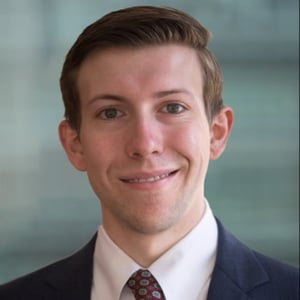
Policy Analyst, Cato Institute
Will Duffield is a policy analyst in the Cato Institute’s Center for Representative Government, where he studies speech and internet governance. His research focuses on the web of government regulation and private rules that govern Americans’ speech online.
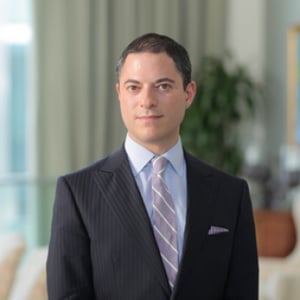
Partner, BakerHostetler, Adjunct Fellow, The Manhattan Institute
Andrew Grossman leads BakerHostetler’s Appellate and Major Motion team. He has appeared before the U.S. Supreme Court, nearly all the federal courts of appeals, as well as some state appellate courts, litigating high-profile and complex commercial, administrative and constitutional issues.
Andrew works with practice groups across BakerHostetler to identify and tackle complex issues, advise on administrative law and strategy, tee up issues for appeal and tackle appeals. He has developed and implemented litigation and administrative strategies for clients in several fields and industries.
In addition to his practice, Andrew advises members of Congress on matters of constitutional and administrative law, having testified more than a dozen times before the House and Senate Judiciary Committees. He has been a frequent legal commentator on radio and television, having appeared on Fox News, CNN, MSNBC, CNBC, NPR and its affiliates, CBN and elsewhere. His legal commentary has also appeared in dozens of magazines and newspapers, including The Wall Street Journal, USA Today, The Washington Post, The Washington Times and many others.
Andrew is a Senior Legal Fellow at the Buckeye Institute, an Adjunct Fellow the Manhattan Institute and a member of the leadership of the Federalist Society. He previously served as an adjunct scholar at the Cato Institute’s Robert A. Levy Center for Constitutional Studies and a legal fellow at the Heritage Foundation’s Meese Center for Legal and Judicial Studies. He clerked for Judge Edith H. Jones on the U.S. Court of Appeals for the Fifth Circuit.
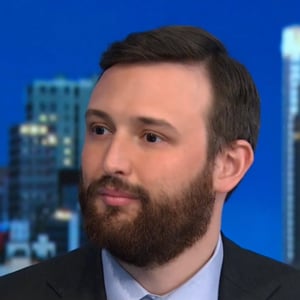
Senior Staff Attorney, Speech, Privacy & Technology Project, ACLU
Brian Hauss is a senior staff attorney with the ACLU’s Speech, Privacy & Technology Project, where he focuses on free expression issues. Since joining the ACLU in 2012, he has litigated cases defending the First Amendment rights of writers, journalists, media organizations, activists, advocacy groups, labor unions and private citizens. He has authored or co-authored numerous Supreme Court amicus curiae briefs on behalf of the ACLU and other groups. He also regularly discusses First Amendment issues in the media and at law schools throughout the country. Brian was a 2021-22 Wasserstein Public Interest Fellow at Harvard Law School. He is a graduate of Yale University and Harvard Law School and served as a law clerk to the Hon. Marsha S. Berzon of the U.S. Court of Appeals for the Ninth Circuit.
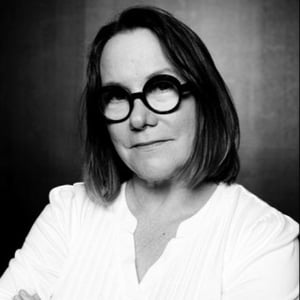
Independent Analyst, None
Allison Hayward most recently served as the Head of Case Selection at the Oversight Board. Previously, she was a Commissioner at the California Fair Political Practices Commission, a Board Member at the Office of Congressional Ethics, and an Assistant Professor of Law at George Mason University School of Law. She also previously worked as Chief of Staff and Counsel in the office of Federal Election Commission Commissioner Bradley A. Smith and practiced election law in California and in Washington DC.
In 1994-1995, Professor Hayward was a judicial clerk for the Honorable Danny J. Boggs, United States Court of Appeal for the Sixth Circuit.
She is a member of the State Bar of California and the District of Columbia Bar.
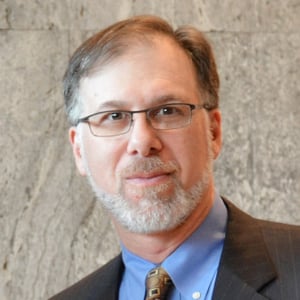
Partner, Schaerr | Jaffe LLP
Erik Jaffe has been involved in appeals on a broad range of legal issues, including First Amendment challenges to campaign finance reform, Commerce Clause challenges to Health Care Reform and other federal legislation, Equal Protection Clause challenges to affirmative action in education, First Amendment challenges to school vouchers, Fifth Amendment challenges to takings of property, Second Amendment challenges to restrictions on gun ownership, and a wide variety of cases involving patents, copyrights, ERISA, securities fraud, federal preemption, environmental regulation, and other state and federal constitutional and statutory matters. He has represented businesses and non-profit groups, Judges, Senators, former government officials, Nobel Prize winners, and a broad cross-section of private individuals. Mr. Jaffe has been involved in over 120 Supreme Court matters, including filing over 30 cert. petitions, representing half-a-dozen parties on the merits, and filing over 70 amicus briefs at both the cert. and merits stages.
A 1990 graduate of the Columbia University School of Law, Mr. Jaffe was a law clerk to Judge Douglas H. Ginsburg of the United States Court of Appeals for the District of Columbia Circuit from 1990 to 1991. Following that clerkship he spent five years in litigation practice with the Washington, D.C. law firm of Williams & Connolly. In the summer of 1996 he left Williams & Connolly to clerk for Supreme Court Justice Clarence Thomas. At the end of that clerkship he started his own practice, and he was a sole practitioner from 1997 to 2018. He joined the firm of Schaerr | Jaffe LLP in 2018.
Judge, United States Court of Appeals, District of Columbia Circuit
Judge Katsas was appointed to the D.C. Circuit in December 2017. He graduated from Princeton University and Harvard Law School, where he was an executive editor on the Harvard Law Review. Between 1989 and 1992, he served as a law clerk to Judge Edward Becker on the Third Circuit, to then-Judge Clarence Thomas on the D.C. Circuit, and to Justice Thomas on the Supreme Court. Between 1992 and 2001, he was an associate and then partner in the Washington office of Jones Day, where he specialized in appellate and complex civil litigation. Between 2001 and 2009, he served in many senior positions in the Department of Justice, including as Assistant Attorney General for the Civil Division and as Acting Associate Attorney General. In 2009, he returned to Jones Day. From January to December 2017, he served as Deputy Assistant to the President and Deputy Counsel to the President.
Before joining the bench, Judge Katsas argued more than 75 appeals, including three cases in the Supreme Court, 13 cases in the D.C. Circuit, and cases in every other federal court of appeals. By appointment of the Chief Justice, he served on the Advisory Committee on Appellate Rules from 2013 to 2017. In 2016, he was elected to membership in the American Academy of Appellate Lawyers.
Policy Analyst, Cato Institute
Will Duffield is a policy analyst in the Cato Institute’s Center for Representative Government, where he studies speech and internet governance. His research focuses on the web of government regulation and private rules that govern Americans’ speech online.
Partner, BakerHostetler, Adjunct Fellow, The Manhattan Institute
Andrew Grossman leads BakerHostetler’s Appellate and Major Motion team. He has appeared before the U.S. Supreme Court, nearly all the federal courts of appeals, as well as some state appellate courts, litigating high-profile and complex commercial, administrative and constitutional issues.
Andrew works with practice groups across BakerHostetler to identify and tackle complex issues, advise on administrative law and strategy, tee up issues for appeal and tackle appeals. He has developed and implemented litigation and administrative strategies for clients in several fields and industries.
In addition to his practice, Andrew advises members of Congress on matters of constitutional and administrative law, having testified more than a dozen times before the House and Senate Judiciary Committees. He has been a frequent legal commentator on radio and television, having appeared on Fox News, CNN, MSNBC, CNBC, NPR and its affiliates, CBN and elsewhere. His legal commentary has also appeared in dozens of magazines and newspapers, including The Wall Street Journal, USA Today, The Washington Post, The Washington Times and many others.
Andrew is a Senior Legal Fellow at the Buckeye Institute, an Adjunct Fellow the Manhattan Institute and a member of the leadership of the Federalist Society. He previously served as an adjunct scholar at the Cato Institute’s Robert A. Levy Center for Constitutional Studies and a legal fellow at the Heritage Foundation’s Meese Center for Legal and Judicial Studies. He clerked for Judge Edith H. Jones on the U.S. Court of Appeals for the Fifth Circuit.
Senior Staff Attorney, Speech, Privacy & Technology Project, ACLU
Brian Hauss is a senior staff attorney with the ACLU’s Speech, Privacy & Technology Project, where he focuses on free expression issues. Since joining the ACLU in 2012, he has litigated cases defending the First Amendment rights of writers, journalists, media organizations, activists, advocacy groups, labor unions and private citizens. He has authored or co-authored numerous Supreme Court amicus curiae briefs on behalf of the ACLU and other groups. He also regularly discusses First Amendment issues in the media and at law schools throughout the country. Brian was a 2021-22 Wasserstein Public Interest Fellow at Harvard Law School. He is a graduate of Yale University and Harvard Law School and served as a law clerk to the Hon. Marsha S. Berzon of the U.S. Court of Appeals for the Ninth Circuit.
Independent Analyst, None
Allison Hayward most recently served as the Head of Case Selection at the Oversight Board. Previously, she was a Commissioner at the California Fair Political Practices Commission, a Board Member at the Office of Congressional Ethics, and an Assistant Professor of Law at George Mason University School of Law. She also previously worked as Chief of Staff and Counsel in the office of Federal Election Commission Commissioner Bradley A. Smith and practiced election law in California and in Washington DC.
In 1994-1995, Professor Hayward was a judicial clerk for the Honorable Danny J. Boggs, United States Court of Appeal for the Sixth Circuit.
She is a member of the State Bar of California and the District of Columbia Bar.
Partner, Schaerr | Jaffe LLP
Erik Jaffe has been involved in appeals on a broad range of legal issues, including First Amendment challenges to campaign finance reform, Commerce Clause challenges to Health Care Reform and other federal legislation, Equal Protection Clause challenges to affirmative action in education, First Amendment challenges to school vouchers, Fifth Amendment challenges to takings of property, Second Amendment challenges to restrictions on gun ownership, and a wide variety of cases involving patents, copyrights, ERISA, securities fraud, federal preemption, environmental regulation, and other state and federal constitutional and statutory matters. He has represented businesses and non-profit groups, Judges, Senators, former government officials, Nobel Prize winners, and a broad cross-section of private individuals. Mr. Jaffe has been involved in over 120 Supreme Court matters, including filing over 30 cert. petitions, representing half-a-dozen parties on the merits, and filing over 70 amicus briefs at both the cert. and merits stages.
A 1990 graduate of the Columbia University School of Law, Mr. Jaffe was a law clerk to Judge Douglas H. Ginsburg of the United States Court of Appeals for the District of Columbia Circuit from 1990 to 1991. Following that clerkship he spent five years in litigation practice with the Washington, D.C. law firm of Williams & Connolly. In the summer of 1996 he left Williams & Connolly to clerk for Supreme Court Justice Clarence Thomas. At the end of that clerkship he started his own practice, and he was a sole practitioner from 1997 to 2018. He joined the firm of Schaerr | Jaffe LLP in 2018.
Judge, United States Court of Appeals, District of Columbia Circuit
Judge Katsas was appointed to the D.C. Circuit in December 2017. He graduated from Princeton University and Harvard Law School, where he was an executive editor on the Harvard Law Review. Between 1989 and 1992, he served as a law clerk to Judge Edward Becker on the Third Circuit, to then-Judge Clarence Thomas on the D.C. Circuit, and to Justice Thomas on the Supreme Court. Between 1992 and 2001, he was an associate and then partner in the Washington office of Jones Day, where he specialized in appellate and complex civil litigation. Between 2001 and 2009, he served in many senior positions in the Department of Justice, including as Assistant Attorney General for the Civil Division and as Acting Associate Attorney General. In 2009, he returned to Jones Day. From January to December 2017, he served as Deputy Assistant to the President and Deputy Counsel to the President.
Before joining the bench, Judge Katsas argued more than 75 appeals, including three cases in the Supreme Court, 13 cases in the D.C. Circuit, and cases in every other federal court of appeals. By appointment of the Chief Justice, he served on the Advisory Committee on Appellate Rules from 2013 to 2017. In 2016, he was elected to membership in the American Academy of Appellate Lawyers.
Judge, United States Court of Appeals, District of Columbia Circuit
Judge Katsas was appointed to the D.C. Circuit in December 2017. He graduated from Princeton University and Harvard Law School, where he was an executive editor on the Harvard Law Review. Between 1989 and 1992, he served as a law clerk to Judge Edward Becker on the Third Circuit, to then-Judge Clarence Thomas on the D.C. Circuit, and to Justice Thomas on the Supreme Court. Between 1992 and 2001, he was an associate and then partner in the Washington office of Jones Day, where he specialized in appellate and complex civil litigation. Between 2001 and 2009, he served in many senior positions in the Department of Justice, including as Assistant Attorney General for the Civil Division and as Acting Associate Attorney General. In 2009, he returned to Jones Day. From January to December 2017, he served as Deputy Assistant to the President and Deputy Counsel to the President.
Before joining the bench, Judge Katsas argued more than 75 appeals, including three cases in the Supreme Court, 13 cases in the D.C. Circuit, and cases in every other federal court of appeals. By appointment of the Chief Justice, he served on the Advisory Committee on Appellate Rules from 2013 to 2017. In 2016, he was elected to membership in the American Academy of Appellate Lawyers.
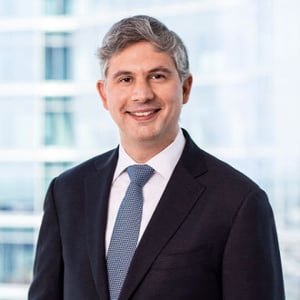
Partner, Keller Postman
Ashley Keller is one of the founding Partners of Keller Postman LLC. An experienced trial and appellate lawyer, Ashley helps set strategic direction across virtually all of the firm’s cases. He represents clients in a wide variety of practice areas and types of claims, including product-liability, antitrust, class action, and arbitration matters.
Ashley is one of the leaders of Keller Postman’s national product-liability practice. He leverages his ability to detangle complex concepts and develop novel legal theories to support individual client matters and as counsel on numerous product-liability multidistrict litigation matters. He chairs the plaintiffs’ Law & Briefing Committee in the Zantac (Ranitidine) Product Liability MDL in the U.S. District Court for the Southern District of Florida.
Ashley also litigates complex antitrust and class action matters. Among his notable cases, Ashley represents numerous States in antitrust litigation against Google for monopolizing products and services used by advertisers and publishers in online-display advertising.
Ashley also has played a central role in developing the firm’s pioneering arbitration practice, which includes pursuing individual arbitrations for clients whose claims are subject to arbitration clauses with class-action waivers. In part through managing the complexity of pursuing these individual claims simultaneously, the firm has secured millions in settlements for more than 500,000 employees and consumers.
Before launching Keller Postman, Ashley co-founded the litigation finance firm Gerchen Keller Capital, which grew to more than $1.3 billion in assets under management and was the world’s largest private investment manager focused on legal and regulatory risk prior to being acquired by Burford Capital in 2016.
Previously, Ashley was a partner at Bartlit Beck Herman Palenchar & Scott LLP, The American Lawyer’s litigation boutique of the year. While there, he handled various trial and appellate matters involving multi-billion-dollar securities and patent cases, contract disputes, mass torts, and class actions.
Ashley also worked as an analyst at Alyeska Investment Group, a Chicago-based market-neutral hedge fund, where he focused on investments in companies facing litigation and other complicated regulatory matters.
Ashley was named a 2021 Plaintiffs’ Lawyers Trailblazer by the National Law Journal. He is also listed on Lawdragon’s 500 Leading Lawyers in America, Lawdragon’s 500 Leading Plaintiff Consumer Lawyers, Lawdragon’s Leading Plaintiff Financial Lawyers, National Trial Lawyers’ Top 100, and Illinois Super Lawyers.
Ashley was a law clerk for Justice Anthony M. Kennedy at the Supreme Court of the United States and Judge Richard Posner at the U.S. Court of Appeals for the Seventh Circuit. He graduated magna cum laude from Harvard College, received his M.B.A. from the University of Chicago Booth School of Business and received his J.D. from the University of Chicago Law School, where he graduated first in his class.
Judge, United States Court of Appeals, District of Columbia Circuit
Judge Katsas was appointed to the D.C. Circuit in December 2017. He graduated from Princeton University and Harvard Law School, where he was an executive editor on the Harvard Law Review. Between 1989 and 1992, he served as a law clerk to Judge Edward Becker on the Third Circuit, to then-Judge Clarence Thomas on the D.C. Circuit, and to Justice Thomas on the Supreme Court. Between 1992 and 2001, he was an associate and then partner in the Washington office of Jones Day, where he specialized in appellate and complex civil litigation. Between 2001 and 2009, he served in many senior positions in the Department of Justice, including as Assistant Attorney General for the Civil Division and as Acting Associate Attorney General. In 2009, he returned to Jones Day. From January to December 2017, he served as Deputy Assistant to the President and Deputy Counsel to the President.
Before joining the bench, Judge Katsas argued more than 75 appeals, including three cases in the Supreme Court, 13 cases in the D.C. Circuit, and cases in every other federal court of appeals. By appointment of the Chief Justice, he served on the Advisory Committee on Appellate Rules from 2013 to 2017. In 2016, he was elected to membership in the American Academy of Appellate Lawyers.
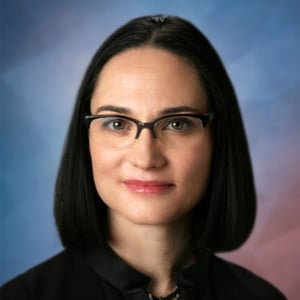
Alida graduated from Duke University with a degree in history and earned her J.D. from the Georgetown University Law Center.

Race at Work: Can Businesses Treat People Differently on the Basis of Race?
Jonathan Berry, Jay Edelson, Stacy Hawkins, Gregory G. Katsas, Jason C. Schwartz
In June of last year, the Supreme Court held that consideration of applicants’ race in...
Race at Work: Can Businesses Treat People Differently on the Basis of Race?
Jonathan Berry, Jay Edelson, Stacy Hawkins, Gregory G. Katsas, Jason C. Schwartz
In June of last year, the Supreme Court held that consideration of applicants’ race in...
Showcase Panel III: Originalism on the Ground
John C. Harrison, Gregory G. Katsas, Randolph D. Moss, Andrew Oldham, Jed Shugerman
2023 National Lawyers Convention
Featuring: Prof. John C. Harrison, James Madison Distinguished Professor of Law, University of Virginia School of...
Showcase Panel III: Originalism on the Ground
John C. Harrison, Gregory G. Katsas, Randolph D. Moss, Andrew Oldham, Jed Shugerman
2023 National Lawyers Convention
Featuring: Prof. John C. Harrison, James Madison Distinguished Professor of Law, University of Virginia School of...
What is the Future of Textualism?
Nicholas Bagley, William Baude, Emily Bremer, Gregory G. Katsas, Christopher J. Walker
Recently, the application of Textualism by the Supreme Court of the United States--the predominant method...
What is the Future of Textualism?
Nicholas Bagley, William Baude, Emily Bremer, Gregory G. Katsas, Christopher J. Walker
Recently, the application of Textualism by the Supreme Court of the United States--the predominant method...
Censorship by Proxy?
Will Duffield, Andrew Grossman, Brian Hauss, Allison R. Hayward, Erik S. Jaffe, Gregory G. Katsas
EBRXI
The First Amendment forbids public officials from censoring disfavored speech and speakers. But what happens...
Censorship by Proxy?
Will Duffield, Andrew Grossman, Brian Hauss, Allison R. Hayward, Erik S. Jaffe, Gregory G. Katsas
EBRXI
The First Amendment forbids public officials from censoring disfavored speech and speakers. But what happens...
Open Minds: Thinking like a Conservative Plaintiff’s Lawyer - Corporations' Rights and Corporate Power
Gregory G. Katsas, Ashley Keller
Judge Gregory Katsas and Ashley Keller sit down for a wide-ranging discussion of his career...
Remembering Judge Silberman
Gregory G. Katsas, Alida Kass
Freedom of Thought
As we continue remembering Judge Laurence Silberman and his contributions to the law, Judge Gregory...