Groff v. DeJoy - Post-Argument SCOTUScast
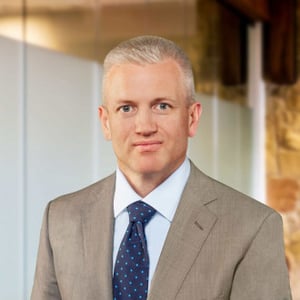
Hiram Sasser




On April 18, the Court heard oral argument in Groff v. Dejoy and is set to address two issues concerning the protections provided employees who seek to practice their religious beliefs in the context of the workplace. The Court is considering whether to overrule the “more-than-de-minimis-cost” test for refusing religious accommodations under Title VII of the Civil Rights Act of 1964 established in Trans World Airlines, Inc. v. Hardison. Also at issue is whether burdens on employees are sufficient to constitute “undue hardship on the conduct of the employer’s business” for the employer under Title VII.
Gerald Groff, a Christian who due to his religious convictions treated Sundays as a sabbath and thus did not work on those days, worked for the U.S. Postal Service in Pennsylvania. Although his sabbath-taking was not a problem at the beginning of his tenure with the USPS, following a 2013 agreement with Amazon, USPS began to provide service on Sundays and holidays. This meant that postal workers now had to work Sundays. Initially, Groff was able to avoid working Sundays by trading shifts with co-workers, but that eventually became untenable as co-workers were not willing or available to trade, resulting in Groff being scheduled for Sunday shifts he could not work due to his convictions. Following disciplinary action for missed shifts, and facing termination, Groff chose to resign. He sued USPS for refusing to accommodate his religious beliefs and practices as required by Title VII. The Third Circuit, following Hardison, ruled in favor of USPS, citing as sufficient to constitute the “undue hardship” test the burden placed on Groff’s coworkers who had to take more Sunday shifts and lessened workplace morale.
Join us to hear a breakdown of the oral argument!
Featuring:
Hiram Sasser, Executive General Counsel, First Liberty Institute
*******
As always, the Federalist Society takes no position on particular legal or public policy issues; all expressions of opinion are those of the speaker.