Note from the Editor: The Federalist Society takes no positions on particular legal and public policy matters. Any expressions of opinion are those of the author. We welcome responses to the views presented here. To join the debate, please email us at info@fedsoc.org.
John D. Echeverria, professor at Vermont Law School, provides a preview of his arguments for an upcoming Teleforum Call: How Long are Horne's Horns?
Join us on Thursday, October 1 at 2 p.m. Eastern to hear Prof. Echeverria discuss the Horne case with the Hon. Michael W. McConnell, professor at Stanford Law School. ...
* * * * *
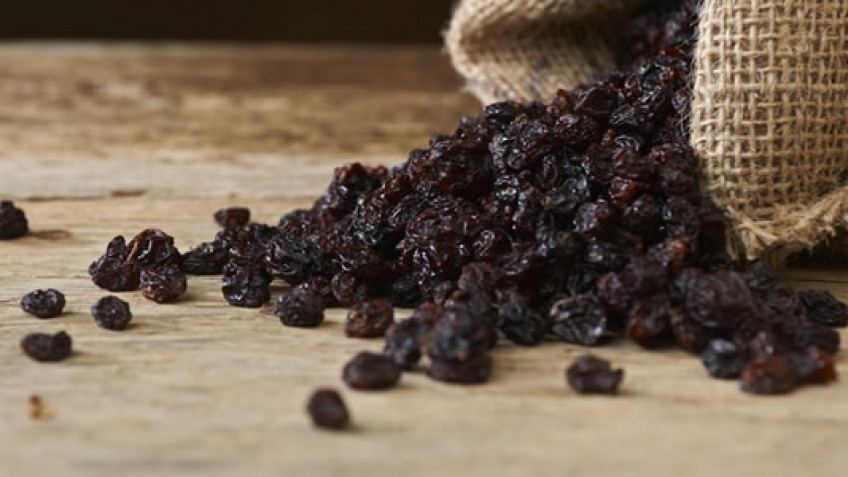
Marvin and Laura Horne are understandably pleased about not having to pay penalties for violating the Raisin Marketing Order. Many other raisin growers are probably disappointed by the Court’s seemingly fatal blow to their government-sponsored cartel, and the lawyers involved are happy or unhappy depending on which side they represented. But it is debatable whether the Supreme Court’s decision in Horne v. Department of Agriculture will have long-term significance for the future of takings law.
On the positive side, most significantly, the Court offered a surprising, ringing reaffirmation of the venerable doctrine of sovereign public ownership of wildlife, providing a powerful defense to takings claims based on the ESA and others similar wildlife laws. Also on the positive side, the decision implicitly endorsed a broad interpretation of the “public use” requirement, in accord with the much-maligned Kelo decision.
On the negative, sloppy side, the Court overlooked the fact that the Hornes’ “handler” takings argument should have failed at the threshold for lack of a property interest in the raisins at issue, and the Court spent pages debating an argument the Ninth Circuit raised—and then discarded—three years earlier. More substantively, the Court announced a new, unqualified per se takings rule for government interferences with possessory interests in personal property; the new rule lacks support in precedent and cannot possibly be correct, as the Court will presumably one day acknowledge. The Court recognized that offsetting benefits can defeat a claim for compensation in an eminent domain proceeding, but inexplicably ruled that they cannot defeat a compensation claim in a regulatory takings case, authorizing raisin growers who have already taken the public for a ride with their raisin cartel to take the public for a ride a second time.
* * * * *
Learn more about the upcoming Teleform Call: How Long are Horne's Horns?