Facts of the Case
During the Civil War, Congress passed a law that allowed people whose property had been seized to recover it or receive compensation if they could show that they had been loyal during the war. Klein received a presidential pardon for his actions during the war, which the Supreme Court ruled to constitute sufficient proof of loyalty. He received an award of compensation for the seizure of his property, and the government appealed it. While the appeal was pending, Congress passed a law that provided that pardons without an express disclaimer of guilt would constitute proof of disloyalty, overruling the previous Supreme Court decision. Courts also were required under the new law to dismiss claims for lack of jurisdiction if there was such a pardon.
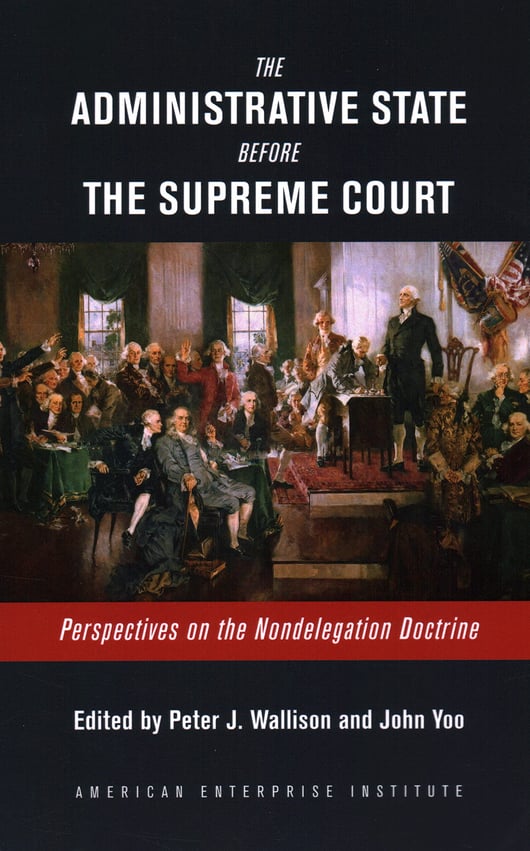
Revitalizing the Nondelegation Doctrine
Federalist Society Review, Volume 23
A Review of The Administrative State Before the Supreme Court: Perspectives on the Nondelegation Doctrine (Peter...