

Facts of the Case
On the 20th of June, 1860, a certain Mrs. Hepburn made a promissory note, by which she promised to pay to Henry Griswold on the 20th of February, 1862, eleven thousand two hundred and fifty "dollars." At the time when the note was made, as also at the time when it fell due, there was confessedly no lawful money of the United States, or money which could lawfully be tendered in payment of private debts, but gold and silver coin.
Conclusions
-
8. The clause in the acts of 1862 and 1863 which makes United States notes a legal tender in payment of all debts, public and private, is, so far as it applies to debts contracted before the passage of those acts, unwarranted by the Constitution.
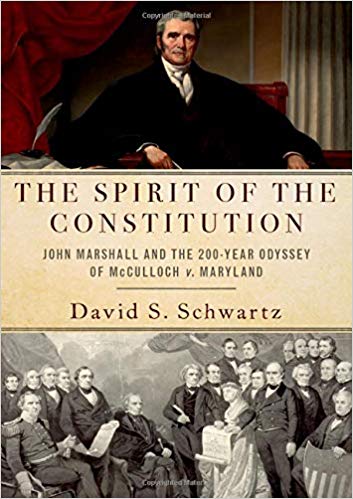
The Mythical McCulloch
Federalist Society Review, Volume 21
A Review of The Spirit of the Constitution: John Marshall and the 200-Year Odyssey of...
