Facts of the Case
Francis Bernard Auer, a St. Louis police sergeant, other St. Louis police sergeants, and a lieutenant sued the respondent police commissioners, including David A. Robbins, for overtime pay under the Fair Labor Standards Act of 1938 (FLSA). The commissioners argued that Auer and the other petitioners were "bona fide executive, administrative, or professional" employees exempted from overtime pay requirements by the FLSA. Under the Secretary of Labor's regulations, that exemption applies to employees paid a specified minimum amount on a "salary basis," which requires that the "compensation...not [be] subject to reduction because of variations in the quality or quantity of the work performed." Auer claimed that that they did not meet this test because, under the terms of the Police Department Manual, their compensation could theoretically be reduced for a variety of disciplinary infractions related to the "quality or quantity" of their work. The District Court and the Court of Appeals disagreed with Auer's claim. Both courts held that the salary basis test was satisfied.
Questions
Must sergeants and lieutenants in the St. Louis Police Department be paid for working overtime pursuant to the Fair Labor Standards Act of 1938?
Conclusions
-
No. In a unanimous decision, authored by Justice Antonin Scalia, the Court ruled that sergeants and lieutenants are exempt as salaried employees from the federal Fair Labor Standards Act. The justices rejected the argument that the possibility of suspension without pay moves the officers out of the exempt category.

Chevron Is Dead, Long Live Chevron
The Supreme Court has agreed to revisit Chevron v. Natural Resources Defense Council (1984), the...
A Change in Direction for the Federal Trade Commission?
Federalist Society Review, Volume 22
While antitrust and regulation are supposed to be two sides of the same coin,[1] there...
Kisor on Remand: Raising the Bar to “Genuinely Ambiguous” at Auer Step Zero
A recent decision from the Federal Circuit may provide a roadmap for the future of...
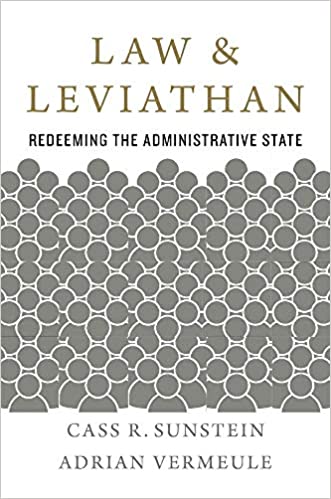
Bureaucracy With Bumper Guards: Better Than It Rules?
Federalist Society Review, Volume 22
A review of Law & Leviathan: Redeeming the Administrative State, by Cass Sunstein & Adrian...
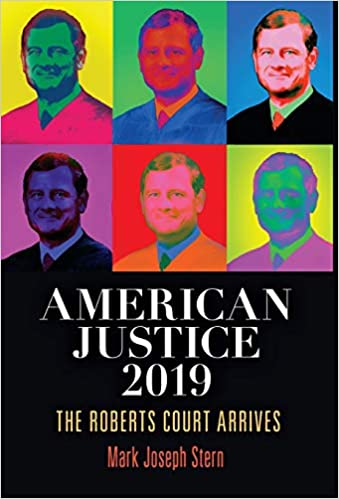
An Imagined Bloc and Other Figments
Federalist Society Review, Volume 21
A review of American Justice 2019: The Roberts Court Arrives, by Mark Joseph Stern (University...
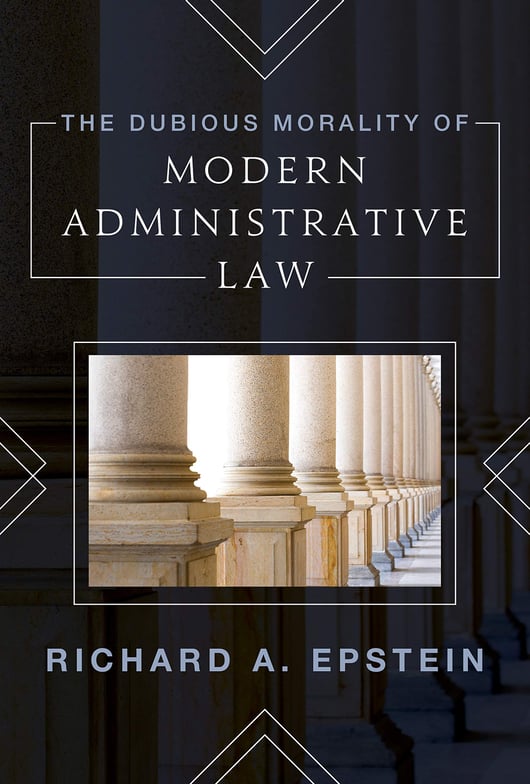
Is Our Modern Administrative State Unmoored from the Morality of Law?
Federalist Society Review, Volume 21
A review of The Dubious Morality of Modern Administrative Law, by Richard A. Epstein (Manhattan Institute...
Kisor v. Wilkie Makes Auer a Paper Tiger
Federalist Society Review, Volume 20
Note from the Editor: The Federalist Society takes no positions on particular legal and public...

Deep Dive Episode 62 – An Update on Kisor v. Wilkie
Regulatory Transparency Project's Fourth Branch Podcast
Last week the Supreme Court decided the much-anticipated Kisor v. Wilkie case. The Court had...
Judicial Deference Determined: Kisor v. Wilkie
This morning the Supreme Court decided the much-anticipated Kisor v. Wilkie case. The Court had granted...
Deep Dive Episode 40 – Kisor v. Wilkie
On Wednesday, March 27th, the Supreme Court heard oral argument in Kisor v. Wilkie. The...
Courthouse Steps Oral Argument: Kisor v. Wilkie
On the morning of March 27, the Supreme Court will hear oral argument in Kisor...
A Most Unusual Brief From the Solicitor General: Threading the Needle on Auer Deference
Justice Department’s Response Brief in Kisor v. Wilkie Endeavors to Balance Competing Considerations – Criticizing a Major Modern Administrative-Law Doctrine, But Also Seeking to Prevent Its Overruling
Last week, the Solicitor General filed the United States’ eagerly anticipated response brief in Kisor...
Reconsidering the Legal Status of Agency Guidance
In Holiday-Season Amendments to the Justice Department Manual, DOJ Continues the Trend of Downgrading the Status of Subregulatory Agency Guidance Documents
Late last year, the U.S. Department of Justice (DOJ) took a quiet but significant step...
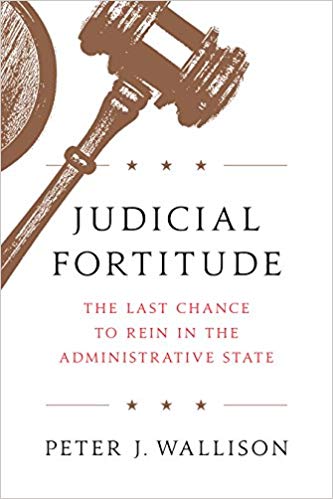
Can and Should the Federal Judiciary Rein In Our Expansive Administrative State?
Federalist Society Review, Volume 20
Note from the Editor: The Federalist Society takes no positions on particular legal and public...
Deference to Agency Rule Interpretations: Problems of Expanding Constitutionally Questionable Authority in the Administrative State
Federalist Society Review, Volume 19
Note from the Editor: This article argues that, while judicial deference to agency decisions is...

Deference Doctrines and the Clean Water Act
Environmental Law & Property Rights Practice Group, Administrative Law & Regulation Practice Group, and Regulatory Transparency Project
Recently, Justices of the Supreme Court have called the Court’s deference jurisprudence into significant question....
SCOTUS Has A Great Opportunity to Constrain the Regulatory State in SNR Wireless v. FCC
As Chief Justice Roberts noted in his dissent in City of Arlington, Texas v. FCC,...
Overturning Auer Deference
In conjunction with the Supreme Court Clinic at Antonin Scalia Law School, Garco Construction, Inc....
Gloucester County School Board v. G.G.: Judicial Overdeference Is Still a Massive Problem
Federalist Society Review, Volume 18
Note from the Editor: This article discusses Auer deference, a central issue in Gloucester County...

Administrative Law and Judicial Duty: Justice Thomas' Principled Stand Against Arbitrary Power
Few constitutional scholars would deny that the Supreme Court has made tragic—even shameful—errors in interpreting...
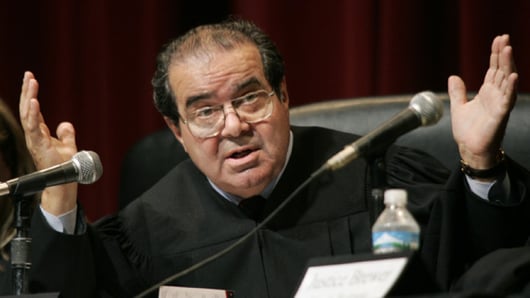
Enough Is Enough: Justice Scalia, Auer Deference, and Judicial Duty
It is one of the most fundamental principles of Anglo-American law: No person may be...
Perez v. Mortgage Bankers Association: Portending a Return to Judicial Engagement
Engage Volume 16, Issue 3
In a Term full of blockbuster cases considering the fate of Obamacare and establishing gay...
Decker v. Northwest Environmental Defense Center - Post-Decision SCOTUScast
SCOTUScast 3-27-13 featuring Daniel Himebaugh
On March 20, 2013, the Supreme Court announced its decision in Decker v. Northwest Environmental Center,...
Overtime Exemption Litigation Targets the Pharmaceutical Industry
Class Action Watch September 2011
In the last several years, pharmaceutical companies have been targeted by the plaintiffs’ bar for...