
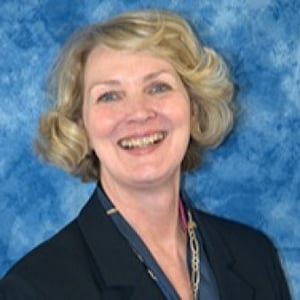
Professor and Director, Prolife Center, University of St. Thomas School of Law
Teresa Collett, J.D., is professor at the University of St. Thomas School of Law, where she serves as director of the school's Prolife Center. Collett received her doctorate at the University of Oklahoma College of Law. As a well-known advocate for the protection of human life and the family, Collett specializes in the subjects of marriage, religion and bioethics in her research.
Collett has published numerous legal articles and is the co-author of a law casebook on professional responsibility and co-editor of a collection of essays exploring “catholic” and “Catholic” perspectives on American law. She is an elected member of the American Law Institute, and has testified before committees of the U.S. Senate and House of Representatives, as well as before legislative committees in several states.
In 2009, Pope Benedict XVI appointed Collett to a five-year term on the Pontifical Council for the Family. Her appointment was renewed by His Holiness Pope Francis until 2016 when the responsibilities of the Council were assumed by the Dicastery for the Laity, Family and Life. In 2013, she served as a delegate to the International Conference on Population and Development (ICPD) for the Mission of the Holy See to the United Nations.
She represented Congressman Ron Paul and various medical groups in the defense of the U.S. federal ban of partial-birth abortion, and the governors of Minnesota and North Dakota defending the N.H. requirement of state parental involvement prior to performance of an abortion on a minor before the U.S. Supreme Court. Collett is often asked to represent the interests of government officials before federal appellate courts. She has served as special attorney general for the states of Oklahoma and Kansas, as well as assisting other state attorneys general in defending laws protecting human life and marriage. Prior to joining St. Thomas in 2003, Collett taught at the South Texas College of Law, where she established the nation's first annual symposium on legal ethics.
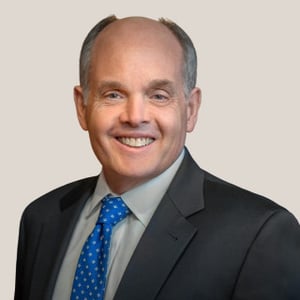
Shareholder, Kirton McConkie
R. Shawn Gunnarson is a shareholder with Kirton McConkie in Salt Lake City.
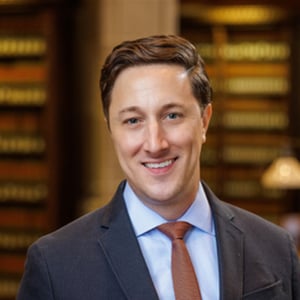
Professor of Law, Notre Dame Law School
Professor Derek Muller is a nationally-recognized scholar in the field of election law. His research focuses on the role of states in the administration of federal elections, the constitutional contours of voting rights and election administration, the limits of judicial power in the domain of elections, and the Electoral College.
He has published more than two dozen academic works, and his op-eds have appeared in the New York Times, the Los Angeles Times, and the Wall Street Journal. He has testified before Congress, and he is a contributor at the Election Law Blog. He is a co-author on a Federal Courts casebook published by Carolina Academic Press. He is also the co-reporter on a new Restatement of the Law, Election Litigation, an effort led by the American Law Institute.
Professor Muller teaches Election Law, Civil Procedure, and Evidence.
Professor and Director, Prolife Center, University of St. Thomas School of Law
Teresa Collett, J.D., is professor at the University of St. Thomas School of Law, where she serves as director of the school's Prolife Center. Collett received her doctorate at the University of Oklahoma College of Law. As a well-known advocate for the protection of human life and the family, Collett specializes in the subjects of marriage, religion and bioethics in her research.
Collett has published numerous legal articles and is the co-author of a law casebook on professional responsibility and co-editor of a collection of essays exploring “catholic” and “Catholic” perspectives on American law. She is an elected member of the American Law Institute, and has testified before committees of the U.S. Senate and House of Representatives, as well as before legislative committees in several states.
In 2009, Pope Benedict XVI appointed Collett to a five-year term on the Pontifical Council for the Family. Her appointment was renewed by His Holiness Pope Francis until 2016 when the responsibilities of the Council were assumed by the Dicastery for the Laity, Family and Life. In 2013, she served as a delegate to the International Conference on Population and Development (ICPD) for the Mission of the Holy See to the United Nations.
She represented Congressman Ron Paul and various medical groups in the defense of the U.S. federal ban of partial-birth abortion, and the governors of Minnesota and North Dakota defending the N.H. requirement of state parental involvement prior to performance of an abortion on a minor before the U.S. Supreme Court. Collett is often asked to represent the interests of government officials before federal appellate courts. She has served as special attorney general for the states of Oklahoma and Kansas, as well as assisting other state attorneys general in defending laws protecting human life and marriage. Prior to joining St. Thomas in 2003, Collett taught at the South Texas College of Law, where she established the nation's first annual symposium on legal ethics.
Shareholder, Kirton McConkie
R. Shawn Gunnarson is a shareholder with Kirton McConkie in Salt Lake City.
Professor of Law, Notre Dame Law School
Professor Derek Muller is a nationally-recognized scholar in the field of election law. His research focuses on the role of states in the administration of federal elections, the constitutional contours of voting rights and election administration, the limits of judicial power in the domain of elections, and the Electoral College.
He has published more than two dozen academic works, and his op-eds have appeared in the New York Times, the Los Angeles Times, and the Wall Street Journal. He has testified before Congress, and he is a contributor at the Election Law Blog. He is a co-author on a Federal Courts casebook published by Carolina Academic Press. He is also the co-reporter on a new Restatement of the Law, Election Litigation, an effort led by the American Law Institute.
Professor Muller teaches Election Law, Civil Procedure, and Evidence.
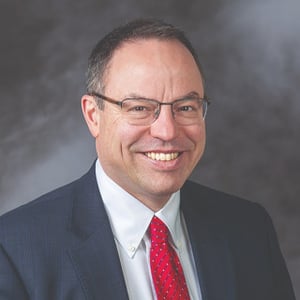
Professor of Law and J. Philip Johnson Faculty Fellow, University of North Dakota School of Law
Michael S. McGinniss is Professor of Law and J. Philip Johnson Faculty Fellow at the University of North Dakota School of Law, where he joined the faculty in 2010 and served as the Dean from 2019 to 2022. He chairs the executive committee for the Federalist Society's Practice Group on Professional Responsibility and Legal Education.
Before entering the legal academy, Professor McGinniss served for twelve years as a Disciplinary Counsel for the Supreme Court of Delaware. He currently teaches courses on Professional Responsibility, Advanced Legal Ethics, Civil Procedure, and Federal Courts. He also serves as Faculty Advisor for the North Dakota Law Review and the UND Law Federalist Society student chapter.
Professor McGinniss’ research and scholarship interests are wide-ranging and include lawyer and judicial ethics, lawyer discipline and regulation of the profession, constitutional law (especially First Amendment, separation of powers, and federalism), and cultural challenges faced by conservatives in the law schools and the legal profession. His most recent law review article, Declaring Independence to Secure Integrity: The Supreme Court Justices' Code of Conduct, was published in the Federalist Society Review. His article Expressing Conscience with Candor: Saint Thomas More and First Freedoms in the Legal Profession, was published in the Harvard Journal of Law & Public Policy.
Professor McGinniss has spoken to Federalist Society lawyer and student chapters across the country about judicial independence and ethics, especially relating to the federal courts and the United States Supreme Court Justices. In addition, he has spoken to several chapters about rising challenges to ideological diversity and targeting of conservative viewpoints in law schools and the legal profession. Although he is very pleased to speak on these and many other topics that may be of interest to lawyer and student chapters, in 2026-2027, he has particular interest in speaking on the topic “Lawyer Discipline as Political ‘Resistance’: Separation of Powers, Federalism, and the Rule of Law,” concerning his work-in-progress on the weaponization of professional disciplinary processes against conservative lawyers for political and ideological purposes.
Professor of Law, Notre Dame Law School
Professor Derek Muller is a nationally-recognized scholar in the field of election law. His research focuses on the role of states in the administration of federal elections, the constitutional contours of voting rights and election administration, the limits of judicial power in the domain of elections, and the Electoral College.
He has published more than two dozen academic works, and his op-eds have appeared in the New York Times, the Los Angeles Times, and the Wall Street Journal. He has testified before Congress, and he is a contributor at the Election Law Blog. He is a co-author on a Federal Courts casebook published by Carolina Academic Press. He is also the co-reporter on a new Restatement of the Law, Election Litigation, an effort led by the American Law Institute.
Professor Muller teaches Election Law, Civil Procedure, and Evidence.
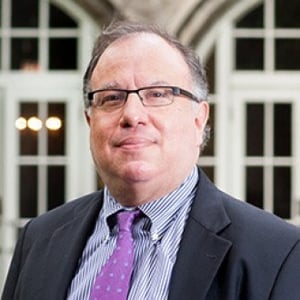
Harold Washington Professor of Law, Northwestern University Pritzker School of Law
Daniel B. Rodriguez, the Harold Washington Professor at the Law School, served as dean of the Law School from January 2012 through August 2018.
His principal academic work is in the areas of administrative law, local government law, statutory interpretation, federal and state constitutional law, and the law-business-technology interface.
Formerly, Professor Rodriguez served as Minerva House Drysdale Regents Chair in Law at the University of Texas-Austin; as a Research Fellow at Rice University’s Baker Institute for Public Policy; as Dean and Warren Distinguished Professor of Law at the University of San Diego School of Law; and, as a Professor of Law at University of California, Berkeley School of Law. He has also served as a visiting professor at several top law schools, including Stanford, Harvard, Columbia, University of Southern California, and Virginia.
Professor Rodriguez was the 2014 President of the Association of American Law Schools (AALS) and is currently serving as chair of the council of the American Bar Association Center for Innovation, a council member of the American Law Institute, and as an advisor to ROSS Intelligence, Inc.
Rodriguez received his law degree, with honors, from Harvard Law School and his undergraduate degree from California State University of Long Beach.
Shareholder, Webber & Thies PC
Mr. Thies has litigated complex commercial disputes and defended class actions throughout the state of Illinois, and in federal courts across the country, including the First, Second, Seventh, and Tenth Circuits. He has represented clients in numerous trials and arbitrations, including serving as part of a trial team winning a $64 million judgment after a jury verdict in the Northern District of New York.
Prior to joining Webber & Thies, Mr. Thies was an associate at Sidley Austin LLP (2013-2018) and clerked for Chief Judge James F. Holderman of the United States District Court for the Northern District of Illinois (2011-2013) and for Judge Jerry Smith of the United States Court of Appeals for the Fifth Circuit (2010-2011).
Professor of Law and J. Philip Johnson Faculty Fellow, University of North Dakota School of Law
Michael S. McGinniss is Professor of Law and J. Philip Johnson Faculty Fellow at the University of North Dakota School of Law, where he joined the faculty in 2010 and served as the Dean from 2019 to 2022. He chairs the executive committee for the Federalist Society's Practice Group on Professional Responsibility and Legal Education.
Before entering the legal academy, Professor McGinniss served for twelve years as a Disciplinary Counsel for the Supreme Court of Delaware. He currently teaches courses on Professional Responsibility, Advanced Legal Ethics, Civil Procedure, and Federal Courts. He also serves as Faculty Advisor for the North Dakota Law Review and the UND Law Federalist Society student chapter.
Professor McGinniss’ research and scholarship interests are wide-ranging and include lawyer and judicial ethics, lawyer discipline and regulation of the profession, constitutional law (especially First Amendment, separation of powers, and federalism), and cultural challenges faced by conservatives in the law schools and the legal profession. His most recent law review article, Declaring Independence to Secure Integrity: The Supreme Court Justices' Code of Conduct, was published in the Federalist Society Review. His article Expressing Conscience with Candor: Saint Thomas More and First Freedoms in the Legal Profession, was published in the Harvard Journal of Law & Public Policy.
Professor McGinniss has spoken to Federalist Society lawyer and student chapters across the country about judicial independence and ethics, especially relating to the federal courts and the United States Supreme Court Justices. In addition, he has spoken to several chapters about rising challenges to ideological diversity and targeting of conservative viewpoints in law schools and the legal profession. Although he is very pleased to speak on these and many other topics that may be of interest to lawyer and student chapters, in 2026-2027, he has particular interest in speaking on the topic “Lawyer Discipline as Political ‘Resistance’: Separation of Powers, Federalism, and the Rule of Law,” concerning his work-in-progress on the weaponization of professional disciplinary processes against conservative lawyers for political and ideological purposes.
Professor of Law, Notre Dame Law School
Professor Derek Muller is a nationally-recognized scholar in the field of election law. His research focuses on the role of states in the administration of federal elections, the constitutional contours of voting rights and election administration, the limits of judicial power in the domain of elections, and the Electoral College.
He has published more than two dozen academic works, and his op-eds have appeared in the New York Times, the Los Angeles Times, and the Wall Street Journal. He has testified before Congress, and he is a contributor at the Election Law Blog. He is a co-author on a Federal Courts casebook published by Carolina Academic Press. He is also the co-reporter on a new Restatement of the Law, Election Litigation, an effort led by the American Law Institute.
Professor Muller teaches Election Law, Civil Procedure, and Evidence.
Harold Washington Professor of Law, Northwestern University Pritzker School of Law
Daniel B. Rodriguez, the Harold Washington Professor at the Law School, served as dean of the Law School from January 2012 through August 2018.
His principal academic work is in the areas of administrative law, local government law, statutory interpretation, federal and state constitutional law, and the law-business-technology interface.
Formerly, Professor Rodriguez served as Minerva House Drysdale Regents Chair in Law at the University of Texas-Austin; as a Research Fellow at Rice University’s Baker Institute for Public Policy; as Dean and Warren Distinguished Professor of Law at the University of San Diego School of Law; and, as a Professor of Law at University of California, Berkeley School of Law. He has also served as a visiting professor at several top law schools, including Stanford, Harvard, Columbia, University of Southern California, and Virginia.
Professor Rodriguez was the 2014 President of the Association of American Law Schools (AALS) and is currently serving as chair of the council of the American Bar Association Center for Innovation, a council member of the American Law Institute, and as an advisor to ROSS Intelligence, Inc.
Rodriguez received his law degree, with honors, from Harvard Law School and his undergraduate degree from California State University of Long Beach.
Shareholder, Webber & Thies PC
Mr. Thies has litigated complex commercial disputes and defended class actions throughout the state of Illinois, and in federal courts across the country, including the First, Second, Seventh, and Tenth Circuits. He has represented clients in numerous trials and arbitrations, including serving as part of a trial team winning a $64 million judgment after a jury verdict in the Northern District of New York.
Prior to joining Webber & Thies, Mr. Thies was an associate at Sidley Austin LLP (2013-2018) and clerked for Chief Judge James F. Holderman of the United States District Court for the Northern District of Illinois (2011-2013) and for Judge Jerry Smith of the United States Court of Appeals for the Fifth Circuit (2010-2011).
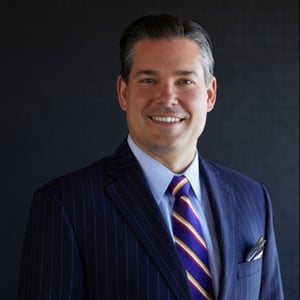
Partner, Graves Garrett Greim LLC
Edward “Eddie” Greim focuses his practice on complex commercial litigation, free speech and election law, and internal investigations and whistleblower claims. He has been recognized for his successful representation of businesses and individuals in commercial litigation while also being named a “go-to” lawyer on policy and constitutional issues.
Eddie was named a Constitutional and Election Law Trailblazer by the National Law Journal in 2020. His free speech and election law practice has included numerous constitutional challenges to election and campaign finance laws; representation of clients in state and federal ethics and campaign finance enforcement actions and investigations; initiative petition drafting and litigation; litigation and advice regarding First Amendment protections for petition circulation; representation of not-for-profit clients before state regulators; litigation of state and federal redistricting issues; and advice on campaign and election law compliance.
Eddie complements his trial work in complex, high-profile commercial and constitutional cases with oral advocacy and briefing in important appeals. Recognized as a Missouri Lawyers Media POWER 30 Appellate Attorney in 2021, he has argued before the Missouri and Kansas supreme courts multiple times, other state appellate courts across the country, and before the Sixth, Seventh, Eighth, and Tenth U.S. Courts of Appeals.
Eddie’s notable work for clients includes:
Recovering substantial compensation and injunctive relief for plaintiffs, in complex multiyear litigation, as lead counsel in the first and only nationwide class action certified against the Internal Revenue Service for violating taxpayer protection statutes when it targeted hundreds of groups based on their political viewpoints.
Successful First Amendment challenge to Missouri’s 2016 campaign finance restrictions.
Successful challenge to a vast, multiyear, secret criminal investigation into Wisconsin political groups and nonprofits, and follow-up challenge to expose role of state ethics board which secretly aided the investigation and was later dissolved by the legislature.
U.S. Supreme Court amicus brief for the National Republican Redistricting Trust in the 2019 Rucho litigation, and federal and state redistricting litigation and advice since 2011.
Challenges under the First Amendment in federal court, and in briefing to the Michigan Supreme Court on state constitutional grounds, to unprecedented emergency powers claimed by Michigan Governor in 2020.
Representation of numerous public officials and private citizens who are subject to “lawfare” attacks based on their political viewpoints or policy objectives.
Oversight of multiple internal investigations.
Eddie received his law degree from Harvard Law School in 2002, where he taught on the Board of Student Advisers, received the Dean’s Award for Leadership, and served as President of the Harvard Catholic Law Students Association. He received two bachelor’s degrees, summa cum laude, in economics and political science from the University of Missouri.
A native of Excelsior Springs, Missouri, Eddie lives in Kansas City with his family. He enjoys Missouri and military history. On many weekends, he can be found with his wife and daughters exploring sites of local interest. He enjoys reading and debating and has given presentations or organized discussions at numerous gatherings, formal and informal, of professional and personal interest.
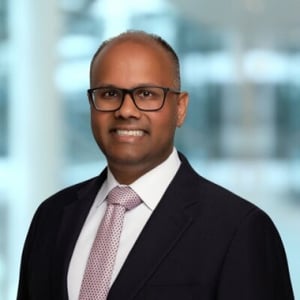
Partner, Holtzman Vogel Baran Torchinsky & Josefiak PLLC
Abhishek (Abhi) Kambli is a partner at Holtzman Vogel who represents clients in high-stakes appellate and complex litigation, constitutional challenges, and matters involving state attorneys general and federal agencies. He is one of a handful of lawyers nationally who has both led federal litigation from inside the Department of Justice and multi-state coalition work from a State Attorney General’s office—giving clients a 360-degree perspective on government enforcement, regulatory challenges, and constitutional advocacy.
Prior to joining Holtzman Vogel, Abhi served as Deputy Associate Attorney General at the United States Department of Justice, where he acted as lead counsel in high-priority matters for the Trump Administration, oversaw the Department’s civil components on behalf of the Associate Attorney General, advised the White House Counsel’s Office and federal agencies on litigation risk and strategy, and developed the Department’s national affirmative civil litigation strategy.
Earlier, he served as Deputy Attorney General and Division Chief of the Special Litigation and Constitutional Issues Division at the Kansas Attorney General’s Office, where he launched the division and led multi-state coalitions in trial and appellate courts nationwide, including the United States Supreme Court. He began his career as an Assistant United States Attorney in the Southern District of Indiana, prosecuting more than 100 federal cases from investigation through appeal.
Abhi is also a Lieutenant Colonel in the United States Air Force Judge Advocate General's Corps, having served on active duty and in the reserves since 2013. His military service includes criminal trials as both prosecutor and defense attorney, appellate representation before the Court of Appeals for the Armed Forces, and representation of a high-profile detainee before the Military Commissions at Guantánamo Bay.
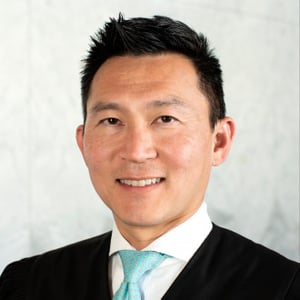
Judge, United States Court of Appeals, Ninth Circuit
Kenneth Kiyul Lee is a judge on the U.S. Court of Appeals for the Ninth Circuit. He was appointed in June 2019 and is based in San Diego, California.
Prior to his appointment, he was a partner at the law firm of Jenner & Block in Los Angeles. Judge Lee previously served as an Associate Counsel to President George W. Bush and as Special Counsel to Senator Arlen Specter, then-chair of the Senate Judiciary Committee. He started his legal career at Wachtell, Lipton, Rosen & Katz in New York.
Judge Lee received his J.D. from Harvard Law School, magna cum laude, and his A.B. from Cornell University, summa cum laude. He clerked for Judge Emilio M. Garza of the U.S. Court of Appeals for the Fifth Circuit.
Professor of Law, Notre Dame Law School
Professor Derek Muller is a nationally-recognized scholar in the field of election law. His research focuses on the role of states in the administration of federal elections, the constitutional contours of voting rights and election administration, the limits of judicial power in the domain of elections, and the Electoral College.
He has published more than two dozen academic works, and his op-eds have appeared in the New York Times, the Los Angeles Times, and the Wall Street Journal. He has testified before Congress, and he is a contributor at the Election Law Blog. He is a co-author on a Federal Courts casebook published by Carolina Academic Press. He is also the co-reporter on a new Restatement of the Law, Election Litigation, an effort led by the American Law Institute.
Professor Muller teaches Election Law, Civil Procedure, and Evidence.
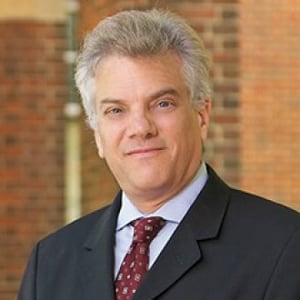
Sudler Family Professor of Constitutional Law, New York University School of Law
Richard H. Pildes is one of the nation’s leading scholars of constitutional law and a specialist in legal issues affecting democracy. He is a Member of the American Academy of Arts and Sciences and the American Law Institute, and has received recognition as a Guggenheim Fellow and a Carnegie Scholar. His acclaimed casebook, The Law of Democracy: Legal Structure of the Political Process (now in its fourth edition), helped create an entirely new field of study in the law schools. The Law of Democracy systematically explores legal and policy issues concerning the structure of democratic elections and institutions, such as the role of money in politics, the design of election districts, the regulation of political parties, the design of voting systems, the representation of minority interests in democratic institutions, and similar issues. He has written extensively on the rise of political polarization in the United States, the Voting Rights Act, the dysfunction of America’s political processes, the role of the Supreme Court in overseeing American democracy, the powers of the American President and Congress, and he has criticized excessively “romantic” understandings of democracy. In addition to his scholarship on these issues, he has written on national-security law, the design of the regulatory state, and American constitutional history and theory.
Respect for his expertise in these areas is reflected in frequent citations of his work in U.S. Supreme Court opinions, the translation of his work into many languages, and his frequent public lectures and appearances around the world, including his nomination with the NBC News Team for an Emmy Award for coverage of the 2000 Presidential election litigation.
His work has been translated and published in Chinese, French, Spanish, and Portuguese. In addition to his scholarship, Professor Pildes plays an active role litigating in these areas. He has won two cases before the United States Supreme Court, including a 2015 victory in Alabama Democratic Conference v. Alabama, a case involving race and redistricting. He served as counsel to a group of former chairmen of the Securities and Exchange Commission in litigation defending the constitutionality of the Sarbanes-Oxley Act; as counsel in election litigation to the Puerto Rico Electoral Commission; as counsel to the government of Puerto Rico; as a federal court-appointed independent expert on voting rights litigation; and as counsel in successful Supreme Court litigation that challenged the way the United States Tax Court operated. He was also a senior legal advisor to the 2008 and 2012 campaigns of President Obama.
Pildes received his A.B. in physical chemistry summa cum laude from Princeton, and his J.D. magna cum laude from Harvard, where he served as Supreme Court Note Editor on the Harvard Law Review. He clerked for Judge Abner J. Mikva of the U.S. Court of Appeals for the District of Columbia Circuit and for Justice Thurgood Marshall of the U.S. Supreme Court. After practicing law in Boston, he began his academic career at the University of Michigan Law School, before joining the NYU School of Law in 2001.
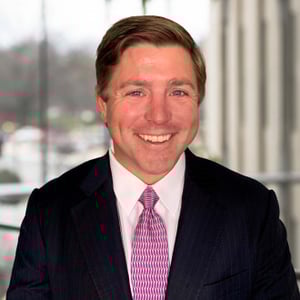
General Counsel, xAI and X
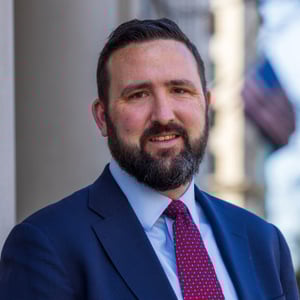
Partner, First & Fourteenth PLLC
Michael Francisco is a public and commercial litigator with extensive appellate experience who often serves as a strategic advisor to clients facing acute legal challenges. He has represented clients nationally for public impact litigation, bet-the-company lawsuits, and in defense of constitutional rights. Michael served as a law clerk to Supreme Court Justice Neil Gorsuch and Judge Timothy Tymkovich of the United States Court of Appeals for the Tenth Circuit.
Michael regularly takes on challenging matters where citizens must rely on the judiciary to vindicate their rights. His experience runs the gambit from successfully seeking injunctive relief, winning critical legal motions, defending judgments on appeal, overturning multi-million-dollar judgments, and obtaining discretionary high court review. He relishes the opportunity to develop a well-crafted legal strategy to solve the most novel and complex problems that may arise.
Michael has deep experience with political litigation representing candidates, voters, political parties, and advocacy organizations for ballot access, election administration, campaign finance, and for the unfortunate trend of criminalization of political activity.
After deciding to pursue a legal career to defend religious liberty, Michael has regularly engaged in constitutional litigation under the religion clauses and the free speech clause. He has been involved in many recent U.S. Supreme Court cases involving these core freedoms, including Groff v. DeJoy, 303 Creative v. Elenis, Masterpiece Cakeshop v. Colorado Civil Rights Commission, National Institute of Family & Life Advocates v. Becerra, Trinity Lutheran Church v. Pauley, and similar cases in lower courts on topics ranging from the ministerial exception, church property disputes, to religious land use disputes.
As an appellate advocate Michael frequently handles matters before the U.S. Supreme Court, federal courts of appeals, and Colorado appellate courts. He has argued four times before the Colorado Supreme Court and briefed 19 cases before the U.S. Supreme Court.
Michael also frequently advises clients on strategic public matters challenging federal government authority and overreach. He has regularly litigated business disputes, employment matters, as well as represented clients before state and federal administrative agencies or arbitration panels.
Prior to joining First & Fourteenth, Michael was a partner at McGuireWoods, LLP in Washington D.C., representing litigation, white collar, and government investigation clients.
At home Michael is married with four children and he enjoys many outdoor activities, ranging from competitive shooting to fixing his jeep.
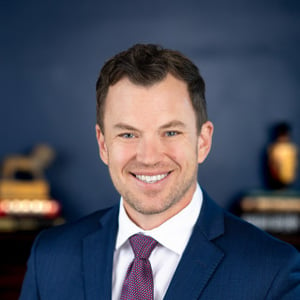
President and Co-Founder, America First Legal Foundation
Gene Hamilton is the President of America First Legal, which he co-founded, and where he was previously the Executive Director, Executive Vice President, and General Counsel. He most recently served as Deputy White House Counsel to President Donald Trump. Earlier in his career, Gene served as Counselor to Attorney General at the U.S. Department of Justice and as Senior Counselor to the Secretary of Homeland Security. He also served as General Counsel on the Senate Judiciary Committee and held several roles at the Department of Homeland Security, including with U.S. Immigration Enforcement, U.S. Customs and Border Protection and the Office of the General Counsel. He holds a B.A. from the University of Georgia and a J.D. from Washington and Lee University School of Law.
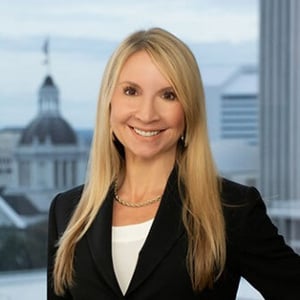
Clinical Professor and Director of the First Amendment Clinic, Florida State University College of Law
Denise Mayo Harle is a clinical professor and director of the First Amendment Clinic at FSU College of Law, where she leads student advocacy and litigation on free speech, religious liberty, and press freedom issues. Her teaching and scholarship focus on constitutional law, appellate practice, and First Amendment rights. Before entering academia, Professor Harle was a partner at Shutts & Bowen LLP in Tallahassee, where she was a member of the firm’s Appellate Practice Group and Constitutional Law Practice Area. Prior to that, she served as Deputy Solicitor General in the Office of the Florida Attorney General. Professor Harle has briefed and argued high-profile cases involving significant constitutional issues and questions of statutory interpretation in both state and federal courts, including the U.S. Supreme Court.
Professor Harle’s early career includes clerking for Justice Ricky L. Polston on the Florida Supreme Court and practicing appellate law in California. In 2022, she was selected as a finalist for a seat on the Florida Supreme Court. She was appointed by Governor Ron DeSantis to Florida’s Faith and Community Advisory Council and currently serves on the Judicial Nominating Commission for Florida’s Second Circuit. She was also selected for the prestigious U.S. Supreme Court Fellowship through the National Association of Attorneys General in 2017. She earned her J.D. cum laude from Duke University Law School and her B.A. and B.S. summa cum laude from Florida State University.
Professor Harle is active in the legal and academic communities. She is a member of the American Enterprise Institute’s Leadership Network and the Federalist Society’s Speakers Bureau. She has served on the board of Tallahassee Women Lawyers, the Florida Bar’s Client Security Fund Committee, and the First District Appellate American Inn of Court.
Before practicing law, Professor Harle completed doctoral coursework in Political Science at Stanford University as a Stanford Graduate Fellow, where she taught undergraduate courses on public policy, law, and American politics, and earned a Master’s degree. She continues to serve as a dissertation faculty advisor for Concordia University–St. Paul mentors doctoral students in research and writing.
A frequent speaker and media commentator on constitutional law, Professor Harle has been quoted in The Wall Street Journal, The Washington Post, and The New York Times, and has appeared on national outlets including C-SPAN and Fox News. She has also testified before the U.S. Senate on matters of constitutional significance.
Professor of Law, Notre Dame Law School
Professor Derek Muller is a nationally-recognized scholar in the field of election law. His research focuses on the role of states in the administration of federal elections, the constitutional contours of voting rights and election administration, the limits of judicial power in the domain of elections, and the Electoral College.
He has published more than two dozen academic works, and his op-eds have appeared in the New York Times, the Los Angeles Times, and the Wall Street Journal. He has testified before Congress, and he is a contributor at the Election Law Blog. He is a co-author on a Federal Courts casebook published by Carolina Academic Press. He is also the co-reporter on a new Restatement of the Law, Election Litigation, an effort led by the American Law Institute.
Professor Muller teaches Election Law, Civil Procedure, and Evidence.
General Counsel, xAI and X
Partner, First & Fourteenth PLLC
Michael Francisco is a public and commercial litigator with extensive appellate experience who often serves as a strategic advisor to clients facing acute legal challenges. He has represented clients nationally for public impact litigation, bet-the-company lawsuits, and in defense of constitutional rights. Michael served as a law clerk to Supreme Court Justice Neil Gorsuch and Judge Timothy Tymkovich of the United States Court of Appeals for the Tenth Circuit.
Michael regularly takes on challenging matters where citizens must rely on the judiciary to vindicate their rights. His experience runs the gambit from successfully seeking injunctive relief, winning critical legal motions, defending judgments on appeal, overturning multi-million-dollar judgments, and obtaining discretionary high court review. He relishes the opportunity to develop a well-crafted legal strategy to solve the most novel and complex problems that may arise.
Michael has deep experience with political litigation representing candidates, voters, political parties, and advocacy organizations for ballot access, election administration, campaign finance, and for the unfortunate trend of criminalization of political activity.
After deciding to pursue a legal career to defend religious liberty, Michael has regularly engaged in constitutional litigation under the religion clauses and the free speech clause. He has been involved in many recent U.S. Supreme Court cases involving these core freedoms, including Groff v. DeJoy, 303 Creative v. Elenis, Masterpiece Cakeshop v. Colorado Civil Rights Commission, National Institute of Family & Life Advocates v. Becerra, Trinity Lutheran Church v. Pauley, and similar cases in lower courts on topics ranging from the ministerial exception, church property disputes, to religious land use disputes.
As an appellate advocate Michael frequently handles matters before the U.S. Supreme Court, federal courts of appeals, and Colorado appellate courts. He has argued four times before the Colorado Supreme Court and briefed 19 cases before the U.S. Supreme Court.
Michael also frequently advises clients on strategic public matters challenging federal government authority and overreach. He has regularly litigated business disputes, employment matters, as well as represented clients before state and federal administrative agencies or arbitration panels.
Prior to joining First & Fourteenth, Michael was a partner at McGuireWoods, LLP in Washington D.C., representing litigation, white collar, and government investigation clients.
At home Michael is married with four children and he enjoys many outdoor activities, ranging from competitive shooting to fixing his jeep.
President and Co-Founder, America First Legal Foundation
Gene Hamilton is the President of America First Legal, which he co-founded, and where he was previously the Executive Director, Executive Vice President, and General Counsel. He most recently served as Deputy White House Counsel to President Donald Trump. Earlier in his career, Gene served as Counselor to Attorney General at the U.S. Department of Justice and as Senior Counselor to the Secretary of Homeland Security. He also served as General Counsel on the Senate Judiciary Committee and held several roles at the Department of Homeland Security, including with U.S. Immigration Enforcement, U.S. Customs and Border Protection and the Office of the General Counsel. He holds a B.A. from the University of Georgia and a J.D. from Washington and Lee University School of Law.
Clinical Professor and Director of the First Amendment Clinic, Florida State University College of Law
Denise Mayo Harle is a clinical professor and director of the First Amendment Clinic at FSU College of Law, where she leads student advocacy and litigation on free speech, religious liberty, and press freedom issues. Her teaching and scholarship focus on constitutional law, appellate practice, and First Amendment rights. Before entering academia, Professor Harle was a partner at Shutts & Bowen LLP in Tallahassee, where she was a member of the firm’s Appellate Practice Group and Constitutional Law Practice Area. Prior to that, she served as Deputy Solicitor General in the Office of the Florida Attorney General. Professor Harle has briefed and argued high-profile cases involving significant constitutional issues and questions of statutory interpretation in both state and federal courts, including the U.S. Supreme Court.
Professor Harle’s early career includes clerking for Justice Ricky L. Polston on the Florida Supreme Court and practicing appellate law in California. In 2022, she was selected as a finalist for a seat on the Florida Supreme Court. She was appointed by Governor Ron DeSantis to Florida’s Faith and Community Advisory Council and currently serves on the Judicial Nominating Commission for Florida’s Second Circuit. She was also selected for the prestigious U.S. Supreme Court Fellowship through the National Association of Attorneys General in 2017. She earned her J.D. cum laude from Duke University Law School and her B.A. and B.S. summa cum laude from Florida State University.
Professor Harle is active in the legal and academic communities. She is a member of the American Enterprise Institute’s Leadership Network and the Federalist Society’s Speakers Bureau. She has served on the board of Tallahassee Women Lawyers, the Florida Bar’s Client Security Fund Committee, and the First District Appellate American Inn of Court.
Before practicing law, Professor Harle completed doctoral coursework in Political Science at Stanford University as a Stanford Graduate Fellow, where she taught undergraduate courses on public policy, law, and American politics, and earned a Master’s degree. She continues to serve as a dissertation faculty advisor for Concordia University–St. Paul mentors doctoral students in research and writing.
A frequent speaker and media commentator on constitutional law, Professor Harle has been quoted in The Wall Street Journal, The Washington Post, and The New York Times, and has appeared on national outlets including C-SPAN and Fox News. She has also testified before the U.S. Senate on matters of constitutional significance.
Professor of Law, Notre Dame Law School
Professor Derek Muller is a nationally-recognized scholar in the field of election law. His research focuses on the role of states in the administration of federal elections, the constitutional contours of voting rights and election administration, the limits of judicial power in the domain of elections, and the Electoral College.
He has published more than two dozen academic works, and his op-eds have appeared in the New York Times, the Los Angeles Times, and the Wall Street Journal. He has testified before Congress, and he is a contributor at the Election Law Blog. He is a co-author on a Federal Courts casebook published by Carolina Academic Press. He is also the co-reporter on a new Restatement of the Law, Election Litigation, an effort led by the American Law Institute.
Professor Muller teaches Election Law, Civil Procedure, and Evidence.
Partner, First & Fourteenth PLLC
Michael Francisco is a public and commercial litigator with extensive appellate experience who often serves as a strategic advisor to clients facing acute legal challenges. He has represented clients nationally for public impact litigation, bet-the-company lawsuits, and in defense of constitutional rights. Michael served as a law clerk to Supreme Court Justice Neil Gorsuch and Judge Timothy Tymkovich of the United States Court of Appeals for the Tenth Circuit.
Michael regularly takes on challenging matters where citizens must rely on the judiciary to vindicate their rights. His experience runs the gambit from successfully seeking injunctive relief, winning critical legal motions, defending judgments on appeal, overturning multi-million-dollar judgments, and obtaining discretionary high court review. He relishes the opportunity to develop a well-crafted legal strategy to solve the most novel and complex problems that may arise.
Michael has deep experience with political litigation representing candidates, voters, political parties, and advocacy organizations for ballot access, election administration, campaign finance, and for the unfortunate trend of criminalization of political activity.
After deciding to pursue a legal career to defend religious liberty, Michael has regularly engaged in constitutional litigation under the religion clauses and the free speech clause. He has been involved in many recent U.S. Supreme Court cases involving these core freedoms, including Groff v. DeJoy, 303 Creative v. Elenis, Masterpiece Cakeshop v. Colorado Civil Rights Commission, National Institute of Family & Life Advocates v. Becerra, Trinity Lutheran Church v. Pauley, and similar cases in lower courts on topics ranging from the ministerial exception, church property disputes, to religious land use disputes.
As an appellate advocate Michael frequently handles matters before the U.S. Supreme Court, federal courts of appeals, and Colorado appellate courts. He has argued four times before the Colorado Supreme Court and briefed 19 cases before the U.S. Supreme Court.
Michael also frequently advises clients on strategic public matters challenging federal government authority and overreach. He has regularly litigated business disputes, employment matters, as well as represented clients before state and federal administrative agencies or arbitration panels.
Prior to joining First & Fourteenth, Michael was a partner at McGuireWoods, LLP in Washington D.C., representing litigation, white collar, and government investigation clients.
At home Michael is married with four children and he enjoys many outdoor activities, ranging from competitive shooting to fixing his jeep.
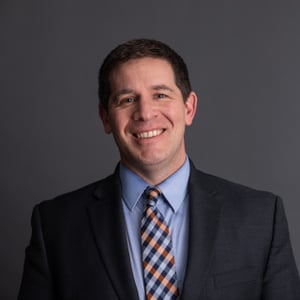
Vice President for Legal Strategy, Stand Together
Casey Mattox is Vice President for Legal Strategy at Stand Together and Senior Advisor at
Americans for Prosperity. In these roles he advocates for and creates strategies and
partnerships to ensure a constitutionally limited government that protects the civil liberties of all
Americans. Prior to joining Stand Together and AFP Casey’s legal career focused on defending
the First Amendment rights of students, faculty, healthcare workers and religious organizations.
Casey has a J.D. from Boston College School of Law and an undergraduate degree from the
University of Virginia. You can find him on Twitter at @CaseyMattox_ and on LinkedIn at
@Casey-Mattox-ST.
Professor of Law, Notre Dame Law School
Professor Derek Muller is a nationally-recognized scholar in the field of election law. His research focuses on the role of states in the administration of federal elections, the constitutional contours of voting rights and election administration, the limits of judicial power in the domain of elections, and the Electoral College.
He has published more than two dozen academic works, and his op-eds have appeared in the New York Times, the Los Angeles Times, and the Wall Street Journal. He has testified before Congress, and he is a contributor at the Election Law Blog. He is a co-author on a Federal Courts casebook published by Carolina Academic Press. He is also the co-reporter on a new Restatement of the Law, Election Litigation, an effort led by the American Law Institute.
Professor Muller teaches Election Law, Civil Procedure, and Evidence.
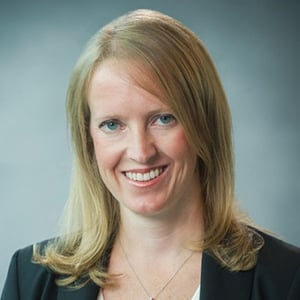
Partner, Clement & Murphy, PLLC
Erin Murphy is founding partner of Clement & Murphy, PLLC. She is widely recognized as one of the nation’s leading Supreme Court and appellate advocates. She has argued dozens of cases in appellate and trial courts throughout the country, including the Supreme Court and nearly all of the federal courts of appeals. Erin has long been ranked by Chambers & Partners rankings as a leading appellate practitioner, and the National Law Journal has named her one of the nation’s “Outstanding Women Lawyers.” Erin also has an active pro bono practice, through which she has successfully represented many religious organizations and adherents, criminal defendants, asylum applicants, adoptive parents, and more.
Erin is an adjunct professor at her alma mater the Georgetown University Law Center, a member and former officer of the Edward Coke Appellate Inn of Court, and a frequent speaker on topics relating to the Supreme Court and appellate advocacy. In her spare time, Erin serves on the board of directors of Street Law.
Partner, First & Fourteenth PLLC
Michael Francisco is a public and commercial litigator with extensive appellate experience who often serves as a strategic advisor to clients facing acute legal challenges. He has represented clients nationally for public impact litigation, bet-the-company lawsuits, and in defense of constitutional rights. Michael served as a law clerk to Supreme Court Justice Neil Gorsuch and Judge Timothy Tymkovich of the United States Court of Appeals for the Tenth Circuit.
Michael regularly takes on challenging matters where citizens must rely on the judiciary to vindicate their rights. His experience runs the gambit from successfully seeking injunctive relief, winning critical legal motions, defending judgments on appeal, overturning multi-million-dollar judgments, and obtaining discretionary high court review. He relishes the opportunity to develop a well-crafted legal strategy to solve the most novel and complex problems that may arise.
Michael has deep experience with political litigation representing candidates, voters, political parties, and advocacy organizations for ballot access, election administration, campaign finance, and for the unfortunate trend of criminalization of political activity.
After deciding to pursue a legal career to defend religious liberty, Michael has regularly engaged in constitutional litigation under the religion clauses and the free speech clause. He has been involved in many recent U.S. Supreme Court cases involving these core freedoms, including Groff v. DeJoy, 303 Creative v. Elenis, Masterpiece Cakeshop v. Colorado Civil Rights Commission, National Institute of Family & Life Advocates v. Becerra, Trinity Lutheran Church v. Pauley, and similar cases in lower courts on topics ranging from the ministerial exception, church property disputes, to religious land use disputes.
As an appellate advocate Michael frequently handles matters before the U.S. Supreme Court, federal courts of appeals, and Colorado appellate courts. He has argued four times before the Colorado Supreme Court and briefed 19 cases before the U.S. Supreme Court.
Michael also frequently advises clients on strategic public matters challenging federal government authority and overreach. He has regularly litigated business disputes, employment matters, as well as represented clients before state and federal administrative agencies or arbitration panels.
Prior to joining First & Fourteenth, Michael was a partner at McGuireWoods, LLP in Washington D.C., representing litigation, white collar, and government investigation clients.
At home Michael is married with four children and he enjoys many outdoor activities, ranging from competitive shooting to fixing his jeep.
Vice President for Legal Strategy, Stand Together
Casey Mattox is Vice President for Legal Strategy at Stand Together and Senior Advisor at
Americans for Prosperity. In these roles he advocates for and creates strategies and
partnerships to ensure a constitutionally limited government that protects the civil liberties of all
Americans. Prior to joining Stand Together and AFP Casey’s legal career focused on defending
the First Amendment rights of students, faculty, healthcare workers and religious organizations.
Casey has a J.D. from Boston College School of Law and an undergraduate degree from the
University of Virginia. You can find him on Twitter at @CaseyMattox_ and on LinkedIn at
@Casey-Mattox-ST.
Professor of Law, Notre Dame Law School
Professor Derek Muller is a nationally-recognized scholar in the field of election law. His research focuses on the role of states in the administration of federal elections, the constitutional contours of voting rights and election administration, the limits of judicial power in the domain of elections, and the Electoral College.
He has published more than two dozen academic works, and his op-eds have appeared in the New York Times, the Los Angeles Times, and the Wall Street Journal. He has testified before Congress, and he is a contributor at the Election Law Blog. He is a co-author on a Federal Courts casebook published by Carolina Academic Press. He is also the co-reporter on a new Restatement of the Law, Election Litigation, an effort led by the American Law Institute.
Professor Muller teaches Election Law, Civil Procedure, and Evidence.
Partner, Clement & Murphy, PLLC
Erin Murphy is founding partner of Clement & Murphy, PLLC. She is widely recognized as one of the nation’s leading Supreme Court and appellate advocates. She has argued dozens of cases in appellate and trial courts throughout the country, including the Supreme Court and nearly all of the federal courts of appeals. Erin has long been ranked by Chambers & Partners rankings as a leading appellate practitioner, and the National Law Journal has named her one of the nation’s “Outstanding Women Lawyers.” Erin also has an active pro bono practice, through which she has successfully represented many religious organizations and adherents, criminal defendants, asylum applicants, adoptive parents, and more.
Erin is an adjunct professor at her alma mater the Georgetown University Law Center, a member and former officer of the Edward Coke Appellate Inn of Court, and a frequent speaker on topics relating to the Supreme Court and appellate advocacy. In her spare time, Erin serves on the board of directors of Street Law.
Professor of Law, Notre Dame Law School
Professor Derek Muller is a nationally-recognized scholar in the field of election law. His research focuses on the role of states in the administration of federal elections, the constitutional contours of voting rights and election administration, the limits of judicial power in the domain of elections, and the Electoral College.
He has published more than two dozen academic works, and his op-eds have appeared in the New York Times, the Los Angeles Times, and the Wall Street Journal. He has testified before Congress, and he is a contributor at the Election Law Blog. He is a co-author on a Federal Courts casebook published by Carolina Academic Press. He is also the co-reporter on a new Restatement of the Law, Election Litigation, an effort led by the American Law Institute.
Professor Muller teaches Election Law, Civil Procedure, and Evidence.

Litigation Update: International Partners for Ethical Care v. Ferguson
Teresa Stanton Collett, R. Shawn Gunnarson, Derek T. Muller
In International Partners for Ethical Care v. Ferguson, the Supreme Court has been asked to...
Litigation Update: International Partners for Ethical Care v. Ferguson
Teresa Stanton Collett, R. Shawn Gunnarson, Derek T. Muller
In International Partners for Ethical Care v. Ferguson, the Supreme Court has been asked to...
Moving Away from ABA Accreditation?
Michael S. McGinniss, Derek T. Muller, Daniel B. Rodriguez, Daniel R. Thies
The Council of the ABA's Section of Legal Education and Admissions to the Bar has...
Moving Away from ABA Accreditation?
Michael S. McGinniss, Derek T. Muller, Daniel B. Rodriguez, Daniel R. Thies
The Council of the ABA's Section of Legal Education and Admissions to the Bar has...
Race and Redistricting: How Are We to Understand the VRA?
Edward D. Greim, Abhishek Kambli, Kenneth Kiyul Lee, Derek T. Muller, Richard H. Pildes
Election Law Practice Group
The Voting Rights Act (VRA) is at a crossroads. Section Two of the VRA forbids...
Ethics or Ideology? Bar Associations and the Boundaries of Professional Discipline
James M. Burnham, Michael Francisco, Gene P. Hamilton, Denise M. Harle, Derek T. Muller
Across the country, bar associations are increasingly at the center of legal and political controversy....
Ethics or Ideology? Bar Associations and the Boundaries of Professional Discipline
James M. Burnham, Michael Francisco, Gene P. Hamilton, Denise M. Harle, Derek T. Muller
Across the country, bar associations are increasingly at the center of legal and political controversy....
Trump v. Big Law
Michael Francisco, Casey Mattox, Derek T. Muller, Erin E. Murphy
Discussing the Law Firm EOs & Associated Litigation
President Trump has issued several executive orders addressing alleged national security threats and discriminatory practices...
Trump v. Big Law
Michael Francisco, Casey Mattox, Derek T. Muller, Erin E. Murphy
Discussing the Law Firm EOs & Associated Litigation
President Trump has issued several executive orders addressing alleged national security threats and discriminatory practices...
Trump v. Anderson - Post-Decision SCOTUScast
Derek T. Muller
Derek Muller
On March 4, 2024, the Supreme Court issued its ruling in Trump v. Anderson. At issue...