
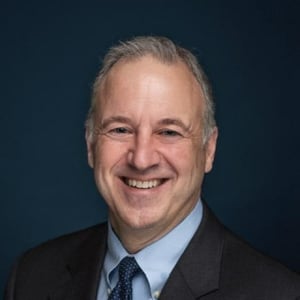
Senior Counsel, Litigation, Defense of Freedom Institute
Don Daugherty is Senior Counsel, Litigation, at the Defense of Freedom Institute for Policy Studies. He previously served as a Senior Counsel at the Institute for Free Speech and the Wisconsin Institute for Law & Liberty. Before that, he was a partner at three of Wisconsin’s largest firms, with nearly 30 years of trial and appellate litigation experience. He has been consistently recognized as among the “Best Lawyers in America,” as well as Wisconsin’s “Super Lawyers.” He received his B.A. from the University of Virginia and his J.D. from Northwestern University Law School. After law school, he served as a clerk to the Honorable Roger J. Miner of the United States Court of Appeals for the Second Circuit.
Don is on the Board of Advisors for the Milwaukee Lawyers’ Chapter of the Federalist Society, and on the Executive Committee of the Federalist Society’s Litigation Practice Group.
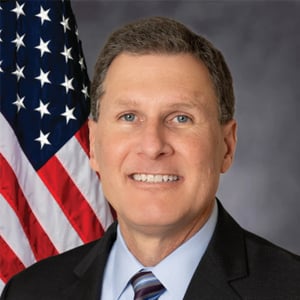
United States Attorney, Eastern District of California
Mr. Grant was appointed by Attorney General Pam Bondi to serve as the United States Attorney for the Eastern District of California beginning on August 11, 2025. Pursuant to 28 U.S.C. § 546(d), he was further appointed by the district court effective December 9, 2025.
Mr. Grant is a veteran of the Department of Justice, having served twice in Washington, D.C.: from 1991 to 1993 as an Attorney-Adviser in the Office of Legal Counsel, and from 2017 to 2021 as a Deputy Assistant Attorney General in the Environment and Natural Resources Division (ENRD). During his tenure at ENRD, he supervised more than a hundred Department litigators advancing the interests of the United States and its agencies in both enforcement and defensive matters, both civil and criminal.
In addition to his service in the Department, Mr. Grant has decades of experience in private practice in Washington, D.C. and Sacramento. That experience includes arguments in the U.S. Supreme Court, the California Supreme Court, and numerous other federal and state courts.
Mr. Grant served as a law clerk to Chief Justice Warren E. Burger (retired) and Associate Justice Clarence Thomas during the Supreme Court’s October 1994 Term. Earlier he served as a law clerk to Judge Edith H. Jones of the U.S. Court of Appeals for the Fifth Circuit in Houston, Texas.
Mr. Grant grew up in Modesto, California and raised his family in Sacramento County. He attended the University of California, Berkeley, from which he earned a bachelor’s degree in economics (1986) and a law degree (1990).
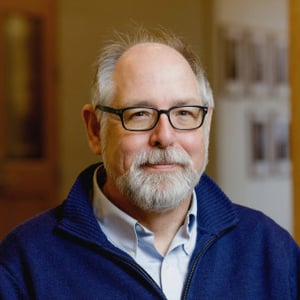
Emmett Visiting Assistant Clinical Professor of Law in Environmental Law, Harvard Law School
Andrew Mergen is a Visiting Assistant Clinical Professor of Law and Faculty Director of the Emmett Environmental Law & Policy Clinic. Prior to joining the Harvard Law School faculty, Andrew Mergen served in the Appellate Section of the Environment & Natural Resources Division (ENRD) at the United States Department of Justice. Professor Mergen began his career at the Justice Department in the Honors Program and concluded his career as Chief of ENRD’s Appellate Section. He has presented oral arguments in all 13 federal courts of appeals, including two en banc courts, and before several state intermediate and supreme courts. He has also worked on over a dozen merits cases in the Supreme Court of the United States. In addition, in 2009, Professor Mergen assisted the Office of White House Counsel on the confirmation of the Honorable Sonia Sotomayor as Associate Justice of the Supreme Court. During his career at the Justice Department, Professor Mergen received the Attorney General’s Award for Distinguished Service three times. He also received ENRD’s Muskee-Chafee Award, honoring his work’s significant contribution to protecting the environment.
Before entering clinical teaching, Professor Mergen taught at several law schools including, Harvard Law School (Advanced Environmental Law), the University of Michigan Law School (Natural Resources Law) and the William S. Richardson School of Law, University of Hawaii-Manoa (Administrative Law). Professor Mergen has written about federal water rights in “A Misplaced Sensitivity: The Draft Opinions in Wyoming v. United States” (68 Colo. L. Rev. 683 (1997), with Sylvia F. Liu); energy development on public lands in “Surface Tension: The Problem of Federal Private Split Estates” (33 Land & Water L. Rev. 419 (1998)); climate change and the Endangered Species Act in “The Role of Climate Change in ESA Listing Decisions” (53 Rocky Mt. Min. L. Fdn. 67 (2016), with Murray Feldman) and the accommodation of Native American sacred sites on federal land in “Finding the Path Forward for Indigenous Sacred and Cultural Spaces on Federal Public Land,” 68 Nat. Resources & Energy L. Inst. 32-1 (2022). Professor Mergen is a graduate of the University of Wisconsin—Madison and the George Washington University Law School.
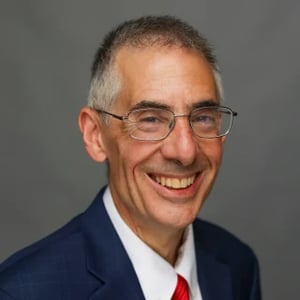
Wendell H. Ford Professor of Law, University of Kentucky J. David Rosenberg College of Law
Paul E. Salamanca graduated from Dartmouth College in 1983 and Boston College Law School in 1989, where he was a note editor for the Boston College Law Review and a member of the Order of the Coif.
Professor Salamanca served as a law clerk to Judge David H. Souter of the U.S. Court of Appeals for the First Circuit, and subsequently clerked for Justice Souter on the U.S. Supreme Court. He practiced law with the firm of Debevoise & Plimpton in New York from 1991 to 1994 and was a visiting assistant professor of law at Loyola University School of Law in New Orleans before joining the faculty at the University of Kentucky College of Law in June 1995.
Professor Salamanca writes in the areas of separation of powers, freedom of speech, freedom of religion, and privacy. He has published articles on these subjects in the University of Cincinnati Law Review, the Missouri Law Review, the Georgia Law Review and the Kentucky Law Journal, among other places.
From 2019 until 2021, Professor Salamanca served as a Senior Counsel and then as a Deputy Assistant Attorney General in the Environment and Natural Resources Division (ENRD) of the United States Department of Justice. His duties included supervision of the Natural Resources and Land Acquisition Sections of ENRD.
United States Attorney, Eastern District of California
Mr. Grant was appointed by Attorney General Pam Bondi to serve as the United States Attorney for the Eastern District of California beginning on August 11, 2025. Pursuant to 28 U.S.C. § 546(d), he was further appointed by the district court effective December 9, 2025.
Mr. Grant is a veteran of the Department of Justice, having served twice in Washington, D.C.: from 1991 to 1993 as an Attorney-Adviser in the Office of Legal Counsel, and from 2017 to 2021 as a Deputy Assistant Attorney General in the Environment and Natural Resources Division (ENRD). During his tenure at ENRD, he supervised more than a hundred Department litigators advancing the interests of the United States and its agencies in both enforcement and defensive matters, both civil and criminal.
In addition to his service in the Department, Mr. Grant has decades of experience in private practice in Washington, D.C. and Sacramento. That experience includes arguments in the U.S. Supreme Court, the California Supreme Court, and numerous other federal and state courts.
Mr. Grant served as a law clerk to Chief Justice Warren E. Burger (retired) and Associate Justice Clarence Thomas during the Supreme Court’s October 1994 Term. Earlier he served as a law clerk to Judge Edith H. Jones of the U.S. Court of Appeals for the Fifth Circuit in Houston, Texas.
Mr. Grant grew up in Modesto, California and raised his family in Sacramento County. He attended the University of California, Berkeley, from which he earned a bachelor’s degree in economics (1986) and a law degree (1990).
Emmett Visiting Assistant Clinical Professor of Law in Environmental Law, Harvard Law School
Andrew Mergen is a Visiting Assistant Clinical Professor of Law and Faculty Director of the Emmett Environmental Law & Policy Clinic. Prior to joining the Harvard Law School faculty, Andrew Mergen served in the Appellate Section of the Environment & Natural Resources Division (ENRD) at the United States Department of Justice. Professor Mergen began his career at the Justice Department in the Honors Program and concluded his career as Chief of ENRD’s Appellate Section. He has presented oral arguments in all 13 federal courts of appeals, including two en banc courts, and before several state intermediate and supreme courts. He has also worked on over a dozen merits cases in the Supreme Court of the United States. In addition, in 2009, Professor Mergen assisted the Office of White House Counsel on the confirmation of the Honorable Sonia Sotomayor as Associate Justice of the Supreme Court. During his career at the Justice Department, Professor Mergen received the Attorney General’s Award for Distinguished Service three times. He also received ENRD’s Muskee-Chafee Award, honoring his work’s significant contribution to protecting the environment.
Before entering clinical teaching, Professor Mergen taught at several law schools including, Harvard Law School (Advanced Environmental Law), the University of Michigan Law School (Natural Resources Law) and the William S. Richardson School of Law, University of Hawaii-Manoa (Administrative Law). Professor Mergen has written about federal water rights in “A Misplaced Sensitivity: The Draft Opinions in Wyoming v. United States” (68 Colo. L. Rev. 683 (1997), with Sylvia F. Liu); energy development on public lands in “Surface Tension: The Problem of Federal Private Split Estates” (33 Land & Water L. Rev. 419 (1998)); climate change and the Endangered Species Act in “The Role of Climate Change in ESA Listing Decisions” (53 Rocky Mt. Min. L. Fdn. 67 (2016), with Murray Feldman) and the accommodation of Native American sacred sites on federal land in “Finding the Path Forward for Indigenous Sacred and Cultural Spaces on Federal Public Land,” 68 Nat. Resources & Energy L. Inst. 32-1 (2022). Professor Mergen is a graduate of the University of Wisconsin—Madison and the George Washington University Law School.
Wendell H. Ford Professor of Law, University of Kentucky J. David Rosenberg College of Law
Paul E. Salamanca graduated from Dartmouth College in 1983 and Boston College Law School in 1989, where he was a note editor for the Boston College Law Review and a member of the Order of the Coif.
Professor Salamanca served as a law clerk to Judge David H. Souter of the U.S. Court of Appeals for the First Circuit, and subsequently clerked for Justice Souter on the U.S. Supreme Court. He practiced law with the firm of Debevoise & Plimpton in New York from 1991 to 1994 and was a visiting assistant professor of law at Loyola University School of Law in New Orleans before joining the faculty at the University of Kentucky College of Law in June 1995.
Professor Salamanca writes in the areas of separation of powers, freedom of speech, freedom of religion, and privacy. He has published articles on these subjects in the University of Cincinnati Law Review, the Missouri Law Review, the Georgia Law Review and the Kentucky Law Journal, among other places.
From 2019 until 2021, Professor Salamanca served as a Senior Counsel and then as a Deputy Assistant Attorney General in the Environment and Natural Resources Division (ENRD) of the United States Department of Justice. His duties included supervision of the Natural Resources and Land Acquisition Sections of ENRD.
United States Attorney, Eastern District of California
Mr. Grant was appointed by Attorney General Pam Bondi to serve as the United States Attorney for the Eastern District of California beginning on August 11, 2025. Pursuant to 28 U.S.C. § 546(d), he was further appointed by the district court effective December 9, 2025.
Mr. Grant is a veteran of the Department of Justice, having served twice in Washington, D.C.: from 1991 to 1993 as an Attorney-Adviser in the Office of Legal Counsel, and from 2017 to 2021 as a Deputy Assistant Attorney General in the Environment and Natural Resources Division (ENRD). During his tenure at ENRD, he supervised more than a hundred Department litigators advancing the interests of the United States and its agencies in both enforcement and defensive matters, both civil and criminal.
In addition to his service in the Department, Mr. Grant has decades of experience in private practice in Washington, D.C. and Sacramento. That experience includes arguments in the U.S. Supreme Court, the California Supreme Court, and numerous other federal and state courts.
Mr. Grant served as a law clerk to Chief Justice Warren E. Burger (retired) and Associate Justice Clarence Thomas during the Supreme Court’s October 1994 Term. Earlier he served as a law clerk to Judge Edith H. Jones of the U.S. Court of Appeals for the Fifth Circuit in Houston, Texas.
Mr. Grant grew up in Modesto, California and raised his family in Sacramento County. He attended the University of California, Berkeley, from which he earned a bachelor’s degree in economics (1986) and a law degree (1990).
Emmett Visiting Assistant Clinical Professor of Law in Environmental Law, Harvard Law School
Andrew Mergen is a Visiting Assistant Clinical Professor of Law and Faculty Director of the Emmett Environmental Law & Policy Clinic. Prior to joining the Harvard Law School faculty, Andrew Mergen served in the Appellate Section of the Environment & Natural Resources Division (ENRD) at the United States Department of Justice. Professor Mergen began his career at the Justice Department in the Honors Program and concluded his career as Chief of ENRD’s Appellate Section. He has presented oral arguments in all 13 federal courts of appeals, including two en banc courts, and before several state intermediate and supreme courts. He has also worked on over a dozen merits cases in the Supreme Court of the United States. In addition, in 2009, Professor Mergen assisted the Office of White House Counsel on the confirmation of the Honorable Sonia Sotomayor as Associate Justice of the Supreme Court. During his career at the Justice Department, Professor Mergen received the Attorney General’s Award for Distinguished Service three times. He also received ENRD’s Muskee-Chafee Award, honoring his work’s significant contribution to protecting the environment.
Before entering clinical teaching, Professor Mergen taught at several law schools including, Harvard Law School (Advanced Environmental Law), the University of Michigan Law School (Natural Resources Law) and the William S. Richardson School of Law, University of Hawaii-Manoa (Administrative Law). Professor Mergen has written about federal water rights in “A Misplaced Sensitivity: The Draft Opinions in Wyoming v. United States” (68 Colo. L. Rev. 683 (1997), with Sylvia F. Liu); energy development on public lands in “Surface Tension: The Problem of Federal Private Split Estates” (33 Land & Water L. Rev. 419 (1998)); climate change and the Endangered Species Act in “The Role of Climate Change in ESA Listing Decisions” (53 Rocky Mt. Min. L. Fdn. 67 (2016), with Murray Feldman) and the accommodation of Native American sacred sites on federal land in “Finding the Path Forward for Indigenous Sacred and Cultural Spaces on Federal Public Land,” 68 Nat. Resources & Energy L. Inst. 32-1 (2022). Professor Mergen is a graduate of the University of Wisconsin—Madison and the George Washington University Law School.
Wendell H. Ford Professor of Law, University of Kentucky J. David Rosenberg College of Law
Paul E. Salamanca graduated from Dartmouth College in 1983 and Boston College Law School in 1989, where he was a note editor for the Boston College Law Review and a member of the Order of the Coif.
Professor Salamanca served as a law clerk to Judge David H. Souter of the U.S. Court of Appeals for the First Circuit, and subsequently clerked for Justice Souter on the U.S. Supreme Court. He practiced law with the firm of Debevoise & Plimpton in New York from 1991 to 1994 and was a visiting assistant professor of law at Loyola University School of Law in New Orleans before joining the faculty at the University of Kentucky College of Law in June 1995.
Professor Salamanca writes in the areas of separation of powers, freedom of speech, freedom of religion, and privacy. He has published articles on these subjects in the University of Cincinnati Law Review, the Missouri Law Review, the Georgia Law Review and the Kentucky Law Journal, among other places.
From 2019 until 2021, Professor Salamanca served as a Senior Counsel and then as a Deputy Assistant Attorney General in the Environment and Natural Resources Division (ENRD) of the United States Department of Justice. His duties included supervision of the Natural Resources and Land Acquisition Sections of ENRD.

Panel 3: A Permit to Carry (Electricity): NEPA Litigation and Permitting Reform
CLE credit for this event is available at On-Demand CLE. The National Environmental Protection Act has...
Structure Over Spectacle: The Supreme Court's 2024 Term
Donald A. Daugherty, David C. Tryon
After several years of headline-grabbing decisions that reshaped national political debate—from abortion and affirmative action...
Courthouse Steps Oral Argument: Seven County Infrastructure Coalition v. Eagle County, Colorado
Eric Grant, Andrew Mergen, Paul E. Salamanca
This case concerns the question of whether the National Environmental Policy Act (NEPA) requires an...
Courthouse Steps Oral Argument: Seven County Infrastructure Coalition v. Eagle County, Colorado
Eric Grant, Andrew Mergen, Paul E. Salamanca
This case concerns the question of whether the National Environmental Policy Act (NEPA) requires an...
Courthouse Steps Oral Argument: Seven County Infrastructure Coalition v. Eagle County, Colorado
Topics
Seven County Infrastructure Coalition v. Eagle County: What’s at Stake in the Supreme Court’s First Major NEPA Case in 20 Years
On Tuesday, the Supreme Court hears Seven County Infrastructure Coalition v. Eagle County, a case...