

Patrick Hotung Professor of Constitutional Law, Georgetown University Law Center
Randy Barnett is the Patrick Hotung Professor of Constitutional Law at Georgetown University Law Center. He has argued before the United States Supreme Court, tried murder cases to juries as a prosecutor in Chicago, and appeared as a prosecutor in the feature film Inalienable. He is the author of numerous books, including Restoring the Lost Constitution, The Structure of Liberty, Our Republican Constitution, and The Original Meaning of the Fourteenth Amendment. He has published two memoirs, A Life for Liberty: The Making of an American Originalist, and Felony Review: Tales of True Crime and Corruption in Chicago. He is currently working on a new book, Freedom and Flourishing: Libertarianism for the Real World.
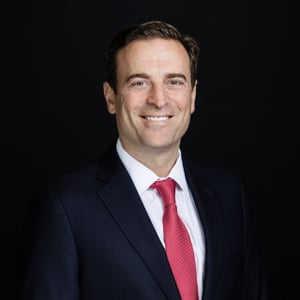
Partner, Cooper & Kirk PLLC
Adam Paul Laxalt is a partner at Cooper & Kirk which he joined in March 2019. Mr. Laxalt served as Nevada’s 33rd Attorney General from 2015-2019. Mr. Laxalt graduated Magna Cum Laude from Georgetown University and also graduated from Georgetown University Law Center. He is a former Navy and Iraq War veteran. Mr. Laxalt also served as an Assistant Professor of Law at the U.S. Naval Academy.
As Nevada’s Attorney General and top law-enforcement officer, Mr. Laxalt supervised all criminal and civil matters for Nevada’s largest law office. He provided strategic direction and supervision of almost 400 employees, thousands of legal matters, and nearly 50 trials. Mr. Laxalt served as chief legal counsel for the state of Nevada, as well as to Constitutional Officers, state agencies, boards, and commissions. He managed approximately $1.2 billion in potential civil liabilities for the state.
As a former member of the military, Laxalt’s support of service members culminated in the creation of the Office of Military Legal Assistance, a first-of-its-kind program that provides Nevada’s military members with free legal representation. The program was recently named a “Best Practice Program” by the Department of Defense with a recommendation for duplication in states throughout the country, and to date, has helped military personnel and veterans handle over 210 pro bono matters.
Consistent with his commitment to defending our nation’s constitutional principles and protecting the important role of the States in our federalist system of government, Laxalt created Nevada’s first ever Federalism Unit within the Attorney General’s Office. To protect the interests of Nevadans, the Federalism Unit has challenged multiple occasions of unlawful federal overreach, including the Environmental Protection Agency’s Waters of the United States Rule, the Bureau of Land Management’s Sage Grouse Plan, and other instances of unilateral federal executive orders. The Unit has also filed friend of the court briefs on many important issues including public roads, Environmental Protection Agency overreach, federal interference with Nevada’s criminal justice system and Second Amendment issues.
Patrick Hotung Professor of Constitutional Law, Georgetown University Law Center
Randy Barnett is the Patrick Hotung Professor of Constitutional Law at Georgetown University Law Center. He has argued before the United States Supreme Court, tried murder cases to juries as a prosecutor in Chicago, and appeared as a prosecutor in the feature film Inalienable. He is the author of numerous books, including Restoring the Lost Constitution, The Structure of Liberty, Our Republican Constitution, and The Original Meaning of the Fourteenth Amendment. He has published two memoirs, A Life for Liberty: The Making of an American Originalist, and Felony Review: Tales of True Crime and Corruption in Chicago. He is currently working on a new book, Freedom and Flourishing: Libertarianism for the Real World.
Patrick Hotung Professor of Constitutional Law, Georgetown University Law Center
Randy Barnett is the Patrick Hotung Professor of Constitutional Law at Georgetown University Law Center. He has argued before the United States Supreme Court, tried murder cases to juries as a prosecutor in Chicago, and appeared as a prosecutor in the feature film Inalienable. He is the author of numerous books, including Restoring the Lost Constitution, The Structure of Liberty, Our Republican Constitution, and The Original Meaning of the Fourteenth Amendment. He has published two memoirs, A Life for Liberty: The Making of an American Originalist, and Felony Review: Tales of True Crime and Corruption in Chicago. He is currently working on a new book, Freedom and Flourishing: Libertarianism for the Real World.
Associate Professor of Law, Notre Dame Law School
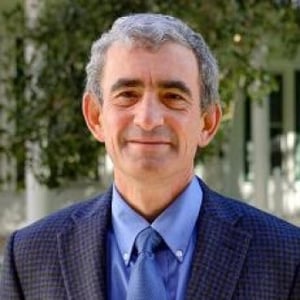
Professor and D’Alemberte Chair in Constitutional Law, Florida State University College of Law
Alexander Tsesis is the D’Alemberte chair in constitutional law at the Florida State University College of Law. He is also the general editor of the Cambridge Studies on Civil Rights and Civil Liberties and the Oxford Theoretical Foundations in Law. Tsesis’ scholarship and teaching focus on a breadth of subjects, including constitutional law, civil rights, constitutional reconstruction, interpretive methodology, free speech theory, and legal history.
Tsesis’ most recent book is Free Speech in the Balance (Cambridge University Press 2020). His previous books include Constitutional Ethos: Liberal Equality for the Common Good (Oxford University Press 2017) and For Liberty and Equality: The Life and Times of the Declaration of Independence (Oxford University Press 2012), We Shall Overcome: A History of Civil Rights and the Law (Yale University Press 2008), The Thirteenth Amendment and American Freedom (New York University Press 2004), and Destructive Messages: How Hate Speech Paved the Way for Harmful Social Movements (New York University Press 2002). He also edited a collection of essays in Promises of Liberty (Columbia University Press 2010). The subjects of his articles range from cyber speech, constitutional interpretation, civil rights law, and human rights. They have appeared or will appear in a variety of law reviews across the country, including the Boston University Law Review, Columbia Law Review, Cornell Law Review, Minnesota Law Review, Northwestern University Law Review, Southern California Law Review, Stanford Law Review, and Vanderbilt Law Review.
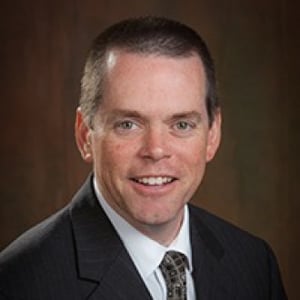
Associate Professor of Law,, St. Thomas University College of Law
Patrick Hotung Professor of Constitutional Law, Georgetown University Law Center
Randy Barnett is the Patrick Hotung Professor of Constitutional Law at Georgetown University Law Center. He has argued before the United States Supreme Court, tried murder cases to juries as a prosecutor in Chicago, and appeared as a prosecutor in the feature film Inalienable. He is the author of numerous books, including Restoring the Lost Constitution, The Structure of Liberty, Our Republican Constitution, and The Original Meaning of the Fourteenth Amendment. He has published two memoirs, A Life for Liberty: The Making of an American Originalist, and Felony Review: Tales of True Crime and Corruption in Chicago. He is currently working on a new book, Freedom and Flourishing: Libertarianism for the Real World.
Associate Professor of Law, Notre Dame Law School
Professor and D’Alemberte Chair in Constitutional Law, Florida State University College of Law
Alexander Tsesis is the D’Alemberte chair in constitutional law at the Florida State University College of Law. He is also the general editor of the Cambridge Studies on Civil Rights and Civil Liberties and the Oxford Theoretical Foundations in Law. Tsesis’ scholarship and teaching focus on a breadth of subjects, including constitutional law, civil rights, constitutional reconstruction, interpretive methodology, free speech theory, and legal history.
Tsesis’ most recent book is Free Speech in the Balance (Cambridge University Press 2020). His previous books include Constitutional Ethos: Liberal Equality for the Common Good (Oxford University Press 2017) and For Liberty and Equality: The Life and Times of the Declaration of Independence (Oxford University Press 2012), We Shall Overcome: A History of Civil Rights and the Law (Yale University Press 2008), The Thirteenth Amendment and American Freedom (New York University Press 2004), and Destructive Messages: How Hate Speech Paved the Way for Harmful Social Movements (New York University Press 2002). He also edited a collection of essays in Promises of Liberty (Columbia University Press 2010). The subjects of his articles range from cyber speech, constitutional interpretation, civil rights law, and human rights. They have appeared or will appear in a variety of law reviews across the country, including the Boston University Law Review, Columbia Law Review, Cornell Law Review, Minnesota Law Review, Northwestern University Law Review, Southern California Law Review, Stanford Law Review, and Vanderbilt Law Review.
Associate Professor of Law,, St. Thomas University College of Law
Patrick Hotung Professor of Constitutional Law, Georgetown University Law Center
Randy Barnett is the Patrick Hotung Professor of Constitutional Law at Georgetown University Law Center. He has argued before the United States Supreme Court, tried murder cases to juries as a prosecutor in Chicago, and appeared as a prosecutor in the feature film Inalienable. He is the author of numerous books, including Restoring the Lost Constitution, The Structure of Liberty, Our Republican Constitution, and The Original Meaning of the Fourteenth Amendment. He has published two memoirs, A Life for Liberty: The Making of an American Originalist, and Felony Review: Tales of True Crime and Corruption in Chicago. He is currently working on a new book, Freedom and Flourishing: Libertarianism for the Real World.
Associate Professor of Law, Notre Dame Law School
Professor and D’Alemberte Chair in Constitutional Law, Florida State University College of Law
Alexander Tsesis is the D’Alemberte chair in constitutional law at the Florida State University College of Law. He is also the general editor of the Cambridge Studies on Civil Rights and Civil Liberties and the Oxford Theoretical Foundations in Law. Tsesis’ scholarship and teaching focus on a breadth of subjects, including constitutional law, civil rights, constitutional reconstruction, interpretive methodology, free speech theory, and legal history.
Tsesis’ most recent book is Free Speech in the Balance (Cambridge University Press 2020). His previous books include Constitutional Ethos: Liberal Equality for the Common Good (Oxford University Press 2017) and For Liberty and Equality: The Life and Times of the Declaration of Independence (Oxford University Press 2012), We Shall Overcome: A History of Civil Rights and the Law (Yale University Press 2008), The Thirteenth Amendment and American Freedom (New York University Press 2004), and Destructive Messages: How Hate Speech Paved the Way for Harmful Social Movements (New York University Press 2002). He also edited a collection of essays in Promises of Liberty (Columbia University Press 2010). The subjects of his articles range from cyber speech, constitutional interpretation, civil rights law, and human rights. They have appeared or will appear in a variety of law reviews across the country, including the Boston University Law Review, Columbia Law Review, Cornell Law Review, Minnesota Law Review, Northwestern University Law Review, Southern California Law Review, Stanford Law Review, and Vanderbilt Law Review.
Associate Professor of Law,, St. Thomas University College of Law

Inaugural Fed Soc Lawyers Chapter Lunch
Reno, NevadaBottleneckers: The Origins of Occupational Licensing and What Can Be Done About Its Excesses
Dick M. Carpenter
Note from the Editor: This article critically discusses economic regulation in general and occupational licensing in...
Differing Levels of Scrutiny for Economic Regulations: "Anything Goes" Rational Basis v. Rational Basis "With Bite"
Recently, the South Carolina Supreme Court issued a decision striking down a state law that...
Topics
"Uncommonly Silly"—and Correctly Decided: The Right and Wrong of Griswold v. Connecticut and Why It Matters Today
It is one of the Supreme Court’s most consequential and controversial decisions, and no one should...
2017 James Kent Summer Academy
The Federalist Society’s James Kent Summer Academy is a program for students and recent graduates...
The Thirteenth Amendment 150 Years Later
Randy E. Barnett, Jennifer Mason McAward, Alexander Tsesis, David Upham
December 2015 marked 150 years since the ratification of the Thirteenth Amendment—an occasion of singular...
The Thirteenth Amendment 150 Years Later
Randy E. Barnett, Jennifer Mason McAward, Alexander Tsesis, David Upham
December 2015 marked 150 years since the ratification of the Thirteenth Amendment—an occasion of singular...
Against Crouching Conservative Constitutionalism
The Thirteenth Amendment 150 Years Later
19th Annual Faculty Conference
San Francisco, CAWhen Enforcing the Constitution Means Rejecting Precedent: A Reply to Greg Weiner
Part bull, part man, and nourished by Athenian blood, the minotaur has been the stuff...