The Federalist Society

Optional Login

Have an account?

Sign in

Email

Password


Forgot password?

Proceed as Guest

Continue
Our website is currently undergoing updates, some links may no longer work and content may change. Please check back soon.
The Federalist Society
  • Commentary
    • The Federalist Society Review
    • Videos
    • Publications
    • Podcasts
    • Blog
    • Briefcases
    • No. 86
  • Cases
  • Events
    • All Upcoming Events
    • FedSoc Forums
    • Webinars
    • Live Streams
    • Past Events
    • Event Photos
  • Divisions
    • Lawyers
    • Faculty
    • Student
    • Practice Groups
  • Chapters
  • Projects
    • The American History & Tradition Project
    • Structural Constitution Initiative
    • Family & Parental Rights Network
    • Armed Services Legal Network
    • In-House Counsel Network
    • A Seat at the Sitting
    • Freedom of Thought
    • Article I Initiative
    • Regulatory Transparency Project
    • State Attorneys General
    • State Courts
  • Store
    • On-Demand CLE
  • About
    • Membership
    • Jobs
    • Staff
    • Board of Directors
    • Board of Visitors
    • Opportunities
    • Internships
    • FAQ
    • History
    • Press Inquiries
  • Login
  • Donate
  • Join
  • YouTube
  • LinkedIn
  • Facebook
  • Twitter

Nook Cafe

  • Home
  • Nook Cafe
Sep 2 2025
Tuesday 12:00 p.m. CDT    

Conspiracy Over Coffee - The Supreme Court is Breaking the Law

Houston Student Chapter

Houston, TX
Speakers:
Benjamin Bryant Johnson
Sponsors:
Houston Student Chapter
  • In-Person Event
James Madison Portrait
© 2026 The Federalist Society
1776 I Street, NW Suite 300
Washington, DC 20006
  • Phone(202) 822-8138
  • Fax(202) 296-8061
  • Email[email protected]
  • Join
  • Donate
  • Join
  • Donate
  • Login
  • My FedSoc
    • My FedSoc
    • Logout
  • Commentary
    • The Federalist Society Review
    • Videos
    • Publications
    • Podcasts
    • Blog
    • Briefcases
    • No. 86
  • Cases
  • Events
    • All Upcoming Events
    • FedSoc Forums
    • Webinars
    • Live Streams
    • Past Events
    • Event Photos
  • Divisions
    • Lawyers
    • Faculty
    • Student
    • Practice Groups
  • Chapters
  • Projects
    • The American History & Tradition Project
    • Structural Constitution Initiative
    • Family & Parental Rights Network
    • Armed Services Legal Network
    • In-House Counsel Network
    • A Seat at the Sitting
    • Freedom of Thought
    • Article I Initiative
    • Regulatory Transparency Project
    • State Attorneys General
    • State Courts
  • Store
    • On-Demand CLE
  • About
    • Membership
    • Jobs
    • Staff
    • Board of Directors
    • Board of Visitors
    • Opportunities
    • Internships
    • FAQ
    • History
    • Press Inquiries
  • YouTube
  • LinkedIn
  • Facebook
  • Twitter
Speaker Information
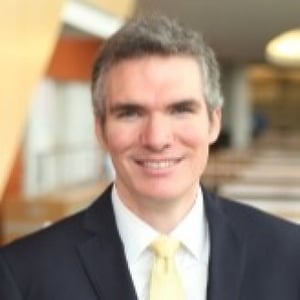
Benjamin Bryant Johnson

Benjamin Bryant Johnson

Associate Professor of Law, University of Florida Levin College of Law

Biography

Professor Ben Johnson is an Associate Professor of Law at the University of Florida Levin College of Law. He researches and writes on governance by committees. Sometimes, the governing committee is a board of directors. Other times, it is a committee of justices at the Supreme Court. His research has won awards from national organizations in law (AALS) and political science (APSA) and can be found in law reviews and peer reviewed outlets. His recent work on the Supreme Court has been published in the Columbia Law Review and Alabama Law Review. Earlier work on district judges with financial conflicts (published in the North Carolina Law Review) led to a large exposé in the Wall Street Journal. His game theoretic model of corporate fiduciary duties is forthcoming at the BYU Law Review. He has ongoing projects on the Supreme Court’s Shadow Docket, corporate fiduciary duties, shareholder voting, and machine learning.

Professor Johnson teaches Corporations (the only course in the curriculum where students learn to build and maintain institutions that can make the world a better place long after they are gone), Empirical Methods for Lawyers, and topics on the federal judiciary.


Read more...
View Full Profile