
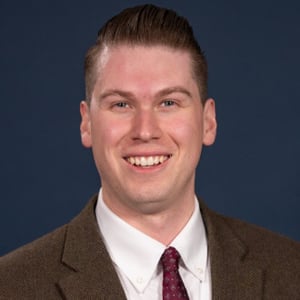
Charles Yates is an attorney in Pacific Legal Foundation’s environmental practice group, where he litigates to defend private property rights and uphold the structural protections guaranteed by the Constitution’s separation of powers.
His inspiration to focus on environmental law comes from the special case of government overreach it presents, where individual rights too often give way to collectivist notions and where misguided government policies create a cure worse than the disease. Charles has a particularly strong belief in the important role that the productive use of natural resources plays for human flourishing. To these ends, his practice at PLF focuses primarily on the Endangered Species Act, the Clean Water Act, and related regulatory issues.
Charles credits his strong belief in the principles of individual liberty and limited, constitutional government to his family. His personal philosophy developed further while studying the works of Adam Smith, John Locke, James Madison, and other classical liberals. Born and raised in Australia, Charles has always admired the U.S. Constitution as the purest and most enduring application of the ideals of individual liberty and limited government. It was these influences that impressed upon him the desire to pursue a career in public interest litigation.
After obtaining a B.A. in political science and international relations from the University of Western Australia, Charles moved to the U.S., where he earned his J.D. magna cum laude from the University of Baltimore School of Law. During law school, he served as president of his school’s chapter of The Federalist Society and was an editor of the University of Baltimore Law Review. Other highlights from his law school days include an internship at the Cato Institute and a clerkship at the Institute for Justice.
Charles lives in Sacramento with his wife Maxine. In his spare time, he enjoys reading and playing the bass guitar.
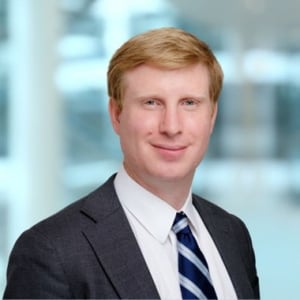
Partner, Holtzman Vogel
Kellen is an experienced trial and appellate lawyer who litigates criminal, civil, and regulatory cases in a variety of areas, including cybersecurity & privacy, constitutional law, complex fraud, and national security. In criminal matters, he has obtained declinations, dismissals, misdemeanor pleas, and presidential pardons for prominent individuals and companies facing federal investigations. In civil matters, he has successfully defended Fortune 500 companies in multidistrict litigation and brought affirmative litigation to challenge government overreach. Kellen has a perfect record in both jury trials and appellate arguments: he has twice obtained reversals of jury verdicts on appeal and he won every trial and appeal during his six years as a federal prosecutor.
As an Assistant U.S. Attorney in the Eastern District of Virginia, Kellen obtained a hacking indictment against Julian Assange and represented the United States at Assange’s extradition hearings. He also received the Attorney General’s Award for leading the trial and arguing the appeal in a case charging a malware-testing company with aiding and abetting the 2013 cyberattack on Target Stores. The case is now the lead precedent governing when tech companies can be held liable for crimes committed by their users. Kellen won convictions in dozens of cases involving hacking, wiretapping, complex fraud, conspiracy/RICO, public corruption, national security, and intellectual property.
Kellen was later promoted to Deputy Assistant Attorney General of DOJ’s National Security Division (NSD), where he ran NSD’s Appellate Unit, which represents the DOJ in civil and criminal appeals affecting national security and advises on sensitive prosecutions involving export controls/sanctions, trade secrets, and the Foreign Agents Registration Act (FARA). In that role, Kellen oversaw the defense of President Trump’s TikTok and WeChat bans and successfully sought certiorari in civil cases interpreting the Foreign Intelligence Surveillance Act and the State Secrets doctrine.
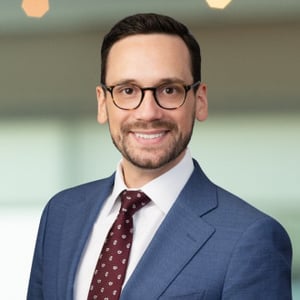
Partner and Co-Chair, Global Risk & Crisis Management Practice, Morrison & Foerster LLP
Co-chair of Morrison & Foerster’s Global Risk and Crisis Management group, Alex routinely advises Fortune 500 and high-growth clients on all aspects of breach preparedness and response, including counseling executives on cybersecurity governance and risk management, and responding to cyber incidents ranging from ransomware attacks to nation-state sponsored economic espionage. His incident response experience includes managing and advising on: Internal and forensic investigations; Remediation; Regulatory and contractual notification obligations; Coordination with law enforcement; Inquiries from data protection authorities, state attorneys general, and other regulators; Internal and external communications; and Interactions with insurers and auditors.
He also advises clients on responding to law enforcement requests, the lawfulness of defensive network activities and threat intelligence research, and legal issues arising under the Electronic Communications Privacy Act (ECPA), the Wiretap Act, and Cybersecurity Information Sharing Act (CISA).
Drawing on his experience at the National Security Division of the U.S. Department of Justice, Alex also advises global entities on legal obligations related to the Foreign Agents Registration Act (FARA); foreign investment transactions before the Committee on Foreign Investment in the United States (CFIUS); and laws related to material support to terrorism, sanctions, and export controls.
Prior to joining Morrison & Foerster, Alex held multiple senior positions at the DOJ, including Counselor to the Attorney General, Deputy Chief of Staff and Counsel to the Assistant Attorney General for National Security, and Special Assistant United States Attorney in the Eastern District of Virginia. Throughout his time at DOJ, he advised the Department leadership on national security, intelligence and cyber matters, including policy and legal issues arising in the National Security Council process, CFIUS matters, complex issues involving FARA, and engagements with non-U.S. officials. He also represented the Department on the Export Control Reform Initiative that sought to strengthen national security and the competitiveness of key U.S. manufacturing and technology sectors, and before the Foreign Intelligence Surveillance Court on issues involving novel questions at the intersection of law and technology.
Most recently, as a prosecutor in the National Security and Cybercrime Units of the U.S. Attorney’s Office for the Eastern District of Virginia, Alex brought the Department’s charges against Russian efforts to interfere in the 2018 midterm elections. During his time at the U.S. Attorney’s Office, he also investigated, and/or prosecuted, federal crimes ranging from espionage, trade secret theft, and national security cyber matters, to fraud, firearm, and drug offenses.
Alex received the Assistant Attorney General Award for Excellence in 2014 and 2018, and the Assistant Attorney General Award for Distinguished Service in 2014.
Prior to his DOJ service, Alex clerked for Judge Diana Gribbon Motz on the U.S. Court of Appeals for the Fourth Circuit, and in the Office of the White House Counsel.
During his tenure at Yale Law School, Alex served as Editor-in-chief of the Yale Journal of International Law and participated in the Civil Liberties & National Security Clinic.
He is the recipient of the Paul & Daisy Soros Fellowship for New Americans and a Fellow in the Truman National Security Project.

Senior Director, Global Investigations, Cognizant
Brian Lichter directs and oversees sensitive internal investigations related corruption, bribery, fraud, and other serious misconduct; manages outside counsel where appropriate; and responds to government requests and inquiries. He serves as Cognizant's primary cybersecurity attorney, including managing incident response to cyber incidents and providing legal advice regarding cybersecurity issues and crisis management.
Partner, Holtzman Vogel
Kellen is an experienced trial and appellate lawyer who litigates criminal, civil, and regulatory cases in a variety of areas, including cybersecurity & privacy, constitutional law, complex fraud, and national security. In criminal matters, he has obtained declinations, dismissals, misdemeanor pleas, and presidential pardons for prominent individuals and companies facing federal investigations. In civil matters, he has successfully defended Fortune 500 companies in multidistrict litigation and brought affirmative litigation to challenge government overreach. Kellen has a perfect record in both jury trials and appellate arguments: he has twice obtained reversals of jury verdicts on appeal and he won every trial and appeal during his six years as a federal prosecutor.
As an Assistant U.S. Attorney in the Eastern District of Virginia, Kellen obtained a hacking indictment against Julian Assange and represented the United States at Assange’s extradition hearings. He also received the Attorney General’s Award for leading the trial and arguing the appeal in a case charging a malware-testing company with aiding and abetting the 2013 cyberattack on Target Stores. The case is now the lead precedent governing when tech companies can be held liable for crimes committed by their users. Kellen won convictions in dozens of cases involving hacking, wiretapping, complex fraud, conspiracy/RICO, public corruption, national security, and intellectual property.
Kellen was later promoted to Deputy Assistant Attorney General of DOJ’s National Security Division (NSD), where he ran NSD’s Appellate Unit, which represents the DOJ in civil and criminal appeals affecting national security and advises on sensitive prosecutions involving export controls/sanctions, trade secrets, and the Foreign Agents Registration Act (FARA). In that role, Kellen oversaw the defense of President Trump’s TikTok and WeChat bans and successfully sought certiorari in civil cases interpreting the Foreign Intelligence Surveillance Act and the State Secrets doctrine.
Partner and Co-Chair, Global Risk & Crisis Management Practice, Morrison & Foerster LLP
Co-chair of Morrison & Foerster’s Global Risk and Crisis Management group, Alex routinely advises Fortune 500 and high-growth clients on all aspects of breach preparedness and response, including counseling executives on cybersecurity governance and risk management, and responding to cyber incidents ranging from ransomware attacks to nation-state sponsored economic espionage. His incident response experience includes managing and advising on: Internal and forensic investigations; Remediation; Regulatory and contractual notification obligations; Coordination with law enforcement; Inquiries from data protection authorities, state attorneys general, and other regulators; Internal and external communications; and Interactions with insurers and auditors.
He also advises clients on responding to law enforcement requests, the lawfulness of defensive network activities and threat intelligence research, and legal issues arising under the Electronic Communications Privacy Act (ECPA), the Wiretap Act, and Cybersecurity Information Sharing Act (CISA).
Drawing on his experience at the National Security Division of the U.S. Department of Justice, Alex also advises global entities on legal obligations related to the Foreign Agents Registration Act (FARA); foreign investment transactions before the Committee on Foreign Investment in the United States (CFIUS); and laws related to material support to terrorism, sanctions, and export controls.
Prior to joining Morrison & Foerster, Alex held multiple senior positions at the DOJ, including Counselor to the Attorney General, Deputy Chief of Staff and Counsel to the Assistant Attorney General for National Security, and Special Assistant United States Attorney in the Eastern District of Virginia. Throughout his time at DOJ, he advised the Department leadership on national security, intelligence and cyber matters, including policy and legal issues arising in the National Security Council process, CFIUS matters, complex issues involving FARA, and engagements with non-U.S. officials. He also represented the Department on the Export Control Reform Initiative that sought to strengthen national security and the competitiveness of key U.S. manufacturing and technology sectors, and before the Foreign Intelligence Surveillance Court on issues involving novel questions at the intersection of law and technology.
Most recently, as a prosecutor in the National Security and Cybercrime Units of the U.S. Attorney’s Office for the Eastern District of Virginia, Alex brought the Department’s charges against Russian efforts to interfere in the 2018 midterm elections. During his time at the U.S. Attorney’s Office, he also investigated, and/or prosecuted, federal crimes ranging from espionage, trade secret theft, and national security cyber matters, to fraud, firearm, and drug offenses.
Alex received the Assistant Attorney General Award for Excellence in 2014 and 2018, and the Assistant Attorney General Award for Distinguished Service in 2014.
Prior to his DOJ service, Alex clerked for Judge Diana Gribbon Motz on the U.S. Court of Appeals for the Fourth Circuit, and in the Office of the White House Counsel.
During his tenure at Yale Law School, Alex served as Editor-in-chief of the Yale Journal of International Law and participated in the Civil Liberties & National Security Clinic.
He is the recipient of the Paul & Daisy Soros Fellowship for New Americans and a Fellow in the Truman National Security Project.
Senior Director, Global Investigations, Cognizant
Brian Lichter directs and oversees sensitive internal investigations related corruption, bribery, fraud, and other serious misconduct; manages outside counsel where appropriate; and responds to government requests and inquiries. He serves as Cognizant's primary cybersecurity attorney, including managing incident response to cyber incidents and providing legal advice regarding cybersecurity issues and crisis management.

Topics
Small Markets, Big Unions: Is the FTC Promoting Competition or Unions With Its Grocery Merger Complaint?
Last week, the FTC sued to block a merger between Kroger Co. and Albertsons. The...
Topics
Biden’s Executive Order on Artificial Intelligence: An Ill-Advised Departure from Light-Touch Regulation
As promised, just in time for Halloween, late on October 30, the Biden White House...
Topics
Attorneys General Clash Over What SFFA Decisions Mean For Employer DEI Programs
On June 29, 2023, the Supreme Court issued its blockbuster opinions in two cases involving...
Topics
FTC Diverges from the Consumer-Welfare Standard in Bid to Block Microsoft-Activision Deal
Antitrust laws are meant to protect competition for the benefit of consumers. Yet the Federal...
Public records, Excel spreadsheets, and textualism: Kansas Supreme Court affirms the separation of powers
Charles Yates
Within the American system of government, legislative authority is the sole prerogative of the people’s...
Topics
For Clarity on Cryptocurrency, Look to Congress or the Supreme Court
With the rapid growth of cryptocurrencies have come increasing calls for its regulation and both...
Topics
Court Rejects Section 230 Immunity from State Intellectual Property Law Claims
In 2021, the debate over the scope of legal immunity for Big Tech social media...
Topics
Federal Judiciary Advisory Committee Proposes Amendments to Expert Testimony Rule
The federal judiciary’s Advisory Committee on Evidence Rules has published proposed amendments to Federal Rule...
Nation-State Cybercrime: Perspectives on the Problem and Response with Two Former DOJ National Security Officials
Kellen Dwyer, Alex Iftimie, Brian Lichter
Recent cyber attacks by the Russian and Chinese governments involving SolarWinds and Microsoft exposed cyber-related...
Nation-State Cybercrime: Perspectives on the Problem and Response with Two Former DOJ National Security Officials
Teleforum