
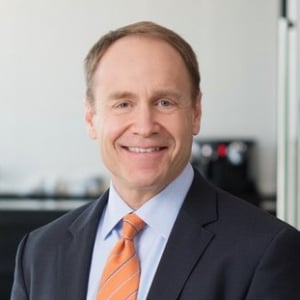
Partner, Bracewell LLP
Jeffrey Holmstead, former assistant administrator of the United States Environmental Protection Agency for Air and Radiation, is one of the nation’s leading climate change lawyers as recognized by Chambers USA (2008-2016) and heads the environmental strategies group (ESG) at Bracewell. The ESG is a multi-disciplinary group that includes environmental and energy attorneys, public policy advocates and strategic communications experts – most of whom have had high-level government experience. Under Jeffrey’s leadership, they work together on a daily basis to advise and defend companies and business groups confronting major environmental and energy-development challenges, both domestically and globally.
From his time in both the government and the private sector, Jeffrey is very familiar with the environmental and energy challenges facing the business community. He advises clients dealing with an increasingly complex regulatory, legal and public relations landscape, drawing on his experience in policy development, administrative and legislative advocacy, litigation and strategic communications. He has worked with clients in a number of industries on issues related to climate change, Clean Air Act policy and enforcement, and energy policy — including the development of new coal-fired power plants, refineries, renewable energy sources, and electric transmission infrastructure.
Jeffrey headed the EPA’s Office of Air and Radiation from 2001 to 2005, longer than anyone in EPA history. During his tenure, he was the architect of several of the agency’s most important initiatives, including the Clean Air Interstate Rule, the Clean Air Diesel Rule, the Mercury Rule for power plants and the reform of the New Source Review program. He also oversaw the development of the Bush Administration’s Clear Skies Legislation and key parts of its Global Climate Change Initiative. Between 1989 and 1993, Jeffrey served on the White House Staff as Associate Counsel to former President George H.W. Bush. In that capacity, he was involved in the passage of the Clean Air Act Amendments of 1990 and the key steps taken to implement those amendments. From 1987 to 1988, he served as a law clerk to Judge Douglas H. Ginsburg on the U.S. Court of Appeals for the District of Columbia.
He received his B.A. from Brigham Young University, summa cum laude, and his J.D. from Yale Law School.
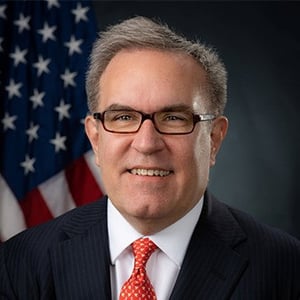
Holland & Hart, Partner
On February 28, 2019, the U.S. Senate confirmed Andrew Wheeler as the fifteenth Administrator of the Environmental Protection Agency. President Donald J. Trump had announced his appointment as the Acting EPA Administrator on July 5, 2018. Mr. Wheeler had previously been confirmed by the U.S. Senate as the EPA Deputy Administrator on April 12, 2018.
Mr. Wheeler has dedicated his career to advancing sound environmental policies. He began his career during the George H. W. Bush Administration as a Special Assistant in EPA’s Pollution Prevention and Toxics office.
He was a Principal and the team leader of the Energy and Environment Practice Group at FaegreBD Consulting, as well as Counsel at Faegre Baker Daniels law firm, where he practiced since 2009. He also served as the Co-chair of the Energy and Natural Resources Industry team across the entire firm.
Prior to his work with the firm, Mr. Wheeler served for six years as the Majority Staff Director and Chief Counsel, as well as the Minority Staff Director, of the Senate Committee on Environment and Public Works. Before his time at the full Senate EPW Committee, Mr. Wheeler served in a similar capacity for six years for the Subcommittee on Clean Air, Climate Change, Wetlands and Nuclear Safety.
Mr. Wheeler is the past Chairman of the National Energy Resource Organization (NERO) and a Stennis Fellow. Mr. Wheeler is also an Eagle Scout.
Mr. Wheeler is from Fairfield, Ohio. He completed his law degree at Washington University in St. Louis, his MBA at George Mason University, and his undergraduate work at Case Western Reserve University in English and Biology.
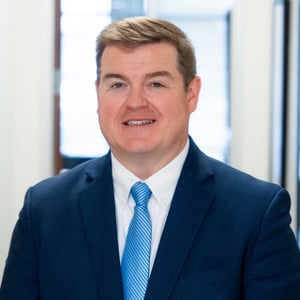
Vice President, Networks, The Federalist Society for Law and Public Policy Studies
Nathan Kaczmarek is Vice President for Networks at the Federalist Society. He began his legal career in Detroit representing nationwide clients in all phases of healthcare litigation and complex medical malpractice claims. He has since served as a Senior Legal and Policy Advisor in the U.S. House of Representatives and as Counsel for the Subcommittee on Regulatory Affairs and Federal Management in the U.S. Senate. Prior to overseeing the Networks, he was Director of the Practice Groups, the Regulatory Transparency Project, and the Article I Initiative for the Federalist Society.
Nathan holds degrees from Hillsdale College and Thomas M. Cooley Law School. He is a Liaison Representative for The Administrative Conference of the United States. He also serves as Vice President of the Associates of St. John Bosco, a Virginia based non-profit dedicated to Catholic high school and college students.

Partner, King & Spalding
John Richter is a trial and investigations partner in the Special Matters and Investigations Practice Group, and represents and defends companies, Boards of Directors, Board committees, and individuals facing a variety of white-collar criminal and regulatory enforcement matters, parallel civil litigation, and internal corporate investigations. John previously served as the Acting Assistant Attorney General in charge of the Criminal Division at the U.S. Department of Justice and as the U.S. Attorney for the Western District of Oklahoma, having been nominated by President George W. Bush and confirmed by unanimous consent of the U.S. Senate.
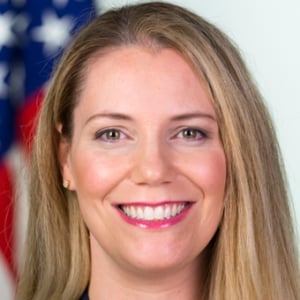
Chief Counsel, U.S. Food and Drug Administration; Deputy General Counsel, Department of Health and Human Services
Stacy Cline Amin serves as Chief Counsel of the Food and Drug Administration and Deputy General Counsel of the Department of Health and Human Services. Stacy serves as the senior legal advisor to the Commissioner, FDA leadership, the HHS General Counsel and Departmental leadership on FDA regulatory and litigation matters. Stacy leads an office of 165 lawyers and support staff that provide counseling and litigation support to the agency.
Stacy previously served as Special Assistant to the President and Senior Associate Counsel to the President, serving as the senior legal advisor on matters relating to the Department of Health and Human Services. In that role, Stacy advised on critical matters arising under the Food Drug and Cosmetic Act, helped lead the Administration's efforts to combat the opioid crisis, led multi-agency teams in the evaluation of high profile administrative actions, and successfully coordinated litigation strategy with the Department of Justice.
Prior to joining the White House, Stacy served as the Chief Counsel of the Senate Health, Education, Labor and Pensions Committee and as a Counsel for the House Energy & Commerce Committee. In Congress, Stacy frequently advised on Food Drug and Cosmetic Act issues and led bipartisan and bicameral investigations to promote patient safety and global public health. These efforts supported a number of legislative accomplishments, including passage of the Drug Quality and Security Act of 2013 and the 21st Century Cures Act of 2016.
Earlier in her career, she served as an Associate at Sullivan & Cromwell LLP and as a law clerk to the Hon. John R. Gibson on the U.S. Court of Appeals for the Eighth Circuit. She graduated cum laude from Harvard Law School and summa cum laude from The George Washington University.
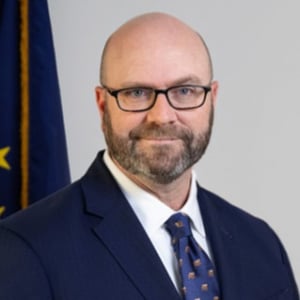
Attorney General, Alaska
Stephen J. Cox serves as the 28th Attorney General of the State of Alaska, where he oversees the state’s legal affairs and serves as the chief prosecutor with oversight of all district attorneys, general counsel to the Governor and executive branch, and represents the State in all civil and criminal cases in federal and state court. He brings to the role a proven record of public service at the highest levels of the U.S. Department of Justice, combined with deep experience in Alaska’s private sector and community life.
Before his appointment, he was Senior Vice President, Chief Legal and Strategy Officer of Bristol Bay Industrial—an investment platform of the Bristol Bay Native Corporation—acting as the chief legal officer for the industrial services portfolio on behalf of the Alaska Native shareholders in the Bristol Bay region. In that role, he led legal, compliance, and strategic planning for major energy, infrastructure, and utility projects across the State and in the Lower 48.
Earlier in his career, beginning in 2011, Cox served as in-house counsel for Apache Corporation, where he was the principal attorney for Apache Alaska and focused on new ventures and exploratory work in Cook Inlet, including seismic initiatives and ongoing regulatory coordination with state agencies.
Cox is deeply rooted in Anchorage’s community and faith life. He and his family attend Holy Family Old Cathedral in downtown Anchorage and support Mission Alaska, the Dominican friars’ outreach ministry under the Western Dominican Province. He was the founding board president and chairman of a new classical school in South Anchorage.
On the national stage, Cox held senior leadership roles in the U.S. Department of Justice under the Trump Administration. As Deputy Associate Attorney General, he co-chaired the DOJ’s Regulatory Reform Task Force and the Working Group on Corporate Enforcement and Accountability, and helped implement landmark policies aimed at curbing regulatory overreach and aligning enforcement with fairness and oversight. Later, as U.S. Attorney for the Eastern District of Texas, he oversaw prosecutions and civil litigation spanning 43 counties, prioritizing healthcare fraud, elder fraud, and violent crime while ensuring enforcement remained transparent and fair.
Earlier in his career, Cox practiced complex litigation at a major international law firm, served as counselor to the Director of U.S. Immigration and Customs Enforcement, and helped lead the William H. Webster Commission, which reviewed FBI counterterrorism intelligence and operations following the Fort Hood tragedy.
He began his legal career with a clerkship for Judge J. L. Edmondson of the U.S. Court of Appeals for the Eleventh Circuit. Cox earned a B.S. in Computer Science from Texas A&M University and a J.D., summa cum laude, from the University of Houston Law Center. He and his wife, Cristina, are raising their three children in Anchorage, and have made Alaska their home.
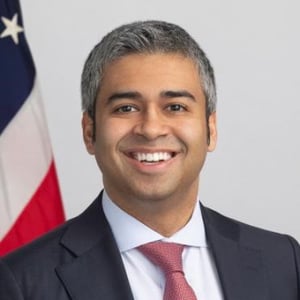
Operating Advisor, Clayton, Dubilier & Rice
Anand Shah, MD, is an Operating Advisor at private equity firm Clayton, Dubilier & Rice. Dr. Shah develops and identifies potential investment opportunities in the healthcare industry with a focus on health care services, including the provider, payer, and HCIT sectors. He also serves as an advisor to the firm’s portfolio companies.
A nationally recognized physician leader and health policy expert, Dr. Shah has extensive healthcare experience in the senior-most levels of the U.S. government, private sector, and as a physician. He was previously the Deputy Commissioner for Medical and Scientific Affairs at the U.S. Food and Drug Administration (FDA). Dr. Shah led consensus policy development for fit-for-purpose programs including Advanced Manufacturing, the Coronavirus Treatment Acceleration Program, Covid vaccine development, digital health, consumer protection, and decentralized clinical trials. During the Covid pandemic, he led FDA’s policy development for preparedness and recovery efforts. Dr. Shah represented FDA with top-level policy makers of the White House and Cabinet, Governors and local governments, and regularly led briefings with Congressional leadership.
He previously served in two senior leadership roles at the Centers for Medicare & Medicaid Services (CMS). As Senior Medical Advisor, he was the primary counselor for agency-wide policy related to medical and scientific innovation. Dr. Shah established consensus on several critical policy initiatives including aligning payment and prevention to increase Medicare beneficiaries’ access to novel antimicrobials, expanding patients’ access to cell and gene therapies, and streamlining Medicare access to breakthrough technologies. As the Chief Medical Officer of the Center for Medicare & Medicaid Innovation (CMMI), Dr. Shah led the clinical design of novel value-based payment and service delivery models including those for primary and specialty care.
Dr. Shah specializes in the early detection, surveillance, and treatment of prostate cancer, and previously developed and led a survivorship clinic for patients on cancer clinical trials at the National Institutes of Health. His scientific track record includes publications in the New England Journal of Medicine, JAMA, Health Affairs, Cancer, and Nature Reviews Drug Discovery. Dr. Shah is an Adjunct Professor with the Department of Medical Ethics and Health Policy and an Adjunct Senior Fellow at the Leonard Davis Institute of Health Economics at the University of Pennsylvania.
Dr. Shah was chief resident during his radiation oncology residency at Columbia University. He concurrently earned his MD from the University of Pennsylvania and an MPH in health care management and policy from the Harvard School of Public Health. Dr. Shah graduated with honors from Duke University with a degree in economics. He also served as a Canada-U.S. Fulbright Scholar.
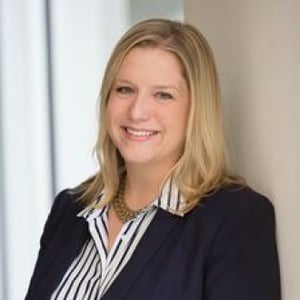
Discovery Counsel, eDiscovery CoCounsel, pllc
Suzanne H. Clark directs the Legal Project Management practice of eDiscovery CoCounsel, pllc. Suzanne graduated from the University of Florida College of Law and began her legal career as merits counsel in commercial litigation. She later transitioned to a full-time focus on Electronic Discovery and is a nationally recognized speaker and panelist in eDiscovery education.
Suzanne is a veteran of numerous document review projects, large and small, from a multi-year SEC investigation involving millions of documents in Relativity to her current practice where she concentrates on Plaintiff’s side eDiscovery, assisting merits counsel with evidence management in mass torts litigation as well as small single-event cases for personal injury firms. In furtherance of this concentration, she has earned the Mass-Tort MDL Certificate from the Bolch Judicial Institute at Duke Law.
She is a frequent lecturer at legal Project Management educational events, including the annual University of Florida eDiscovery Conference, as well as numerous others. Further, Suzanne is an Associate Professor at Samford University, Cumberland School of Law, where she teaches ESI I: Introduction to E-Discovery and ESI II: Discovery to students earning their degree in Master of Studies of Law, an Online Graduate Program.
Suzanne holds the Certified Electronic Discovery Specialist (CEDS) designation of ACEDS, a certification requiring a rigorous peer-reviewed examination in information technology, Project Management fundamentals, evidence management technology, and discovery jurisprudence. She is also a Relativity Certified User. Suzanne co-founded the regional chapter of ACEDS which was later recognized as national Chapter of the Year for its vibrancy and outreach. She served as president of ACEDS Jacksonville for two years and remains an active member of the board. She also sits on the Global Advisory Council 2020 of the Electronic Discovery Reference Model (EDRM).
In past service, for two years, Suzanne chaired the Jacksonville Bar Association's Legal Technology Committee. Prior to that, she served for two years on the Board of the Jacksonville Women Lawyers Association (JWLA).
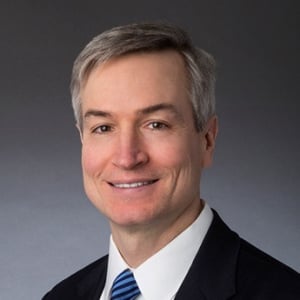
Partner, Sidley Austin LLP
Robert Keeling is an experienced litigator whose practice includes a special focus on electronic discovery matters. He represents both plaintiffs and defendants in complex civil litigation throughout the nation and conducts internal investigations in the United States and throughout the world. Robert handles a wide variety of commercial disputes in state and federal court. He is experienced in multi-district litigation, false claims act litigation, commercial litigation, securities class actions, contract disputes, RICO and fraud actions, insurance coverage litigation and many other types of cases.
Robert is a co-chair of the firm’s E-Discovery Task Force. Robert is experienced with technology-assisted review, predictive coding and other applications that can enable clients to significantly reduce e-discovery costs while maintaining the defensibility of the review.
Robert also has substantial experience conducting investigations both, in the United States and abroad. He has represented numerous clients in international investigations with respect to the Foreign Corrupt Practices Act, and advises companies on the implementation of effective compliance programs related to the FCPA. Robert also has handled internal investigations involving allegations of healthcare fraud and abuse, embezzlement, accounting irregularities and violations of securities and banking regulations.

Managing Partner, Boyden Gray PLLC
Michael Buschbacher is the managing partner of Boyden Gray PLLC. He represents public and private companies, trade associations, non-profits, and individuals in high-stakes litigation and administrative proceedings, with a particular focus on environmental and energy matters.
In addition to trial-level work, Mr. Buschbacher maintains an active appellate practice, both as merits counsel and as counsel for amici curiae. He has written amicus briefs quoted by the Seventh and Ninth Circuits. And his Supreme Court advocacy has been cited by The New Yorker, The New York Times, and E&E News. Mr. Buschbacher’s commentary on legal issues has been published in The Wall Street Journal, Newsweek, and The American Conservative.
Before joining the firm, Mr. Buschbacher served at the U.S. Department of Justice as counsel to the Assistant Attorney General for the Environment and Natural Resources Division. There, he advised senior Department leadership, served as the lead attorney on several lawsuits, and helped draft policy memoranda for the Department on the proper scope and procedure for environmental enforcement. Prior to serving in the government, Mr. Buschbacher was an associate in the D.C. office of Sidley Austin.
Mr. Buschbacher is a former clerk to Judge Alice M. Batchelder of the U.S. Court of Appeals for the Sixth Circuit and to Magistrate Judge Paul R. Cherry of the U.S. District Court for the Northern District of Indiana.
Mr. Buschbacher holds a B.A. in Music and Germanic Studies from Indiana University and a J.D., magna cum laude, from Notre Dame Law School.
Attorney, Kniffin Law PLLC, Fellow, Ethics and Public Policy Center
Eric Kniffin is a fellow at the Ethics and Public Policy Center, where he works on a range of initiatives to protect and strengthen religious liberty as part of EPPC’s HHS Accountability Project.
Kniffin also practices law at Kniffin Law PLLC, where he helps religious organizations and individuals protect their liberty and advance their mission. Before starting his solo practice, Kniffin worked at the U.S. Department of Justice’s Civil Rights Division, at the Becket Fund, and was a partner at Lewis Roca.
Kniffin has protected hundreds of religious employers from the HHS contraception and abortifacient mandate and the HHS gender transition mandate. He has represented the U.S. Conference of Catholic Bishops, the Knights of Columbus, and the Assemblies of God, among others, in amicus briefs before the Supreme Court. His work helping religious organizations understand, maximize, and defend their religious liberties has made him a nationally recognized expert in the field.
Kniffin is a sought-after commentator on religious liberty issues and has appeared in the Wall Street Journal, National Review, Huffington Post, National Catholic Register, Inside Higher Ed, and Washington Times, and has spoken regularly for The Federalist Society and The Heritage Foundation.

Laurence A. Tisch Professor of Law and Director, Classical Liberal Institute, New York University School of Law; Senior Fellow, The Civitas Institute, University of Texas at Austin
Richard A. Epstein is the inaugural Laurence A. Tisch Professor of Law at NYU School of Law. Prior to his joining the faculty, he was a visiting law professor at NYU from 2007 through 2009. He served as the Peter and Kirstin Bedford Senior Fellow at the Hoover Institution from 2000 to 2024. Since 2024 to the present he is a senior lecturer at the Civitas Institute at the University of Texas—Austin. Epstein is also the James Parker Hall Distinguished Service Professor of Law Emeritus and a senior lecturer at the University of Chicago. His initial law school appointment was at the University of Southern California from 1968 to 1972. Epstein received an LL.D., h.c. from the University of Ghent, 2003. He has been a member of the American Academy of Arts and Sciences since 1985 and was a Senior Fellow of the Center for Clinical Medical Ethics at the University of Chicago Division of Biological Sciences, also from 1983. to 2022 He served as editor of the Journal of Legal Studies from 1981 to 1991, and of the Journal of Law and Economics from 1991-2001. From 2001 to 2010 he was a director of the John M. Olin Program in Law and Economics at the University of Chicago.
His newest book, The Myth of Birthright Citizenship: What the Fourteenth Amendment Really Says was published in 2026 (Encounter Books). Prior to that he has published many books including, The Dubious Morality of the Modern Administrative State (Roman & Littlefield 2020).Earlier he published th Classical Liberal Constitution: The Uncertain Quest for Limited Government (Harvard 2014) iHis previous books include Design for Liberty: Private Property, Public Administration and the Rule of Law (Harvard 2011); The Case Against the Employee Free Choice Act (Hoover 2009); Supreme Neglect: How to Revive the Constitutional Protection of Property Rights (Oxford 2008); Antitrust Decrees in Theory and Practice: Why Less is More (AEI 2007); Overdose: How Excessive Government Regulation Stifles Pharmaceutical Innovation (Yale University Press. 2006); How Progressives Rewrote the Constitution (Cato 2006); Cases and Materials on Torts (Aspen Law & Business; 8th ed. 2004); Skepticism and Freedom: A Modern Case for Classical Liberalism (University of Chicago, 2003); Torts (Aspen Law & Business 1999); Principles for a Free Society: Reconciling Individual Liberty with the Common Good (Perseus Books, 1998): Mortal Peril: Our Inalienable Rights to Health Care (Addison-Wesley, 1997); Simple Rules for a Complex World (Harvard, 1995); Bargaining With the State (Princeton, 1993); Forbidden Grounds: The Case Against Employment Discrimination Laws (Harvard , 1992); Takings: Private Property and the Power of Eminent Domain (Harvard, 1985); and Modern Products Liability Law (Greenwood Press, 1980). He has also edited(with Catherine M. Sharkey) Cases and Materials on the Law of Torts (10th edition 2012).
Professor Epstein has written numerous articles on a wide range of legal and interdisciplinary subjects. He has taught courses in administrative law, antitrust law, civil procedure, communications, constitutional law, contracts, corporations, criminal law, employment discrimination law, environmental law, food and drug law health law and policy, legal history, labor law, property, real estate development and finance, jurisprudence, labor law; land use planning, patents, individual, estate and corporate taxation, Roman Law; torts, and workers' compensation.
Professor Epstein also writes a regular column for Civitas Institute, which also sponsors his podcast, The Libertarian with Charles C.W. Cooke, and Law Talk, with Cooke and John Yoo. He also does a podcast with John Batchelor. And appears regularly on the Freedom File with Judge Andrew Napolitano.

Laurence H. Silberman Chair in Constitutional Governance, American Enterprise Institute; Executive Director, Antonin Scalia Law School’s C. Boyden Gray Center for the Study of the Administrative State
Adam J. White is the Laurence H. Silberman Chair in Constitutional Governance and senior fellow at the American Enterprise Institute, where he focuses on the Supreme Court and the administrative state. He also directs the Antonin Scalia Law School’s C. Boyden Gray Center for the Study of the Administrative State.
He writes on regulation and constitutional government for a variety of publications. He practiced law in Washington, D.C., after clerking for the D.C. Circuit's Judge David Sentelle. He also has been chairman of the ABA's Administrative Law Section.
In 2021, he served on the Presidential Commission on the Supreme Court of the United States, where he criticized “Court packing” and other efforts to restructure the Supreme Court.

Director, Technology Licensing Office & Director, Catalysts, Office of Strategic Alliances & Technology Transfer, MIT
Lesley is formerly the director of the Office of Technology Management at the University of Illinois at Urbana-Champaign (UIUC), where she had responsibility for the oversight of all technology transfer activities across the university. In this position, Lesley demonstrated leadership in all phases of the commercialization of technology and intellectual property, ranging from proof of concept programs to enable the launch of startup companies through patenting and licensing processes. She played a major role in developing a thriving innovation ecosystem at UIUC, marked by strong corporate engagement. Beyond her university focus, Lesley has been a prominent speaker nationally and internationally on the economic importance of technology transfer.
Lesley holds bachelor’s and master’s degrees in education from the University of Edinburgh and the University of Georgia, respectively, and an MBA from UIUC.

Professor of Law, Antonin Scalia Law School, George Mason University
Adam Mossoff is Professor of Law at Antonin Scalia Law School, George Mason University. He has published extensively on why patents, copyrights, and other intellectual property rights have been—and should be—legally secured to innovators and creators as property rights. His scholarship has been relied on by the United States Supreme Court, by lower federal courts, and by U.S. federal agencies. He has been invited to testify numerous times before the U.S. Senate and the House of Representatives on intellectual property legislation. His writings on intellectual property policy have also appeared in the Wall Street Journal, New York Times, Forbes, Investors Business Daily, and in other media outlets. His journal articles can be downloaded here.
Professor Mossoff is a longstanding member of the Executive Committee of the Intellectual Property Practice Group of the Federalist Society, on which he served as Chairperson from 2016-2018, and he is Chair of the Intellectual Property Working Group of the Regulatory Transparency Project of the Federalist Society. He is a Senior Fellow and Chair of the Forum for Intellectual Property at the Hudson Institute, a Visiting Intellectual Property Fellow at the Heritage Foundation, and a member of the Board of Directors of the Center for Intellectual Property Understanding. He is a member of the Intellectual Property Rights Policy Committee of ANSI and he has served as Chair and Vice-Chair of the Intellectual Property Committee of the IEEE-USA, on which he remains a member in good standing.
Dinsmore & Shohl LLP, Partner
Brian is chair of Dinsmore’s IP Transactions and Licensing Group. He is a past president of the Licensing Executives Society (USA and Canada), Inc. (LES), the leading professional society devoted to commercial transactions and licensing of intangible property. He continues to serve LES as senior vice president for public policy. He has extensive experience in a wide variety of commercial transactions involving intangible property, and is known for creative licensing strategies to promote collaboration and resolve IP-related disputes.
He is a registered patent attorney with more than 30 years of experience before the U.S. Patent and Trademark Office and in structuring global IP portfolios and strategies. He has extensive experience in contested proceedings before the USPTO Patent Trial and Appeal Board (interferences, Inter Partes Reviews and Post Grant Reviews), as well as contested matters in federal courts and the International Trade Commission. His wide-ranging experience affords a broad, informed perspective and facilitates creative approaches to intellectual property management, licensing, and enforcement.
In addition to his leadership of LES, Brian served on the LES Board of Directors 2007 – 2018. In his ongoing role as senior vice president for public policy he is responsible for coordinating the society’s public policy positions, amicus briefs, and congressional outreach. He works with legislators, the executive branch, and the courts toward consistent, reliable, and prudent IP laws and policies that advance innovation and economic development. He has also served LES as trustee for education, and has long served as an author, editor, and faculty member of LES educational programs focusing on best practices in IP licensing.
He is also active in the global society, LES International (LESI). Among his various roles in LESI, he has served as co-chair of the External Relations Committee, coordinating public policy and advocacy for effective IP laws and policies among the 33 regional LES societies, and with various non-governmental organizations such as WIPO and EPO. In 2019, he received the LES International President’s Service Recognition Award.
Brian also serves as Chair of the Board of Directors of the Bayh Dole Coalition, a 501(c)(4) corporation dedicated to promoting and preserving the Bayh Dole Act. He is a member of the Founding Board of Directors of the United States Intellectual Property Alliance (USIPA), an organization dedicated to raising public awareness of, and appreciation for, the role of IP in fostering innovation for the public good; and he has served on the DC Bar Intellectual Property Section Steering Committee (2013 – 2016).
In 2016, Brian testified before the U.S. Senate Committee on Small Business and Entrepreneurship on the effects of the America Invents Act on small business and entrepreneurs in a hearing entitled “An Examination of Changes to the U.S. Patent System & Impacts on America's Small Businesses.”
With his longstanding and diverse patent practice, in both private practice and in-house, Brian advises corporate leaders and entrepreneurs in effective IP procurement practices, and in maximizing value from IP assets. He has been retained as a testifying witness in IP and licensing disputes by the U.S. Department of Justice, the U.S. Department of the Treasury, and by various private enterprises.
Brian has been acknowledged by IAM magazine as among its “IAM Strategy 300”, the world’s leading IP strategists, and among “The World's Leading Patent and Technology Licensing Lawyers.”
He earned B.S. and M.S. degrees from the Department of Chemistry, Rochester Institute of Technology, Rochester, NY; and Juris Doctor from Syracuse University, College of Law, Syracuse, NY (1986).
Brian has served his alma mater as president of the RIT Alumni Association 2005 – 2009; and now serves on the RIT Board of Trustees as a member of its Executive Committee, chair of its Student Life Committee, and vice-chair of its Committee on Trustees. In 2013, Brian was awarded RIT’s Outstanding Alumnus Award, and in 2005 he was awarded the Distinguished Alumnus Award by RIT’s College of Science.

Vice President, Global Head IP Affairs, Novartis
Corey Salsberg is the Vice President of Global Head IP Affairs in Novartis. He leads the Global IP Affairs function for Novartis, a multinational Fortune Global 200 healthcare company and world leader in innovative medicines and biosimilars.
Corey is a member of the Steering Committee and founder of the WIPO-World Economic Forum Inventors Assistance Program (IAP), an innovative international program aimed at providing pro bono IP services to under-resourced inventors and small businesses in developing countries.
Furthermore, he is one of architects of the Patent Information Initiative for Medicines (Pat-INFORMED), a voluntary global online database of patent information now co-sponsored and hosted by WIPO and the International Federation of Pharmaceutical Manufacturers (IFPMA).
Globally recognized thought leader, advocate, and speaker on IP, innovation and related topics. Recent engagements include testimony before the US Senate Judiciary, keynote address at the 7th Annual IBA World Life Sciences Conference, and many others.
Corey is a Stanford University of Law School graduate and Yale University undergraduate.
Laurence A. Tisch Professor of Law and Director, Classical Liberal Institute, New York University School of Law; Senior Fellow, The Civitas Institute, University of Texas at Austin
Richard A. Epstein is the inaugural Laurence A. Tisch Professor of Law at NYU School of Law. Prior to his joining the faculty, he was a visiting law professor at NYU from 2007 through 2009. He served as the Peter and Kirstin Bedford Senior Fellow at the Hoover Institution from 2000 to 2024. Since 2024 to the present he is a senior lecturer at the Civitas Institute at the University of Texas—Austin. Epstein is also the James Parker Hall Distinguished Service Professor of Law Emeritus and a senior lecturer at the University of Chicago. His initial law school appointment was at the University of Southern California from 1968 to 1972. Epstein received an LL.D., h.c. from the University of Ghent, 2003. He has been a member of the American Academy of Arts and Sciences since 1985 and was a Senior Fellow of the Center for Clinical Medical Ethics at the University of Chicago Division of Biological Sciences, also from 1983. to 2022 He served as editor of the Journal of Legal Studies from 1981 to 1991, and of the Journal of Law and Economics from 1991-2001. From 2001 to 2010 he was a director of the John M. Olin Program in Law and Economics at the University of Chicago.
His newest book, The Myth of Birthright Citizenship: What the Fourteenth Amendment Really Says was published in 2026 (Encounter Books). Prior to that he has published many books including, The Dubious Morality of the Modern Administrative State (Roman & Littlefield 2020).Earlier he published th Classical Liberal Constitution: The Uncertain Quest for Limited Government (Harvard 2014) iHis previous books include Design for Liberty: Private Property, Public Administration and the Rule of Law (Harvard 2011); The Case Against the Employee Free Choice Act (Hoover 2009); Supreme Neglect: How to Revive the Constitutional Protection of Property Rights (Oxford 2008); Antitrust Decrees in Theory and Practice: Why Less is More (AEI 2007); Overdose: How Excessive Government Regulation Stifles Pharmaceutical Innovation (Yale University Press. 2006); How Progressives Rewrote the Constitution (Cato 2006); Cases and Materials on Torts (Aspen Law & Business; 8th ed. 2004); Skepticism and Freedom: A Modern Case for Classical Liberalism (University of Chicago, 2003); Torts (Aspen Law & Business 1999); Principles for a Free Society: Reconciling Individual Liberty with the Common Good (Perseus Books, 1998): Mortal Peril: Our Inalienable Rights to Health Care (Addison-Wesley, 1997); Simple Rules for a Complex World (Harvard, 1995); Bargaining With the State (Princeton, 1993); Forbidden Grounds: The Case Against Employment Discrimination Laws (Harvard , 1992); Takings: Private Property and the Power of Eminent Domain (Harvard, 1985); and Modern Products Liability Law (Greenwood Press, 1980). He has also edited(with Catherine M. Sharkey) Cases and Materials on the Law of Torts (10th edition 2012).
Professor Epstein has written numerous articles on a wide range of legal and interdisciplinary subjects. He has taught courses in administrative law, antitrust law, civil procedure, communications, constitutional law, contracts, corporations, criminal law, employment discrimination law, environmental law, food and drug law health law and policy, legal history, labor law, property, real estate development and finance, jurisprudence, labor law; land use planning, patents, individual, estate and corporate taxation, Roman Law; torts, and workers' compensation.
Professor Epstein also writes a regular column for Civitas Institute, which also sponsors his podcast, The Libertarian with Charles C.W. Cooke, and Law Talk, with Cooke and John Yoo. He also does a podcast with John Batchelor. And appears regularly on the Freedom File with Judge Andrew Napolitano.

Director, GW Regulatory Studies Center & Distinguished Professor of Practice, Trachtenberg School of Public Policy & Public Administration, The George Washington University
Susan Dudley is the Founder and Director of the George Washington University Regulatory Studies Center, established in 2009 to raise awareness of regulations’ effects and improve regulatory policy through research, education, and outreach. She is also a distinguished professor of practice in the Trachtenberg School of Public Policy and Public Administration. She is past-president of the Society for Benefit Cost Analysis, a senior fellow of the Administrative Conference of the United States, and on the Regulatory Transparency Project Regulatory Practice Working Group. Her book, Regulation: A Primer, with Jerry Brito, is available on Amazon.com.
From April 2007 through January 2009, Professor Dudley served as the Presidentially-appointed Administrator of the Office of Information and Regulatory Affairs in the U.S. Office of Management and Budget and was responsible for the review of draft executive branch regulations under Executive Order 12866, the collection of federal-government-wide information under the Paperwork Reduction Act, the development and implementation of government-wide policies in the areas of information policy, privacy, and statistical policy, and international regulatory cooperation efforts.
Prior to OIRA, she directed the Regulatory Studies Program at the Mercatus Center at George Mason University, and taught courses on regulation at the George Mason University School of Law. Earlier in her career, Professor Dudley served as an economist at OIRA, as well as the Environmental Protection Agency and the Commodity Futures Trading Commission. She was also a consultant to government and private clients at Economists Incorporated. She holds a Master of Science degree from the Sloan School of Management at MIT and a Bachelor of Science degree (summa cum laude) in Resource Economics from the University of Massachusetts, Amherst.

Professor of Practice and Distinguished Scholar in Residence; Co-Director of the Legislative and Regulatory Process Clinic, New York University School of Law
Sally Katzen served in the Clinton administration as administrator of the Office of Information and Regulatory Affairs in the Office of Management and Budget (OMB), as deputy assistant to the president for economic policy and deputy director of the National Economic Council in the White House, and then as the deputy director for management at OMB. She served as the head of the Agency Review Group for the Obama/Biden transition with responsibility for the Executive Office of the President and all government-wide agencies. She has taught both undergraduates and at various law schools. She is a member of the American Law Institute and the National Academy of Public Administration, has served on multiple panels for the National Academy of Sciences, testified frequently before Congress, and is on the board of several non-profit organizations. Before joining the Clinton administration, Katzen was a partner in the Washington, DC, law firm of Wilmer, Cutler & Pickering, specializing in regulatory and legislative matters, while serving in leadership roles in the American Bar Association (including chair of the Section on Administrative Law and Regulatory Practice and as DC delegate to the ABA’s House of Delegates), as president of the Federal Communications Bar Association and as president of the Women’s Legal Defense Fund. She graduated from Smith College and the University of Michigan Law School, where she was the first woman editor-in-chief of the Law Review. She clerked for Judge J. Skelly Wright of the United States Court of Appeals for the District of Columbia Circuit and served in the Carter administration as the general counsel of the Council on Wage and Price Stability in the Executive Office of the President.
Faculty Fellow, Center for Law, Science & Innovation, Sandra Day O'Connor College of Law, Arizona State University
Dr. Klein is a Faculty Fellow at the Center for Law, Science & Innovation at the Sandra Day O'Connor College of Law at Arizona State University. He is also Principal at Roger D. Klein, MD JD Consulting and Klein & Klein Co., L.P.A. He was formerly Chief Medical Officer at OmniSeq, an oncology focused genomic profiling company that was recently acquired by LabCorp. Previously, Roger was the Medical Director at the Molecular Oncology division at the Cleveland Clinic. He was also the Chair of the Professional Relations Committee at the Association for Molecular Pathology. Prior to joining the Cleveland Clinic, he served as Medical Director of Molecular Oncology at the BloodCenter of Wisconsin where he led the center’s Diagnostic Laboratories’ initiative focused on DNA- and RNA-based testing for evaluation of cancer patients.
Dr. Klein has been an advisor to the Department of Health and Human Services (HHS), the Food and Drug Administration (FDA), the Centers for Medicare and Medicaid Services (CMS), and the Centers for Disease Control and Prevention (CDC). He has participated in and assumed leadership roles in many professional society committees and corporate advisory boards and is a policy advisor to the Heartland Institute.
Dr. Klein is licensed to practice medicine in Ohio, Florida, and Wisconsin. Additionally, he is licensed to practice law in the District of Columbia and Ohio. Roger obtained his Molecular Genetic Pathology certification at Mayo Medical School following completion of his M.D. Yale University School of Medicine. He obtained his J.D. from Yale Law School.
Associate Professor of Law, Center for Intellectual Property and Entrepreneurship, University of Missouri School of Law
Professor Lietzan researches, writes, and teaches primarily in the areas of food and drug regulation, intellectual property, and administrative law. Some of her recent scholarship has focused on the nature and purpose of the new drug approval system, federal regulation of fecal microbiota transplantation, federal regulation of products derived from cannabis, the political economy of the Hatch-Waxman (generic drug) statute, and incentives to study already approved drugs for new uses. She is an award-winning teacher, and she has been an elected member of the American Law Institute since 2006.
Professor Lietzan brings to her scholarship and teaching eighteen years of private practice experience, eight of them as a partner in the food and drug group at Covington & Burling in Washington, DC. In practice, she handled a wide range of complex legal problems and broader legislative and regulatory policy questions affecting FDA-regulated companies. This work included lifecycle management and strategy issues, regulatory strategy and advocacy, white collar defense, congressional investigations, briefing in products liability cases, and international regulatory policy work. She was involved in every major amendment to the Federal Food, Drug, and Cosmetic Act (FDCA) between 1997 and 2014 and was deeply immersed for more than a decade in the development of the Biologics Price Competition and Innovation Act of 2010. She has been consistently identified by her peers in private practice as a “Best Lawyer in America” in the categories of FDA law (since 2013) and Biotechnology Law (since 2007).
Professor Lietzan has held one leadership position or another at the Food and Drug Law Institute (FDLI) since 2004, including a stint on its Board of Directors from 2008 to 2012. She also held leadership positions in the American Bar Association’s Section of Science and Technology Law for fourteen years.
Professor Lietzan received a bachelor’s degree from the University of North Carolina, where she graduated with honors in history. She holds a master’s degree in history from UCLA and a law degree with high honors from Duke Law School.
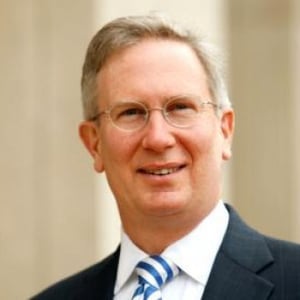
David and Mary Harrison Distinguished Professor of Law, University of Virginia School of Law
Paul G. Mahoney is a David and Mary Harrison Distinguished Professor and served as dean of the Law School from 2008-16. Mahoney's teaching and research areas are securities regulation, law and economic development, corporate finance, financial derivatives and contracts. He has published widely in law reviews and peer-reviewed finance and law and economics journals. His book, “Wasting a Crisis: Why Securities Regulation Fails,” was published by the University of Chicago Press in 2015.
Mahoney joined the Law School faculty in 1990 after practicing law with the New York firm of Sullivan & Cromwell and clerking for Judge Ralph K. Winter, Jr. of the U.S. Court of Appeals for the Second Circuit and Justice Thurgood Marshall of the U.S. Supreme Court. He served as academic associate dean at the Law School from 1999 to 2004 and has held the Albert C. BeVier Research Chair and the Brokaw Chair in Corporate Law. He has been a visiting professor at the University of Chicago Law School, the University of Southern California Law School and the University of Toronto Faculty of Law. He has also worked on legal reform projects in Kazakhstan, Kyrgyzstan, Mongolia and Nepal.
Mahoney is a member of the Council on Foreign Relations and a fellow of the American Academy of Arts and Sciences. In 2018 he joined Securities and Exchange Commission’s Investor Advisory Committee. He served as an associate editor of the Journal of Economic Perspectives from 2004 to 2007 and as a director of the American Law and Economics Association from 2002 to 2004. He is a past recipient of the All-University Outstanding Teacher Award and the Law School's Traynor Award for excellence in faculty scholarship.

Robert Walmsley University Professor, Harvard Law School
Cass R. Sunstein is currently the Robert Walmsley University Professor at Harvard. He is the founder and director of the Program on Behavioral Economics and Public Policy at Harvard Law School. In 2018, he received the Holberg Prize from the government of Norway, sometimes described as the equivalent of the Nobel Prize for law and the humanities. From 2009 to 2012, he was Administrator of the White House Office of Information and Regulatory Affairs, and after that, he served on the President's Review Board on Intelligence and Communications Technologies and on the Pentagon's Defense Innovation Board. Mr. Sunstein has testified before congressional committees on many subjects, and he has advised officials at the United Nations, the European Commission, the World Bank, and many nations on issues of law and public policy. He serves as an adviser to the Behavioural Insights Team in the United Kingdom.
Mr. Sunstein is author of hundreds of articles and dozens of books, including Nudge: Improving Decisions about Health, Wealth, and Happiness (with Richard H. Thaler, 2008), Simpler: The Future of Government (2013), The Ethics of Influence (2015), #Republic (2017), Impeachment: A Citizen's Guide (2017), The Cost-Benefit Revolution (2018), On Freedom (2019), Conformity (2019), How Change Happens (2019), and Too Much Information (2020). He is now working on a variety of projects involving the regulatory state, "sludge" (defined to include paperwork and similar burdens), fake news, and freedom of speech.
Chief Counsel, U.S. Food and Drug Administration; Deputy General Counsel, Department of Health and Human Services
Stacy Cline Amin serves as Chief Counsel of the Food and Drug Administration and Deputy General Counsel of the Department of Health and Human Services. Stacy serves as the senior legal advisor to the Commissioner, FDA leadership, the HHS General Counsel and Departmental leadership on FDA regulatory and litigation matters. Stacy leads an office of 165 lawyers and support staff that provide counseling and litigation support to the agency.
Stacy previously served as Special Assistant to the President and Senior Associate Counsel to the President, serving as the senior legal advisor on matters relating to the Department of Health and Human Services. In that role, Stacy advised on critical matters arising under the Food Drug and Cosmetic Act, helped lead the Administration's efforts to combat the opioid crisis, led multi-agency teams in the evaluation of high profile administrative actions, and successfully coordinated litigation strategy with the Department of Justice.
Prior to joining the White House, Stacy served as the Chief Counsel of the Senate Health, Education, Labor and Pensions Committee and as a Counsel for the House Energy & Commerce Committee. In Congress, Stacy frequently advised on Food Drug and Cosmetic Act issues and led bipartisan and bicameral investigations to promote patient safety and global public health. These efforts supported a number of legislative accomplishments, including passage of the Drug Quality and Security Act of 2013 and the 21st Century Cures Act of 2016.
Earlier in her career, she served as an Associate at Sullivan & Cromwell LLP and as a law clerk to the Hon. John R. Gibson on the U.S. Court of Appeals for the Eighth Circuit. She graduated cum laude from Harvard Law School and summa cum laude from The George Washington University.
Attorney General, Alaska
Stephen J. Cox serves as the 28th Attorney General of the State of Alaska, where he oversees the state’s legal affairs and serves as the chief prosecutor with oversight of all district attorneys, general counsel to the Governor and executive branch, and represents the State in all civil and criminal cases in federal and state court. He brings to the role a proven record of public service at the highest levels of the U.S. Department of Justice, combined with deep experience in Alaska’s private sector and community life.
Before his appointment, he was Senior Vice President, Chief Legal and Strategy Officer of Bristol Bay Industrial—an investment platform of the Bristol Bay Native Corporation—acting as the chief legal officer for the industrial services portfolio on behalf of the Alaska Native shareholders in the Bristol Bay region. In that role, he led legal, compliance, and strategic planning for major energy, infrastructure, and utility projects across the State and in the Lower 48.
Earlier in his career, beginning in 2011, Cox served as in-house counsel for Apache Corporation, where he was the principal attorney for Apache Alaska and focused on new ventures and exploratory work in Cook Inlet, including seismic initiatives and ongoing regulatory coordination with state agencies.
Cox is deeply rooted in Anchorage’s community and faith life. He and his family attend Holy Family Old Cathedral in downtown Anchorage and support Mission Alaska, the Dominican friars’ outreach ministry under the Western Dominican Province. He was the founding board president and chairman of a new classical school in South Anchorage.
On the national stage, Cox held senior leadership roles in the U.S. Department of Justice under the Trump Administration. As Deputy Associate Attorney General, he co-chaired the DOJ’s Regulatory Reform Task Force and the Working Group on Corporate Enforcement and Accountability, and helped implement landmark policies aimed at curbing regulatory overreach and aligning enforcement with fairness and oversight. Later, as U.S. Attorney for the Eastern District of Texas, he oversaw prosecutions and civil litigation spanning 43 counties, prioritizing healthcare fraud, elder fraud, and violent crime while ensuring enforcement remained transparent and fair.
Earlier in his career, Cox practiced complex litigation at a major international law firm, served as counselor to the Director of U.S. Immigration and Customs Enforcement, and helped lead the William H. Webster Commission, which reviewed FBI counterterrorism intelligence and operations following the Fort Hood tragedy.
He began his legal career with a clerkship for Judge J. L. Edmondson of the U.S. Court of Appeals for the Eleventh Circuit. Cox earned a B.S. in Computer Science from Texas A&M University and a J.D., summa cum laude, from the University of Houston Law Center. He and his wife, Cristina, are raising their three children in Anchorage, and have made Alaska their home.
Operating Advisor, Clayton, Dubilier & Rice
Anand Shah, MD, is an Operating Advisor at private equity firm Clayton, Dubilier & Rice. Dr. Shah develops and identifies potential investment opportunities in the healthcare industry with a focus on health care services, including the provider, payer, and HCIT sectors. He also serves as an advisor to the firm’s portfolio companies.
A nationally recognized physician leader and health policy expert, Dr. Shah has extensive healthcare experience in the senior-most levels of the U.S. government, private sector, and as a physician. He was previously the Deputy Commissioner for Medical and Scientific Affairs at the U.S. Food and Drug Administration (FDA). Dr. Shah led consensus policy development for fit-for-purpose programs including Advanced Manufacturing, the Coronavirus Treatment Acceleration Program, Covid vaccine development, digital health, consumer protection, and decentralized clinical trials. During the Covid pandemic, he led FDA’s policy development for preparedness and recovery efforts. Dr. Shah represented FDA with top-level policy makers of the White House and Cabinet, Governors and local governments, and regularly led briefings with Congressional leadership.
He previously served in two senior leadership roles at the Centers for Medicare & Medicaid Services (CMS). As Senior Medical Advisor, he was the primary counselor for agency-wide policy related to medical and scientific innovation. Dr. Shah established consensus on several critical policy initiatives including aligning payment and prevention to increase Medicare beneficiaries’ access to novel antimicrobials, expanding patients’ access to cell and gene therapies, and streamlining Medicare access to breakthrough technologies. As the Chief Medical Officer of the Center for Medicare & Medicaid Innovation (CMMI), Dr. Shah led the clinical design of novel value-based payment and service delivery models including those for primary and specialty care.
Dr. Shah specializes in the early detection, surveillance, and treatment of prostate cancer, and previously developed and led a survivorship clinic for patients on cancer clinical trials at the National Institutes of Health. His scientific track record includes publications in the New England Journal of Medicine, JAMA, Health Affairs, Cancer, and Nature Reviews Drug Discovery. Dr. Shah is an Adjunct Professor with the Department of Medical Ethics and Health Policy and an Adjunct Senior Fellow at the Leonard Davis Institute of Health Economics at the University of Pennsylvania.
Dr. Shah was chief resident during his radiation oncology residency at Columbia University. He concurrently earned his MD from the University of Pennsylvania and an MPH in health care management and policy from the Harvard School of Public Health. Dr. Shah graduated with honors from Duke University with a degree in economics. He also served as a Canada-U.S. Fulbright Scholar.

Deep Dive Episode 132 – A Conversation with EPA Administrator Andrew Wheeler: New Rule on Guidance Procedures and More
Jeffrey Holmstead, Andrew Wheeler, Nathan Kaczmarek
In May, the Environmental Protection Agency announced a new proposed rule to “establish the procedures and requirements...
The False Claims Act, the CARES Act, and COVID-19: An Enforcement Overview
John C. Richter
The False Claims Act, which imposes civil and criminal liability on those who submit false...
Capital Conversations: COVID-19 and FDA; Medical, Legal, and Regulatory Perspectives
Stacy Cline Amin, Stephen Cox, Anand Shah
During the COVID-19 pandemic, the United States Food and Drug Administration (FDA) has sought to...
Capital Conversations: COVID-19 and FDA; Medical, Legal, and Regulatory Perspectives
TeleforumThe Problems of Preservation: How Much Evidence is Too Much?
Suzanne Clark, Robert D. Keeling, Michael Buschbacher
In today’s digital age, businesses create seemingly infinite quantities of data. And when the mere...
Courthouse Steps Decision: Little Sisters of the Poor v. Pennsylvania
Eric N. Kniffin
In Little Sisters of the Poor v. Pennsylvania, the justices upheld in a 7-2 ruling...
Book Review: The Dubious Morality of Modern Administrative Law by Richard Epstein
Richard A. Epstein, Adam White
Richard Epstein’s The Dubious Morality of Modern Administrative Law examines how the growth of the...
Deep Dive Episode 118 – Can Patents and Bayh-Dole Fuel Innovation in the Time of COVID-19?
Lesley Millar-Nicholson, Adam Mossoff, Brian O'Shaughnessy, Corey Salsberg
Activists and politicians have responded to the worldwide COVID-19 pandemic by calling for the elimination...
Business Interruption Insurance and Policy Exceptions for the COVID-19 Pandemic
Richard A. Epstein
The outbreak of COVID-19 led to the closing of thousands of businesses across the country....
Regulation or “Don’t Let a Good Crisis Go to Waste”
Susan E. Dudley, Sally Katzen, Roger D. Klein, Erika Lietzan, Paul G. Mahoney, Cass Sunstein
The fifth panel of the Federalist Society's COVID-19 & the Law Conference discussed "Regulation or...