

James L. Oberstar Professor of Law and Public Policy, University of St. Thomas School of Law
Professor of Law, University of Notre Dame Law School
Gerard V. Bradley is Professor of Law at the University of Notre Dame, where he teaches Legal Ethics and Constitutional Law. At Notre Dame he directs (with John Finnis) the Natural Law Institute and co-edits The American Journal of Jurisprudence, an international forum for legal philosophy. Bradley has been a Visiting Fellow at the Hoover Institution of Stanford University, and a Senior Fellow of the Witherspoon Institute, in Princeton, New Jersey. He served for many years as President of the Fellowship of Catholic Scholars.
Bradley received his B.A and J.D. degrees from Cornell University, graduating Summa cum laude from the law school in 1980. After serving in the Trial Division of the Manhattan District Attorney’s Office he joined the law faculty at the University of Illinois. He moved to Notre Dame in 1992. Bradley has published over one hundred scholarly articles and reviews. His most recent books are an edited collection of essays titled, Challenges to Religious Liberty in the Twenty-First Century (published by Cambridge University Press in 2012), Essays on Law, Religion, and Morality and Unquiet Americans: U.S. Catholics and the Common Good (both to be published in 2014.) He is currently working on a book about regulating obscenity in the Internet Age.
Deputy Legal Director and Director of Center for Liberty, ACLU
Louise Melling is a Deputy Legal Director at the ACLU and the Director of its Center for Liberty, which encompasses the ACLU’s work on reproductive freedom, women’s rights, lesbian gay bisexual and transgender rights, freedom of religion and belief, and disability rights. In this role, she leads the work of the ACLU to address the intersection of religious freedom and equal treatment, among other issues.
Melling has established the ACLU as a national leader in opposing the use of religion to discriminate and in supporting state advocacy teams that have pushed back legislation that would permit discrimination in the name of religion. She has overseen groundbreaking litigation, including cases challenging Catholic hospitals that refuse to provide care consistent with medical ethics and businesses that claim a right to discriminate in the name of religion or speech.
In her time as Director of the Center for Liberty, the ACLU has pursued a program of litigation, advocacy, and public education campaigns that culminated in the 2015 Supreme Court decision recognizing the fundamental right to marry for same-sex couples. Under her leadership, the Center has also challenged innumerable state laws that restrict women’s access to abortion, the federal government policy barring women from serving in combat, school policies that foster sex stereotypes and deny transgender students’ rights, policies and practices that discriminate against Muslims, the use and abuse of guardianship, and government promotion of religion.
Melling has been with the ACLU since 1992, serving in several roles before becoming a Deputy Legal Director in 2010. In 2003, she became Director of the Reproductive Freedom Project, where she oversaw nationwide litigation, public opinion research, public education campaigns, and advocacy efforts in the state legislatures. She has appeared in federal and state courts around the country, most often to challenge laws that restrict reproductive rights.
Melling has appeared in many media outlets, including CNN, PBS News Hour, Frontline, MSNBC, the New York Times, and USA Today. Her opinion pieces have appeared in the Washington Post and The Guardian, among others.
In addition, she is the author of several articles, including Religious Refusals to Public Accommodations Laws: Four Reasons to Say No, 38 Harv J. of Law and Gender (2015); Follow the Money: Ending Discrimination against Women in Hospitals, 15 Georgetown Journal of Gender and the Law 435 (2014) (co-authored with Sarah Lipton-Lubet); Lift the Scarlet Letter from Abortion, 35 Cardozo Law Review 1715 (2014); and The Legal Education of Twenty Women, 40 Stan. L. Rev. 1299 (1988) (co-authored with Catherine Weiss).
She is a graduate of the Yale Law School and Oberlin College. Prior to joining the ACLU, Melling clerked for Judge Morris Lasker of the Southern District of New York and worked for Rabinowitz, Boudin, Standard, Krinsky & Lieberman.
Judge, United States Court of Appeals, Fifth Circuit
Andrew Oldham is a Circuit Judge on the United States Court of Appeals for the Fifth Circuit. Before ascending to the bench, Judge Oldham served as General Counsel to Texas Governor Greg Abbott, where he advised the Governor on a range of issues under federal and state law and managed litigation in which the Governor was an interested party. Before that he served as Deputy Solicitor General for the State of Texas, where he represented Texas in federal courts across the country, including twice before the United States Supreme Court. Before moving to Texas, Judge Oldham was an attorney at Kellogg Hansen Todd Figel & Frederick in Washington, D.C. His practice focused on appellate litigation in federal courts of appeals throughout the country. Before entering private practice, Judge Oldham served as a law clerk to Justice Samuel A. Alito, Jr., at the Supreme Court of the United States and to Judge David B. Sentelle of the U.S. Court of Appeals for the District of Columbia Circuit. He also worked as an attorney-adviser in the Office of Legal Counsel at the U.S. Department of Justice from 2006 to 2008. Judge Oldham earned a B.A. from the University of Virginia with highest honors, a Truman Scholarship for graduate school, an M. Phil., first class (with distinction), from Cambridge University, and a J.D., magna cum laude, from Harvard Law School.
Founder, Libertas-West Project
Karen Lugo is a constitutional law consultant and national security analyst. She was Director of the Center for Tenth Amendment at Texas Public Policy Foundation from 2013 to 2015. When living in California, she was Co-Director of the Center for Constitutional Jurisprudence Center. From 2005 – 2012, she was a clinical visiting and adjunct professor at Chapman University School of Law where she co-taught the advanced Constitutional Law Clinic. Karen has co-authored and written circuit-level and Supreme Court amicus briefs on such issues as FISA Surveillance, Healthcare Reform, Arizona’s Border Security, Gay Marriage, The Ten Commandments, Eminent Domain, Christian Clubs on University Campuses, and Material Support for Terrorists.
Karen is the founder of the Libertas-West Project, a center for study Islamic integration and radicalization issues. In this capacity, she consulted with the Center for Security Policy to write a book on local over-watch of mosque construction and community engagement called: Mosques in America: A Guide to Accountable Permit Hearings and Continuing Citizen Oversight.
Karen writes and speaks for European and American groups on the importance of basing assimilation efforts on principles of Western exceptionalism. She presented a policy brief to the French Conseil d’Etat analyzing the legal implications of banning the burqa. Ms. Lugo has written one of the most comprehensive overviews of sharia law in American courts, American Family Law and Sharia-Compliant Marriages, for the Federalist Society law journal, Engage. She has written several white papers on the American Law for American Courts legislation and sharia tribunals in America.
Ms. Lugo was an appointee to the California Advisory Committee to the U.S. Commission on Civil Rights. She also taught a Human Rights law course on the contrast between French and English Enlightenment theories in Strasbourg, France.
Until moving from California, Ms. Lugo was a member of the David Horowitz Freedom Center Board of Directors. She was also a regular guest on the Orange County PBS local issues debate program, Inside OC, and she is a contributor to Pajamas Media, National Review Online, City Journal, American Spectator, American Greatness, Townhall.com, American Thinker, Daily Caller, and Family Security Matters. She has been interviewed by dozens of radio hosts and has spoken for civic groups on constitutional and cultural concerns.

Professor of Law, South Texas College of Law Houston
Josh Blackman is a national thought leader on constitutional law and the United States Supreme Court. Josh’s work was quoted during two presidential impeachment trials. He has testified before Congress and advises federal and state lawmakers. Josh regularly appears on TV, including NBC, CBS, ABC, Fox, and the BBC. Josh is also a frequent guest on NPR and other syndicated radio programs. He has published commentaries in the New York Times, Wall Street Journal, Washington Post, and leading national publications.
Since 2012, Josh has served as a professor at the South Texas College of Law Houston. He holds the Centennial Chair of Constitutional Law. Josh is an Adjunct Fellow at the Manhattan Institute. Josh has written more than seven dozen law review articles that have been cited more than a thousand times. Josh was selected as the Jurist of the Year by the Texas Journal of Law & Public Policy, received the inaugural Meese III Originalism Award, and was awarded the Inaugural Joseph Story Award. Josh was selected by Forbes Magazine for the “30 Under 30” in Law and Policy. Josh is the President of the Harlan Institute, and founded FantasySCOTUS, the Internet’s Premier Supreme Court Fantasy League. He blogs at the Volokh Conspiracyand posts@JoshMBlackman.
Professor of Law, South Texas College of Law Houston
Josh Blackman is a national thought leader on constitutional law and the United States Supreme Court. Josh’s work was quoted during two presidential impeachment trials. He has testified before Congress and advises federal and state lawmakers. Josh regularly appears on TV, including NBC, CBS, ABC, Fox, and the BBC. Josh is also a frequent guest on NPR and other syndicated radio programs. He has published commentaries in the New York Times, Wall Street Journal, Washington Post, and leading national publications.
Since 2012, Josh has served as a professor at the South Texas College of Law Houston. He holds the Centennial Chair of Constitutional Law. Josh is an Adjunct Fellow at the Manhattan Institute. Josh has written more than seven dozen law review articles that have been cited more than a thousand times. Josh was selected as the Jurist of the Year by the Texas Journal of Law & Public Policy, received the inaugural Meese III Originalism Award, and was awarded the Inaugural Joseph Story Award. Josh was selected by Forbes Magazine for the “30 Under 30” in Law and Policy. Josh is the President of the Harlan Institute, and founded FantasySCOTUS, the Internet’s Premier Supreme Court Fantasy League. He blogs at the Volokh Conspiracyand posts@JoshMBlackman.
Vice President and Legal Director, National Right to Work Legal Defense and Education Foundation, Inc.
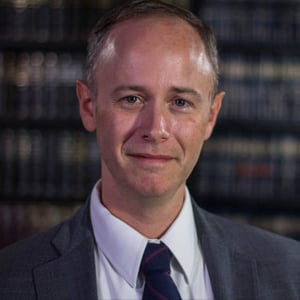
William Messenger is Foundation Vice President and Legal Director. He was a staff attorney for over twenty years and, during that time, represented individuals in numerous cases that sought to expand worker freedom of choice. This includes acting as lead counsel in three cases before the United States Supreme Court. In 2018, Messenger argued Janus v. AFSCME Council 31, where the Supreme Court held it violates the First Amendment for governments and unions to compel individuals to financially support unions and their speech. Originally from Youngstown Ohio, Messenger attended Ohio University as an undergraduate and then the George Washington University School of Law.
Professor of Law, South Texas College of Law Houston
Josh Blackman is a national thought leader on constitutional law and the United States Supreme Court. Josh’s work was quoted during two presidential impeachment trials. He has testified before Congress and advises federal and state lawmakers. Josh regularly appears on TV, including NBC, CBS, ABC, Fox, and the BBC. Josh is also a frequent guest on NPR and other syndicated radio programs. He has published commentaries in the New York Times, Wall Street Journal, Washington Post, and leading national publications.
Since 2012, Josh has served as a professor at the South Texas College of Law Houston. He holds the Centennial Chair of Constitutional Law. Josh is an Adjunct Fellow at the Manhattan Institute. Josh has written more than seven dozen law review articles that have been cited more than a thousand times. Josh was selected as the Jurist of the Year by the Texas Journal of Law & Public Policy, received the inaugural Meese III Originalism Award, and was awarded the Inaugural Joseph Story Award. Josh was selected by Forbes Magazine for the “30 Under 30” in Law and Policy. Josh is the President of the Harlan Institute, and founded FantasySCOTUS, the Internet’s Premier Supreme Court Fantasy League. He blogs at the Volokh Conspiracyand posts@JoshMBlackman.
Professor of Law, South Texas College of Law Houston
Josh Blackman is a national thought leader on constitutional law and the United States Supreme Court. Josh’s work was quoted during two presidential impeachment trials. He has testified before Congress and advises federal and state lawmakers. Josh regularly appears on TV, including NBC, CBS, ABC, Fox, and the BBC. Josh is also a frequent guest on NPR and other syndicated radio programs. He has published commentaries in the New York Times, Wall Street Journal, Washington Post, and leading national publications.
Since 2012, Josh has served as a professor at the South Texas College of Law Houston. He holds the Centennial Chair of Constitutional Law. Josh is an Adjunct Fellow at the Manhattan Institute. Josh has written more than seven dozen law review articles that have been cited more than a thousand times. Josh was selected as the Jurist of the Year by the Texas Journal of Law & Public Policy, received the inaugural Meese III Originalism Award, and was awarded the Inaugural Joseph Story Award. Josh was selected by Forbes Magazine for the “30 Under 30” in Law and Policy. Josh is the President of the Harlan Institute, and founded FantasySCOTUS, the Internet’s Premier Supreme Court Fantasy League. He blogs at the Volokh Conspiracyand posts@JoshMBlackman.
John Marshall Harlan II Professor of Law Emerita, New York Law School; Former President, American Civil Liberties Union
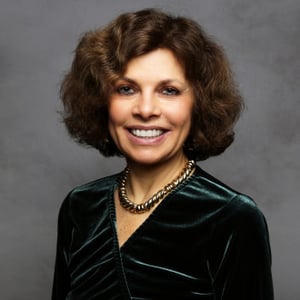
Nadine Strossen, New York Law School Professor Emerita and Senior Fellow at FIRE (the Foundation for Individual Rights and Expression), was national President of the American Civil Liberties Union from 1991 to 2008. An internationally acclaimed free speech scholar and advocate, who regularly addresses diverse audiences and provides media commentary around the world, Strossen is also the Host and Project Consultant for Free To Speak, a 3-hour documentary film series distributed on public television in 2023. Her books about free speech include: Free Speech: What Everyone Needs to Know® (Oxford University Press 2023); HATE: Why We Should Resist It with Free Speech, Not Censorship (Oxford University Press 2018); and Defending Pornography: Free Speech, Sex, and the Fight for Women’s Rights (Scribner 1995), which was republished with a new Preface in 2024 as part of the NYU Classics Series. Her many honors and awards include the National Coalition Against Censorship’s Judy Blume Lifetime Achievement Award for Free Speech. She serves on the Advisory Boards of several organizations that do free speech work, including: ACLU, Academic Freedom Alliance, Foundation Against Intolerance and Racism (FAIR), Heterodox Academy, National Coalition Against Censorship, and the University of Austin.

Masterpiece Cakeshop and Its Implications
Thomas C. Berg, Gerard V. Bradley, Louise Melling, Andrew Oldham
The Supreme Court’s decision in Masterpiece Cakeshop v. Colorado Civil Rights Commission was unexpectedly based...
The First Amendment in the Internet Age
Temple Student Chapter
Philadelphia, PAThe Legal Battle to Enforce Janus v. AFSCME
TeleforumGiving Credit for Shaping the Constitution
Karen J. Lugo
A review of: The Lives of the Constitution: Ten Exceptional Minds That Shaped America’s Supreme Law,...
Ethics CLE Teleforum 2018: New Issue in Legal Ethics, ABA Model Rule 8.4(g)
Josh Blackman
Professional Responsibility & Legal Education Practice Group Teleforum CLE not offered if Teleforum listened to...
1st Amendment, 2nd Amendment, and 3D Guns
Memphis Student Chapter
Memphis, TNEthics CLE Teleforum 2018: New Issue in Legal Ethics, ABA Model Rule 8.4(g)
Professional Responsibilities and Legal Education Practice Group
TeleforumTopics
Why Maine Should Not Adopt Proposed Rule 8.4(g): Maine Supreme Judicial Court To Hold Public Hearing This Tuesday
On Tuesday, October 23, the Maine Supreme Judicial Court will hold a public hearing on...
Free Speech and the 1st Amendment with Nadine Strossen
Campbell Student Chapter
Raleigh, NCTopics
Pennsylvania Ruling Affirms that Campaign Finance Prohibitions Must be Justified
The just-because or, a bit more flippantly, “no duh” school of campaign finance regulation suffered...