
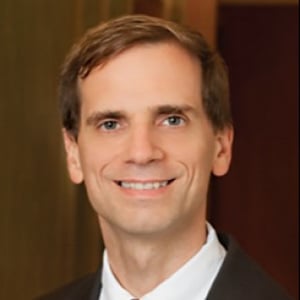
Judge, United States Court of Appeals, District of Columbia Circuit
Judge Katsas was appointed to the D.C. Circuit in December 2017. He graduated from Princeton University and Harvard Law School, where he was an executive editor on the Harvard Law Review. Between 1989 and 1992, he served as a law clerk to Judge Edward Becker on the Third Circuit, to then-Judge Clarence Thomas on the D.C. Circuit, and to Justice Thomas on the Supreme Court. Between 1992 and 2001, he was an associate and then partner in the Washington office of Jones Day, where he specialized in appellate and complex civil litigation. Between 2001 and 2009, he served in many senior positions in the Department of Justice, including as Assistant Attorney General for the Civil Division and as Acting Associate Attorney General. In 2009, he returned to Jones Day. From January to December 2017, he served as Deputy Assistant to the President and Deputy Counsel to the President.
Before joining the bench, Judge Katsas argued more than 75 appeals, including three cases in the Supreme Court, 13 cases in the D.C. Circuit, and cases in every other federal court of appeals. By appointment of the Chief Justice, he served on the Advisory Committee on Appellate Rules from 2013 to 2017. In 2016, he was elected to membership in the American Academy of Appellate Lawyers.
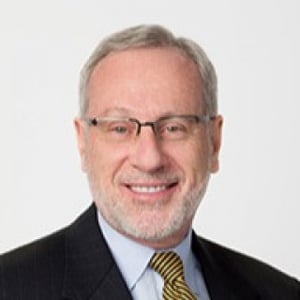
President, Center for Constitutional Litigation
Robert S. Peck, founder and president of CCL, is a sought-after appellate litigator within the plaintiffs’ bar. He is credited with having developed groundbreaking constitutional challenges to laws impeding access to courts. He regularly appears before the U.S. Supreme Court and state supreme courts, litigating cases on the merits as well as at the petition stage. Bob’s diverse practice includes state and federal constitutional law, complex civil litigation, federal preemption, personal jurisdiction, punitive damages, products liability, mass torts, consumer protection, and Section 1983 cases.
Bob has taught advanced constitutional law and state constitutional law at The George Washington University Law School and American University Washington College of Law as a member of the adjunct faculty. He is a past chair of the Board of Advisors of the RAND Corporation’s Institute for Civil Justice; past member of the Board of Directors of the National Center for State Courts; a member of the advisory committee of the Civil Justice Research Institute at the University of California, Berkeley; and a Leaders Forum member of the American Association for Justice. Bob is a past president of the U.S. Supreme Court Fellows Alumni Association and the Freedom to Read Foundation, and a past national chair of Lawyers for Libraries. He has received the prestigious AV Preeminent rating from Martindale Hubbell for both legal ability and ethical standards.
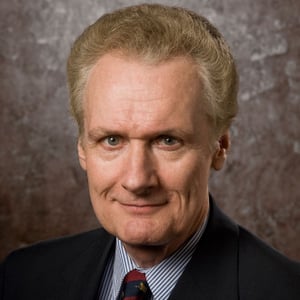
Vice President for Legal Affairs, Cato Institute
Roger Pilon is the Cato’s Institute’s vice president for legal affairs, the founding director of Cato’s Robert A. Levy Center for Constitutional Studies, the inaugural holder of Cato’s B. Kenneth Simon Chair in Constitutional Studies, and the founding publisher of the Cato Supreme Court Review.
Prior to joining Cato, Pilon held five senior posts in the Reagan administration, including at State and Justice, and was a national fellow at Stanford’s Hoover Institution. In 1989 the Bicentennial Commission presented him with its Benjamin Franklin Award for excellence in writing on the U.S. Constitution. In 2001 Columbia University’s School of General Studies awarded him its Alumni Medal of Distinction. Pilon lectures and debates at universities and law schools across the country and testifies often before Congress.
His writing has appeared in the Wall Street Journal, the Washington Post, the New York Times, the Los Angeles Times, Legal Times, National Law Journal, Harvard Journal of Law and Public Policy, Stanford Law and Policy Review, and elsewhere. He has appeared on ABC’s Nightline, CBS’s 60 Minutes II, Fox News Channel, NPR, CNN, MSNBC, CNBC, C-SPAN, and other media.
Pilon holds a BA from Columbia University, an MA and a PhD from the University of Chicago, and a JD from the George Washington University School of Law.
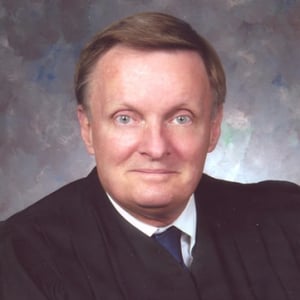
Judge, United States Court of Appeals, Fifth Circuit
Judge Smith was appointed U.S. Circuit Judge for the Fifth Circuit by President Reagan and entered on duty in January 1988. He attended public schools in Lubbock, Texas, and graduated from Yale University, receiving a B.A. in 1969 and a J.D. in 1972.
Judge Smith was a Law Clerk to U.S. District Judge Halbert Woodward, Northern District of Texas, 1972-1973; with the Houston law firm of Fulbright & Jaworski as an Associate, 1973-1981, and as Partner, 1981-1984; and as City Attorney, City of Houston, 1984-1988. He was Chairman, Civil Service Commission, City of Houston, 1982-1984; and a Director, Harris County Housing Authority, 1978-1980.
Judge Smith lives in Houston and is married to Mary Jane Smith and has four children: Ruth Ann, Clark, J.J., and Brandon. He formerly was Chair of the Advisory Committee on Federal Rules of Evidence of the Judicial Conference of the United States. He assists LexisNexis/Matthew Bender & Co. in periodic revisions of several chapters of Moore’s Federal Practice.
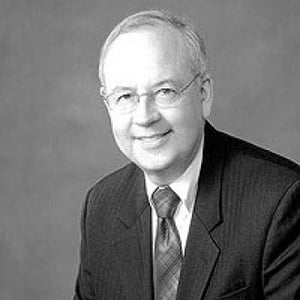
U.S. Court of Appeals, District of Columbia Circuit (1983-1989); U.S. Solicitor General (1989-1993)
Kenneth Starr is a former United States Federal Court of Appeals Judge, U.S. Solicitor General, and Independent Counsel. He is the former President and Chancellor of Baylor University where he held the Louise L. Morrison Chair of Constitutional Law at Baylor University Law School.
Cozen O'Connor
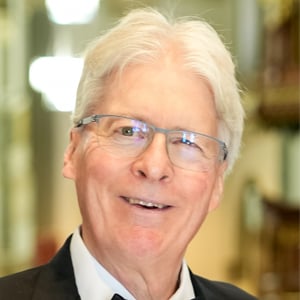
General Counsel, James Madison Center for Free Speech
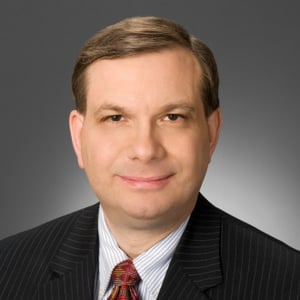
National Affairs Columnist, National Review
John Fund is National Affairs Columnist for National Review magazine and a on-air analyst on the Fox News Channel. He is considered a notable expert on American politics and the nexus between politics and economics.
He previously served as a columnist and editorial board member for The Wall Street Journal. He is the author of several books, including Who's Counting: Bow Fraudsters and Bureaucrats Put Your Vote At Risk (Encounter Books, 2012); Stealing Elections: How Voter Fraud Threatens Our Democracy (Encounter Books, 2008) and The Dangers of Regulation Through Litigation (ATRA Press, 2008). He worked as a research analyst for the California Legislature in Sacramento before beginning his journalism career as a reporter for the syndicated columnists Rowland Evans and Robert Novak.
Roll Call, the newspaper of Capitol Hill, called him "the Tom Paine of the modern Congressional reform movement." He has won awards from the Institute for Justice, The School Choice Aliance and the Warren Brooks award for journalistic excellence from the American Legislative Exchange Council.
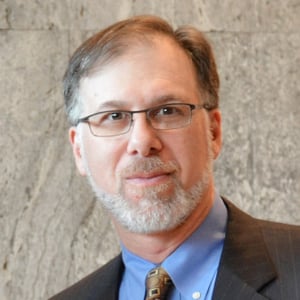
Partner, Schaerr | Jaffe LLP
Erik Jaffe has been involved in appeals on a broad range of legal issues, including First Amendment challenges to campaign finance reform, Commerce Clause challenges to Health Care Reform and other federal legislation, Equal Protection Clause challenges to affirmative action in education, First Amendment challenges to school vouchers, Fifth Amendment challenges to takings of property, Second Amendment challenges to restrictions on gun ownership, and a wide variety of cases involving patents, copyrights, ERISA, securities fraud, federal preemption, environmental regulation, and other state and federal constitutional and statutory matters. He has represented businesses and non-profit groups, Judges, Senators, former government officials, Nobel Prize winners, and a broad cross-section of private individuals. Mr. Jaffe has been involved in over 120 Supreme Court matters, including filing over 30 cert. petitions, representing half-a-dozen parties on the merits, and filing over 70 amicus briefs at both the cert. and merits stages.
A 1990 graduate of the Columbia University School of Law, Mr. Jaffe was a law clerk to Judge Douglas H. Ginsburg of the United States Court of Appeals for the District of Columbia Circuit from 1990 to 1991. Following that clerkship he spent five years in litigation practice with the Washington, D.C. law firm of Williams & Connolly. In the summer of 1996 he left Williams & Connolly to clerk for Supreme Court Justice Clarence Thomas. At the end of that clerkship he started his own practice, and he was a sole practitioner from 1997 to 2018. He joined the firm of Schaerr | Jaffe LLP in 2018.
Cozen O'Connor
General Counsel, James Madison Center for Free Speech
National Affairs Columnist, National Review
John Fund is National Affairs Columnist for National Review magazine and a on-air analyst on the Fox News Channel. He is considered a notable expert on American politics and the nexus between politics and economics.
He previously served as a columnist and editorial board member for The Wall Street Journal. He is the author of several books, including Who's Counting: Bow Fraudsters and Bureaucrats Put Your Vote At Risk (Encounter Books, 2012); Stealing Elections: How Voter Fraud Threatens Our Democracy (Encounter Books, 2008) and The Dangers of Regulation Through Litigation (ATRA Press, 2008). He worked as a research analyst for the California Legislature in Sacramento before beginning his journalism career as a reporter for the syndicated columnists Rowland Evans and Robert Novak.
Roll Call, the newspaper of Capitol Hill, called him "the Tom Paine of the modern Congressional reform movement." He has won awards from the Institute for Justice, The School Choice Aliance and the Warren Brooks award for journalistic excellence from the American Legislative Exchange Council.
Partner, Schaerr | Jaffe LLP
Erik Jaffe has been involved in appeals on a broad range of legal issues, including First Amendment challenges to campaign finance reform, Commerce Clause challenges to Health Care Reform and other federal legislation, Equal Protection Clause challenges to affirmative action in education, First Amendment challenges to school vouchers, Fifth Amendment challenges to takings of property, Second Amendment challenges to restrictions on gun ownership, and a wide variety of cases involving patents, copyrights, ERISA, securities fraud, federal preemption, environmental regulation, and other state and federal constitutional and statutory matters. He has represented businesses and non-profit groups, Judges, Senators, former government officials, Nobel Prize winners, and a broad cross-section of private individuals. Mr. Jaffe has been involved in over 120 Supreme Court matters, including filing over 30 cert. petitions, representing half-a-dozen parties on the merits, and filing over 70 amicus briefs at both the cert. and merits stages.
A 1990 graduate of the Columbia University School of Law, Mr. Jaffe was a law clerk to Judge Douglas H. Ginsburg of the United States Court of Appeals for the District of Columbia Circuit from 1990 to 1991. Following that clerkship he spent five years in litigation practice with the Washington, D.C. law firm of Williams & Connolly. In the summer of 1996 he left Williams & Connolly to clerk for Supreme Court Justice Clarence Thomas. At the end of that clerkship he started his own practice, and he was a sole practitioner from 1997 to 2018. He joined the firm of Schaerr | Jaffe LLP in 2018.
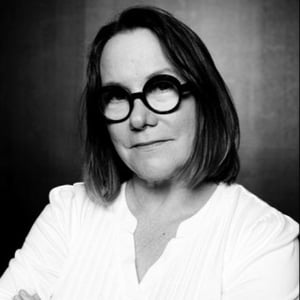
Independent Analyst, None
Allison Hayward most recently served as the Head of Case Selection at the Oversight Board. Previously, she was a Commissioner at the California Fair Political Practices Commission, a Board Member at the Office of Congressional Ethics, and an Assistant Professor of Law at George Mason University School of Law. She also previously worked as Chief of Staff and Counsel in the office of Federal Election Commission Commissioner Bradley A. Smith and practiced election law in California and in Washington DC.
In 1994-1995, Professor Hayward was a judicial clerk for the Honorable Danny J. Boggs, United States Court of Appeal for the Sixth Circuit.
She is a member of the State Bar of California and the District of Columbia Bar.
Research Fellow in Empirical Policy Analysis, Center for Data A, The Heritage Foundation
David B. Muhlhausen is a leading expert on the need for evaluating the effectiveness of federal social programs in The Heritage Foundation’s Center for Data Analysis. A Research Fellow in Empirical Policy Analysis at the think tank, Muhlhausen has testified frequently before Congress on the efficiency and effectiveness of federal programs, including testimonies before the U.S. Senate Committee on the Budget and the House Committee on Ways and Means.
In 2013, Praeger published his book, Do Federal Social Programs Work? The book presents an extensive review of scientifically rigorous national studies that almost unanimously find that the federal government fails to solve social problems.
Muhlhausen rose to national prominence in 2001 with publication of his analysis showing the highly touted Community Oriented Policing Services (COPS) program to be a waste of taxpayer dollars. His research illustrated that COPS neither had put 100,000 new police officers on the street nor reduced violent crime.
His work prompted Vice President Joseph Biden, at the time a U.S. senator from Delaware and chairman of the Senate Subcommittee on Crime and Drugs, to call a hearing specifically to investigate Muhlhausen’s findings. “I want to have a hearing on what has been, from The Heritage Foundation and other places, criticism that the COPS program does not work,” Biden said in opening the hearing.
Muhlhausen joined Heritage in 1999 after serving on the staff for the Senate Judiciary Committee, where he specialized in crime and juvenile justice policies. Prior to that, he was a manager at a juvenile correctional facility in Baltimore.
He holds a doctorate in public policy from the University of Maryland-Baltimore County and a bachelor’s degree in political science and justice studies from Frostburg State University.
In addition to his work at Heritage, Muhlhausen is an adjunct professor at George Mason University, teaching program evaluation and statistical methods to graduate students.
A native of Colorado, Muhlhausen grew up in Maryland. He currently resides in Falls Church, Va.
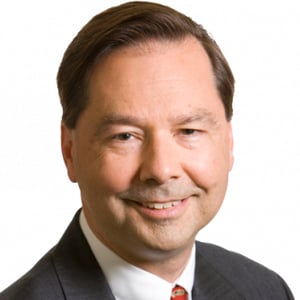
Senior Legal Fellow, Edwin Meese III Institute for the Rule of Law, Advancing American Freedom
Independent Analyst, None
Allison Hayward most recently served as the Head of Case Selection at the Oversight Board. Previously, she was a Commissioner at the California Fair Political Practices Commission, a Board Member at the Office of Congressional Ethics, and an Assistant Professor of Law at George Mason University School of Law. She also previously worked as Chief of Staff and Counsel in the office of Federal Election Commission Commissioner Bradley A. Smith and practiced election law in California and in Washington DC.
In 1994-1995, Professor Hayward was a judicial clerk for the Honorable Danny J. Boggs, United States Court of Appeal for the Sixth Circuit.
She is a member of the State Bar of California and the District of Columbia Bar.
Research Fellow in Empirical Policy Analysis, Center for Data A, The Heritage Foundation
David B. Muhlhausen is a leading expert on the need for evaluating the effectiveness of federal social programs in The Heritage Foundation’s Center for Data Analysis. A Research Fellow in Empirical Policy Analysis at the think tank, Muhlhausen has testified frequently before Congress on the efficiency and effectiveness of federal programs, including testimonies before the U.S. Senate Committee on the Budget and the House Committee on Ways and Means.
In 2013, Praeger published his book, Do Federal Social Programs Work? The book presents an extensive review of scientifically rigorous national studies that almost unanimously find that the federal government fails to solve social problems.
Muhlhausen rose to national prominence in 2001 with publication of his analysis showing the highly touted Community Oriented Policing Services (COPS) program to be a waste of taxpayer dollars. His research illustrated that COPS neither had put 100,000 new police officers on the street nor reduced violent crime.
His work prompted Vice President Joseph Biden, at the time a U.S. senator from Delaware and chairman of the Senate Subcommittee on Crime and Drugs, to call a hearing specifically to investigate Muhlhausen’s findings. “I want to have a hearing on what has been, from The Heritage Foundation and other places, criticism that the COPS program does not work,” Biden said in opening the hearing.
Muhlhausen joined Heritage in 1999 after serving on the staff for the Senate Judiciary Committee, where he specialized in crime and juvenile justice policies. Prior to that, he was a manager at a juvenile correctional facility in Baltimore.
He holds a doctorate in public policy from the University of Maryland-Baltimore County and a bachelor’s degree in political science and justice studies from Frostburg State University.
In addition to his work at Heritage, Muhlhausen is an adjunct professor at George Mason University, teaching program evaluation and statistical methods to graduate students.
A native of Colorado, Muhlhausen grew up in Maryland. He currently resides in Falls Church, Va.
Senior Legal Fellow, Edwin Meese III Institute for the Rule of Law, Advancing American Freedom
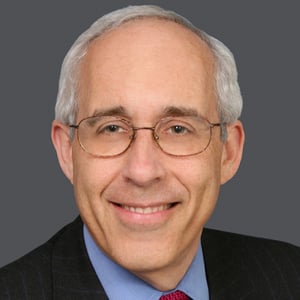
Partner, Mayer Brown LLP
Andrew Pincus is a partner in Mayer Brown LLP resident in Washington, D.C. His practice focuses on Supreme Court and appellate litigation.
Andy has argued 29 cases in the Supreme Court of the United States, including Lamps Plus, Inc. v. Varela and Frank v. Gaos in the October 2018 Term; as well as his recent victories in Impression Products, Inc. v. Lexmark International, Inc. (2017); Kindred Nursing Home Centers Limited Partnership v. Clark (2017); and Spokeo, Inc. v. Robins (2016). Law360 ranked Andy’s victory in AT&T Mobility v. Concepcion (2011), as the most important Supreme Court class action decision of the last 15 years.
Andy appears regularly before federal and state appellate courts and federal district courts. His practice also includes written and oral advocacy before Congress, other legislative bodies, and regulatory agencies regarding a variety of policy and legal issues.
A former Assistant to the Solicitor General in the United States Department of Justice (1984-1988), Andy co-founded and serves as co-director of the Yale Law School's Supreme Court Advocacy Clinic (2006-present), which provides pro bono representation in 10-15 Supreme Court cases each year.
While serving as General Counsel of the United States Department of Commerce (1997-2000), Andy had principal responsibility for the Digital Millennium Copyright Act and the Electronic Signatures in Global and National Commerce Act. He also participated in formulation of policy concerning privacy, domain name management, taxation of electronic commerce, export controls, international trade, and consumer protection.
Andy is a graduate of Yale College and Columbia Law School, where he was a Notes & Comments Editor of the Columbia Law Review. He served as Law Clerk to the Honorable Harold H. Greene, United States District Court for the District of Columbia (1981-1982).
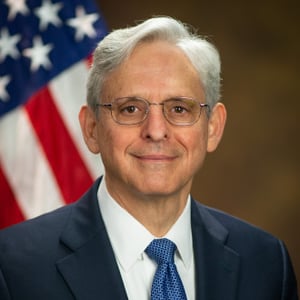
United States Attorney General
Attorney General Merrick B. Garland was sworn in as the 86th Attorney General of the United States on March 11, 2021. As the nation’s chief law enforcement officer, Attorney General Garland leads the Justice Department’s 115,000 employees, who work across the United States and in more than 50 countries worldwide. Under his leadership, the Department of Justice is dedicated to upholding the rule of law, keeping our country safe, and protecting the civil rights of all Americans.
Immediately preceding his confirmation as Attorney General, Attorney General Garland was a judge of the United States Court of Appeals for the District of Columbia Circuit. He was appointed to that position in 1997, served as Chief Judge of the Circuit from 2013-20, and served as Chair of the Executive Committee of the Judicial Conference of the United States from 2017-20. In 2016, President Obama nominated him for the position of Associate Justice of the United States Supreme Court.
Before becoming a federal judge, Attorney General Garland spent a substantial part of his professional life at the Department of Justice. He served in both career and non-career positions under five Attorneys General, including as Special Assistant to the Attorney General, Assistant United States Attorney, Deputy Assistant Attorney General in the Criminal Division, and Principal Associate Deputy Attorney General. In those roles, his responsibilities spanned the work of the Department, including criminal, civil, and national security matters. They also included direct supervision of investigations and prosecutions of national importance, including the Oklahoma City bombing, Unabomber, and Montana Freemen cases.
Earlier in his career, Attorney General Garland was a partner in the law firm of Arnold & Porter, where his practice involved civil and criminal litigation, antitrust, and administrative law. He also taught antitrust at Harvard Law School and published law review articles on both antitrust and administrative law.
Attorney General Garland graduated summa cum laude from Harvard College and magna cum laude from Harvard Law School. Following law school, he clerked for Judge Henry J. Friendly of the United States Court of Appeals for the Second Circuit, and for Justice William J. Brennan, Jr., of the United States Supreme Court.

Senior Counsel, Orrick, Herrington & Sutcliffe LLP
Michael J. Madigan is a litigation partner in Orrick's Washington, D.C., office. Mr. Madigan has more than 30 years of experience in white collar criminal investigations, congressional and corporate investigations, corporate governance issues and Washington, D.C., legislative and political issues. He began his legal career by serving as a federal prosecutor where he tried more than 100 jury trials. At age 30, he served as Counsel to Senator Howard Baker on the historic Senate Watergate Committee. In addition, Mr. Madigan has served as Chief Counsel for Senator Fred Thompson's Campaign Finance investigation, Counsel to the Church Committee and Minority Counsel of the Senate Intelligence Committee.
Mr. Madigan has successfully defended corporate and individual clients (including law firms and accounting firms) in a variety of complex criminal, civil and congressional investigations; conducted corporate internal investigations and counseled on corporate governance and Foreign Corrupt Practices Act issues.
Mr. Madigan has been elected to and/or been asked to serve on a variety of boards and has been involved in the major decision-making of each organization, including the Board of Governors of the D.C. Bar (elected to two three-year terms); the Board of Trustees of the District of Columbia Public Defender Service; the Boards of Directors of the Robert A. Shuker Scholarship Fund, Inc.; the Frederick B. Abramson Memorial Foundation, the D.C. Conference on Opportunities for Minorities in the Legal Profession, the Council for Court Excellence and the Bar Association of the District of Columbia (elected to two two-year terms).
Mr. Madigan has been appointed to serve on a number of commissions and committees, including the District of Columbia Federal Judicial Nominating Commission (federal judge selection), the Magistrate Judge Selection Committee (Vice Chairman), the D.C. Judicial Nomination Commission (local judge selection), the D.C. Circuit Judicial Conference and the Mayor's Corporation Counsel Advisory Committee. He has taught Trial Advocacy at the National Institute of Trial Advocacy for the past 20 years, where he received the "Justin Simon Award for Excellence in Teaching" and has been a Delegate to both the D.C. Circuit and D.C. Judicial Conferences for the last 15 years.
Mr. Madigan is a Fellow in the International Academy of Trial Lawyers and a "Master" in the Edward Bennett Williams Inn of Court. He is a Member of the Barristers, the Lawyers Club and the Cosmos Club.
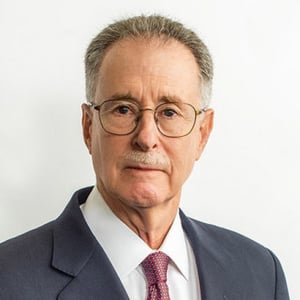
Wallace and Beverley Woodbury University Professor of Law; Co-director of the Litigation and Dispute Resolution Program, The George Washington University Law School
Stephen A. Saltzburg joined GW Law in 1990. Before that, he taught at the University of Virginia School of Law, and was named the first incumbent of the Class of 1962 Endowed Chair. In 1996, he founded and directed the master’s program in Litigation and Dispute Resolution at GW. He was named University Professor, the highest title a University can confer upon a faculty member, in 2004. The Chief Justice of the United States appointed him as reporter for, and then as a member of, the Advisory Committee on the Federal Rules of Criminal Procedure and as a member of the Advisory Committee on the Federal Rules of Evidence. He was the reporter for the Civil Justice Reform Act Committee for the D.C. District Court before he became chair. He has served as a special master in two class action cases in the D.C. District Court, and continues to serve as a mediator for the U.S. Court of Appeals for D.C. He has mediated a variety of disputes involving public agencies and private litigants; served as a sole arbitrator, panel chair, and panel member in domestic arbitrations; and served as an arbitrator for the International Chamber of Commerce.
Professor Saltzburg held the following governmental positions: associate independent counsel in the Iran-Contra investigation; deputy assistant attorney general in the Criminal Division of the U.S. Department of Justice, the Attorney General’s ex-officio representative on the U.S. Sentencing Commission; and director of the U.S. Treasury Department Tax Refund Fraud Task Force. He was chair of the ABA Criminal Justice Section from 2007 to 2008, and represents the section in the ABA House of Delegates. He was appointed to the ABA Task Force on Terrorism and the Law and to the ABA Task Force on Gatekeeper Regulation and the Profession in 2001, and to the ABA President’s Advisory Group on Citizen Detention and Enemy Combatant Issues in 2002. In 2001 he was appointed by Chief Judge Edward R. Becker of the U.S. Court of Appeals for the Third Circuit as co-chair of the Task Force on the Selection of Lead Counsel in Class Actions, which published its final report in 2002. Professor Saltzburg is the author of numerous books and articles on evidence, procedure, and litigation.
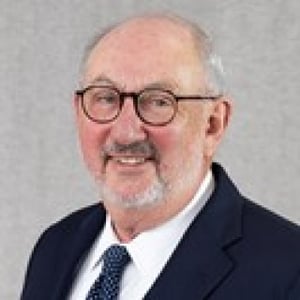
Partner, McGuireWoods LLP
George Terwilliger is co-head of the firm's white collar practice and leads the firm's Strategic Response and Crisis Management practice group. Following his fifteen years of public service in the US Department of Justice, where he began as a law clerk and concluded as Acting Attorney General, George has provided counsel in government and internal investigations, agency enforcement proceedings and in civil and criminal litigation. He has represented many of the nation's and the world's largest corporations, including major financial institutions, energy companies, public institutions as well as leading business and government officials, including members of the US Senate and House as well as cabinet officials. He has also represented lawyers and corporate legal departments in investigations. As a result of both his private sector work and government positions, George is called upon to provide counsel as well as commentary to government officials, Congress and private organizations on national security, homeland defense, terrorism, and other public policy and legal issues. George's work regularly involves providing counsel in the executive suites and boardrooms of major corporations.
In private practice for international law firms, George has represented national and international financial, energy, telecommunications, industrial and healthcare companies. He is a recognized expert in leading credible corporate internal investigations and his experience designing and executing both targeted and global legal compliance reviews has involved work in more than 60 countries around the globe. George is an expert on the Foreign Corrupt Practices Act and regularly provides counsel to companies addressing FCPA issues. No stranger to high stakes litigation and crisis events, George helped lead the Bush-Cheney legal team in the 2000 Florida vote recount, served as special outside counsel to a Senate committee investigating vote fraud allegations, served as counsel to an executive commission on gambling, and has represented many clients in politically charged election law and similar cases. He has guided corporations and individual through high stakes matters of intense public interest. He represented an incumbent president in First Amendment litigation concerning the right to have an inaugural prayer said in a public ceremony.
At the Department of Justice, George served for 10 years as a frontline federal prosecutor, handling hundreds of investigations, trials and appeals, including in white collar and national security cases. President Ronald Reagan appointed him as a U.S. attorney, and he next served as the deputy attorney general and as acting attorney general during the George H.W. Bush administration. As Deputy Attorney General, George ran the Justice Department's operations, overseeing all the nation's federal prosecutors, as well as the FBI and other law enforcement agencies. He also had leadership responsibility in several national and international crises, including a hostage-taking in a federal prison and the federal law enforcement response to domestic unrest in Los Angeles. In several instances, he personally handled negotiations of high-profile criminal and civil matters in the United States and abroad.
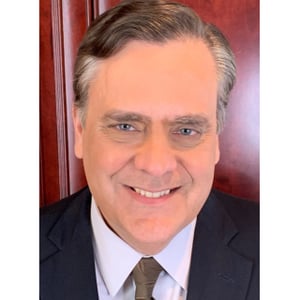
J.B. and Maurice C. Shapiro Professor of Public Interest Law; Director of the Environmental Law Advocacy Center; Executive Director, Project for Older Prisoners, The George Washington University Law School
Jonathan Turley is a nationally recognized legal scholar who has written extensively in areas ranging from constitutional law to legal theory to tort law. After a stint at Tulane Law School, Professor Turley joined the GW Law faculty in 1990, and in 1998, became the youngest chaired professor in the school’s history.
He is the founder and executive director of the Project for Older Prisoners (POPS). He has written more than three dozen academic articles that have appeared in a variety of leading law journals including those of Cornell, Duke, Georgetown, Harvard, and Northwestern Universities, among others. He most recently completed a three-part study of the historical and constitutional evolution of the military system.
Professor Turley has served as counsel in some of the most notable cases in the last two decades, including his representation of the Area 51 workers at a secret air base in Nevada; the nuclear couriers at Oak Ridge, Tennessee; the Rocky Flats grand jury in Colorado; Dr. Eric Foretich, the husband in the Elizabeth Morgan custody controversy; and four former U.S. Attorney Generals during the Clinton impeachment litigation. Professor Turley also has served as counsel in a variety of national security and terrorism cases, and has been ranked as one of the top 10 lawyers handling military cases.
He has served as a consultant on homeland security and constitutional issues, and is a frequent witness before the House and Senate on constitutional and statutory issues as well as tort reform legislation. He also is a nationally recognized legal commentator; he ranked 38th in the top 100 most cited ‘public intellectuals’ in a recent study by Judge Richard Posner and was found to be the second most cited law professor in the country.
He is a member of the USA Today board of contributors and the recipient of the “2005 Single Issue Advocate of the Year” – the annual opinion award for the Aspen Institute and The Week magazine. More than 400 of his articles on legal and policy issues regularly appear in national newspapers. He also has worked as the CBS and NBC legal analyst, respectively, during national controversies.
United States Attorney General
Attorney General Merrick B. Garland was sworn in as the 86th Attorney General of the United States on March 11, 2021. As the nation’s chief law enforcement officer, Attorney General Garland leads the Justice Department’s 115,000 employees, who work across the United States and in more than 50 countries worldwide. Under his leadership, the Department of Justice is dedicated to upholding the rule of law, keeping our country safe, and protecting the civil rights of all Americans.
Immediately preceding his confirmation as Attorney General, Attorney General Garland was a judge of the United States Court of Appeals for the District of Columbia Circuit. He was appointed to that position in 1997, served as Chief Judge of the Circuit from 2013-20, and served as Chair of the Executive Committee of the Judicial Conference of the United States from 2017-20. In 2016, President Obama nominated him for the position of Associate Justice of the United States Supreme Court.
Before becoming a federal judge, Attorney General Garland spent a substantial part of his professional life at the Department of Justice. He served in both career and non-career positions under five Attorneys General, including as Special Assistant to the Attorney General, Assistant United States Attorney, Deputy Assistant Attorney General in the Criminal Division, and Principal Associate Deputy Attorney General. In those roles, his responsibilities spanned the work of the Department, including criminal, civil, and national security matters. They also included direct supervision of investigations and prosecutions of national importance, including the Oklahoma City bombing, Unabomber, and Montana Freemen cases.
Earlier in his career, Attorney General Garland was a partner in the law firm of Arnold & Porter, where his practice involved civil and criminal litigation, antitrust, and administrative law. He also taught antitrust at Harvard Law School and published law review articles on both antitrust and administrative law.
Attorney General Garland graduated summa cum laude from Harvard College and magna cum laude from Harvard Law School. Following law school, he clerked for Judge Henry J. Friendly of the United States Court of Appeals for the Second Circuit, and for Justice William J. Brennan, Jr., of the United States Supreme Court.
Senior Counsel, Orrick, Herrington & Sutcliffe LLP
Michael J. Madigan is a litigation partner in Orrick's Washington, D.C., office. Mr. Madigan has more than 30 years of experience in white collar criminal investigations, congressional and corporate investigations, corporate governance issues and Washington, D.C., legislative and political issues. He began his legal career by serving as a federal prosecutor where he tried more than 100 jury trials. At age 30, he served as Counsel to Senator Howard Baker on the historic Senate Watergate Committee. In addition, Mr. Madigan has served as Chief Counsel for Senator Fred Thompson's Campaign Finance investigation, Counsel to the Church Committee and Minority Counsel of the Senate Intelligence Committee.
Mr. Madigan has successfully defended corporate and individual clients (including law firms and accounting firms) in a variety of complex criminal, civil and congressional investigations; conducted corporate internal investigations and counseled on corporate governance and Foreign Corrupt Practices Act issues.
Mr. Madigan has been elected to and/or been asked to serve on a variety of boards and has been involved in the major decision-making of each organization, including the Board of Governors of the D.C. Bar (elected to two three-year terms); the Board of Trustees of the District of Columbia Public Defender Service; the Boards of Directors of the Robert A. Shuker Scholarship Fund, Inc.; the Frederick B. Abramson Memorial Foundation, the D.C. Conference on Opportunities for Minorities in the Legal Profession, the Council for Court Excellence and the Bar Association of the District of Columbia (elected to two two-year terms).
Mr. Madigan has been appointed to serve on a number of commissions and committees, including the District of Columbia Federal Judicial Nominating Commission (federal judge selection), the Magistrate Judge Selection Committee (Vice Chairman), the D.C. Judicial Nomination Commission (local judge selection), the D.C. Circuit Judicial Conference and the Mayor's Corporation Counsel Advisory Committee. He has taught Trial Advocacy at the National Institute of Trial Advocacy for the past 20 years, where he received the "Justin Simon Award for Excellence in Teaching" and has been a Delegate to both the D.C. Circuit and D.C. Judicial Conferences for the last 15 years.
Mr. Madigan is a Fellow in the International Academy of Trial Lawyers and a "Master" in the Edward Bennett Williams Inn of Court. He is a Member of the Barristers, the Lawyers Club and the Cosmos Club.
Wallace and Beverley Woodbury University Professor of Law; Co-director of the Litigation and Dispute Resolution Program, The George Washington University Law School
Stephen A. Saltzburg joined GW Law in 1990. Before that, he taught at the University of Virginia School of Law, and was named the first incumbent of the Class of 1962 Endowed Chair. In 1996, he founded and directed the master’s program in Litigation and Dispute Resolution at GW. He was named University Professor, the highest title a University can confer upon a faculty member, in 2004. The Chief Justice of the United States appointed him as reporter for, and then as a member of, the Advisory Committee on the Federal Rules of Criminal Procedure and as a member of the Advisory Committee on the Federal Rules of Evidence. He was the reporter for the Civil Justice Reform Act Committee for the D.C. District Court before he became chair. He has served as a special master in two class action cases in the D.C. District Court, and continues to serve as a mediator for the U.S. Court of Appeals for D.C. He has mediated a variety of disputes involving public agencies and private litigants; served as a sole arbitrator, panel chair, and panel member in domestic arbitrations; and served as an arbitrator for the International Chamber of Commerce.
Professor Saltzburg held the following governmental positions: associate independent counsel in the Iran-Contra investigation; deputy assistant attorney general in the Criminal Division of the U.S. Department of Justice, the Attorney General’s ex-officio representative on the U.S. Sentencing Commission; and director of the U.S. Treasury Department Tax Refund Fraud Task Force. He was chair of the ABA Criminal Justice Section from 2007 to 2008, and represents the section in the ABA House of Delegates. He was appointed to the ABA Task Force on Terrorism and the Law and to the ABA Task Force on Gatekeeper Regulation and the Profession in 2001, and to the ABA President’s Advisory Group on Citizen Detention and Enemy Combatant Issues in 2002. In 2001 he was appointed by Chief Judge Edward R. Becker of the U.S. Court of Appeals for the Third Circuit as co-chair of the Task Force on the Selection of Lead Counsel in Class Actions, which published its final report in 2002. Professor Saltzburg is the author of numerous books and articles on evidence, procedure, and litigation.
Partner, McGuireWoods LLP
George Terwilliger is co-head of the firm's white collar practice and leads the firm's Strategic Response and Crisis Management practice group. Following his fifteen years of public service in the US Department of Justice, where he began as a law clerk and concluded as Acting Attorney General, George has provided counsel in government and internal investigations, agency enforcement proceedings and in civil and criminal litigation. He has represented many of the nation's and the world's largest corporations, including major financial institutions, energy companies, public institutions as well as leading business and government officials, including members of the US Senate and House as well as cabinet officials. He has also represented lawyers and corporate legal departments in investigations. As a result of both his private sector work and government positions, George is called upon to provide counsel as well as commentary to government officials, Congress and private organizations on national security, homeland defense, terrorism, and other public policy and legal issues. George's work regularly involves providing counsel in the executive suites and boardrooms of major corporations.
In private practice for international law firms, George has represented national and international financial, energy, telecommunications, industrial and healthcare companies. He is a recognized expert in leading credible corporate internal investigations and his experience designing and executing both targeted and global legal compliance reviews has involved work in more than 60 countries around the globe. George is an expert on the Foreign Corrupt Practices Act and regularly provides counsel to companies addressing FCPA issues. No stranger to high stakes litigation and crisis events, George helped lead the Bush-Cheney legal team in the 2000 Florida vote recount, served as special outside counsel to a Senate committee investigating vote fraud allegations, served as counsel to an executive commission on gambling, and has represented many clients in politically charged election law and similar cases. He has guided corporations and individual through high stakes matters of intense public interest. He represented an incumbent president in First Amendment litigation concerning the right to have an inaugural prayer said in a public ceremony.
At the Department of Justice, George served for 10 years as a frontline federal prosecutor, handling hundreds of investigations, trials and appeals, including in white collar and national security cases. President Ronald Reagan appointed him as a U.S. attorney, and he next served as the deputy attorney general and as acting attorney general during the George H.W. Bush administration. As Deputy Attorney General, George ran the Justice Department's operations, overseeing all the nation's federal prosecutors, as well as the FBI and other law enforcement agencies. He also had leadership responsibility in several national and international crises, including a hostage-taking in a federal prison and the federal law enforcement response to domestic unrest in Los Angeles. In several instances, he personally handled negotiations of high-profile criminal and civil matters in the United States and abroad.
J.B. and Maurice C. Shapiro Professor of Public Interest Law; Director of the Environmental Law Advocacy Center; Executive Director, Project for Older Prisoners, The George Washington University Law School
Jonathan Turley is a nationally recognized legal scholar who has written extensively in areas ranging from constitutional law to legal theory to tort law. After a stint at Tulane Law School, Professor Turley joined the GW Law faculty in 1990, and in 1998, became the youngest chaired professor in the school’s history.
He is the founder and executive director of the Project for Older Prisoners (POPS). He has written more than three dozen academic articles that have appeared in a variety of leading law journals including those of Cornell, Duke, Georgetown, Harvard, and Northwestern Universities, among others. He most recently completed a three-part study of the historical and constitutional evolution of the military system.
Professor Turley has served as counsel in some of the most notable cases in the last two decades, including his representation of the Area 51 workers at a secret air base in Nevada; the nuclear couriers at Oak Ridge, Tennessee; the Rocky Flats grand jury in Colorado; Dr. Eric Foretich, the husband in the Elizabeth Morgan custody controversy; and four former U.S. Attorney Generals during the Clinton impeachment litigation. Professor Turley also has served as counsel in a variety of national security and terrorism cases, and has been ranked as one of the top 10 lawyers handling military cases.
He has served as a consultant on homeland security and constitutional issues, and is a frequent witness before the House and Senate on constitutional and statutory issues as well as tort reform legislation. He also is a nationally recognized legal commentator; he ranked 38th in the top 100 most cited ‘public intellectuals’ in a recent study by Judge Richard Posner and was found to be the second most cited law professor in the country.
He is a member of the USA Today board of contributors and the recipient of the “2005 Single Issue Advocate of the Year” – the annual opinion award for the Aspen Institute and The Week magazine. More than 400 of his articles on legal and policy issues regularly appear in national newspapers. He also has worked as the CBS and NBC legal analyst, respectively, during national controversies.
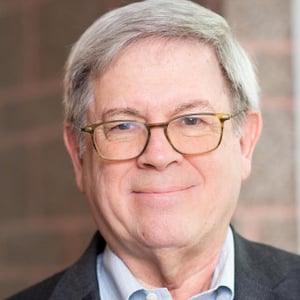
Senior Fellow, Cato Institute
Walter Olson is a senior fellow at the Cato Institute’s Robert A. Levy Center for Constitutional Studies and is known for his writing on the American legal system. His books include The Rule of Lawyers, on mass litigation, The Excuse Factory, on lawsuits in the workplace, and most recently Schools for Misrule, on the state of the law schools. His first book, The Litigation Explosion, was one of the most widely discussed general-audience books on law of its time. It led the Washington Post to dub him “intellectual guru of tort reform.” Active on social media, he is known as the founder and principal writer of what is generally considered the oldest blog on law as well as one of the most popular, Overlawyered.com. He has advised many public officials from the White House to town councils and in 2015 was named by Gov. Larry Hogan to be co-chair of the Maryland Redistricting Reform Commission, which issued its report recommendations later that year to acclaim across the state.
Before joining Cato, Olson was a senior fellow at the Manhattan Institute and an editor at the magazine Regulation, then edited by future Supreme Court Justice Antonin Scalia. Olson’s more than 400 broadcast appearances include all the major networks, NPR, the BBC, The Diane Rehm Show, and Oprah.
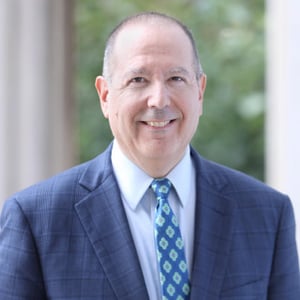
Dean Emeritus and Harvey R. Miller Professor of Law & Economics, Columbia Law School
David Schizer served as Dean of Columbia Law School from 2004 to 2014, and as CEO of the American Jewish Joint Distribution Committee, a global Jewish humanitarian organization, from 2017 to 2019. A co-chair of Columbia University's new task force on antisemitism, he also is a co-founder and co-chair of the Center for Israeli Legal Studies at Columbia Law School; co-founder and co-chair of the Richman Center for Law, Business, and Public Policy; and a Charter Trustee of Ramaz. He served as a law clerk to Justice Ruth Bader Ginsburg on the U.S. Supreme Court.
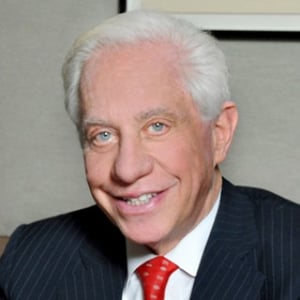
Partner, Shook, Hardy & Bacon LLP
Victor Schwartz chairs the firm's Public Policy Practice Group, which focuses on integrating litigation, government affairs and public relations. The group seeks to be the vanguard of developing public policy issues that will help improve our civil justice system. Mr. Schwartz also has an active appellate practice and advises product manufacturers on liability prevention, litigation and public relations issues.
Sought by print and broadcast media, Mr. Schwartz is frequently quoted in The Wall Street Journal, The Washington Post and The New York Times. He has appeared on Oprah, 60 Minutes and leading news programs. The Legal Times of Washington has named Mr. Schwartz one of Washington’s Top 30 “Visionary” lawyers, and The National Law Journal named Mr. Schwartz one of the 100 most influential lawyers in the United States in March 2013.
Mr. Schwartz is on the Board of Directors of the Searle Civil Justice Institute at George Mason University School of Law. He is a frequent participant in judicial education programs. Mr. Schwartz serves as General Counsel to the American Tort Reform Association.
Prior to entering the full time practice of law, Mr. Schwartz was a professor and dean at the University of Cincinnati College of Law. He currently serves on the College’s Board of Visitors. In 2012, the College established the Professor Victor E. Schwartz Chair in Tort Law.
Mr. Schwartz, while at the U.S. Department of Commerce, served as chair of the Federal Inter-Agency Task Force on Product Liability, and the Federal Inter-Agency Council on Insurance. He was the principal author of the Uniform Product Liability Act and the Federal Risk Retention Act. He received the Secretary of Commerce’s Award for Professional Excellence.
Mr. Schwartz is co-author of the most widely used torts casebook in the United States, Prosser, Wade and Schwartz’s Torts (12th ed. 2010). He is author of the leading text Comparative Negligence (5th ed. 2010).
Mr. Schwartz has been an advisor for each of the American Law Institute’s (ALI) Restatement (Third) of Torts projects; Products Liability, Apportionment of Liability, and Liability for Physical Injury and Emotional Harm. He is a life member of the ALI.
Mr. Schwartz’s law review articles have analyzed almost every major subject of modern tort and civil justice public policy issues. His articles are frequently cited by both state and federal courts.
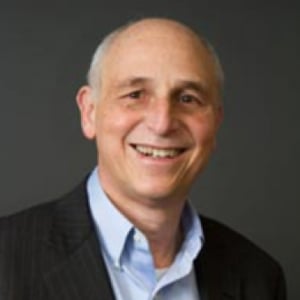
A.B. Chettle Chair in Civil Procedure, Georgetown University Law Center
Professor Vladeck teaches civil procedure, federal courts, a practicum on privacy and technology (taught jointly with MIT), and directs the Civil Litigation Clinic, a student clinic that handles trial court litigation focused on public-interest cases. He also serves as Faculty Director of the Law Center’s Center on Privacy and Technology.
From 2002 to 2009, Professor Vladeck served as Director of the Civil Rights section of Georgetown Law’s Institute for Public Representation, a student clinic that handles complex trial court and appellate litigation focused on civil rights and other public-interest litigation, while also teaching civil procedure and federal courts. From 2009 to 2012, Professor Vladeck took leave from Georgetown to serve as the Director of the Federal Trade Commission’s Bureau of Consumer Protection.
At the FTC, he supervised the Bureau’s 450 lawyers, investigators, paralegals and support staff in carrying out the Bureau’s work to protect consumers from unfair, deceptive or fraudulent practices. Before joining the Law Center faculty full-time in 2002, Professor Vladeck spent over 25 years with Public Citizen Litigation Group, a national public interest law firm, serving the last ten years as the Group’s director. He has briefed and argued a number of cases before the U.S. Supreme Court and more than sixty cases before federal courts of appeal and state courts of law resort.
He is a Senior Fellow of the Administrative Conference of the United States, a member of the National Academy of Sciences’ Committee on Law, Science and Technology, and an elected member of the American Law Institute. He also serves as Vice Chair of the Board of Trustees of the Natural Resources Defense Council, and on the boards of the National Consumers Law Center and the Center for Democracy and Technology. Professor Vladeck frequently testifies before Congress and writes on administrative law, First Amendment, consumer protection, privacy, and access to justice issues.
Senior Fellow, Cato Institute
Walter Olson is a senior fellow at the Cato Institute’s Robert A. Levy Center for Constitutional Studies and is known for his writing on the American legal system. His books include The Rule of Lawyers, on mass litigation, The Excuse Factory, on lawsuits in the workplace, and most recently Schools for Misrule, on the state of the law schools. His first book, The Litigation Explosion, was one of the most widely discussed general-audience books on law of its time. It led the Washington Post to dub him “intellectual guru of tort reform.” Active on social media, he is known as the founder and principal writer of what is generally considered the oldest blog on law as well as one of the most popular, Overlawyered.com. He has advised many public officials from the White House to town councils and in 2015 was named by Gov. Larry Hogan to be co-chair of the Maryland Redistricting Reform Commission, which issued its report recommendations later that year to acclaim across the state.
Before joining Cato, Olson was a senior fellow at the Manhattan Institute and an editor at the magazine Regulation, then edited by future Supreme Court Justice Antonin Scalia. Olson’s more than 400 broadcast appearances include all the major networks, NPR, the BBC, The Diane Rehm Show, and Oprah.
Dean Emeritus and Harvey R. Miller Professor of Law & Economics, Columbia Law School
David Schizer served as Dean of Columbia Law School from 2004 to 2014, and as CEO of the American Jewish Joint Distribution Committee, a global Jewish humanitarian organization, from 2017 to 2019. A co-chair of Columbia University's new task force on antisemitism, he also is a co-founder and co-chair of the Center for Israeli Legal Studies at Columbia Law School; co-founder and co-chair of the Richman Center for Law, Business, and Public Policy; and a Charter Trustee of Ramaz. He served as a law clerk to Justice Ruth Bader Ginsburg on the U.S. Supreme Court.
Partner, Shook, Hardy & Bacon LLP
Victor Schwartz chairs the firm's Public Policy Practice Group, which focuses on integrating litigation, government affairs and public relations. The group seeks to be the vanguard of developing public policy issues that will help improve our civil justice system. Mr. Schwartz also has an active appellate practice and advises product manufacturers on liability prevention, litigation and public relations issues.
Sought by print and broadcast media, Mr. Schwartz is frequently quoted in The Wall Street Journal, The Washington Post and The New York Times. He has appeared on Oprah, 60 Minutes and leading news programs. The Legal Times of Washington has named Mr. Schwartz one of Washington’s Top 30 “Visionary” lawyers, and The National Law Journal named Mr. Schwartz one of the 100 most influential lawyers in the United States in March 2013.
Mr. Schwartz is on the Board of Directors of the Searle Civil Justice Institute at George Mason University School of Law. He is a frequent participant in judicial education programs. Mr. Schwartz serves as General Counsel to the American Tort Reform Association.
Prior to entering the full time practice of law, Mr. Schwartz was a professor and dean at the University of Cincinnati College of Law. He currently serves on the College’s Board of Visitors. In 2012, the College established the Professor Victor E. Schwartz Chair in Tort Law.
Mr. Schwartz, while at the U.S. Department of Commerce, served as chair of the Federal Inter-Agency Task Force on Product Liability, and the Federal Inter-Agency Council on Insurance. He was the principal author of the Uniform Product Liability Act and the Federal Risk Retention Act. He received the Secretary of Commerce’s Award for Professional Excellence.
Mr. Schwartz is co-author of the most widely used torts casebook in the United States, Prosser, Wade and Schwartz’s Torts (12th ed. 2010). He is author of the leading text Comparative Negligence (5th ed. 2010).
Mr. Schwartz has been an advisor for each of the American Law Institute’s (ALI) Restatement (Third) of Torts projects; Products Liability, Apportionment of Liability, and Liability for Physical Injury and Emotional Harm. He is a life member of the ALI.
Mr. Schwartz’s law review articles have analyzed almost every major subject of modern tort and civil justice public policy issues. His articles are frequently cited by both state and federal courts.
A.B. Chettle Chair in Civil Procedure, Georgetown University Law Center
Professor Vladeck teaches civil procedure, federal courts, a practicum on privacy and technology (taught jointly with MIT), and directs the Civil Litigation Clinic, a student clinic that handles trial court litigation focused on public-interest cases. He also serves as Faculty Director of the Law Center’s Center on Privacy and Technology.
From 2002 to 2009, Professor Vladeck served as Director of the Civil Rights section of Georgetown Law’s Institute for Public Representation, a student clinic that handles complex trial court and appellate litigation focused on civil rights and other public-interest litigation, while also teaching civil procedure and federal courts. From 2009 to 2012, Professor Vladeck took leave from Georgetown to serve as the Director of the Federal Trade Commission’s Bureau of Consumer Protection.
At the FTC, he supervised the Bureau’s 450 lawyers, investigators, paralegals and support staff in carrying out the Bureau’s work to protect consumers from unfair, deceptive or fraudulent practices. Before joining the Law Center faculty full-time in 2002, Professor Vladeck spent over 25 years with Public Citizen Litigation Group, a national public interest law firm, serving the last ten years as the Group’s director. He has briefed and argued a number of cases before the U.S. Supreme Court and more than sixty cases before federal courts of appeal and state courts of law resort.
He is a Senior Fellow of the Administrative Conference of the United States, a member of the National Academy of Sciences’ Committee on Law, Science and Technology, and an elected member of the American Law Institute. He also serves as Vice Chair of the Board of Trustees of the Natural Resources Defense Council, and on the boards of the National Consumers Law Center and the Center for Democracy and Technology. Professor Vladeck frequently testifies before Congress and writes on administrative law, First Amendment, consumer protection, privacy, and access to justice issues.

Litigation: Civil Litigation under the Roberts Court
Gregory G. Katsas, Robert S. Peck, Carter G. Phillips, Roger Pilon, Jerry E. Smith, Kenneth W. Starr
2008 National Lawyers Convention
The Roberts Court -- is it pro-business? Many Court watchers say so. But, whether pro-business...
Election Through Litigation
Adam Bonin, James Bopp, John Fund, Erik S. Jaffe
2008 Election Law Conference
On October 7, 2008, the Federalist Society presented the 2008 Election Law Conference. In recent years,...
Election Through Litigation
Adam Bonin, James Bopp, John Fund, Erik S. Jaffe
2008 Election Law Conference
On October 7, 2008, the Federalist Society presented the 2008 Election Law Conference. In recent years,...
The Scope of the Franchise, 2008
Allison R. Hayward, Douglas Kellner, David B. Muhlhausen, Hans A. Von Spakovsky, Wendy R. Weiser
2008 Election Law Conference
On October 7, 2008, the Federalist Society held presented the 2008 Election Law Conference. This panel...
The Scope of the Franchise, 2008
Allison R. Hayward, Douglas Kellner, David B. Muhlhausen, Hans A. Von Spakovsky, Wendy R. Weiser
2008 Election Law Conference
On October 7, 2008, the Federalist Society held presented the 2008 Election Law Conference. This panel...
Securities Litigation Reform
John Cornyn, Holt M. Lackey, Andrew J. Pincus
Corporations, Securities, and Antitrust Practice Group
On May 19, William Lerach, formerly of the law firm of Milberg, Weiss, Bershad, Hynes...
The Obstruction of Justice
Merrick B. Garland, Michael J. Madigan, Stephen A. Saltzburg, George J. Terwilliger, Jonathan R. Turley
Criminal Law and Procedure Practice Group
Every few months, a highly visible public figure or government official becomes embroiled in a...
The Obstruction of Justice
Merrick B. Garland, Michael J. Madigan, Stephen A. Saltzburg, George J. Terwilliger, Jonathan R. Turley
Criminal Law and Procedure Practice Group
Every few months, a highly visible public figure or government official becomes embroiled in a...
Is Overlawyering Overtaking Democracy
Theodore Eisenberg, Walter K. Olson, David M. Schizer, Victor E. Schwartz, David C. Vladeck
2007 National Lawyers Convention
The Federalist Society's Litigation and Professional Responsibility Practice Groups presented this panel discussion at the...
Is Overlawyering Overtaking Democracy
Theodore Eisenberg, Walter K. Olson, David M. Schizer, Victor E. Schwartz, David C. Vladeck
2007 National Lawyers Convention
The Federalist Society's Litigation and Professional Responsibility Practice Groups presented this panel discussion at the...