
Assistant Professor of Law, University of Washington School of Law
Professor Calo researches the intersection of law and emerging technology, with an emphasis on robotics and the Internet. His work on drones, driverless cars, privacy, and other topics has appeared in law reviews and major news outlets, including the New York Times, the Wall Street Journal, and NPR. Professor Calo has also testified before the full Judiciary Committee of the United States Senate.
Professor Calo serves on numerous advisory boards, including the Electronic Privacy Information Center (EPIC), the Electronic Frontier Foundation (EFF), the Future of Privacy Forum, and National Robotics Week. Professor Calo co-chairs the Robotics and Artificial Intelligence committee of the American Bar Association and is a member of the Executive Committee of the American Association of Law Schools (AALS) Section on Internet and Computer Law.
Professor Calo previously served as a director at the Stanford Law School Center for Internet and Society (CIS) where he remains an Affiliate Scholar. He also worked as an associate in the Washington, D.C. office of Covington & Burling LLP and clerked for the Honorable R. Guy Cole on the U.S. Court of Appeals for the Sixth Circuit. Prior to law school at the University of Michigan, Professor Calo investigated allegations of police misconduct in New York City.
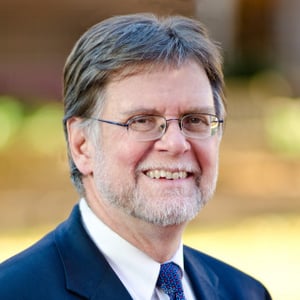
Global Competition Professor of Law and Policy, George Washington University Law School
Before joining the law school in 1999, William E. Kovacic was the George Mason University Foundation Professor at the George Mason University School of Law. From January 2006 to October 2011, he was a member of the Federal Trade Commission and chaired the agency from March 2008 to March 2009. He was the FTC’s General Counsel from June 2001 to December 2004. In 2011 he received the FTC’s Miles W. Kirkpatrick Award for Lifetime Achievement.
Since August 2013, Professor Kovacic has served as a Non-Executive Director with the United Kingdom’s Competition and Markets Authority. From January 2009 to September 2011, he was Vice-Chair for Outreach for the International Competition Network. He has advised many countries and international organizations on antitrust, consumer protection, government contracts, and the design of regulatory institutions.
At GW, Professor Kovacic has taught antitrust, contracts, and government contracts. He is co-editor (with Ariel Ezrachi) of the Journal of Antitrust Enforcement. His publications since returning to GW in 2011 include “Good Agency Practice and the Implementation of Competition Law” in European Yearbook of International Economic Law (Christoph Hermann ed. 2013); “Antitrust in High-Tech Industries: Improving the Federal Antitrust Joint Venture” in George Mason Law Review (2012); “Behavioral Economics: Implications for Regulatory Agency Behavior” in Journal of Regulatory Economics (2012) (with James Cooper); “Competition Agency Design: What’s on the Menu?” in European Competition Journal (2012) (with David Hyman); “Plus Factors and Agreement in Antitrust Law” in Michigan Law Review (2011) (with Robert Marshall, Leslie Marx & Halbert White); “Ensuring Integrity and Competition and Public Procurement Markets: A Dual Challenge for Good Governance” in The WTO Regime on Government Procurement: Challenge and Reform (Sue Arrowsmith & Robert Anderson, eds. 2011) (with Robert Anderson & Anna Caroline Mueller); “The International Competition Network: Its Past, Current, and Future Role” inMinnesota Journal of International Law (2011) (with Hugh Hollman); “The William Humphrey and Abram Myers Years: The FTC from 1925 to 1929” in Antitrust Law Journal (2011) (with Marc Winerman); Professor Kovacic also is co-author (with Andrew Gavil & Jonathan Baker) of Antitrust Law in Perspective: Cases, Concepts and Problems in Competition Policy (2d ed. 2008) and Antitrust Law & Economics in a Nutshell (5th ed. 2004) (with Ernest Gellhorn & Stephen Calkins).
Samuel Candler Dobbs Professor of Economics Emeritus, Emory University
Paul H. Rubin is the Samuel Candler Dobbs Professor of Economics Emeritus in the Economics Department of Emory University and a former Professor of Law and Economics at the School of Law. He served as editor-in-chief of Managerial and Decision Economics. In addition, he is associated with the Mont Peleron Society, the Independent Institute, and the American Enterprise Institute, and a Fellow of the Public Choice Society and former President of the Southern Economics Association. Professor Rubin was Senior Economist at the Council of Economic Advisers under President Reagan, Chief Economist at the U.S. Consumer Product Safety Commission, Director of Advertising Economics at the Federal Trade Commission, and Vice-President of Glassman-Oliver Economic Consultants, Inc., a litigation consulting firm in Washington. He has taught economics at the University of Georgia, City University of New York, VPI, and law and economics at George Washington University Law School. Professor Rubin has written or edited several books, and has published over one hundred articles and chapters on economics, law, and regulation.
Much of Professor Rubin's writing is in law and economics, with a focus on tort, crime and contract issues. His areas of research interest include law and economics, industrial organization, transaction cost economics, government and business, public choice, regulation and price theory, and evolution and economics. His work has been cited in the professional literature over 11,100 times. He has consulted widely on litigation related matters, and has addressed numerous business, professional, policy and academic audiences. He has testified three times before Congress, and has served as an advisor on tort issues to the Congressional Budget Office.
Professor Rubin is the author of the well known paper "Why Is the Common Law efficient?" Journal of Legal Studies, 1977, which has been reprinted eight times, in English, Spanish and French.
Assistant Professor of Law, University of Washington School of Law
Professor Calo researches the intersection of law and emerging technology, with an emphasis on robotics and the Internet. His work on drones, driverless cars, privacy, and other topics has appeared in law reviews and major news outlets, including the New York Times, the Wall Street Journal, and NPR. Professor Calo has also testified before the full Judiciary Committee of the United States Senate.
Professor Calo serves on numerous advisory boards, including the Electronic Privacy Information Center (EPIC), the Electronic Frontier Foundation (EFF), the Future of Privacy Forum, and National Robotics Week. Professor Calo co-chairs the Robotics and Artificial Intelligence committee of the American Bar Association and is a member of the Executive Committee of the American Association of Law Schools (AALS) Section on Internet and Computer Law.
Professor Calo previously served as a director at the Stanford Law School Center for Internet and Society (CIS) where he remains an Affiliate Scholar. He also worked as an associate in the Washington, D.C. office of Covington & Burling LLP and clerked for the Honorable R. Guy Cole on the U.S. Court of Appeals for the Sixth Circuit. Prior to law school at the University of Michigan, Professor Calo investigated allegations of police misconduct in New York City.
Global Competition Professor of Law and Policy, George Washington University Law School
Before joining the law school in 1999, William E. Kovacic was the George Mason University Foundation Professor at the George Mason University School of Law. From January 2006 to October 2011, he was a member of the Federal Trade Commission and chaired the agency from March 2008 to March 2009. He was the FTC’s General Counsel from June 2001 to December 2004. In 2011 he received the FTC’s Miles W. Kirkpatrick Award for Lifetime Achievement.
Since August 2013, Professor Kovacic has served as a Non-Executive Director with the United Kingdom’s Competition and Markets Authority. From January 2009 to September 2011, he was Vice-Chair for Outreach for the International Competition Network. He has advised many countries and international organizations on antitrust, consumer protection, government contracts, and the design of regulatory institutions.
At GW, Professor Kovacic has taught antitrust, contracts, and government contracts. He is co-editor (with Ariel Ezrachi) of the Journal of Antitrust Enforcement. His publications since returning to GW in 2011 include “Good Agency Practice and the Implementation of Competition Law” in European Yearbook of International Economic Law (Christoph Hermann ed. 2013); “Antitrust in High-Tech Industries: Improving the Federal Antitrust Joint Venture” in George Mason Law Review (2012); “Behavioral Economics: Implications for Regulatory Agency Behavior” in Journal of Regulatory Economics (2012) (with James Cooper); “Competition Agency Design: What’s on the Menu?” in European Competition Journal (2012) (with David Hyman); “Plus Factors and Agreement in Antitrust Law” in Michigan Law Review (2011) (with Robert Marshall, Leslie Marx & Halbert White); “Ensuring Integrity and Competition and Public Procurement Markets: A Dual Challenge for Good Governance” in The WTO Regime on Government Procurement: Challenge and Reform (Sue Arrowsmith & Robert Anderson, eds. 2011) (with Robert Anderson & Anna Caroline Mueller); “The International Competition Network: Its Past, Current, and Future Role” inMinnesota Journal of International Law (2011) (with Hugh Hollman); “The William Humphrey and Abram Myers Years: The FTC from 1925 to 1929” in Antitrust Law Journal (2011) (with Marc Winerman); Professor Kovacic also is co-author (with Andrew Gavil & Jonathan Baker) of Antitrust Law in Perspective: Cases, Concepts and Problems in Competition Policy (2d ed. 2008) and Antitrust Law & Economics in a Nutshell (5th ed. 2004) (with Ernest Gellhorn & Stephen Calkins).
Samuel Candler Dobbs Professor of Economics Emeritus, Emory University
Paul H. Rubin is the Samuel Candler Dobbs Professor of Economics Emeritus in the Economics Department of Emory University and a former Professor of Law and Economics at the School of Law. He served as editor-in-chief of Managerial and Decision Economics. In addition, he is associated with the Mont Peleron Society, the Independent Institute, and the American Enterprise Institute, and a Fellow of the Public Choice Society and former President of the Southern Economics Association. Professor Rubin was Senior Economist at the Council of Economic Advisers under President Reagan, Chief Economist at the U.S. Consumer Product Safety Commission, Director of Advertising Economics at the Federal Trade Commission, and Vice-President of Glassman-Oliver Economic Consultants, Inc., a litigation consulting firm in Washington. He has taught economics at the University of Georgia, City University of New York, VPI, and law and economics at George Washington University Law School. Professor Rubin has written or edited several books, and has published over one hundred articles and chapters on economics, law, and regulation.
Much of Professor Rubin's writing is in law and economics, with a focus on tort, crime and contract issues. His areas of research interest include law and economics, industrial organization, transaction cost economics, government and business, public choice, regulation and price theory, and evolution and economics. His work has been cited in the professional literature over 11,100 times. He has consulted widely on litigation related matters, and has addressed numerous business, professional, policy and academic audiences. He has testified three times before Congress, and has served as an advisor on tort issues to the Congressional Budget Office.
Professor Rubin is the author of the well known paper "Why Is the Common Law efficient?" Journal of Legal Studies, 1977, which has been reprinted eight times, in English, Spanish and French.
Senior Of Counsel, Covington & Burling LLP and Executive Chairma, The Chertoff Group
Michael Chertoff concentrates in the area of White Collar Defense and Investigations. In recent years, he has handled a series of federal investigations, including complex criminal and civil regulatory matters. He has advised major clients on SEC and Justice Department investigations and successfully served as the independent monitor of a major national healthcare company under criminal and civil investigation.
In addition to his legal work, Mr. Chertoff is Founder and Chairman of The Chertoff Group, a security and risk management firm, where he provides high-level strategic counsel to corporate and government leaders on a broad range of security issues, from risk identification and prevention to preparedness, response and recovery.
In April of 2012, Mr. Chertoff was elected as the new Chairman of the Board of Directors of BAE Systems, Inc. He also sits on the board of directors or board of advisors of a number of companies and nonprofits.
Previously, Mr. Chertoff served as Secretary of the Department of Homeland Security. As Secretary, he led a 218,000 person department with a budget of $50 billion. Mr. Chertoff developed and implemented border security and immigration policy; promulgated homeland security regulations; and spearheaded a national cyber security strategy. He also served periodically on the National Security Council and the Homeland Security Council, and on the Committee on Foreign Investment in the United States.
Prior to his appointment to the Cabinet, Mr. Chertoff served from 2003 to 2005 on the U.S. Court of Appeals for the Third Circuit. Before becoming a federal judge, Mr. Chertoff was the Assistant Attorney General for the Criminal Division of the U.S. Department of Justice. In that position, he oversaw the investigation of the 9/11 terrorist attacks, and formed the Enron Task Force, which produced more than 20 convictions, including those of CEOs Jeffrey Skilling and Kenneth Lay.
Mr. Chertoff’s career includes more than a decade as a federal prosecutor, including service as U.S. Attorney for the District of New Jersey, First Assistant U.S. Attorney for the District of New Jersey, and Assistant U.S. Attorney for the Southern District of New York. As a federal prosecutor, Mr. Chertoff investigated and personally prosecuted significant cases of political corruption, organized crime, and corporate fraud.
From 1994-2001, Mr. Chertoff represented major corporations and individuals in numerous white collar investigations and trials. Among other matters, he successfully represented the nation’s largest hospital company in a four year, multi-jurisdictional criminal and civil investigation, represented major corporations in corruption scandals, and obtained acquittals at trial for individual criminal defendants.
Mr. Chertoff has received numerous awards including the Department of Justice Henry E. Petersen Memorial Award (2006); the Department of Justice John Marshall Award for Trial of Litigation (1987); NAACP Benjamin L. Hooks Award for Distinguished Service (2007); European Institute Transatlantic Leadership Award (2008); and two honorary doctorates. His trial experiences have been featured in over half a dozen books and many news articles.
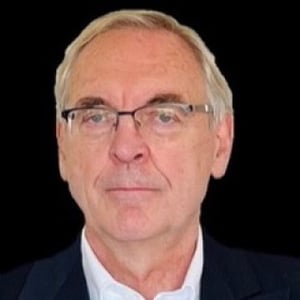
Fellow, National Security Institute, Antonin Scalia Law School, George Mason University
Vince Vitkowsky chaired the Executive Committee of the Federalist Society’s International and National Security Law and Policy Practice Group for over a decade. He is also a Fellow at the National Security Institute of George Mason University Law School. Vince spent 45 years in private practice, primarily in AmLaw 100/200 firms and their spin-offs. His practice included domestic and international commercial arbitration and litigation, as well as cyber risks and liabilities. Vince's current focus is on national security policy, artificial intelligence, cybersecurity, and counterterrorism. He has often written and spoken on national security and other public policy issues. Among other affiliations, Vince has been an Adjunct Fellow at the Center for Law and Counterterrorism of the Foundation for the Defense of Democracies, a member of the Executive Committee of the American Branch of the International Law Association, and Co-Chair of the Committee on Interventions and Trial Observations of the International Bar Association’s Human Rights Institute. He received his B.A. from Northwestern University and his J.D. from Cornell Law School.
Senior Of Counsel, Covington & Burling LLP and Executive Chairma, The Chertoff Group
Michael Chertoff concentrates in the area of White Collar Defense and Investigations. In recent years, he has handled a series of federal investigations, including complex criminal and civil regulatory matters. He has advised major clients on SEC and Justice Department investigations and successfully served as the independent monitor of a major national healthcare company under criminal and civil investigation.
In addition to his legal work, Mr. Chertoff is Founder and Chairman of The Chertoff Group, a security and risk management firm, where he provides high-level strategic counsel to corporate and government leaders on a broad range of security issues, from risk identification and prevention to preparedness, response and recovery.
In April of 2012, Mr. Chertoff was elected as the new Chairman of the Board of Directors of BAE Systems, Inc. He also sits on the board of directors or board of advisors of a number of companies and nonprofits.
Previously, Mr. Chertoff served as Secretary of the Department of Homeland Security. As Secretary, he led a 218,000 person department with a budget of $50 billion. Mr. Chertoff developed and implemented border security and immigration policy; promulgated homeland security regulations; and spearheaded a national cyber security strategy. He also served periodically on the National Security Council and the Homeland Security Council, and on the Committee on Foreign Investment in the United States.
Prior to his appointment to the Cabinet, Mr. Chertoff served from 2003 to 2005 on the U.S. Court of Appeals for the Third Circuit. Before becoming a federal judge, Mr. Chertoff was the Assistant Attorney General for the Criminal Division of the U.S. Department of Justice. In that position, he oversaw the investigation of the 9/11 terrorist attacks, and formed the Enron Task Force, which produced more than 20 convictions, including those of CEOs Jeffrey Skilling and Kenneth Lay.
Mr. Chertoff’s career includes more than a decade as a federal prosecutor, including service as U.S. Attorney for the District of New Jersey, First Assistant U.S. Attorney for the District of New Jersey, and Assistant U.S. Attorney for the Southern District of New York. As a federal prosecutor, Mr. Chertoff investigated and personally prosecuted significant cases of political corruption, organized crime, and corporate fraud.
From 1994-2001, Mr. Chertoff represented major corporations and individuals in numerous white collar investigations and trials. Among other matters, he successfully represented the nation’s largest hospital company in a four year, multi-jurisdictional criminal and civil investigation, represented major corporations in corruption scandals, and obtained acquittals at trial for individual criminal defendants.
Mr. Chertoff has received numerous awards including the Department of Justice Henry E. Petersen Memorial Award (2006); the Department of Justice John Marshall Award for Trial of Litigation (1987); NAACP Benjamin L. Hooks Award for Distinguished Service (2007); European Institute Transatlantic Leadership Award (2008); and two honorary doctorates. His trial experiences have been featured in over half a dozen books and many news articles.
Fellow, National Security Institute, Antonin Scalia Law School, George Mason University
Vince Vitkowsky chaired the Executive Committee of the Federalist Society’s International and National Security Law and Policy Practice Group for over a decade. He is also a Fellow at the National Security Institute of George Mason University Law School. Vince spent 45 years in private practice, primarily in AmLaw 100/200 firms and their spin-offs. His practice included domestic and international commercial arbitration and litigation, as well as cyber risks and liabilities. Vince's current focus is on national security policy, artificial intelligence, cybersecurity, and counterterrorism. He has often written and spoken on national security and other public policy issues. Among other affiliations, Vince has been an Adjunct Fellow at the Center for Law and Counterterrorism of the Foundation for the Defense of Democracies, a member of the Executive Committee of the American Branch of the International Law Association, and Co-Chair of the Committee on Interventions and Trial Observations of the International Bar Association’s Human Rights Institute. He received his B.A. from Northwestern University and his J.D. from Cornell Law School.
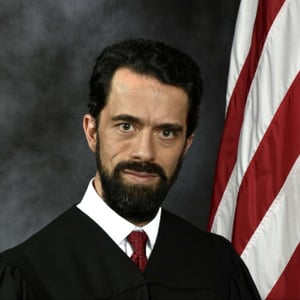
Judge, United States Court of Appeals, Third Circuit
Stephanos Bibas is a judge on the U.S. Court of Appeals for the Third Circuit. Judge Bibas was previously a professor of law and criminology at the University of Pennsylvania Law School. As director of the Penn Law Supreme Court Clinic, he argued six cases before the Supreme Court of the United States and filed briefs in dozens of others. He graduated summa cum laude and Phi Beta Kappa from Columbia University in 1989 with a B.A. in political theory and from Oxford University in 1991 with a B.A. in jurisprudence. He then earned his J.D. from Yale Law School in 1994.
After graduating from Yale Law, Judge Bibas clerked for Judge Patrick Higginbotham of the U.S. Court of Appeals for the Fifth Circuit and Justice Anthony Kennedy on the Supreme Court and was a litigation associate at Covington & Burling LLP in Washington, D.C. Thereafter, Judge Bibas served as an Assistant U.S. Attorney in the Southern District of New York, where he successfully prosecuted the world’s leading expert in Tiffany stained glass for hiring a grave robber to steal priceless Tiffany windows from cemeteries. Before his tenure at Penn Law, Judge Bibas taught at the University of Chicago Law School and the University of Iowa College of Law and was a research fellow at Yale Law School. He has published two books and seventy scholarly articles.
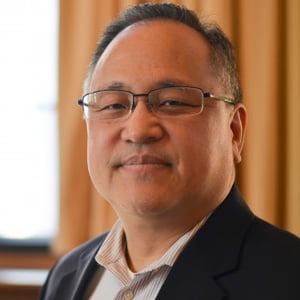
John H. Chestnut Professor of Law, Communication, and Computer & Information Science; Founding Director, Center for Technology, Innovation and Competition, University of Pennsylvania Law School
Christopher S. Yoo is the John H. Chestnut Professor of Law and a Professor at the Annenberg School for Communication and in the Computer & Information Science Department of School of Engineering and Applied Science at the University of Pennsylvania, where he is also the Founding Director of the Center for Technology, Innovation and Competition. He is the author of over one hundred scholarly works and has taught at over a dozen universities around the world. Professor Yoo received his A.B. from Harvard, his M.B.A. from UCLA, and his J.D. from Northwestern University. Before entering the academy, Professor Yoo clerked for Justice Anthony M. Kennedy of the Supreme Court of the United States and practiced law with the predecessor firm to Hogan Lovells under the supervision of now-Chief Justice John G. Roberts, Jr. Before joining the University of Pennsylvania, he taught for eight years at the Vanderbilt Law School. He is frequently called to testify before the U.S. Congress, Federal Trade Commission, Department of Justice Antitrust Division, Federal Communications Commission, foreign governments, and international organizations.
Judge, United States Court of Appeals, Third Circuit
Stephanos Bibas is a judge on the U.S. Court of Appeals for the Third Circuit. Judge Bibas was previously a professor of law and criminology at the University of Pennsylvania Law School. As director of the Penn Law Supreme Court Clinic, he argued six cases before the Supreme Court of the United States and filed briefs in dozens of others. He graduated summa cum laude and Phi Beta Kappa from Columbia University in 1989 with a B.A. in political theory and from Oxford University in 1991 with a B.A. in jurisprudence. He then earned his J.D. from Yale Law School in 1994.
After graduating from Yale Law, Judge Bibas clerked for Judge Patrick Higginbotham of the U.S. Court of Appeals for the Fifth Circuit and Justice Anthony Kennedy on the Supreme Court and was a litigation associate at Covington & Burling LLP in Washington, D.C. Thereafter, Judge Bibas served as an Assistant U.S. Attorney in the Southern District of New York, where he successfully prosecuted the world’s leading expert in Tiffany stained glass for hiring a grave robber to steal priceless Tiffany windows from cemeteries. Before his tenure at Penn Law, Judge Bibas taught at the University of Chicago Law School and the University of Iowa College of Law and was a research fellow at Yale Law School. He has published two books and seventy scholarly articles.
John H. Chestnut Professor of Law, Communication, and Computer & Information Science; Founding Director, Center for Technology, Innovation and Competition, University of Pennsylvania Law School
Christopher S. Yoo is the John H. Chestnut Professor of Law and a Professor at the Annenberg School for Communication and in the Computer & Information Science Department of School of Engineering and Applied Science at the University of Pennsylvania, where he is also the Founding Director of the Center for Technology, Innovation and Competition. He is the author of over one hundred scholarly works and has taught at over a dozen universities around the world. Professor Yoo received his A.B. from Harvard, his M.B.A. from UCLA, and his J.D. from Northwestern University. Before entering the academy, Professor Yoo clerked for Justice Anthony M. Kennedy of the Supreme Court of the United States and practiced law with the predecessor firm to Hogan Lovells under the supervision of now-Chief Justice John G. Roberts, Jr. Before joining the University of Pennsylvania, he taught for eight years at the Vanderbilt Law School. He is frequently called to testify before the U.S. Congress, Federal Trade Commission, Department of Justice Antitrust Division, Federal Communications Commission, foreign governments, and international organizations.
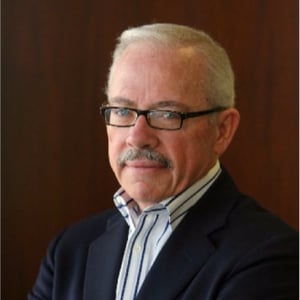
President and CEO, Liberty Strategies LLC
Bob Barr represented the 7th District of Georgia in the U. S. House of Representatives from 1995 to 2003, and now practices law in Atlanta, Georgia, where he serves as chairman of the state’s Judicial Qualifications Commission. Bob also chairs Liberty Guard, Inc. a non-profit and non-partisan organization dedicated to protecting individual liberty. He also heads a consulting firm, Liberty Strategies, Inc., and is a registered Mediator and Arbitrator. Bob has taught constitutional law at Atlanta’s John Marshall Law School and government at Kennesaw State University.
Bob is a member of the Board of Directors for the National Rifle Association, and serves on the Board of the Interactive College of Technology. He is a member of Tau Kappa Epsilon Fraternity.
From 2003 to 2008, Bob occupied the 21st Century Liberties Chair for Freedom and Privacy at the American Conservative Union. He served as a member of The Constitution Project’s Initiative on Liberty and Security, and from 2003 to 2005 was a member of a project at Harvard University’s Kennedy School of Government addressing matters of privacy and security. Barr has served as an advisory board member for Privacy International, headquartered in London, and was labeled “Mr. Privacy” by former New York Times columnist William Safire. He was the Libertarian Party nominee for President in 2008.
Bob has appeared on virtually every major cable and network television program dealing with public policy matters. He writes regularly for Townhall.com, The Daily Caller, and The Marietta Daily Journal, and has been a columnist and blogger for the Atlanta Journal-Constitution. He writes occasional pieces for other publications and hosts a regular podcast, “Bob Barr’s Laws of the Universe.” He is the author of three books: “The Meaning of Is: The Squandered Impeachment and Wasted Legacy of William Jefferson Clinton,” “Patriot Nation: Bob Barr’s Laws of the Universe Volume One,” and “Lessons in Liberty.”
Bob was appointed by President Reagan as the United States Attorney for the Northern District of Georgia (1986-90), served as President of Southeastern Legal Foundation from 1990-91, and was an official with the CIA from 1971-78. Additionally, he has served as a member of U.S. delegations at several United Nations conferences on firearms.
Bob Barr was awarded his law degree from Georgetown University, his master’s degree from The George Washington University, and his bachelor’s degree from the University of Southern California. He and his wife Jeri live in Smyrna, Georgia just outside Atlanta.
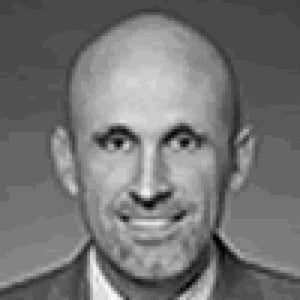
Partner, Katten Muchin Rosenman LLP
Gil M. Soffer is Co-Chair of the firm's National White Collar Practice. He joined the Firm in August 2000, after six years as a federal prosecutor. Mr. Soffer concentrates his practice in white collar criminal litigation, particularly corporate fraud litigation; corporate investigations; insurance litigation; and anti-fraud counseling and litigation. Mr. Soffer is also involved in a wide range of matters involving reinsurance, health care, and alternative dispute resolution.
In January 2008, Mr. Soffer accepted a position as Counsel to the Deputy Attorney General in Washington, D.C., and shortly thereafter was appointed Associate Deputy Attorney General. During his year-long term with the Department of Justice, Mr. Soffer advised the Deputy Attorney General on criminal matters at the Department, with particular emphasis on corporate fraud prosecutions. He played an integral role in drafting the Department's Corporate Monitor Principles and Corporate Charging Principles, and provided training on the latter policy to U.S. Attorneys' Offices nationwide. Mr. Soffer also managed the President's Corporate Fraud Task Force and briefed members of Congress about criminal matters within the Department of Justice.
Mr. Soffer had previously served in the Department of Justice when he was an Assistant U.S. Attorney in the United States Attorney's Office in Chicago (1994 - 2000). In that capacity, he prosecuted a wide range of federal crimes, including bank, mail, wire, tax, and insurance fraud; narcotics and firearms trafficking; bank robbery; embezzlement; and money laundering. In November 1996, Mr. Soffer received the Director's Award for Superior Performance as an Assistant U.S. Attorney from then-Attorney General Janet Reno.
Mr. Soffer graduated magna cum laude from Brown University in 1986 and earned his J.D., cum laude, from Harvard Law School in 1989. Upon graduating from law school, Mr. Soffer clerked in the U.S. District Court for the Northern District of Illinois under Judge John A. Nordberg. After his clerkship, Mr. Soffer became an associate with the law firm of McCutchen, Doyle, Brown & Enersen in San Francisco, where he practiced in the general litigation department.
Mr. Soffer is a member of the American Bar Association and is admitted to practice in Illinois and California. He has served as an Adjunct Professor at Loyola University Law School, where he taught Federal Criminal Prosecution. Mr. Soffer has lectured on subjects ranging from corporate internal investigations to deferred prosecution agreements, appeared regularly as a legal expert on the ABC News Now program Guilt or Innocence, and testified before Congress about the use and selection of corporate monitors in criminal cases.
In December 2009, Mr. Soffer was appointed by Illinois Governor Quinn to serve as a Commissioner on the Illinois Executive Ethics Commission. The nine-member Commission was formed to promote ethics in the executive branch of public service and to ensure that state business is conducted with fairness and integrity. Toward that end, the Commission adjudicates alleged violations of the Illinois Ethics Act and provides guidance to the State's ethics officers.

Emanuel S. Heller Professor of Law, University of California at Berkeley; Senior Research Fellow, School of Civic Leadership, Civitas Institute, University of Texas at Austin; Nonresident Senior Fellow, American Enterprise Institute
John Yoo is the Emanuel Heller Professor of Law. He is also Distinguished Visiting Scholar, School of Civic Leadership and Senior Research Fellow, Civitas Institute, at the University of Texas at Austin. He is also a Nonresident Senior Fellow at the American Enterprise Institute.
His most recent book, The Politically Incorrect Guide to the Supreme Court, co-authored with Robert Delahunty, was published in 2023. Professor Yoo’s other books include Defender-in-Chief: Trump’s Fight for Presidential Power; Striking Power: How Cyber, Robots, and Space Weapons Change the Rules for War, Point of Attack: Preventive War, International Law, and Global Welfare, and Crisis and Command: A History of Executive Power from George Washington to George Bush.
Professor Yoo has published more than 100 articles in academic journals on subjects including national security, constitutional law, international law, and the Supreme Court. He also regularly contributes to the editorial pages of the Wall Street Journal, New York Times, Washington Post, Los Angeles Times, and National Review, among others.
Professor Yoo has served in all three branches of government. He was an official in the U.S. Department of Justice, where he worked on national security and terrorism issues after the 9/11 attacks. He served as general counsel of the U.S. Senate Judiciary Committee. He has been a law clerk for Supreme Court Justice Clarence Thomas and federal appeals Judge Laurence Silberman. He has been a visiting professor at Seoul National University in South Korea, the Interdisciplinary Center in Israel, Keio University in Japan, Trento University in Italy, the University of Chicago, and the Free University of Amsterdam.
Professor Yoo supervises the Public Law and Policy Program and the California Constitution Center. He also serves on the boards of the Pacific Legal Foundation, the Federalist Society’s Separation of Powers and Federalism Division, the Universidad Cientifica del Sur Law School, and the Asia-Pacific Law Institute at Seoul National University. He is a winner of the Federalist Society’s Paul Bator award and been the Edwin Meese III Originalism Lecturer at the Heritage Foundation.
Professor Yoo graduated from Yale Law School and summa cum laude from Harvard College.

Patrick Hotung Professor of Constitutional Law, Georgetown University Law Center
Randy Barnett is the Patrick Hotung Professor of Constitutional Law at Georgetown University Law Center. He has argued before the United States Supreme Court, tried murder cases to juries as a prosecutor in Chicago, and appeared as a prosecutor in the feature film Inalienable. He is the author of numerous books, including Restoring the Lost Constitution, The Structure of Liberty, Our Republican Constitution, and The Original Meaning of the Fourteenth Amendment. He has published two memoirs, A Life for Liberty: The Making of an American Originalist, and Felony Review: Tales of True Crime and Corruption in Chicago. He is currently working on a new book, Freedom and Flourishing: Libertarianism for the Real World.
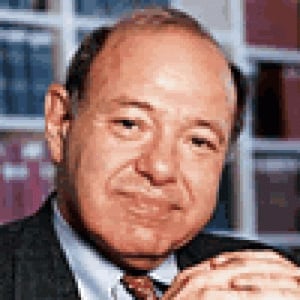
Inez Milholland Professor of Civil Liberties, New York University School of Law
Burt Neuborne is the Inez Milholland Professor of Civil Liberties and founding Legal Director of the Brennan Center for Justice at NYU Law School. For 45 years, he has been one of the nation's foremost civil liberties lawyers, serving as National Legal Director of the ACLU from 1981-86, Special Counsel to the NOW Legal Defense and Education Fund from 1990-1996, and as a member of the New York City Human Rights Commission from 1988-1992. He has argued numerous Supreme Court cases, and has litigated literally hundreds of important constitutional cases in the state and federal courts. He challenged the constitutionality of the Vietnam War, pioneered the flag burning cases, worked on the Pentagon Papers case, worked with Justice Ruth Bader Ginsburg when she headed the ACLU Women's Rights Project, anchored the ACLU's legal program during the Reagan years, and defended the Legal Services program against unconstitutional attacks. He currently directs the legal program of the Brennan Center, especially its efforts to reinforce American democracy and secure campaign finance reform. The Brennan Center was established in 1994 to honor Justice William Brennan, Jr.’s monumental contribution to American Law.
At the same time, Professor Neuborne has forged a national reputation as a constitutional scholar and teacher. In 1990, he was the recipient of the University-wide Distinguished Teacher Award at New York University for his work in teaching Civil Procedure, Evidence, Federal Courts and Constitutional Law. He is the author of three books and over 20 law review articles on diverse areas of constitutional law and procedure. Among his best known scholarly works is the two-volume Political and Civil Rights in the United States, which he co-authored with NYU colleagues Norman Dorsen and Sylvia Law and the Deputy Solicitor General of the United States, Paul Bender. His 1992 lectures on American law at Universitat Pompeu Fabra in Barcelona have been translated and published in Spanish. In 2001, in recognition of his scholarship and his work in the courts, Professor Neuborne was elected to membership in the American Academy of Arts and Sciences.
In 1996, Professor Neuborne appeared as Jerry Falwell's lawyer in Milos Forman's The People v. Larry Flynt.
For the past 14 years, Professor Neuborne has served as a principal counsel in a series of lawsuits seeking to recover property unjustly taken from Holocaust victims by Swiss banks and German corporations during the Nazi era. The litigation has succeeded in assembling more than $8.5 billion for distribution to Holocaust victims and their families throughout the world. Professor Neuborne was appointed by the Court to oversee the $1.25 Swiss bank settlement, and was appointed by the United States to serve on the Board of Trustees of the German Foundation “Remembrance, Responsibility and Future,” established to distribute the $5.2 billion settlement in the German slave labor litigation.
Professor Neuborne is married to Helen Redleaf Neuborne.
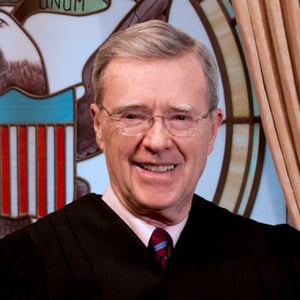
Judge, United States Court of Appeals, Ninth Circuit
Judge O’Scannlain was appointed United States Circuit Judge for the Ninth Circuit by President Reagan on September 26, 1986. He received a J.D. degree in 1963 from Harvard Law School and a B.A. in 1957 from St. John’s University. He also earned the LL.M. (Judicial Process) degree at University of Virginia Law School in 1992. He was awarded the LL.D. (honoris causa) degree by the University of Notre Dame in 2002, the LL.D. (honoris causa) degree by Lewis & Clark College in 2003 and the LL.D. (honoris causa) degree by the University of Portland in 2011.
As a judge on the U.S. Court of Appeals for the Ninth Circuit, Judge O’Scannlain has participated in over 6,000 federal cases and has written hundreds of published opinions on a broad range of subjects including constitutional law, international law, securities law, administrative law, and criminal law. He hears appeals in San Francisco (court headquarters), as well as in Los Angeles (Pasadena), Portland, Seattle, Anchorage and Honolulu. The late Chief Justice Rehnquist appointed Judge O'Scannlain to the Federal Judicial Center's Advisory Committee on Appellate Judge Education. In 2009, Chief Justice Roberts appointed Judge O’Scannlain to the International Judicial Relations Committee of the U.S. Judicial Conference and subsequently appointed him Chairman in 2010.
President George W. Bush appointed Judge O’Scannlain to the Board of Trustees of the James Madison Memorial Fellowship Foundation in 2004. Pope Benedict XVI conferred the Order of Saint Gregory the Great on Judge and Mrs. O’Scannlain in 2007.
Judge O’Scannlain’s professional interests also include judicial administration and reform, and continuing legal education. Judge O’Scannlain is former Chair of the Judicial Division of the American Bar Association and has previously chaired the ABA’s Appellate Judges Conference, its Committee on Appellate Practice, and its 9th Appellate Practice Institute. He has testified before the Senate Judiciary Committee on several occasions, the House Judiciary Subcommittee on Courts and Intellectual Property, and the Commission on Structural Alternatives for the Federal Courts of Appeals on the subject of court reorganization. In addition to serving as a faculty member at numerous federal appellate practice seminars for judges and attorneys, including New York University Law School’s Institute for Judicial Administration, Judge O’Scannlain is an Adjunct Professor at Lewis & Clark Law School where he teaches a seminar on the Supreme Court. He has served as a Moot Court Judge at distinguished law schools across the United States including Harvard, Yale Stanford, Boalt Hall (Berkeley Law), Virginia, Cornell, Notre Dame, Fordham, Alabama, University of Southern California, King Hall (U.C. Davis) and Loyola Marymount University and in China at Xiamen and Renmin Universities.
Between graduation from Harvard and investiture as a federal judge, Judge O’Scannlain was primarily engaged in private law practice. Between 1969 and 1974, he was consecutively the Deputy Attorney General of Oregon, the Public Utility Commissioner of Oregon, and Director of the Oregon Department of Environmental Quality. He retired from the U.S. Army Reserve in 1978 as a Major after 23 years Reserve and National Guard service, including four years as an enlisted man.
A first generation Irish-American son of immigrant parents from Sligo and Derry, Judge O’Scannlain is married to the former Maura Nolan and has eight children: Sean, Jane, Brendan, Kevin, Megan, Christopher, Anne, and Kate, and nineteen grandchildren. His chambers are in the Pioneer Courthouse in Portland, Oregon.
Patrick Hotung Professor of Constitutional Law, Georgetown University Law Center
Randy Barnett is the Patrick Hotung Professor of Constitutional Law at Georgetown University Law Center. He has argued before the United States Supreme Court, tried murder cases to juries as a prosecutor in Chicago, and appeared as a prosecutor in the feature film Inalienable. He is the author of numerous books, including Restoring the Lost Constitution, The Structure of Liberty, Our Republican Constitution, and The Original Meaning of the Fourteenth Amendment. He has published two memoirs, A Life for Liberty: The Making of an American Originalist, and Felony Review: Tales of True Crime and Corruption in Chicago. He is currently working on a new book, Freedom and Flourishing: Libertarianism for the Real World.
Inez Milholland Professor of Civil Liberties, New York University School of Law
Burt Neuborne is the Inez Milholland Professor of Civil Liberties and founding Legal Director of the Brennan Center for Justice at NYU Law School. For 45 years, he has been one of the nation's foremost civil liberties lawyers, serving as National Legal Director of the ACLU from 1981-86, Special Counsel to the NOW Legal Defense and Education Fund from 1990-1996, and as a member of the New York City Human Rights Commission from 1988-1992. He has argued numerous Supreme Court cases, and has litigated literally hundreds of important constitutional cases in the state and federal courts. He challenged the constitutionality of the Vietnam War, pioneered the flag burning cases, worked on the Pentagon Papers case, worked with Justice Ruth Bader Ginsburg when she headed the ACLU Women's Rights Project, anchored the ACLU's legal program during the Reagan years, and defended the Legal Services program against unconstitutional attacks. He currently directs the legal program of the Brennan Center, especially its efforts to reinforce American democracy and secure campaign finance reform. The Brennan Center was established in 1994 to honor Justice William Brennan, Jr.’s monumental contribution to American Law.
At the same time, Professor Neuborne has forged a national reputation as a constitutional scholar and teacher. In 1990, he was the recipient of the University-wide Distinguished Teacher Award at New York University for his work in teaching Civil Procedure, Evidence, Federal Courts and Constitutional Law. He is the author of three books and over 20 law review articles on diverse areas of constitutional law and procedure. Among his best known scholarly works is the two-volume Political and Civil Rights in the United States, which he co-authored with NYU colleagues Norman Dorsen and Sylvia Law and the Deputy Solicitor General of the United States, Paul Bender. His 1992 lectures on American law at Universitat Pompeu Fabra in Barcelona have been translated and published in Spanish. In 2001, in recognition of his scholarship and his work in the courts, Professor Neuborne was elected to membership in the American Academy of Arts and Sciences.
In 1996, Professor Neuborne appeared as Jerry Falwell's lawyer in Milos Forman's The People v. Larry Flynt.
For the past 14 years, Professor Neuborne has served as a principal counsel in a series of lawsuits seeking to recover property unjustly taken from Holocaust victims by Swiss banks and German corporations during the Nazi era. The litigation has succeeded in assembling more than $8.5 billion for distribution to Holocaust victims and their families throughout the world. Professor Neuborne was appointed by the Court to oversee the $1.25 Swiss bank settlement, and was appointed by the United States to serve on the Board of Trustees of the German Foundation “Remembrance, Responsibility and Future,” established to distribute the $5.2 billion settlement in the German slave labor litigation.
Professor Neuborne is married to Helen Redleaf Neuborne.
Judge, United States Court of Appeals, Ninth Circuit
Judge O’Scannlain was appointed United States Circuit Judge for the Ninth Circuit by President Reagan on September 26, 1986. He received a J.D. degree in 1963 from Harvard Law School and a B.A. in 1957 from St. John’s University. He also earned the LL.M. (Judicial Process) degree at University of Virginia Law School in 1992. He was awarded the LL.D. (honoris causa) degree by the University of Notre Dame in 2002, the LL.D. (honoris causa) degree by Lewis & Clark College in 2003 and the LL.D. (honoris causa) degree by the University of Portland in 2011.
As a judge on the U.S. Court of Appeals for the Ninth Circuit, Judge O’Scannlain has participated in over 6,000 federal cases and has written hundreds of published opinions on a broad range of subjects including constitutional law, international law, securities law, administrative law, and criminal law. He hears appeals in San Francisco (court headquarters), as well as in Los Angeles (Pasadena), Portland, Seattle, Anchorage and Honolulu. The late Chief Justice Rehnquist appointed Judge O'Scannlain to the Federal Judicial Center's Advisory Committee on Appellate Judge Education. In 2009, Chief Justice Roberts appointed Judge O’Scannlain to the International Judicial Relations Committee of the U.S. Judicial Conference and subsequently appointed him Chairman in 2010.
President George W. Bush appointed Judge O’Scannlain to the Board of Trustees of the James Madison Memorial Fellowship Foundation in 2004. Pope Benedict XVI conferred the Order of Saint Gregory the Great on Judge and Mrs. O’Scannlain in 2007.
Judge O’Scannlain’s professional interests also include judicial administration and reform, and continuing legal education. Judge O’Scannlain is former Chair of the Judicial Division of the American Bar Association and has previously chaired the ABA’s Appellate Judges Conference, its Committee on Appellate Practice, and its 9th Appellate Practice Institute. He has testified before the Senate Judiciary Committee on several occasions, the House Judiciary Subcommittee on Courts and Intellectual Property, and the Commission on Structural Alternatives for the Federal Courts of Appeals on the subject of court reorganization. In addition to serving as a faculty member at numerous federal appellate practice seminars for judges and attorneys, including New York University Law School’s Institute for Judicial Administration, Judge O’Scannlain is an Adjunct Professor at Lewis & Clark Law School where he teaches a seminar on the Supreme Court. He has served as a Moot Court Judge at distinguished law schools across the United States including Harvard, Yale Stanford, Boalt Hall (Berkeley Law), Virginia, Cornell, Notre Dame, Fordham, Alabama, University of Southern California, King Hall (U.C. Davis) and Loyola Marymount University and in China at Xiamen and Renmin Universities.
Between graduation from Harvard and investiture as a federal judge, Judge O’Scannlain was primarily engaged in private law practice. Between 1969 and 1974, he was consecutively the Deputy Attorney General of Oregon, the Public Utility Commissioner of Oregon, and Director of the Oregon Department of Environmental Quality. He retired from the U.S. Army Reserve in 1978 as a Major after 23 years Reserve and National Guard service, including four years as an enlisted man.
A first generation Irish-American son of immigrant parents from Sligo and Derry, Judge O’Scannlain is married to the former Maura Nolan and has eight children: Sean, Jane, Brendan, Kevin, Megan, Christopher, Anne, and Kate, and nineteen grandchildren. His chambers are in the Pioneer Courthouse in Portland, Oregon.

Lunch Debate: Is Privacy Regulation Likely to Reduce the Value of the Internet?
Ryan Calo, William Kovacic, Paul H. Rubin
16th Annual Faculty Conference
The Federalist Society's Faculty Division hosted a debate that asked "Is Privacy Regulation Likely to...
Lunch Debate: Is Privacy Regulation Likely to Reduce the Value of the Internet?
Ryan Calo, William Kovacic, Paul H. Rubin
16th Annual Faculty Conference
The Federalist Society's Faculty Division hosted a debate that asked "Is Privacy Regulation Likely to...
Luncheon Address: National Security After U.S. v. Jones
Michael Chertoff, Vincent Vitkowsky
2012 National Security Symposium
Former Secretary of Homeland Security Michael Chertoff delivered an address on "National Security After U.S....
Luncheon Address: National Security After U.S. v. Jones
Michael Chertoff, Vincent Vitkowsky
2012 National Security Symposium
Former Secretary of Homeland Security Michael Chertoff delivered an address on "National Security After U.S....
Debate - Originalism in Criminal Procedure: Ancient Checks or Newfangled Rights?
Stephanos Bibas, Jeffrey Fisher, Christopher S. Yoo
2010 National Student Symposium
In recent years, the Supreme Court has relied on originalist arguments in ruling for defendants...
Debate - Originalism in Criminal Procedure: Ancient Checks or Newfangled Rights?
Stephanos Bibas, Jeffrey Fisher, Christopher S. Yoo
2010 National Student Symposium
In recent years, the Supreme Court has relied on originalist arguments in ruling for defendants...
Balancing Individual Rights and National Security
Bob Barr, Gil Soffer, John C. Yoo
Chicago Lawyers Chapter
The Chicago Lawyers Chapter hosted this debate on "Balancing Individual Rights and National Security" at...
Constitutional Interpretation & the Bill of Rights
Randy E. Barnett, Burt Neuborne, Diarmuid F. O'Scannlain
2009 National Lawyers Convention
Much has been written in the past 200 years on how to interpret the language...
Constitutional Interpretation & the Bill of Rights
Randy E. Barnett, Burt Neuborne, Diarmuid F. O'Scannlain
2009 National Lawyers Convention
Much has been written in the past 200 years on how to interpret the language...