

Co-Director of Research, The Sentencing Project
Nazgol Ghandnoosh, Ph.D., is the Co-Director of Research at The Sentencing Project, where she conducts and synthesizes research on criminal justice policies. She has written about racial disparities, lengthy sentences, and the scope of reform efforts.
She regularly presents to academic, practitioner, and general audiences and her work has been featured in outlets including The Washington Post, The New York Times, and WNYC’s On the Media. She also edits The Sentencing Project’s Race and Justice Newsletter.
Dr. Ghandnoosh earned an undergraduate degree from the University of Pennsylvania and a doctorate in sociology from the University of California, Los Angeles. Her dissertation, “Challenging Mass Incarceration: A California Group’s Advocacy for the Parole Release of Term-to-Life Prisoners,” was an in-depth study of a South Los Angeles-based group challenging extreme sentences.

Chief Policy Counsel, Council on Criminal Justice and Senior Advisor, Right on Crime
Marc A. Levin is the Chief Policy Counsel for the Council on Criminal Justice (counciloncj.org) and Senior Advisor for Right on Crime.
An attorney and accomplished author on legal and public policy issues, Marc began the Foundation’s criminal justice program in 2005. This work contributed to nationally praised policy changes that have been followed by dramatic declines in crime and incarceration in Texas. Building on this success, in 2010, Levin developed the concept for the Right on Crime initiative, a TPPF project in partnership with Prison Fellowship and the American Conservative Union Foundation. Right on Crime has become the national clearinghouse for conservative criminal justice reforms and has contributed to the adoption of policies in dozens of states that fight crime, support victims, and protect taxpayers.
In 2014, Levin was named one of the “Politico 50” in the magazine’s annual “list of thinkers, doers, and dreamers who really matter in this age of gridlock and dysfunction.”
Marc has testified on criminal justice policy on four occasions before Congress and has testified before legislatures in states including Texas, Nevada, Kansas, Wisconsin, and California. He also has met personally with leaders such as U.S. Presidents, Speakers of the House, and the Justice Commtitee of the United Kingdom Parliament to share his ideas on criminal justice reform. In 2007, he was honored in a resolution unanimously passed by the Texas House of Representatives that stated, “Mr. Levin’s intellect is unparalleled and his research is impeccable.”
Since 2005, Marc has published dozens of policy papers on topics such as sentencing, probation, parole, reentry, and overcriminalization which are available on the TPPF website. Levin’s articles on law and public policy have been featured in publications such as the Wall Street Journal, USA Today, Texas Review of Law & Politics, National Law Journal, New York Daily News, Jerusalem Post, Toronto Star, Atlanta Journal-Constitution, Philadelphia Inquirer, San Francisco Chronicle, Washington Times, Los Angeles Daily Journal, Charlotte Observer, Dallas Morning News, Houston Chronicle, Austin American-Statesman, San Antonio Express-News and Reason Magazine.
In 1999, Marc graduated with honors from the University of Texas with a B.A. in Plan II Honors and Government. In 2002, Marc received his J.D. with honors from the University of Texas School of Law. Marc was a Charles G. Koch Summer Fellow in 1996. He served as a law clerk to Judge Will Garwood on the U.S. Court of Appeals for the Fifth Circuit and Staff Attorney at the Texas Supreme Court.

Legal Director & General Counsel, Criminal Justice Legal Foundation
Kent S. Scheidegger has been the Legal Director of the Criminal Justice Legal Foundation since December 1986. He also served as Chairman of the Criminal Law Practice Group of the Federalist Society 2003 to 2005. His articles on criminal and constitutional law have been published in law reviews, national legal publications, and congressional reports. Legal arguments authored by Mr. Scheidegger have been cited and incorporated in several precedent-setting United States Supreme Court decisions.
After receiving a degree in physics with honors from New Mexico State University in 1976, Mr. Scheidegger served for six years in the United States Air Force as a Nuclear Research Officer. He took his law degree with distinction from the University of the Pacific, McGeorge School of Law in 1982 and practiced civil law in Northern California. He was general counsel of California Cooler, Inc. from 1984 until 1986, when he joined the Foundation.
Legal Director & General Counsel, Criminal Justice Legal Foundation
Kent S. Scheidegger has been the Legal Director of the Criminal Justice Legal Foundation since December 1986. He also served as Chairman of the Criminal Law Practice Group of the Federalist Society 2003 to 2005. His articles on criminal and constitutional law have been published in law reviews, national legal publications, and congressional reports. Legal arguments authored by Mr. Scheidegger have been cited and incorporated in several precedent-setting United States Supreme Court decisions.
After receiving a degree in physics with honors from New Mexico State University in 1976, Mr. Scheidegger served for six years in the United States Air Force as a Nuclear Research Officer. He took his law degree with distinction from the University of the Pacific, McGeorge School of Law in 1982 and practiced civil law in Northern California. He was general counsel of California Cooler, Inc. from 1984 until 1986, when he joined the Foundation.
Legal Director & General Counsel, Criminal Justice Legal Foundation
Kent S. Scheidegger has been the Legal Director of the Criminal Justice Legal Foundation since December 1986. He also served as Chairman of the Criminal Law Practice Group of the Federalist Society 2003 to 2005. His articles on criminal and constitutional law have been published in law reviews, national legal publications, and congressional reports. Legal arguments authored by Mr. Scheidegger have been cited and incorporated in several precedent-setting United States Supreme Court decisions.
After receiving a degree in physics with honors from New Mexico State University in 1976, Mr. Scheidegger served for six years in the United States Air Force as a Nuclear Research Officer. He took his law degree with distinction from the University of the Pacific, McGeorge School of Law in 1982 and practiced civil law in Northern California. He was general counsel of California Cooler, Inc. from 1984 until 1986, when he joined the Foundation.
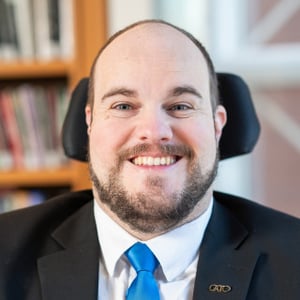
Director, Project on Criminal Justice, Cato Institute
Matthew Cavedon is the Director of the Cato Institute’s Project on Criminal Justice. He focuses on reforming plea-driven mass adjudication, ensuring police accountability, and defending constitutional criminal originalism. Cavedon’s scholarship has been published (or is forthcoming in) publications including the Arizona State Law Journal, Cato Supreme Court Review, Seattle University Law Review, and Georgetown Journal of Law and Public Policy. Formerly a Georgia public defender and fellow at the Institute for Justice, Cavedon has taught law school courses on criminal law and procedure, as well as the First Amendment. Cavedon clerked for a U.S. district court and the Supreme Court of Georgia. He came to Cato following a fellowship at the Emory University Center for the Study of Law and Religion.

Interim Executive Director, Foundation Against Intolerance and Racism

Public Policy Director, Southern Center for Human Rights
Tiffany Williams Roberts is Director of the Public Policy Unit at Southern Center for Human Rights. She joined the organization in April 2018 as the Community Engagement & Movement Building Counsel. She has practiced criminal defense since 2008, first as a public defender with the Atlanta Judicial Circuit Public Defender and later as a solo practitioner. As a public defender, Tiffany represented hundreds of indigent clients facing felony prosecution and graduated from Gideon’s Promise trial advocacy training program. She expanded her private practice to include civil rights litigation for victims of police abuse.
Director, Project on Criminal Justice, Cato Institute
Matthew Cavedon is the Director of the Cato Institute’s Project on Criminal Justice. He focuses on reforming plea-driven mass adjudication, ensuring police accountability, and defending constitutional criminal originalism. Cavedon’s scholarship has been published (or is forthcoming in) publications including the Arizona State Law Journal, Cato Supreme Court Review, Seattle University Law Review, and Georgetown Journal of Law and Public Policy. Formerly a Georgia public defender and fellow at the Institute for Justice, Cavedon has taught law school courses on criminal law and procedure, as well as the First Amendment. Cavedon clerked for a U.S. district court and the Supreme Court of Georgia. He came to Cato following a fellowship at the Emory University Center for the Study of Law and Religion.
Interim Executive Director, Foundation Against Intolerance and Racism
Public Policy Director, Southern Center for Human Rights
Tiffany Williams Roberts is Director of the Public Policy Unit at Southern Center for Human Rights. She joined the organization in April 2018 as the Community Engagement & Movement Building Counsel. She has practiced criminal defense since 2008, first as a public defender with the Atlanta Judicial Circuit Public Defender and later as a solo practitioner. As a public defender, Tiffany represented hundreds of indigent clients facing felony prosecution and graduated from Gideon’s Promise trial advocacy training program. She expanded her private practice to include civil rights litigation for victims of police abuse.

Partner, Taft Stettinius & Hollister
Robert McBride is the partner-in-charge of the Kentucky office of Taft Stettinius & Hollister. As a seasoned trial attorney, he is experienced in investigating and prosecuting a wide variety of criminal matters. As lead attorney, Bob prosecuted cases involving complex financial frauds, money laundering, federal tax violations, healthcare fraud, national security matters, violations of the Export Control Act, immigration, and human trafficking crimes, and public corruption. He also prosecuted narcotics trafficking organizations, firearms violations and crimes against children. As a prosecutor, Bob successfully tried many federal cases to jury verdict. Bob is also experienced in litigating forfeiture claims, habeas actions and appeals before the Sixth Circuit Court of Appeals.
Bob has a long record serving the United States as an attorney before entering private practice. He was an Assistant United States Attorney in the Eastern District of Kentucky for over 15 years. As an AUSA, Bob first chaired criminal jury trials in U.S. District Court and handled appeals before the Sixth Circuit Court of Appeals. Additionally, he was the District’s National Security Prosecutor and the Anti-Terrorism Advisory Council Coordinator. Bob also held several leadership positions. In 2006, he was assigned as the manager of the London Branch Office. Shortly thereafter, he was promoted to Criminal Chief and served in that position until January 2010. As Criminal Chief, Bob supervised the Criminal Division’s personnel and exercised oversight of all prosecutions in the District. More recently, he was the supervisor of the Ft. Mitchell Branch Office, where he handled a number of high profile investigations and prosecutions.
Bob also served in the United States Navy, Judge Advocate General’s Corps, for 10 years. His major assignments included senior prosecutor on the Island of Guam, Officer-in-Charge of a Detachment in New Orleans focusing on criminal defense, and Staff Judge Advocate, Recruit Training Command. Bob attained the rank of Lieutenant Commander. He was also an enlisted Combat Engineer in the Army National Guard.
Partner, Taft Stettinius & Hollister
Robert McBride is the partner-in-charge of the Kentucky office of Taft Stettinius & Hollister. As a seasoned trial attorney, he is experienced in investigating and prosecuting a wide variety of criminal matters. As lead attorney, Bob prosecuted cases involving complex financial frauds, money laundering, federal tax violations, healthcare fraud, national security matters, violations of the Export Control Act, immigration, and human trafficking crimes, and public corruption. He also prosecuted narcotics trafficking organizations, firearms violations and crimes against children. As a prosecutor, Bob successfully tried many federal cases to jury verdict. Bob is also experienced in litigating forfeiture claims, habeas actions and appeals before the Sixth Circuit Court of Appeals.
Bob has a long record serving the United States as an attorney before entering private practice. He was an Assistant United States Attorney in the Eastern District of Kentucky for over 15 years. As an AUSA, Bob first chaired criminal jury trials in U.S. District Court and handled appeals before the Sixth Circuit Court of Appeals. Additionally, he was the District’s National Security Prosecutor and the Anti-Terrorism Advisory Council Coordinator. Bob also held several leadership positions. In 2006, he was assigned as the manager of the London Branch Office. Shortly thereafter, he was promoted to Criminal Chief and served in that position until January 2010. As Criminal Chief, Bob supervised the Criminal Division’s personnel and exercised oversight of all prosecutions in the District. More recently, he was the supervisor of the Ft. Mitchell Branch Office, where he handled a number of high profile investigations and prosecutions.
Bob also served in the United States Navy, Judge Advocate General’s Corps, for 10 years. His major assignments included senior prosecutor on the Island of Guam, Officer-in-Charge of a Detachment in New Orleans focusing on criminal defense, and Staff Judge Advocate, Recruit Training Command. Bob attained the rank of Lieutenant Commander. He was also an enlisted Combat Engineer in the Army National Guard.
Chief Policy Counsel, Council on Criminal Justice and Senior Advisor, Right on Crime
Marc A. Levin is the Chief Policy Counsel for the Council on Criminal Justice (counciloncj.org) and Senior Advisor for Right on Crime.
An attorney and accomplished author on legal and public policy issues, Marc began the Foundation’s criminal justice program in 2005. This work contributed to nationally praised policy changes that have been followed by dramatic declines in crime and incarceration in Texas. Building on this success, in 2010, Levin developed the concept for the Right on Crime initiative, a TPPF project in partnership with Prison Fellowship and the American Conservative Union Foundation. Right on Crime has become the national clearinghouse for conservative criminal justice reforms and has contributed to the adoption of policies in dozens of states that fight crime, support victims, and protect taxpayers.
In 2014, Levin was named one of the “Politico 50” in the magazine’s annual “list of thinkers, doers, and dreamers who really matter in this age of gridlock and dysfunction.”
Marc has testified on criminal justice policy on four occasions before Congress and has testified before legislatures in states including Texas, Nevada, Kansas, Wisconsin, and California. He also has met personally with leaders such as U.S. Presidents, Speakers of the House, and the Justice Commtitee of the United Kingdom Parliament to share his ideas on criminal justice reform. In 2007, he was honored in a resolution unanimously passed by the Texas House of Representatives that stated, “Mr. Levin’s intellect is unparalleled and his research is impeccable.”
Since 2005, Marc has published dozens of policy papers on topics such as sentencing, probation, parole, reentry, and overcriminalization which are available on the TPPF website. Levin’s articles on law and public policy have been featured in publications such as the Wall Street Journal, USA Today, Texas Review of Law & Politics, National Law Journal, New York Daily News, Jerusalem Post, Toronto Star, Atlanta Journal-Constitution, Philadelphia Inquirer, San Francisco Chronicle, Washington Times, Los Angeles Daily Journal, Charlotte Observer, Dallas Morning News, Houston Chronicle, Austin American-Statesman, San Antonio Express-News and Reason Magazine.
In 1999, Marc graduated with honors from the University of Texas with a B.A. in Plan II Honors and Government. In 2002, Marc received his J.D. with honors from the University of Texas School of Law. Marc was a Charles G. Koch Summer Fellow in 1996. He served as a law clerk to Judge Will Garwood on the U.S. Court of Appeals for the Fifth Circuit and Staff Attorney at the Texas Supreme Court.

Senior Vice President for Legal Studies, Cato Institute
Clark Neily is senior vice president for legal studies at the Cato Institute. His areas of interest include constitutional law, overcriminalization, civil forfeiture, police accountability, and gun rights. Neily is the author of Terms of Engagement: How Our Courts Should Enforce the Constitution’s Promise of Limited Government. His writing has appeared in the Wall Street Journal, Forbes, and National Review Online, as well as various law reviews, including the Harvard Journal of Law and Public Policy, George Mason Law Review, Georgetown Journal of Law and Public Policy, NYU Journal of Law and Liberty, and Texas Review of Law and Politics. Neily is a frequent guest speaker and lecturer for the Federalist Society, Institute for Humane Studies, and American Constitution Society.
Before joining Cato in 2017, Neily was a senior attorney and constitutional litigator at the Institute for Justice and director of the Institute’s Center for Judicial Engagement. He is also an adjunct professor at the University of Texas School of Law, where he teaches constitutional litigation and public-interest law.
Neily served as co-counsel in District of Columbia v. Heller, the historic case in which the Supreme Court held for the first time that the Second Amendment protects an individual right to own a gun for self-defense.
Neily began his legal career as a law clerk to Judge Royce Lamberth on the U.S. District Court for the District of Columbia. After that he spent four years in the trial department of the Dallas-based firm Thompson & Knight. Neily received his undergraduate and law degrees from the University of Texas, where he was Chief Articles Editor of the Texas Law Review.
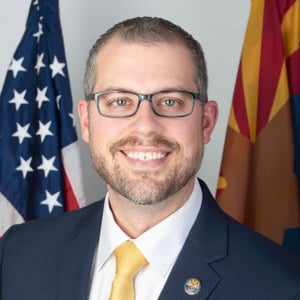
Pinal County Attorney, Pinal County, Arizona
Mr. Kent Volkmer has served as Pinal County Attorney since he was sworn in in 2017. Prior to serving as County Attorney, Mr. Volkmer spent many years operating his own law firm, Wallace, Volkmer, & Weagant PLLC, where he worked in a variety of fields, including in a variety of matters including Juvenile Law (both Delinquency and Dependency), Family Law, Guardianships and Conservatorships, Probate, Wills, Estate Planning, and Criminal Law. Prior to his time at Wallace, Volkmer, & Weagant, he worked as a general practice attorney at Cooper & Rueter LLP.
Mr. Volkmer graduated from the University of Akron, obtaining both a law degree, with a certificate in Litigation, and his M.B.A.
Chief Policy Counsel, Council on Criminal Justice and Senior Advisor, Right on Crime
Marc A. Levin is the Chief Policy Counsel for the Council on Criminal Justice (counciloncj.org) and Senior Advisor for Right on Crime.
An attorney and accomplished author on legal and public policy issues, Marc began the Foundation’s criminal justice program in 2005. This work contributed to nationally praised policy changes that have been followed by dramatic declines in crime and incarceration in Texas. Building on this success, in 2010, Levin developed the concept for the Right on Crime initiative, a TPPF project in partnership with Prison Fellowship and the American Conservative Union Foundation. Right on Crime has become the national clearinghouse for conservative criminal justice reforms and has contributed to the adoption of policies in dozens of states that fight crime, support victims, and protect taxpayers.
In 2014, Levin was named one of the “Politico 50” in the magazine’s annual “list of thinkers, doers, and dreamers who really matter in this age of gridlock and dysfunction.”
Marc has testified on criminal justice policy on four occasions before Congress and has testified before legislatures in states including Texas, Nevada, Kansas, Wisconsin, and California. He also has met personally with leaders such as U.S. Presidents, Speakers of the House, and the Justice Commtitee of the United Kingdom Parliament to share his ideas on criminal justice reform. In 2007, he was honored in a resolution unanimously passed by the Texas House of Representatives that stated, “Mr. Levin’s intellect is unparalleled and his research is impeccable.”
Since 2005, Marc has published dozens of policy papers on topics such as sentencing, probation, parole, reentry, and overcriminalization which are available on the TPPF website. Levin’s articles on law and public policy have been featured in publications such as the Wall Street Journal, USA Today, Texas Review of Law & Politics, National Law Journal, New York Daily News, Jerusalem Post, Toronto Star, Atlanta Journal-Constitution, Philadelphia Inquirer, San Francisco Chronicle, Washington Times, Los Angeles Daily Journal, Charlotte Observer, Dallas Morning News, Houston Chronicle, Austin American-Statesman, San Antonio Express-News and Reason Magazine.
In 1999, Marc graduated with honors from the University of Texas with a B.A. in Plan II Honors and Government. In 2002, Marc received his J.D. with honors from the University of Texas School of Law. Marc was a Charles G. Koch Summer Fellow in 1996. He served as a law clerk to Judge Will Garwood on the U.S. Court of Appeals for the Fifth Circuit and Staff Attorney at the Texas Supreme Court.
Senior Vice President for Legal Studies, Cato Institute
Clark Neily is senior vice president for legal studies at the Cato Institute. His areas of interest include constitutional law, overcriminalization, civil forfeiture, police accountability, and gun rights. Neily is the author of Terms of Engagement: How Our Courts Should Enforce the Constitution’s Promise of Limited Government. His writing has appeared in the Wall Street Journal, Forbes, and National Review Online, as well as various law reviews, including the Harvard Journal of Law and Public Policy, George Mason Law Review, Georgetown Journal of Law and Public Policy, NYU Journal of Law and Liberty, and Texas Review of Law and Politics. Neily is a frequent guest speaker and lecturer for the Federalist Society, Institute for Humane Studies, and American Constitution Society.
Before joining Cato in 2017, Neily was a senior attorney and constitutional litigator at the Institute for Justice and director of the Institute’s Center for Judicial Engagement. He is also an adjunct professor at the University of Texas School of Law, where he teaches constitutional litigation and public-interest law.
Neily served as co-counsel in District of Columbia v. Heller, the historic case in which the Supreme Court held for the first time that the Second Amendment protects an individual right to own a gun for self-defense.
Neily began his legal career as a law clerk to Judge Royce Lamberth on the U.S. District Court for the District of Columbia. After that he spent four years in the trial department of the Dallas-based firm Thompson & Knight. Neily received his undergraduate and law degrees from the University of Texas, where he was Chief Articles Editor of the Texas Law Review.
Pinal County Attorney, Pinal County, Arizona
Mr. Kent Volkmer has served as Pinal County Attorney since he was sworn in in 2017. Prior to serving as County Attorney, Mr. Volkmer spent many years operating his own law firm, Wallace, Volkmer, & Weagant PLLC, where he worked in a variety of fields, including in a variety of matters including Juvenile Law (both Delinquency and Dependency), Family Law, Guardianships and Conservatorships, Probate, Wills, Estate Planning, and Criminal Law. Prior to his time at Wallace, Volkmer, & Weagant, he worked as a general practice attorney at Cooper & Rueter LLP.
Mr. Volkmer graduated from the University of Akron, obtaining both a law degree, with a certificate in Litigation, and his M.B.A.
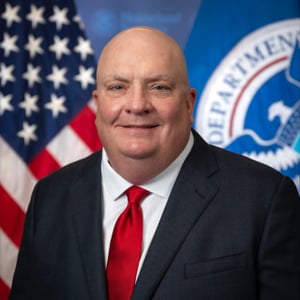
Acting Assistant Commissioner of Customs and Border Protection, Office of Professional Responsibility, U.S. Department of Homeland Security
Brian M. Fish is currently the Senior Advisor to the General Counsel at the Department of Homeland Security where he works on immigration and law enforcement issues. Previously, he was a trial attorney with the United States Immigration and Customs Enforcement, where he represented the Department of Homeland Security in removal hearings before the U.S. Immigration Court. Additionally, he was a Special Assistant United States Attorney and a Baltimore City homicide prosecutor. He is a member of the Federalist Society's Criminal Law & Procedure Practice Group Executive Committee and the President of its Baltimore Lawyers Chapter. He earned his B.A. from LaSalle University in 1992 and his J.D. from Loyola University New Orleans School of Law in 1998.

Debating State Sentences for Violent Crime: How Tough is Tough Enough?
Nazgol Ghandnoosh, Marc Levin, Kent Scheidegger
Following a surge in many types of violent crime in 2020 and 2021 that has...
Courthouse Steps Oral Argument: Counterman v. Colorado
Kent Scheidegger
On April 19, 2023, the Court is set to consider a question of free speech...
Courthouse Steps Oral Argument: Counterman v. Colorado
Kent Scheidegger
On April 19, 2023, the Court is set to consider a question of free speech...
Public Defenders and Political Advocacy: What Is a Public Defender's Role?
Matthew P. Cavedon, Maud Maron, Tiffany Williams Roberts
Over the past several years, a debate has erupted within the world of indigent defense:...
Public Defenders and Political Advocacy: What Is a Public Defender's Role?
Matthew P. Cavedon, Maud Maron, Tiffany Williams Roberts
Over the past several years, a debate has erupted within the world of indigent defense:...
Courthouse Steps Oral Argument Combo: Smith v. United States & Samia v. United States -Cases on Criminal Law Procedure
Robert K. McBride
In this two-for-one Teleforum, we will cover two cases with questions concerning criminal law and...
Courthouse Steps Oral Argument Combo: Smith v. United States & Samia v. United States -Cases on Criminal Law Procedure
Robert K. McBride
In this two-for-one Teleforum, we will cover two cases with questions concerning criminal law and...
Should We Heed Pleas for Plea Bargaining Reform?
Marc Levin, Clark Neily, Kent Volkmer
Although a right to trial is enshrined in the American Constitution, practically the nation’s criminal...
Should We Heed Pleas for Plea Bargaining Reform?
Marc Levin, Clark Neily, Kent Volkmer
Although a right to trial is enshrined in the American Constitution, practically the nation’s criminal...
Courthouse Steps Oral Argument: United States v. Hansen
Brian M. Fish
On Monday, March 27, 2023 the Supreme Court is set to hear oral argument in...