Ritz-Carlton, Washington DC
1150 22nd St NW
Washington, DC 20037
1150 22nd St NW
Washington, DC 20037



Federal Executive Power and Education
September 17, 2025

The annual Education Law & Policy Conference examines the legal and public policy issues facing education in the United States. This year's conference will center on the theme: Federal Executive Power and Education.
The conference will take place on Wednesday, September 17, 2025, at the Ritz-Carlton in Washington, D.C., and will feature a full day of programming, including panels (with CLE credit!), addresses, lunch, and a closing reception.
The Ritz-Carlton
1150 22nd St NW,
Washington, DC 20037
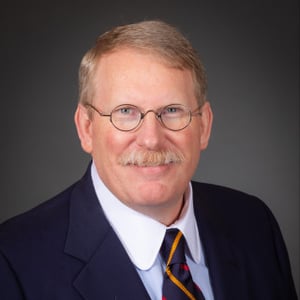
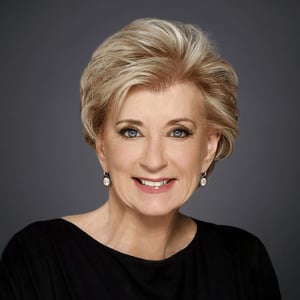
Armchair Conversation Speaker:
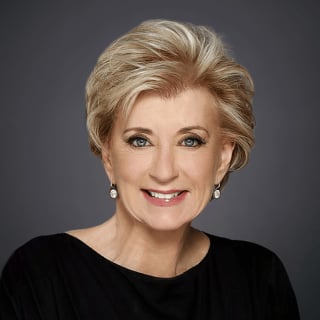
Secretary of Education,
U.S. Department of Education

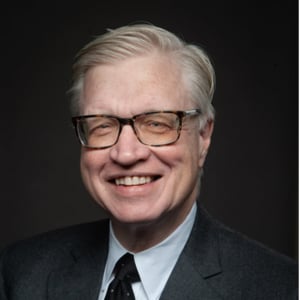
News Editor,
Washington Examiner
--
Luncheon Speaker:

Partner,
Clement & Murphy, PLLC
Welcome and Introductions 9:00 a.m. - 9:15 a.m.
Armchair Conversation 9:15 a.m. - 10:00 a.m.
Plenary Session 1: Reimagining Law School Accreditation: Possibility or Pitfall? 10:15 a.m. - 11:45 a.m.
Lunch & Luncheon Address 12:00 p.m. - 1:15 p.m.
Debate 1:30 p.m. - 2:30 p.m.
Networking Break & Book Signing 2:30 p.m. - 3:15 p.m.
Plenary Session 2: Federal Efforts to Combat Antisemitism: Restoring Campus Civil Rights or Infringing on Academic Freedom? 3:15 p.m. - 4:45 p.m.
Cocktails & Conversation 5:00 p.m. - 7:00 p.m.
For information regarding CLE, please click the button below:
For press inquiries, please complete this form.
All attendees may be required to present identification for admission.
Back to top| Topics: | Education Policy |
|---|
| Topics: | Education Policy |
|---|
Featuring:
| Topics: | Education Policy |
|---|
The Council of the Section of Legal Education and Admissions to the Bar (“ABA”) serves as the nation’s only accreditor for programs leading to a Juris Doctor degree. In many states, graduation from an ABA-accredited J.D. program is a prerequisite for taking the bar exam. For freestanding law schools, the ABA (as the nation’s only Department of Education-recognized accreditation agency for legal education) also serves as the institutional accreditor for the schools—without which they would lack eligibility for federal student loans and grants. In April, President Trump ordered the Attorney General to investigate alleged unlawful discrimination carried out by law schools in accordance with the ABA’s “diversity, equity, and inclusion” standards and directed the Secretary of Education to consider whether to terminate recognition of the agency.
This panel will discuss these allegations and, if so, what role the ABA’s accreditation criteria may have played. Is it time for a new accreditation agency for legal education? What are the organizational, operational, financial, and regulatory challenges to standing up a new law school accreditation agency as an alternative to the ABA? What are the benefits, if any, of accreditation? Is accreditation even desirable in this context?
Featuring:
| Topics: | Education Policy |
|---|
Featuring:
| Topics: | Education Policy |
|---|
The Trump Administration’s efforts to deport Mahmoud Khalil for his role in the anti-Israel encampments at Columbia University have touched off an intense debate over the extent of the President’s authority to enforce U.S. immigration laws against students and faculty members at institutions of higher education. Meanwhile, the Administration’s removal of immigration enforcement restrictions in K–12 schools has led some school districts to pledge to resist federal enforcement actions and offer their campuses as “safe spaces” for students who are not legally in the country.
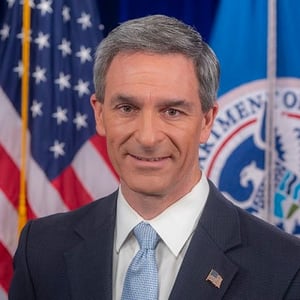
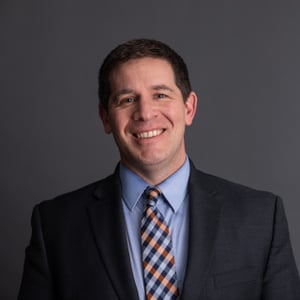
In this conversation, the Honorable Kenneth T. Cuccinelli of the Center for Renewing America and Mr. Brian Hauss of the American Civil Liberties Union will debate the President’s power to deport individuals enrolled in or employed by America’s schools, colleges, and universities. They will also offer competing perspectives on whether the stated goals of these policies, which include enforcing laws against illegal immigration and preventing U.S. academic visas from being used to advance racist rhetoric, outweigh any threats they pose to free speech, academic freedom, or the benefit that accrues from receiving a K–12 education.
Featuring:
An Abundance of Caution: American Schools, the Virus, and a Story of Bad Decisions
| Topics: | Education Policy |
|---|
Since January 20, 2025, federal agencies have brought to bear an unprecedented array of policy tools in a concerted effort to force universities to recognize, act on, and pay for what the Trump Administration has argued is a failure to follow federal civil rights laws and their own institutional policies in protecting Jewish students from violence, harassment, and intimidation. Some have celebrated this as a necessary defense against the rising antisemitism and unrest on campuses; however, others, even some who agree with the Administration’s goals broadly, have criticized the methods and tactics used in recent federal enforcement efforts.
This panel will provide different perspectives on institutional responses to incidents of campus antisemitic discrimination and harassment and recent Administration actions. Are these enforcement efforts targeting campus antisemitism a welcome restoration of civil rights in higher education or blunt instruments that threaten academic freedom and independence from federal control?
Featuring: