Litigation Update: D.A. ex rel. B.A. v. Tri-County Area Schools and E.D. v. Noblesville School District
Over 60 years after Tinker v Des Moines Independent Community School District the free speech rights of secondary school students remains unclear. Although the Court has said that students do not surrender their First Amendment rights at the schoolhouse gate, it has often allowed schools to get away with punishing “inappropriate” or “offensive” speech that would be clearly protected outside of school.
Two pending petitions at the Supreme Court could produce needed clarity.
In D.A. ex rel. B.A. v. Tri-County Area Schools, both a federal district court and a divided (2–1) federal appeals court determined that because the phrase “Let’s Go Brandon” carries a “profane double meaning,” school officials could reasonably bar students from wearing clothing displaying the message. In March 2026, the petitioners (represented by FIRE), filed for certiorari, asking the Supreme Court to review the Sixth Circuit’s ruling. The school district’s response is due on May 1.
In E.D. v. Noblesville School District, the Seventh Circuit held that an Indiana school district could prevent a pro-life student group from posting flyers about the group because they included pictures of group members holding signs calling for defunding of Planned Parenthood. The school deemed this speech “too political” and ultimately derecognized the student group altogether. The student group, represented by ADF, has asked the Supreme Court to take the case.
Join us for a discussion of the cases, the First Amendment questions both raise, and the broader implications for First Amendment rights on and off campus.
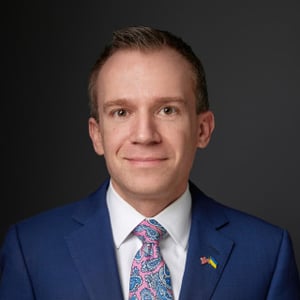
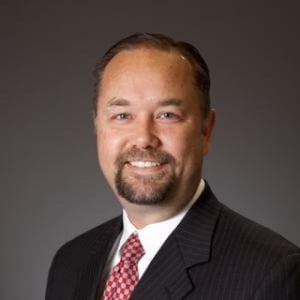
- Conor Fitzpatrick, Supervising Senior Attorney, Foundation for Individual Rights and Expression
- Tyson Langhofer, Senior Counsel, Director of the Center for Academic Freedom, Alliance Defending Freedom
- (Moderator) Casey Mattox, Vice President for Legal Strategy, Stand Together
*******
As always, the Federalist Society takes no position on particular legal or public policy issues; all expressions of opinion are those of the speaker.