Accreditation of Higher Education: A Primer

Event Video




Unlike most nations, the United States eschews centralized control over its system of higher education in favor of a more decentralized “regulatory triad” of accreditation agencies, state licensing authorities, and certification by the U.S. Department of Education to participate in federal student aid programs. To qualify for federal student loans and grants, colleges and universities must be institutionally accredited by an Education Department-recognized accrediting agency. As gatekeepers of federal financial aid, accreditors have great sway over their institutions. President Trump issued an executive order on "Reforming Accreditation to Strengthen Higher Education," and the Education Department recently commenced negotiated rulemaking on new accreditation regulations and intends to publish a final rule by November 1, 2026.
But what is the purpose of accreditation, and how much power do accreditors hold? What is the connection to federal funding, and how are determinations of "academic quality" made? Do the current accreditation processes and recognized agencies meet their aims? What is the role of the Department’s National Advisory Committee for Institutional Quality and Integrity in this process? What can the public expect to see in the Department’s new accreditation regulations? To what extent, if at all, can the Department use its recognition authority over accreditors effectively to address such topics as campus free speech, academic freedom, DEI, and other controversial issues?
Join us for a discussion on the nuts and bolts of accreditation and what the current process means for the state of higher education in America today.
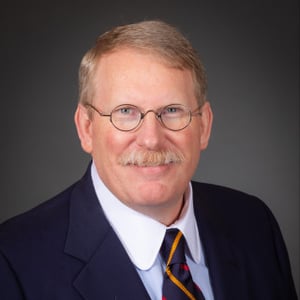
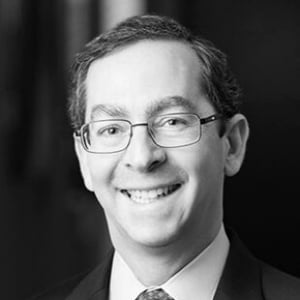
- Robert S. Eitel, Co-Founder and President, Defense of Freedom Institute
- Jonathan Helwink, Principal, Helwink Legal Group, PLLC
- Adam Kissel, Visiting Lecturer in Formal Organizations, Trinity College
- (Moderator) Sarah Parshall Perry, Vice President & Senior Legal Fellow, Defending Education
*******
As always, the Federalist Society takes no position on particular legal or public policy issues; all expressions of opinion are those of the speaker.