Topics:
Sponsors:
Administrative Law & Regulation Practice Group
•
Civil Rights Practice Group
•
Corporations & Securities Practice Group
•
Criminal Law & Procedure Practice Group
•
Energy & Environment Practice Group
•
Federalism & Separation of Powers Practice Group
•
Financial Services Practice Group
•
Free Speech Practice Group
•
Intellectual Property Practice Group
•
International & National Security Law Practice Group
•
Labor & Employment Law Practice Group
•
Litigation Practice Group
•
Professional Responsibility & Legal Education Practice Group
•
Religious Liberty Practice Group
•
Communications & Technology Practice Group
- In-Person Event
The Mayflower Hotel
1127 Connecticut Ave N.W.
Washington, DC 20036
1127 Connecticut Ave N.W.
Washington, DC 20036

 The theme of the Third Annual Executive Branch Review Conference, what role does and should Congress play vis-a-vis the administrative state, will be developed in a series of addresses, debates and panel discussions. Experts will discuss incentives for Congressional action and inaction, reducing delegation from Congress to the agencies through more precise statutory language, the tools of Congressional oversight, and more. The conference will also include breakout sessions by selected practice groups to provide detailed discussion about executive branch activities in particular areas of the law.

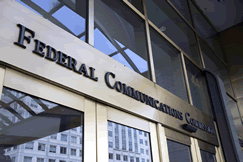 The communications and technology sectors have seen an explosion of growth and innovation over the last decade, and yet the primary body of law governing these areas, The Communications Act, has not been updated since the days of dial-up internet. In 2013, House Energy and Commerce Committee Chairman Fred Upton (Mich.) and Communications and Technology Subcommittee Chairman Greg Walden (Oreg.) announced that they would commence efforts to “update the law to better meet the dynamic needs of the 21st century.” In January, Senate Commerce Committee Chairman John Thune (S. Dak.) announced similar plans.




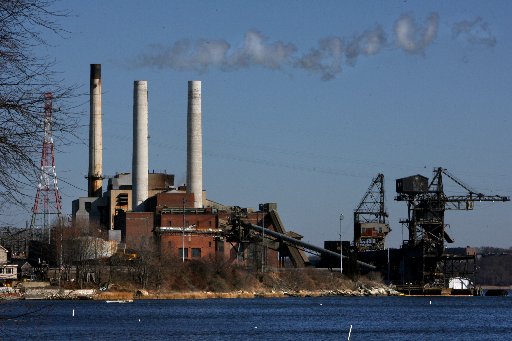 The Environmental Protection Agency has proposed new regulations for CO2 emission reductions from existing power plants. The proposal requires states to implement the Agency’s Clean Power Plan. Proponents argue that it is an essential measure to protect vital natural resources; opponents argue that it will be massively costly and logistically difficult to implement (particularly given the timeframes required in the proposed regulations), and that it robs the states of their sovereign power. Our panel of experts will discuss the underlying legal authority for EPA’s proposal, the appropriate federalism model for regulation of CO2 emissions under the Clean Air Act, and the policy implications.




 The economics profession has long proffered Benefit-Cost Analysis (BCA) as the best tool for making balanced and efficient governmental decisions on spending and regulation. Though some critics object to the tool, presidents from both parties for over four decades have endorsed the BCA paradigm as the preferred way to make sound regulatory decisions, and Congress is considering legislation that would require agencies to support major regulatory initiatives with BCA.








 In administrative law the focus has primarily been on how to constrain executive discretion. It may, however, be equally important to consider how to constrain the delegations that create that discretion—not just by telling Congress to “do its job,” but by thinking about how to shift the incentives that members have for delegation. This panel will consider what Congress gains by delegating policymaking authority to the executive. The conventional view holds that delegations only expand the power of the executive, ignoring the myriad reasons that Congress chooses to delegate its power. Members of Congress may realize a variety of benefits from delegation, including control over how agencies exercise their discretion. Panelists will discuss the reasons why Congress delegates so broadly and consider what legal and political solutions might curb such delegations.


 After delegating significant power to the administrative state, is Congress properly discharging its oversight role? Are there tools available to Congress that are underutilized? Would a proper annual budget process help? Are Congress’ oversight hearings meaningful, well-run, and properly focused? Should Congress be requesting more information from agencies through other avenues?