
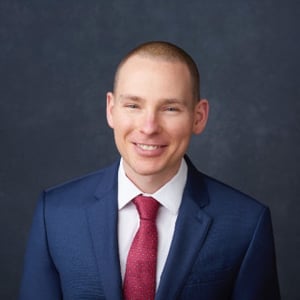
Shareholder & Co-Chair of the Workplace Policy Institute, Littler Mendelson P.C.
Alexander T. MacDonald advises employers on all aspects of the employment and labor landscape, focusing on emerging legislation and regulation. He has extensive experience advising businesses on worker classification, arbitration, the administrative and regulatory process, and the future of work. He frequently writes, publishes, and speaks on these subjects. His work has been cited by scholars and appellate courts. He is a recognized voice for the management perspective.
Alexander is a co-chair of the Workplace Policy Institute (WPI) team. With WPI, he advises employers on legislative, administrative, and regulatory developments at the state and federal level. He advocates for employers in the regulatory and administrative process. He also helps employers protect their businesses by understanding and anticipating cutting-edge legal developments.
Alexander also has extensive experience in traditional labor law. He represents management in all aspects of labor-management relations, including unfair labor practice charges, grievance arbitrations, representation elections, contract negotiations, and related litigation, including litigation in the U.S. courts of appeals.
Before joining Littler, Alexander served as the director, future of work, for a major technology company. He also worked in a national labor and employment law firm and a major public-sector general counsel’s office. He was a law clerk to the senior judges in the District of Columbia Court of Appeals.
He is also a veteran of the U.S. Air Force. He served in Operations Enduring Freedom and Iraqi Freedom. In law school, he graduated first in his class
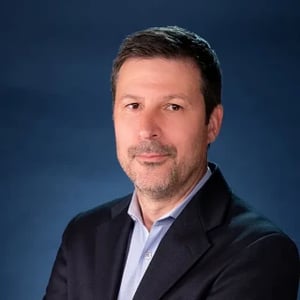
Senior Fellow; Senior Adviser, American Worker Project, Center for American Progress
David Madland is a senior fellow and the senior adviser to the American Worker Project at American Progress. He has been called “one of the nation’s wisest” labor scholars by Washington Post columnist E.J. Dionne Jr. His work “is creating a North Star for how we increase workers’ power in the economy and democracy,” according to Mary Kay Henry, former president of the Service Employees International Union.
Madland is the author of Re-Union: How Bold Labor Reforms Can Repair, Revitalize, and Reunite the United States (Cornell University Press, 2021), which helped put sectoral bargaining on the political agenda, and Hollowed Out: Why the Economy Doesn’t Work without a Strong Middle Class (University of California Press, 2015), a pioneering critique of trickle-down economics that has helped policymakers understand that the economy grows from the middle out and the bottom up, not from the top down.
He is frequently featured on television and radio programs, including appearances on PBS, CNN, MSNBC, Fox, and NPR. His work has been cited in numerous publications, including The New York Times, The Wall Street Journal, The Washington Post, and The New Yorker. He has testified before Congress as well as several state legislatures.
Madland received his doctorate in government from Georgetown University and his bachelor’s degree from the University of California, Berkeley. His research about the decline of the U.S. pension system received the “Best Dissertation Award” from the Labor and Employment Relations Association. Madland previously worked on economic policy for Rep. George Miller (D-CA).
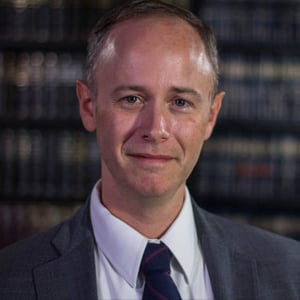
Vice President and Legal Director, National Right to Work Legal Defense and Education Foundation, Inc.
William Messenger is Foundation Vice President and Legal Director. He was a staff attorney for over twenty years and, during that time, represented individuals in numerous cases that sought to expand worker freedom of choice. This includes acting as lead counsel in three cases before the United States Supreme Court. In 2018, Messenger argued Janus v. AFSCME Council 31, where the Supreme Court held it violates the First Amendment for governments and unions to compel individuals to financially support unions and their speech. Originally from Youngstown Ohio, Messenger attended Ohio University as an undergraduate and then the George Washington University School of Law.
Shareholder & Co-Chair of the Workplace Policy Institute, Littler Mendelson P.C.
Alexander T. MacDonald advises employers on all aspects of the employment and labor landscape, focusing on emerging legislation and regulation. He has extensive experience advising businesses on worker classification, arbitration, the administrative and regulatory process, and the future of work. He frequently writes, publishes, and speaks on these subjects. His work has been cited by scholars and appellate courts. He is a recognized voice for the management perspective.
Alexander is a co-chair of the Workplace Policy Institute (WPI) team. With WPI, he advises employers on legislative, administrative, and regulatory developments at the state and federal level. He advocates for employers in the regulatory and administrative process. He also helps employers protect their businesses by understanding and anticipating cutting-edge legal developments.
Alexander also has extensive experience in traditional labor law. He represents management in all aspects of labor-management relations, including unfair labor practice charges, grievance arbitrations, representation elections, contract negotiations, and related litigation, including litigation in the U.S. courts of appeals.
Before joining Littler, Alexander served as the director, future of work, for a major technology company. He also worked in a national labor and employment law firm and a major public-sector general counsel’s office. He was a law clerk to the senior judges in the District of Columbia Court of Appeals.
He is also a veteran of the U.S. Air Force. He served in Operations Enduring Freedom and Iraqi Freedom. In law school, he graduated first in his class
Senior Fellow; Senior Adviser, American Worker Project, Center for American Progress
David Madland is a senior fellow and the senior adviser to the American Worker Project at American Progress. He has been called “one of the nation’s wisest” labor scholars by Washington Post columnist E.J. Dionne Jr. His work “is creating a North Star for how we increase workers’ power in the economy and democracy,” according to Mary Kay Henry, former president of the Service Employees International Union.
Madland is the author of Re-Union: How Bold Labor Reforms Can Repair, Revitalize, and Reunite the United States (Cornell University Press, 2021), which helped put sectoral bargaining on the political agenda, and Hollowed Out: Why the Economy Doesn’t Work without a Strong Middle Class (University of California Press, 2015), a pioneering critique of trickle-down economics that has helped policymakers understand that the economy grows from the middle out and the bottom up, not from the top down.
He is frequently featured on television and radio programs, including appearances on PBS, CNN, MSNBC, Fox, and NPR. His work has been cited in numerous publications, including The New York Times, The Wall Street Journal, The Washington Post, and The New Yorker. He has testified before Congress as well as several state legislatures.
Madland received his doctorate in government from Georgetown University and his bachelor’s degree from the University of California, Berkeley. His research about the decline of the U.S. pension system received the “Best Dissertation Award” from the Labor and Employment Relations Association. Madland previously worked on economic policy for Rep. George Miller (D-CA).
Vice President and Legal Director, National Right to Work Legal Defense and Education Foundation, Inc.
William Messenger is Foundation Vice President and Legal Director. He was a staff attorney for over twenty years and, during that time, represented individuals in numerous cases that sought to expand worker freedom of choice. This includes acting as lead counsel in three cases before the United States Supreme Court. In 2018, Messenger argued Janus v. AFSCME Council 31, where the Supreme Court held it violates the First Amendment for governments and unions to compel individuals to financially support unions and their speech. Originally from Youngstown Ohio, Messenger attended Ohio University as an undergraduate and then the George Washington University School of Law.
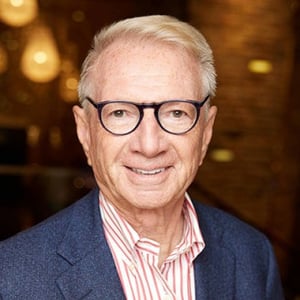
Senior Labor and Employment Counsel, CHRO Association
Roger King is a highly regarded labor relations attorney, whose career spans more than 40 years. Roger recently retired as a partner with Jones Day law firm. He now serves as Senior Labor and Employment counsel for the Association.
Roger specializes in labor and employment, healthcare, collective bargaining, contract administration and representation campaigns. Roger represented the winning side as co-counsel in the landmark U.S. Supreme Court case known as Noel Canning, which successfully challenged President Obama’s authority to make recess appointments to the National Labor Relations Board.
After graduating from Cornell University Law School, he was a Captain and Legal Services Officer in the United States Air Force, on the Staff of United States Senator Robert Taft, Jr. and, subsequently, was appointed as Professional Staff Counsel to the United States Senate Labor Committee.
Roger has testified before both the U.S. Senate and House Labor Committees, is a fellow of the College of Labor and Employment Lawyers, and serves on the Advocacy Committee of the American Society for Healthcare Human Resources Association (ASHHRA) and on the Executive Committee of the Ohio State Bar Association Labor and Employment Law Section Council.
He is a nationally recognized author/speaker on employment matters and has represented employers regarding labor and employment issues both before administrative agencies and in federal and state courts. He has represented the U.S. Chamber of Commerce, the Society for Human Resource Management (SHRM), the HR Policy Association (HRPA), the National Manufactures Association (NAM), the American Hospital Association (AHA), and the Coalition for a Democratic Workplace (CDW) in federal courts regarding numerous labor law issues.
Other clients Roger has represented include the Cleveland Clinic Foundation, Catholic Health Partners, MedStar Health, HCA, Texas Health Resources, Unity Point Health, UHS, Trinity Health, National Beef, General Cable, Orlando Health, ProMedica, Premier Health, Cedars-Sinai, Yale New Haven Health System, McLaren Health Care Corporation, Ohio, California and American Hospital Associations, Bon Secoure Health System, Kaleida Health, Sisters of Levenworth Health System, Lakeland Regional Medical Center, Clarion Clinic, Fisher-Titus Medical Center, Saint Joseph Health System, Benefis Healthcare, Community Health Systems, American Water Works, Macy’s Inc., Verizon and General Motors.
Vice President and Legal Director, National Right to Work Legal Defense and Education Foundation, Inc.
William Messenger is Foundation Vice President and Legal Director. He was a staff attorney for over twenty years and, during that time, represented individuals in numerous cases that sought to expand worker freedom of choice. This includes acting as lead counsel in three cases before the United States Supreme Court. In 2018, Messenger argued Janus v. AFSCME Council 31, where the Supreme Court held it violates the First Amendment for governments and unions to compel individuals to financially support unions and their speech. Originally from Youngstown Ohio, Messenger attended Ohio University as an undergraduate and then the George Washington University School of Law.
Senior Labor and Employment Counsel, CHRO Association
Roger King is a highly regarded labor relations attorney, whose career spans more than 40 years. Roger recently retired as a partner with Jones Day law firm. He now serves as Senior Labor and Employment counsel for the Association.
Roger specializes in labor and employment, healthcare, collective bargaining, contract administration and representation campaigns. Roger represented the winning side as co-counsel in the landmark U.S. Supreme Court case known as Noel Canning, which successfully challenged President Obama’s authority to make recess appointments to the National Labor Relations Board.
After graduating from Cornell University Law School, he was a Captain and Legal Services Officer in the United States Air Force, on the Staff of United States Senator Robert Taft, Jr. and, subsequently, was appointed as Professional Staff Counsel to the United States Senate Labor Committee.
Roger has testified before both the U.S. Senate and House Labor Committees, is a fellow of the College of Labor and Employment Lawyers, and serves on the Advocacy Committee of the American Society for Healthcare Human Resources Association (ASHHRA) and on the Executive Committee of the Ohio State Bar Association Labor and Employment Law Section Council.
He is a nationally recognized author/speaker on employment matters and has represented employers regarding labor and employment issues both before administrative agencies and in federal and state courts. He has represented the U.S. Chamber of Commerce, the Society for Human Resource Management (SHRM), the HR Policy Association (HRPA), the National Manufactures Association (NAM), the American Hospital Association (AHA), and the Coalition for a Democratic Workplace (CDW) in federal courts regarding numerous labor law issues.
Other clients Roger has represented include the Cleveland Clinic Foundation, Catholic Health Partners, MedStar Health, HCA, Texas Health Resources, Unity Point Health, UHS, Trinity Health, National Beef, General Cable, Orlando Health, ProMedica, Premier Health, Cedars-Sinai, Yale New Haven Health System, McLaren Health Care Corporation, Ohio, California and American Hospital Associations, Bon Secoure Health System, Kaleida Health, Sisters of Levenworth Health System, Lakeland Regional Medical Center, Clarion Clinic, Fisher-Titus Medical Center, Saint Joseph Health System, Benefis Healthcare, Community Health Systems, American Water Works, Macy’s Inc., Verizon and General Motors.
Vice President and Legal Director, National Right to Work Legal Defense and Education Foundation, Inc.
William Messenger is Foundation Vice President and Legal Director. He was a staff attorney for over twenty years and, during that time, represented individuals in numerous cases that sought to expand worker freedom of choice. This includes acting as lead counsel in three cases before the United States Supreme Court. In 2018, Messenger argued Janus v. AFSCME Council 31, where the Supreme Court held it violates the First Amendment for governments and unions to compel individuals to financially support unions and their speech. Originally from Youngstown Ohio, Messenger attended Ohio University as an undergraduate and then the George Washington University School of Law.
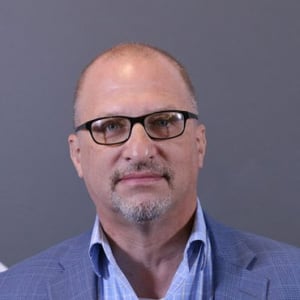
Western Region Director, State Affairs, R Street Institute
Steven Greenhut oversees R Street’s efforts in California, Colorado, Utah, Oregon, Idaho, Washington state, Montana, New Mexico, Nevada, Arizona, Alaska, Wyoming and Hawaii. His duties include authoring op-eds and policy studies, testifying before state and municipal legislative bodies, and representing R Street as a speaker, public commentator and coalition ally in venues where it is possible to move state and local policy in a free-market direction.
He most recently served as California columnist for the San Diego Union-Tribune. In this role, from his base in Sacramento, he wrote a regular reported news column covering the State Capitol and issues outside of San Diego. Previously, he was vice president of journalism at the Franklin Center, where he oversaw a team of watchdog editors and reporters in state capitols.
Steven is the author of two books, Abuse of Power: How the Government Misuses Eminent Domain (2004) and Plunder! How Public Employee Unions are Raiding Treasuries, Controlling Our Lives and Bankrupting the Nation (2009). In 2005, he received the Thomas Paine Award, granted by the Institute for Justice in recognition of his writing to promote liberty. In 2011, he placed second in the International Policy Network R.C. Hoiles Prize for Journalism.
He received his bachelor’s degree in political science with a minor in journalism from George Washington University.
Steven and his wife of 35 years live on an acreage outside of Sacramento and have three adult children, 30 goats, five cats, six chickens and two dogs.
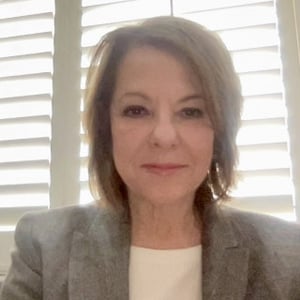
Carol Matheis practices law business litigation and insurance law in Newport Beach, California. She earned her J.D. at Western University College of Law and is a graduate of George Mason University.
Vice President and Legal Director, National Right to Work Legal Defense and Education Foundation, Inc.
William Messenger is Foundation Vice President and Legal Director. He was a staff attorney for over twenty years and, during that time, represented individuals in numerous cases that sought to expand worker freedom of choice. This includes acting as lead counsel in three cases before the United States Supreme Court. In 2018, Messenger argued Janus v. AFSCME Council 31, where the Supreme Court held it violates the First Amendment for governments and unions to compel individuals to financially support unions and their speech. Originally from Youngstown Ohio, Messenger attended Ohio University as an undergraduate and then the George Washington University School of Law.
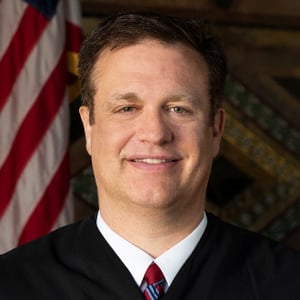
Judge, United States Court of Appeals, Ninth Circuit
Judge Nelson was confirmed to the Ninth Circuit in October 2018, as the youngest Circuit Judge to serve from Idaho and he has chambers in his hometown of Idaho Falls. Prior to his confirmation, Judge Nelson served for nine years as General Counsel of Idaho Falls-based Melaleuca, Inc., a consumer goods company. He previously worked in Washington, DC, where he served in all three branches of the federal government, including as Special Counsel for Supreme Court nominations to the Ranking Member of the Senate Judiciary Committee; Deputy General Counsel to the White House Office of Management and Budget; Deputy Assistant Attorney General in the Environment and Natural Resources Division of the United States Department of Justice; and a law clerk to Judge Henderson of the United States Court of Appeals for the D.C. Circuit. He has argued in most of the federal courts of appeals and worked on dozens of Supreme Court briefs. He started in the Washington, DC office of Sidley Austin as an appellate lawyer, after clerking for Judges Mosk and Brower of the Iran-U.S. Claims Tribunal at The Hague, and for now-Judge Tom Griffith, then-Senate Legal Counsel, during the impeachment trial of President Clinton. Judge Nelson earned his B.A. from Brigham Young University and his J.D., with honors, from BYU Law School. Judge Nelson has been a member of the Federalist Society since 1998.
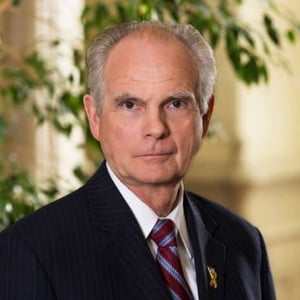
Special Counsel, Hopkins & Carley
Chuck Reed is a member of Hopkins & Carley’s Real Estate Practice in the San Jose office. As Special Counsel to the firm, Chuck brings his years of experience in government to help clients solve complex problems in a variety of practice areas, including:
Chuck was Mayor of San Jose from 2007 to 2014, a member of the City Council from 2000 to 2006, and a city and county Planning Commissioner for 14 years before being elected to office. Before taking office as Mayor of the tenth largest city in the country, he was a lawyer in private practice in San Jose.
Chuck has been recognized as a national leader by the New York Times, the Wall Street Journal, the Washington Post, other national media, the U.S. Conference of Mayors, and the National League of Cities. The story of his work in San Jose has been noted in books, such as Boomerang by Michael Lewis and Fate of the States by Meredith Whitney, and he has been a frequent speaker on pension reform at conferences around the country.
Western Region Director, State Affairs, R Street Institute
Steven Greenhut oversees R Street’s efforts in California, Colorado, Utah, Oregon, Idaho, Washington state, Montana, New Mexico, Nevada, Arizona, Alaska, Wyoming and Hawaii. His duties include authoring op-eds and policy studies, testifying before state and municipal legislative bodies, and representing R Street as a speaker, public commentator and coalition ally in venues where it is possible to move state and local policy in a free-market direction.
He most recently served as California columnist for the San Diego Union-Tribune. In this role, from his base in Sacramento, he wrote a regular reported news column covering the State Capitol and issues outside of San Diego. Previously, he was vice president of journalism at the Franklin Center, where he oversaw a team of watchdog editors and reporters in state capitols.
Steven is the author of two books, Abuse of Power: How the Government Misuses Eminent Domain (2004) and Plunder! How Public Employee Unions are Raiding Treasuries, Controlling Our Lives and Bankrupting the Nation (2009). In 2005, he received the Thomas Paine Award, granted by the Institute for Justice in recognition of his writing to promote liberty. In 2011, he placed second in the International Policy Network R.C. Hoiles Prize for Journalism.
He received his bachelor’s degree in political science with a minor in journalism from George Washington University.
Steven and his wife of 35 years live on an acreage outside of Sacramento and have three adult children, 30 goats, five cats, six chickens and two dogs.
Carol Matheis practices law business litigation and insurance law in Newport Beach, California. She earned her J.D. at Western University College of Law and is a graduate of George Mason University.
Vice President and Legal Director, National Right to Work Legal Defense and Education Foundation, Inc.
William Messenger is Foundation Vice President and Legal Director. He was a staff attorney for over twenty years and, during that time, represented individuals in numerous cases that sought to expand worker freedom of choice. This includes acting as lead counsel in three cases before the United States Supreme Court. In 2018, Messenger argued Janus v. AFSCME Council 31, where the Supreme Court held it violates the First Amendment for governments and unions to compel individuals to financially support unions and their speech. Originally from Youngstown Ohio, Messenger attended Ohio University as an undergraduate and then the George Washington University School of Law.
Judge, United States Court of Appeals, Ninth Circuit
Judge Nelson was confirmed to the Ninth Circuit in October 2018, as the youngest Circuit Judge to serve from Idaho and he has chambers in his hometown of Idaho Falls. Prior to his confirmation, Judge Nelson served for nine years as General Counsel of Idaho Falls-based Melaleuca, Inc., a consumer goods company. He previously worked in Washington, DC, where he served in all three branches of the federal government, including as Special Counsel for Supreme Court nominations to the Ranking Member of the Senate Judiciary Committee; Deputy General Counsel to the White House Office of Management and Budget; Deputy Assistant Attorney General in the Environment and Natural Resources Division of the United States Department of Justice; and a law clerk to Judge Henderson of the United States Court of Appeals for the D.C. Circuit. He has argued in most of the federal courts of appeals and worked on dozens of Supreme Court briefs. He started in the Washington, DC office of Sidley Austin as an appellate lawyer, after clerking for Judges Mosk and Brower of the Iran-U.S. Claims Tribunal at The Hague, and for now-Judge Tom Griffith, then-Senate Legal Counsel, during the impeachment trial of President Clinton. Judge Nelson earned his B.A. from Brigham Young University and his J.D., with honors, from BYU Law School. Judge Nelson has been a member of the Federalist Society since 1998.
Special Counsel, Hopkins & Carley
Chuck Reed is a member of Hopkins & Carley’s Real Estate Practice in the San Jose office. As Special Counsel to the firm, Chuck brings his years of experience in government to help clients solve complex problems in a variety of practice areas, including:
Chuck was Mayor of San Jose from 2007 to 2014, a member of the City Council from 2000 to 2006, and a city and county Planning Commissioner for 14 years before being elected to office. Before taking office as Mayor of the tenth largest city in the country, he was a lawyer in private practice in San Jose.
Chuck has been recognized as a national leader by the New York Times, the Wall Street Journal, the Washington Post, other national media, the U.S. Conference of Mayors, and the National League of Cities. The story of his work in San Jose has been noted in books, such as Boomerang by Michael Lewis and Fate of the States by Meredith Whitney, and he has been a frequent speaker on pension reform at conferences around the country.
Vice President and Legal Director, National Right to Work Legal Defense and Education Foundation, Inc.
William Messenger is Foundation Vice President and Legal Director. He was a staff attorney for over twenty years and, during that time, represented individuals in numerous cases that sought to expand worker freedom of choice. This includes acting as lead counsel in three cases before the United States Supreme Court. In 2018, Messenger argued Janus v. AFSCME Council 31, where the Supreme Court held it violates the First Amendment for governments and unions to compel individuals to financially support unions and their speech. Originally from Youngstown Ohio, Messenger attended Ohio University as an undergraduate and then the George Washington University School of Law.
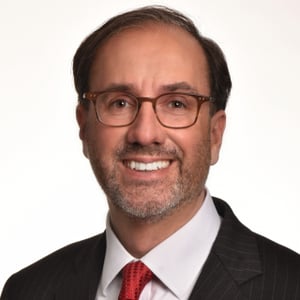
President and CEO, The Buckeye Institute
Robert Alt is the President and Chief Executive Officer of The Buckeye Institute where he has catalyzed exponential growth since he took the organization’s helm in 2012. He has since founded Buckeye’s renowned Economic Research Center and established its impactful Legal Center.
Alt is a distinguished scholar and attorney with particular expertise in legal policy, criminal justice, national security, and constitutional law. He previously worked for former U.S. Attorney General Edwin Meese III, regularly provides commentary on television and radio programs, and his writings have appeared in countless outlets.
In 2004, Alt spent five months in Iraq as an embedded war correspondent.
Alt has testified before Congress multiple times—including at the confirmation hearings for U.S. Supreme Court Justice Elena Kagan—the Federal Election Commission regarding matters of constitutional and administrative law, and numerous state legislatures.
Alt serves as an officer on the boards of The Philadelphia Society and the Federalist Society’s Columbus Lawyers Chapter. He taught national security law, criminal law, and legislation at Case Western Reserve University School of Law, as well as constitutional law and political parties and interest groups at Ashland University.
Alt earned his Doctor of Law degree from The University of Chicago Law School, where he was Symposium Editor and the winner of the Mulroy Prize for Excellence in Appellate Advocacy as well as research assistant to Professor Richard Epstein. Following law school, he clerked for Judge Alice Batchelder on the U.S. Court of Appeals for the Sixth Circuit. Alt graduated with his Bachelor of Arts in philosophy and political science magna cum laude from Azusa Pacific University where he also won the Outstanding Senior Award in Political Science.
Alt is an accomplished high-altitude alpinist and endurance athlete who has successfully climbed 6.75 of the famed Seven Summits of the World including Mount Everest. He is the creator of PROFOUND CLIMBING™ and a frequent speaker across the country and around the world on legal and public policy topics as well as effective leadership, management, decision-making, and teamwork in contexts ranging from extraordinary life/death situations to ordinary professional/business settings.
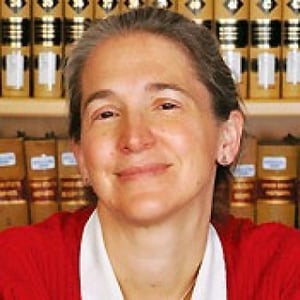
Carter C. Kissell Professor of Law, The Ohio State University Michael E. Moritz College of Law
In law school, Professor Hébert served as editor-in-chief of the Kansas Law Review and was elected to Order of the Coif. Following graduation from law school, she clerked for Judge James K. Logan of the U.S. Court of Appeals for the Tenth Circuit and practiced labor and employment law, representing management, for five years with Spencer, Fane, Britt, and Browne in Kansas City, Mo.
Professor Hébert has published a number of law review articles on employment discrimination, sexual harassment, employee privacy, and alternative dispute resolution (ADR). Her treatise Employee Privacy Lawwas published in 1993 and is supplemented annually.
Professor Hébert makes frequent presentations to academic and professional audiences on issues of sexual harassment and employee privacy, including genetic testing and electronic surveillance. Professor Hébert served as Chair of the Employment Discrimination Section of the Association of American Law Schools in 1998. She currently serves as a member of the Workplace Mediation Advisory Committee of the State of Ohio Commission on Dispute Resolution and Conflict Management.
From 1997 to 2000, Professor Hébert served as associate dean for academic affairs at the Moritz College of Law. Professor Hébert is a member of the Associated Graduate Faculty of the Department of Womens Studies at Ohio State. Professor Hébert’s courses include Employment Discrimination Law, Employment Law, Employee Benefits,Alternative Dispute Resolution in the Workplace, Legal Writing and Analysis, and a Sexual Harassment seminar. She taught Comparative Employment Discrimination and Comparative Dispute Resolution during the Oxford semester program in 2010.
Vice President and Legal Director, National Right to Work Legal Defense and Education Foundation, Inc.
William Messenger is Foundation Vice President and Legal Director. He was a staff attorney for over twenty years and, during that time, represented individuals in numerous cases that sought to expand worker freedom of choice. This includes acting as lead counsel in three cases before the United States Supreme Court. In 2018, Messenger argued Janus v. AFSCME Council 31, where the Supreme Court held it violates the First Amendment for governments and unions to compel individuals to financially support unions and their speech. Originally from Youngstown Ohio, Messenger attended Ohio University as an undergraduate and then the George Washington University School of Law.
President and CEO, The Buckeye Institute
Robert Alt is the President and Chief Executive Officer of The Buckeye Institute where he has catalyzed exponential growth since he took the organization’s helm in 2012. He has since founded Buckeye’s renowned Economic Research Center and established its impactful Legal Center.
Alt is a distinguished scholar and attorney with particular expertise in legal policy, criminal justice, national security, and constitutional law. He previously worked for former U.S. Attorney General Edwin Meese III, regularly provides commentary on television and radio programs, and his writings have appeared in countless outlets.
In 2004, Alt spent five months in Iraq as an embedded war correspondent.
Alt has testified before Congress multiple times—including at the confirmation hearings for U.S. Supreme Court Justice Elena Kagan—the Federal Election Commission regarding matters of constitutional and administrative law, and numerous state legislatures.
Alt serves as an officer on the boards of The Philadelphia Society and the Federalist Society’s Columbus Lawyers Chapter. He taught national security law, criminal law, and legislation at Case Western Reserve University School of Law, as well as constitutional law and political parties and interest groups at Ashland University.
Alt earned his Doctor of Law degree from The University of Chicago Law School, where he was Symposium Editor and the winner of the Mulroy Prize for Excellence in Appellate Advocacy as well as research assistant to Professor Richard Epstein. Following law school, he clerked for Judge Alice Batchelder on the U.S. Court of Appeals for the Sixth Circuit. Alt graduated with his Bachelor of Arts in philosophy and political science magna cum laude from Azusa Pacific University where he also won the Outstanding Senior Award in Political Science.
Alt is an accomplished high-altitude alpinist and endurance athlete who has successfully climbed 6.75 of the famed Seven Summits of the World including Mount Everest. He is the creator of PROFOUND CLIMBING™ and a frequent speaker across the country and around the world on legal and public policy topics as well as effective leadership, management, decision-making, and teamwork in contexts ranging from extraordinary life/death situations to ordinary professional/business settings.
Carter C. Kissell Professor of Law, The Ohio State University Michael E. Moritz College of Law
In law school, Professor Hébert served as editor-in-chief of the Kansas Law Review and was elected to Order of the Coif. Following graduation from law school, she clerked for Judge James K. Logan of the U.S. Court of Appeals for the Tenth Circuit and practiced labor and employment law, representing management, for five years with Spencer, Fane, Britt, and Browne in Kansas City, Mo.
Professor Hébert has published a number of law review articles on employment discrimination, sexual harassment, employee privacy, and alternative dispute resolution (ADR). Her treatise Employee Privacy Lawwas published in 1993 and is supplemented annually.
Professor Hébert makes frequent presentations to academic and professional audiences on issues of sexual harassment and employee privacy, including genetic testing and electronic surveillance. Professor Hébert served as Chair of the Employment Discrimination Section of the Association of American Law Schools in 1998. She currently serves as a member of the Workplace Mediation Advisory Committee of the State of Ohio Commission on Dispute Resolution and Conflict Management.
From 1997 to 2000, Professor Hébert served as associate dean for academic affairs at the Moritz College of Law. Professor Hébert is a member of the Associated Graduate Faculty of the Department of Womens Studies at Ohio State. Professor Hébert’s courses include Employment Discrimination Law, Employment Law, Employee Benefits,Alternative Dispute Resolution in the Workplace, Legal Writing and Analysis, and a Sexual Harassment seminar. She taught Comparative Employment Discrimination and Comparative Dispute Resolution during the Oxford semester program in 2010.
Vice President and Legal Director, National Right to Work Legal Defense and Education Foundation, Inc.
William Messenger is Foundation Vice President and Legal Director. He was a staff attorney for over twenty years and, during that time, represented individuals in numerous cases that sought to expand worker freedom of choice. This includes acting as lead counsel in three cases before the United States Supreme Court. In 2018, Messenger argued Janus v. AFSCME Council 31, where the Supreme Court held it violates the First Amendment for governments and unions to compel individuals to financially support unions and their speech. Originally from Youngstown Ohio, Messenger attended Ohio University as an undergraduate and then the George Washington University School of Law.
Vice President and Legal Director, National Right to Work Legal Defense and Education Foundation, Inc.
William Messenger is Foundation Vice President and Legal Director. He was a staff attorney for over twenty years and, during that time, represented individuals in numerous cases that sought to expand worker freedom of choice. This includes acting as lead counsel in three cases before the United States Supreme Court. In 2018, Messenger argued Janus v. AFSCME Council 31, where the Supreme Court held it violates the First Amendment for governments and unions to compel individuals to financially support unions and their speech. Originally from Youngstown Ohio, Messenger attended Ohio University as an undergraduate and then the George Washington University School of Law.

A Union for Every Driver: Sectoral Bargaining Comes to the Rideshare Industry
Alexander T. MacDonald, David Madland, William L. Messenger
Two state laws could transform labor relations in the United States. In both California and...
A Union for Every Driver: Sectoral Bargaining Comes to the Rideshare Industry
Alexander T. MacDonald, David Madland, William L. Messenger
Two state laws could transform labor relations in the United States. In both California and...
Litigation Update: Amazon, the NLRB, and “Captive Audience” Meetings
G. Roger King, William L. Messenger
Section 8(c) of the National Labor Relations Act states an employer’s communication is not an...
Litigation Update: Amazon, the NLRB, and “Captive Audience” Meetings
G. Roger King, William L. Messenger
Section 8(c) of the National Labor Relations Act states an employer’s communication is not an...
Panel Three: Post-Janus Labor & Employment Law Issues in the State and Future of Unions
Steve Greenhut, Carol M. Matheis, William L. Messenger, Ryan D. Nelson, Chuck Reed
2019 Annual Western Chapters Conference
How will the Janus decision affect the ability of unions to wield political power and what impact...
Panel Three: Post-Janus Labor & Employment Law Issues in the State and Future of Unions
Steve Greenhut, Carol M. Matheis, William L. Messenger, Ryan D. Nelson, Chuck Reed
2019 Annual Western Chapters Conference
How will the Janus decision affect the ability of unions to wield political power and what impact...
The Legal Battle to Enforce Janus v. AFSCME
William L. Messenger
In June 2018, the Supreme Court in Janus v. AFSCME held it unconstitutional under the First...
Lunch Discussion: Janus v. AFSCME
Robert Alt, L. Camille Hébert, William L. Messenger
2018 Ohio Lawyers Chapters Conference
Earlier this year the U.S. Supreme Court heard oral arguments in Janus v. American Federation...
Lunch Discussion: Janus v. AFSCME
Robert Alt, L. Camille Hébert, William L. Messenger
2018 Ohio Lawyers Chapters Conference
Earlier this year the U.S. Supreme Court heard oral arguments in Janus v. American Federation...
Janus v. AFSCME: Union Fees & the First Amendment [SCOTUSbrief]
William L. Messenger
Short video featuring William Messenger
Since 1977, many teachers and other public employees have been required to pay unions in...